
Reviewed · DMZ DAY TOURS
From Seoul: Private DMZ and Odusan Observatory Full-Day Tour
That line between two countries feels very real. This private full-day DMZ experience from Seoul brings you close to the border through guided stops tied to North Korean spy commandos, then layers in war artifacts, a military outpost visit, and a look at life just across the line. You also get a proper sit-down lunch of North Korean specialties, which makes the day feel more human and less like a checklist.
Two things I really like are the private pacing (you can ask questions without shouting in a bus) and the chance to go beyond viewpoints into a South Korean military outpost. One consideration: expect moderate walking and bring your passport, because access is tied to valid ID and the day is more structured than casual sightseeing.
In This Review
- Quick hits
- From Seoul to the DMZ: what a private drive really buys you
- Imjingak Peace Park: war relics that turn facts into feelings
- Following the barbed-wire fence: learning how the border is enforced
- Entering a South Korean military outpost: the day gets real here
- Paju-si break and photo stop: a small pause with big payoff
- Odusan Observatory and the 2 km farming village: when distance becomes a number
- Lunch of North Korean specialties: eating makes the story human
- Price and value: is $200 per person worth a private DMZ day?
- What to wear and bring for DMZ success
- Who should book this DMZ tour (and who should skip it)
- Should you book the Seoul Private DMZ and Odusan Observatory Full-Day Tour?
- FAQ
- How long is the DMZ and Odusan tour?
- What’s included in the price?
- Do I need a passport?
- Is pickup available from my hotel in Seoul?
- What language will the guide speak?
- What food is served for lunch, and are vegetarian options available?
- Is the tour only for private groups?
- Is there walking involved?
- Is the tour suitable for wheelchair users or mobility impairments?
Quick hits

- Spy-commando infiltration context: you’ll follow the story line that connects history to what you see along the border.
- Imjingak Peace Park time: war relics, artillery, and military bunkers help the DMZ click into place emotionally.
- Inside a real outpost: it’s one thing to watch; it’s another to stand where soldiers work.
- Odusan viewing of a 2 km distant village: the “distance” idea becomes concrete when you look across the waterline.
- North Korean duck BBQ lunch: you eat regional favorites (plus vegetarian options) rather than just grabbing something nearby.
Other ways to reach the DMZ and the border from Seoul
- DMZ Tour: 3rd Tunnel, Option(Suspension Bridge, Boat) from Seoul★ 5.0 · 21,373 reviews
- DMZ tour south Korea from Seoul (NK experience hall, defector)★ 5.0 · 20,599 reviews
- Seoul: DMZ Tour with Optional Suspension Bridge★ 4.8 · 5,277 reviews
- Seoul: DMZ The 3rd Tunnel and Suspension Bridge Tour★ 5.0 · 4,656 reviews
From Seoul to the DMZ: what a private drive really buys you
A day at the DMZ starts long before you reach the fence. The drive from Seoul is part of the experience, not dead time. With a private vehicle and pickup from your Seoul accommodation, you can keep your day calm and comfortable, then switch gears when the first restricted areas come into view.
What you’re paying for here is not just transport. It’s control of your questions and timing. On a private tour, you’re not stuck waiting for the slowest group member to finish a photo, and your guide can adjust based on what’s happening at the border that day. That matters in a place where the official “rules of access” can be strict.
You’ll also learn to read what you’re seeing as you go—fences, patrol patterns, the way facilities are placed, and how the land is shaped for defense. By the time you reach your first major stop, you’re not arriving as a blank slate.
Imjingak Peace Park: war relics that turn facts into feelings
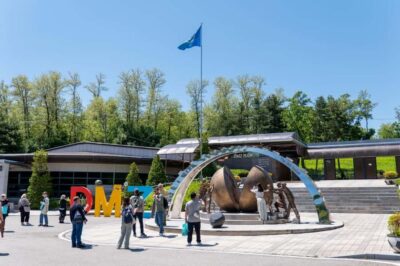
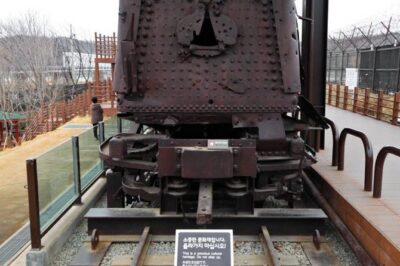
Imjingak Peace Park is where I’d tell you to slow down. This isn’t just a pretty stop for photos. It’s designed as a memory space, with war artifacts, artillery, and military bunkers that make the DMZ feel like the product of real fighting and real grief.
Your guide explains what you’re looking at and why it was preserved. The best effect of this kind of stop is that it changes how you understand the rest of the day. Later, when you’re standing in or near operational military areas, you’ll know the difference between a “scenic overlook” and a place that exists because people tried to infiltrate, counter-infiltrate, and survive.
If you’re the type who likes history that’s tied to geography, you’ll enjoy the way the guide connects the park to the larger tension between North and South Korea that still shapes daily life. And if you’re more practical than philosophical, you’ll still appreciate the blunt clarity of seeing equipment and structures laid out for you.
Following the barbed-wire fence: learning how the border is enforced
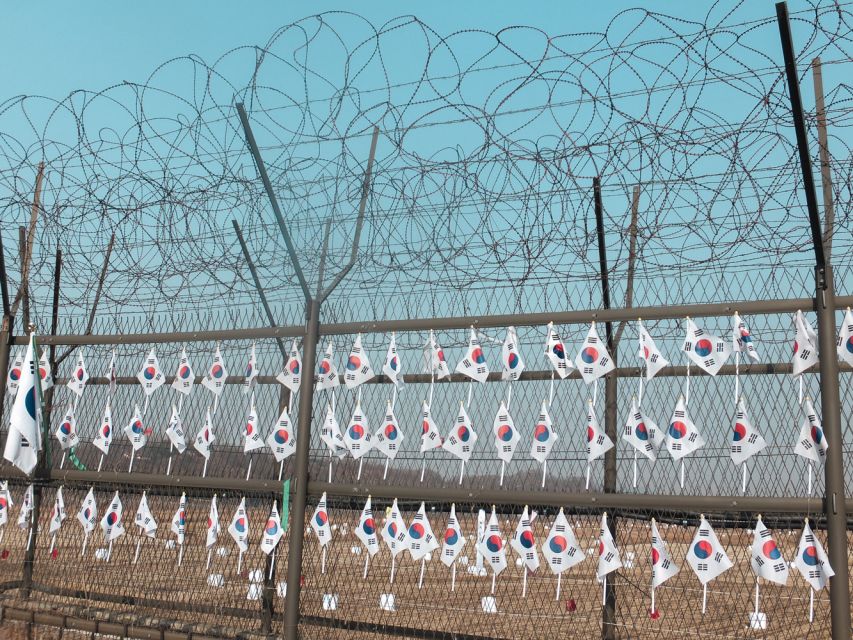
After Imjingak, the day shifts from exhibits to a living, active boundary. You follow your guide along the DMZ area past points where you can see border security in action—soldiers patrolling and the kind of fencing systems that remind you this is not a symbolic line.
This is where a private guide earns their fee. When you have the ability to ask direct questions—about why certain places are accessible and others aren’t, or what daily patrols are meant to prevent—you stop treating the DMZ like a movie set. You start understanding it as a security system built on uncertainty.
There’s also a very honest feel to the close viewing. Even when you’re not in a high-emotion moment, you can sense why people describe the DMZ as confronting. The physical proximity to North Korea (even from the South side) compresses the scale. Distance shrinks, and your brain starts doing the work of imagining what’s on the other side.
Tip: wear comfortable shoes. There are multiple stops, and the day has a moderate walking component. If your feet hurt early, you’ll feel it all day.
More guide-to-yourself private days in Seoul

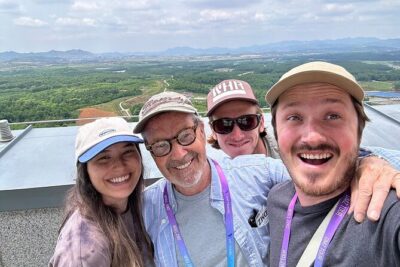

Entering a South Korean military outpost: the day gets real here
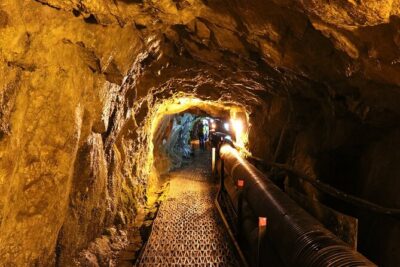
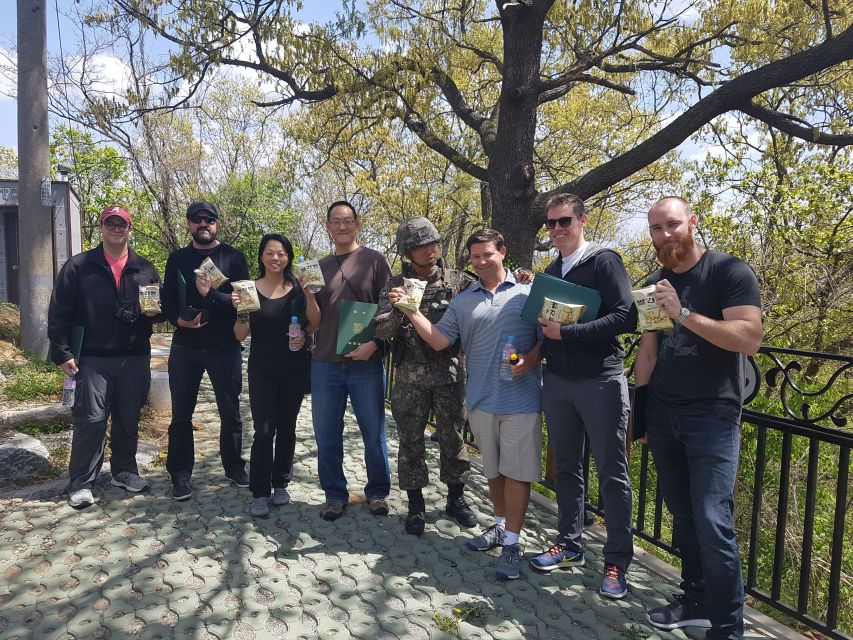
One of the highest-value parts of this tour is the visit to a real South Korean military outpost. This is not just standing near something from a distance. You’re going inside an operational site, and that shifts the tone instantly.
You’ll get context about the ongoing tensions on the Korean Peninsula, and you’ll hear how the infiltration route of North Korean spy commandos connects to what the military prioritized. The tour’s story framework helps here: the day is built around how past conflict tactics relate to present-day border security.
You’ll likely notice practical details too—how the outpost is arranged, how access is controlled, and what kind of viewing is allowed. Some areas may have restrictions for photography or movement, and the guide’s job is to keep you oriented while respecting the rules.
This is also where a well-communicating guide matters most. In the tour experiences shared by others, people praised guides for being friendly and exceptionally good at explaining the situation without turning it into propaganda or one-note talking points. The goal is balance: you come away with context, not just slogans.
Paju-si break and photo stop: a small pause with big payoff

You’ll get a break time and photo stop in Paju-si. It might sound like filler, but it’s a smart design choice for a long, structured day. Taking a breather here helps you stay present for the stops after lunch, when your attention could otherwise drift.
I like that the schedule includes downtime. DMZ tours can feel intense; adding a calmer mid-day break makes the rest easier to digest—especially after you’ve already spent time processing war relics and security details.
If you’re traveling with kids or you simply need a mental reset, this kind of planned pause can make the difference between a tense day and a manageable one.
Odusan Observatory and the 2 km farming village: when distance becomes a number
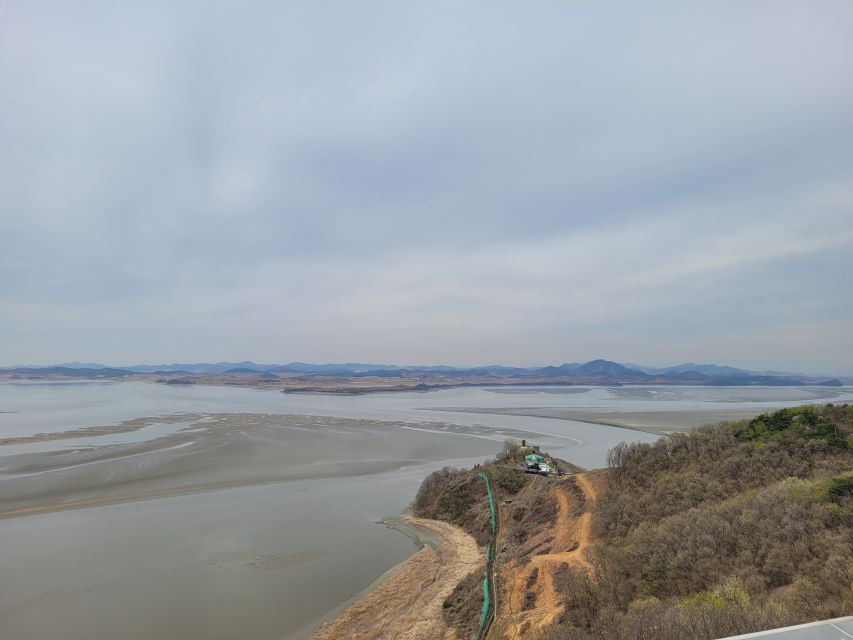
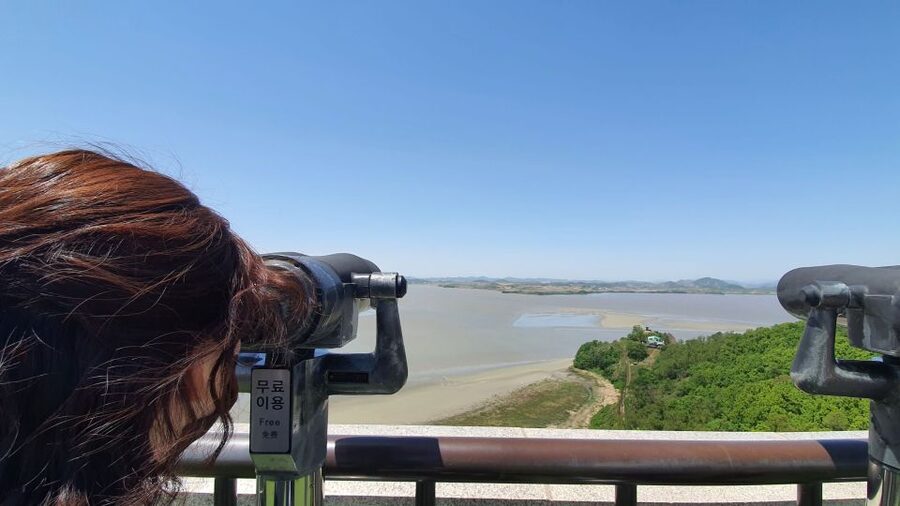
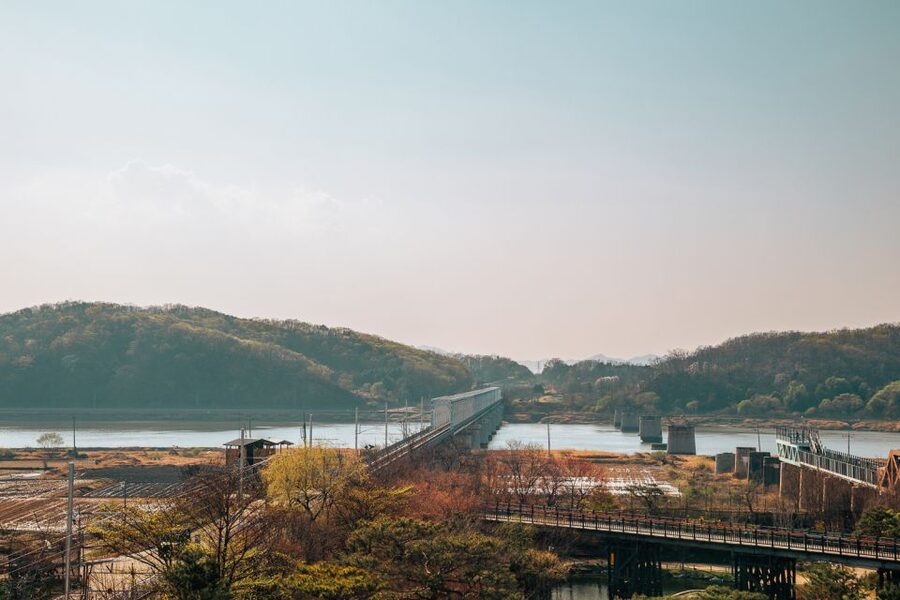
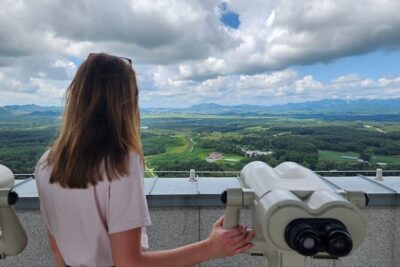
Odusan is the moment when the DMZ turns from theory into a visual math problem. From the Odusan observation point (and the associated visitor area), you can see a North Korean farming village across the river border—about 2 kilometers away.
That distance matters because it forces you to think differently. It’s not a far-off concept; it’s a reachable scale. You’re not just hearing about division. You’re looking at how close two realities can be—one under strict control and one under constant tension.
Your guide ties this view to the broader theme of everyday life under separate systems. Even if you can’t see details the way you would from a normal travel viewpoint, the experience still lands because the setting is so specific.
If you’re a photographer, you’ll want to follow the guide’s cues on where to stand and what’s allowed. If you’re not, still treat it like a serious stop. I’d give yourself a few minutes of quiet looking time before you ask questions, because the view itself is part of the lesson.
Lunch of North Korean specialties: eating makes the story human
Lunch is one of the most talked-about parts of this day, and for good reason. The tour includes a meal featuring BBQ duck (or an equivalent option), plus a range of vegetarian options.
Food can do something history museums can’t: it puts you in a normal rhythm for an hour. Here, you’re eating something that feels connected to the region’s culinary identity rather than grabbing a generic tourist plate. The guide also helps keep it smooth—people have noted the way vegetarian needs can be handled, which is a big deal when you’re traveling on a tight schedule.
Practical note: additional drinks aren’t included, so plan to buy water or other beverages if you need them. Bring that expectation so you’re not surprised after you’ve already had a long day of walking and standing.
Also, this lunch is more than fuel. It’s a reminder that the peninsula isn’t only conflict headlines. It’s also daily routines—markets, kitchens, families, and the texture of ordinary life.
Price and value: is $200 per person worth a private DMZ day?

At $200 per person for a 10-hour private tour, the value comes down to what you want from the DMZ experience.
If you want a DMZ day that feels efficient and guided—pickup in Seoul, entrance fees handled, private vehicle, an English-speaking guide, and lunch included—this price can make sense. Many DMZ visits can be crowded, and time gets wasted waiting in lines or dealing with group logistics. Here, you’re buying time and attention, not just access.
You’re also getting more than one type of stop: peace-park exhibits, active border-area viewpoints, a military outpost visit, and Odusan. That mix matters because it prevents the day from becoming one long look-only exercise.
Could it be expensive compared with a basic bus tour? Yes. But if you care about asking questions, hearing balanced explanations, and not feeling rushed, the private format is the real multiplier.
What to wear and bring for DMZ success
This kind of day has simple needs, but they matter.
- Bring your passport. A current valid passport is required.
- Wear comfortable clothes and shoes. You’ll do a moderate amount of walking, plus lots of standing and moving between stops.
- Dress for weather changes. You’re operating outdoors and near facilities that may require calm, practical movement.
Also, keep your expectations grounded: this is not a laid-back photo safari. It’s a structured day with security-minded access.
Who should book this DMZ tour (and who should skip it)
This tour fits best if you want:
- a private guide you can actually talk to,
- a DMZ day organized around specific themes (spy infiltration stories and border security context),
- a mix of sites: Imjingak, military outpost access, and Odusan.
Skip it if:
- you use a wheelchair or have mobility limitations, because it’s listed as not suitable for wheelchair users and people with mobility impairments.
If you’re traveling with limited time in Seoul, this is also a good fit. You’re dedicating one full day and getting the core sights tied together with interpretation.
Should you book the Seoul Private DMZ and Odusan Observatory Full-Day Tour?
I think you should book it if you want your DMZ day to feel guided, not generic. The private format, the military outpost visit, and the pairing of Imjingak + Odusan gives you a full arc—from preserved war reminders to present-day border reality.
It also helps that lunch is included and handled thoughtfully, including duck BBQ plus vegetarian options. That turns a potentially exhausting day into something you can actually sustain.
But if you hate structured walking days, or you don’t have your passport ready, don’t force it. In this setting, practical readiness is part of the experience. If you’re prepared, this is one of the more meaningful ways to see the DMZ from Seoul without feeling rushed or lost.
FAQ
How long is the DMZ and Odusan tour?
The tour runs for about 10 hours.
What’s included in the price?
The price includes entrance fees for visiting places, lunch (BBQ duck or an equivalent option), a local English-speaking guide, a private vehicle, and pickup and drop-off service from your Seoul accommodation.
Do I need a passport?
Yes. A current valid passport is required on the day of travel.
Is pickup available from my hotel in Seoul?
Yes. Pickup and drop-off service are included, with pickup from your accommodation in Seoul.
What language will the guide speak?
The guide is available in English, Japanese, and Korean.
What food is served for lunch, and are vegetarian options available?
Lunch is included and features BBQ duck (or an equivalent option). The tour also provides a range of vegetarian options.
Is the tour only for private groups?
Yes. It’s a private group experience.
Is there walking involved?
Yes. There is a moderate amount of walking, so comfortable clothes and shoes are recommended.
Is the tour suitable for wheelchair users or mobility impairments?
No. It is not suitable for people with mobility impairments or wheelchair users.
More Tours in Seoul
- Best DMZ Tour Korea from Seoul (Red Suspension Bridge Optional)★ 5.0 · 41,422 reviews
- DMZ Tour: 3rd Tunnel, Option(Suspension Bridge, Boat) from Seoul★ 5.0 · 21,373 reviews
- DMZ tour south Korea from Seoul (NK experience hall, defector)★ 5.0 · 20,599 reviews
- Seoul: DMZ Tour with Optional Suspension Bridge★ 4.8 · 5,277 reviews
- Seoul: DMZ The 3rd Tunnel and Suspension Bridge Tour★ 5.0 · 4,656 reviews
More Tour Reviews in Seoul
- Best DMZ Tour Korea from Seoul (Red Suspension Bridge Optional)★ 5.0 · 41,422 reviews
- DMZ Tour: 3rd Tunnel, Option(Suspension Bridge, Boat) from Seoul★ 5.0 · 21,373 reviews
- DMZ tour south Korea from Seoul (NK experience hall, defector)★ 5.0 · 20,599 reviews
- Seoul: DMZ Tour with Optional Suspension Bridge★ 4.8 · 5,277 reviews
- Seoul: DMZ The 3rd Tunnel and Suspension Bridge Tour★ 5.0 · 4,656 reviews
The DMZ & the Border, More Routes
- Best DMZ Tour Korea from Seoul (Red Suspension Bridge Optional)★ 5.0 · 41,422 reviews
- DMZ Tour: 3rd Tunnel, Option(Suspension Bridge, Boat) from Seoul★ 5.0 · 21,373 reviews
- DMZ tour south Korea from Seoul (NK experience hall, defector)★ 5.0 · 20,599 reviews
- Seoul: DMZ Tour with Optional Suspension Bridge★ 4.8 · 5,277 reviews
- Seoul: DMZ The 3rd Tunnel and Suspension Bridge Tour★ 5.0 · 4,656 reviews
Just added to Exploring Seoul

DMZ Day Tours, compared.
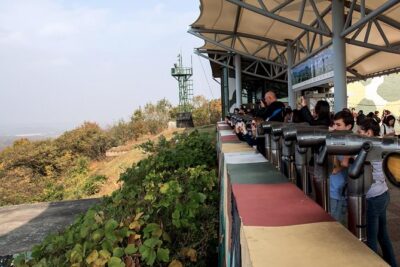 ★ 5.0DMZ Tour: 3rd Tunnel, Option(Suspension Bridge, Boat) from SeoulFrom $3521,373 reviews
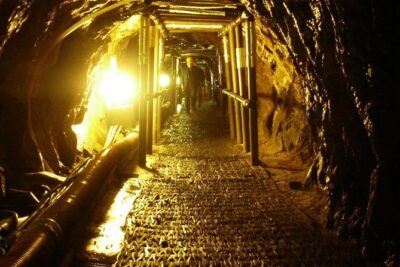 ★ 5.0DMZ tour south Korea from Seoul (NK experience hall, defector)From $2620,599 reviews
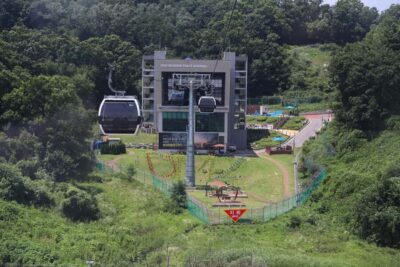 ★ 4.8DMZ Tour with Optional Suspension BridgeFrom $455,277 reviews
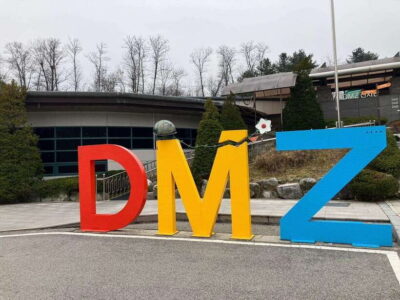 ★ 5.0DMZ The 3rd Tunnel and Suspension Bridge TourFrom $654,656 reviews
 ★ 5.0Signature DMZ Tour: Exclusive Defector Talk & Suspension BridgeFrom $274,459 reviews
 ★ 5.0Thrilling Korean DMZ 3rd Tunnel Tour from Seoul + Red Bridge RushFrom $353,097 reviews
 ★ 4.9DMZ Tour & Suspension Bridge (Option English/Spanish)From $352,628 reviews
 ★ 5.0DMZ Past and Present: Korean Demilitarized Zone Tour from SeoulFrom $372,481 reviews
Browse the lists this tour appears in