
Reviewed · DMZ DAY TOURS
DMZ; NK Defector, 3rd Tunnel, Suspension Bridge,Hotel pickup
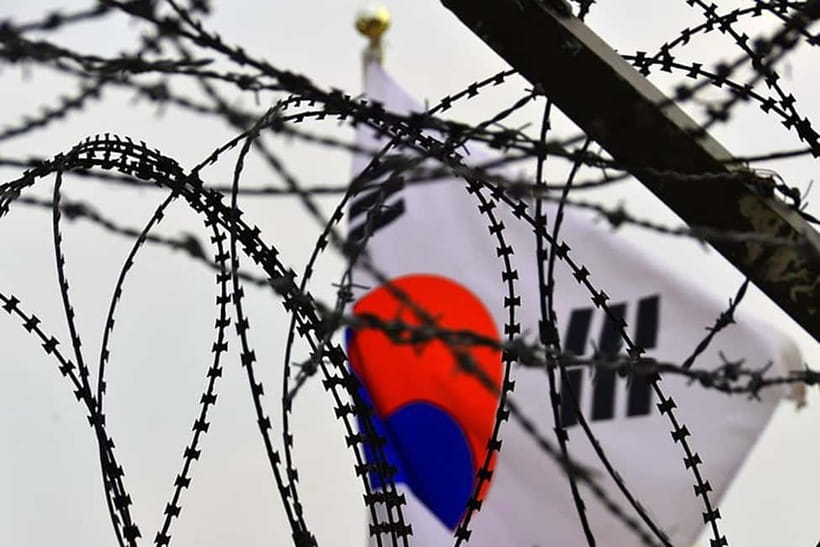
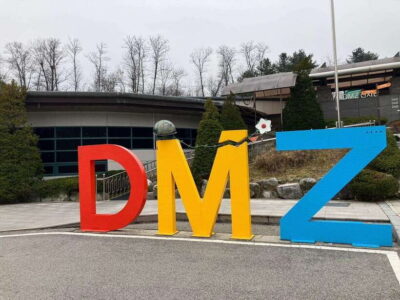
Nothing prepares you for the DMZ gates. This day trip is built around real borderland stops: the Third Infiltration Tunnel and the Dora Observatory. What I like most is how the route turns big headlines into concrete places you can stand in and see.
The second big win for me is the optional North Korean Defector meet-up. When it’s included, your guide’s narration turns into something more human—stories, Q&A, and context that makes North Korea feel less like a concept and more like a lived reality. Guides such as Lily, Yoon, Grace, and AJ often keep the bus ride lively and the explanations easy to follow.
One thing to consider: this is a long, packed day that runs on rules. You’ll need your passport, and you should dress for cold wind at exposed viewpoints. Also, the suspension-bridge add-ons are optional, so decide based on how much walking and photo-time you want.
In This Review
- Key things to know before you go
- DMZ From Seoul: What a 7-Hour Day Actually Takes
- Imjingak Park, Mangbaedan, and Freedom Bridge: The Setup Before the Border
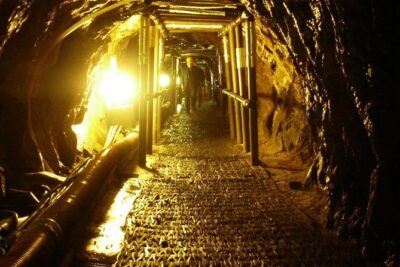
- The Third Infiltration Tunnel: Close, Confined, and Human-Scale
- Dora Observatory: Watching North Korea Without Feeling Like a Tourist
- Unification Village Pass-By and the Suspension Bridge Detour
- The North Korean Defector Meet-up and North Korea Experience Hall
- Special Monday note: the Starbucks DMZ tour variant
- Price and Logistics: Why This $45 DMZ Day Can Be Good Value
- What to Bring: Passport, Layers, and a Plan for Photos
- Who This DMZ Tour Is Best For
- Should You Book This DMZ Tour?
- FAQ
- Do I need a passport for this DMZ tour?
- How long is the DMZ tour from Seoul?
- Are suspension bridges included, or optional?
- Can I meet a North Korean defector on this tour?
- Is hotel pickup included?
- What happens on Mondays?
Key things to know before you go
- Third Infiltration Tunnel access: You get guided time in the tunnel dug toward the South, with a border-close perspective.
- Dora Observatory views: Expect a carefully framed look into North Korea from the observation points.
- Defector meet-up is the most meaningful add-on: It’s offered as an optional session tied to the North Korea Experience Hall area.
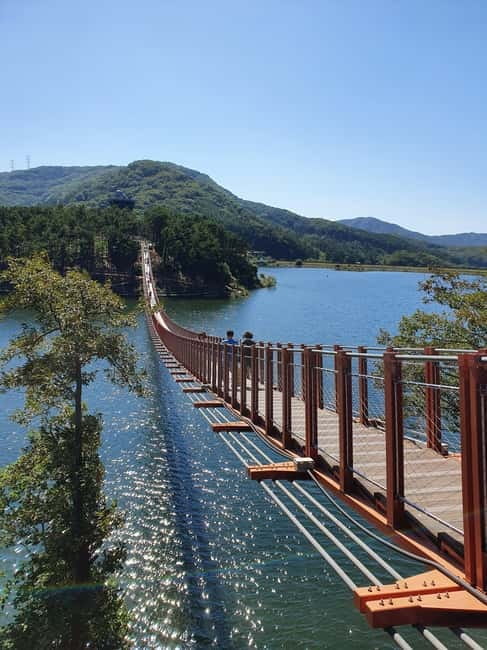
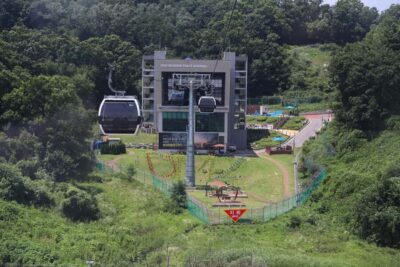
- Two suspension bridge choices: Pick either the Red suspension bridge area (Mt. Gamaksan) or the lake bridge area (Majang Reservoir).
- Tight timing, guided pace: Several stops are guided, with short self-exploration windows.
- Guide energy matters: Many guides (Yoon, Lily, Katie, Chloe, Erica, Sadie) are repeatedly praised for clear storytelling and photo help.
Other ways to reach the DMZ and the border from Seoul
- DMZ Tour: 3rd Tunnel, Option(Suspension Bridge, Boat) from Seoul★ 5.0 · 21,373 reviews
- DMZ tour south Korea from Seoul (NK experience hall, defector)★ 5.0 · 20,599 reviews
- Seoul: DMZ Tour with Optional Suspension Bridge★ 4.8 · 5,277 reviews
- Seoul: DMZ The 3rd Tunnel and Suspension Bridge Tour★ 5.0 · 4,656 reviews
DMZ From Seoul: What a 7-Hour Day Actually Takes
This tour is designed as a full, guided day outside central Seoul. Plan on about 1 hour of bus time to get you into the DMZ area, then multiple guided segments once you’re there. The total time is listed as roughly 7 hours (510 minutes), and the flow matters: you’re moving from memorial-like sites to controlled border zones to viewpoints, with explanations threaded through.
Transport is round-trip from Seoul, and you’re not expected to figure out checkpoints or ticketing yourself. You’ll ride in a coach with a live guide (Chinese, English, or Japanese). If you’re booking a Japanese/Chinese language option, there’s a stated minimum group size; if that minimum isn’t met, the tour runs in English.
I also like the “no-hassle” feel. People frequently mention guides staying on top of everyone—keeping the group together and helping with photos at key moments. That’s not a small thing on a day where you’re standing at fences, ramps, and observation rails for limited time.
Imjingak Park, Mangbaedan, and Freedom Bridge: The Setup Before the Border
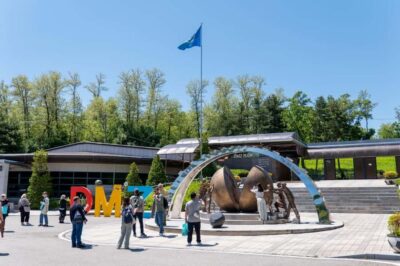
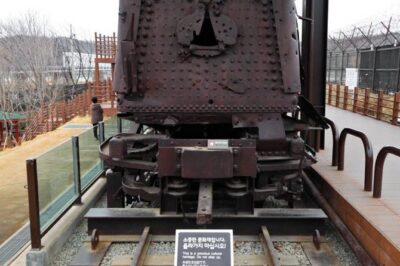
The day often starts at Imjingak Park, a place that frames the Korean War’s ongoing aftereffects. From there, you’ll spend guided time at Imjingak (about 1 hour) and then move through nearby points tied to the story of separation and families. The route commonly includes Mangbaedan and Freedom Bridge, with Freedom Bridge taking about 30 minutes guided.
These stops are more than quick photo breaks. The guide typically builds context: why these sites exist, what people associate with them, and how the DMZ isn’t only military geography—it’s a dividing line that affects everyday lives. If you’re the type who likes to understand what you’re seeing before you stare at concrete and wire, this part of the tour is doing real work.
A practical note: this is where the weather usually starts to matter more. The DMZ area can feel colder and windier than Seoul city streets, and you’ll likely want layers that you can add/remove without fuss.
The Third Infiltration Tunnel: Close, Confined, and Human-Scale
The highlight for many people is the Third Infiltration Tunnel of Aggression. You’ll get about 1 hour with guided time here. This stop is the most “in your body” part of the tour. You’re not just looking outward—you’re entering a narrow passage tied to North Korea’s long history of tunneling and covert attempts to reach the South.
One helpful detail from guides’ explanations and how the stop is experienced: the point is to give you a close feel for distance. In at least one account, the guide pointed out that you’re roughly 70 meters from North Korea at the end of the tunnel experience. The exact feeling will depend on how your guide explains it and where you stand, but the takeaway is consistent: you’re getting a border-close perspective that’s hard to replicate on your own.
What I’d prep for:
- Expect tight space and a slower pace than you’d think.
- Bring shoes that handle uneven ground and possible damp spots.
- Listen closely to your guide’s directions so you don’t waste time figuring things out inside the controlled area.
Even if you’re not a history nerd, the tunnel tends to hit a nerve. It turns strategy into scale—scale into tension—tension into the kind of silence that makes the whole day stick.
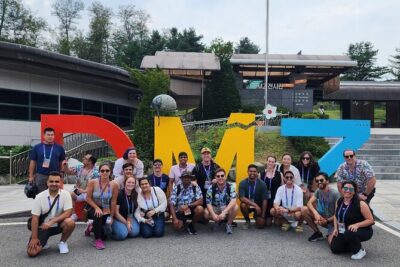
Dora Observatory: Watching North Korea Without Feeling Like a Tourist
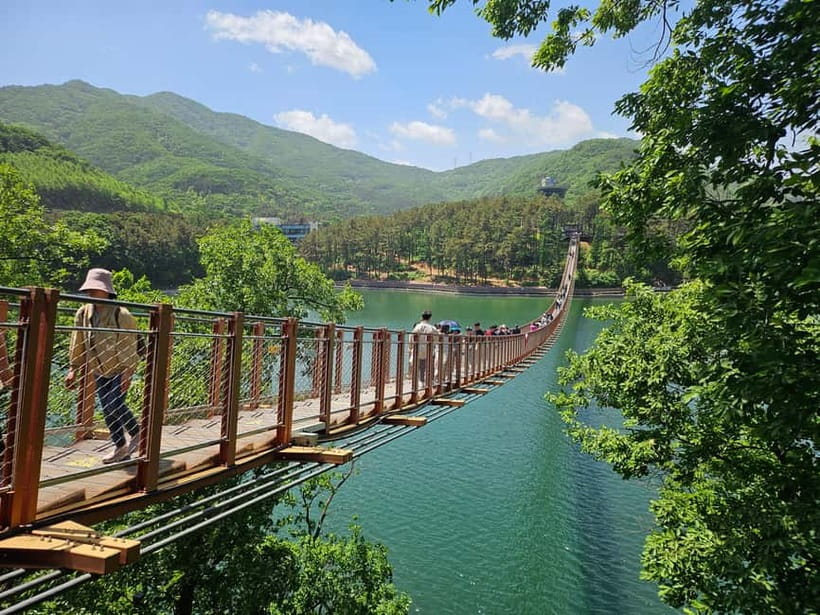
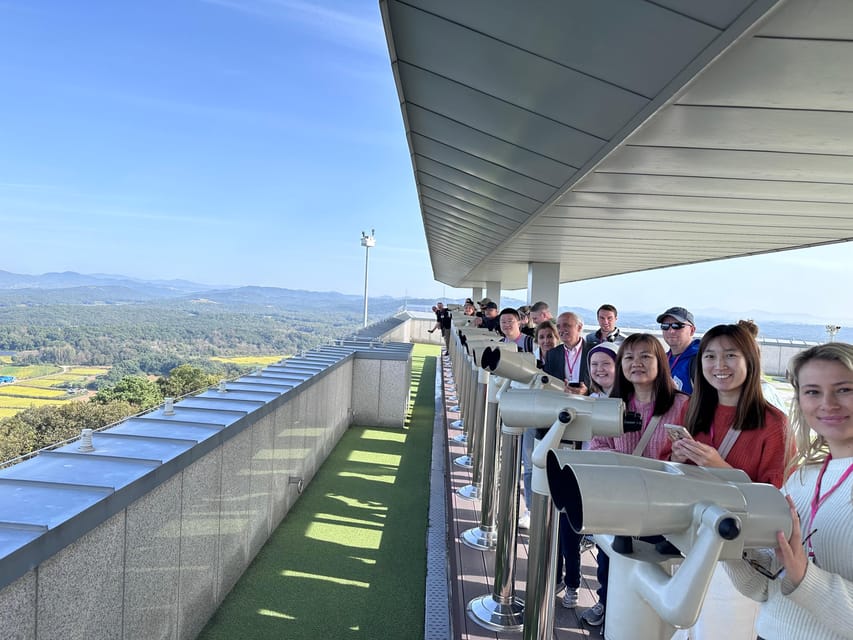
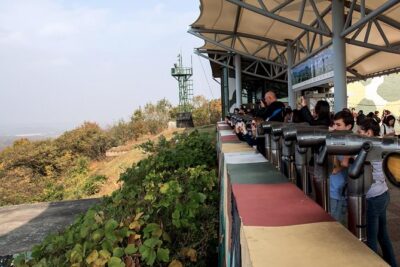
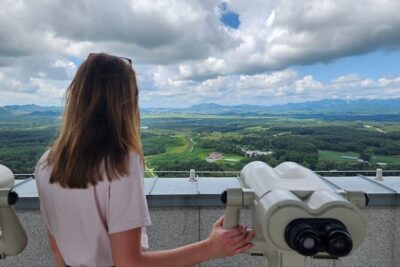
After the tunnel, you move to Dora Observatory, typically guided for about 1 hour. This is your big “see what you can see” moment: views into the northern side from observation points inside the DMZ framework.
Guides often explain what you’re looking at and how the observation setup works—binocular viewing is mentioned in experiences, and the tone is usually careful. The goal isn’t sensational sightseeing. It’s to help you interpret what you’re seeing, what you can’t see, and why the view is both possible and restricted at the same time.
If the day is sunny, this stop can feel almost surreal. Even when the weather isn’t perfect, the observatory still provides a strong visual anchor for the rest of your learning. I like that the guide usually makes time for you to look, not only listen.
Unification Village Pass-By and the Suspension Bridge Detour
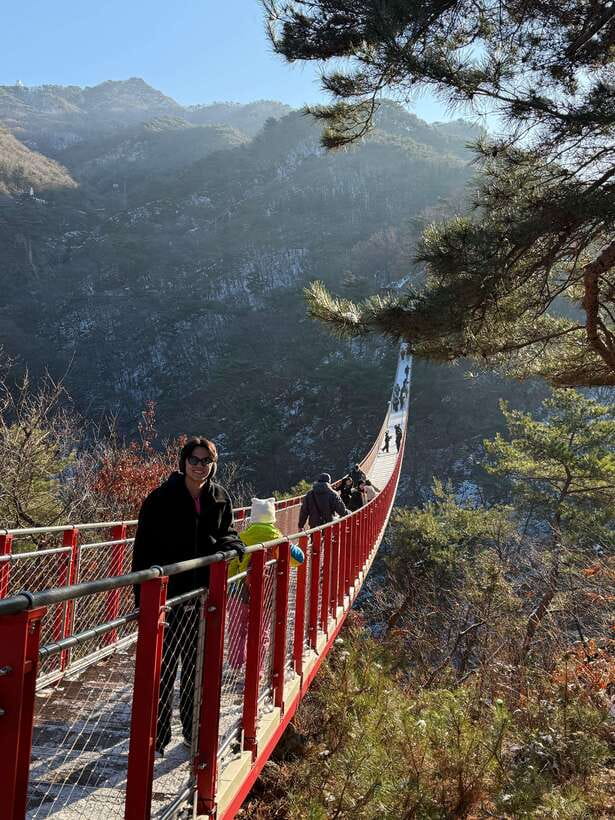
You’ll typically pass by Unification Village (listed at about 5 minutes). It’s quick, so don’t treat it like a museum stop. Think of it as a brief “here’s the zone where people imagine reunification” moment—then you’re off to the optional scenery.
Then comes the add-on choice: a suspension bridge stop, either:
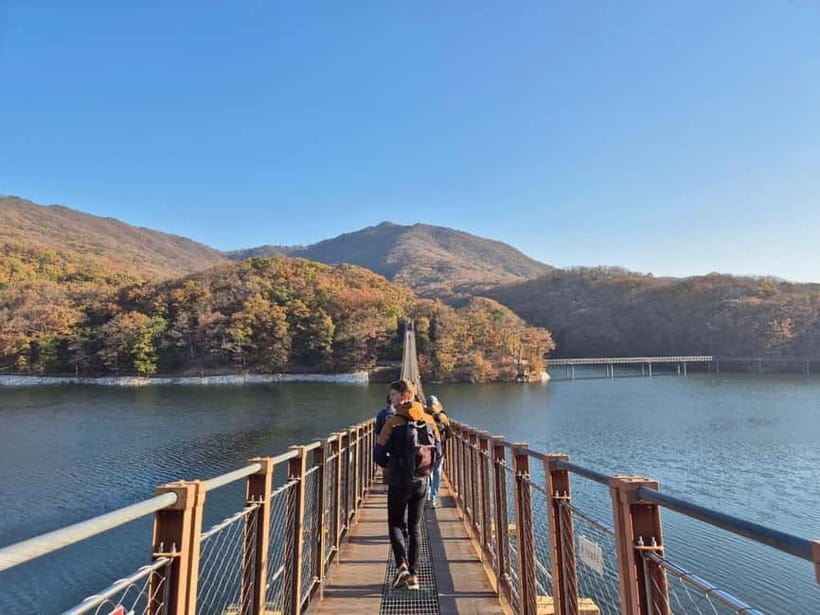
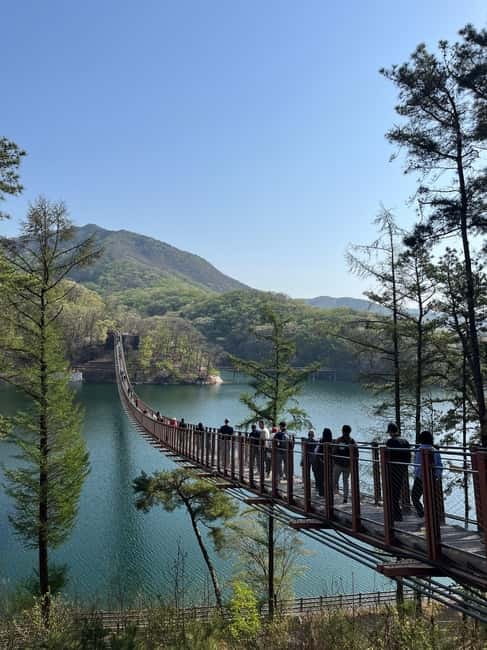
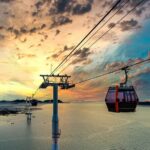
- Majang Reservoir Suspension Bridge (about 1 hour guided), or
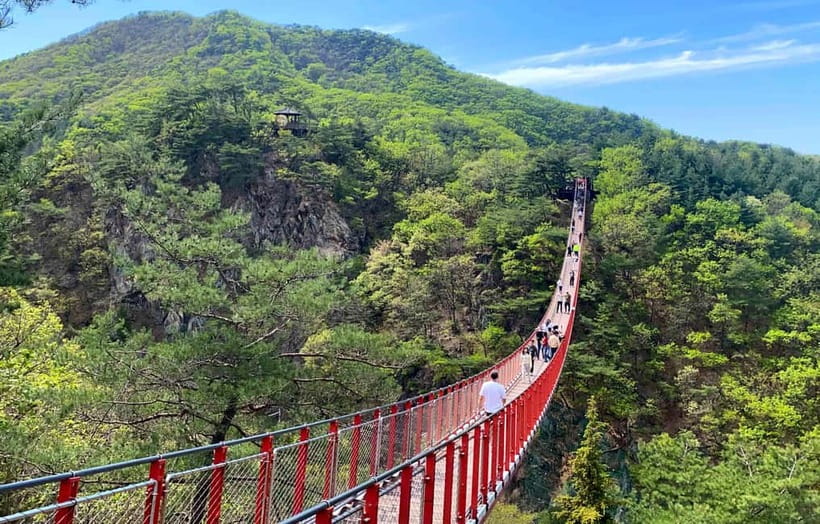
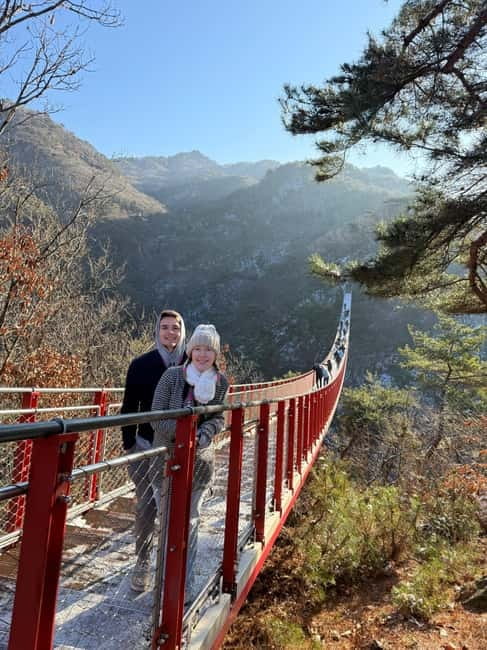
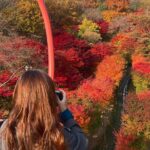
- Mt. Gamaksan Suspension Bridge, often referred to as the Red suspension bridge area (about 1 hour guided).
Why add a bridge on a DMZ tour? Because it changes the emotional rhythm. The DMZ stops are heavy and controlled; the bridge option is where you can breathe, stretch legs, and take wide-angle photos with a guide still giving you context.
The trade-off is time. A bridge stop is a full hour, and if your body runs cold or you’re short on patience for photo time, choose carefully. The upside: you’ll come away with images that don’t look like war documentaries. They look like Korea—just Korea with a border hanging in the background.
The North Korean Defector Meet-up and North Korea Experience Hall
If you book the add-on, this becomes the part of the day with the most direct human weight. The tour offers a special option to meet a real North Korean defector and hear more through a structured session.
There’s also a newer piece tied to this experience: a North Korea Experience Hall at Imjingak Park, opened on April 22, 2025. In the experience described, you can meet a real defector there and learn more about North Korea. The offering is described as exclusive to this tour provider.
What to expect from this portion:
- It’s structured enough to feel informative, not chaotic.
- You should expect an opportunity for questions and direct answers, depending on how your guide manages the Q&A.
- Your guide’s role shifts from lecturing to translating lived stories into understandable context.
A lot of guides (including people like Sadie, Grace, and Katie in past tours) are praised for keeping the tone respectful and for managing questions so the session feels safe and organized. If your goal is to leave with more than facts—if you want perspective—this add-on is usually the difference between a good DMZ visit and a lasting one.
Special Monday note: the Starbucks DMZ tour variant
There’s a stated workaround for Mondays: the original DMZ experience is officially closed on Mondays, so an alternative is provided. On Monday, a Starbucks DMZ Tour runs from 07:30–13:00 with a different set of stops, including Aegibong Peace Park, Aegibong Suspension Bridge, and Jogang Observatory (Starbucks Observatory), with pickup guidance near Myeongdong Station exit 9.
If you’re traveling on a Monday, treat it as a different product with a shorter window—not a full replacement of the tunnel/observatory day.
Price and Logistics: Why This $45 DMZ Day Can Be Good Value
At about $45 per person for the long DMZ day, the value comes from what’s included. You’re not just paying for a route—you’re paying for:
- A friendly, licensed professional guide
- Round-trip transport from Seoul
- Admission tickets for the DMZ portion
- Guided time that helps you understand what you’re seeing
The non-included parts are also clear: food and drinks aren’t included, and travel insurance isn’t listed. Hotel pickup and drop-off depends on the option you choose. If you book a private DMZ tour, meeting at your hotel and dropping back at your hotel is described as part of that private option.
So the real question isn’t whether $45 feels cheap. It’s whether you’d spend more than that trying to DIY the checkpoints, tickets, and guided context. For most people, the answer is yes. The guide’s storytelling and the structured stops reduce friction—especially on a day where the rules are tight and the timing matters.
If you add the defector session, you’re spending extra for the part that’s hardest to recreate independently. That’s where the added cost can make sense.
What to Bring: Passport, Layers, and a Plan for Photos
Here’s the checklist that matters most, based on the info provided:
- Bring your passport. A military ID or ARC is noted as fine.
- Wear layers. You may feel freezing or very cold at exposed points.
- Use comfortable shoes. This is a walking-and-standing day.
- Bring a camera, and be ready to ask your guide for photo help.
In multiple experiences, guides are praised for taking initiative with pictures at key moments. That means you don’t have to chase the right spot or ask awkward questions mid-queue.
Also: don’t ignore the language. The tour runs in Chinese, English, or Japanese, and that matters for how fast you’ll absorb the context—especially during tighter checkpoint-style segments.
Who This DMZ Tour Is Best For
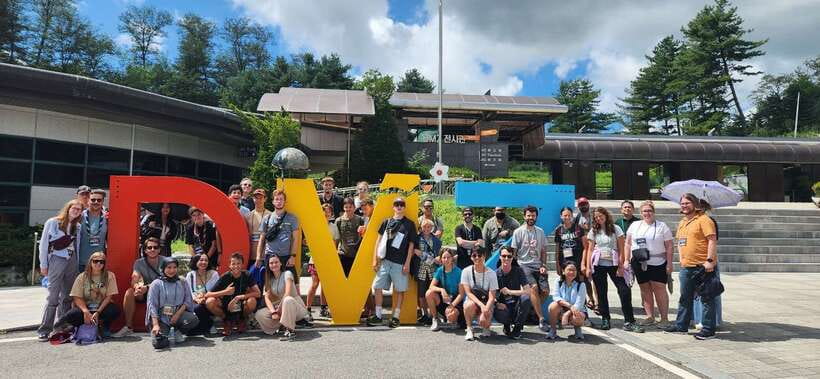
This tour is a strong fit if you:
- Want a structured DMZ visit without worrying about logistics
- Care about context, not just dramatic sightseeing
- Like a guide who keeps things lively and organized (many guides are praised for energy and humor)
- Are interested in the option to meet a North Korean defector
It may be less ideal if you:
- Hate long days with strict timing and standing time
- Get claustrophobic in confined spaces (the tunnel is the tightest segment)
- Prefer lots of free time rather than guided explanations
Should You Book This DMZ Tour?
Book it if you want your DMZ visit to feel guided, understandable, and memorable. The combination of Third Infiltration Tunnel access, Dora Observatory viewing, and the option to add the defector meet-up makes this more than a checklist tour. Your experience level with history won’t matter much; the guide’s job is to translate the place into meaning.
Skip or rethink if you’re sensitive to cold wind, confined spaces, or long, tightly scheduled days. And if you’re traveling on a Monday, make sure you pick the right variant for the day—because the provided Monday route is shorter and built around different stops.
If your priority is human perspective, add the defector session. If your priority is classic DMZ views with a little scenery, choose the suspension-bridge option that fits your pace.
FAQ
Do I need a passport for this DMZ tour?
Yes. All guests must bring a passport. The tour notes that a military ID or ARC can also be used.
How long is the DMZ tour from Seoul?
The standard tour is listed at about 7 hours (510 minutes), depending on the selected option and starting time.
Are suspension bridges included, or optional?
Suspension bridge visits are optional. You can add either the Red suspension bridge area (Mt. Gamaksan) or Majang Lake suspension bridge, and each add-on is guided for about 1 hour.
Can I meet a North Korean defector on this tour?
Yes, there is an optional add-on for a North Korean Defector meet-up, tied to the North Korea Experience Hall at Imjingak Park.
Is hotel pickup included?
Hotel pickup is described as optional depending on the option you choose. A private DMZ tour includes meeting at your hotel and dropping off at your hotel; other options meet at designated places and drop off at City Hall.
What happens on Mondays?
The DMZ is officially closed on Mondays, so the tour provides a shorter alternative called the Starbucks DMZ Tour, running 07:30–13:00 with different stops.
More Tour Reviews in Seoul
- Best DMZ Tour Korea from Seoul (Red Suspension Bridge Optional)★ 5.0 · 41,422 reviews
- DMZ Tour: 3rd Tunnel, Option(Suspension Bridge, Boat) from Seoul★ 5.0 · 21,373 reviews
- DMZ tour south Korea from Seoul (NK experience hall, defector)★ 5.0 · 20,599 reviews
- Seoul: DMZ Tour with Optional Suspension Bridge★ 4.8 · 5,277 reviews
- Seoul: DMZ The 3rd Tunnel and Suspension Bridge Tour★ 5.0 · 4,656 reviews
The DMZ & the Border, More Routes
- Best DMZ Tour Korea from Seoul (Red Suspension Bridge Optional)★ 5.0 · 41,422 reviews
- DMZ Tour: 3rd Tunnel, Option(Suspension Bridge, Boat) from Seoul★ 5.0 · 21,373 reviews
- DMZ tour south Korea from Seoul (NK experience hall, defector)★ 5.0 · 20,599 reviews
- Seoul: DMZ Tour with Optional Suspension Bridge★ 4.8 · 5,277 reviews
- Seoul: DMZ The 3rd Tunnel and Suspension Bridge Tour★ 5.0 · 4,656 reviews
Just added to Exploring Seoul


DMZ Day Tours, compared.
 ★ 5.0DMZ Tour: 3rd Tunnel, Option(Suspension Bridge, Boat) from SeoulFrom $3521,373 reviews
 ★ 5.0DMZ tour south Korea from Seoul (NK experience hall, defector)From $2620,599 reviews
 ★ 4.8DMZ Tour with Optional Suspension BridgeFrom $455,277 reviews
 ★ 5.0DMZ The 3rd Tunnel and Suspension Bridge TourFrom $654,656 reviews
 ★ 5.0Signature DMZ Tour: Exclusive Defector Talk & Suspension BridgeFrom $274,459 reviews
 ★ 5.0Thrilling Korean DMZ 3rd Tunnel Tour from Seoul + Red Bridge RushFrom $353,097 reviews
 ★ 4.9DMZ Tour & Suspension Bridge (Option English/Spanish)From $352,628 reviews
 ★ 5.0DMZ Past and Present: Korean Demilitarized Zone Tour from SeoulFrom $372,481 reviews
Browse the lists this tour appears in