

Reviewed · DMZ DAY TOURS
[DMZ Adventure] DMZ and optional Boat Voyage in River
One day, two worlds, lots of walking. This DMZ tour from Seoul is designed to be efficient and easy, with guided stops that take you from the Imjin River to the Dora Observatory. The admission fees are included, so you’re not juggling tickets while you’re trying to absorb what you’re seeing.
I also like that the pickup is centered in Seoul, with convenient options in Myeongdong or Hongdae. One thing to plan around: visibility can be limited when the weather turns, so fog and clouds can shrink what you see toward North Korea.
In This Review
- Key highlights to know before you go
- How this DMZ day tour works from Seoul
- Price and value: why $35 feels fair here
- Where you’ll start: Myeongdong and Hongdae pickup
- Imjingak Resort: the war’s memorial “prelude”
- Imjin River Dokgae Bridge: a small stop with big symbolism
- ID check and entering the DMZ area
- The Third Tunnel: when “close” becomes literal
- Dora Observatory: the best shot at seeing across
- Optional upgrade: Paju and an Imjin River boat voyage
- How the guide can make or break the day
- Weather and visibility: don’t blame the trip
- How fit and comfort level matter on this route
- Who should book this DMZ Adventure
- Should you book this tour?
- FAQ
- Do I need a passport for this DMZ tour?
- How long is the tour?
- Is the DMZ admission fee included?
- Where are the pickup locations in Seoul?
- What’s included if I choose the DMZ essential course vs the DMZ + Boat Voyage course?
- Which tunnel do you visit on Mondays?
- Do I get a mobile ticket?
- Is the boat voyage guaranteed?
- What happens if the weather is poor?
Key highlights to know before you go
![[DMZ Adventure] DMZ and optional Boat Voyage in River - Key highlights to know before you go](https://img.exploringseoul.com/wp-content/uploads/dmz-adventure-dmz-and-optional-boat-voyage-in-river-1.jpg)
- One guided circuit, many major DMZ sites: Imjingak, (optional) Dokgae Bridge, the Third Tunnel, and Dora Observatory
- ID check built into the day: you’ll go through security before you enter the DMZ area
- Third Tunnel is a real physical experience: it’s a walking section with tight dimensions
- Optional Imjin River boat from Paju: a traditional boat upgrade that changes the feel of the day
- Monday swap: the tour visits the 2nd Tunnel instead of the 3rd
Other ways to reach the DMZ and the border from Seoul
- DMZ Tour: 3rd Tunnel, Option(Suspension Bridge, Boat) from Seoul★ 5.0 · 21,373 reviews
- DMZ tour south Korea from Seoul (NK experience hall, defector)★ 5.0 · 20,599 reviews
- Seoul: DMZ Tour with Optional Suspension Bridge★ 4.8 · 5,277 reviews
- Seoul: DMZ The 3rd Tunnel and Suspension Bridge Tour★ 5.0 · 4,656 reviews
How this DMZ day tour works from Seoul
![[DMZ Adventure] DMZ and optional Boat Voyage in River - How this DMZ day tour works from Seoul](https://img.exploringseoul.com/wp-content/uploads/dmz-adventure-dmz-and-optional-boat-voyage-in-river-2.jpg)
This is the kind of tour day that helps you get your bearings fast. You start in Seoul, then move as a group to the DMZ area with roundtrip transfers handled for you. The point isn’t to linger in traffic or play “where is the bus?” It’s to spend your time on the ground where it counts.
Your total day runs about 6 to 9 hours. That time includes transportation and the scheduled visiting blocks at each stop, so you’re not stuck guessing how long everything will take once you’re already out of the city.
A big plus for value: DMZ admission fees are included. For a day like this, that matters. You don’t want surprise add-ons when the whole day is priced to be straightforward.
Price and value: why $35 feels fair here
At $35 per person, this tour is priced like a practical “see the DMZ with a guide” option rather than a luxury experience. What makes it feel like good value is what you actually get: a licensed professional tour guide, roundtrip transfer, and the admission fees for DMZ-related stops.
Also, your day is structured around major photo-and-history anchors: the Third Tunnel, Dora Observatory, and the river-side reminders of war and division. If you’ve ever tried to stitch together a DMZ visit on your own, you know how quickly time and stress stack up. This format trades a bit of flexibility for a lot of clarity.
One note: lunch isn’t included. So budget for a meal on your own during the day, or plan something simple around your timing.
Where you’ll start: Myeongdong and Hongdae pickup
You’ll choose between two central pickup locations: Myeongdong or Hongdae. That’s not a minor detail. In Seoul, starting in the right neighborhood can cut down on stress before you even leave the city.
The tour also uses a mobile ticket, which keeps things simple at check-in. And the group size tops out at 43 people, so you’ll be in a real group format without feeling like you’re lost in a stadium crowd.
If you’re traveling with 10+ people, there’s free hotel pickup mentioned for groups. Even if you’re not in that group size, it’s a useful detail to know for family trips or small friend groups.
A handful of other Seoul experiences to line up next


Imjingak Resort: the war’s memorial “prelude”
![[DMZ Adventure] DMZ and optional Boat Voyage in River - Imjingak Resort: the war’s memorial “prelude”](https://img.exploringseoul.com/wp-content/uploads/dmz-adventure-dmz-and-optional-boat-voyage-in-river-4.jpg)
The day begins at Imjingak Resort. This stop sets the emotional tone. It’s not just a scenic pause. It’s a place tied to displacement and remembrance, with multiple points to look through during about 40 minutes.
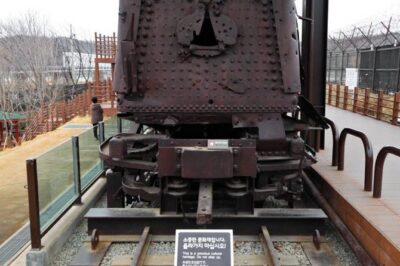
One featured item is the Mangbaedan Altar, connected to ancestral rites by people who left family and hometowns in North Korea. You’ll also see a steam locomotive destroyed during the Korean War. That kind of physical relic does something numbers can’t. It turns history into an object you can point at and say: this really happened.
What I like here: the pace gives you time to absorb before the security steps and tighter spaces later. You’re not rushing straight into the DMZ the second you arrive.
Potential drawback: since this stop is emotionally heavy, you may want to arrive mentally ready. If you prefer purely “wow views” sightseeing, this section hits harder than some of the later viewpoints.
Imjin River Dokgae Bridge: a small stop with big symbolism
![[DMZ Adventure] DMZ and optional Boat Voyage in River - Imjin River Dokgae Bridge: a small stop with big symbolism](https://img.exploringseoul.com/wp-content/uploads/dmz-adventure-dmz-and-optional-boat-voyage-in-river-5.jpg)
If you’re on the course that includes the DMZ circuit without the boat upgrade, you’ll stop at Imjin River Dokgae Bridge for about 20 minutes. This is described as a former railway bridge that once carried trains across the Imjin River, later damaged during the Korean War, leaving piers behind.
This stop feels short, but it works as a connector between the war’s infrastructure and what’s left today. It’s a reminder that division wasn’t just political. It also split transport, routes, and daily life.
If you’re someone who likes details—like why particular structures remain—you’ll probably enjoy this quick segment.
ID check and entering the DMZ area
![[DMZ Adventure] DMZ and optional Boat Voyage in River - ID check and entering the DMZ area](https://img.exploringseoul.com/wp-content/uploads/dmz-adventure-dmz-and-optional-boat-voyage-in-river-6.jpg)
Before you go deeper, you’ll have an ID check and then enter the DMZ area. The stop is listed as about 20 minutes for the DMZ segment at this stage.
You’ll need a current valid passport on the day of travel. Don’t assume your photo or digital copy will solve problems. Bring the real document.
Practical reality: this portion can feel procedural, not dramatic. But it’s part of how the DMZ functions. If you get impatient here, you’ll lose energy you’ll need later—especially for the tunnel.
The Third Tunnel: when “close” becomes literal
![[DMZ Adventure] DMZ and optional Boat Voyage in River - The Third Tunnel: when “close” becomes literal](https://img.exploringseoul.com/wp-content/uploads/dmz-adventure-dmz-and-optional-boat-voyage-in-river-7.jpg)
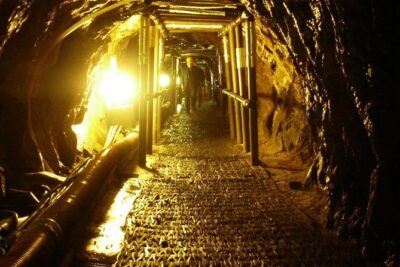
This is the stop that tends to make people sit up. You’ll spend about 1 hour 20 minutes on walking access to the 3rd Invasion Tunnel (and you’ll go through the tunnel course as directed).
The dimensions matter because they change your body’s experience of the place. It’s described as close to 1.95 meters high and 2.1 meters wide, with a length listed around 1,635 meters. That’s not a casual photo corridor. You’ll be moving through a narrow passage where your awareness of space ramps up fast.
On Mondays, the tour visits the 2nd Tunnel instead of the 3rd. If you have a strong preference between the two, check the day you’re booking.
Who will be happiest here: people who like hands-on learning and don’t mind a physical, slightly tight environment. The tour notes you should have moderate physical fitness—this tunnel is the main reason why.
What to consider: if tight spaces make you uncomfortable, this is the one portion you should think hard about before booking.
Dora Observatory: the best shot at seeing across
![[DMZ Adventure] DMZ and optional Boat Voyage in River - Dora Observatory: the best shot at seeing across](https://img.exploringseoul.com/wp-content/uploads/dmz-adventure-dmz-and-optional-boat-voyage-in-river-8.jpg)
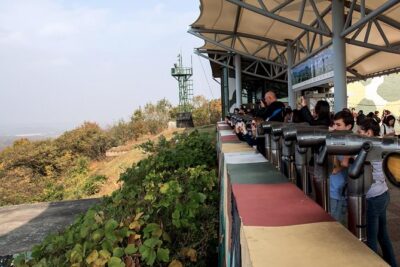
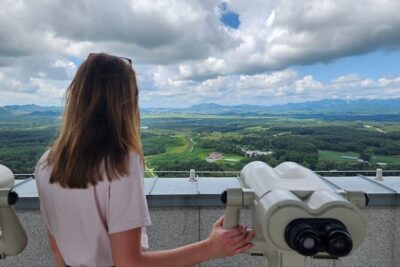
After the tunnel, the day moves to Dora Observatory for about 45 minutes. This is the northern-most point on the western front in the area you’ll visit, and it’s built for long-distance viewing.
You’ll be able to try to see Gaeseong Industrial Complex and Songhaksan Mountain in a single view, plus sights toward North Korea territory from the observatory.
This is where weather becomes a co-star. The tour notes the experience depends on good conditions. If it’s cloudy or foggy, the day can still be meaningful, but your actual visual range may be limited.
What I like: the observatory gives context in a way that tunnel walls can’t. You shift from “how close invasion pathways went” to “what’s visible across the border area.”
A practical tip: if you’re offered time at the observatory for viewing, don’t use it all to take photos. Look first, then shoot. Otherwise you’ll end up with images but not the mental picture.
Optional upgrade: Paju and an Imjin River boat voyage
If you choose the DMZ + Boat Voyage course, your schedule includes Paju for about 50 minutes. The key point here is the river connection: the Imjin River wasn’t open to public for over 50 years, and the boat portion is part of that “river reopened” experience.
You’ll take a traditional boat on the Imjin River. The description frames it as a way to see the river from a different vantage point—one that’s quieter and more grounded than the security-heavy DMZ sites.
If the boat doesn’t run: the tour structure suggests you may get an alternative nearby river-side experience. In practice, one commonly mentioned substitute is a suspension bridge segment when the boat portion is unavailable due to tension or timing issues. So expect that the boat is the highlight, but it’s not the only way the upgrade can be used.
What changes with the upgrade: you get a shift in mood—from controlled, historical sites to open-air movement on the river. That balance is part of what makes the “two activities in one day” concept work.
How the guide can make or break the day
A DMZ day lives or dies by how the guide handles pacing and explanation. When the day is timed tight and the locations are intense, you need someone who can translate what you’re seeing into something you can actually hold onto.
Based on guide names associated with strong experiences—Julie, Paul, Lucy, Joey, and JUN—the recurring theme is energy plus clear explanation. Some guides also seem to handle rainy days well, turning “we can’t see as far” into “here’s how to still understand what you’re looking at.”
If you’re booking, don’t just look at the route. Look at language support and the guide reputation where available. For a day like this, it’s not fluff. It changes your understanding.
Weather and visibility: don’t blame the trip
This tour requires good weather. If it’s canceled because of poor conditions, you’ll be offered a different date or a full refund. That’s important because Dora Observatory viewing is heavily affected by fog and clouds.
But even when conditions are rough, the day can still be worthwhile. Some of the most solid parts of the experience—the tunnel and the memorial-style stops—don’t depend entirely on long-distance visibility.
Still, manage expectations: the “see clearly into North Korea” part can’t be guaranteed. Your best move is to pack patience and keep your attention on what’s concrete in front of you.
How fit and comfort level matter on this route
The tour calls for moderate physical fitness. That’s mainly about the walking portions and the tunnel experience.
Here’s how to think about it:
- The tunnel is the tight-space physical segment.
- Other stops are shorter, but you’ll still be moving and standing for explanations.
- The ID check adds a procedural chunk where you’ll want to stay calm and organized.
If you have mobility limits or strong discomfort with narrow environments, you should weigh the tunnel section very carefully. This isn’t marketed as an easy stroll through a museum.
Who should book this DMZ Adventure
This tour makes a lot of sense if you want:
- A guided DMZ overview in one day starting from Seoul
- A route that hits big anchors like the Third Tunnel and Dora Observatory
- Transfers handled, so you can focus on the experience instead of logistics
- Optional variety with the Imjin River boat from Paju
It’s also a strong match if you like history that’s explained with context and humor. The day can be heavy; a lighter storytelling approach helps you absorb without shutting down.
On the flip side, this may not be your best pick if:
- You’re expecting guaranteed clear views across the border
- Tight spaces make you uncomfortable (the Third Tunnel is the key factor)
- You want long, slow free time at each stop. The schedule is structured, and the pacing is part of the design.
Should you book this tour?
If you’re visiting Seoul and want a DMZ day that feels organized and worth the time, I’d book it—especially at $35 with DMZ admission and transfers included. The route is focused on major sites, and the optional boat add-on is a nice way to balance a heavy topic with an open-air river moment.
Just go in with the right mindset. This isn’t about perfection. It’s about clarity: you’ll understand the geography and the intent behind what you’re seeing, even if weather limits visibility. And if you’re lucky with the guide—names like Julie or Paul are often associated with smooth pacing—you’ll leave with the day making sense.
FAQ
Do I need a passport for this DMZ tour?
Yes. A current valid passport is required on the day of travel.
How long is the tour?
The duration is about 6 to 9 hours total, including transportation and visiting time.
Is the DMZ admission fee included?
Yes. Admission fees to the DMZ are included for your convenience.
Where are the pickup locations in Seoul?
You can choose pickup from Myeongdong or Hongdae.
What’s included if I choose the DMZ essential course vs the DMZ + Boat Voyage course?
The Dokgae Bridge stop is listed for the DMZ Essential course, while Paju and the Imjin River boat portion are listed for the DMZ + Boat Voyage course.
Which tunnel do you visit on Mondays?
On Mondays, the tour visits the 2nd Tunnel instead of the 3rd Tunnel.
Do I get a mobile ticket?
Yes. The tour uses a mobile ticket.
Is the boat voyage guaranteed?
The boat voyage is an option in the upgraded course, but the experience details note that schedules can change due to factors including unexpected situations and conditions. If the boat portion can’t run, alternatives may be used.
What happens if the weather is poor?
The experience requires good weather. If it’s canceled due to poor weather, you’ll be offered a different date or a full refund.
More Cruises & Boat Tours in Seoul
- DMZ Tour: 3rd Tunnel, Option(Suspension Bridge, Boat) from Seoul★ 5.0 · 21,373 reviews
- Seoul: Han River Night Picnic & Games with Cruise★ 4.8 · 461 reviews
- Seoul Han River Night Tour: Picnic, Games & Starlight Cruise★ 4.5 · 80 reviews
- Seoul Night Tour with Han River Cruise and Gyeongbokgung Palace★ 5.0 · 53 reviews
- Eland Han River Cruise & Ashley Marine Buffet★ 4.3 · 12 reviews
More Tour Reviews in Seoul
- Best DMZ Tour Korea from Seoul (Red Suspension Bridge Optional)★ 5.0 · 41,422 reviews
- DMZ Tour: 3rd Tunnel, Option(Suspension Bridge, Boat) from Seoul★ 5.0 · 21,373 reviews
- DMZ tour south Korea from Seoul (NK experience hall, defector)★ 5.0 · 20,599 reviews
- Seoul: DMZ Tour with Optional Suspension Bridge★ 4.8 · 5,277 reviews
- Seoul: DMZ The 3rd Tunnel and Suspension Bridge Tour★ 5.0 · 4,656 reviews
The DMZ & the Border, More Routes
- Best DMZ Tour Korea from Seoul (Red Suspension Bridge Optional)★ 5.0 · 41,422 reviews
- DMZ Tour: 3rd Tunnel, Option(Suspension Bridge, Boat) from Seoul★ 5.0 · 21,373 reviews
- DMZ tour south Korea from Seoul (NK experience hall, defector)★ 5.0 · 20,599 reviews
- Seoul: DMZ Tour with Optional Suspension Bridge★ 4.8 · 5,277 reviews
- Seoul: DMZ The 3rd Tunnel and Suspension Bridge Tour★ 5.0 · 4,656 reviews
Just added to Exploring Seoul


DMZ Day Tours, compared.
 ★ 5.0DMZ Tour: 3rd Tunnel, Option(Suspension Bridge, Boat) from SeoulFrom $3521,373 reviews
 ★ 5.0DMZ tour south Korea from Seoul (NK experience hall, defector)From $2620,599 reviews
 ★ 4.8DMZ Tour with Optional Suspension BridgeFrom $455,277 reviews
 ★ 5.0DMZ The 3rd Tunnel and Suspension Bridge TourFrom $654,656 reviews
 ★ 5.0Signature DMZ Tour: Exclusive Defector Talk & Suspension BridgeFrom $274,459 reviews
 ★ 5.0Thrilling Korean DMZ 3rd Tunnel Tour from Seoul + Red Bridge RushFrom $353,097 reviews
 ★ 4.9DMZ Tour & Suspension Bridge (Option English/Spanish)From $352,628 reviews
 ★ 5.0DMZ Past and Present: Korean Demilitarized Zone Tour from SeoulFrom $372,481 reviews
Browse the lists this tour appears in