Reviewed · SEOUL
Discover Western Korea in 4days: All-Inclusive Experience
You can fit a lot of Korea into four days. This all-in-one western Korea experience strings together UNESCO-level heritage, hanok village culture, tea country, wetlands, and a solemn UN memorial stop—without you having to plan between.
I like the practicality: entrance fees and meals are handled, and the schedule is built around guided visits with a professional English speaker. I also love that it’s genuinely low-friction, with a clear “no options” and no shopping approach.
The only real drawback is pace: with forts, temples, and outdoor areas in the mix, you’ll want comfortable shoes and enough stamina for a busy day.
Key things that make this tour work well
- All major entrance fees covered for the stops that matter most
- Meals and lodging included across 3 nights, so you’re not hunting all day
- Guide-led, English support with an English-speaking professional (or driver-guide)
- No shopping pressure and a schedule that stays focused on experience
- Strong regional variety: Gongju royal sites, Jeonju hanok lanes, Boseong tea fields, Suncheon wetlands
- Smaller-group planning options like possible KTX help when the group is 9 or fewer
In This Review
- What This 4-Day Western Korea Tour Really Feels Like
- Where You Stay, Eat, and Move Around
- Day 1: UNESCO Gongju Fortresses and King Muryeong’s Tomb
- Day 2: Jeonju Hanok Village, Hanbok Experience, and Baekyangsa Tea Talk
- Day 3: Boseong Green Tea Fields and Suncheon Bay Wetland Reserve
- Day 4: Busan’s UN Memorial Cemetery and the Train Back to Seoul
- Price and Value: Is $1,200 Worth It?
- Practical Tips That Make This Tour Smoother
- Who This Tour Fits Best
- Should You Book This All-Inclusive Western Korea Tour?
- FAQ
- What is included in the tour price?
- Is there any shopping during the trip?
- Where does the tour start and where does it end?
- How does the KTX train work on the last day?
- What time does the tour begin?
- Is the tour suitable for older travelers or people with limited fitness?
- What are the cancellation terms and weather rules?
What This 4-Day Western Korea Tour Really Feels Like
This is a “show up and go” trip through western and southwest Korea. You start in Seoul, spend the bulk of your time exploring historic sites and traditional culture, then finish with a reflective stop in Busan before returning to Seoul by train.
The best part is how little you need to decide. With meals, tickets, and hotel nights included, you’re left with the fun stuff: walking ancient grounds, watching tea-country scenery, and getting real context from your guide.
And yes, the tour takes care of the money side too. All entrance fees are included, and you get lunch and dinner most days, plus breakfast during your hotel nights. That’s not just convenience—it also tends to mean fewer awkward moments trying to figure out what’s open and what’s good.
A handful of other Seoul experiences to line up next
- Discover Eastern Korea in 4days: All-Inclusive Experience★ 4.5 · 16 reviews
- Private 4 days Nami Island&Petite France&Seoul&Everland tour★ 5.0 · 8 reviews
- Jeonju & Yeosu: 4-Day Foodie & Artist Journey★ 5.0 · 3 reviews
Where You Stay, Eat, and Move Around
You’ll have 3 nights of accommodation with breakfast included three times. The hotels are described as clean and nice, which matters on a fast-moving itinerary. When you’re switching regions, a solid bed and a reliable shower are more valuable than you think.
Food is also part of the design. Lunch is included four times and dinner three times, which helps keep the timing tight and prevents the “we’re hungry and stuck” spiral. The meal choices are well thought out, and the food is frequently called out as a highlight.
Transportation is handled by an air-conditioned vehicle, sized for your group. You’ll travel with a guide, not just a driver, which helps you get meaning from what you’re seeing—not just photos.
One more practical detail: the tour includes a scheduled wellness facility visit designated by the Korea Tourism Organization. If you like structured extras that feel Korean (rather than random roadside stops), that’s a good sign.
Day 1: UNESCO Gongju Fortresses and King Muryeong’s Tomb
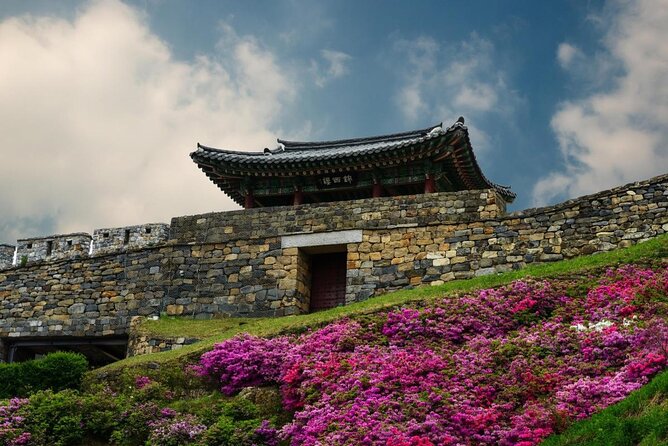
Day 1 sets the tone with Gongju, a city that gives you Korea’s deep past without needing museum-only time. You’ll start at Gongsanseong Fortress, a UNESCO World Heritage Site (listed in 2015). Fortress sites tend to reward good shoes and patience; the walkways and viewpoints take a bit of effort, but the payoff is the sense of why this place mattered.
Next comes the Songsan-ri Tombs and the Royal Tomb of King Muryeong. The standout detail here is the brick-built burial style. That’s not a random architectural quirk—it’s the kind of craftsmanship that shows how burial culture was treated as serious state-level work, not a small private affair.
To ground everything, you finish at the Gongju National Museum, with about 10,000 cultural artifacts. A museum stop on day one is smart. You see the main landmarks first, then you get the objects and context that help everything click.
What to watch for on day one: lighting and timing. Fortress and tomb sites are outdoors for part of the visit, so bring sun protection and plan for a bit of walking on uneven ground.
Day 2: Jeonju Hanok Village, Hanbok Experience, and Baekyangsa Tea Talk
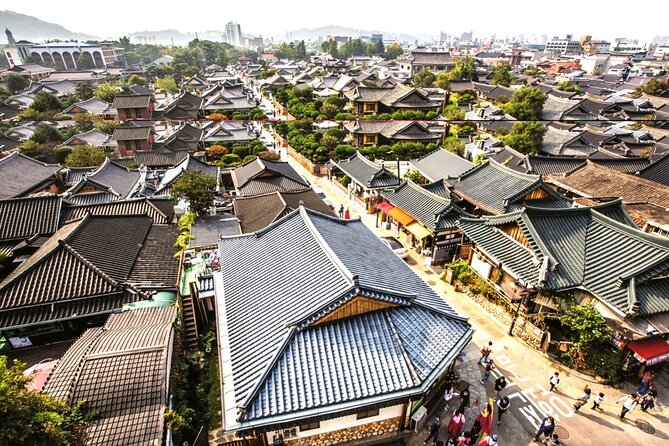
Jeonju is your traditional-culture day, and it’s built around one of Korea’s most recognizable settings: Jeonju Hanok Village with hundreds of traditional hanok houses.
You’ll spend time in the heart of the village at Gyeonggijeon Shrine. This shrine area is tied to King Tae-jo, founder of the Joseon Dynasty, and your visit includes time with the shrine’s key portrait-related elements. Jeonju does a good job of blending “pretty streets” with actual historical anchors, and this part of the day keeps it from becoming only sightseeing.
Then you’ll step into the iconic photo-and-culture side with the hanbok experience at Hanboknam Jeonju Hanok Village. The value here isn’t just wearing the clothing. It’s the way the experience lets you move through the village differently—more like a participant than a passerby—while you learn how to enjoy the setting respectfully.
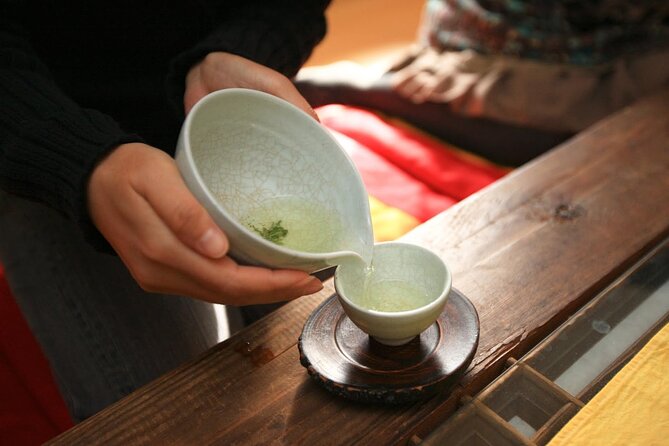
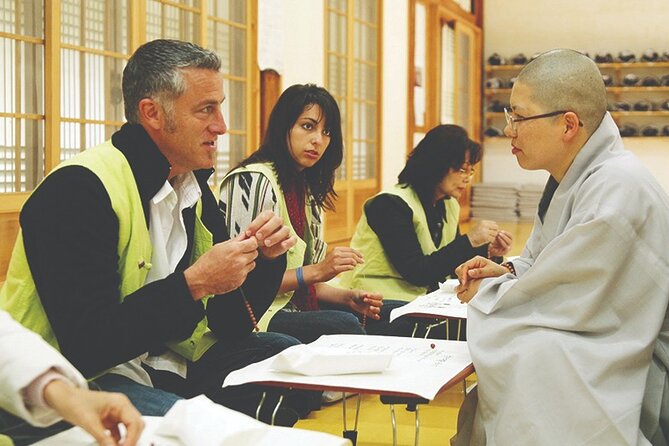
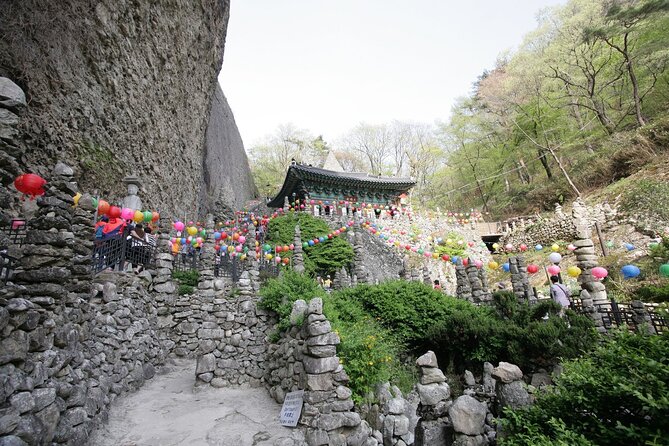
Later you head to Baekyangsa Temple, and this stop adds a more reflective angle. You join a tea conversation with a Buddhist monk, which is a calm break from the travel momentum. Even if you don’t catch every word, the ritual and pacing help you slow down and actually experience the place rather than rushing through it.
What to watch for on day two: temple etiquette and timing. Temples are quieter and more formal than city streets, so keep your energy gentle. Also, hanok lanes can be tight and foot-friendly only if you’re careful with your steps—comfortable shoes are a must.
Day 3: Boseong Green Tea Fields and Suncheon Bay Wetland Reserve
Day three is nature-focused, and it works because the two stops feel different.
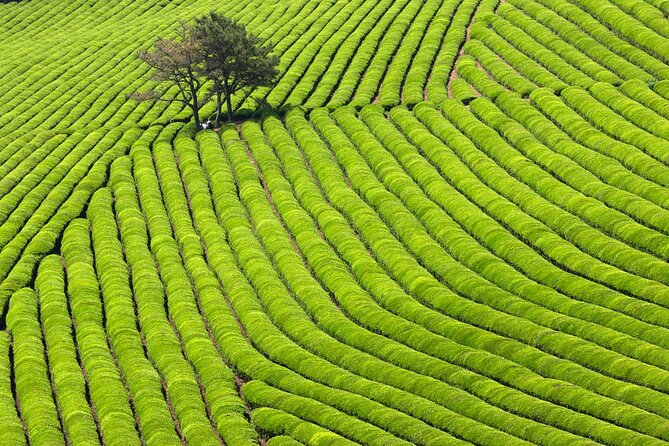
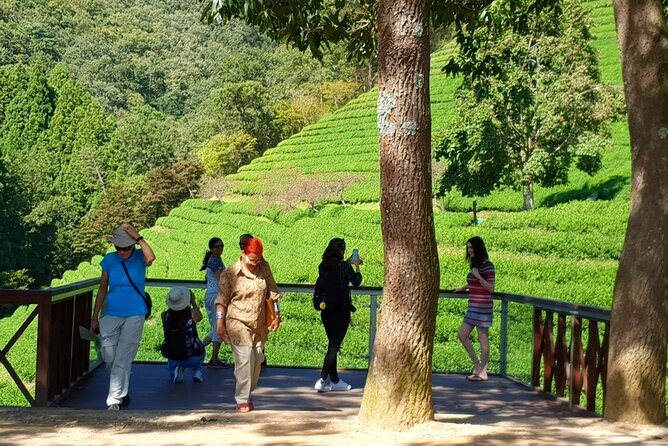
First is Boseong Green Tea Field (Daehan Dawon), described as the largest green tea plantation in Korea. You’ll walk through terraced rows of tea bushes and enjoy scenery that shifts with the angle of the day. Tea fields aren’t just a postcard stop here; your guide’s framing helps you understand why this region became a center for tea culture.
After lunch, you move to Suncheon Bay Wetland Reserve. This is where the trip gets bird-and-breathing-room energy. It sits where river meets sea, and it’s described as one of the world’s top five wetlands. You’ll be in an area that serves as a sanctuary for more than 250 species, which means you’re visiting a living ecosystem rather than a landscaped park.
What to watch for on day three: weather and insects. Wetland areas can be damp and breezy. Dress in layers, consider insect repellent if you’re sensitive, and bring a small water bottle even though meals are included. You’re outdoors for real walking time.
Day 4: Busan’s UN Memorial Cemetery and the Train Back to Seoul
Your final day begins in Busan with a stop that’s emotionally heavy, in the best educational way. You visit the UN Memorial Cemetery, a solemn site dedicated to UN soldiers who lost their lives during the Korean War. The cemetery includes about 2,300 graves arranged by nation, which helps you understand the international scale of the conflict.
This kind of stop is important on a tour like this because it balances the earlier days’ heritage and culture with a modern historical reality. It’s not “fun,” but it is meaningful—and it gives your whole trip more depth.
After that, the plan is straightforward: you’re guided to the train portion and return toward Seoul. The schedule provided notes Busan Station 14:31 → Seoul Station 17:14. Your guide drops you off at Busan station.
KTX tickets are not automatically a given in every group situation. The tour says that if your group is 9 or fewer people, KTX tickets will be provided. If your group is larger, you should be prepared to handle train ticket logistics on your own.
Either way, your tour ends in Seoul at the Seoul Station area. You’ll arrange your own transport from there to wherever you’re staying.
Price and Value: Is $1,200 Worth It?
At $1,200 per person, this is not a budget trip. So the question is value, not just cost: what are you getting for that money?
You’re paying for several things that usually add up quickly in Korea:
- 3 nights of accommodation (with breakfast included three times)
- Most meals (lunch four times, dinner three times)
- All entrance fees for the included sites
- An air-conditioned vehicle
- Professional English speaking guide support
- A guided schedule that strings together transportation + tickets + interpretation
If you were to DIY this route, you’d likely spend extra time coordinating museums, fort tickets, temple visits, and meal planning between cities. Time is money on a short trip. Four days also means less room for “we’ll figure it out” improvisation.
That said, the KTX detail can affect value depending on your group size. If you’re traveling in a larger group, confirm what you’ll need to pay for the train portion. Also, the tour doesn’t include travel insurance, drinks, tips, or personal expenses—standard exclusions, but worth planning for.
Overall: if you want a guided, structured taste of Gongju + Jeonju + Boseong + Suncheon + Busan in a tight window, the package price starts to make sense fast.
Practical Tips That Make This Tour Smoother
A few choices can make or break your comfort on this itinerary.
1) Wear shoes you trust. Fort slopes, temple grounds, and walking around wetland areas add up. Plan for uneven outdoor steps.
2) Bring weather flexibility. The tour notes it requires good weather. Even with covered stops, outdoor segments can shift your comfort level if it rains or is too hot.
3) Pack light for small day-to-day needs. Drinks and personal items aren’t included. You’ll still want your own water and a small snack plan for longer gaps.
4) Expect a schedule with little “dead time.” This is the point of an all-inclusive model, but it means you’ll get more done if you don’t treat each stop like a relaxed standalone day.
5) Lean on your guide’s context. Sites like the brick burial style tombs and the UN cemetery are much more powerful when someone explains what you’re looking at and why it matters.
Who This Tour Fits Best
This trip is ideal if you:
- Want a guided route across western Korea without sorting tickets and timing yourself
- Prefer a no-shopping cultural format where the day stays focused
- Like a mix of heritage, traditional culture, and nature
- Have moderate physical fitness and can handle walking outdoors for several hours a day
It’s also a good fit for solo travelers who like the social structure of a group, as well as older travelers who want less planning burden. The tour lists suitability from ages 1 to 80+, with a note about moderate physical fitness.
Should You Book This All-Inclusive Western Korea Tour?
If you want four days that feel complete—history in Gongju, culture in Jeonju, tea and wetlands in the south, and a moving Busan finale—this tour is a strong choice. The inclusion of lodging, meals, and entrance fees is exactly what makes it practical, especially when you’re short on time.
I’d book it if you like structure, can walk comfortably outdoors, and you’re okay with ending at Seoul Station rather than directly at your hotel.
I’d think twice if you hate tight schedules, have very limited mobility, or strongly prefer free-form travel where you control every stop.
If you’re aiming for an efficient first taste of western Korea with minimal decision fatigue, this is built for you.
FAQ
What is included in the tour price?
The tour includes all entrance fees, an air-conditioned vehicle, 3 nights of accommodation, all fees and taxes, a professional English speaking guide (or driver-guide), and meals: lunch (4), dinner (3), and breakfast (3).
Is there any shopping during the trip?
No. The tour is described as having no shopping.
Where does the tour start and where does it end?
The tour starts in Seoul at AMID Hotel Seoul in Insadong. It ends in Seoul at Seoul Station. The operator also notes a pickup point in Insadong at Center Mark Hotel.
How does the KTX train work on the last day?
The tour notes that if the group consists of 9 or fewer people, KTX tickets will be provided. The end schedule includes Busan Station to Seoul Station by train, and you arrange your own transportation to Seoul Station.
What time does the tour begin?
The estimated start time is 8:00 am.
Is the tour suitable for older travelers or people with limited fitness?
It says travelers should have moderate physical fitness level. It is also stated to be suitable for travelers of all ages, from 1 to 80+.
What are the cancellation terms and weather rules?
You can cancel up to 6 days in advance for a full refund, with smaller refunds for cancellations made closer to the start date. The tour requires good weather, and if it’s canceled due to poor weather, you’ll be offered a different date or a full refund.
More 4-Day Experiences in Seoul
- Discover Eastern Korea in 4days: All-Inclusive Experience★ 4.5 · 16 reviews
- Private 4 days Nami Island&Petite France&Seoul&Everland tour★ 5.0 · 8 reviews
- Jeonju & Yeosu: 4-Day Foodie & Artist Journey★ 5.0 · 3 reviews
More Tour Reviews in Seoul
- Best DMZ Tour Korea from Seoul (Red Suspension Bridge Optional)★ 5.0 · 41,422 reviews
- DMZ Tour: 3rd Tunnel, Option(Suspension Bridge, Boat) from Seoul★ 5.0 · 21,373 reviews
- DMZ tour south Korea from Seoul (NK experience hall, defector)★ 5.0 · 20,599 reviews
- Seoul: DMZ Tour with Optional Suspension Bridge★ 4.8 · 5,277 reviews
- Seoul: DMZ The 3rd Tunnel and Suspension Bridge Tour★ 5.0 · 4,656 reviews