Reviewed · SEOUL
Discover Eastern Korea in 4days: All-Inclusive Experience
Four days, zero shopping stress. This Eastern Korea trip strings together Busan markets, UNESCO-class Silla sights in Gyeongju, and mountain air in Seoraksan with an English-speaking guide and hotel stays built in. I like the no-shopping approach and the fact that key entrances are handled for you. One watch-out: intercity travel can include handoffs that may not be spelled out down to the last detail, so confirm how you’ll move between cities before you rely on assumptions.
This is a “sit back, go” style tour, with a maximum of 35 people and a moderate-activity level—so it works for a wide age range. You’ll also make time for a Korea Tourism Organization–designated wellness facility, which adds a different rhythm from just temples and photo stops. Comfortable shoes still matter for the Seoraksan portion, even if the walking is manageable.
At $1,200 per person, you’re paying for more than sightseeing. You get 3 nights in twin/double rooms, air-conditioned transport, and a steady mix of meals (breakfast 3 times, lunch 4 times, dinner 2 times), plus a mobile ticket that keeps logistics simple. Drinks, tips, and personal expenses aren’t included, so plan a little cash/card buffer for daily extras.
In This Review
- Key things I’d zero in on
- Day 1 in Busan: Jagalchi Market and the Sea Cable Car
- Day 2 to Gyeongju: APEC House, Bulguksa, tombs, and Cheomseongdae
- Day 3 in Andong: Momyeongjae dessert-making and Hahoe Folk Village
- Day 4 in Seoraksan: Jujeongol Valley and mountain air
- Food and the no-shopping promise: what “all-inclusive” really means
- Hotels, meals, and covered entrances: the value equation
- How the day-to-day rhythm feels for real people
- Practical logistics you should plan around
- Should you book this Eastern Korea 4-Day tour?
- FAQ
- How long is the Eastern Korea experience?
- How much does the tour cost?
- Where do I meet the tour and what time does it start?
- Where does the tour end?
- What’s included in the price?
- Are there any meals included?
- Is there shopping on this tour?
- How big is the group?
- What kind of fitness level do I need?
- What is the cancellation timeline for a full refund?
Key things I’d zero in on

- No-shopping setup: fewer awkward stops, more time on real places
- Entrance fees included across the main sites
- English-speaking guide or driver-guide support
- Classic East Coast routing: Busan → Gyeongju → Andong → Seoraksan
- Meals and hotel base reduce decision fatigue
- Smaller max group (35) for a more controlled flow
A handful of other Seoul experiences to line up next
- Private 4 days Nami Island&Petite France&Seoul&Everland tour★ 5.0 · 8 reviews
- Discover Western Korea in 4days: All-Inclusive Experience★ 5.0 · 6 reviews
- Jeonju & Yeosu: 4-Day Foodie & Artist Journey★ 5.0 · 3 reviews
Day 1 in Busan: Jagalchi Market and the Sea Cable Car
Your first day has two moods: food-energy at Jagalchi, then clean coastal air on the water.
At Jagalchi Market, you’ll spend about an hour walking the lanes around one of Busan’s best-known seafood markets. Think close-up smells, seafood displays, and the “real life” feeling you only get when you’re not shopping for souvenirs. The tour includes lunch on this day, so you can treat the market as your warm-up and then settle in for food without needing to plan a restaurant.
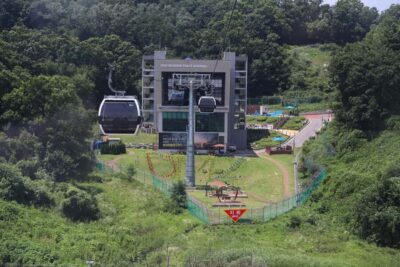
Next comes the highlight most people remember: the Songdo Sea Cable Car. The ride runs about 1.6 km from Songdo Beach Station to Songdo Sky Park, and it’s timed so you get broad sea-and-coast views rather than just a quick photo line. This part is worth it even if you’re not usually into views—because you’re gliding, the coastline actually makes sense as a shape instead of a blur from street level.
A practical note: the cable car is an “easy win” stop, but still expect a bit of walking around stations. If you’re sensitive to stairs or crowds, go slow and give yourself a little buffer.
Day 2 to Gyeongju: APEC House, Bulguksa, tombs, and Cheomseongdae
Day 2 is where the trip leans hard into Korea’s big-ticket heritage. It’s also a long, fulfilling day: modern landmark, then deep Silla history.
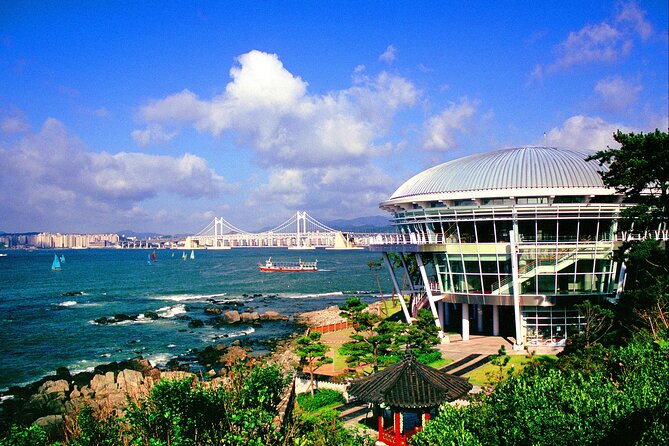
You start with Nurimaru APEC House on Dongbaekseom Island. This is the 2005 APEC Summit venue, and the experience is about atmosphere as much as the buildings themselves. The structure is modern, glass-walled, and it helps you understand how Busan can handle global scale while still being a working coastal city.
Then you head to Gyeongju, a place often described as a kind of living timeline. First up is Bulguksa Temple, a UNESCO World Heritage site. The tour keeps it focused with about 1.5 hours here, which is enough for you to understand why this temple matters without turning it into an endurance event.
After Bulguksa, you move to Daereungwon Tomb Complex, where royal burial mounds and artifacts (including mention of elaborate gold crowns) point you toward Silla’s power and wealth. This isn’t about “shopping” culture or staged storytelling. It’s about standing in a landscape of monuments and realizing those symbols were built to last for centuries.
You wrap the day at Gyeongju National Museum, which gives you context for what you saw outside—golden crowns and major Silla artifacts, plus a chance to connect the dots between temple, tomb, and court life. The museum stop runs about 1.5 hours and feels like the best way to keep the day from becoming only walking and guessing.
Finally, you get Cheomseongdae Observatory, a quick 20-minute stop. It’s short, but it’s an important shape: an ancient astronomical structure that makes you think about how people measured time long before satellites and apps.
If you’re the kind of traveler who likes “meaning,” this day rewards you. If you’re more into food and scenery and less into historical sites, you may still enjoy it—just pace yourself. Breaks matter here.
Day 3 in Andong: Momyeongjae dessert-making and Hahoe Folk Village
Day 3 is the day you’ll likely look forward to if you like hands-on culture. It slows down just enough to feel different from temple days.
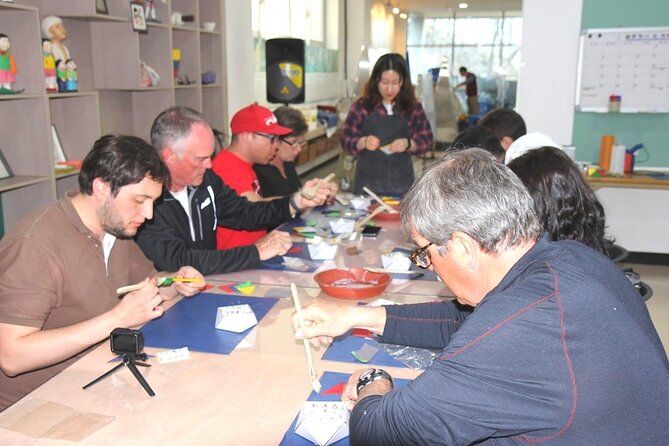
You start at Momyeongjae, a Korean traditional dessert-making experience at a Korean Traditional Culture Center. The tour includes about 1.5 hours here, and the best part of these classes is not perfection—it’s doing something small with your hands while an instructor guides you. You’ll get a sweet output, and you’ll also leave with better instincts for Korean food-making traditions than you would from watching from afar.
Next comes Andong Hahoe Folk Village, a UNESCO World Heritage site with more than 600 years of history. The tour gives you about 2 hours in the village, which is a solid amount of time to walk at a comfortable pace and notice how the environment supports the houses, paths, and everyday life. The key detail here is that it’s described as a living cultural landscape—so you’re not only looking at “old buildings,” you’re seeing how tradition remains part of the place’s identity.
What to keep in mind: village visits can involve uneven ground and gentle outdoor walking. Wear shoes you don’t mind getting slightly dirty, because this is the kind of setting where grass, pathways, and foot traffic happen in real life.
Day 4 in Seoraksan: Jujeongol Valley and mountain air
Day 4 shifts from heritage sites to the outdoors. You start in Pyeongchang and then head to Seoraksan National Park, focusing on Jujeongol Valley.
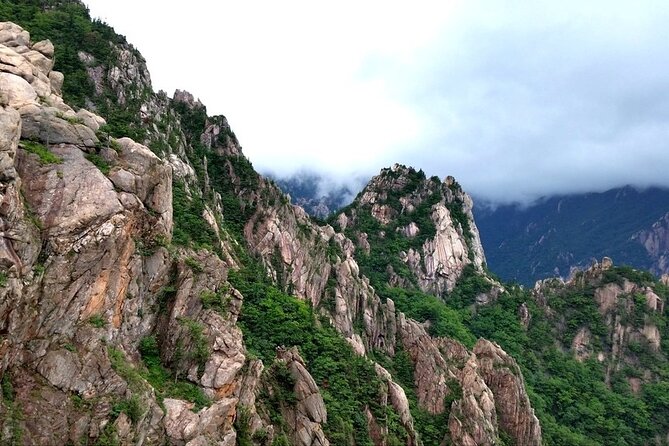
The walk time is about 2 hours, and the tour describes Jujeongol Valley as known for dramatic rock formations, soaring peaks, and clear streams. Even without getting “mountain expert” levels of narration, you’ll feel the scale. This is also where the tour’s moderate-fitness note actually matters. You don’t need to be an athlete, but you do need to be comfortable walking outdoors for stretches.
Because this is Seoraksan, weather can change your experience a lot. If conditions are poor, you might not get the same view quality. The tour also notes that good weather is required, which is their way of saying you’re going to follow nature’s rules.
Pro tip: pack a light layer. Coastal humidity and mountain chill can swap during the day.
Food and the no-shopping promise: what “all-inclusive” really means
The tour’s marketing calls it all-inclusive, and that’s mostly true in the practical sense: you’re not left juggling tickets and each meal plan day-by-day.
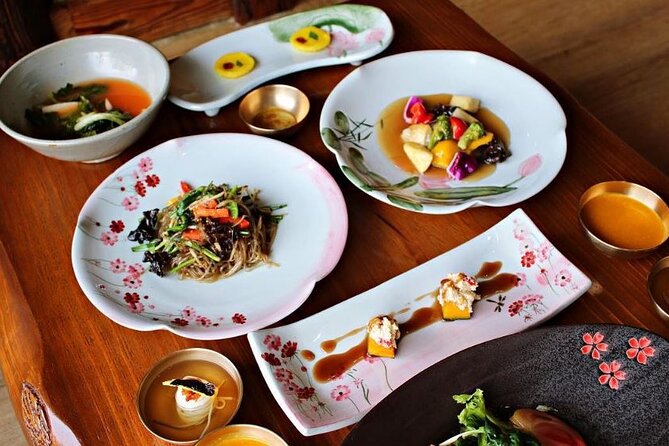
You’ll get a mix of traditional Korean food, and the emphasis is on variety rather than one repeat restaurant experience. Lunch is included 4 times and dinner 2 times, so you’re rarely starving while waiting for a stop. That matters because a tight itinerary is only pleasant if you’re fed on time.
The no-shopping part is a big value point. Shopping stops often cost you time and energy. If the program truly keeps them out, you’ll spend your limited hours on markets, temples, museums, and the mountains instead of saying no politely for an hour.
Still, remember what’s not included: drinks and personal expenses. Also, tips aren’t included, so bring a little buffer for how you like to thank service.
Hotels, meals, and covered entrances: the value equation
For $1,200, the strongest “value” elements are the ones you can feel in your schedule, not just the math.
You get 3 nights in twin or double rooms, plus air-conditioned transport for the group. You’re also covered for entrance fees during the tour, which includes a mix of paid and free-fee stops across the days. That reduces the risk of arriving at a site and realizing you forgot a ticket or stand in a separate line at the worst moment.
Meals are also the hidden cost saver. Breakfast 3 times, lunch 4 times, dinner 2 times means you’re not constantly paying extra on your own. When a tour includes meals, it also reduces decision fatigue—especially after long travel segments.
One more practical factor: the tour includes a schedule to visit a wellness facility designated by the Korea Tourism Organization. We don’t get details on what treatments look like, but the inclusion itself signals the tour is trying to balance outdoor and cultural time with a rest-and-recharge component.
How the day-to-day rhythm feels for real people
This is a guided group trip with a maximum of 35 people, and that number changes your experience. In a smaller group, you’re more likely to get answers quickly, and it’s easier for the guide to keep everyone together without turning the day into constant headcount drills.
The physical requirement is listed as moderate, and it fits the plan: most stops are indoor or guided outdoor walks. The one place you’ll notice effort is Seoraksan’s Jujeongol Valley walking. If you can do a couple hours outdoors with some uneven ground, you’ll be fine.
Service quality is another point where the tour gets praise. Past groups specifically highlighted guides such as Mr. Jay for handling needs and setting expectations well, and also mentioned Mark as professional. You can’t count on specific people each time, but the pattern in those comments suggests the company tends to staff with people who communicate clearly.
One more consideration: a real snag to watch is transport clarity. In one reported case, a guest described being given train tickets and asked to manage their own KTX transfer to Busan, and they felt the handoff wasn’t fully clear. Before you go, look closely at how your day starts, how you reach the next city, and what the group handles versus what you handle solo.
Practical logistics you should plan around
The tour starts in Seoul. The official meeting point is at Seoul Station (8:00 am), and the end point is at AMID Hotel Seoul in Jongno. That matters because your first morning timing can make or break jet lag.
You’ll use a mobile ticket, which should help you avoid printing problems. Also, the tour says you’ll receive confirmation within 48 hours of booking, subject to availability.
If you want a low-stress trip, do two things:
- Pack light layers and comfortable walking shoes (especially for Seoraksan).
- Double-check how transfers work on your specific dates, especially if you hear anything about train tickets or independent travel.
Should you book this Eastern Korea 4-Day tour?
Book it if you want an organized, low-drama route through Korea’s east side—Busan food + views, Gyeongju’s Silla heritage, Andong’s traditional village culture, and Seoraksan nature time—without adding extra planning days.
Skip it or choose a different format if you strongly prefer full DIY control. This tour is designed to move you on schedule, and the biggest friction point is usually not the sights—it’s transport clarity and the occasional need for you to interpret how city transfers work on the ground.
If you like a guide-run plan, appreciate entrance fees and meals included, and want a mix of indoor culture and outdoor walking, this is a solid fit.
If you want, tell me your travel month and walking comfort level, and I’ll suggest what to prioritize in clothing, timing, and pacing for this exact route.
FAQ
How long is the Eastern Korea experience?
It’s about 4 days.
How much does the tour cost?
The price is $1,200.00 per person.
Where do I meet the tour and what time does it start?
The start is Seoul Station, located at 43-203 Dongja-dong, Yongsan District, Seoul, South Korea, with a start time of 8:00 am.
Where does the tour end?
The tour ends at AMID Hotel Seoul, 38 Insadong 5-gil, Jongno District, Seoul, South Korea.
What’s included in the price?
Entrance fees during the tour, 3 nights of accommodation in twin or double rooms, an English-speaking guide (or driver-guide), air-conditioned vehicle transport, and meals (4 lunches, 3 breakfasts, and 2 dinners).
Are there any meals included?
Yes. Breakfast is included 3 times, lunch is included 4 times, and dinner is included 2 times.
Is there shopping on this tour?
The program is described as having no option and no shopping, which is presented as part of the all-inclusive style.
How big is the group?
The tour has a maximum of 35 travelers.
What kind of fitness level do I need?
The tour says a moderate physical fitness level is recommended.
What is the cancellation timeline for a full refund?
You can cancel up to 6 days in advance of the experience for a full refund. For a 50% refund, you must cancel 2–6 full days before the experience’s start time.
More 4-Day Experiences in Seoul
- Private 4 days Nami Island&Petite France&Seoul&Everland tour★ 5.0 · 8 reviews
- Discover Western Korea in 4days: All-Inclusive Experience★ 5.0 · 6 reviews
- Jeonju & Yeosu: 4-Day Foodie & Artist Journey★ 5.0 · 3 reviews
More Tour Reviews in Seoul
- Best DMZ Tour Korea from Seoul (Red Suspension Bridge Optional)★ 5.0 · 41,422 reviews
- DMZ Tour: 3rd Tunnel, Option(Suspension Bridge, Boat) from Seoul★ 5.0 · 21,373 reviews
- DMZ tour south Korea from Seoul (NK experience hall, defector)★ 5.0 · 20,599 reviews
- Seoul: DMZ Tour with Optional Suspension Bridge★ 4.8 · 5,277 reviews
- Seoul: DMZ The 3rd Tunnel and Suspension Bridge Tour★ 5.0 · 4,656 reviews