
Reviewed · KOREAN FOOD & MARKET TOURS
Jeonju & Yeosu: 4-Day Foodie & Artist Journey
Jeonju and Yeosu taste like a story. I love the small-group pace, because you get time to talk with locals instead of rushing through stops. I also love that you make and learn—from Yeosu gat kimchi to Jeonju hanji paper and traditional painting—so the food and art feel personal, not like sightseeing checkboxes.
One thing to consider: this is a packed 4 days with a lot of tastings plus moving between coast and inland. You’ll likely want comfortable walking shoes and a little patience for early starts, and note that the pojangmacha soju stop is marked as not included.
In This Review
- Key highlights at a glance
- From Seoul to the coast: what makes this trip feel different
- Day 1 in Yeosu: markets, steamed seafood, and fried chicken by the sea
- Day 2: gat kimchi countryside steps, temple quiet, and a yacht sunset
- Day 3: KTX to Jeonju, hanok welcome, and hanji paper magic
- Day 4: Jeolla-style finish with soybean sprout soup rice, Korean painting, and a big final meal
- Price and what you get for $1,689 per person
- Who this tour is best for (and who may want to skip)
- Should you book this Jeonju & Yeosu foodie and artist journey?
- FAQ
- How long is the Jeonju & Yeosu tour?
- Where does the tour start and end?
- What cities are included?
- What’s included in the price?
- Is the sunset yacht tour included?
- Are all meals included?
- Is the soju night at the red tent pojangmacha included?
- How big is the group?
- Are flights included?
- What is the cancellation policy?
Key highlights at a glance
- Small group (max 9) with Hyun as your guide for an easy rhythm and real conversations
- Yeosu Fish Market where you pick your seafood and have it steamed fresh
- Sunset yacht tour along the south coast, included and timed for golden hour
- Jeonju hanji paper making at a 1,000-year tradition workshop with a master artisan
- Hanok night vibes including Jeonju’s lotus pond view at Deokjin Park
- Hands-on Korean art through a traditional painting class in Jeonju
Still hungry? More Seoul market and street-food crawls
- Seoul: Gyeongbok Palace, Bukchon Village, and Gwangjang Tour★ 4.9 · 2,321 reviews
- Seoul: Gyeongbok Palace, Bukchon Village, and Gwangjang Tour★ 5.0 · 1,044 reviews
- Local Home Korean Cooking Class & Market Adventure in Seoul★ 5.0 · 1,024 reviews
- Seoul: Night Market Food Tour with Local Guide★ 4.9 · 943 reviews
From Seoul to the coast: what makes this trip feel different
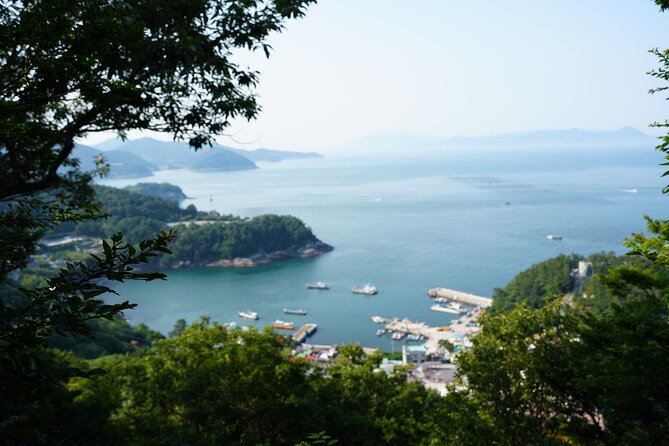
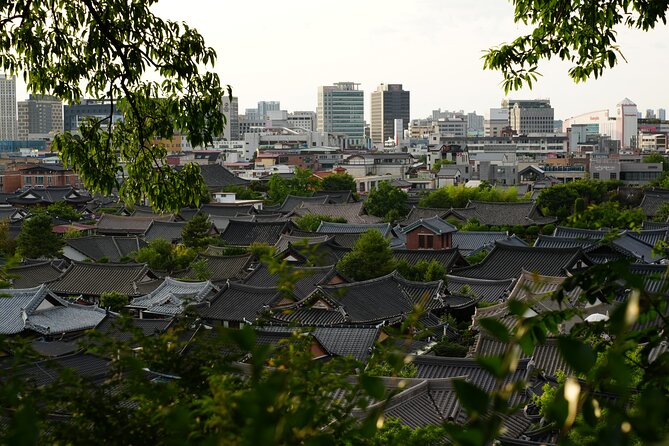
This trip is built around two cities with very different moods: Yeosu’s salty, seafood energy and Jeonju’s calmer crafts-and-courtyards vibe. The result is that you get more than meals and photos—you get a sense of how people live, eat, and make things.
The size matters. With a maximum of 9 people, you don’t feel swallowed by a busload. You can actually ask questions, and you’ll notice the guide, Hyun, sets a friendly tone early on. That matters on a trip like this, because a lot of the best moments happen during conversations—at markets, during cooking steps, and at craft tables.
Day 1 in Yeosu: markets, steamed seafood, and fried chicken by the sea
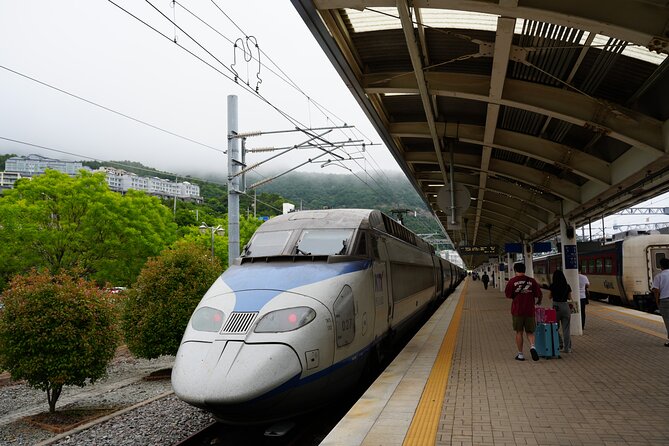
Yeosu starts immediately, right from the Seoul-to-Yeosu train transfer via KTX. Once you arrive, the day is all about orientation and appetite.
You’ll begin with lunch at Cargo Restaurant, described as Hyun’s go-to spot for bold local flavor. The point isn’t just spicy seafood—it’s getting your taste buds calibrated for what Yeosu does well: grilled meats and seafood-forward dishes that feel straightforward but intense.
Then you ease into the city at Namsan Park with coffee. This is a smart warm-up stop. Instead of dumping you into a crowd, you get sea views and light conversation. It’s the kind of moment where you learn names, adjust expectations, and settle your legs before the real exploring begins.
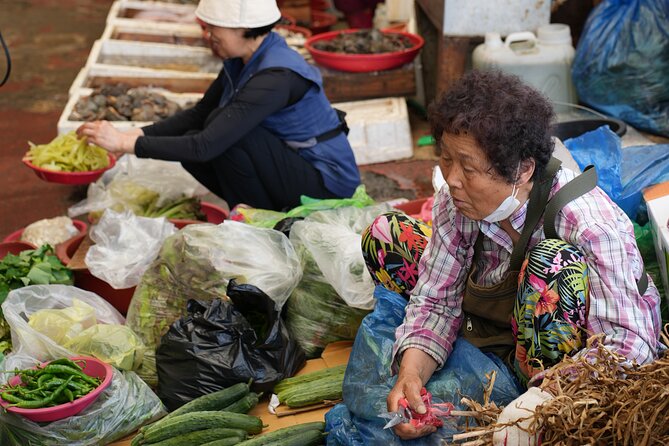
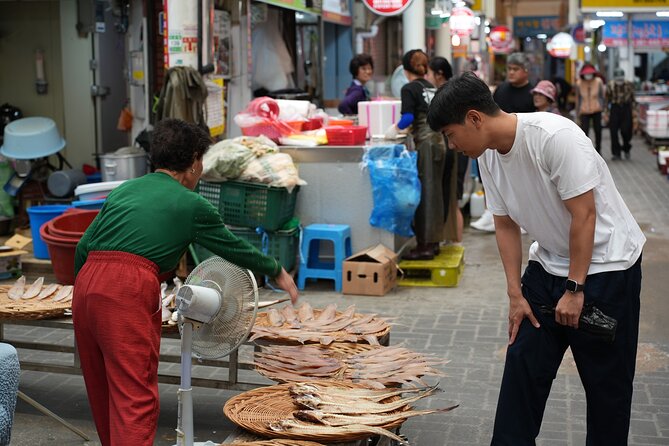
Next comes the Yeosu market loop around 여수 서시장 (Seojang Market). You’re not just browsing. The experience points you toward people who make what you’ll taste—like sesame oil makers—and you’ll also see kimchi sellers and local snacks. There’s also a fun fashion angle with so-called K-Ajumma style browsing, which is a good reminder that local culture isn’t only food.
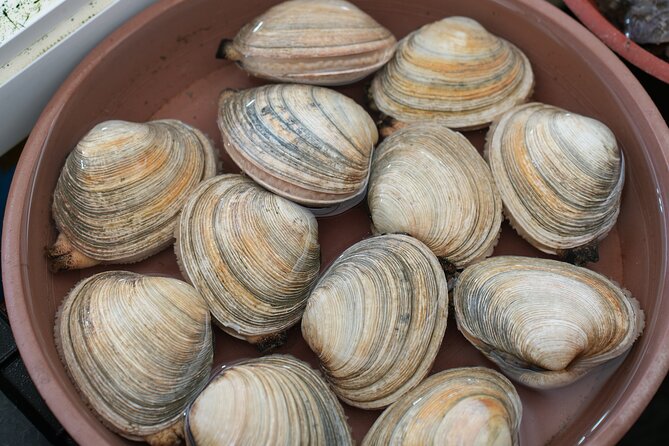
The day’s most memorable food moment for many people is the Yeosu Fish Market: pick your seafood, then head upstairs to have it steamed and served. It’s simple, but it’s a great value because you’re doing the full chain—selection to cooking—without needing to decode a menu.
After that, you check in at Shilla Stay Yeosu. Having a proper hotel stop early is more than comfort. It gives you a reset before the evening food and views.
Then you finish with Fried Chicken Picnic at Yeosu Marine Park. This is where the trip slows down. You sit on mats, eat fried chicken with cold drinks, and watch the ocean air do its job. If you’re the kind of person who enjoys travel that’s sensory—not just Instagram-friendly—this stop lands well.
Day 2: gat kimchi countryside steps, temple quiet, and a yacht sunset
Day 2 balances three types of experience: calm, hands-on food craft, and a big view.
You start at Palgakjeong Pavilion for gimbap and coffee, then head into a light morning hike. That kind of fuel matters on this tour because later you’ll be moving between towns and doing active experiences like cycling. If you want the schedule to feel enjoyable instead of tiring, treat the morning meal as your foundation.
After that, you visit Hyangiram Hermitage on the cliffs. This stop is different from the markets. It’s quiet time plus ocean scenery. Even if you’re not into temples, the value is the pause: you get a break from constant eating and shopping, and you can breathe in the coastal atmosphere.
Then you get your hands dirty with gat kimchi making in 돌산갓장터마을 (Dolsan area). Yeosu’s famous gat (a type of mustard plant) is a local specialty, and the activity is the whole point: mixing, learning, and understanding what makes it distinct. You also stroll through mustard leaf fields nearby, which gives the craft context. It’s not random countryside walking—it’s tied to the ingredient you’ll remember.
Lunch is a Dolsan Gejang feast: marinated crab, served as a traditional set meal. This is the kind of lunch that works even if you don’t eat shellfish often, because the structure makes it easier to enjoy as a group experience.
You also stop in Dumun Village for scenic fishing-village moments and photos. It’s short, but it helps break up the bigger food blocks and keeps the day from feeling like one long meal after another.
The middle-to-late part of the day leans into comfort food: pajeon with makgeolli, plus seafood kalguksu (knife-cut noodles). This is a nice pairing because it hits both crispy savory and soothing carbs. It’s also a useful lesson in Korean eating: you’re not only chasing new dishes—you’re tasting how people balance textures and drinks.
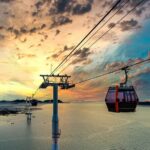
Then the day turns into views. The sunset yacht tour takes you out on the south coast, and you watch Yeosu change color as the sun drops. The value here is that it’s not a crowded public cruise. You get a “treat yourself” moment that feels like part of the itinerary, not a pricey add-on you have to scramble for later.
You can optionally keep the night going with soju at a red tent pojangmacha (this one is explicitly not included). If you do it, plan on extra cost. If you don’t, you’re still set up for a relaxed finish because the yacht already gives you a big emotional high.
A handful of other Seoul experiences to line up next
Day 3: KTX to Jeonju, hanok welcome, and hanji paper magic
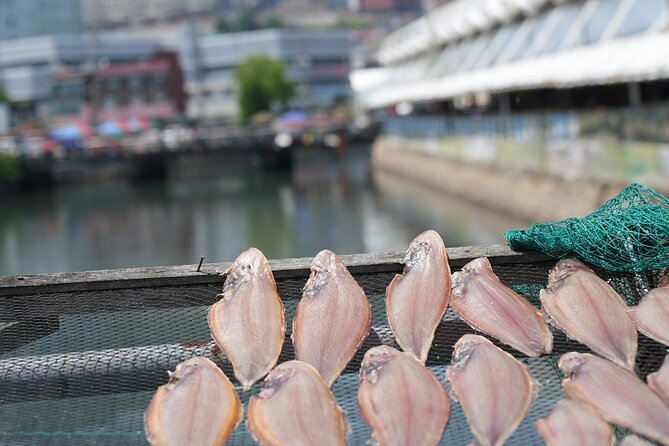
Jeonju is where the tour shifts from sea flavor to craft culture.
You start by grabbing breakfast at Rotary Restaurant, a hearty local breakfast before you head to Jeonju by KTX. Again, the practical value is timing: the meal gets you ready for city walking and hands-on activities later.
Once you arrive, lunch at Daebojang focuses on Korean-Chinese dishes. This is a smart move because it shows that Jeonju cuisine isn’t only traditional Korean. It’s a reminder that regional cities develop their own hybrid comfort foods.
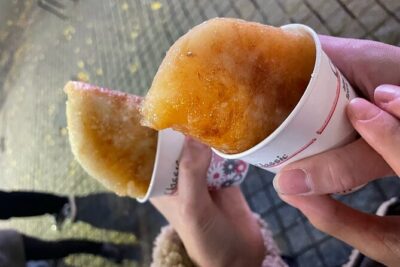
The welcome moment comes next: Grandma’s Best for homemade patbingsu, followed by time in Hanok Village. This is one of the more emotionally satisfying blocks on the trip because patbingsu hits like dessert-and-summer nostalgia, and the hanok streets give you the setting people associate with Korean dramas. The experience is basically a soft landing into the Jeonju mood.
Then you head to 전주천년한지관 (Jeonju 1,000 Years of Hanji) to meet a master artisan and craft your own hanji. Hanji is Korea’s handmade paper tradition, and doing it hands-on makes the history feel real. Instead of just reading about it, you’re watching how the craft works and learning how paper can be both functional and artistic.
After hanji, you put on hanbok and visit Gyeonggijeon Shrine. This is where the trip leans into “royal pose” fun. You’ll stroll in the shrine grounds, dressed for the moment, and take in the Joseon-era setting, including the portrait of King Taejo mentioned for the shrine visit. It’s not just costume; it’s part of how people experience historical spaces in Korea.
Next you cycle along Jeonjucheon and visit Hanbyeokgul Tunnel. This adds movement and scenery to the cultural day. The cycling also makes the schedule feel balanced—you’re not sitting only in workshops.
Dinner is another street-food-style win: charcoal-grilled pork wraps at 태평진미집. The 40-years-of-pojangmacha tradition matters because it frames the dish as something local people keep coming back for, not a novelty stop.
As the day winds down, you end at Deokjin Park for a nightscape by the lotus pond and glowing hanok-style architecture. This is a great counterweight to the active day: you get a calm end, where you can slow down and actually see the city rather than race through it.
Finally, you return to the Wangyijiml Hanok Hotel for free time in a Royal Room of King. If you want a clean reset before the last day, this is it. Then you close the evening with Chowon and a gamak experience—beer paired with char-grilled dried pollack cooked over charcoal embers. That pairing is a fun way to end: salty, smoky, and deeply Korean.
Day 4: Jeolla-style finish with soybean sprout soup rice, Korean painting, and a big final meal
Day 4 starts with Jeonju comfort food: kongnamul-gukbap (soybean sprout soup rice) at Jeonju Waengi Kongnamul-gukbap. The description includes a poached egg on top, and that detail matters because it’s part of why this dish is so satisfying: it’s warm, savory, and filling without being complicated.
Then you go hands-on again with a traditional Korean painting experience at 삼원화방 (samwonhwabang). You work with a certified restoration master artisan, which adds credibility. The practical payoff is that you’ll leave with more than a memory. Even if your skill level is basic, you’ll understand the materials and care behind the art.
The grand finale is a Jeolla-style feast at Jeonju Bapsang Dajapsuso: a full-course spread that celebrates Jeolla’s flavors and generosity. This type of last-day meal is where the tour justifies its cost. When meals are done as a set, with multiple courses, you’re getting something closer to a cultural event than just lunch and dinner.
Before you wrap, you gather at Omokdae and Imokdae for farewell. It’s a viewpoint overlooking Hanok Village. It’s a good choice because it gives your brain a last “big picture” moment after you’ve spent the last two days inside food, crafts, and courtyards.
Price and what you get for $1,689 per person
At $1,689 per person for a 4-day trip, you’re paying for convenience and planned value, not budget travel.
What you’re clearly getting:
- KTX train tickets between Seoul and the region (and back)
- Private transportation via a mini van for local segments
- A structured set of admissions and activities, including the sunset yacht tour
- Multiple included meals across the 4 days (lunches, dinners, and breakfasts are listed as included)
- A small-group experience capped at 9 travelers
Where the value shows up for you:
- The yacht and the market seafood steaming are not things you usually wing successfully without extra effort.
- The craft workshops (hanji paper and traditional painting) turn sightseeing into a hands-on experience.
- You don’t have to coordinate transit or decide which stops are “worth it.” The route is doing that job for you.
Where you should plan ahead:
- Not everything is included. The soju night at the red tent pojangmacha is explicitly not included, and personal expenses are not.
- This isn’t a slow travel style. If you like long unplanned afternoons, you may find the pace busy.
Who this tour is best for (and who may want to skip)
This fits best if you want:
- A food trip that also includes crafts (not just eating)
- A guided approach where Hyun keeps things moving and helps you connect
- A mix of coast, markets, temples, and hanok nights
- A small group where you can actually talk to people
You might want to skip if:
- You want lots of free time and zero structure
- You dislike group schedules and prefer to manage your own dining choices
- You’re very sensitive to costs of optional nightlife extras (like the soju stop)
Should you book this Jeonju & Yeosu foodie and artist journey?
If you’re excited by both Yeosu seafood experiences and Jeonju craft culture, I think this is an easy yes. The hands-on activities are the backbone: kimchi making, hanji paper, and painting are the kinds of moments that don’t fade fast. Add in the sunset yacht and the market seafood you choose and steam, and you get a trip that feels designed rather than random.
Book it if you like your travel organized but still human. The small group size and Hyun’s guiding style are exactly what help the day-to-day stops feel personal. If you’re chasing ultra-budget costs or long quiet afternoons, you may feel the schedule tighter than you’d like.
FAQ
How long is the Jeonju & Yeosu tour?
It runs for 4 days (approximately).
Where does the tour start and end?
It starts at Hangang-daero 23-gil, Yongsan District, Seoul, South Korea at 8:00 am, and it ends back at the meeting point.
What cities are included?
The trip covers Yeosu and Jeonju, with Seoul as the departure and return base.
What’s included in the price?
The tour includes private transportation by mini van, KTX train tickets, admission fees, the yacht tour, and listed meals (lunch, dinner, and breakfast as provided). It also includes all tours and activities.
Is the sunset yacht tour included?
Yes, the sunset yacht tour is included.
Are all meals included?
Lunches, dinners, and breakfasts are listed as included, but personal expenses and the soju night stop are not included. If you’re planning your budget, assume you may have some meal time not covered by the included schedule.
Is the soju night at the red tent pojangmacha included?
No, the soju night at the red tent pojangmacha is marked as not included.
How big is the group?
The maximum group size is 9 travelers.
Are flights included?
International flights are not included.
What is the cancellation policy?
You can cancel up to 6 days in advance for a full refund. If you cancel 2–6 days before, you get a 50% refund, and less than 2 days before is not refundable.
More Food in Seoul
- Seoul Street Food Market Tour★ 5.0 · 1,226 reviews
- Seoul: Night Market Food Tour with Local Guide★ 4.9 · 943 reviews
- Seoul: Palace, Temple and Market Guided Foodie Tour at Night★ 4.9 · 750 reviews
- Downtown Seoul Guided Food & Market Tour with 8+ Local Tastings★ 5.0 · 580 reviews
- Seoul: Guided Food & Market Tour with 8+ Tastings★ 4.9 · 342 reviews
More Tour Reviews in Seoul
- Best DMZ Tour Korea from Seoul (Red Suspension Bridge Optional)★ 5.0 · 41,422 reviews
- DMZ Tour: 3rd Tunnel, Option(Suspension Bridge, Boat) from Seoul★ 5.0 · 21,373 reviews
- DMZ tour south Korea from Seoul (NK experience hall, defector)★ 5.0 · 20,599 reviews
- Seoul: DMZ Tour with Optional Suspension Bridge★ 4.8 · 5,277 reviews
- Seoul: DMZ The 3rd Tunnel and Suspension Bridge Tour★ 5.0 · 4,656 reviews
Eat Your Way Further Through Seoul
- Seoul: Gyeongbok Palace, Bukchon Village, and Gwangjang Tour★ 4.9 · 2,321 reviews
- Seoul Street Food Market Tour★ 5.0 · 1,226 reviews
- Seoul: Gyeongbok Palace, Bukchon Village, and Gwangjang Tour★ 5.0 · 1,044 reviews
- Local Home Korean Cooking Class & Market Adventure in Seoul★ 5.0 · 1,024 reviews
- Seoul: Night Market Food Tour with Local Guide★ 4.9 · 943 reviews
Just added to Exploring Seoul
Korean Food & Market Tours, compared.
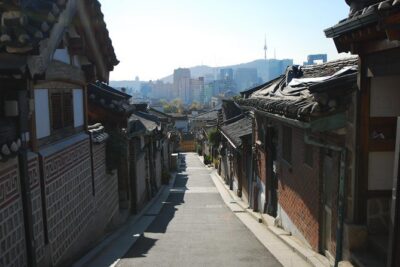 ★ 4.9Gyeongbok Palace, Bukchon Village, and Gwangjang TourFrom $322,321 reviews
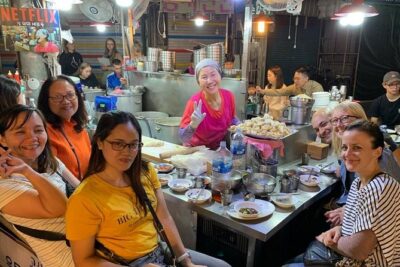 ★ 5.0Seoul Street Food Market TourFrom $731,226 reviews
★ 5.0Gyeongbok Palace, Bukchon Village, and Gwangjang TourFrom $321,044 reviews
★ 5.0Seoul Street Food Market TourFrom $731,226 reviews
★ 5.0Gyeongbok Palace, Bukchon Village, and Gwangjang TourFrom $321,044 reviews
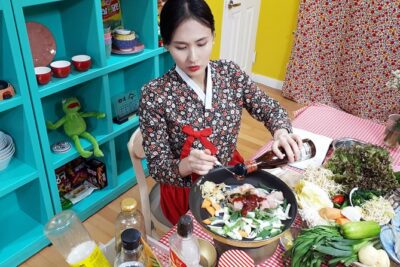 ★ 5.0Local Home Korean Cooking Class & Market Adventure in SeoulFrom $911,024 reviews
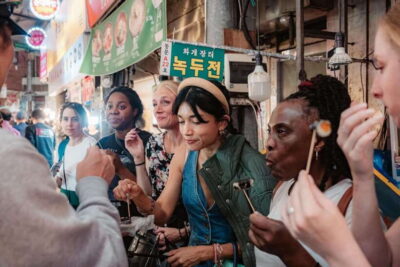 ★ 4.9Night Market Food Tour with Local GuideFrom $73943 reviews
 ★ 4.9Palace, Temple and Market Guided Foodie Tour at NightFrom $60750 reviews
 ★ 5.0Downtown Seoul Guided Food & Market Tour with 8+ Local TastingsFrom $98580 reviews
 ★ 5.0Drinking and Eating through the Alleys of SeoulFrom $85364 reviews
Browse the lists this tour appears in