
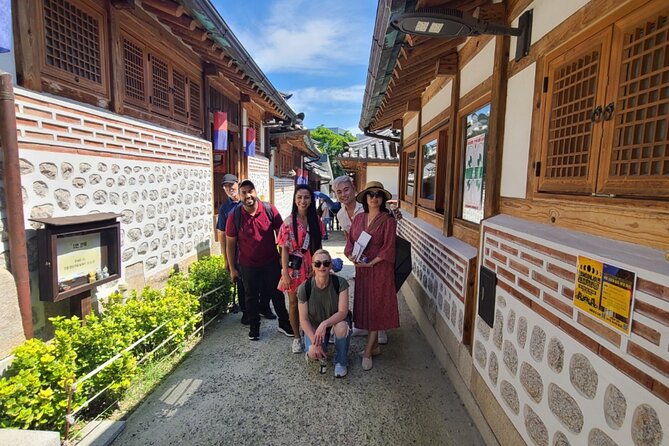
Reviewed · GYEONGBOKGUNG & PALACE TOURS
Deoksugung & Jeongdong-gil: A Walk in Korea’s Rich Heritage
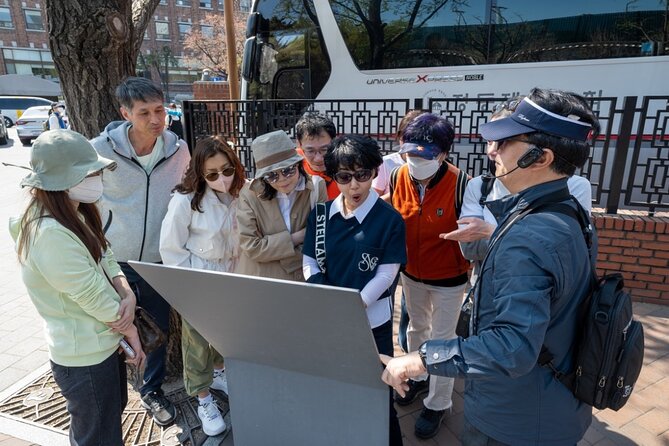
Palaces in Seoul tell two timelines. This 3-hour walk links late 1800s to early 1900s Korea to what you can still see today, with an English tour guide guiding you through the big moments. I like that the route keeps palaces and civic Seoul landmarks close together, so the story doesn’t stay stuck in a museum.
You’ll also get a practical cultural pause at Jeongdong Theater for coffee and restrooms, plus the chance to finish near Cheonggyecheon Stream instead of being dropped in a random spot. The one drawback to plan around is simple: the tour requires good weather, and each stop is timed fairly tightly, so it’s more “walk-and-learn” than “wander at your own pace for hours.”
In This Review
- Key things to know before you go
- A 3-Hour Seoul Walk Through Late Joseon and the Korean Empire
- Deoksugung Palace: Your Joseon-Era Starting Point
- Gyeonghuigung Palace and Jeongdong-gil: Smaller Palaces, Big Context
- Appenzeller Noble Memorial Museum: A Mission School Story in Plain Sight
- Jeongdong Theater Break: Coffee, Restrooms, and Cultural Performance
- Jungmyeongjeon Hall: Imperial Library to Emperor Gojong’s Temporary Home
- Gwanghwamun Square to Cheonggyecheon: Where the Walk Lands
- Price and What You’re Really Paying For (Not Just the $48)
- Who This Walking Tour Fits Best
- Should You Book Deoksugung & Jeongdong-gil?
- FAQ
- How long is the Deoksugung & Jeongdong-gil tour?
- How much does the tour cost?
- What’s included in the price?
- Where does the tour start and end?
- What time does the tour begin?
- Is admission required for the stops?
- Does the tour have any weather or timing requirements?
Key things to know before you go
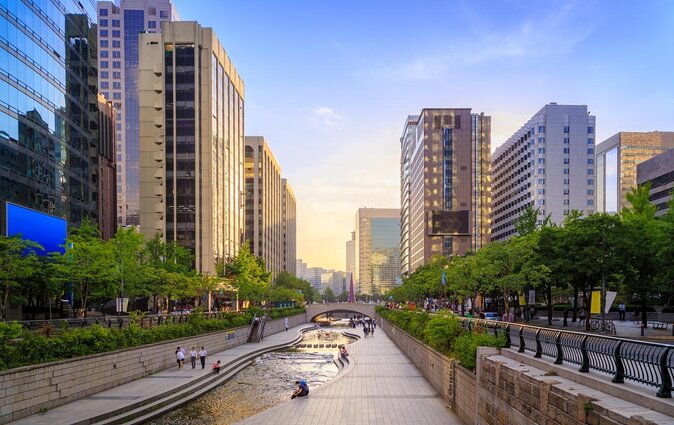
- A tight 3-hour route from Deoksugung Palace to Cheonggyecheon Stream
- Free admission at every listed stop, with the guide as the main value
- Korean Empire to Joseon-era sites in one clean walking arc
- Smaller group size (max 15), which usually makes questions easier
- Coffee and bathroom break at Jeongdong Theater
- Mobile ticket format, so you’re not hunting for paper vouchers
Keep walking the palaces of old Seoul
- Seoul: Gyeongbok Palace, Bukchon Village, and Gwangjang Tour★ 4.9 · 2,321 reviews
- Best Seoul City Tour (Gyeongbokgung Palace,Insadong,Namsan Tower)★ 5.0 · 1,647 reviews
- Small-Group Royal Palace and Seoul City Tour (hotel pick-up)★ 5.0 · 1,474 reviews
- Seoul City Sightseeing Tour Including Gyeongbokgung Palace, N Seoul Tower, and Namsangol Hanok Village★ 5.0 · 1,423 reviews
A 3-Hour Seoul Walk Through Late Joseon and the Korean Empire
This is the kind of tour that helps you get your bearings fast. You’re walking in the Jongno area, where you can physically switch between old royal space and modern city life without traveling across town. The big idea is timing: the tour is built around the late 19th to early 20th century, when Korea was undergoing major political pressure and big cultural contact with the West.
You’ll follow a logical flow: start at major palaces, then add a missionary-education story, pause at a theater that blends traditional culture into performances, and finish with an imperial-era hall and major public square. The result is a timeline you can see with your own eyes, not just read.
The pace is intentionally efficient. Most stops are around 10–25 minutes, which means you should come ready to learn from your guide and move with the group.
Deoksugung Palace: Your Joseon-Era Starting Point
Deoksugung Palace is a strong first stop because it’s right in central Seoul. You’ll start at the Deoksugung entrance at 99 Sejong-daero, Jung District, and from there the tour builds a sense of power and administration—what palace life meant and how royal space shaped the city around it.
Even if you’ve visited other palaces in Korea, Deoksugung has a slightly different feel because it’s associated with later chapters of Korean history too. On this walk, your guide ties it to the broader late-1800s to early-1900s story, so you’re not just seeing architecture. You’re seeing why those buildings mattered.
Practical note: since this first stop is listed at about 20 minutes, I’d treat it like a “set your mental bookmark” moment. If you’re the type who likes taking photos, do it early—then listen while your guide points out what to notice.
Gyeonghuigung Palace and Jeongdong-gil: Smaller Palaces, Big Context
Next you’ll move to Gyeonghuigung Palace (also known as Gyeonghui Palace). This one is built in the Joseon Dynasty era, originally in 1623, and it served as a residence tied to court life. Even when a palace is smaller or less crowded than Deoksugung, it can be easier to focus on details like layout and atmosphere.
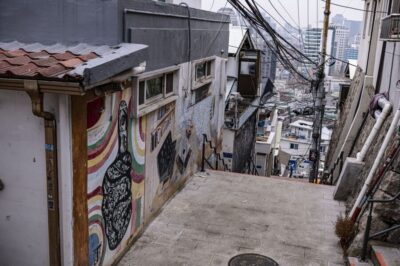
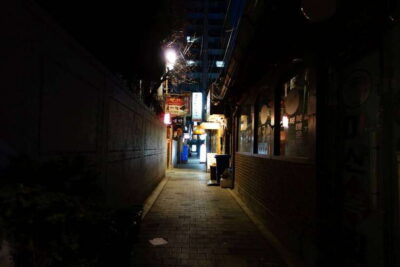
This is also where the tour starts to feel like a true “walk in Seoul” experience. Jeongdong-gil is known for blending old and new, and the route here supports that idea: you’re still in heritage settings, but you’re also moving through the parts of the city that keep living. That contrast is exactly why this walk works well as an introduction to Korea’s street-level reality.
The main consideration is time. Another ~20 minutes means you’ll likely get the highlights, not a slow, full palace day. If you want hours of wandering, you may want to save extra palace time for another visit later.
More of Seoul taken at walking pace
Appenzeller Noble Memorial Museum: A Mission School Story in Plain Sight
One of the most interesting stops on this route is the Appenzeller Noble Memorial Museum. It’s connected to Baekjae Hakdang, a missionary school that later expanded into a university. The museum connects that educational mission to what you can trace today through Pai Chai University in Daejeon.
Why I like this part of the tour: it shifts the story from palaces and emperors to institutions that shaped everyday life—schools, teachers, and the long-term impact of education. It’s also a reminder that “Korea and the West” in this time period wasn’t only politics and conflict. It included people trying to teach and build systems.
This stop is listed for about 10 minutes and carries free admission. That short timing is good if you want a quick, clear introduction without getting stuck in information overload. If education history is your thing, you’ll probably leave wanting to read more afterward, especially about how institutions evolved.
Jeongdong Theater Break: Coffee, Restrooms, and Cultural Performance
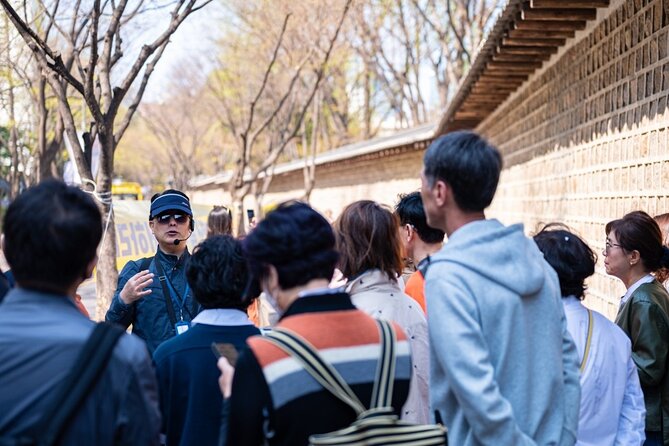
After palaces and museums, you get a breather at Jeongdong Theater. The stop is timed around 25 minutes, and it’s designed for real-life travel needs: you can get coffee or other drinks and use the restroom.
The theater itself matters to the tour’s theme. Jeongdong Theater hosts concerts, plays, and musicals that incorporate elements of traditional Korean culture. So even though this is a break, it’s not a random pause. It’s another way to show how traditional elements are still being used in modern performance settings.
If you’re planning your own day around this tour, treat Jeongdong Theater as a good mid-walk reset. Refuel, rehydrate, and then head into the final historic sites with better energy.
Jungmyeongjeon Hall: Imperial Library to Emperor Gojong’s Temporary Home
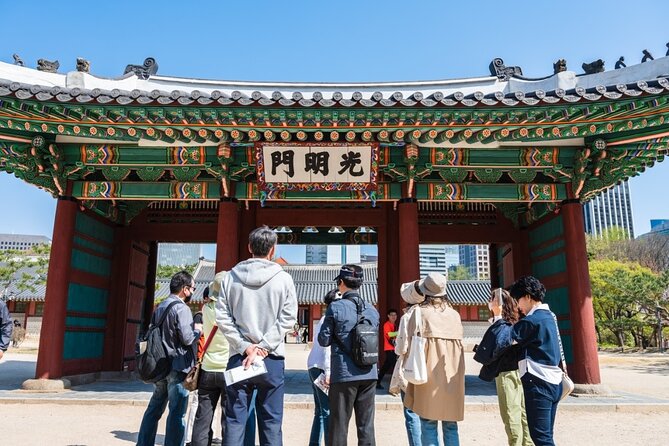
The tour’s late-game stop is Jungmyeongjeon Hall. This hall was built in 1899 as the imperial library of the Korean Empire. Then the story turns: after Deoksugung Palace caught on fire in 1904, Jungmyeongjeon became a temporary residence for Emperor Gojong.
That connection is the kind of detail that makes a short stop feel meaningful. You’re not only looking at a hall—you’re seeing how events forced the Korean Empire to adapt quickly, and where power physically moved when disaster struck.
This stop is listed for about 15 minutes. With time so tight, your guide’s job is crucial here: the value is in helping you notice what the hall represents—an imperial space meant for knowledge and governance, and later a lived-in place tied to a ruler’s real circumstances.
Gwanghwamun Square to Cheonggyecheon: Where the Walk Lands
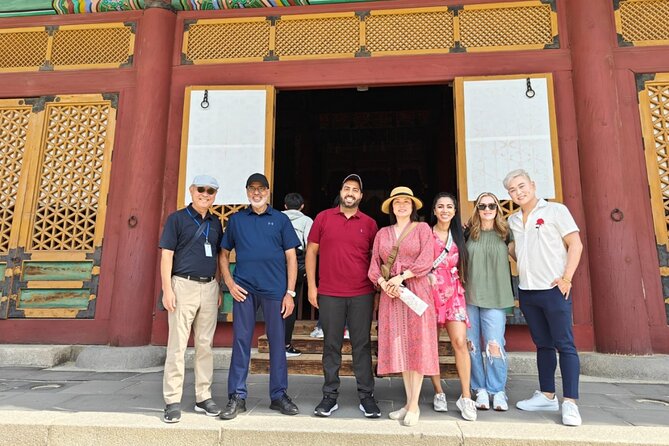
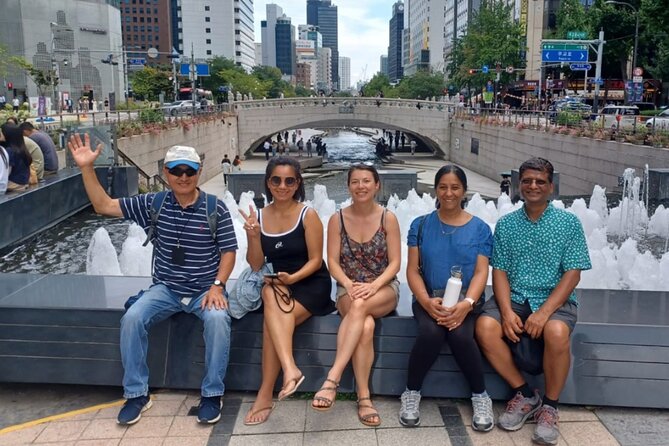
Finally, you’ll end at Cheonggyecheon Stream. Along the way, you’ll visit Gwanghwamun Square, a large public square in central Seoul built in 2009. It’s known for easy “meet-up” vibes and for visible landmarks: a large fountain and a statue of King Sejong the Great.
This last stretch gives you a shift from enclosed heritage spaces to an open civic setting. In travel terms, it helps you translate what you learned earlier into the kind of public Seoul people actually use every day.
Ending near Cheonggyecheon is a smart move because it gives you an immediate next step. After a historic-focused walk, you’re not stuck in a transit maze—you can keep exploring along the stream area at your own pace.
Price and What You’re Really Paying For (Not Just the $48)
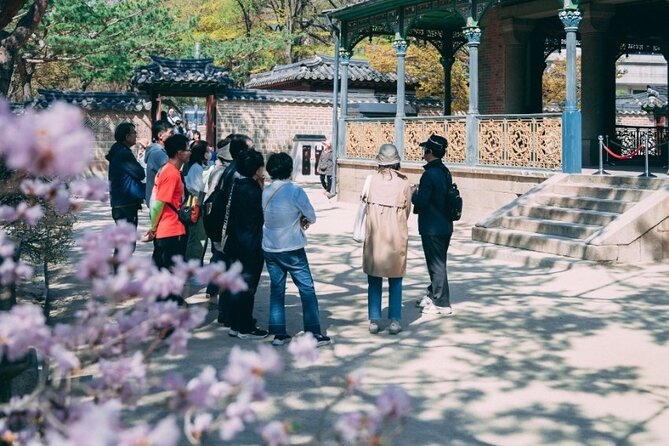
The tour costs $48.00 per person and runs about 3 hours with a professional English tour guide. What makes that price feel reasonable is that the listed stops have free admission included at each site, so you’re mostly paying for guidance, pacing, and historical context.
In other words, you’re not paying for a ticket bundle. You’re paying for the ability to connect the dots between:
- Joseon-era palace spaces,
- Korean Empire symbols like an imperial library,
- the education story tied to Baekjae Hakdang / Pai Chai University,
- and a theater that still uses traditional cultural elements.
If you’re traveling with someone who learns by listening and comparing, the guide is the main value. And if you’re the independent type who likes reading on your own, the route can still help—you’ll get a clean framework for what to look for before you go back and explore deeper.
Group size is capped at 15, which matters. Smaller groups tend to mean fewer lost faces, fewer missed questions, and a more coherent pace.
Who This Walking Tour Fits Best
This experience is best for you if you want a fast, organized introduction to central Seoul’s heritage sites without doing a complicated self-planning puzzle. It’s also a good match if you’re interested in the late-19th to early-20th century period and want it explained in the places where it actually happened.
It’s not ideal if you hate walking, because the structure is built around getting from one highlight to the next in a few hours. Also, since each stop is brief, it’s less of a slow museum style day.
If you like breaks built into the route, you’ll appreciate the Jeongdong Theater pause for coffee and restrooms. And because the itinerary finishes near Cheonggyecheon, it works well as the “first big historical loop” in your Seoul plan.
Should You Book Deoksugung & Jeongdong-gil?
Yes, I think you should book it if you want a well-timed way to understand Seoul’s shift from older royal space into the Korean Empire era—and then out into modern public life. For the price, the fact that the key stops have free admission plus a guide’s explanations makes this feel like good value rather than a pricey sightseeing bundle.
Skip it only if your schedule is tight and you can’t handle a 3-hour walking format, or if weather is unreliable during your dates. The tour requires good weather, so have a plan for a backup day.
If you’re choosing between doing random palace visits alone versus following a story-driven route, this walk is the one that helps the pieces click together.
FAQ
How long is the Deoksugung & Jeongdong-gil tour?
It’s approximately 3 hours.
How much does the tour cost?
The price is $48.00 per person.
What’s included in the price?
A professional English tour guide is included.
Where does the tour start and end?
It starts at Deoksugung Palace (99 Sejong-daero, Jung District, Seoul) and ends at Cheonggyecheon Stream (Jongno District, Seoul).
What time does the tour begin?
The start time is 9:30 am.
Is admission required for the stops?
Admission tickets for the listed stops are shown as free.
Does the tour have any weather or timing requirements?
The tour requires good weather. If it’s canceled due to poor weather, you’ll be offered a different date or a full refund.
More Seoul Walking Tours
- Seoul moonlight walking tour with local historian★ 5.0 · 940 reviews
- Seoul: Nighttime Hidden Gems Walking Tour★ 5.0 · 775 reviews
- Seoul: Evening Dark History, Folklore & Ghost Story Walking Tour★ 5.0 · 593 reviews
- Seoul: Dark Side of the City and Ghost Stories Walking Tour★ 4.8 · 484 reviews
- Gangnam Walking Tour on Youth and Society in Seoul Korea★ 5.0 · 401 reviews
More Tour Reviews in Seoul
- Best DMZ Tour Korea from Seoul (Red Suspension Bridge Optional)★ 5.0 · 41,422 reviews
- DMZ Tour: 3rd Tunnel, Option(Suspension Bridge, Boat) from Seoul★ 5.0 · 21,373 reviews
- DMZ tour south Korea from Seoul (NK experience hall, defector)★ 5.0 · 20,599 reviews
- Seoul: DMZ Tour with Optional Suspension Bridge★ 4.8 · 5,277 reviews
- Seoul: DMZ The 3rd Tunnel and Suspension Bridge Tour★ 5.0 · 4,656 reviews
Still More Palaces to Walk
- Seoul: Gyeongbok Palace, Bukchon Village, and Gwangjang Tour★ 4.9 · 2,321 reviews
- Best Seoul City Tour (Gyeongbokgung Palace,Insadong,Namsan Tower)★ 5.0 · 1,647 reviews
- Small-Group Royal Palace and Seoul City Tour (hotel pick-up)★ 5.0 · 1,474 reviews
- Seoul City Sightseeing Tour Including Gyeongbokgung Palace, N Seoul Tower, and Namsangol Hanok Village★ 5.0 · 1,423 reviews
- Seoul: Gyeongbok Palace, Bukchon Village, and Gwangjang Tour★ 5.0 · 1,044 reviews
Just added to Exploring Seoul
Gyeongbokgung & Palace Tours, compared.
 ★ 4.9Gyeongbok Palace, Bukchon Village, and Gwangjang TourFrom $322,321 reviews
 ★ 5.0Best Seoul City Tour (Gyeongbokgung Palace,Insadong,Namsan Tower)From $581,647 reviews
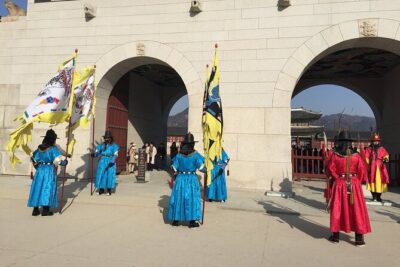 ★ 5.0Small-Group Royal Palace and Seoul City Tour (hotel pick-up)From $561,474 reviews
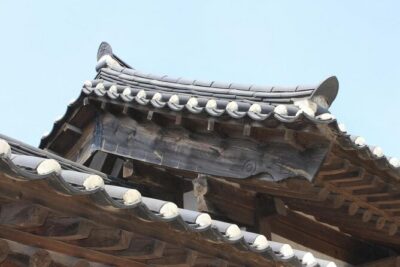 ★ 5.0Seoul City Sightseeing Tour Including Gyeongbokgung Palace, N Seoul Tower, and Namsangol Hanok VillageFrom $801,423 reviews
★ 5.0Gyeongbok Palace, Bukchon Village, and Gwangjang TourFrom $321,044 reviews
★ 5.0Seoul City Sightseeing Tour Including Gyeongbokgung Palace, N Seoul Tower, and Namsangol Hanok VillageFrom $801,423 reviews
★ 5.0Gyeongbok Palace, Bukchon Village, and Gwangjang TourFrom $321,044 reviews
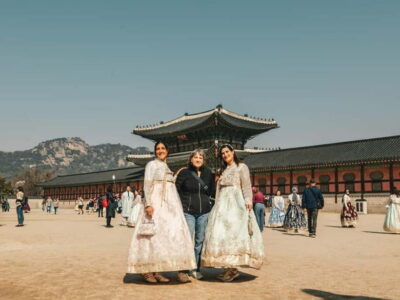 ★ 4.9Seoul Half-Day City Highlight, Palace Tour with HanbokFrom $49764 reviews
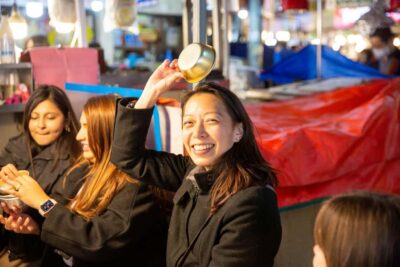 ★ 4.9Palace, Temple and Market Guided Foodie Tour at NightFrom $60750 reviews
 ★ 4.7Seoul Highlights: Gyeongbok Palace, Insadong & N Seoul TowerFrom $26726 reviews
Browse the lists this tour appears in