

Reviewed · TOURS
7 days Flexible Tour for Major Cities(Seoul,Busan,Gyeongju etc)
A private 7 days in Korea beats most checklists. This flexible tour strings together major classics across Seoul, the DMZ, Gyeongju, and Busan, with a real guide steering the day and a mini van keeping things smooth.
I particularly like two things: first, the hands-on guiding with English-speaking support from Hun and Sean, plus their habit of tailoring days around what you want to see and eat. Second, the practical value that comes from included entrance tickets, bottled water, and transport (including airport transfer depending on your route).
One thing to consider: the schedule packs in a lot of stops, so you’ll want a moderate fitness level and comfortable shoes—especially on market and village days where walking adds up.
In This Review
- Key things you’ll notice fast
- Why this 7-day Korea tour feels different
- Price and what you actually get for $2,000
- Getting around: mini van comfort, pickup, and mobile tickets
- Seoul Day 1: Gyeongbokgung, Bukchon, Insadong, War Memorial, Gwangjang Market
- Seoul Day 2: N Seoul Tower, Bongeunsa, Starfield Library, Gangnam, Han River cruise
- Seoul-to-DMZ Day 3: Imjingak, DMZ bus transfer, Third Tunnel, Dora Observatory
- Fortress-and-Drama Day 4: Hwaseong walls, gates, archer views, then Korean Folk Village
- Day 5 to Gyeongju: a scenic shift plus Space Walk views
- Gyeongju Day 6: tombs, coin bread street, night bridge, Wolji Pond magic, and the observatory
- Busan Day 7: Gukje Market bargains, Songdo cable car (or Sky Capsule), Yonggungsa, Gamcheon, bamboo peace
- Who this tour suits best
- Practical travel tips so you enjoy it more
- Should you book this flexible major-cities tour?
- FAQ
- How long is the tour?
- What’s the starting time?
- Is hotel included?
- Are meals included?
- Are entrance tickets included?
- Can I leave from Busan instead of returning to Seoul?
- Is this a private tour?
Key things you’ll notice fast
- Private-group feel across the whole week, not a seat-and-hope setup
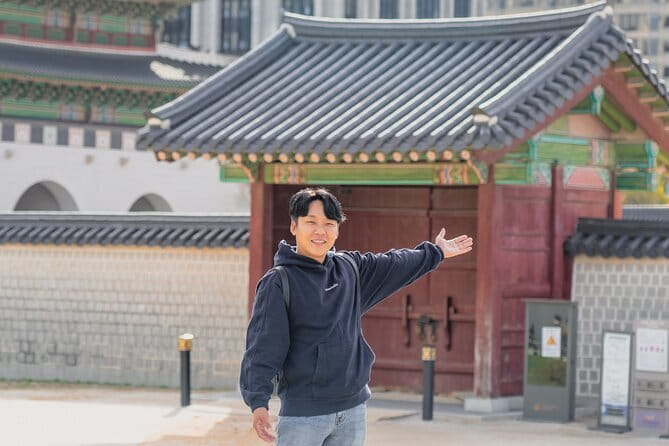
- Hun and Sean’s flexibility, including adapting based on your interests
- Entrance tickets included for the listed sights (so you don’t need constant budgeting mid-trip)
- Airport transfer options, with the choice to go back to Seoul or leave from Busan
- A real DMZ day, using public bus for the in-zone movement while keeping guided context
- Evening-friendly Gyeongju stops, like Woljeonggyo Bridge and Donggung Palace at night
A handful of other Seoul experiences to line up next
Why this 7-day Korea tour feels different
If you’ve ever tried to do Korea by yourself with only a loose plan, you know what happens: you spend half your time figuring out transit, timing, and where to stand for photos. This tour is built to remove that friction. You’re still going to see the famous places, but the day is organized so you can actually enjoy them.
I also like the vibe: it’s professional, upbeat, and very focused on making your time feel easy. The guides Hun and Sean get repeatedly praised for being fun, energetic, and good company, and the tone comes through in the way the route is run. You don’t just get a list of stops—you get explanations, photo tips, and pacing that tries to keep everyone happy.
There’s also a flexible spirit baked in. The week doesn’t have to run like a rigid conveyor belt. If you want a day off, or you want to add more places beyond the base plan, you can ask and the schedule can be adjusted.
Price and what you actually get for $2,000
At $2,000 per person for about 7 days, this isn’t a budget backpacking choice. But it can be good value for the right traveler because the cost isn’t only “a guide.” You also get a private vehicle (a fancy mini van), fuel and tolls, parking, bottled water, and the entrance tickets for the scheduled sights.
Add in airport transport—either you go back to Seoul with them or you can leave from Busan—and the price starts to make more sense. For couples, families, or small groups who want a guided route across multiple cities without logistics stress, a private week can cost less than you’d think once you price out tickets, taxis, and multi-day coordination.
One more practical detail: the tour is typically booked well in advance. That’s usually a clue that the format works for people who want to minimize decision fatigue.
Getting around: mini van comfort, pickup, and mobile tickets
This is a private, group-only tour with 1–2 English driving guides for the whole run, using a mini van. That matters because you’re covering different regions—Seoul to the DMZ area, then out toward Gyeongju and on to Busan. Without a vehicle and a driver, you’d be constantly recalculating time.
You also get pickup offered and airport transport, which is huge if you land tired or arrive at odd times. Mobile tickets are included, and that helps keep check-in simple once you reach ticket gates.
Hotel and meals aren’t included, but that’s normal for private touring. The upside is you can choose what fits your style—then your guide handles the sightseeing side.
Seoul Day 1: Gyeongbokgung, Bukchon, Insadong, War Memorial, Gwangjang Market
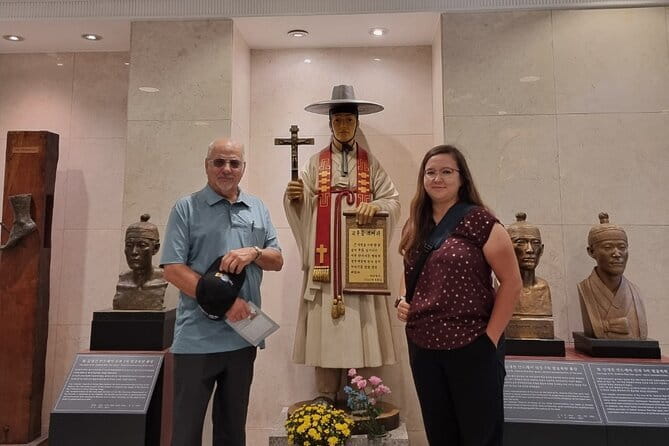
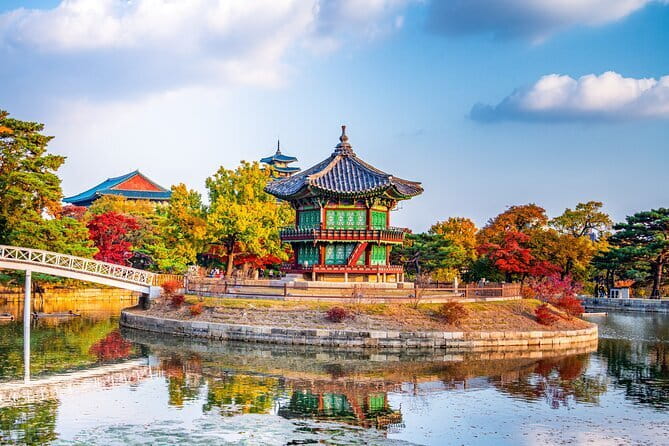
Your week opens with classic Seoul, but not in a random order. You start at Gyeongbokgung Palace, the core royal palace from the Joseon Dynasty era. It’s big, so the guided walkthrough is the point: you don’t just wander, you understand the layout and learn where the best photo spots tend to be.
Next comes Bukchon Hanok Village, the traditional neighborhood tied to Korea’s noble class history. This is one of those places where the details matter. Instead of only looking at exterior hanok houses, you get inside access to explore what the living spaces were like—helpful if you want more than postcard views.
Then you move to Insadong, a traditional street where pottery, art, antiques, and casual cafés create that old-meets-new market feeling. It’s also a nice break from palace-heavy days, and the guide’s lunch/tea rhythm helps you avoid the “we rushed and missed it” trap.
After lunch, the day shifts tone with The War Memorial of Korea. It’s not a light stop, but it’s valuable because it explains the background behind the Korean War using exhibits and military displays.
Finally, you end at Gwangjang Market, one of the best places to eat your way through Korean street food culture. You’ll get local specialties explained and sampled, which is a smart way to handle ordering without guessing. The main drawback here is simple: markets mean lots of stairs, crowds, and time spent standing. Wear comfortable shoes and go slow.
Seoul Day 2: N Seoul Tower, Bongeunsa, Starfield Library, Gangnam, Han River cruise
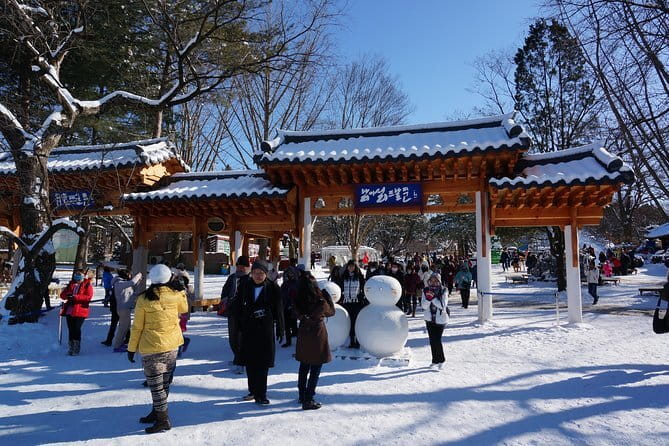
Day two mixes big-city icons with calmer temple time and then ends with the kind of night scene that looks great on camera.
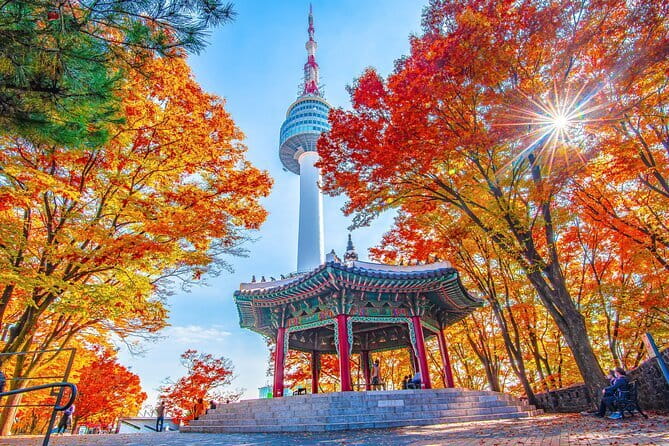
You start with N Seoul Tower, a viewpoint you reach by going up the mountain. The guide supports the trip and points you to photo spots. Cable car tickets aren’t included, so you’ll want to budget that separately if you’re using it rather than walking.
From the tower, you go to Bongeunsa Temple, a large Buddhist temple in the center of Seoul. The value here is atmosphere. You get colorful lanterns and lotus-themed visuals while your guide explains the temple background, so you’re not just snapping pictures.
Next is Starfield Library, the social-media-famous photo stop with over 50,000 books. If you prefer a different experience, the stop can be replaced with a visit to a traditional Korean village instead. That flexibility is handy if you’re traveling with mixed tastes.
Then it’s a quick pop of modern pop culture at the Statue of Gangnam Style. It’s brief, but it’s a fun marker of how Seoul blends global fame with local life.
You finish with an E-Land Cruise on the Han River, a classic evening activity. The guide helps coordinate the meal before boarding, and you’ll see the river views under night lights—romantic, yes, but also a good change of pace after a day of walking.
Seoul-to-DMZ Day 3: Imjingak, DMZ bus transfer, Third Tunnel, Dora Observatory
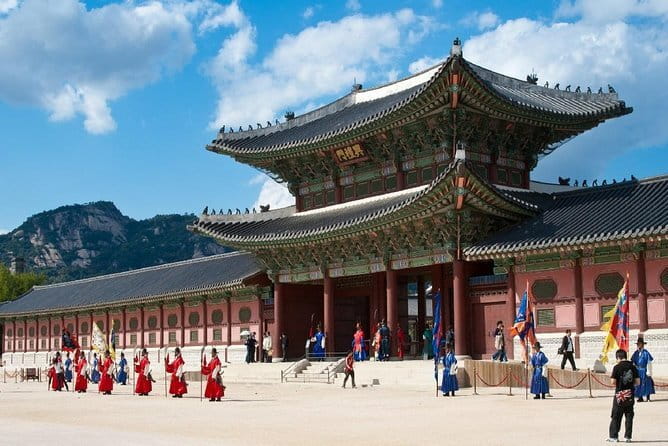
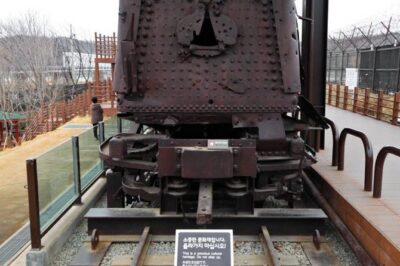
This is the hardest and most meaningful day on the calendar. You begin at Imjingak Pyeonghoa-Nuri Park, a reflection zone before you enter the DMZ area. You’ll see sites like the Bridge of Freedom and an abandoned steam train, which helps set the emotional context before the official viewpoints.
Inside the DMZ, one logistics point matters: private cars aren’t allowed to drive within the DMZ zone. Your tour uses a transfer to a public bus, while keeping the trip private overall with guided explanations. It’s a small reality check, but it’s part of how the system works there.
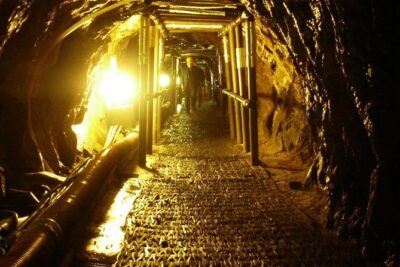
You then visit The Third Tunnel, where you can enter one of the tunnels that runs deep underground. The trip includes time underground and outside viewpoints, and your guide explains the strategic context behind the tunnel story. Expect this stop to feel intense and factual—less “fun” and more “wow, this is real.”
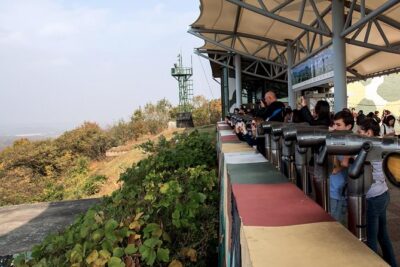
After that, you go to Dora Observatory, where you can see North Korea up close from the designated vantage. The tour also includes The Museum of Modern History of Korea, which helps stitch together the Korean War, then pulls back to everyday life in the 1950s era.
Practical note: because this is emotionally heavy and includes waiting and transfers, keep water and patience close. Your guide will handle the timing, but your brain will need the slower moments.
Fortress-and-Drama Day 4: Hwaseong walls, gates, archer views, then Korean Folk Village
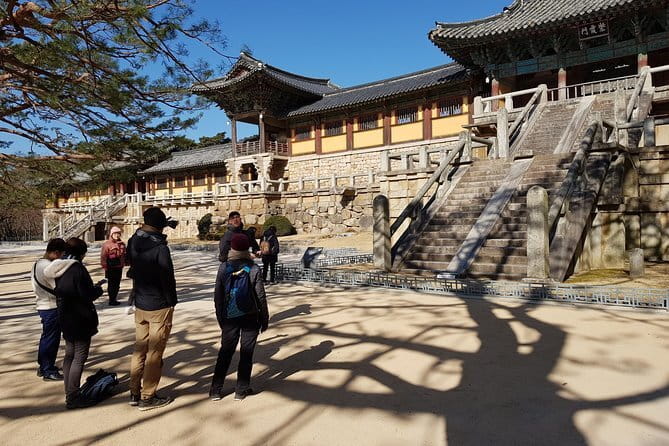
Day four focuses on history you can walk on. The big theme is Suwon Hwaseong Fortress area stops, with several gates and viewpoints that connect into one story.
You start at Banghwasuryujeong Pavilion (Dongbukgakru), where you get both the scenic element and the royal-party-side history. Then you move to Janganmun Gate, known for tragic Joseon-era connections and even visible bullet holes from the Korean War. This stop is heavy again, but it’s grounded in what you can see.
From there you go to Yeonmudae (Dongjangdae), the commander’s center and a place tied to military training. You may even get a chance to try archery—plus you’ll have a route that offers good fortress views for photos.
Then comes Changryongmun Gate, known for a unique design. The practical idea is that you won’t just stare; you’ll learn why the design is clever and what to look for.
After the fortress stops, you head to Korean Folk Village, a large complex used often in filming Korean historical dramas. It can involve walking, but your guide paces it so you don’t feel like you’re rushing. You’ll get agricultural and traditional house context, plus performances along the way.
Day 5 to Gyeongju: a scenic shift plus Space Walk views
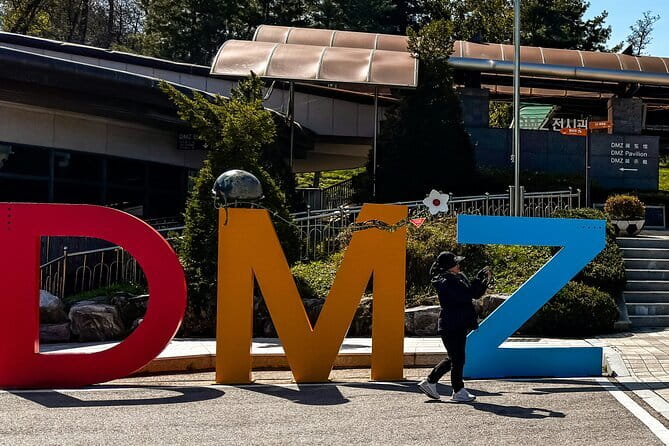
You travel toward Gyeongju, one of Korea’s best “ancient capital” experiences. On this day, you’ll stop at 1–2 attractions along the way and enjoy lunch in Pohang. That’s a good structure because it breaks up long-distance travel with a little payoff.
Then you reach the entertainment portion: Space Walk. This is where you get a fun pause after the history focus—plus it’s a spot with views that help reset your energy. The tour notes it as safe and fun, and the guide joins you so you’re not left guessing how it works.
Why this day works: you’re not jumping from Seoul nightlife to Gyeongju temples in one straight line. You get a breather, a meal, and a viewpoint stop that makes the transition feel natural.
Gyeongju Day 6: tombs, coin bread street, night bridge, Wolji Pond magic, and the observatory
Gyeongju on day six leans into what most people come for: old-world sites that still feel tangible.
You start with Daereungwon Tomb Complex, dating mainly to the 4th to 6th centuries. A key detail here is that the tombs have stayed intact thanks to construction methods, and the tour lets you enter one open tomb so you can see inside—not just look from the outside.
Next is Hwanglidangil, a street for snacks and local specialties, including the famous coin bread. This is one of those stops that’s short but satisfying, especially if you like having a “small food mission” during the day.
Then you hit Woljeonggyo Bridge, originally built in 760 and later rebuilt after destruction. This is especially worth planning for at night, when the bridge and surroundings look very different from daytime. The guide’s timing helps you catch the evening atmosphere rather than arriving after the best light.
After that, you go to Donggung Palace and Wolji Pond, which is reconstructed based on historical records. Visiting at night gives the “magical view” effect the area is known for, and it’s a nice contrast to the tomb and fortress vibe earlier in the week.
You end with Cheomseongdae Observatory, built in 633, tied to ancient astronomy and agriculture. It’s short but meaningful because it shows how science and daily life were connected back then. Then you finish at Gyeongju National Museum, which displays original treasures like crowns and artifacts, giving you a reality check on the scale of what’s preserved.
Busan Day 7: Gukje Market bargains, Songdo cable car (or Sky Capsule), Yonggungsa, Gamcheon, bamboo peace
On the final day, the mood shifts to coastal and colorful. You start at Gukje Market, where Busan’s early trade history helped it become a strong commercial hub. It’s also practical for travelers because prices are often more wallet-friendly in markets like this, and it’s a place to browse things like blankets and other goods.
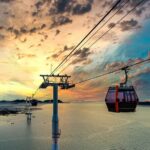
Then you ride the Songdo Cable Car over the ocean. If you’re nervous about heights, there’s an alternative: the Sky Capsule, lower with a transparent floor for better views. This is one of the day’s “pick your comfort level” moments, which is always smart.
Next comes Haedong Yonggungsa, often described as one of the most beautiful temples in South Korea. Even though it’s relatively new, the coastal setting is the big draw. You get ocean views directly from temple grounds, so it doesn’t feel like you traveled all the way just to look at a building.
After temple time, you visit Busan Gamcheon Culture Village, a colorful neighborhood with a sad history explained by the guide. You’ll learn about why refugees came, how homes were built, and how people live there now. It’s a reminder that “pretty” and “painful” can exist in the same place.
Finally, you end with Ahopsan Forest, a bamboo forest where you can walk in calmer air even though you’re in a city. This is a fitting close to a week full of intense history. It’s quiet, cooling, and helps your brain switch off.
Who this tour suits best
This is a strong match if you want major highlights without doing the planning math. It also fits families who want a guide that can manage pace, and small groups who want privacy while still moving between cities efficiently.
It’s less ideal if you hate schedules entirely or you want free-form wandering every hour. The week is flexible, but it still has guided structure and multiple ticketed sights.
If you’re especially interested in Korean history and culture—royal palaces, memorial context, fortress architecture, and ancient Gyeongju sites—you’ll get a lot of value per day.
Practical travel tips so you enjoy it more
Start with shoes that handle crowds and uneven ground. Palaces, markets, villages, and fortress areas all mean you’ll walk more than you expect.
Bring a small snack strategy for long days. Meals aren’t included, so you’ll rely on market stops and the guide’s planning cues. If you have dietary needs, ask early so your guide can suggest what’s easiest.
For photos, remember that some best angles happen at specific times (like evening bridge and night pond scenes). You won’t have to guess; the day is timed to hit those moments.
For the DMZ day, keep your expectations grounded. It’s not a casual outing. You’re there to understand a hard part of Korea’s story from carefully selected viewpoints and exhibits.
Should you book this flexible major-cities tour?
If you want to see Seoul + DMZ + Gyeongju + Busan in one smooth 7-day arc without wrestling transport, guides, or ticket lines, I think you should seriously consider booking. The included entrance tickets, airport transfer option, and private mini van make it feel like paying for convenience plus context—not just driving around.
If you’re traveling with older family members or anyone with limited mobility, pay attention to the note about moderate physical fitness and the walking-heavy stops (markets and villages). You might still make it work with pacing and breaks, but you should be honest about comfort levels.
My final thought: this is a good fit when you care more about getting it right than about building the plan yourself. For a first-timer to Korea or anyone returning and wanting the big hits with less stress, this format is hard to beat.
FAQ
How long is the tour?
It runs for about 7 days.
What’s the starting time?
The tour starts at 10:00 am.
Is hotel included?
No. Hotel is not included, but the guide can help with booking.
Are meals included?
No. Meals are not included.
Are entrance tickets included?
Yes. All entrance tickets on the itinerary are included.
Can I leave from Busan instead of returning to Seoul?
Yes. You can choose to either go back to Seoul with the tour or leave from Busan with them.
Is this a private tour?
Yes. It’s private, so only your group participates.
More 7-Day Experiences in Seoul
- Discover Round Korea in 7days: All-Inclusive Experience★ 5.0 · 157 reviews
- 7 Day Essential Korea Tour(Seoul, Nami, DMZ, Andong, Gyeongju, Busan_Meal Incl.)★ 5.0 · 3 reviews
More Tours in Seoul
- Best DMZ Tour Korea from Seoul (Red Suspension Bridge Optional)★ 5.0 · 41,422 reviews
- DMZ Tour: 3rd Tunnel, Option(Suspension Bridge, Boat) from Seoul★ 5.0 · 21,373 reviews
- DMZ tour south Korea from Seoul (NK experience hall, defector)★ 5.0 · 20,599 reviews
- Seoul: DMZ Tour with Optional Suspension Bridge★ 4.8 · 5,277 reviews
- Seoul: DMZ The 3rd Tunnel and Suspension Bridge Tour★ 5.0 · 4,656 reviews
More Tour Reviews in Seoul
- Best DMZ Tour Korea from Seoul (Red Suspension Bridge Optional)★ 5.0 · 41,422 reviews
- DMZ Tour: 3rd Tunnel, Option(Suspension Bridge, Boat) from Seoul★ 5.0 · 21,373 reviews
- DMZ tour south Korea from Seoul (NK experience hall, defector)★ 5.0 · 20,599 reviews
- Seoul: DMZ Tour with Optional Suspension Bridge★ 4.8 · 5,277 reviews
- Seoul: DMZ The 3rd Tunnel and Suspension Bridge Tour★ 5.0 · 4,656 reviews
Just added to Exploring Seoul

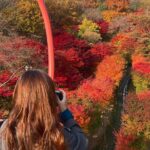
Tours, compared.
 ★ 5.0DMZ Tour: 3rd Tunnel, Option(Suspension Bridge, Boat) from SeoulFrom $3521,373 reviews
 ★ 5.0DMZ tour south Korea from Seoul (NK experience hall, defector)From $2620,599 reviews
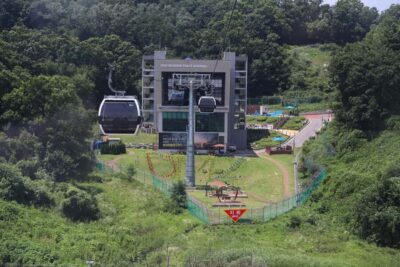 ★ 4.8DMZ Tour with Optional Suspension BridgeFrom $455,277 reviews
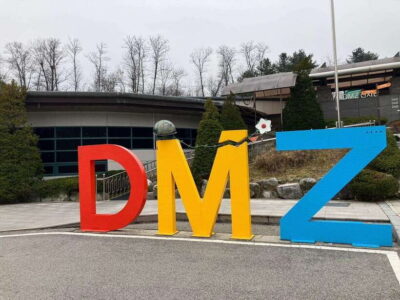 ★ 5.0DMZ The 3rd Tunnel and Suspension Bridge TourFrom $654,656 reviews
 ★ 5.0Signature DMZ Tour: Exclusive Defector Talk & Suspension BridgeFrom $274,459 reviews
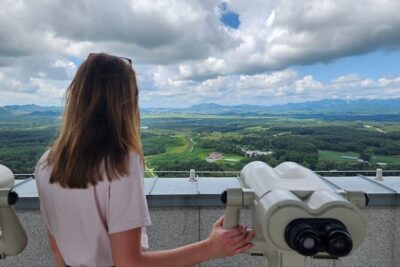 ★ 5.0Thrilling Korean DMZ 3rd Tunnel Tour from Seoul + Red Bridge RushFrom $353,097 reviews
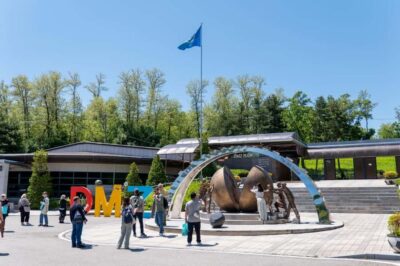 ★ 4.9DMZ Tour & Suspension Bridge (Option English/Spanish)From $352,628 reviews
 ★ 5.0DMZ Past and Present: Korean Demilitarized Zone Tour from SeoulFrom $372,481 reviews