Reviewed · SEOUL
Discover Round Korea in 7days: All-Inclusive Experience
Seven days, one plan, no shopping detours. This Round Korea experience strings together UNESCO sites, coastal scenery, and temple calm with hotels and most meals already handled, so you spend your energy on seeing instead of scheduling.
I love the all-inclusive structure, and I love the mix of UNESCO history plus practical cultural moments like hanbok and hands-on food.
One consideration: the days are busy, with early departures and a lot of moving between cities.
In This Review
- Key highlights you’ll feel on day one
- What all-inclusive really means on this Round Korea route
- Meeting at AMID Hotel Seoul and keeping the pace
- Day 1–2: Gongsanseong Fortress, King Muryeong’s tombs, and hanok Jeonju
- Gongsanseong Fortress (UNESCO)
- Songsan-ri Tombs & the Royal Tomb of King Muryeong
- Gongju National Museum
- Jeonju Hanok Village and Gyeonggijeon Shrine
- Hanbok experience in Jeonju
- Baekyangsa Temple and a Buddhist tea conversation
- Day 3–4: Boseong tea terraces, Suncheon wetlands, and Busan’s markets
- Daehan Dawon green tea plantation (Boseong)
- Suncheon Bay Wetland Reserve
- UN Memorial Cemetery in Busan
- Jagalchi Market
- Songdo Cable Car
- Days 5–6: Nurimaru APEC House, Bulguksa, royal tomb mounds, and Hahoe
- Nurimaru APEC House (Dongbaekseom Island)
- Bulguksa Temple (UNESCO)
- Daereungwon Tomb Complex and the Silla royal court
- Gyeongju National Museum and Cheomseongdae Observatory
- Momyeongjae dessert-making experience
- Andong Hahoe Folk Village (UNESCO)
- Day 7: Seoraksan National Park and Jujeongol Valley’s rock-and-water views
- Price and value: what you’re really paying for
- Who this 7-day Round Korea tour is best for
- Should you book Discover Round Korea in 7days?
- FAQ
- What is included in the tour price?
- Does the tour include shopping or free time for shopping?
- Where does the tour start and end?
- Is hotel pickup on the first day included?
- How large are the groups?
- How active is the itinerary?
- Are entrance fees covered for temples, museums, and parks?
- What happens if weather is poor?
- When can I cancel for a full refund?
Key highlights you’ll feel on day one
- No shopping, no options so you’re not hunting for where to go next
- UNESCO-heavy route covering forts, tombs, temples, and royal-era sites
- Local-touch experiences like a Buddhist tea conversation and a traditional dessert class
- Guide-led flow with an English-speaking guide keeping the group moving
- Meals and entry fees included so your budget stays calmer than DIY travel
A handful of other Seoul experiences to line up next
- Discover Round Korea in 7days: All-Inclusive Experience★ 5.0 · 157 reviews
- 7 Day Essential Korea Tour(Seoul, Nami, DMZ, Andong, Gyeongju, Busan_Meal Incl.)★ 5.0 · 3 reviews
What all-inclusive really means on this Round Korea route
This tour is built for a specific kind of trip: you join the group, and the plan largely runs itself. The big win is that you’re not paying individual entrance fees all week, and you’re not constantly deciding which ticket to buy next. Entrance fees are included for the sites on your schedule, and the vehicle is air-conditioned.
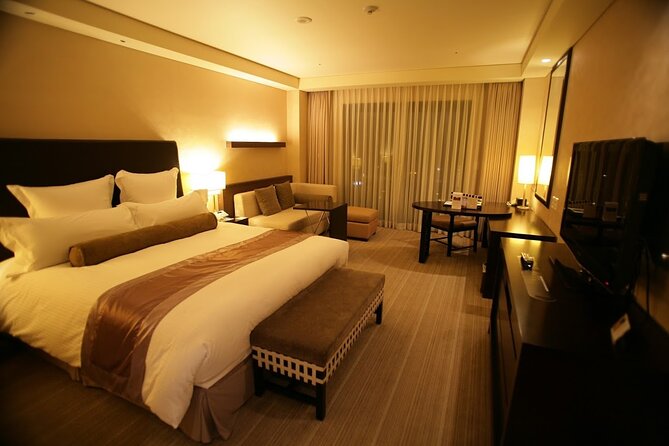
You’ll also get a “real trip” setup: 6 nights of accommodation in twin or double rooms, plus meals that cover the week (breakfast 6 times, dinner 6 times, and lunch 7 times). That’s not just comfort. It also helps you keep momentum on travel days when you might otherwise end up eating something quick and expensive.
Another detail that matters: the experience includes a schedule to visit a wellness facility designated by the Korea Tourism Organization. Even without knowing exactly how it’s run, this is a good signal that the itinerary isn’t only about monuments. It adds a reset moment, which is useful when the week includes several long days of sightseeing.
And yes, the “no shopping” promise is part of the value. Shopping add-ons can turn a good itinerary into a time sink. Here, the program is presented as mainly sightseeing plus cultural experiences, not store stops.
Potential drawback to keep in mind: since everything is pre-set, you’ll have less freedom to wander off-script. If you like spontaneous detours, this is probably not your best match.
Meeting at AMID Hotel Seoul and keeping the pace
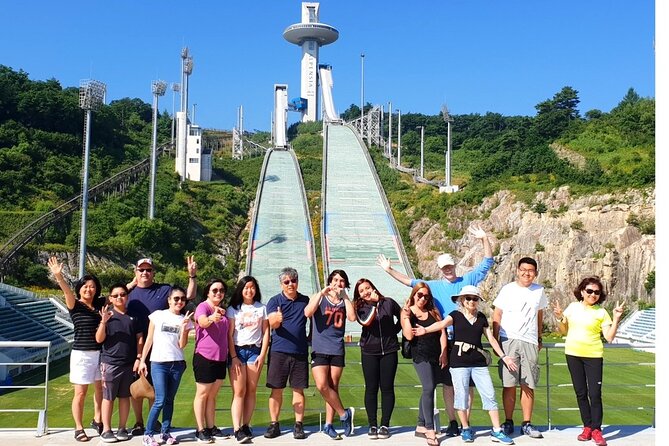
The tour starts at 8:00 am at AMID Hotel Seoul, 38 Insadong 5-gil, Jongno District, and it ends back at the meeting point. Hotel pickup on the first day and drop-off on the last day are not included, so you’ll want to be close to the start location. The tour specifically recommends staying at Amid Hotel Seoul, which is smart if you don’t want to spend your morning on public transit.
Group size is capped at 35 travelers. That’s not small enough to feel like a private tour, but it’s large enough to be organized and still feel like people are looked after. A recent highlighted experience praised an English-speaking guide named Jay for friendly, careful leadership from start to finish. You can treat that as a hint: the guide role is not an afterthought here.
Physical fitness is listed as moderate. Practically, that means you should expect walking at forts, temples, markets, museums, and park areas. You don’t need to be an athlete, but you should pack comfortable shoes and plan for a day that starts early and ends late enough to keep the group moving.
Day 1–2: Gongsanseong Fortress, King Muryeong’s tombs, and hanok Jeonju
The route begins in Gongju, which is a nice choice because it spreads you beyond the typical Seoul-only or Seoul-plus-one-day pattern.
Gongsanseong Fortress (UNESCO)
Your first stop is Gongsanseong Fortress, a UNESCO World Heritage site from 2015. A hillside fortress isn’t just a photo stop. It gives you a sense of how people once defended space and movement in the region. If you like views that make history feel physical, this is the kind of place that does it.
Practical note: fortress sites usually mean stairs and uneven ground. I’d plan on slower steps, not marathon speed, especially after an early start.
Songsan-ri Tombs & the Royal Tomb of King Muryeong
Next comes a deeper dive into royal burial design: the Royal Tomb of King Muryeong, plus the Songsan-ri tomb area. The burial style is noted as brick-built, and the sites are known for artifacts that showcase craftsmanship and royal burial practices.
This is one of those stops where the guide’s context can matter a lot. Tomb architecture can look plain until you understand what you’re seeing—materials, layout, and what objects meant to the people who built them.
Gongju National Museum
You end the day back in a more controlled setting at Gongju National Museum, which houses around 10,000 cultural artifacts. The draw here is variety: royal relics, gilt-bronze ornaments, and items linked to King Muryeong’s tomb.
This combination works well because it separates outdoor walking (fortress/tombs) from museum time. It’s also a good rhythm: you see the place first, then you see the objects.
Jeonju Hanok Village and Gyeonggijeon Shrine
On day two, you shift into a very different mood: hanok streets and the calm of a traditional shrine area. Jeonju Hanok Village is the centerpiece, with Gyeonggijeon Shrine in the heart of the village. The shrine includes the portrait of King Tae-jo and dates to 1410, which is one of those details that gives the area weight beyond aesthetics.
If you want Korea at the “slow down” level, Jeonju is where the itinerary starts to feel more like you’re visiting a living place instead of only checking boxes.
Hanbok experience in Jeonju
You also get a hanbok experience in the village area. This is a rare kind of included activity that’s fun and also practical for photos. Wear comfortable footwear anyway; you’ll want mobility even if you’re dressed traditionally.
Baekyangsa Temple and a Buddhist tea conversation
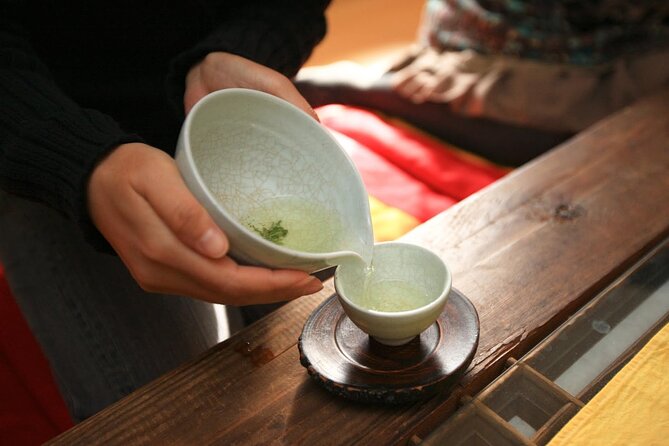
The day ends with Baekyangsa Temple, presented as changing with each season. The highlight here is a tea conversation with a Buddhist monk. This is one of the most “human” experiences in the whole trip: not just seeing a temple, but sharing a quiet moment with someone who lives the tradition.
Keep expectations grounded. It’s still a group activity, and you should listen more than talk if that’s your style. Either way, it’s a pause that feels different from the museum-to-market pace.
Day 3–4: Boseong tea terraces, Suncheon wetlands, and Busan’s markets
By day three, the tour starts mixing nature with culture in a way that doesn’t feel random.
Daehan Dawon green tea plantation (Boseong)
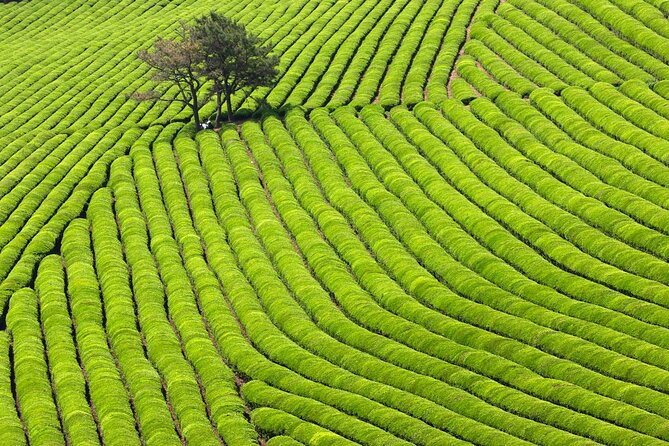
You visit Boseong Green Tea Plantation (Daehan Dawon), described as the largest green tea field in Korea. The appeal is simple: terraced rows and changing views as you walk between the tea bushes.
This stop also helps break the “history-only” pattern. Tea fields give you breathing room, and the scenery turns the day into a visual reset.
Suncheon Bay Wetland Reserve
After lunch, you head to Suncheon Bay Wetland Reserve, noted as one of the world’s top five wetlands and home to more than 250 species. Wetland reserves aren’t about dramatic buildings. They’re about atmosphere: river meets sea, and the area holds life you might miss if you only look for famous landmarks.
If you’re the kind of traveler who likes small details—birds, water, wind in the reeds—this is a good match.
UN Memorial Cemetery in Busan
Day four in Busan starts with the UN Memorial Cemetery, dedicated to UN soldiers who lost their lives during the Korean War. The graves are arranged by nation, with around 2,300 graves.
This is a solemn stop. It isn’t designed for quick sightseeing photos. Give yourself a few quiet minutes so it lands as it should.
Jagalchi Market
Then you pivot to Jagalchi Market, Busan’s iconic fish market. Markets are where you see daily life: stalls, seafood displays, and local food culture in motion.
This is one of those stops where the included schedule helps, because you’re not stuck guessing where the best stalls are. Still, keep a plan for how much you want to spend on extra food beyond what’s included in meals.
Songdo Cable Car
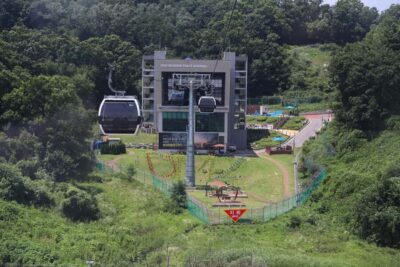
To end the day, you ride the Songdo Sea Cable Car, about 1.6 km from Songdo Beach Station to Songdo Sky Park. Cable cars change how you see a coast. You get a continuous view you can’t replicate from street level.
Practical note: you’ll likely want a light layer. Coastal weather can shift quickly.
Days 5–6: Nurimaru APEC House, Bulguksa, royal tomb mounds, and Hahoe
Day five and six keep the “ancient Korea” theme strong, but they add two different flavors: modern symbolism in Busan, then deep Silla-era sites and a living heritage village.
Nurimaru APEC House (Dongbaekseom Island)
You start with Nurimaru APEC House on Dongbaekseom Island, the venue of the 2005 APEC Summit. It’s described as a modern, glass-walled conference hall, so it’s a deliberate contrast with the temples and tombs later in the week.
This stop is useful because it reminds you Korea has modern global roles too, not only historic ones.
Bulguksa Temple (UNESCO)
Next is Bulguksa Temple, a UNESCO World Heritage site. It’s one of Korea’s major temple names, and visiting it as part of a broader Silla route helps you connect the dots between religious life and royal power.
Daereungwon Tomb Complex and the Silla royal court
You then move to Daereungwon Tomb Complex, known for large royal burial mounds and precious relics, including elaborate gold crowns. This is the kind of place that makes royal history feel real—especially if you’re the type who likes objects and symbolism, not only dates.
Gyeongju National Museum and Cheomseongdae Observatory
At Gyeongju National Museum, you’ll see iconic artifacts such as golden crowns and masterpieces from about a millennium ago. Then you end at Cheomseongdae Observatory, a beloved symbol of Gyeongju, where you stand before an ancient astronomical structure.
Even with a short stop time, Cheomseongdae connects to how people once measured the sky for calendars and planning. It’s a reminder that science and daily life were linked.
Momyeongjae dessert-making experience
Day six shifts again toward hands-on culture at Momyeongjae: a Korean traditional dessert-making experience at the Korean Traditional Culture Center, taught by expert instructors. Even if you’re not a confident cook, classes like this are usually designed to be doable within a group schedule.
This kind of included workshop is worth it because you take something home in the form of skills and a story, not only a souvenir.
Andong Hahoe Folk Village (UNESCO)
Then comes Andong Hahoe Folk Village, a UNESCO World Heritage Site with more than 600 years of history. It’s described as a living cultural landscape, which matters because you’re not only looking at preserved buildings. You’re visiting a place that still feels lived-in.
If you enjoy traditional architecture and village layout, this is a strong day-ending choice.
Day 7: Seoraksan National Park and Jujeongol Valley’s rock-and-water views
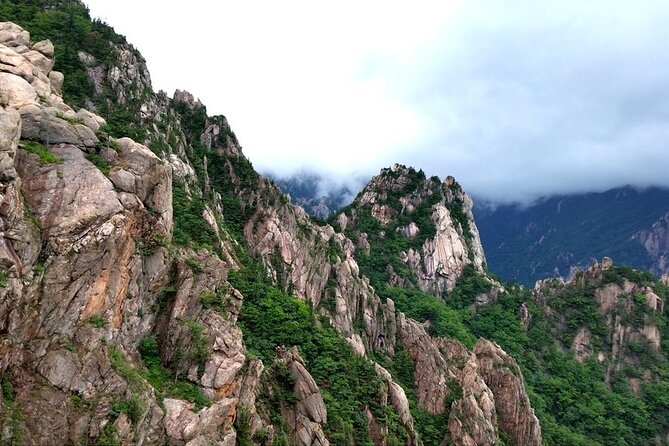
The final day moves outdoors to Seoraksan National Park. You head to Jujeongol Valley in the park, and the highlights are dramatic rock formations, soaring peaks, and crystal-clear streams.
This is the outdoor payoff after a week of tombs, temples, and museums. The pace also changes: you’ll likely spend more time walking and less time in enclosed spaces.
Keep expectations realistic: it’s not a guided nature documentary. It’s a valley hike with views, so plan for comfortable shoes and a light weather-ready layer.
Price and value: what you’re really paying for
At $1,970 per person, this tour looks steep at first glance—until you list what you don’t have to arrange. You’re paying for:
- 6 nights of accommodation (twin or double rooms)
- An English-speaking guide and an air-conditioned vehicle
- Entrance fees included across a multi-city route
- Meals: breakfast 6 times, lunch 7 times, dinner 6 times
- A welcome kit and a set program that includes a wellness facility stop
If you tried to piece this together yourself—hotels in multiple regions, long-distance transportation, and tickets/entry fees—the planning time alone can be costly. This price is essentially paying for fewer decisions and fewer logistics headaches.
That said, it’s not a fully cost-free package. Personal expenses (like drinks, laundry, tips, and things like haircut/phone/payout TV) are not included, and travel insurance isn’t included either. And because hotel pickup isn’t included on the first day, you should budget for getting yourself to AMID Hotel Seoul before the 8:00 am start.
So the real question is value fit: if you want a low-effort plan with high variety, this price starts to look reasonable. If you want lots of free time and control over daily choices, you may feel boxed in.
Who this 7-day Round Korea tour is best for
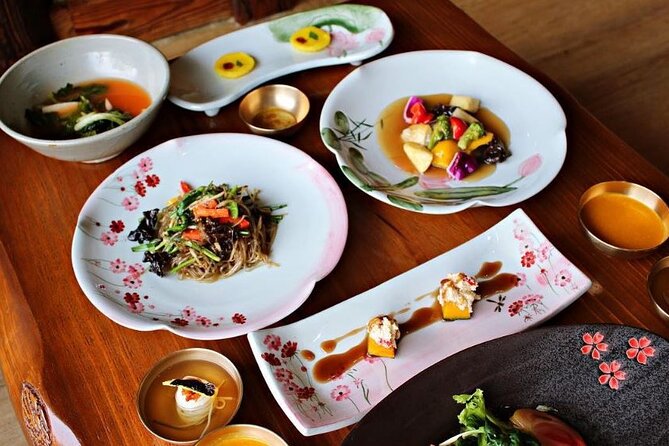
I think this tour suits you best if you want a smooth, guided route that balances history, culture, and nature without turning your vacation into a spreadsheet.
It’s also a good match if:
- you prefer included meals and hotels instead of hunting for restaurants every day
- you like UNESCO sites but also want human moments like hanbok and tea conversation
- you’re okay with a moderate fitness level and a busy schedule
- you travel as a group and appreciate a guide keeping timing tight
It may not suit you if:
- you’re the type who wants long blocks of unscheduled time each day
- you hate early starts
- you dislike set itineraries where you can’t easily slow down or change plans
Should you book Discover Round Korea in 7days?
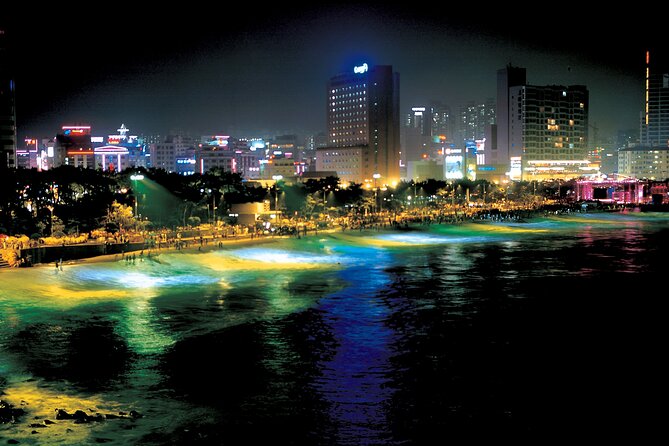
If your ideal Korea trip is a guided circuit—Seoul as the anchor, then Gongju, Jeonju, Boseong, Suncheon, Busan, Gyeongju, Andong, and ending with Seoraksan—you’ll probably enjoy the structure. The “no shopping” angle is a big plus, and the inclusion of entrance fees and meals is the kind of value that saves real stress.
My main advice before you book: be honest about your tolerance for a packed week. If you like to stay active and let the route guide your day, this can feel like a very efficient use of time. If you want slow travel and lots of blank space, choose something with more flexibility.
FAQ
What is included in the tour price?
Entrance fees during the tour, an air-conditioned vehicle, 6 nights of accommodation in twin or double rooms, an English-speaking guide (or driver-guide), the entrance fees for all sites, a welcome kit, and meals (lunch 7 times, breakfast 6 times, dinner 6 times).
Does the tour include shopping or free time for shopping?
No. The program is described as having no options and no shopping.
Where does the tour start and end?
It starts at AMID Hotel Seoul (38 Insadong 5-gil, Jongno District) at 8:00 am, and it ends back at the same meeting point.
Is hotel pickup on the first day included?
Hotel pickup on the first day is not included. The tour recommends staying at Amid Hotel Seoul.
How large are the groups?
The tour has a maximum of 35 travelers.
How active is the itinerary?
It requires a moderate physical fitness level.
Are entrance fees covered for temples, museums, and parks?
Yes. All entrance fees during the tour and for sites are included.
What happens if weather is poor?
The tour requires good weather. If it’s canceled due to poor weather, you’ll be offered a different date or a full refund.
When can I cancel for a full refund?
You can cancel up to 6 days in advance for a full refund, and cut-off timing is based on local time.
More 7-Day Experiences in Seoul
More Tour Reviews in Seoul
- Best DMZ Tour Korea from Seoul (Red Suspension Bridge Optional)★ 5.0 · 41,422 reviews
- DMZ Tour: 3rd Tunnel, Option(Suspension Bridge, Boat) from Seoul★ 5.0 · 21,373 reviews
- DMZ tour south Korea from Seoul (NK experience hall, defector)★ 5.0 · 20,599 reviews
- Seoul: DMZ Tour with Optional Suspension Bridge★ 4.8 · 5,277 reviews
- Seoul: DMZ The 3rd Tunnel and Suspension Bridge Tour★ 5.0 · 4,656 reviews