
Reviewed · DMZ DAY TOURS
Small-Group DMZ Tour w/ North Korea Experience Hall & Susp.Bridge
Seeing North Korea up close feels unreal. This full-day DMZ tour from Seoul gives you guided context at every stop, from the Third Infiltration Tunnel to Dora Observatory’s telescopes trained toward the North. I like that the group stays small (up to 16), and I really appreciate the structure: you’re not just staring at a border, you’re understanding why it exists. The main catch to plan for is the walking—especially the tunnel and the bridge area—and the fact that access can change with weather and military schedules.
You’ll ride out in a climate-controlled coach, spend focused time at Imjingak Park, the DMZ Exhibition Hall, and Dora Observatory, then finish with the Gloucester Hill Memorial and the Gloucester Heroes Suspension Bridge. Expect a day that’s heavy on meaning and light on comfort-food breaks, since lunch and drinks aren’t included.
In This Review
- Key things to notice before you go
- Why this DMZ day feels different: Tunnel 3 and Dora’s telescope view
- Getting started in Seoul: city hall meeting, smooth transit, and a long day
- Imjingak Park and the North Korea Experience Hall: where war memory becomes geography
- Third Infiltration Tunnel: the close-up that hits harder than photos
- DMZ Exhibition Hall: old weapons, short films, and needed context
- Dora Observatory at Mt. Dora: telescopes across the border
- Unification Village pass-by: hearing hope in the middle of tension
- Gloucester Hill Memorial and Gloucester Heroes Suspension Bridge: war memory with mountain air
- Price and value: what $65 buys you on a day like this
- Who should book this DMZ + bridge tour (and who should think twice)
- Should you book this DMZ tour from Seoul?
- FAQ
- How long is the DMZ tour, and what time does it end?
- Where do I meet the tour, and where does it end?
- Do I need a passport for this tour?
- Is lunch or drinks included?
- What’s the group size for this DMZ tour?
- Is hotel pickup and drop-off included?
- What happens if the 3rd Infiltration Tunnel or Dora Observatory are closed?
- What if the suspension bridge is closed due to weather or security control?
Key things to notice before you go
- Small group size (max 16) means more time for questions and a calmer pace.
- Tunnel 3 is walk-in, not a drive-by experience, so wear shoes you trust.
- Dora Observatory + telescopes is the moment most people remember, especially on clear days.
- Imjingak Park sets the emotional tone with the Freedom Bridge and war-era memorials.
- North Korea Experience Hall adds context with a more educational approach.
- Suspension bridge + memorial stop ties the Korean War story to views you can actually walk into.
Other ways to reach the DMZ and the border from Seoul
- DMZ Tour: 3rd Tunnel, Option(Suspension Bridge, Boat) from Seoul★ 5.0 · 21,373 reviews
- DMZ tour south Korea from Seoul (NK experience hall, defector)★ 5.0 · 20,599 reviews
- Seoul: DMZ Tour with Optional Suspension Bridge★ 4.8 · 5,277 reviews
- Seoul: DMZ The 3rd Tunnel and Suspension Bridge Tour★ 5.0 · 4,656 reviews
Why this DMZ day feels different: Tunnel 3 and Dora’s telescope view
A lot of DMZ tours show you the border from a distance. This one goes closer in two very distinct ways: you walk into Tunnel 3, and you aim telescopes toward the North from Dora Observatory. That combination makes the day feel less like sightseeing and more like a guided reality check.
What I like most is the handoff between stops. Imjingak Park gives you the human cost of division, then the tunnel turns that into a physical, underground strategy, and Dora Observatory brings it back to what you can actually see across the line. It’s a smart way to keep the story moving instead of stacking unrelated attractions.
One drawback to be aware of: the DMZ can be unpredictable. If access to certain points changes, the route can shift, and the suspension bridge may be closed in heavy weather or for security reasons.
Getting started in Seoul: city hall meeting, smooth transit, and a long day
You start at City Hall Station and end back at City Hall around 4:50pm. Pickup happens in central Seoul for the listed meeting spots, and you’ll travel by a climate-controlled coach—useful because the DMZ day can be cold, windy, rainy, or all three.
This is a full-day format, roughly 9 hours total. You’ll move between stops in a tight sequence, which keeps momentum up but also means you should treat it like one continuous trek day rather than a series of short breaks. The tour also notes that timing can adjust based on the DMZ situation, so build in patience.
Also bring the basics: the tour uses mobile tickets, it includes transportation and admission fees, and a current passport is required on travel day.
Imjingak Park and the North Korea Experience Hall: where war memory becomes geography
The day begins at Imjingak Park, which is more than a scenic stop. It’s a symbolic space built for refugees during the Korean War era, and it’s packed with monuments that explain what division meant in real life—especially the Freedom Bridge and the Soldiers’ Memorial. There are also old steam trains on display, which makes the whole area feel grounded in time, not just politics.
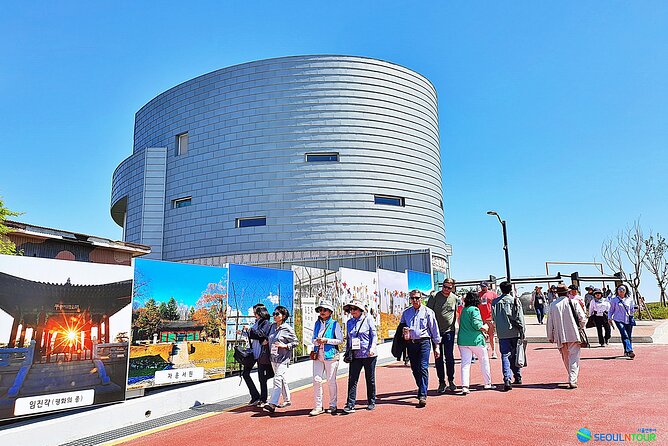
From there, you’ll move toward the North Korea Experience Hall. This is a newer attraction people often gravitate to because it’s designed to satisfy curiosity with more education than spectacle. On a typical route it’s a quick stop, but it helps you understand the North’s messaging and context before you look across with telescopes.
A practical note: Imjingak Park can feel like an “in-between” moment compared to Tunnel 3 and Dora Observatory, so give the guide a chance to connect the dots. When you get that framing, the monuments stop feeling random and start acting like a story start-up.
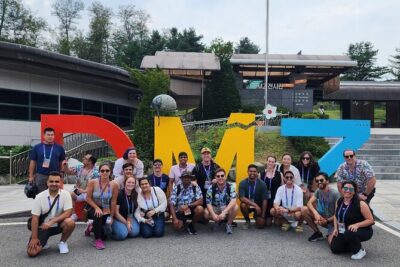
Third Infiltration Tunnel: the close-up that hits harder than photos
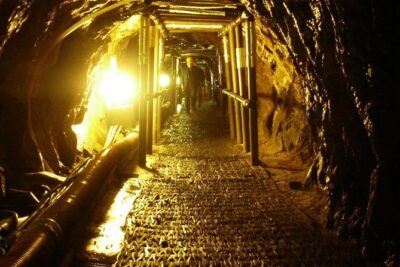
The highlight stop for many people is the 3rd Infiltration Tunnel, discovered in 1978 and built by North Korea in the 1970s as an infiltration strategy. It’s located about 52 kilometers from Seoul, and the point isn’t just history—it’s the shock of seeing how a plan becomes a physical space.
Here’s what to expect: you’ll disembark and walk into the tunnel on foot with your guide. Comfortable shoes matter because you’ll be moving down and up, and the tunnel is narrow—so it’s not a relaxed stroll. The tour specifically advises a moderate fitness level and not planning this if you have trouble with stairs and inclines.
The other key detail is pacing. Once you’re inside, the guide’s explanation turns the tunnel from an object into a lesson: why it existed, how it fit the broader Korean War legacy, and what it represents today. That’s the difference between seeing a dark tube and understanding what it was built to do.
DMZ Exhibition Hall: old weapons, short films, and needed context
After the tunnel, you’ll spend time at the DMZ Exhibition Hall. This stop is valuable because it prevents the day from becoming a series of intense moments without grounding. You’ll see displays of older weapons and historical materials, plus a film explaining Korea’s history in the context of division.
I like exhibition stops on DMZ days because they help you process what you’ve already seen. Tunnel 3 shows a threat strategy in concrete form; the exhibition hall gives you the background to interpret why that strategy mattered and how the Korean War shaped decades afterward.
A small consideration: it’s another indoor block in a long day. If you get tired easily, you’ll still likely appreciate it, but keep your energy in mind so you can follow the guide’s narration instead of half-watching the film.
Dora Observatory at Mt. Dora: telescopes across the border

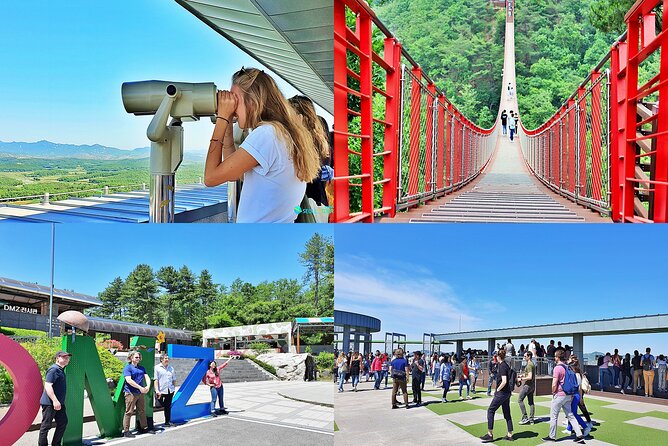
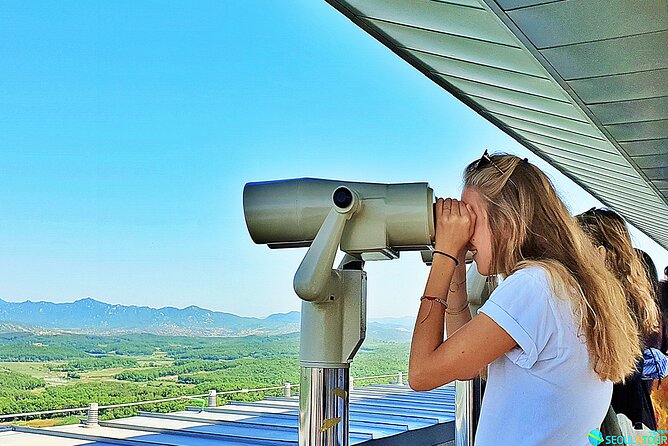
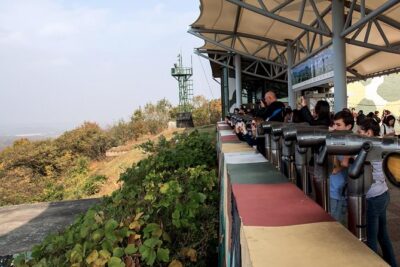
Then comes the moment most people talk about: Dora Observatory. It’s one of the few places where you can directly witness the reality of Korea’s division, and you’ll view North Korea through telescopes trained toward the propaganda village just over the border.
On clear days, the information provided says you can even spot the flagpole in Kijŏng-dong, the southernmost village in North Korea, from Dora. Even if conditions aren’t perfect, you’re still getting a structured, guided way of looking—so you’re not just searching the horizon.
This stop is short but focused (about 30 minutes), so arrive ready to concentrate. Keep your eyes on what the guide points out and use the time for quick questions. The observatory is also where the day’s emotional temperature can rise, because you’re connecting explanation to what’s visible.
Unification Village pass-by: hearing hope in the middle of tension
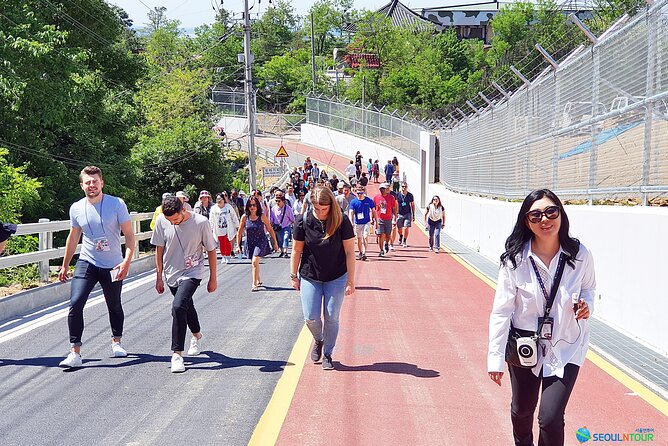
Between Dora Observatory and the return route, you’ll pass by Unification Village. The stop itself is more of an informational pass than a long stay, but the guide shares how people hope for reunification of the two Koreas.
I like this placement. After the intensity of the tunnel and the stark visibility from Dora, you’re reminded that this isn’t just a museum story. It’s a lived issue with ongoing aspirations, and that hope is part of what makes the DMZ feel both heavy and strangely human.
Depending on day conditions and access, the order and exact timing can shift. The key is that the tour is designed to move from war legacy to present-day reality to the human desire for change.
Gloucester Hill Memorial and Gloucester Heroes Suspension Bridge: war memory with mountain air
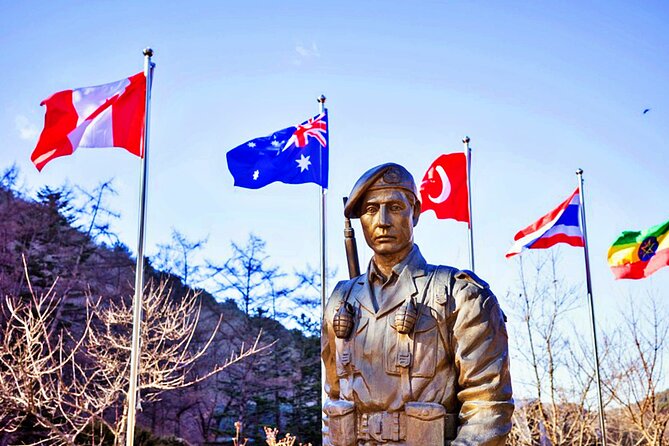
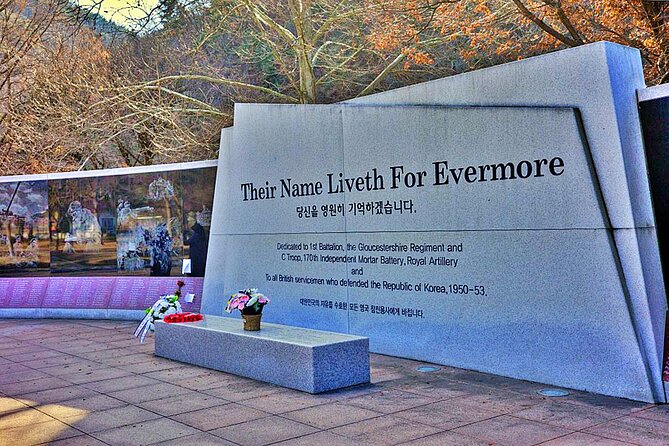
Your final stretch brings you to Gloucester Hill Memorial and then the Gloucester Heroes Suspension Bridge. Gloucester Hill was an important battlefield during the Korean War, and the memorial stop helps you understand the terrain you’re standing on rather than treating it like scenery.
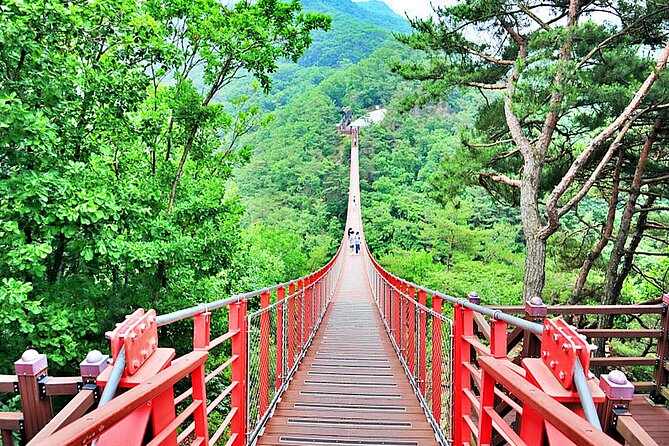
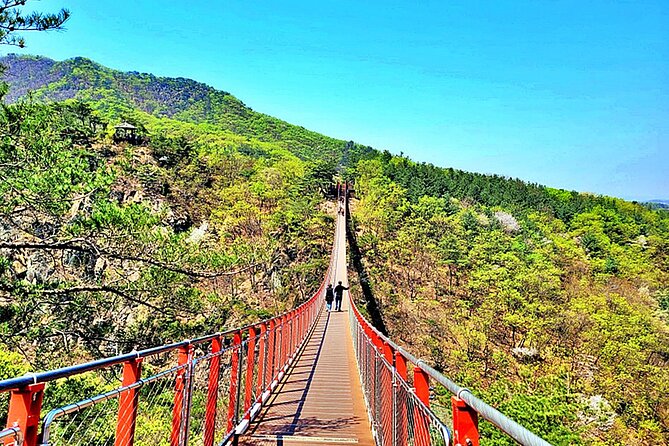
Then you get the bridge: it’s described as the longest mountain suspension bridge in South Korea and opened in 2016. It’s also known as the Gloucester Heroes Bridge, and the experience is meant to feel like walking above the clouds.
The important practical part: even though it’s only about 1.5 hours allocated for that end section, you’re still working with the accumulated fatigue of the day. The tour notes comfortable shoes, and you should treat the bridge area as another walking and incline day, not an easy finale.
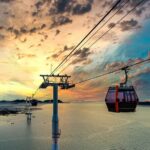
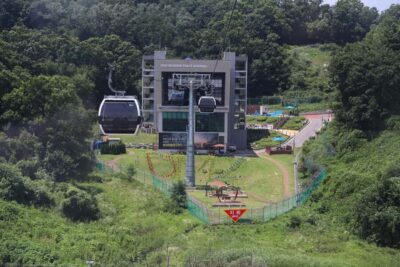
Also, be aware that access can be restricted due to military operations or weather. If the suspension bridge and Gloucester Memorial Park can’t be accessed, the itinerary can adjust to alternatives like the DMZ Peace Gondola, Odusan Unification Observatory, or the War Memorial of Korea, depending on the situation.
Price and value: what $65 buys you on a day like this
At $65 per person, this tour can feel like surprisingly good value, mainly because so many costs are bundled. The tour includes transportation, a professional guide, and entrance fees and taxes. That matters in the DMZ because admission and logistics stack up quickly on your own.
What’s not included is also clear: lunch and drinks are not included. So yes, you should plan for a full-day food solution outside the tour.
The other value piece is control of time. You’re not trying to coordinate separate tickets, separate routes, and separate timing windows for Tunnel 3, the exhibition hall, Dora Observatory, and the bridge. A guided, all-in-one structure is what makes a “9-hour day” actually work.
If you care about context as much as photos, the guide time is the real price justification. People repeatedly praise how guides explain the complex story of the Korean War and the division that followed, and you’ll feel that difference when you’re standing where history happened.
Who should book this DMZ + bridge tour (and who should think twice)
This tour fits best if you want a guided DMZ day that connects major stops into one coherent narrative. I think it’s especially good for first-timers to Seoul who want their DMZ experience to feel structured rather than chaotic.
You’ll also like it if you enjoy hands-on, physical history moments. Tunnel 3 is a big part of that, and the suspension bridge gives you a memorable endcap after memorial context.
It may not fit if you have mobility limits. The tour advises a moderate fitness level, not recommending it for seniors who have walking problems, and it specifically calls out the narrow tunnel with stairs up and down. If that’s you, consider a less walking-heavy alternative.
One more fit check: this day depends on access. The tour runs year-round, but the route can shift when the 3rd Tunnel or Dora Observatory are closed due to military or weather conditions.
Should you book this DMZ tour from Seoul?
If you want the DMZ experience that mixes meaning with a real close-up—Tunnel 3 plus Dora telescopes—this is an easy yes. The price is reasonable for a full guided day that includes entrance fees and transport, and the small-group setup keeps it from feeling like cattle herding.
Just go in with eyes open. Wear comfortable shoes, assume the day can run on the DMZ’s rules (not your schedule), and plan your energy because this is a walking-heavy itinerary. If you’re ready for that, you’ll come away with a sharper understanding of the Korean War legacy and what division looks like on the ground.
FAQ
How long is the DMZ tour, and what time does it end?
The tour runs about 9 hours and ends around 4:50pm, with drop-off back at City Hall Station.
Where do I meet the tour, and where does it end?
You meet at City Hall Station in Seoul and the tour ends back at City Hall Station.
Do I need a passport for this tour?
Yes. A current valid passport is required on the day of travel.
Is lunch or drinks included?
No. Lunch and drinks are not included.
What’s the group size for this DMZ tour?
This tour has a maximum of 16 travelers.
Is hotel pickup and drop-off included?
Hotel pick up and drop-off are not included.
What happens if the 3rd Infiltration Tunnel or Dora Observatory are closed?
If the 3rd Infiltration Tunnel and Dora Observatory are closed due to military or weather conditions (including on Mondays or public holidays), the tour uses a special course with other DMZ-related stops such as the North Korea Experience Center, Imjingak Pyeonghwa-Nuri Park, DMZ Peace Gondola, Gloucester Hill Memorial Park, and the suspension bridge, depending on access.
What if the suspension bridge is closed due to weather or security control?
If access is restricted due to heavy rain, snow, or security control, the itinerary can be adjusted to include alternatives such as Odusan Unification Observatory or Majang Lake Suspension Bridge.
More Tours in Seoul
- Best DMZ Tour Korea from Seoul (Red Suspension Bridge Optional)★ 5.0 · 41,422 reviews
- DMZ Tour: 3rd Tunnel, Option(Suspension Bridge, Boat) from Seoul★ 5.0 · 21,373 reviews
- DMZ tour south Korea from Seoul (NK experience hall, defector)★ 5.0 · 20,599 reviews
- Seoul: DMZ Tour with Optional Suspension Bridge★ 4.8 · 5,277 reviews
- Seoul: DMZ The 3rd Tunnel and Suspension Bridge Tour★ 5.0 · 4,656 reviews
More Tour Reviews in Seoul
- Best DMZ Tour Korea from Seoul (Red Suspension Bridge Optional)★ 5.0 · 41,422 reviews
- DMZ Tour: 3rd Tunnel, Option(Suspension Bridge, Boat) from Seoul★ 5.0 · 21,373 reviews
- DMZ tour south Korea from Seoul (NK experience hall, defector)★ 5.0 · 20,599 reviews
- Seoul: DMZ Tour with Optional Suspension Bridge★ 4.8 · 5,277 reviews
- Seoul: DMZ The 3rd Tunnel and Suspension Bridge Tour★ 5.0 · 4,656 reviews
The DMZ & the Border, More Routes
- Best DMZ Tour Korea from Seoul (Red Suspension Bridge Optional)★ 5.0 · 41,422 reviews
- DMZ Tour: 3rd Tunnel, Option(Suspension Bridge, Boat) from Seoul★ 5.0 · 21,373 reviews
- DMZ tour south Korea from Seoul (NK experience hall, defector)★ 5.0 · 20,599 reviews
- Seoul: DMZ Tour with Optional Suspension Bridge★ 4.8 · 5,277 reviews
- Seoul: DMZ The 3rd Tunnel and Suspension Bridge Tour★ 5.0 · 4,656 reviews
Just added to Exploring Seoul


DMZ Day Tours, compared.
 ★ 5.0DMZ Tour: 3rd Tunnel, Option(Suspension Bridge, Boat) from SeoulFrom $3521,373 reviews
 ★ 5.0DMZ tour south Korea from Seoul (NK experience hall, defector)From $2620,599 reviews
 ★ 4.8DMZ Tour with Optional Suspension BridgeFrom $455,277 reviews
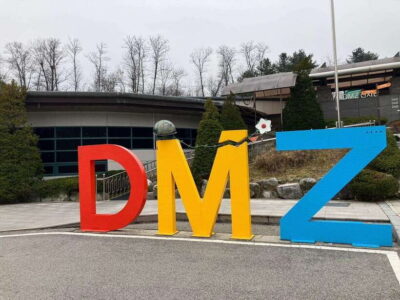 ★ 5.0DMZ The 3rd Tunnel and Suspension Bridge TourFrom $654,656 reviews
 ★ 5.0Signature DMZ Tour: Exclusive Defector Talk & Suspension BridgeFrom $274,459 reviews
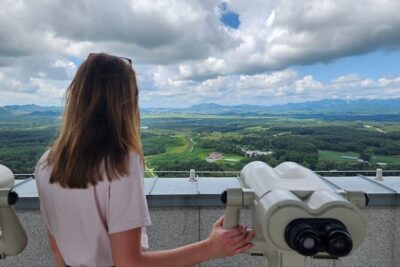 ★ 5.0Thrilling Korean DMZ 3rd Tunnel Tour from Seoul + Red Bridge RushFrom $353,097 reviews
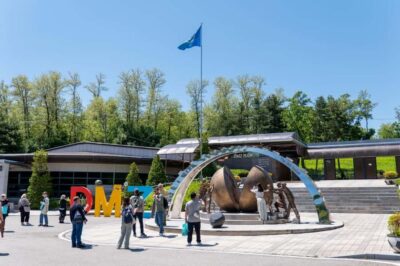 ★ 4.9DMZ Tour & Suspension Bridge (Option English/Spanish)From $352,628 reviews
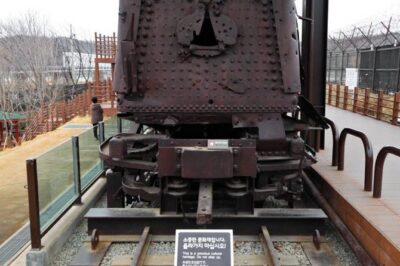 ★ 5.0DMZ Past and Present: Korean Demilitarized Zone Tour from SeoulFrom $372,481 reviews
Browse the lists this tour appears in