

Reviewed · DMZ DAY TOURS
[Small Group] Aegibong and DMZ Closest Views of North Korea
A real border day has a way of changing how you see Korea. This small-group DMZ and Aegibong tour strings together the division story—Imjingak memorials, tunnel history, and Dora Observatory views—then finishes with the closest peaceful look at North Korean villages from Aegibong.
I like two things a lot. First, the pacing keeps the story clear, with major stops like the 3rd Infiltration Tunnel and Dora Observatory in one trip. Second, the small group size (max 40) helps you move faster and get more attention from the English guide—names like Jung, Sophia, Eunice, and Mimi come up for their calm, clear explanations. One caution: you’ll need your passport for the ID check, and the day can feel physically demanding because you go down into the tunnel.
In This Review
- Key Highlights Before You Go
- First Stop: Imjingak Pyeonghwa Nuri Park and the Meaning of Reunion
- The DMZ Theater & Exhibition Hall: Getting the Context Straight
- Passport in Hand: Crossing the Unification Bridge Into a Restricted Area
- The 3rd Infiltration Tunnel: Cold War Planning, Up Close
- Dora Observatory: The Panmunjeom Perspective (and Daeseong-dong)
- Aegibong Peace Eco Park: Closest Views of North Korean Villages
- Starbucks Aegibong Peace Ecopark and the Jogang Observatory View
- Small Group From Seoul: Why This Format Feels Easier
- Price and Value: What $120 Buys You (and What It Doesn’t)
- Who This Tour Suits Best
- Should You Book Aegibong and DMZ Closest Views of North Korea?
- FAQ
- How long is the Aegibong and DMZ tour from Seoul?
- Is pickup offered, and where does the tour end?
- What are the main stops during the day?
- Do I need a passport?
- What’s included in the price?
- What is not included?
- Is the tour suitable for everyone physically?
- What happens if the weather is bad?
Key Highlights Before You Go
![[Small Group] Aegibong and DMZ Closest Views of North Korea - Key Highlights Before You Go](https://img.exploringseoul.com/wp-content/uploads/small-group-aegibong-and-dmz-closest-views-of-north-korea-1.jpg)
- Imjingak Pyeonghwa Nuri Park sets the emotional stage with monuments tied to the Korean War and division.
- Passport ID check and restricted-area entry make the day feel real, not like a photo stop.
- 3rd Infiltration Tunnel is the closest close-up you’ll get to Cold War military planning.
- Dora Observatory offers views that can include Panmunjeom and Daeseong-dong in the same glance.
- Aegibong Peace Eco Park + Jogang Observatory is the closest point to North Korea for farmlands and village views.
- A day that ends with a view (and a convenient drop-off around Myeongdong) instead of dragging on forever.
Other ways to reach the DMZ and the border from Seoul
- DMZ Tour: 3rd Tunnel, Option(Suspension Bridge, Boat) from Seoul★ 5.0 · 21,373 reviews
- DMZ tour south Korea from Seoul (NK experience hall, defector)★ 5.0 · 20,599 reviews
- Seoul: DMZ Tour with Optional Suspension Bridge★ 4.8 · 5,277 reviews
- Seoul: DMZ The 3rd Tunnel and Suspension Bridge Tour★ 5.0 · 4,656 reviews
First Stop: Imjingak Pyeonghwa Nuri Park and the Meaning of Reunion
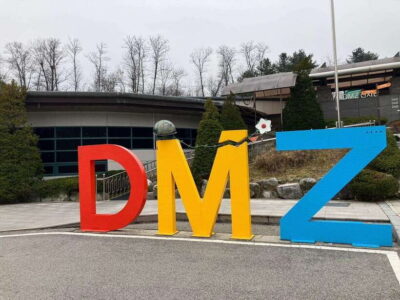
You start at Imjingak Pyeonghwa Nuri Park, a unification-and-security complex that hits you before the DMZ machinery even starts. It’s made up of multiple areas—pavilions, centers, and memorial grounds—so you’re not just walking past a single exhibit. You’re building a mental map of why the Korean Peninsula stayed split, and why reunification is such a loaded word here.
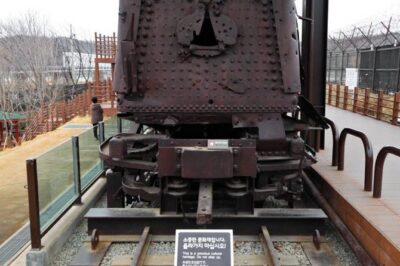
What I like is the way the setting prepares you for everything that follows. The Korean War still echoes in the monuments and relics, and that emotional context makes the later stops feel less like sightseeing and more like historical cause-and-effect. Even if you think you already know the basics, this first stretch helps you understand the tone of the whole day.
You’re also here for about two hours, which is enough time to slow down and read without feeling rushed. Expect it to be a mix of outdoor walking and quiet-looking memorial spaces.
The DMZ Theater & Exhibition Hall: Getting the Context Straight
![[Small Group] Aegibong and DMZ Closest Views of North Korea - The DMZ Theater & Exhibition Hall: Getting the Context Straight](https://img.exploringseoul.com/wp-content/uploads/small-group-aegibong-and-dmz-closest-views-of-north-korea-2.jpg)
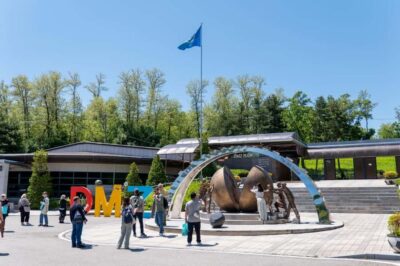
Before you’re looking out from observatories and going into tunnels, the DMZ Theater & Exhibition Hall gives you a framework. This is where the big-picture story gets organized: the Korean War, the armistice agreements, and peace-building efforts. If you’ve ever felt like DMZ tours jump from one dramatic moment to the next, this part is the glue.
I think this stop is especially useful if your Korean history background is light. The day moves quickly, and the theater helps you understand what you’re seeing later. You’ll also appreciate it if you enjoy short, structured explanations rather than hours of reading.
Passport in Hand: Crossing the Unification Bridge Into a Restricted Area
Soon after Imjingak, there’s an ID check. Bring your passport. This isn’t a “nice to have” moment; it’s the gateway into a restricted zone. After the ID check, you cross the Unification Bridge, and that transition matters.
Here’s what to expect in real life: the process feels formal, the group stays together, and it’s not the time to forget anything. If you’re the type who hates last-minute stress, double-check your passport the night before and keep it somewhere easy to grab.
Also note the tour is described as requiring moderate physical fitness. That matters later when you go into the tunnel, but it starts with the overall day’s rhythm—standing, walking, and moving efficiently between sites.
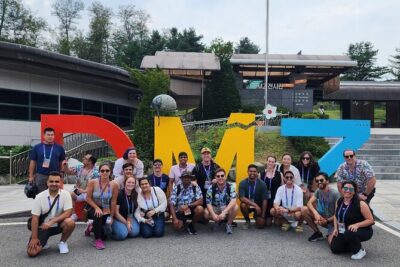
The 3rd Infiltration Tunnel: Cold War Planning, Up Close
![[Small Group] Aegibong and DMZ Closest Views of North Korea - The 3rd Infiltration Tunnel: Cold War Planning, Up Close](https://img.exploringseoul.com/wp-content/uploads/small-group-aegibong-and-dmz-closest-views-of-north-korea-4.jpg)
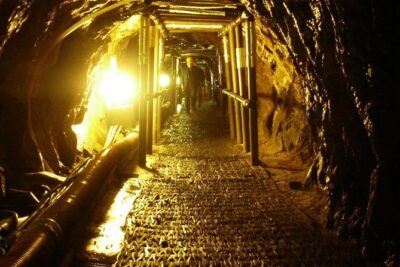
The 3rd Tunnel is built for infiltration and invasion. It was discovered in 1978, and it’s the third of North Korea’s known tunnels. It’s also the closest one to Seoul—about 52 km—so the significance is both historical and geographic.
When you descend into the tunnel, you’re not just learning a fact. You’re experiencing how small and enclosed these spaces feel, and how the war-era mentality turns into physical engineering. Even if you’ve seen photos before, the real atmosphere is the point: it makes the Cold War section of the Korean story feel immediate.
Timing is about 1.5 hours for this stop, including the site experience. If you’re claustrophobic, you should think carefully. The tour is set up for most visitors with moderate fitness, but this is the moment most likely to make you feel your surroundings.
Dora Observatory: The Panmunjeom Perspective (and Daeseong-dong)
![[Small Group] Aegibong and DMZ Closest Views of North Korea - Dora Observatory: The Panmunjeom Perspective (and Daeseong-dong)](https://img.exploringseoul.com/wp-content/uploads/small-group-aegibong-and-dmz-closest-views-of-north-korea-5.jpg)
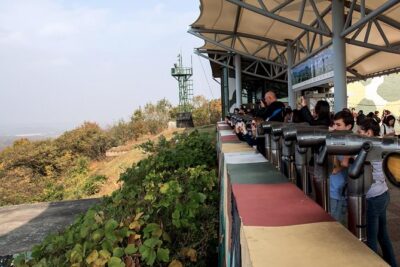
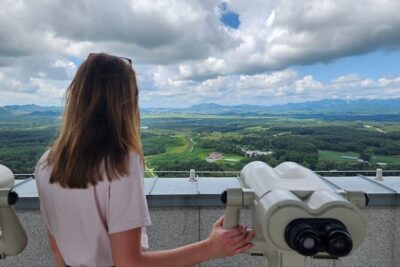
After the tunnel, Dora Observatory is where the day turns from underground history to what you can actually see today. Dora is the closest DMZ observatory to Panmunjeom. From here, you can see Panmunjeom—and you can also spot Daeseong-dong within the DMZ, along with mountains and farmlands in the wider view.
This is one of those stops where the value is in alignment: the guide’s explanation, the timing of your viewing window, and weather. Clear weather helps you make sense of distances and features. If conditions aren’t great, it can still be meaningful, but it’s harder to connect the view to the names you learned.
What I appreciate is that Dora Observatory doesn’t just sell dramatic scenery. It helps you tie today’s geography to the armistice-era layout—so your brain connects the dots instead of treating the view like a postcard.
Aegibong Peace Eco Park: Closest Views of North Korean Villages
![[Small Group] Aegibong and DMZ Closest Views of North Korea - Aegibong Peace Eco Park: Closest Views of North Korean Villages](https://img.exploringseoul.com/wp-content/uploads/small-group-aegibong-and-dmz-closest-views-of-north-korea-6.jpg)
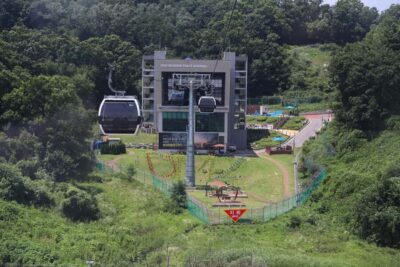
Then you shift to the calmer end of the day: Aegibong Peace Eco Park in Gimpo. This is described as the closest point to North Korea, and that matters. You’re no longer dealing only with memorials and military history. You’re looking at daily-life geography—villages and farmlands—at the edge of the border.
The park also includes exhibits on the region’s historical significance, so it’s not just a viewpoint with a walking path. It’s a “pause and understand” stop. You get that rare mix: nature and symbolism, plus context.
This segment is about one hour, so it’s short enough to keep momentum, but long enough to take in the setting and process what you’ve learned. In my opinion, this is where many people feel the contrast most clearly: the DMZ can feel like a museum of conflict, while Aegibong feels like a horizon of what people live with every day.
Starbucks Aegibong Peace Ecopark and the Jogang Observatory View
![[Small Group] Aegibong and DMZ Closest Views of North Korea - Starbucks Aegibong Peace Ecopark and the Jogang Observatory View](https://img.exploringseoul.com/wp-content/uploads/small-group-aegibong-and-dmz-closest-views-of-north-korea-7.jpg)
Yes, there’s a Starbucks at Aegibong Peace Eco Park. But the real reason it’s on the itinerary is the observatory angle nearby—Jogang Observatory is the key. It’s described as offering a close-up view of North Korea, with the chance to observe villages and farmlands from a peaceful setting.
So the coffee part is basically a practical tool: you can take a breather before your final stretch of viewing and reflection. And because this is tied to the observatory experience, it doesn’t feel like a random tourist detour.
Expect about one hour for this stop, which is enough to grab something if you want, then spend time looking carefully. This is the moment when your earlier tunnel and observatory knowledge pays off. You’re not just staring at distance; you’re trying to match what you learned to what’s in front of you.
Small Group From Seoul: Why This Format Feels Easier
![[Small Group] Aegibong and DMZ Closest Views of North Korea - Small Group From Seoul: Why This Format Feels Easier](https://img.exploringseoul.com/wp-content/uploads/small-group-aegibong-and-dmz-closest-views-of-north-korea-8.jpg)
This tour runs roughly 8 to 9 hours, with pickup offered and a drop-off in Myeong-dong. The schedule in the description suggests you’ll reach the Aegibong area around 15:00 and arrive back in Myeong-dong around 16:00.
That matters because it shapes energy. DMZ days can drag if the itinerary is loose. Here, the sequence is built to reduce dead time: you go from memorial staging (Imjingak) to restricted-area access, then tunnel, then observatory views, then Aegibong views. It’s a logical progression from context to reality to distance.
The “small group” detail also helps in subtle ways. This tour caps at 40 travelers, which is a big deal when you’re dealing with ID checks and timing windows. You’re more likely to stay organized and move smoothly between points, and that makes the whole experience feel less stressful.
Also, you get an English guide and air-conditioned vehicle service. That’s not glamorous, but it’s smart. The day involves a lot of standing and walking, and the comfort of transport helps you actually enjoy the stops.
Price and Value: What $120 Buys You (and What It Doesn’t)
At $120 per person, this sits in the “serious day trip” category, not a budget snack tour. But the price looks fair when you break down what you’re getting:
- English guide included
- Admission fees included for the listed stops
- Private transportation by air-conditioned vehicle
- A structured day that covers the main DMZ experience pieces plus Aegibong views
- Mobile ticket and pickup offered
What you don’t get is lunch, coffee/tea, and personal expenses. That’s pretty normal for tours like this. Bring cash/card for food if you want it, and use the Aegibong Starbucks stop if you prefer an easy option.
Is it good value? For me, yes—if you want a complete highlights route in one day without spending time figuring logistics, timing, and admissions. If you already have a detailed plan and love self-guided pacing, you might spend less on your own route. But for most visitors, paying for organization plus guided context is the better deal.
One more practical note: confirmation is received at booking, and this tour is commonly booked about 8 days in advance. If you’re traveling in busy seasons, waiting too long can mean you lose the option for your preferred date.
Who This Tour Suits Best
This is a solid fit if you:
- want a clear, guided DMZ overview rather than piecing it together on your own
- care about the history behind what you see, not just the views
- like small-group pacing and attentive explanations
- want the rare added ending at Aegibong for some of the closest-feeling North Korea sightlines
It might be less ideal if you:
- have trouble with confined spaces, since the 3rd Tunnel involves descending underground
- hate passport checks and prefer totally spontaneous travel (this day is structured)
If you’re traveling with teens or adult history-minded friends, this kind of day can work really well. The structure keeps it from turning into a long lecture, and the observatory and tunnel moments keep it from turning into a passive museum outing.
Should You Book Aegibong and DMZ Closest Views of North Korea?
I’d book this if you want the main DMZ story beats plus a meaningful closing view at Aegibong, all in one organized day. The guide component is a big part of the value—people often highlight how clearly named guides like Jung, Sophia, Eunice, and Mimi explain what’s happening and why it matters.
Two final calls before you decide:
- Check the weather. The experience is described as requiring good weather, and the quality of sightlines at observatories depends on it.
- Be honest about the tunnel. If you’re okay with moderate physical demands, you’ll get a far more satisfying experience than if you’re trying to tough it out.
If that sounds like you, this is a strong choice for your Seoul itinerary.
FAQ
How long is the Aegibong and DMZ tour from Seoul?
It runs about 8 to 9 hours.
Is pickup offered, and where does the tour end?
Pickup is offered. The tour ends with drop-off in Myeong-dong, with an estimated arrival time around 16:00.
What are the main stops during the day?
You’ll visit Imjingak Pyeonghwa Nuri Park, the 3rd Infiltration Tunnel, Dora Observatory, Aegibong Peace Eco Park, and the Starbucks area at Aegibong Peace Eco Park connected to the Jogang Observatory viewing.
Do I need a passport?
Yes. There is an ID check, and you’re instructed to bring your passport.
What’s included in the price?
The tour includes an air-conditioned vehicle, admission fees for the stops listed on the itinerary, private transportation, and an English guide.
What is not included?
Lunch, coffee and/or tea, and personal expenses are not included.
Is the tour suitable for everyone physically?
It’s recommended for travelers with a moderate physical fitness level.
What happens if the weather is bad?
The tour requires good weather. If it’s canceled due to poor weather, you’ll be offered a different date or a full refund.
More Tour Reviews in Seoul
- Best DMZ Tour Korea from Seoul (Red Suspension Bridge Optional)★ 5.0 · 41,422 reviews
- DMZ Tour: 3rd Tunnel, Option(Suspension Bridge, Boat) from Seoul★ 5.0 · 21,373 reviews
- DMZ tour south Korea from Seoul (NK experience hall, defector)★ 5.0 · 20,599 reviews
- Seoul: DMZ Tour with Optional Suspension Bridge★ 4.8 · 5,277 reviews
- Seoul: DMZ The 3rd Tunnel and Suspension Bridge Tour★ 5.0 · 4,656 reviews
The DMZ & the Border, More Routes
- Best DMZ Tour Korea from Seoul (Red Suspension Bridge Optional)★ 5.0 · 41,422 reviews
- DMZ Tour: 3rd Tunnel, Option(Suspension Bridge, Boat) from Seoul★ 5.0 · 21,373 reviews
- DMZ tour south Korea from Seoul (NK experience hall, defector)★ 5.0 · 20,599 reviews
- Seoul: DMZ Tour with Optional Suspension Bridge★ 4.8 · 5,277 reviews
- Seoul: DMZ The 3rd Tunnel and Suspension Bridge Tour★ 5.0 · 4,656 reviews
Just added to Exploring Seoul


DMZ Day Tours, compared.
 ★ 5.0DMZ Tour: 3rd Tunnel, Option(Suspension Bridge, Boat) from SeoulFrom $3521,373 reviews
 ★ 5.0DMZ tour south Korea from Seoul (NK experience hall, defector)From $2620,599 reviews
 ★ 4.8DMZ Tour with Optional Suspension BridgeFrom $455,277 reviews
 ★ 5.0DMZ The 3rd Tunnel and Suspension Bridge TourFrom $654,656 reviews
 ★ 5.0Signature DMZ Tour: Exclusive Defector Talk & Suspension BridgeFrom $274,459 reviews
 ★ 5.0Thrilling Korean DMZ 3rd Tunnel Tour from Seoul + Red Bridge RushFrom $353,097 reviews
 ★ 4.9DMZ Tour & Suspension Bridge (Option English/Spanish)From $352,628 reviews
 ★ 5.0DMZ Past and Present: Korean Demilitarized Zone Tour from SeoulFrom $372,481 reviews
Browse the lists this tour appears in