
Reviewed · HANBOK RENTAL & PHOTOSHOOTS
Seoul: Learn Traditional Korean Strings Instrument & Hanbok
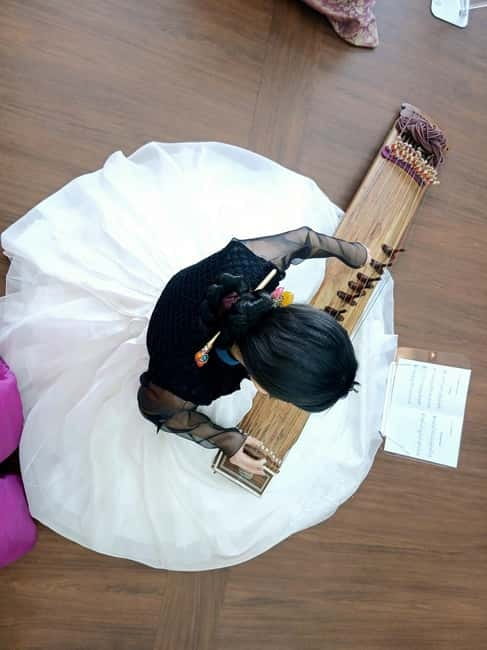
Korean music doesn’t get more hands-on than this. You’ll learn the gayageum (a 12-string zither) in Bukchon Hanok Village, then dress in a hanbok for a class built around music, culture, and photos.
Two things I really like: you get beginner-friendly, English instruction from teachers such as Ava and Yu Min, and you’ll play a real, recognizable Korean tune (often including Arirang) by the end.
One thing to consider: 80 minutes is enough to feel the instrument and play something good, but it’s not enough to become a long-term gayageum player—think first notes and short performance, not mastery.
In This Review
- Key highlights at a glance
- Why the gayageum + hanbok combo feels so right in Seoul
- Entering Bukchon Hanok Village’s studio-style class
- The instructor matters: patient English coaching
- What you’ll learn on the gayageum (and why it’s not just theory)
- Getting fitted for hanbok without turning the class into a production
- From first notes to a famous tune: what the 80 minutes is really for
- Professional photos while you play: how to get the good ones
- The real value of $106: what you’re paying for
- Who should book this class in Seoul (and who might not)
- Practical planning: timing, location, and what to wear
- Should you book this Seoul gayageum-and-hanbok class?
- FAQ
- FAQ
- How long is the Seoul gayageum and hanbok class?
- Do I need to know how to play an instrument before I book?
- What instrument will I learn during the class?
- What song will I play during the session?
- Is the class taught in English?
- Is hanbok included, and will I wear it during the lesson?
- Are professional photos included?
- Where do I meet for the class?
- Can I cancel if my plans change?
Key highlights at a glance
- Gayageum lesson for all levels with guided basics and techniques you can actually use right away
- Hanbok rental included so you’re dressed like the tradition you’re learning
- You perform a famous Korean song after getting the fundamentals
- Professional photos while playing in Hanbok with the Bukchon Hanok Village backdrop
- English instruction that keeps the class moving without losing you
Dress up again for another palace photo session
- Seoul Half-Day City Highlight, Palace Tour with Hanbok★ 4.9 · 764 reviews
- Seoul: Hanbok Rental with Gyeongbokgung Palace Entry★ 4.6 · 611 reviews
- Small Group Seoul Highlight Tour opt. Hanbok & Tea Ceremony★ 5.0 · 318 reviews
- Seoul: Gyeongbok Palace with Gigibebe Hanbok Rental★ 4.5 · 289 reviews
Why the gayageum + hanbok combo feels so right in Seoul
This class hits a sweet spot: music you can learn fast, plus the visual culture that makes everything feel more real. The gayageum is a distinctive sound—warm and smooth compared with many Western strings—and once your fingers get the basic rhythm, it starts to click in a way that’s satisfying even if you’re brand-new.
What makes the experience work is the pairing. You’re not just watching or reading about Korean culture. You’re practicing an instrument while wearing hanbok, in Bukchon’s classic hanok streets. That means you’re studying with your hands and your eyes at the same time, and the setting does half the work for atmosphere.
The class also stays practical. You’re taught enough technique to play a recognizable song by the end, not just theory about how the instrument works.
Entering Bukchon Hanok Village’s studio-style class
You meet at 3F, 43 Bukchon-ro 5ga-gil, Jongno-gu, Seoul, which puts you right in the Bukchon area you likely want to explore anyway. This matters because you’re not turning the class into a “transport circus.” You can think of it as a focused activity in one of Seoul’s most traditional neighborhoods, with the streets and hanok views acting like your backdrop between learning and photos.
Bukchon is also a smart choice for a photo session. The hanok architecture gives you that traditional setting without you needing to hunt for a good view. You can just show up, get fitted, learn, and then use the location as-is for your pictures.
Inside the class setup, the goal is clarity and comfort. The instruction is English, and it’s designed for first-timers, so you’re not stuck translating your way through key parts of the technique.
The instructor matters: patient English coaching
One of the strongest signals from the experience is the way teaching is handled. Multiple instructors are mentioned by name in the class feedback—Ava, and Yu Min—showing that you can expect real teaching, not just someone handing you an instrument and hoping for the best.
A big part of the praise is how patient the instruction feels. That doesn’t mean the pace is slow. It means the teacher adjusts when you’re unsure, breaks steps into manageable chunks, and keeps you moving forward instead of letting confusion drag on.
Yu Min is described as having 30 years of experience in gayageum performance, which is a comfort factor. Even if you’re not trying to learn at a high level, having someone with performance chops usually translates into better technique coaching—how to position your hands, how to read the movement, and how to fix common beginner mistakes.


What you’ll learn on the gayageum (and why it’s not just theory)
You’ll start with a quick foundation: what the gayageum is, a short introduction to the instrument, and basic technique. Then you move into step-by-step practice, guided enough that you can keep up even if you’ve never touched strings like this before.
Here’s what you’re really learning beneath the surface:
- Hand placement and movement so the notes come out clearly
- Basic technique that translates into playing a full melody (not random plucks)
- Timing and patterning, so the instrument stops feeling confusing and starts sounding musical
The structure also gives you choice in how you practice. One learner described feeling flexible—able to practice on your own or together—so the class can match your style. If you like repetition, you can do it. If you want feedback, you can focus on the teacher-led steps.
And while you’ll certainly cover Korean classics, the format is flexible enough that you can also connect the basics to other familiar tunes you might recognize, including K-pop melodies mentioned in the program description. That’s a big deal if you’re taking this as a cultural experience but also want the fun payoff.
Getting fitted for hanbok without turning the class into a production
The hanbok part isn’t just a costume moment. It’s part of the experience design, with rental included for the class time. The hanbok outfits are described as pretty, and fit support is mentioned—so if you’re not sure how things should sit, you get guidance.
This matters for comfort and focus. If you’re fiddling with clothing for half the session, you lose time and concentration. The better setup means you can actually pay attention to posture, how your body needs to hold while playing, and the basic mechanics of sitting and moving naturally in the outfit.
Also, hanbok changes the whole vibe of the class. You’ll feel more connected to what you’re learning because your look matches the tradition. Even if you’re only there for 80 minutes, it makes the experience more memorable than a normal indoor lesson.
From first notes to a famous tune: what the 80 minutes is really for
The class is 80 minutes, so the design is clearly “fast learning, real outcome.” You’re taught basics first, then you practice long enough to reach a recognizable performance.
The highlight promise is that you’ll perform a famous Korean song like Arirang after learning the basics. In practice, that means you’re not just getting a few “starter” notes. You’re aiming to play through enough of a melody that you can feel success at the end of the lesson.
This is one of the best uses of time in Seoul for beginners. Instead of spending hours chasing music venues, you get instruction that converts quickly into sound. If you’ve ever tried to learn an instrument with YouTube-only methods, you’ll appreciate the teacher-guided correction and the “try it now” rhythm.
Still, keep expectations realistic. You’re not leaving with years of muscle memory. You’re leaving with the ability to produce a tune, feel the instrument’s flow, and understand the basics well enough to continue on your own if you want.
Professional photos while you play: how to get the good ones
The photo session is a major part of why this class is more than a standard instrument lesson. You’ll get professional photos taken while you’re playing the gayageum in hanbok, with the Bukchon Hanok Village backdrop.
Here’s what makes this work: you’re already in the pose. You’re playing an instrument, dressed for the culture, in a setting built for traditional visuals. That’s a recipe for photos that don’t look stiff or staged.
If you worry about being photogenic, relax. One learner specifically noted that even if they don’t usually like photos, they got many good pictures. The key is that the photographer and the scene are doing a lot of the heavy lifting.
If you want your photos to look natural, focus on playing the part you practiced. When you’re listening to the instrument and concentrating on the melody, your posture and facial expression tend to look better than if you’re forcing smiles.
The real value of $106: what you’re paying for
At $106 per person for an 80-minute session, the value isn’t just the lesson. You’re also getting:
- Gayageum class with a professional instructor
- Hanbok rental for the class duration
- Professional photos taken while playing
So you’re not paying for “an hour with an instrument.” You’re paying for instruction + cultural styling + a tangible memory package. If you’ve ever spent money on a photo shoot in Seoul, you know how quickly it adds up. This wraps everything into one short block of time.
Is it the cheapest activity in town? No. But it’s a good deal for what you leave with: a real skill moment, cultural outfits, and photos that you’ll actually want to keep.
One practical tip: go into it as “a cultural workshop with an instrument outcome,” not as “a long performance training session.” When you match your expectation to the format, the price feels much fairer.
Who should book this class in Seoul (and who might not)
This is a strong fit if you:
- Want a hands-on cultural activity that doesn’t require prior music training
- Love traditional Korean culture and want something more active than sightseeing
- Want photos that look like you stepped into a story, not just another city snapshot
- Enjoy learning a recognizable tune (like Arirang) during the experience
You might skip it if:
- You’re expecting advanced technique training or long practice time
- You dislike being dressed in traditional clothing or don’t like photo sessions
- You prefer instrument learning without a structured performance goal
If you’re traveling solo or as a couple, it also works well because the class gives you a clear activity arc: learn → practice → play → photo moment.
Practical planning: timing, location, and what to wear
The class is short, so treat it like a scheduled appointment. Plan your day so you’re not sprinting across Bukchon and then arriving stressed.
Since the experience includes hanbok, wear something easy to change from. You’ll be in the outfit during the class and for the photo session, so comfort matters. Also, since it’s an instrument lesson, you’ll want to be able to sit comfortably for the session time.
For directions, use the specific meeting point: 3F, 43 Bukchon-ro 5ga-gil. Bukchon addresses can be a little confusing on foot, so having the floor number helps.
Should you book this Seoul gayageum-and-hanbok class?
I’d book it if you want a beginner-friendly Seoul experience that actually ends with you doing something: playing a melody on the gayageum and getting dressed in hanbok for photos in Bukchon. The combination is the point, and it’s handled with patient, English coaching from experienced instructors like Ava and Yu Min.
Skip it only if you want a deep, multi-hour music course or you’re not interested in the hanbok + photo part. For most people looking for a memorable cultural workshop with clear outcomes, it’s an easy yes.
FAQ
FAQ
How long is the Seoul gayageum and hanbok class?
The class duration is 80 minutes.
Do I need to know how to play an instrument before I book?
No. The class is designed for absolute beginners and also works for music lovers who want to learn the basics.
What instrument will I learn during the class?
You’ll learn to play the gayageum, a traditional Korean string instrument with 12 strings.
What song will I play during the session?
You’ll perform a famous Korean song such as Arirang after learning the basics. The class includes learning classic Korean tunes.
Is the class taught in English?
Yes. The instructor is listed as English-speaking.
Is hanbok included, and will I wear it during the lesson?
Yes. Hanbok rental is included for the duration of the class.
Are professional photos included?
Yes. You’ll receive professional photos taken while you’re playing the gayageum.
Where do I meet for the class?
The meeting point is 3F, 43 Bukchon-ro 5ga-gil, Jongno-gu, Seoul.
Can I cancel if my plans change?
Free cancellation is available up to 24 hours in advance for a full refund.
More Tour Reviews in Seoul
- Best DMZ Tour Korea from Seoul (Red Suspension Bridge Optional)★ 5.0 · 41,422 reviews
- DMZ Tour: 3rd Tunnel, Option(Suspension Bridge, Boat) from Seoul★ 5.0 · 21,373 reviews
- DMZ tour south Korea from Seoul (NK experience hall, defector)★ 5.0 · 20,599 reviews
- Seoul: DMZ Tour with Optional Suspension Bridge★ 4.8 · 5,277 reviews
- Seoul: DMZ The 3rd Tunnel and Suspension Bridge Tour★ 5.0 · 4,656 reviews
More Hanbok & Palace Photos
- Seoul Half-Day City Highlight, Palace Tour with Hanbok★ 4.9 · 764 reviews
- Seoul: Hanbok Rental with Gyeongbokgung Palace Entry★ 4.6 · 611 reviews
- Small Group Seoul Highlight Tour opt. Hanbok & Tea Ceremony★ 5.0 · 318 reviews
- Seoul: Gyeongbok Palace with Gigibebe Hanbok Rental★ 4.5 · 289 reviews
- Hanbok Photoshoot and History Tour at Gyeongbokgung Palace★ 5.0 · 276 reviews
Just added to Exploring Seoul





Hanbok Rental & Photoshoots, compared.
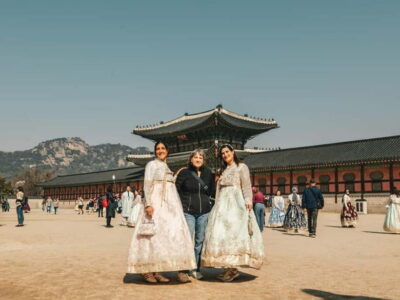 ★ 4.9Seoul Half-Day City Highlight, Palace Tour with HanbokFrom $49764 reviews
 ★ 4.6Hanbok Rental with Gyeongbokgung Palace EntryFrom $6611 reviews
 ★ 5.0Small Group Seoul Highlight Tour opt. Hanbok & Tea CeremonyFrom $89318 reviews
 ★ 4.5Gyeongbok Palace with Gigibebe Hanbok RentalFrom $9289 reviews
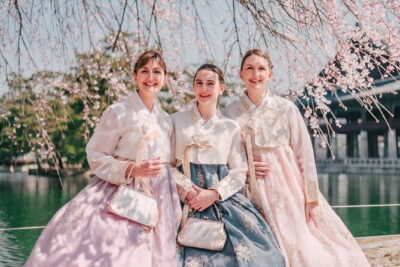 ★ 5.0Hanbok Photoshoot and History Tour at Gyeongbokgung PalaceFrom $60276 reviews
 ★ 4.9Professional Hanbok Photography at Gyeongbok PalaceFrom $103172 reviews
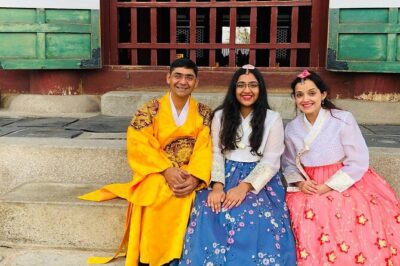 ★ 4.0Gyeongbokgung Palace Hanbok Rental Experience in SeoulFrom $779 reviews
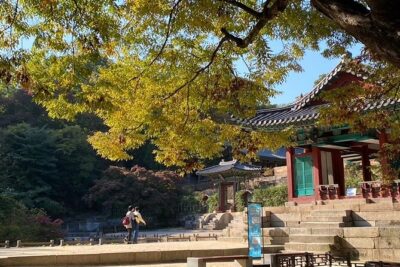 ★ 5.0Seoul City Full Day Tour – Changdeok Palace (wearing Hanbok)From $6555 reviews
Browse the lists this tour appears in