
Reviewed · MARKETS
Seoul History Tour: Dark Past & Market Street Flavors
History hits hardest when you taste it. This tour pairs Seodaemun Prison’s heavy stories with the everyday comfort of Namdaemun Market street food. You get a clear line from Korea’s fight for independence to the flavors locals line up for—so the past doesn’t stay stuck in a classroom.
I especially like how the day balances emotion and architecture. Deoksugung Palace shows a rare mix of Korean and Western building styles, and the guide-led storytelling makes it easier to connect those details to real people and real decisions. I also appreciate the guide approach—names like Janice and Ron come up for a reason: they’re friendly, answer questions, and keep the context moving.
One consideration: this route includes a moderate amount of walking, and Seodaemun Prison can be emotionally intense. If you’re sensitive to dark history—or need extra mobility support—go in with a plan.
In This Review
- The Stops That Make This Seoul Tour Work
- Seodaemun Prison History Hall: Resistance You Can Still Feel
- Deoksugung Palace: Where Old Seoul Meets Modern Skyline
- Dilkusha: Albert Taylor and International Support for Korea
- Seoul City Hall & Sungnyemun Gate: Transformation at Street Level
- Namdaemun Market Food: Kalguksu Alley and Hotteok Comfort
- Why the $65 Price Feels Fair (Not Just “Cheap”)
- Logistics That Can Make or Break Your Day
- Who This Tour Fits Best
- Book This Tour If You Want History With Edible Proof
- FAQ
- Where is the meeting point, and how do I find the guide?
- What’s included in the $65 per person price?
- Is this tour suitable for wheelchair users?
- How much walking is involved?
- Does the tour run in bad weather?
- What should I bring?
The Stops That Make This Seoul Tour Work
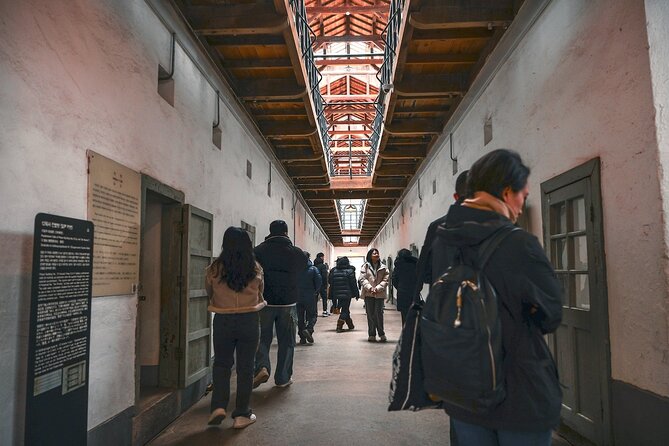
- Seodaemun Prison History Hall: somber cells and execution grounds, plus exhibits about Korea’s road to independence
- Deoksugung Palace’s Korea-and-West blend: Emperor Gojong’s royal refuge in a palace with mixed architectural influences
- Dilkusha and Albert Taylor: the home of an American journalist who helped spread Korea’s cause internationally
- Namdaemun Market’s 600+ years of trading: you walk through the city’s oldest market rhythms before you eat
- Kalguksu Alley + hotteok: warm, filling noodle comfort and classic street sweetness at the end of the history-heavy day
A handful of other Seoul experiences to line up next
- Seoul: Evening Dark History, Folklore & Ghost Story Walking Tour★ 5.0 · 593 reviews
- Hanbok Photoshoot and History Tour at Gyeongbokgung Palace★ 5.0 · 276 reviews
- From Seoul: Dae Jang Geum Park Historic K-Drama Set Tour★ 4.9 · 143 reviews
- Seoul: City Highlights and Historical Experience No Shopping★ 5.0 · 74 reviews
Seodaemun Prison History Hall: Resistance You Can Still Feel
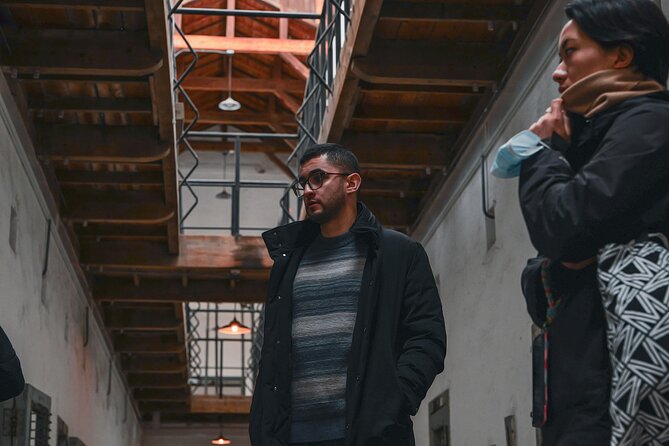
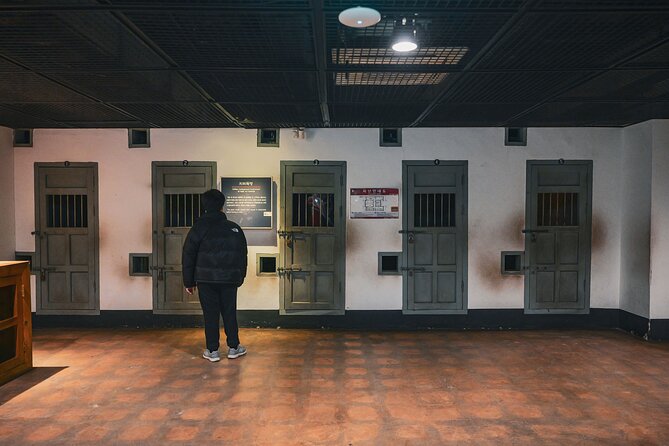
This is where the tour turns serious. You walk through the Seodaemun Prison History Hall, moving past cells and execution grounds tied to Korean independence activists during the Japanese colonial era. The point isn’t shock for shock’s sake—it’s to understand what imprisonment meant, and how that pressure shaped people’s choices.
You’ll also spend time with exhibits that lay out Korea’s road to independence, and you’ll hear real-life accounts from those who fought for freedom. That combination matters. A guide can explain dates and themes, but accounts and physical spaces help you grasp what “resistance” looked like when options were limited.
If you’re the type who learns best by connecting story to setting, this stop clicks fast. Wear comfortable shoes and take your time. Some parts feel quiet in a way that makes you slow down without forcing it.
Deoksugung Palace: Where Old Seoul Meets Modern Skyline
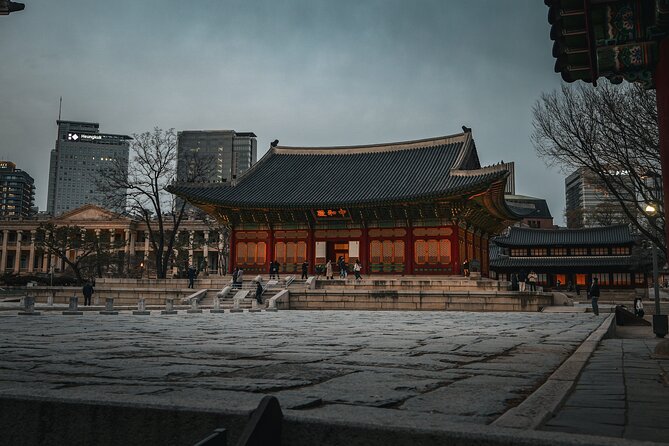
After the prison, the day gets visually lighter—but not less meaningful. At Deoksugung Palace, you’ll see a unique blend of Korean and Western architecture in a royal setting. That mix is a big deal because it points to Korea’s transition period, not just royal pageantry.
A key moment here is learning about Emperor Gojong. He’s described as the last emperor of Korea, and the palace is linked to times when he sought refuge and plotted Korea’s modernization. Standing in a place designed for power and ceremony, it’s easier to understand why modernization wasn’t abstract—it was a survival question.
Then you’ll notice the contrast: the palace sits against the modern skyline of Seoul City Hall. That view helps you connect the dots between past and present without the day feeling like a history lecture stuck indoors.
Dilkusha: Albert Taylor and International Support for Korea
Next comes one of the more surprising stops: Dilkusha, home of American journalist Albert Taylor. The tour frames his house as a symbol of support and resilience, because Taylor played a key role in spreading Korea’s independence movement to the world.
This isn’t just a “foreign ally” footnote. You learn how international attention and support helped Korea’s cause, which adds a wider lens to what you learned at the prison. It changes the story from local struggle to global awareness.
Even if you’re not a museum person, this stop is worth your attention because it gives you a human connection across borders—someone outside Korea paying attention, then using his platform to help move the message.
A handful of other Seoul experiences to line up next
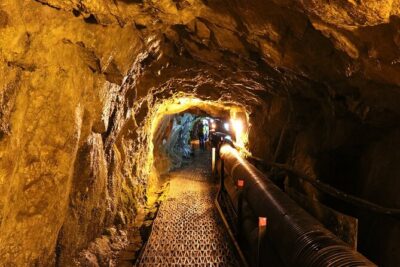
Seoul City Hall & Sungnyemun Gate: Transformation at Street Level
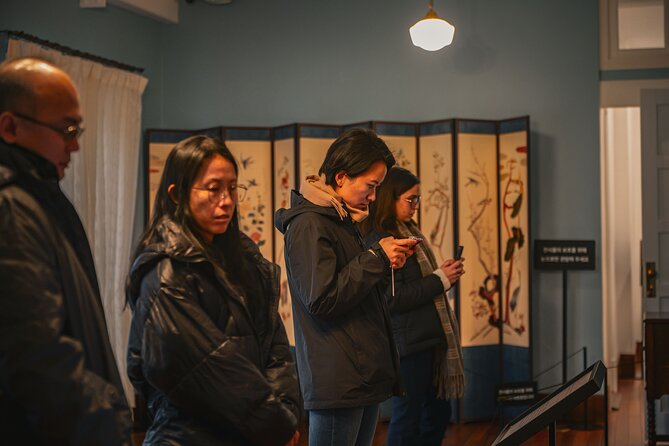
The tour then shifts into city landmarks that help you get your bearings. You’ll pass Seoul City Hall, described as a symbol of Korea’s transformation from a colonial past into a thriving democracy. That line is important. It gives you a reason to care about what you’re seeing outside the major sites.
From there, you’ll admire Sungnyemun (Namdaemun) Gate, a 600-year-old national treasure that has served as Seoul’s southern entrance since the Joseon Dynasty. It’s one of those places where the age isn’t vague. The tour’s framing helps you understand it as a continuity point—something that has endured long enough to see Seoul change around it.
This segment is also a nice pacing reset. After heavier learning, you get to look, take in details, and connect the story to actual city space you might walk past again on your own.
Namdaemun Market Food: Kalguksu Alley and Hotteok Comfort
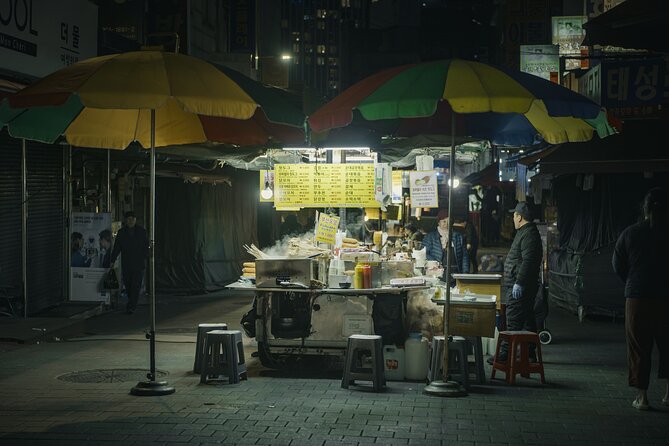
Now comes the part you’ll likely remember even if you forget every date. Namdaemun Market is Korea’s largest and oldest traditional market, with vendors selling goods for over 600 years. You’re stepping into a place where everyday life and commerce mix with tradition.
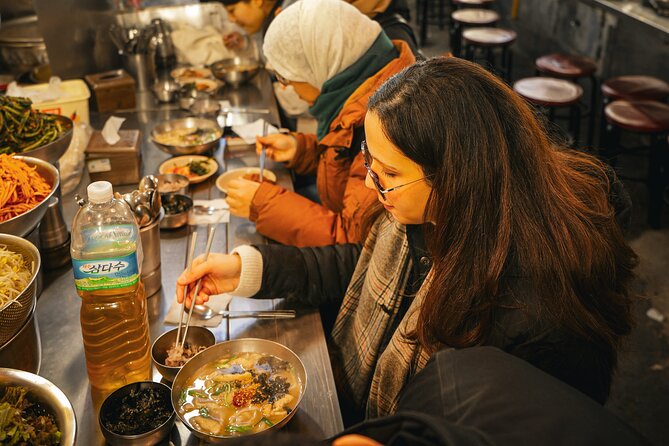
The tour’s food focus is smart because it targets comfort foods—exactly what you want after walking, learning, and absorbing difficult history. You’ll head to Kalguksu Alley, where locals gather in small, bustling stalls to eat steaming bowls of handmade knife-cut noodles. The key detail is the handmade process, which makes this taste like more than just food—it’s craft.
And yes, you’ll also taste street food like hotteok. That warm, sweet comfort is a classic match for the end of a long day. If you tend to get hungry while thinking (same), this stop is built for you.
Practical tip: go into the market hungry, but pace yourself. The noodle bowls and street sweets can add up fast. You’ll enjoy it more if you treat tastings like samples you savor, not like a food challenge.
Why the $65 Price Feels Fair (Not Just “Cheap”)
At $65 per person, the value comes from what’s included, not just the ticket. You get an English-speaking professional guide, entrance fees, transportation costs, and food tastings at Namdaemun Market.
That package matters in Seoul. Entrance fees and getting around can quietly add up, especially when you’re trying to cover multiple sites in one go. Here, the tour bundles the logistics so you can focus on learning and eating.
Also, the group format is positioned as small-group. That’s not a marketing line you should ignore. It typically means you’re more likely to hear clearly, ask questions, and keep the pace comfortable—useful when the prison stop requires mental focus.
Not included: extra fees. So if you plan to buy souvenirs or add additional food beyond the tastings, that’s on you.
Logistics That Can Make or Break Your Day
You start at Dongnimmun (Independence Gate) Station, Exit 5. Meet your guide holding a Tripper sign. The tour ends back at the same meeting point, which is a relief when you’ve walked enough and just want an easy exit.
The tour runs in the rain or snow. That matters because Seoul weather can change fast, and you don’t want your plans frozen. The vehicle route may change depending on on-site conditions, so expect some flexibility in how much walking you do at each segment.
You’ll also get tour-related information by WhatsApp 1–2 days before. If you’re traveling without an always-on data plan, make sure you can access WhatsApp. The message is part of how you stay oriented—especially for finding the guide at the start.
On the body side: the tour is not suitable for wheelchair users and also isn’t suitable for people with altitude sickness. The route is described as moderate walking, so plan for a solid day of steps. Comfortable shoes are not optional here.
Who This Tour Fits Best
This is a great pick if you want Seoul with context. If you enjoy history but hate when it feels like facts on a screen, the pairing of places like Seodaemun Prison with market food helps the day land in a real way.
It’s also ideal if you like questions. Guides such as Janice and Ron are noted for being passionate and friendly, and for answering questions about Korean culture and food and other periods of history. That’s the difference between hearing a story and understanding it.
You might choose something else if:
- you strongly dislike emotionally heavy content
- you need step-free access
- you’re hoping for a mostly light, casual food day with minimal walking
Book This Tour If You Want History With Edible Proof
I’d book this tour when you’re ready to connect the dots in Seoul. The combination is the point: difficult independence history first, then comfort food in a market that’s been active for centuries. You’ll leave with a stronger understanding of Korea’s past and a stronger appetite for the present.
It’s not a perfect fit for everyone—but for the right mindset, it’s exactly the kind of tour that makes a city feel personal.
FAQ
Where is the meeting point, and how do I find the guide?
Meet at Dongnimmun (Independence Gate) Station, Exit 5. Your guide will be holding a Tripper sign.
What’s included in the $65 per person price?
The tour includes an English-speaking professional guide, all entrance fees, transportation cost, and food tastings at Namdaemun Market.
Is this tour suitable for wheelchair users?
No. The tour is not suitable for wheelchair users.
How much walking is involved?
It involves a moderate amount of walking, so you should have a reasonable level of fitness to keep the day comfortable.
Does the tour run in bad weather?
Yes. The tour operates as scheduled in rain or snow. The provider will only contact you separately if weather makes it completely impossible to proceed.
What should I bring?
Bring comfortable shoes, since you’ll be walking between multiple stops.
More Historical Tours in Seoul
- Seoul: Evening Dark History, Folklore & Ghost Story Walking Tour★ 5.0 · 593 reviews
- Hanbok Photoshoot and History Tour at Gyeongbokgung Palace★ 5.0 · 276 reviews
- From Seoul: Dae Jang Geum Park Historic K-Drama Set Tour★ 4.9 · 143 reviews
- Seoul: City Highlights and Historical Experience No Shopping★ 5.0 · 74 reviews
- Street photoshoot and Seoul Hidden gem History Walking Tour★ 5.0 · 68 reviews
More Tours in Seoul
- Best DMZ Tour Korea from Seoul (Red Suspension Bridge Optional)★ 5.0 · 41,422 reviews
- DMZ Tour: 3rd Tunnel, Option(Suspension Bridge, Boat) from Seoul★ 5.0 · 21,373 reviews
- DMZ tour south Korea from Seoul (NK experience hall, defector)★ 5.0 · 20,599 reviews
- Seoul: DMZ Tour with Optional Suspension Bridge★ 4.8 · 5,277 reviews
- Seoul: DMZ The 3rd Tunnel and Suspension Bridge Tour★ 5.0 · 4,656 reviews
More Tour Reviews in Seoul
- Best DMZ Tour Korea from Seoul (Red Suspension Bridge Optional)★ 5.0 · 41,422 reviews
- DMZ Tour: 3rd Tunnel, Option(Suspension Bridge, Boat) from Seoul★ 5.0 · 21,373 reviews
- DMZ tour south Korea from Seoul (NK experience hall, defector)★ 5.0 · 20,599 reviews
- Seoul: DMZ Tour with Optional Suspension Bridge★ 4.8 · 5,277 reviews
- Seoul: DMZ The 3rd Tunnel and Suspension Bridge Tour★ 5.0 · 4,656 reviews
Just added to Exploring Seoul
Markets, compared.
 ★ 5.0Seoul Street Food Market TourFrom $731,226 reviews
 ★ 5.0Local Home Korean Cooking Class & Market Adventure in SeoulFrom $911,024 reviews
 ★ 4.9Night Market Food Tour with Local GuideFrom $73943 reviews
 ★ 4.9Palace, Temple and Market Guided Foodie Tour at NightFrom $60750 reviews
 ★ 5.0Downtown Seoul Guided Food & Market Tour with 8+ Local TastingsFrom $98580 reviews
 ★ 5.0Korean Cooking Class at a Local Home and Market TourFrom $98348 reviews
 ★ 4.9Guided Food & Market Tour with 8+ TastingsFrom $71342 reviews
 ★ 5.0Seoul Night Palace & Market Food Tour with VehicleFrom $79275 reviews
Browse the lists this tour appears in