Reviewed · SEOUL
Seoul: Handmade Noodles with Korean Grandma
Kneading dough with a grandma changes your whole rhythm. This hands-on Seoul experience centers on handmade kalguksu from scratch, plus warm, English-friendly storytelling from the hosts. I especially love the cozy, private-kitchen feel and the fact that you sit down together afterward like a small family dinner.
The main thing to consider is the class pace: it’s interactive and hands-on, so if you prefer to watch rather than do, you might find it a bit more active than expected.
In This Review
- Grandma-Style Kalguksu in Mapo-gu
- Key Highlights You’ll Actually Feel
- What Happens When You Show Up on Tojeong-ro
- Handmade Noodles: The Main Event
- Stories While You Cook (Yes, They Matter)
- The Shared Meal: Eat Like Family
- Dietary Restrictions: How Flexible Is It?
- Price and Value: Is $68 Worth It?
- Pace, Group Vibe, and Who This Fits Best
- Practical Details That Help You Enjoy It
- What You Take Home
- Should You Book This Halmoni Noodle Night?
- FAQ
- Is the experience in English?
- What are you making during the class?
- Can you accommodate dietary restrictions like vegan or gluten-free?
- What is included in the price?
- Where do you meet?
- Does the experience include drinks like makgeolli?
- What is the cancellation policy?
- Do I have to pay right away?
Grandma-Style Kalguksu in Mapo-gu
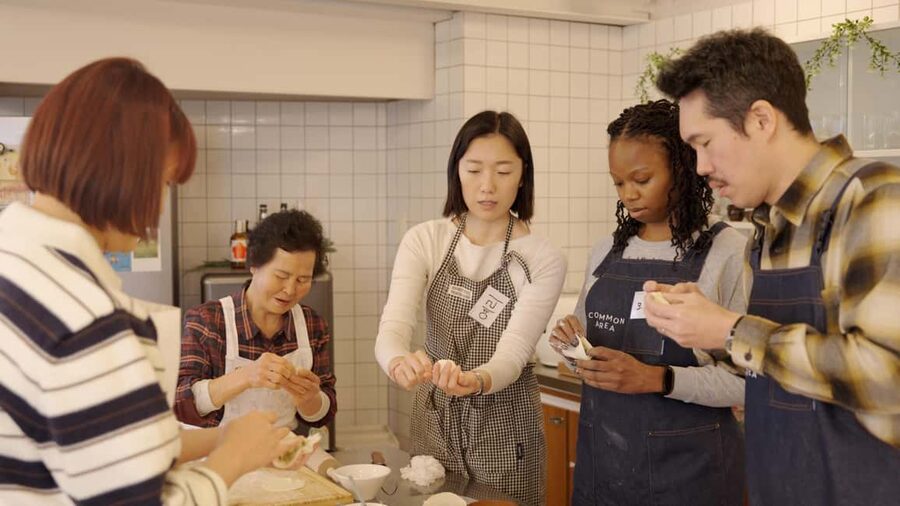
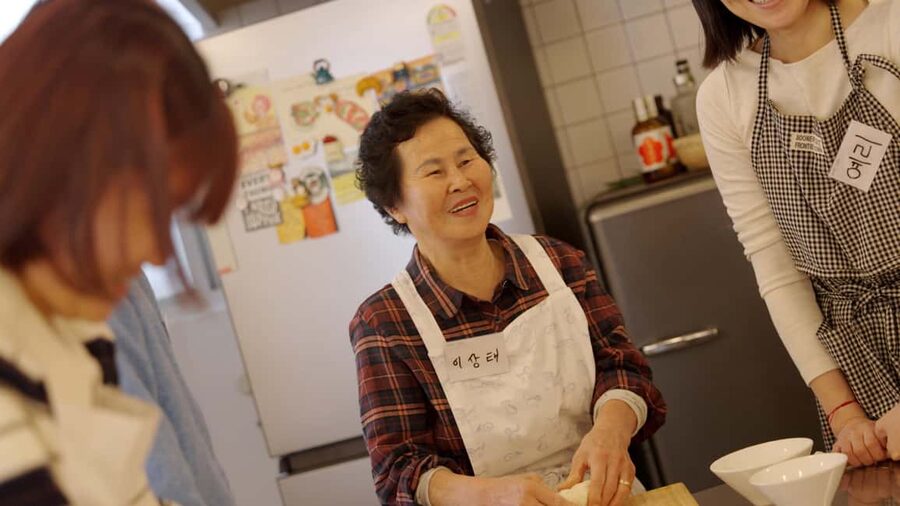
If you’ve ever wished Korean food classes felt less like a performance and more like real life, this one fits the bill. The whole experience is built around cooking with the hosts’ version of “grandma energy” (warm, patient, funny, and no-nonsense about good noodles). You’ll work on Korean knife-cut noodles step by step, then eat what you make in a relaxed shared meal.
This isn’t just about flavor. It’s about how Korean cooking traditions get passed down: through small lessons, family stories, and that comfortable moment when everyone finally sits down and eats together.
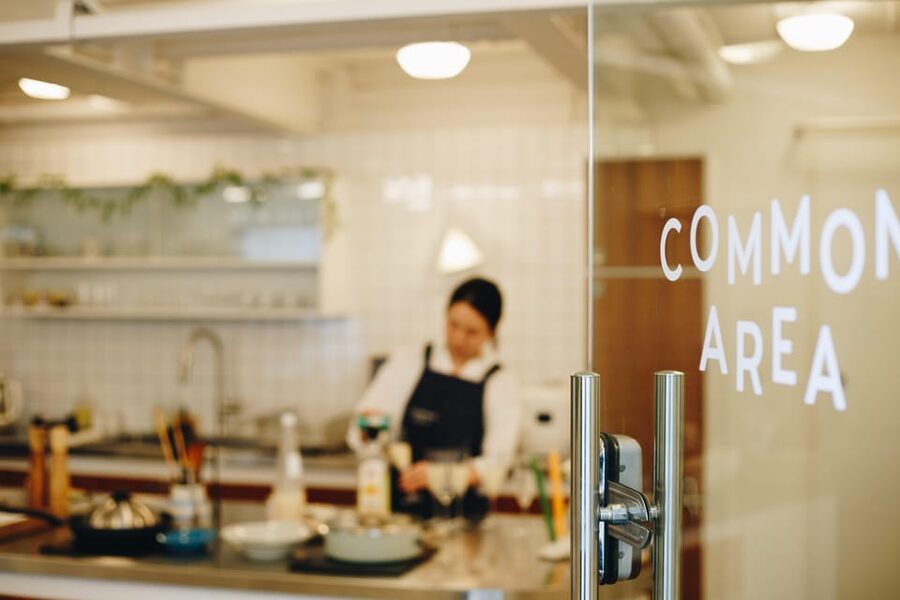
In Mapo-gu, the meeting point is easy to find and the setup feels intentionally personal. Even the way the evening is described points to a private, cozy kitchen rather than a big room with rows of people.
Still deciding? These are the Seoul tours travellers book first.
- Best DMZ Tour Korea from Seoul (Red Suspension Bridge Optional)★ 5.0 · 41,422 reviews
- DMZ Tour: 3rd Tunnel, Option(Suspension Bridge, Boat) from Seoul★ 5.0 · 21,373 reviews
- DMZ tour south Korea from Seoul (NK experience hall, defector)★ 5.0 · 20,599 reviews
- Seoul: DMZ Tour with Optional Suspension Bridge★ 4.8 · 5,277 reviews
Key Highlights You’ll Actually Feel
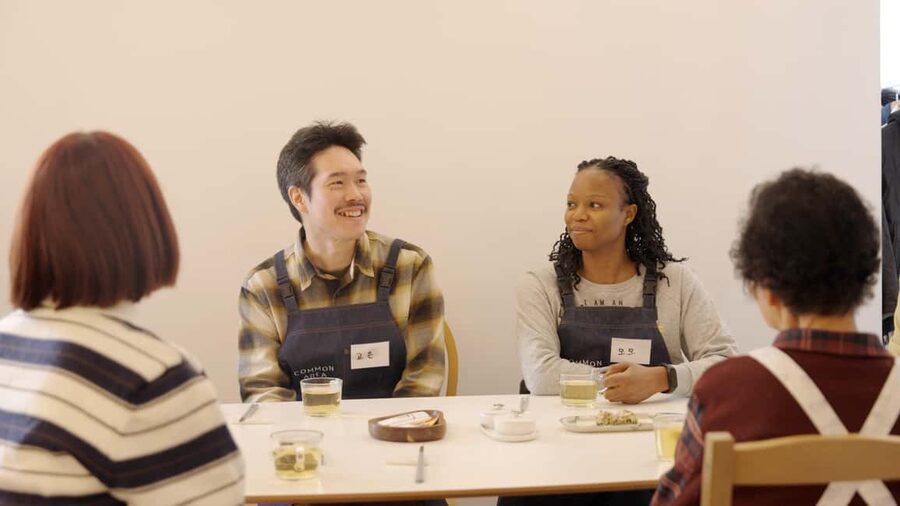
- Handmade kalguksu from scratch: knead the dough, cut the noodles, then top your bowl
- Halmoni and host stories: heartfelt explanations that connect food to culture and neighborhood life
- Cozy private kitchen vibe: more like cooking with family than following a script
- Dietary flexibility: they’ll tailor the meal if you’re vegan, gluten-free, or have specific preferences
- Shared meal plus optional makgeolli toast: sit down together and enjoy the results
What Happens When You Show Up on Tojeong-ro
Your evening begins at the meeting point on Tojeong-ro in Mapo-gu (start at 2F, 53-9, Tojeong-ro). From there, the experience stays simple: you cook together, you eat together, and you end back where you started. That round-trip structure matters because you don’t have to worry about extra stops or complicated transfers.
You should expect an English-language experience with clear guidance. The host team includes English-speaking hosts such as Jade, and you’ll also be cooking with the grandma figure (the Halmoni) who’s central to the experience’s character. In the same spirit, some guests also mention other host names like Miki, so if you hear a familiar name in the mix, it likely means your group has that team supporting the evening.
Handmade Noodles: The Main Event
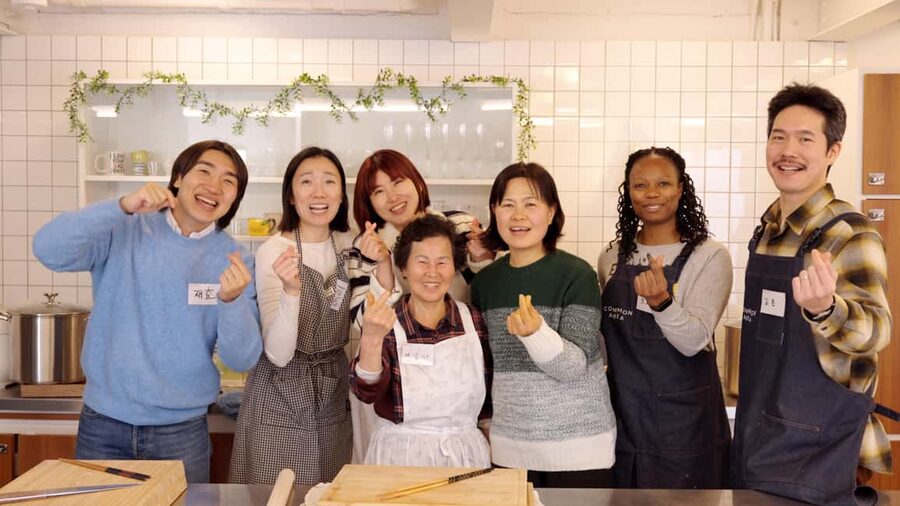
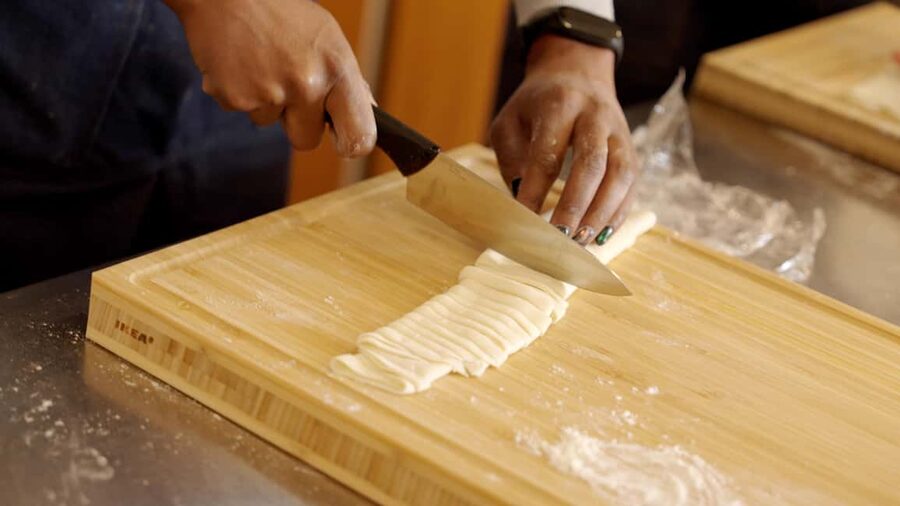
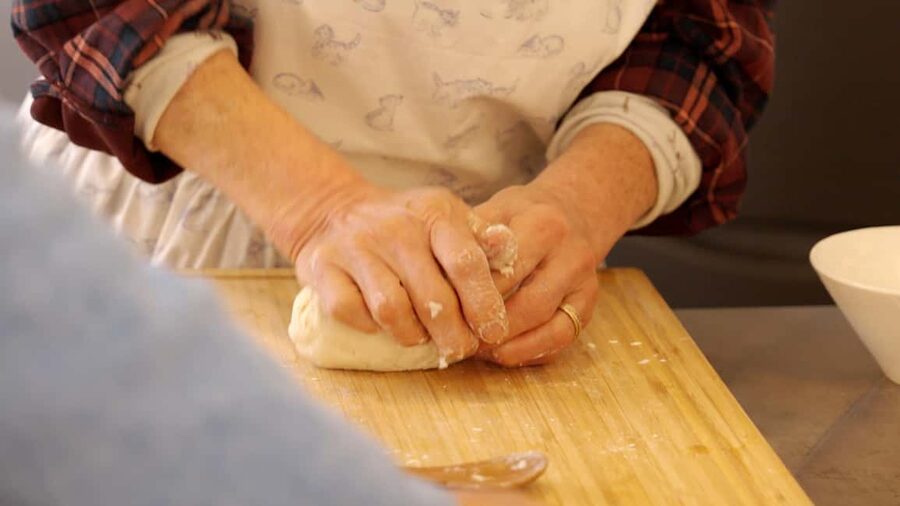
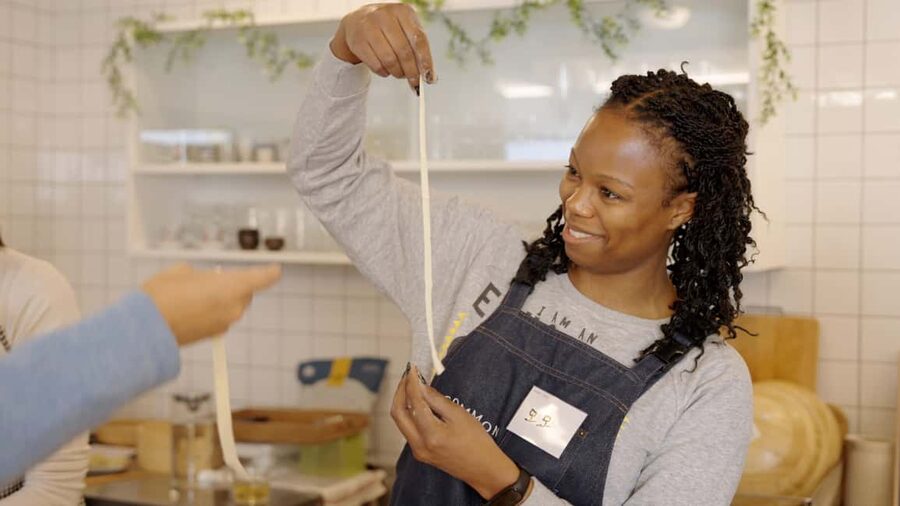
The heart of the class is making kalguksu, which are knife-cut noodles. The method is the point. Instead of reaching for dried noodles, you make the dough, knead it, and then cut the strands. That physical work is part of what makes the end result feel special, because you can taste the difference you created.
Here’s what this typically means in practice:
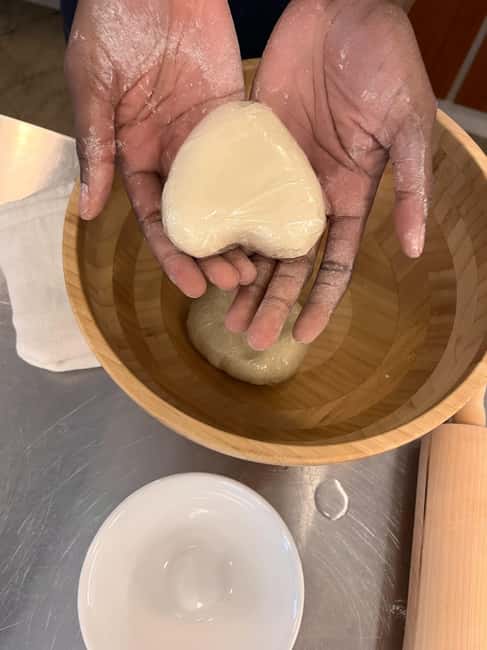
You start with dough. Kneading takes a little attention, and the hosts guide you through what the dough should feel like. Then you move into the cutting stage. Even if you’re not a natural “fine-motor” person, the instructions are designed to be manageable, and the atmosphere is friendly rather than stressful.
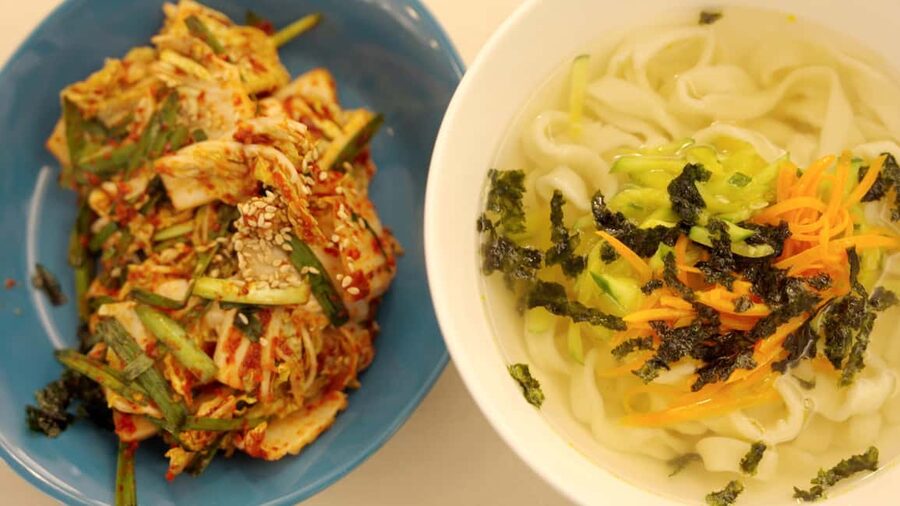
Next comes the toppings and the finishing bowl. Kalguksu is about comfort: the noodles plus a warm, satisfying set of ingredients. You’ll assemble your bowl the way the class teaches it, then you’ll eat what you made.
What I like about this focus is that it teaches you the logic of the dish, not just the final plating. You walk away understanding the noodle process and how it shapes the whole meal.
Stories While You Cook (Yes, They Matter)
Food classes can sometimes treat culture like an optional extra. Here, the stories are part of the value. The hosts share heartfelt explanations tied to Korean culinary traditions, and some guests specifically mention learning about the neighborhood, culture, and who the hosts are.
That matters because it changes what you’re paying attention to. You’re not just thinking, How do I cut this? You’re also thinking, Why do people do it this way? And that makes the noodles feel like a tradition, not a recipe you copied.
Several reviews highlight that the hosts speak English and that the evening includes conversation with both the hosts and other participants. One family described the conversation as fascinating and warm, and the fact that you share laughs and stories over dinner is a recurring theme.
The Shared Meal: Eat Like Family
After the cooking, you don’t rush into a next activity. You sit down together and enjoy the meal. That’s a major part of the experience’s tone. It’s not a grab-and-go class where you stand around while others finish. You eat the dishes together, and the evening feels like part cooking lesson, part dinner invite.
Guests describe a spread that may include kimchi, plus two different noodle dishes and dumplings. That lineup gives you more than one chance to compare textures and flavors. You get to enjoy your own handiwork, then also taste variations taught during the evening.
Some guests also mention a makgeolli toast as an option. If you’re curious about Korean drinks, this is a low-pressure way to experience a local pairing in a social setting.
One practical upside: because the meal is included, you can treat this as a full evening meal, not just a snack between sightseeing.
Dietary Restrictions: How Flexible Is It?
This experience specifically calls out that dietary restrictions are handled. They’ll tailor the experience for vegan, gluten-free, and other preferences.
That’s important in Seoul, where some traditional dishes can be hard to adjust without warning. Here, the planning goal is to make sure you still participate in the noodles and eat something satisfying afterward.
What you should do: share your needs ahead of time so the kitchen can adjust ingredients and avoid last-minute swaps. If you’re gluten-free, also remember that “gluten-free” may mean carefully chosen components rather than a guaranteed restaurant-style separation, so ask directly about your requirements when you book.
Price and Value: Is $68 Worth It?
At $68 per person, the price lands in the “experiences” category rather than “cheap activity” territory. So you want to know what you’re actually buying.
You’re paying for several things at once:
- Hands-on noodle making (not just watching or assembling)
- The presence of the Halmoni and host team in a cozy setting
- A shared meal with included food and beverages
- English support and cultural storytelling
- Dietary accommodation options
In plain terms, you’re not paying for a generic cooking class. You’re paying for a small, guided evening that blends skill-building with hospitality. The fact that guests repeatedly highlight a warm welcome, an unrushed pace, and a family-style atmosphere suggests the value isn’t only in the food. It’s in the experience design.
If you want an activity that gives you something tangible (skills + recipes) and something social (shared dinner), this price can make sense. If you only want a quick tasting and you don’t care about making noodles, you may find cheaper food tours elsewhere more efficient.
Pace, Group Vibe, and Who This Fits Best
This class tends to feel intimate. Families with kids as young as 7 and teens (plus multi-generational groups) describe the evening as fun and easy for different ages. The key is that the instructions are designed to be followed, and the hosts bring a patient, welcoming tone.
What this suits:
- Food lovers who want a real skill, not just a meal
- Couples and solo travelers who enjoy conversation at dinner
- Families looking for a memorable activity that’s more than sightseeing
- Anyone who wants Korean culture explained through food, jokes, and story
What might not suit:
- People who want a strictly formal, sit-and-watch lecture
- Very short-schedule travelers who dislike hands-on activities
Practical Details That Help You Enjoy It
Here are the small planning points that matter most:
- Language: English support is part of the experience. If you have basic English only (or none), you’ll still likely be able to follow along with demonstrations and guidance.
- Meal + beverages included: You’re not hunting for dinner afterward.
- Where to go: Start at the Tojeong-ro meeting point on the 2nd floor. You end back there.
- Bring curiosity: The hosts include neighborhood context and personal stories, so ask questions as you go.
Also, wear comfortable clothes you don’t mind getting slightly flour or noodle-dough energy on. Even if it’s not messy, you’ll be handling dough.
What You Take Home
Some guests mention receiving photos of the evening and recipes as souvenirs. That’s not a throwaway detail. It’s the difference between enjoying dinner and actually recreating it later.
If you’re the type who likes to cook back home, a recipe card means you can practice the noodle skills and bring a piece of Seoul into your kitchen.
Should You Book This Halmoni Noodle Night?
I think you should book it if you want a Seoul experience with heart, not just a checklist. The strongest reasons to go are the handmade kalguksu focus, the Halmoni-style hospitality, and the fact that you eat together afterward in a cozy, family-like setting.
Skip it if you’re set on a purely passive activity or you’re only chasing budget options. At $68, you need to want the hands-on cooking and the shared meal.
If you’re on the fence, here’s an easy decision rule: if you’d rather make noodles with someone than just taste noodles with a group, this is your move.
FAQ
Is the experience in English?
Yes. The tour is listed as being in English.
What are you making during the class?
You’ll make Kalguksu, which are Korean knife-cut noodles, from scratch. You’ll knead the dough, cut the noodles, and add toppings.
Can you accommodate dietary restrictions like vegan or gluten-free?
Yes. The experience states it can tailor the class and meal for different dietary preferences, including vegan and gluten-free.
What is included in the price?
The price includes all fees and taxes, the meal, and beverages.
Where do you meet?
The meeting point is listed as 2F, 53-9, Tojeong-ro, Mapo-gu, Seoul.
Does the experience include drinks like makgeolli?
Beverages are included, and the experience description notes that you might toast with makgeolli.
What is the cancellation policy?
You can cancel up to 24 hours in advance for a full refund.
Do I have to pay right away?
No. It offers reserve & pay later, so you can book your spot and pay nothing today.
More Tour Reviews in Seoul
- Best DMZ Tour Korea from Seoul (Red Suspension Bridge Optional)★ 5.0 · 41,422 reviews
- DMZ Tour: 3rd Tunnel, Option(Suspension Bridge, Boat) from Seoul★ 5.0 · 21,373 reviews
- DMZ tour south Korea from Seoul (NK experience hall, defector)★ 5.0 · 20,599 reviews
- Seoul: DMZ Tour with Optional Suspension Bridge★ 4.8 · 5,277 reviews
- Seoul: DMZ The 3rd Tunnel and Suspension Bridge Tour★ 5.0 · 4,656 reviews