Reviewed · SEOUL
Seoul Film Camera Club
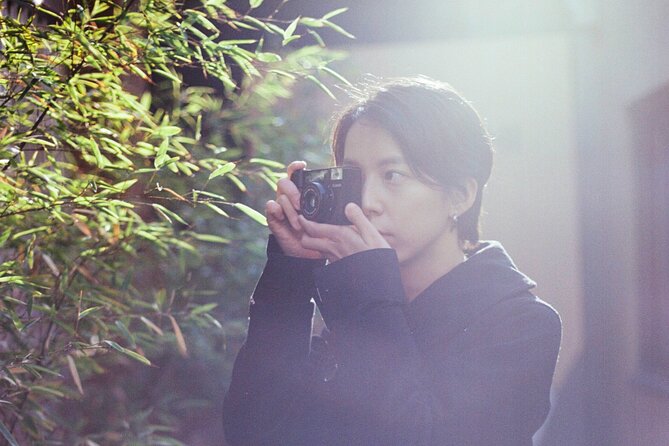
Street photos, but on film.
I like that this Hongdae experience slows you down and makes you think before you press the shutter. You’ll also be guided by Kinam, who knows the area around Hongik University well enough to connect the neighborhood’s streets to what you’re photographing.
Two things I really like: you’re given an automatic Canon film camera with Kodak film, so you can focus on framing instead of fiddling with settings, and the tour handles the film end-to-end with development and scanning afterward. One possible drawback is simple: you only get one roll (36 shots), so if you hate limitations or want endless takes, you’ll feel the cap quickly.
In This Review
- Seoul’s Film Camera Club: The Hongdae Photo Walk on Purpose
- What Makes This Tour Work: Small Group, Real Film, Real Guidance
- Meeting Point at Hongik University: Starting Where Hongdae Feels Local
- Walking Hongdae Street: The First Photos Set Your Tone
- Maze Road in Yeonnam-dong: Where Film Makes Hongdae Look Different
- Getting Help With the Camera: Automatic, But Still Yours
- What Happens After: Development, Scans, and That Download Link
- Hongdae as a Photo Subject: More Than Just Street Aesthetics
- Price and Value: Why $55 Can Make Sense Here
- Who Should Book This Film Camera Tour in Hongdae?
- Quick Timing Tips for a 3-Hour Film Shoot
- Should You Book the Seoul Film Camera Club?
- FAQ
- Where do I meet for the tour?
- How long is the experience?
- What camera and film are included?
- Do you develop and scan the photos for me?
- Is the tour guide available in English?
- How big is the group?
- Can I cancel for a refund?
Seoul’s Film Camera Club: The Hongdae Photo Walk on Purpose
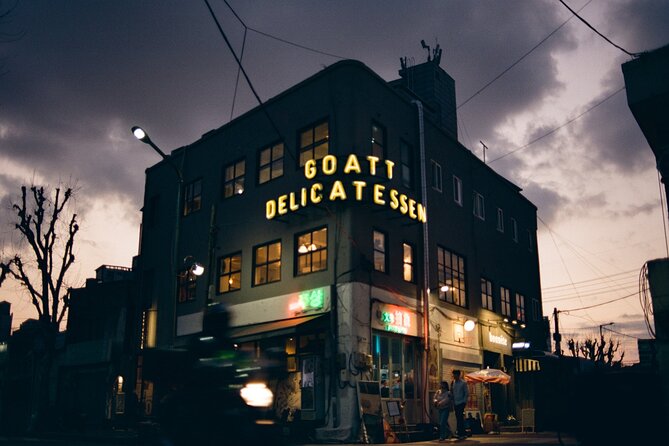
This is a short, focused outing designed for people who want a different kind of souvenir from Seoul—one that’s made the hard way. In Hongdae, where you can walk for hours and still feel like you’re seeing something new, shooting on film changes the rhythm. You look longer. You wait for the light. You stop chasing perfect shots and start collecting moments that actually feel like the street.
The magic here is that you don’t just learn theory. You’re out walking the photo streets, and you actively take the pictures yourself. Then you don’t have to deal with any of the messy parts later. The club develops the film and scans it, and you get a download link.
Your experience is in English with Kinam, and it runs with a small group of up to four people. That matters more than it sounds. With fewer people, you get clearer help when you’re figuring out composition, and you’re less likely to feel rushed while the camera roll is ticking away.
A note on where this lands: Hongdae is a youth-and-art magnet. The vibe in the area is energetic and creative, and the tour leans into that by guiding you through the lanes and photo-friendly streets that make Hongdae feel like Hongdae—not just Seoul in general.
Still deciding? These are the Seoul tours travellers book first.
- Best DMZ Tour Korea from Seoul (Red Suspension Bridge Optional)★ 5.0 · 41,422 reviews
- DMZ Tour: 3rd Tunnel, Option(Suspension Bridge, Boat) from Seoul★ 5.0 · 21,373 reviews
- DMZ tour south Korea from Seoul (NK experience hall, defector)★ 5.0 · 20,599 reviews
- Seoul: DMZ Tour with Optional Suspension Bridge★ 4.8 · 5,277 reviews
What Makes This Tour Work: Small Group, Real Film, Real Guidance
Here are the best parts that explain why this isn’t just another photo walk.
- You press the button, the club handles the rest: You shoot with a film camera; development and film scanning are taken care of for you.
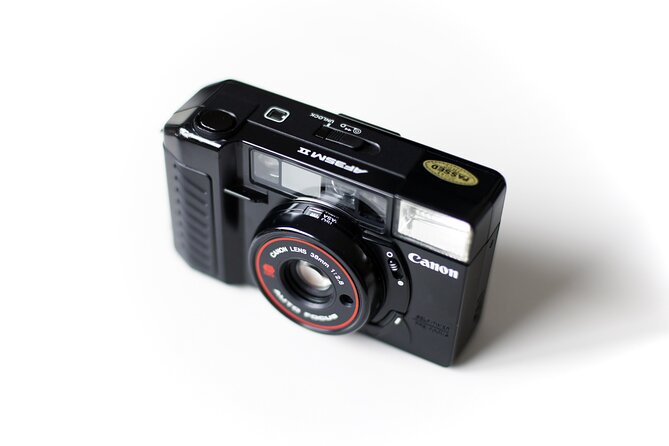
- Automatic Canon + Kodak film: Less technical fuss, more time looking for scenes worth keeping.
- A guide who connects streets to meaning: Kinam folds neighborhood context into the walk, so the photos feel less random.
- Hongdae is treated like a photo subject: You don’t only pass through the famous areas; you use the streets that photographers actually want.
- Small group limit of 4: You get personal pacing help rather than group-chasing.
- You end with digital scans: Film results in a shareable form through a download link.
Meeting Point at Hongik University: Starting Where Hongdae Feels Local
You meet at Exit 3 of Hongik University subway station. That’s a practical choice. Hongdae is a bit spread out, and meeting near the university puts you in the right pocket immediately—no long transit time needed before you’re already in the streets where the tour style makes sense.
If you’re using transit, this also helps you stay calm. You don’t need to find a complicated off-map location. Exit 3 gives you a fixed reference point.
The tour runs about 3 hours, so your timing matters. Plan to arrive a few minutes early. When film is involved, you don’t want to lose your first photo opportunities to being late and rushed.
Walking Hongdae Street: The First Photos Set Your Tone
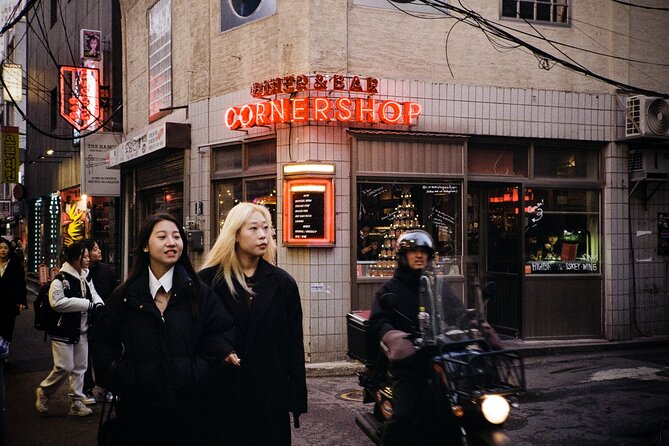
The route starts with Hongdae Street. This is the part that gives you energy fast. You’ll do a photo stop and take a guided walk, then you keep moving with the group toward the lanes where things get more interesting for photography.
What I like about starting on Hongdae Street is that it gives your brain something to calibrate. You see the broader scene—street life, storefronts, the style of people moving through the area. Then, once you’re warmed up, the narrow streets and alley-like sections later in the route make more sense.
This stage is also where a beginner can get comfortable quickly. Kinam is described as patient and helpful, walking through the basics of photography and film-camera use in a way that doesn’t overwhelm. If you’re new, that early reset is key. You’ll feel less like you’re guessing and more like you’re directing your own shots.
Potential drawback: if you arrive hoping for a fully silent, slow “wander and shoot” vibe, you might find the guide’s instruction a lot at first. But for most people, that’s the point—film can feel intimidating until someone tells you exactly how to approach it.

Maze Road in Yeonnam-dong: Where Film Makes Hongdae Look Different
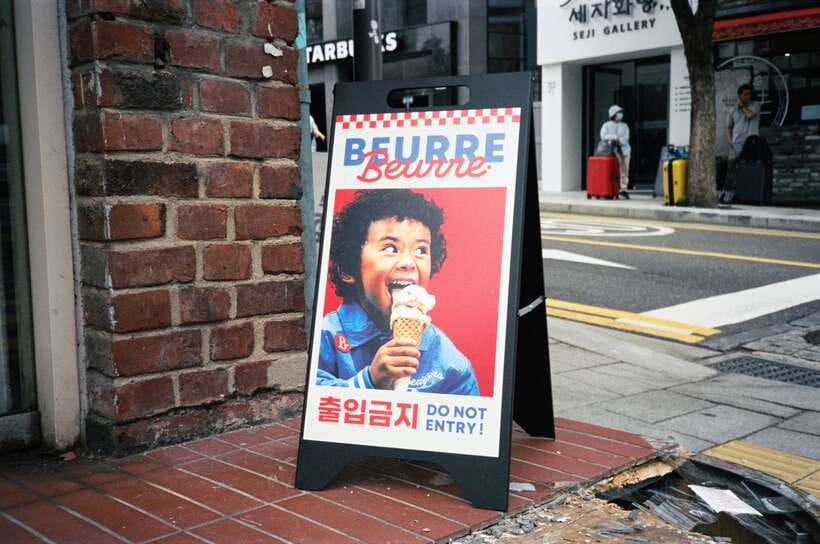
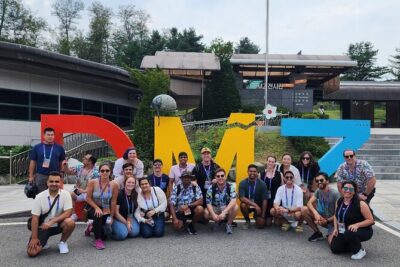
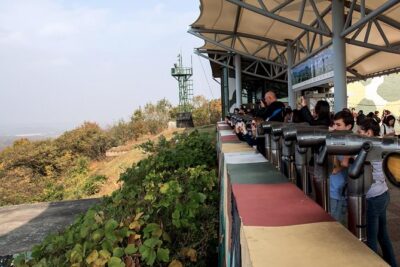
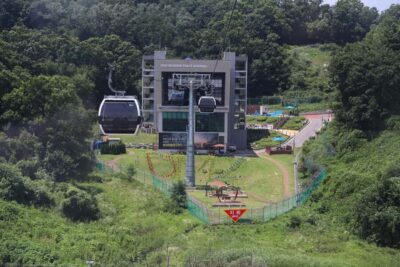
The heart of the tour is the walk along the famous Maze Road in Yeonnam-dong. Even if you’ve been to Hongdae before, you might not have wandered the right passageways. This is where the tour earns its value. Maze Road isn’t just a cute name; it’s the kind of street layout that makes direction, framing, and timing matter.
Shooting on film adds a second layer of interest. With only one roll, you can’t treat every corner like a tryout. You have to decide: do I wait for a person to enter the frame, or do I shoot what’s already there? Do I aim for the contrast between shadows and bright signage? The film limitation becomes part of the creative process instead of a problem.
Kinam’s background adds texture here too. In the feedback, he’s credited with weaving in history and context so you’re not only taking pictures of surfaces. You’re learning how the neighborhood developed its identity and why certain street patterns and places feel the way they do.
Also, the pace tends to encourage observation. People who want a quick checklist tour usually won’t love it. But if you want your photos to feel intentional—and you don’t mind walking a bit—you’ll likely enjoy the way film changes your eye.
Getting Help With the Camera: Automatic, But Still Yours
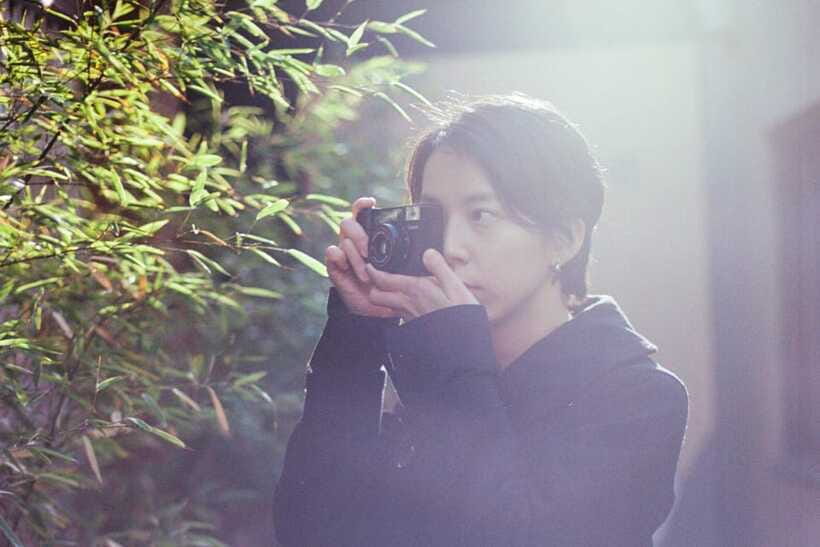
You’re provided an automatic Canon film camera, plus one roll of Kodak film (36 shots). That’s a great setup for beginners because it removes the “technical intimidation” factor. You still choose when to take the shot and what to include, but you’re not fighting exposure settings on the street.
The best practical part is this: the tour doesn’t leave you stranded with a camera you barely understand. Multiple accounts highlight that Kinam explains how film cameras work in an easy way, and he takes time with people who are learning the basics.
Here’s how to make it go smoothly:
- Treat the first few shots as warm-ups, so your framing settles quickly.
- Don’t hoard shots. If you see something that fits your style, take it rather than waiting for perfect conditions that might never come.
- Be okay with imperfect results. Film doesn’t behave like a phone camera, and that’s part of the charm.
A minor consideration: the camera is automatic, which is helpful for beginners. But if you’re the type who wants full manual control, you might feel the restriction. Still, the tradeoff is that the tour time stays focused on shooting and walking rather than troubleshooting gear.
What Happens After: Development, Scans, and That Download Link
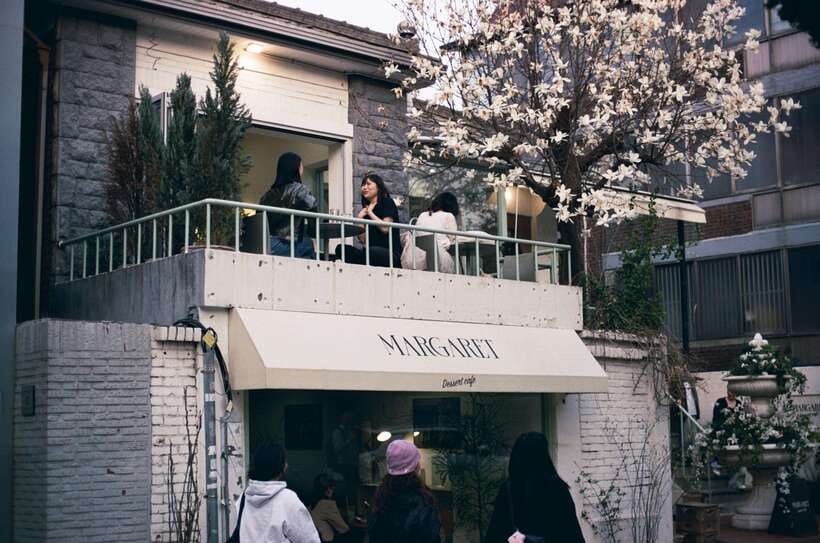
The tour doesn’t end when you walk back. You take your roll, and later the club develops the film and scans it. Then they send you a download link so you can view your photos digitally.
This is a big value point. Many film experiences turn into a waiting game or an extra hassle where you have to find a lab yourself. Here, the “we do the rest” idea is built in: you shoot, they process.
From a practical standpoint, scans are the easiest way to use your photos on your phone, laptop, or social media without needing specialized equipment. And you get the creative payoff of film rather than only the convenience of digital.
Hongdae as a Photo Subject: More Than Just Street Aesthetics

Hongdae is known for style, art energy, and constant motion. A guided film-camera walk helps you see it as more than set dressing. You’re learning to notice:
- how streets funnel people through certain angles
- how signage and lighting interact with pedestrians
- how small architectural details frame the background
In the accounts, Kinam also shares restaurant recommendations and food spots in the area. That’s useful even if you’re not a foodie by default. Knowing where to eat near Hongdae can save you time and help you keep exploring after the tour ends.
Just remember: meals and drinks aren’t included. If you want lunch or dinner, plan to sort that out on your own before or after the 3-hour session. The guide’s suggestions can help you pick something that fits your mood and timing.
Price and Value: Why $55 Can Make Sense Here
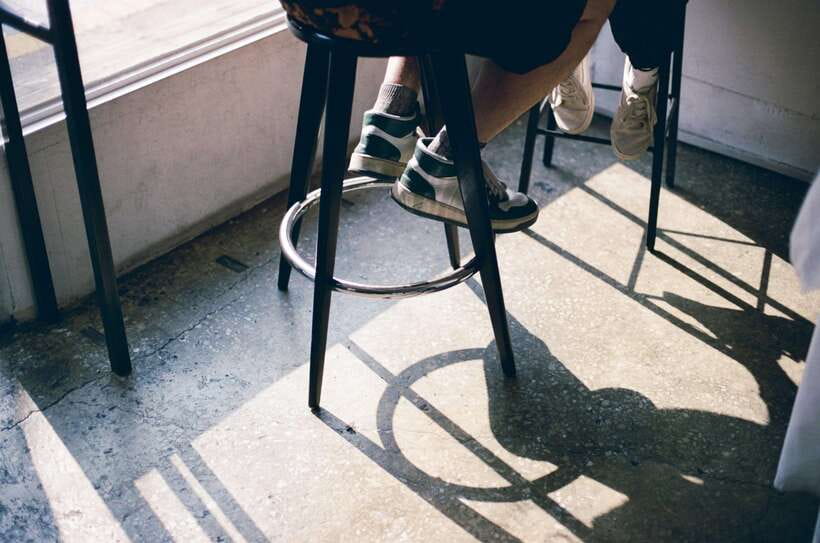
At $55 per person, you’re paying for more than the walk itself. You’re getting:
- an automatic Canon film camera
- one roll of Kodak film (36 shots)
- film development and scanning
- an English-speaking live guide
- a small group format (up to 4 people)
If you break it down, the added value is the processing. Film development and scanning are usually the most annoying and time-consuming parts when you don’t have equipment or a lab lined up. Here, you outsource that whole step and get a digital result.
The price also makes the experience approachable. You’re not committing to buying your own film camera kit or learning processing at home. For a short Seoul visit, that’s a smart way to experiment with film without creating long-term gear obligations.
The main “cost” is attention. You only get 36 shots. If you’re hoping to take hundreds of photos and freely adjust, this format won’t match that mindset. But if you want a guided, story-like set of pictures, the limitation helps rather than hurts.
Who Should Book This Film Camera Tour in Hongdae?
This experience fits best if you:
- want a hands-on photography activity, not a lecture
- are curious about film but don’t want to manage the development side
- enjoy walking in Hongdae and want help finding photo-worthy streets
- like small group tours where you can ask questions
- want a memorable souvenir that isn’t just another digital gallery
It’s less ideal if you:
- want unlimited photos or a lot of shooting time
- strongly prefer phone/digital photography only
- need meals/drinks included in the ticket price
Quick Timing Tips for a 3-Hour Film Shoot
Because the session is 3 hours, treat it like a focused workshop. You’ll likely start shooting early, so don’t show up late. Wear shoes you can walk in comfortably. You’re moving through Hongdae streets and toward the Maze Road area, and those lanes can mean lots of small turns and changing angles.
Also, mentally plan for the fact that your film is limited. The best results come when you shoot with intention, not just reflex.
Should You Book the Seoul Film Camera Club?
I’d book this if you want Seoul photos that feel made, not just captured. The mix of shooting with an automatic Canon, getting a Kodak roll, and finishing with development and scanned files saves you both effort and uncertainty. Add in a small group and Kinam’s patient, beginner-friendly guidance, and it becomes a low-stress way to try film photography in one of Seoul’s most photogenic neighborhoods.
Skip it if you want maximum shot volume, or if you’d rather keep everything digital. Film is the point here, and the structure supports that goal.
If your trip includes Hongdae and you like the idea of a guided walk that ends with a downloadable photo set, this is a solid, practical choice.
FAQ
Where do I meet for the tour?
You meet at Exit 3 of Hongik University subway station.
How long is the experience?
The tour lasts about 3 hours.
What camera and film are included?
You get an automatic Canon film camera and 1 roll of Kodak film with 36 shots.
Do you develop and scan the photos for me?
Yes. The film development and scanning are included, and you receive a download link afterward.
Is the tour guide available in English?
Yes. The live guide speaks English.
How big is the group?
It’s a small group limited to 4 participants.
Can I cancel for a refund?
Yes. There is free cancellation up to 24 hours in advance for a full refund.
More Tour Reviews in Seoul
- Best DMZ Tour Korea from Seoul (Red Suspension Bridge Optional)★ 5.0 · 41,422 reviews
- DMZ Tour: 3rd Tunnel, Option(Suspension Bridge, Boat) from Seoul★ 5.0 · 21,373 reviews
- DMZ tour south Korea from Seoul (NK experience hall, defector)★ 5.0 · 20,599 reviews
- Seoul: DMZ Tour with Optional Suspension Bridge★ 4.8 · 5,277 reviews
- Seoul: DMZ The 3rd Tunnel and Suspension Bridge Tour★ 5.0 · 4,656 reviews