
Reviewed · DMZ DAY TOURS
Seoul: DMZ, Gyeongbokgung Palace & City Tour
A border wall, a palace gate, one day. I like the DMZ access and the way the guide connects it to real Korean history, and I also enjoy how Gyeongbok Palace feels run like a working organization, not just a pretty backdrop. One thing to plan for: it starts early (7:30 AM meeting) and the day has plenty of walking plus security rules.
The heart of the day is the DMZ area with a military tourist guide and professional security specialists. You’ll get a structured look at North–South relations, then visit the Third Tunnel Experience, the observatory viewing area, the War History Pavilion, and Imjingak—plus an exhibition-style venue designed to help you understand what you’re seeing.
Bring your passport and wear sneakers since sandals or slippers aren’t allowed. Lunch isn’t listed as included, though at least one group report notes a traditional meal was served, so budget some flexibility and don’t plan your whole day around it.
In This Review
- Key things worth caring about
- From City Hall at 7:30 AM to the DMZ gates
- DMZ access: security-focused guidance and the context center
- Third Tunnel Experience: the tank-invasion plan made concrete
- War History Pavilion and Imjingak: connecting artifacts to emotion
- Observatory viewing: seeing across the divide from a controlled distance
- Gyeongbok Palace: a royal seat that runs like an office
- Coach timing, shoe rules, and the passport reality check
- Value check: what $110 gets you in a high-access day
- Who this DMZ and Palace combo is best for
- Should you book this tour?
- FAQ
- What does the tour cost and how long is it?
- What’s included in the price?
- What should I bring for the DMZ?
- Are sandals allowed?
- Is lunch included?
- What happens if Gyeongbokgung Palace is closed?
- Is the tour wheelchair accessible?
Key things worth caring about
- Professional security specialists explain what’s going on, with answers that stay grounded in real context
- Third Tunnel Experience shows how North Korea’s tunnel plan was designed for a tank-style invasion
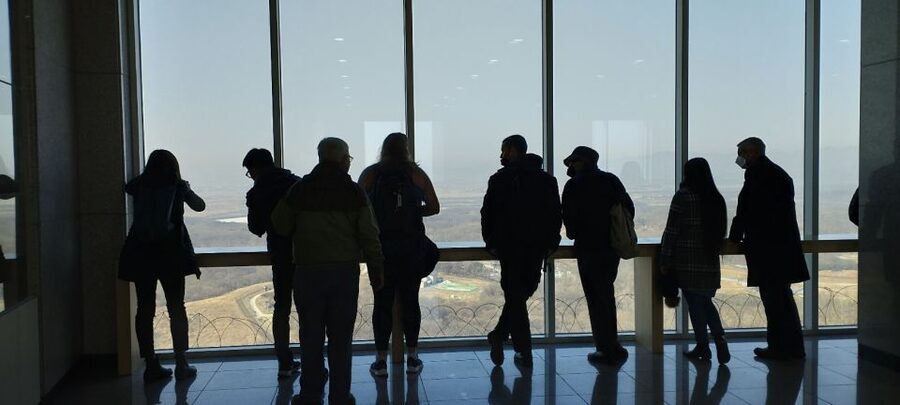
- Observatory viewing gives you a controlled look across the divide, where North Korean residents are visible
- War History Pavilion + Imjingak tie the emotional “division story” to key locations and artifacts
- Gyeongbok Palace is presented as a system—employees, advisers, and everyday operations of rule
- Coach logistics + photo timing rules mean you’ll move efficiently and shoot only during set windows
Other ways to reach the DMZ and the border from Seoul
- DMZ Tour: 3rd Tunnel, Option(Suspension Bridge, Boat) from Seoul★ 5.0 · 21,373 reviews
- DMZ tour south Korea from Seoul (NK experience hall, defector)★ 5.0 · 20,599 reviews
- Seoul: DMZ Tour with Optional Suspension Bridge★ 4.8 · 5,277 reviews
- Seoul: DMZ The 3rd Tunnel and Suspension Bridge Tour★ 5.0 · 4,656 reviews
From City Hall at 7:30 AM to the DMZ gates
This is a 10-hour Seoul-area day tour that takes you north into Gyeonggi Province for Korea’s most intense geography lesson: the DMZ. The meeting point is Exit 7 of City Hall Station at 07:30 AM, so set an alarm and give yourself a buffer for subway lines and the walk to the pickup point. If you’re the kind of traveler who likes to be fashionably early, this is your day.
The tour is built around “one day, major sites” efficiency. You’re on an authorized shuttle vehicle or coach to cover multiple DMZ stops without worrying about navigation or separate tickets. That matters because DMZ access isn’t casual. It’s controlled, timed, and rules-based, which leads to one of the biggest benefits of a guided format: you spend your energy learning, not figuring out logistics.
English guidance is available (and Korean too), and you’re in a group format that can still feel personal because the content is so focused. A DMZ day isn’t about checking boxes; it’s about understanding why the line exists and what it has done to both sides.
DMZ access: security-focused guidance and the context center
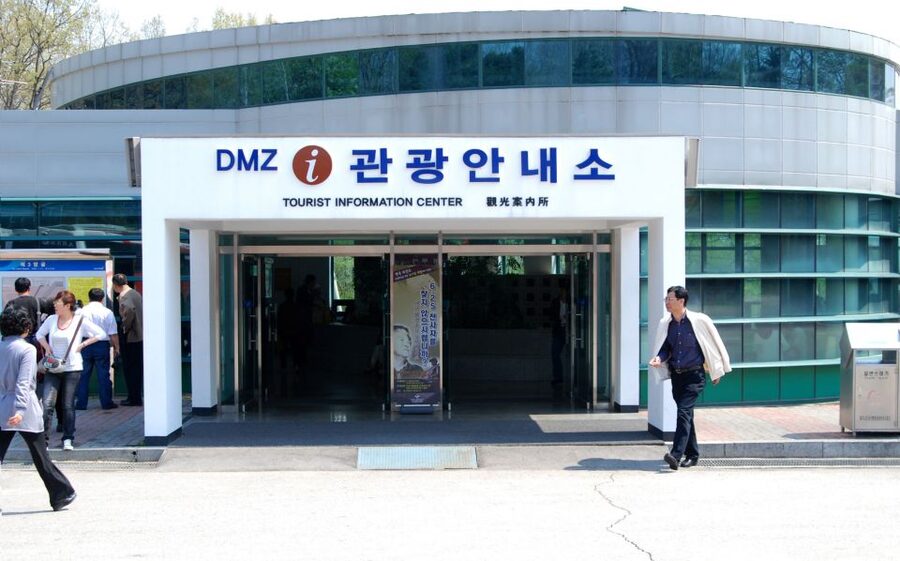
What makes this tour feel different from a typical “sightseeing day” is the level of security-oriented explanation. You’re not just given facts and left to interpret them. The tour includes a military tourist guide and professional security specialists who lead you through the North–South relationship story in a way that matches what you’ll actually see.
You’ll also visit a history-explanation venue (an exhibition center) that’s meant to give you context before the more emotionally heavy stops. This is where you get your bearings fast: how the division became fixed, what changed over time, and why today’s DMZ still shapes daily life. Without that setup, the DMZ can feel like a series of structures. With it, you start seeing cause-and-effect.
I also appreciate that the tour is designed to cover both the “past” and the “present” angles. The past shows up in war-related locations and memorial-style spaces. The present shows up through controlled viewing areas and the way the DMZ functions as a real, living border rather than a historic postcard.
Third Tunnel Experience: the tank-invasion plan made concrete
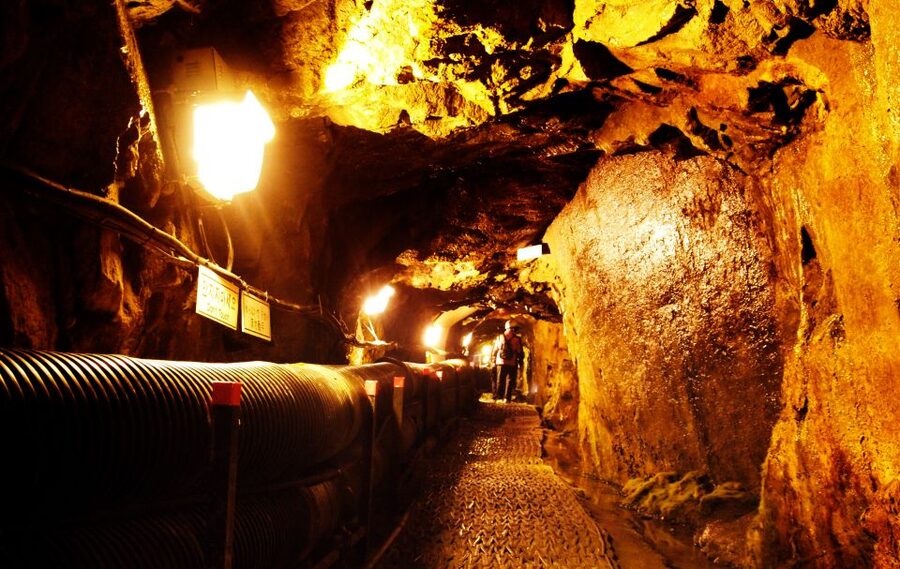
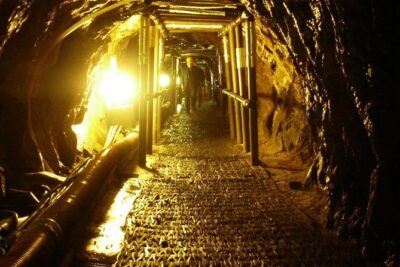
One of the standout stops is the Third Tunnel Experience. This is not a casual viewing platform. The experience was designed around the tunnel concept itself—reported as being planned for an invasion scenario where tanks would be part of the approach.
Here’s why this stop matters: it helps you visualize a kind of threat that doesn’t rely on open battle lines. When you hear the tunnel story in a DMZ context, it changes the way you understand the standoff. It becomes less abstract. You get a sense of how engineering, secrecy, and fear can operate in a tense border zone.
This stop also tends to set the emotional tone of the day. After you learn the purpose and the method, the other DMZ points—observatory views, war exhibits, and the memorial spaces—feel less like separate attractions. They start to feel like different angles on one long conflict.
Practical note: any tunnel-related experience often involves uneven surfaces, time spent waiting, and the need to keep pace with the group. So again: sneakers. Your feet will do the talking by the end of the morning.
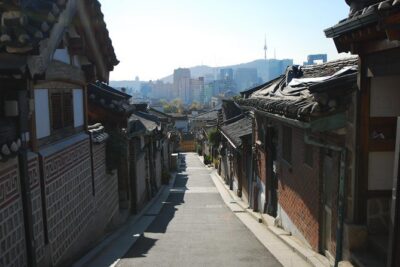
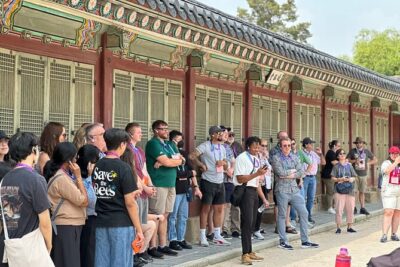
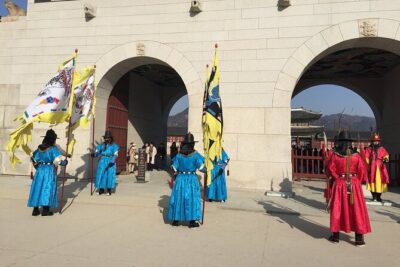
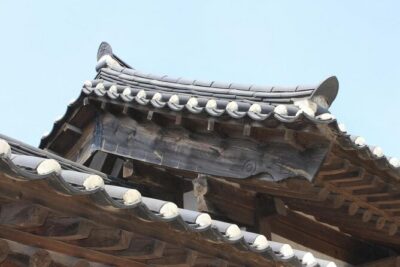
Keep walking the palaces of old Seoul
War History Pavilion and Imjingak: connecting artifacts to emotion
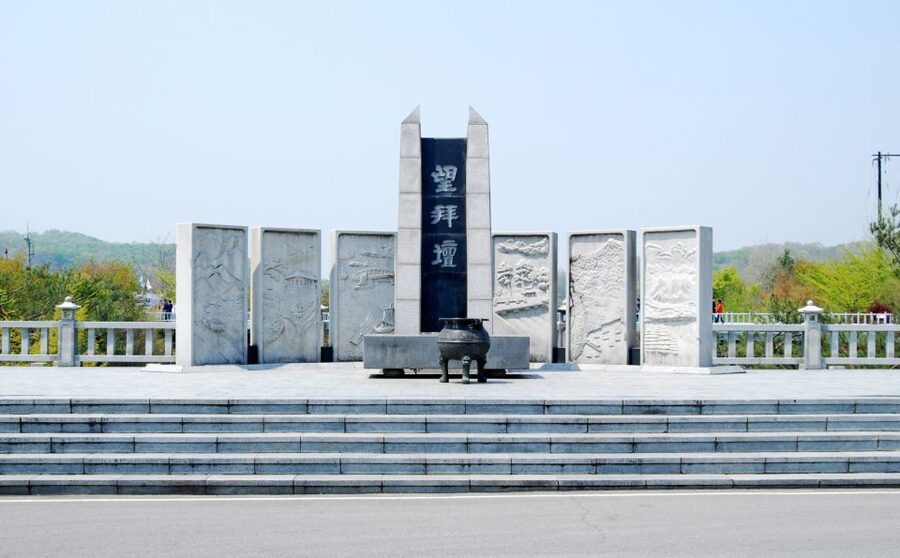
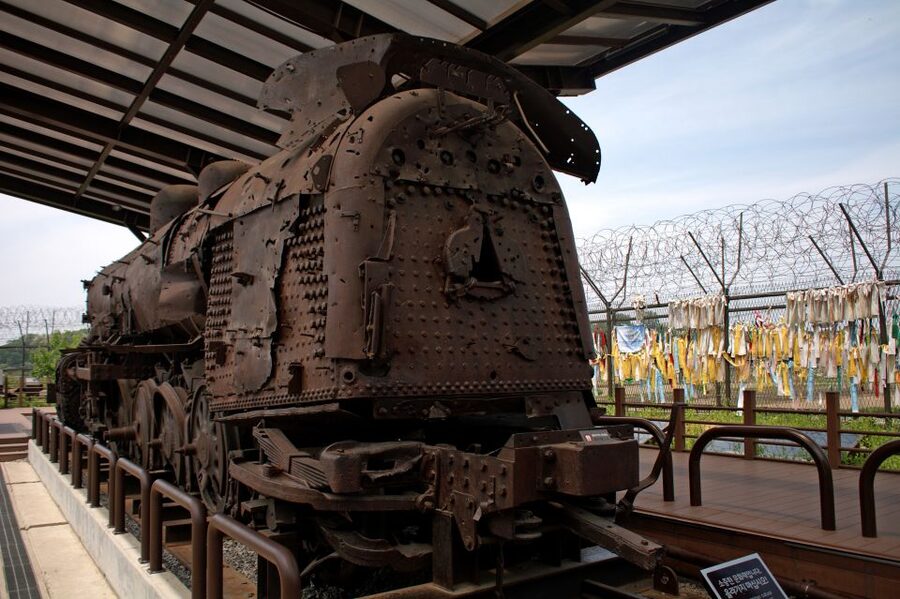
After the tunnel stop, the tour shifts into remembrance and interpretation. The War History Pavilion is where you’ll see materials and explanations meant to connect the war era to what the DMZ became afterward. This is the part of the day that helps the information stick, because it turns what you’ve learned into physical cues: displays, narratives, and structured learning points.
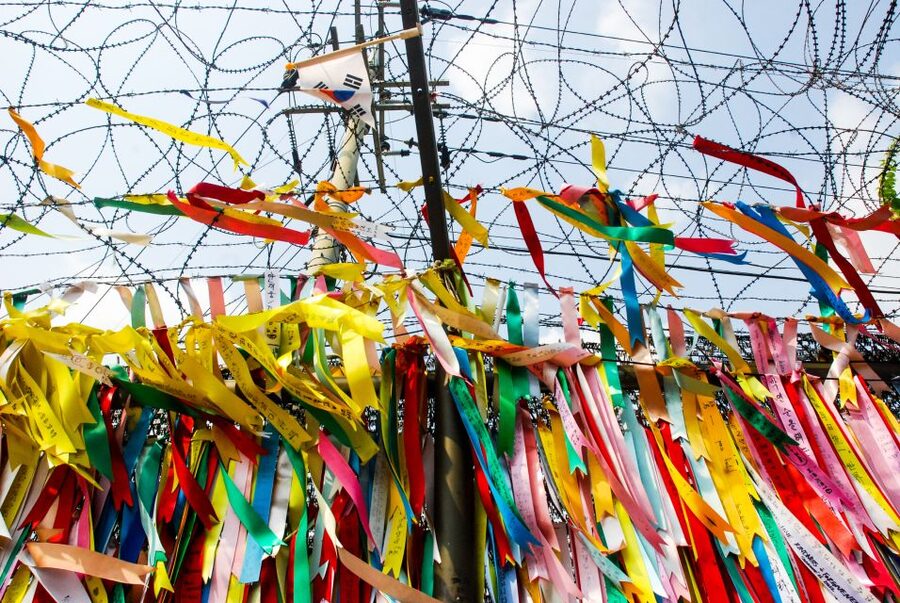
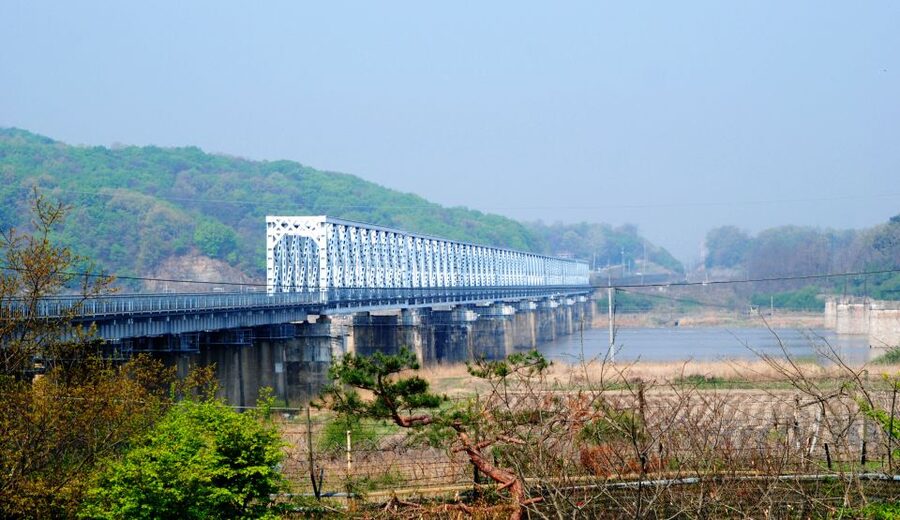
Then comes Imjingak, a location that helps you understand the human side of division. It’s one of those places where you can feel the weight of history even if you’re only absorbing facts. The advantage of being on a guided tour is that you don’t have to guess what each area signifies—you’re given the meaning in real time.
Imjingak pairs well with the War History Pavilion because it reinforces the theme: the border isn’t only a military boundary. It’s also tied to separation, memory, and the long hope for reunification that still shows up in South Korean society.
Observatory viewing: seeing across the divide from a controlled distance
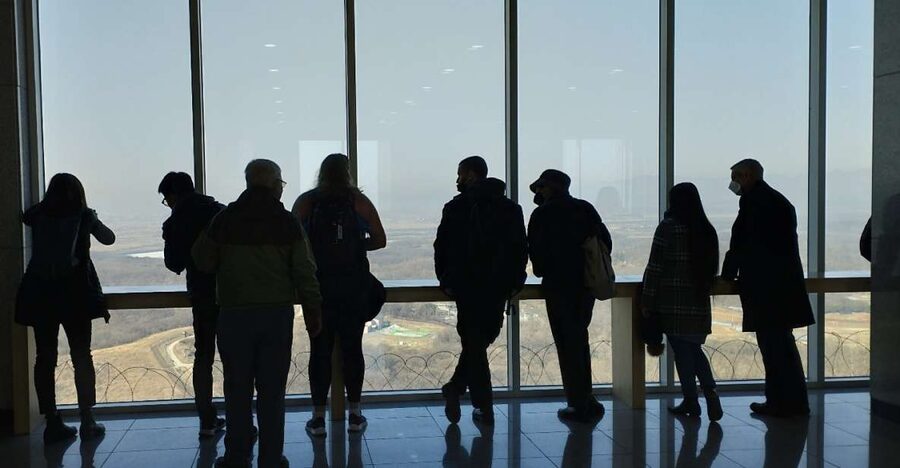
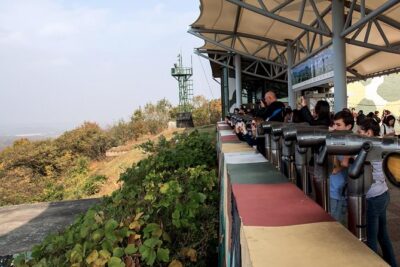
The observatory stop is where the DMZ becomes real in a very specific way. From here, you can view North Korean residents—again, under controlled, timed conditions.
This is one of the most powerful parts of the itinerary, even if you don’t expect to have dramatic visuals. The point isn’t a movie shot. The point is the awareness: you’re looking across one of the most restricted borders on Earth, and there’s a reason access is so regulated.
The tour format helps because you’re not left alone to wonder what you’re seeing. The guide can frame it with the right context—what’s visible, what isn’t, and why certain views are offered in the first place. That framing is especially important on a day like this, because emotions can run high.
Also, you’ll follow photo timing rules. You might have set photo moments rather than free roaming with a camera. I treat this as a positive. It keeps the day flowing and reduces the chances of missing key explanation moments while you’re trying to hunt for the perfect shot.
Gyeongbok Palace: a royal seat that runs like an office
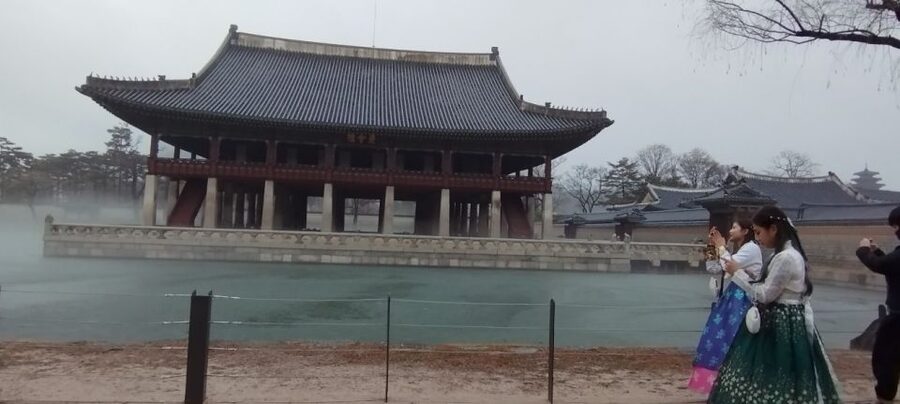
After the DMZ, you head into a totally different atmosphere with Gyeongbokgung Palace. If the DMZ is about separation and conflict, the palace is about order, governance, and how power was organized.
What I like about how this tour presents Gyeongbokgung is the angle. You’re told it functioned more like a modern day business—employees, advisers, and the everyday machinery of rule—rather than simply a royal-only complex frozen in time. That approach helps you understand the palace as a system that supported leadership, not just a grand monument.
You’ll also learn the palace was tied to the king, his family, and about 2,000 other people who lived there during the time of rule. That detail makes the palace feel less like a stage set and more like a home with responsibilities.
A key heads-up: Gyeongbok Palace is replaced by Deoksu Palace when it’s closed on Tuesdays. If you’re traveling on a Tuesday, plan your expectations around that substitution so you don’t feel thrown off when the day shifts.
Coach timing, shoe rules, and the passport reality check
Logistics can make or break a DMZ day, and this one is built around controlled movement. You’ll travel on the authorized bus and follow the time photo regulation, which means your schedule is guided. That’s helpful, especially if you’re not familiar with how Seoul-area transit works before sunrise.
The tour includes hotel pick-up and drop-off service in Seoul (pickup is optional). Even if you’re meeting at City Hall Station at 07:30 AM, consider it part of the day’s structure. Early starts mean you’ll want to eat and hydrate before you set off, not mid-morning when everything is already moving.
What to bring:
- A current valid passport (required the day of travel)
What to wear:
- No sandals or slippers. Sneakers are the right choice.
A few other considerations from the rules:
- Unaccompanied minors aren’t allowed, and children must travel with an adult.
- The tour is not wheelchair accessible and isn’t suitable for wheelchair users.
- If there’s an unannounced military training or official event in the DMZ, the DMZ portion can be replaced with Tomorrow’s Whistle-Bunker, Beat 131, Odusan Unification Tower, and the War memorial of Korea.
That last point is important. You’re touring an active security area. Think of it like weather: you plan, but you also accept there can be changes for official reasons.
Value check: what $110 gets you in a high-access day
At $110 per person, this tour isn’t priced like a casual city walk. You’re paying for access, expert guidance, and transport that can handle a regulated route. The included items help explain the value:
- Hotel pick-up and drop-off
- Professional English guide
- Transportation
- Entry to the DMZ
When a tour includes DMZ access, it’s not just about paperwork. It’s the entire structure: authorized vehicles, trained staff, and guided pacing through restricted areas. That structure is exactly what makes a one-day format realistic.
Lunch is listed as not included, which is the one line item that could affect your day budget. Still, some group experiences report receiving a traditional lunch. I’d treat that as a bonus, not a promise—so bring snacks you like, or plan a meal after the tour ends.
On the guide side, the experience seems to hinge on clarity and respect. You’ll see names like Molly, Ron Han (Han Solo), SP, and Han show up in guide feedback, and the theme is consistent: professional, friendly, and focused on answering questions in a way that respects participants.
Who this DMZ and Palace combo is best for
I’d steer you toward this tour if you want:
- One structured day that covers major DMZ landmarks plus Gyeongbok Palace
- A guide who can explain what you’re seeing without turning it into generic history
- Coach transport that keeps the pacing smooth for a long itinerary
You might skip it if:
- You hate early mornings and long walking days
- You’re not comfortable with strict rules and controlled photo windows
- You need wheelchair access (this tour isn’t wheelchair accessible)
This is also a good fit for first-time Seoul visitors who want to go beyond the city’s palaces and shopping streets. The DMZ adds a completely different dimension to Korea, and the palace helps balance it out so the day doesn’t feel only heavy and tense.
Should you book this tour?
Yes, if you’re ready for a full, guided day and you want DMZ access without guessing your way through security rules. The combination works because it pairs the emotional weight of division with the clearer historical framing you get from the exhibition venue and war-focused stops—and then it lands on Gyeongbokgung Palace in a way that’s more thoughtful than typical sightseeing.
Book with confidence if value matters to you. At $110, you’re paying for something difficult to DIY: DMZ entry plus guided security-focused interpretation, not just transportation. Just do the simple prep—passport, sneakers, and an acceptance that plans can adjust if official events happen.
If you want, tell me your travel dates (especially if it’s a Tuesday) and whether you’ll be staying near Seoul City Hall. I can help you plan what time to leave the hotel and how to handle meals around the 10-hour schedule.
FAQ
What does the tour cost and how long is it?
The tour is priced at $110 per person and lasts about 10 hours.
What’s included in the price?
It includes hotel pick-up, hotel drop-off, a professional English guide, transportation, and entry to the DMZ.
What should I bring for the DMZ?
You must bring a current valid passport, and every tourist needs it on the day of travel.
Are sandals allowed?
No. No sandals or slippers are allowed, so wear sneakers.
Is lunch included?
Lunch is not listed as included. One group report mentions a traditional lunch was served, but you should still plan for lunch separately or confirm with the operator.
What happens if Gyeongbokgung Palace is closed?
When Gyeongbokgung Palace is closed on Tuesdays, it’s replaced by Deoksu Palace.
Is the tour wheelchair accessible?
No. It is not wheelchair accessible, and it isn’t suitable for wheelchair users.
See More of Seoul in a Day
- Best Seoul City Tour (Gyeongbokgung Palace,Insadong,Namsan Tower)★ 5.0 · 1,647 reviews
- Small-Group Royal Palace and Seoul City Tour (hotel pick-up)★ 5.0 · 1,474 reviews
- Seoul City Sightseeing Tour Including Gyeongbokgung Palace, N Seoul Tower, and Namsangol Hanok Village★ 5.0 · 1,423 reviews
- Seoul Half-Day City Highlight, Palace Tour with Hanbok★ 4.9 · 764 reviews
- Seoul Highlights: Gyeongbok Palace, Insadong & N Seoul Tower★ 4.7 · 726 reviews
Still More Palaces to Walk
- Seoul: Gyeongbok Palace, Bukchon Village, and Gwangjang Tour★ 4.9 · 2,321 reviews
- Best Seoul City Tour (Gyeongbokgung Palace,Insadong,Namsan Tower)★ 5.0 · 1,647 reviews
- Small-Group Royal Palace and Seoul City Tour (hotel pick-up)★ 5.0 · 1,474 reviews
- Seoul City Sightseeing Tour Including Gyeongbokgung Palace, N Seoul Tower, and Namsangol Hanok Village★ 5.0 · 1,423 reviews
- Seoul: Gyeongbok Palace, Bukchon Village, and Gwangjang Tour★ 5.0 · 1,044 reviews
The DMZ & the Border, More Routes
- Best DMZ Tour Korea from Seoul (Red Suspension Bridge Optional)★ 5.0 · 41,422 reviews
- DMZ Tour: 3rd Tunnel, Option(Suspension Bridge, Boat) from Seoul★ 5.0 · 21,373 reviews
- DMZ tour south Korea from Seoul (NK experience hall, defector)★ 5.0 · 20,599 reviews
- Seoul: DMZ Tour with Optional Suspension Bridge★ 4.8 · 5,277 reviews
- Seoul: DMZ The 3rd Tunnel and Suspension Bridge Tour★ 5.0 · 4,656 reviews
Just added to Exploring Seoul


DMZ Day Tours, compared.
 ★ 5.0DMZ Tour: 3rd Tunnel, Option(Suspension Bridge, Boat) from SeoulFrom $3521,373 reviews
 ★ 5.0DMZ tour south Korea from Seoul (NK experience hall, defector)From $2620,599 reviews
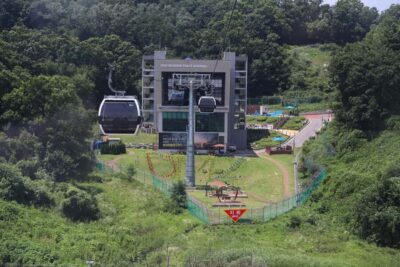 ★ 4.8DMZ Tour with Optional Suspension BridgeFrom $455,277 reviews
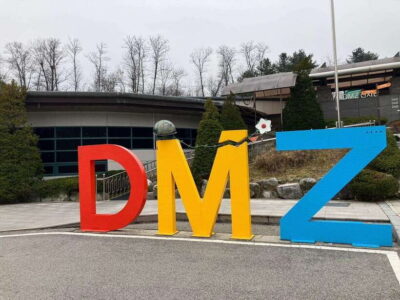 ★ 5.0DMZ The 3rd Tunnel and Suspension Bridge TourFrom $654,656 reviews
 ★ 5.0Signature DMZ Tour: Exclusive Defector Talk & Suspension BridgeFrom $274,459 reviews
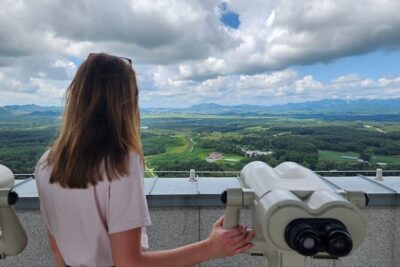 ★ 5.0Thrilling Korean DMZ 3rd Tunnel Tour from Seoul + Red Bridge RushFrom $353,097 reviews
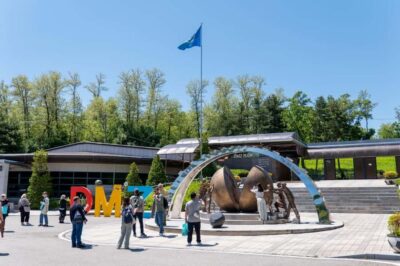 ★ 4.9DMZ Tour & Suspension Bridge (Option English/Spanish)From $352,628 reviews
 ★ 5.0DMZ Past and Present: Korean Demilitarized Zone Tour from SeoulFrom $372,481 reviews
Browse the lists this tour appears in