
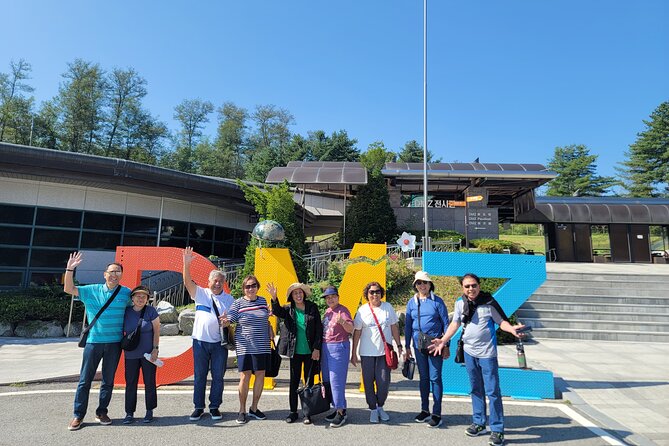
Reviewed · DMZ DAY TOURS
Insightful DMZ Tour by Expert opt. Suspension Bridge with Pickup
Life-sized history, under strict security rules.
This DMZ tour from Seoul is interesting because you’re guided into areas you can’t easily reach on your own, and you’ll get close to the real geography behind the Korean Peninsula’s split. I especially like that it’s run like a schedule-managed day (pickup, timed stops, Mobile ticket) and that the guide experience sounds consistently top-notch, including guides like Joo-ee and Vincent who were praised for clear English and on-the-spot coordination. One drawback: it’s physically demanding, mainly because the 3rd Tunnel requires steep ramps and a tight, low tunnel floor.
Two more things I like: you’re not just sightseeing—you’re seeing the DMZ through explanations that connect places like Mangbaedan and the Bridge of Freedom to real stories of separated families. And you get practical viewing help with free rental monoculars or binoculars, so you’re not squinting at a distance when the North Korea view matters.
The main consideration is planning your day around walking and weather. The optional suspension bridge stop can depend on conditions, and everyone should wear shoes that handle stairs, ramps, and uneven ground—especially if you’re not used to climbing.
In This Review
- Quick hit: what makes this DMZ tour worth your time
- Why a guided DMZ day matters more than a checklist
- Imjingak Peace Park: tickets, relics, and why this park is the gateway
- The real heart of the DMZ: 3rd Tunnel before you look through lenses
- Dora Observatory: seeing North Korea with your eyes and binoculars
- Mangbaedan and Bridge of Freedom: where the story turns human
- Gamaksan Chulleong Bridge: optional suspension bridge, real walking, big payoff
- Food market stops and Seoul drop-offs: how the day closes smoother
- Price and value: what $53 buys beyond transport
- Physical demands: tunnel height, ramps, and shoe choice
- Who this DMZ tour suits best (and who should think twice)
- Guides make the day: what the consistent praise tells you
- FAQ
- Is hotel pickup included?
- How long is the DMZ tour?
- What does the ticket price include?
- Do I need a passport?
- Which DMZ stops will I see?
- Is the suspension bridge part of the tour for everyone?
- How physically demanding is the tunnel?
- Where do I get dropped off after the tour?
- Should you book this DMZ tour with suspension bridge?
Quick hit: what makes this DMZ tour worth your time
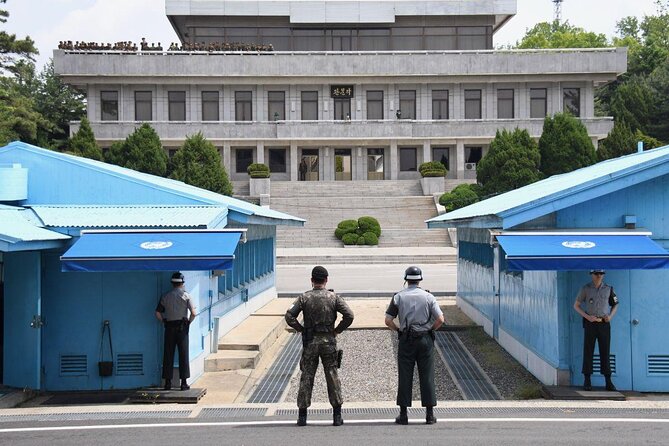
- Guided-only access to DMZ sites you’d struggle to visit independently
- 3rd Tunnel + Dora Observatory give you the full “how it works” perspective
- Binocular/monocular rentals help you actually see North Korea details
- Optional Gamaksan Suspension Bridge adds scenery for people who like viewpoints
- Small-group feel (maximum 40) compared to huge sightseeing buses
- Convenient Seoul drop-offs including Hongdae, Myeongdong, Gwangjang Market, and Dongdaemun
Other ways to reach the DMZ and the border from Seoul
- DMZ Tour: 3rd Tunnel, Option(Suspension Bridge, Boat) from Seoul★ 5.0 · 21,373 reviews
- DMZ tour south Korea from Seoul (NK experience hall, defector)★ 5.0 · 20,599 reviews
- Seoul: DMZ Tour with Optional Suspension Bridge★ 4.8 · 5,277 reviews
- Seoul: DMZ The 3rd Tunnel and Suspension Bridge Tour★ 5.0 · 4,656 reviews
Why a guided DMZ day matters more than a checklist
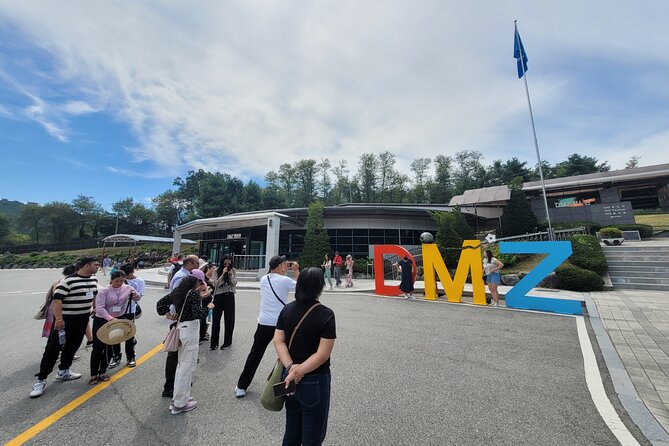
A DMZ tour is one of those trips where the “where” is almost less important than the “how.” In this case, the key point is that you’re visiting parts of the DMZ area that are only accessible with an authorized guide. That guide isn’t just there to talk—your route, timing, and what you’re allowed to do are tied to the constraints of a military operation zone.
I like that this tour is organized to reduce friction. Hotel pickup is optional, there’s an air-conditioned vehicle, and the day is structured with clear stop times so you spend less energy figuring out logistics and more time focusing on what you’re seeing. The tour also caps the group size at 40, which usually translates into easier viewing moments and less crowd pressure at key points.
You should also know the tone: this is not a casual photo walk. Even though it includes scenic stops, it’s a serious history-and-present-day briefing built around the reality of division. If you expect a theme-park pace, you’ll feel rushed. If you want context, it’s built for that.
Imjingak Peace Park: tickets, relics, and why this park is the gateway
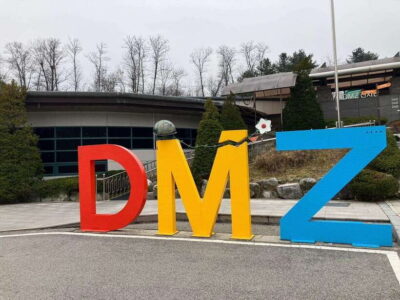
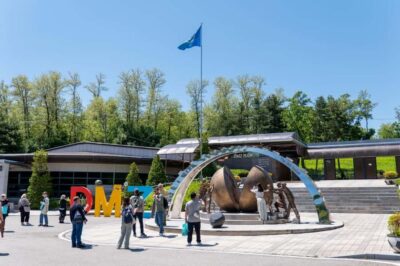
The morning typically starts at Imjingak Tourist Information Center, and this is more than a meeting point. It’s the place where you stop for your DMZ tour tickets, and it sets the mood for the day—half museum, half memorial ground.
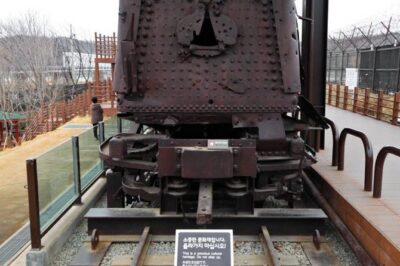
From this first area, you can see war-linked relics and symbolic structures. The info center area includes references like a derailed locomotive from the Korean War era and the Bridge of No Return, tied to prisoner exchange history. There’s also a mention of the option to go to the top of a building for views, which can be handy if the weather is mild and you want a sense of placement before you go into more controlled areas.
A practical note: this is where your patience pays off. The day moves through checkpoints and scheduled entry times, so even though the stop is listed as about 30 minutes, it’s not a “wander as long as you want” moment.
The real heart of the DMZ: 3rd Tunnel before you look through lenses
Once you move toward the DMZ, the tour focuses on a tight cluster of high-impact stops: the 3rd Tunnel, Dora Observatory, and the nearby sites that connect the present to past military strategy.
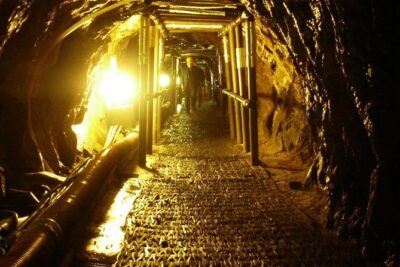
The 3rd Tunnel is one of those experiences that separates a DMZ tour from a basic sightseeing outing. You can get inside the tunnel, which turns history into something physical. Reviews and tour notes point out that it can be physically challenging: going down ramps and then working your way back up takes effort, and the tunnel is low enough that you may need to squat or walk bent over. The tunnel height is noted around 5 feet, so plan for a constrained posture and bring steady footwork.
If you’re the type who likes details, this stop can land hard—in a good way. Seeing the tunnel isn’t just seeing a hole in the ground. It’s understanding how planning, engineering, and wartime fear shaped actions on both sides of the border.
Dora Observatory: seeing North Korea with your eyes and binoculars
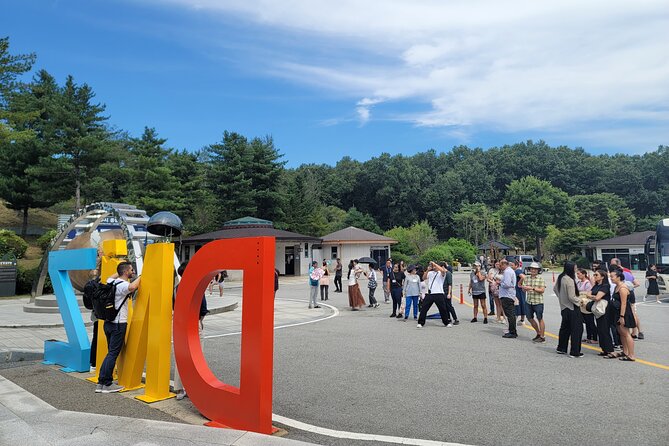
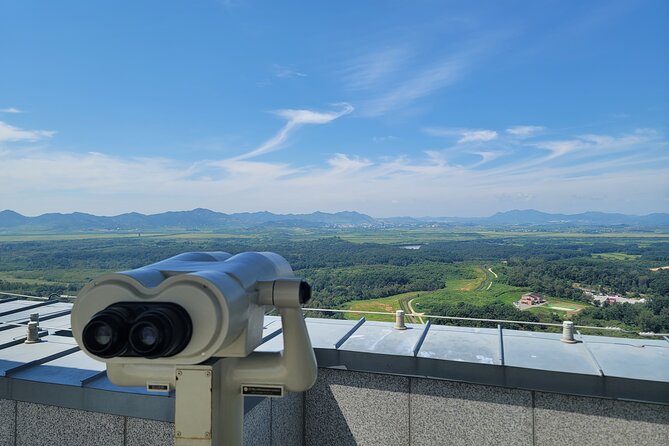
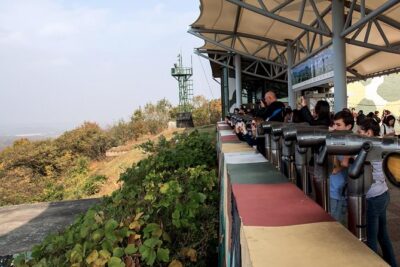
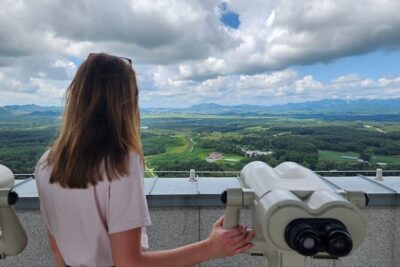
After the tunnel, you go to Dora Observatory, and this stop is designed for clear viewing. The tour notes say you can see North Korea with your naked eyes, and there are binoculars available so you can look at soldiers and people from across the DMZ.
There’s a specific place-marker in the description: Gaeseong (called out as the 3rd biggest city in North Korea in the tour info). When you hear a location like that repeated through your guide’s explanations, it helps you connect the view to geography rather than treating everything as a vague horizon.
The time here is short—about 30 minutes—so this is where your guide’s pacing matters. You don’t want to spend half your time figuring out your view angle or waiting for everyone to gather. Based on the guide feedback, people liked how guides handled meeting times and helped with viewing spots. If you’re sensitive to crowds, arrive at the viewing area promptly so you can settle in.
Mangbaedan and Bridge of Freedom: where the story turns human
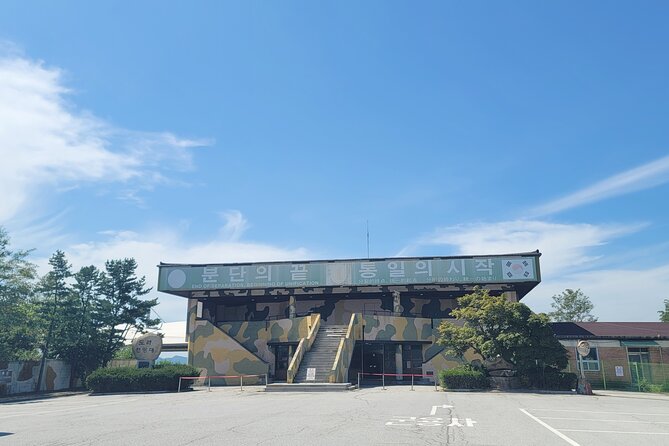
The DMZ can feel like a map lesson until you hit the stops that focus on people, not just politics.
At Mangbaedan, the tour explains that it’s where separated families come to visit, missing North Korea and their hometowns. Even if you’ve read about this before, the physical location makes it more real. You’re being guided through the why behind the peace-park infrastructure—why places like Imjingak exist at all.
Then there’s the Bridge of Freedom at Imjingak Peace Park, described as the stop before you go inside the DMZ. A short stop here (around 5 minutes) can still be meaningful because it frames the day: it reminds you that these are not only military sites but also symbolic meeting-and-distance points shaped by postwar policy.
Gamaksan Chulleong Bridge: optional suspension bridge, real walking, big payoff
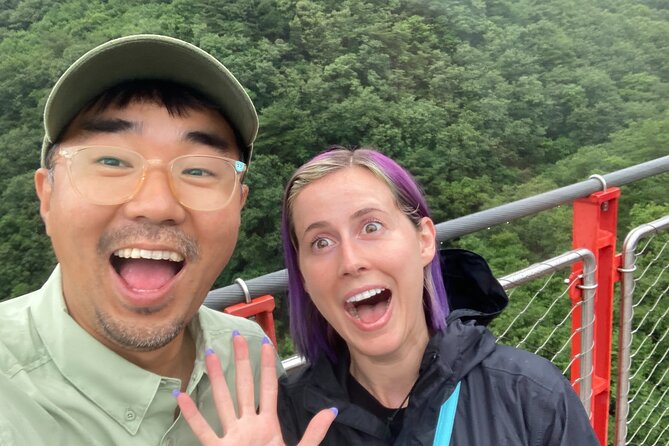
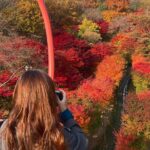
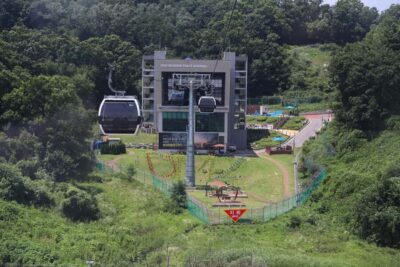
This tour includes an optional stop at Gamaksan Chulleong Bridge, a suspension bridge in Mt. Gamaksan. It’s noted as a spot with Korean forest scenery and ties to fierce fighting during the Korean War. The time listed is about 50 minutes.
Here’s the honest trade-off: if you’re going to do the bridge, you should be ready to add more walking and climbing in exchange for a viewpoint-style experience. Reviews mention being a “Billy goat” to climb the bridge area, and the suspension bridge visit was repeatedly praised as worth it for views.
Also, don’t assume you’ll always get it. This experience requires good weather, and rain can change what’s possible. If the bridge is important to your plan, keep expectations flexible and bring a mindset of, if it happens great, if not, your DMZ core stops still deliver.
Food market stops and Seoul drop-offs: how the day closes smoother
One smart detail: the tour doesn’t only throw you back into Seoul with zero plan. There are multiple drop-off options listed, including Hongdae, Myeongdong, Gwangjang Market, and Dongdaemun. Depending on your exact drop-off, the itinerary includes short stops that help you eat and stretch.
There’s a mention of a local street-food market with over 120 street food choices. That’s the kind of stop that works well right after a long, early day because it gives you a low-stress way to refuel without spending time hunting for dinner.
The tour also references Tongilchon-gil, described as a real village in the Civilian Control Zone where locals live. It’s framed as a rest stop with opportunities for souvenirs before returning by government-run coach to Imjingak. Then there are additional Seoul neighborhood drop-off notes: areas near Hongik Univ. Station and DDP/Dongdaemun Gate, plus the idea that you can keep eating nearby at Dongdaemun Market.
This matters because DMZ trips often end abruptly. Here, you’re more likely to have a built-in transition from “serious border day” to “normal Seoul evening.”
Price and value: what $53 buys beyond transport
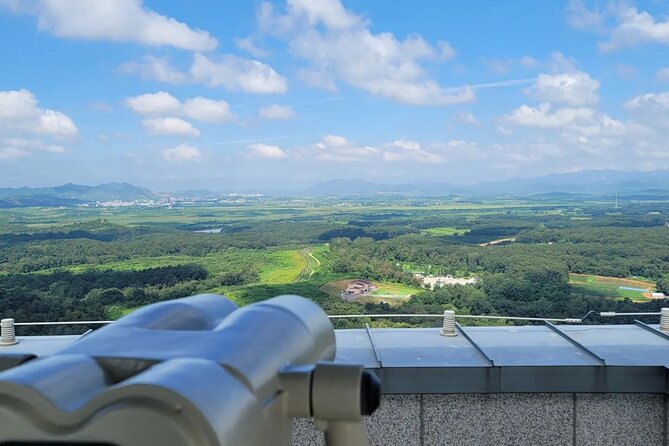
At $53 per person, the value here comes from the bundle. You’re paying for an experienced guide, DMZ entrance included, air-conditioned transport, and multiple planned stops that you can’t easily duplicate alone. The free rental of monocular or binoculars is also part of what you’re getting—you’re not forced to buy or borrow equipment to make the viewing points worthwhile.
Duration is listed as 6 to 10 hours, which sounds wide, but that range is normal for DMZ days where timing is tied to entry rules, walking flow, and group coordination. When you’re comparing tours, the important metric isn’t just the price tag. It’s that this is structured like a full day with guided context, not just a bus ride with random stops.
If you hate wasting daylight, you’ll appreciate the clear schedule. If you prefer a slow, unguided experience, this might feel too structured. But for a first DMZ day in Korea, the structure is a big part of the value.
Physical demands: tunnel height, ramps, and shoe choice
Let’s be blunt: the 3rd Tunnel is the physical star of the show. The tour info highlights that going down to the tunnel can be challenging for seniors, and reviews emphasize how much the tunnel requires—inclines, stairs/ramp work, and a low ceiling.
If you want the simplest preparation checklist:
- Wear comfortable shoes with grip for ramps and uneven ground.
- Plan for a posture that involves squatting or walking bent over in the low tunnel section.
- Pace yourself. The tunnel stop isn’t long, but the effort is real.
This is also why the guide’s rhythm matters. Reviews praise guides who kept the group coordinated, gave clear meeting times, and helped with viewing setups. Good pacing reduces stress, and stress is what turns “manageable effort” into “painful day.”
Who this DMZ tour suits best (and who should think twice)
This tour is a strong match if you:
- Want context and explanations, not just landmarks
- Like structured days when time and permissions are tight
- Are okay with serious walking and a tight, low tunnel experience
- Appreciate having equipment like binoculars available
It’s also likely a great fit for first-timers who want to see multiple DMZ-related sites in one go—Imjingak, the tunnel, and Dora Observatory—without needing a plan for transport or timing.
Think twice if you:
- Have mobility limitations that make ramp-heavy climbing difficult
- Want a minimal-walking day
- Are traveling with someone who struggles with enclosed, low-ceiling spaces
Guides make the day: what the consistent praise tells you
One thing that pops from the guide-focused feedback is how often people highlight English clarity, organization, and managing the group pace. Names that came up include Joo-ee and Vincent, plus other guides like Jung, Jake, Jones, and Jeannie. Different people, same theme: guides that keep the day moving and translate political and historical content into something you can track stop by stop.
Another practical detail: some guides were praised for bringing binoculars up where needed for best viewing. That matters because it’s not just having the equipment—it’s knowing where the best angle is and making sure you have a moment to use it.
FAQ
Is hotel pickup included?
Hotel pickup is optional. The tour lists hotel pickup as included, and you’ll need to check the timing details in your tour messages for pickup information.
How long is the DMZ tour?
The duration is listed as about 6 to 10 hours.
What does the ticket price include?
The price includes an experienced tour guide, DMZ entrance fee, an air-conditioned vehicle, free rental of monocular or binoculars, and drop-offs in Seoul (Hongdae, Myeongdong, Gwangjang Market, Dongdaemun).
Do I need a passport?
Yes. A current valid passport is required on the day of travel.
Which DMZ stops will I see?
The tour description and itinerary include Imjingak Peace Park, the DMZ area, the Third Tunnel, and Dora Observatory, along with stops like Mangbaedan and Bridge of Freedom.
Is the suspension bridge part of the tour for everyone?
The Gamaksan Suspension Bridge stop is optional. The tour also notes the experience requires good weather.
How physically demanding is the tunnel?
It can be challenging. The tunnel exploration involves going down and up ramps, and the tunnel is low enough that you may need to squat or walk bent over (around a 5-foot height noted).
Where do I get dropped off after the tour?
Drop-off options include Hongdae, Myeongdong, Gwangjang market, and Dongdaemun. The day also mentions short stops related to Seoul neighborhoods depending on your drop-off.
Should you book this DMZ tour with suspension bridge?
If you’re coming to Seoul and you want a first DMZ day that’s structured, guided, and heavy on the “see it, understand it” approach, I’d book it. The combination of Imjingak + Third Tunnel + Dora Observatory is the core value, and the included binocular rentals plus highly organized guiding style make it easier to get the most from short viewing windows.
Book this especially if you like clear explanations in good English and you don’t mind a physically demanding tunnel stop. Just be realistic about walking, plan on sturdy shoes, and keep an open mind about the optional suspension bridge if weather gets in the way.
More Tours in Seoul
- Best DMZ Tour Korea from Seoul (Red Suspension Bridge Optional)★ 5.0 · 41,422 reviews
- DMZ Tour: 3rd Tunnel, Option(Suspension Bridge, Boat) from Seoul★ 5.0 · 21,373 reviews
- DMZ tour south Korea from Seoul (NK experience hall, defector)★ 5.0 · 20,599 reviews
- Seoul: DMZ Tour with Optional Suspension Bridge★ 4.8 · 5,277 reviews
- Seoul: DMZ The 3rd Tunnel and Suspension Bridge Tour★ 5.0 · 4,656 reviews
More Tour Reviews in Seoul
- Best DMZ Tour Korea from Seoul (Red Suspension Bridge Optional)★ 5.0 · 41,422 reviews
- DMZ Tour: 3rd Tunnel, Option(Suspension Bridge, Boat) from Seoul★ 5.0 · 21,373 reviews
- DMZ tour south Korea from Seoul (NK experience hall, defector)★ 5.0 · 20,599 reviews
- Seoul: DMZ Tour with Optional Suspension Bridge★ 4.8 · 5,277 reviews
- Seoul: DMZ The 3rd Tunnel and Suspension Bridge Tour★ 5.0 · 4,656 reviews
The DMZ & the Border, More Routes
- Best DMZ Tour Korea from Seoul (Red Suspension Bridge Optional)★ 5.0 · 41,422 reviews
- DMZ Tour: 3rd Tunnel, Option(Suspension Bridge, Boat) from Seoul★ 5.0 · 21,373 reviews
- DMZ tour south Korea from Seoul (NK experience hall, defector)★ 5.0 · 20,599 reviews
- Seoul: DMZ Tour with Optional Suspension Bridge★ 4.8 · 5,277 reviews
- Seoul: DMZ The 3rd Tunnel and Suspension Bridge Tour★ 5.0 · 4,656 reviews
Just added to Exploring Seoul

DMZ Day Tours, compared.
 ★ 5.0DMZ Tour: 3rd Tunnel, Option(Suspension Bridge, Boat) from SeoulFrom $3521,373 reviews
 ★ 5.0DMZ tour south Korea from Seoul (NK experience hall, defector)From $2620,599 reviews
 ★ 4.8DMZ Tour with Optional Suspension BridgeFrom $455,277 reviews
 ★ 5.0DMZ The 3rd Tunnel and Suspension Bridge TourFrom $654,656 reviews
 ★ 5.0Signature DMZ Tour: Exclusive Defector Talk & Suspension BridgeFrom $274,459 reviews
 ★ 5.0Thrilling Korean DMZ 3rd Tunnel Tour from Seoul + Red Bridge RushFrom $353,097 reviews
 ★ 4.9DMZ Tour & Suspension Bridge (Option English/Spanish)From $352,628 reviews
 ★ 5.0DMZ Past and Present: Korean Demilitarized Zone Tour from SeoulFrom $372,481 reviews
Browse the lists this tour appears in