
Reviewed · HIKING & TREKKING
Hiking Adventure Bukhansan Highest Peak & Old Buddhist temples visit (Lunch inc)
Seoul turns into a mountain escape fast. I like that this hike is guided and stress-free all the way to Baekundae, and I also love the culture stops like the 9th-century Doseonsa Temple. The one catch is you do need moderate fitness and proper shoes, because it’s a real uphill hike for about 6 hours.
This is the kind of day plan that helps you move like a local. You start at 9:00am near public transit, join a small group (up to 15 people), and spend the morning escaping crowds that never really leave the city.
You’ll get a seaweed roll for lunch before you hike, but you still need to manage water yourself. Good weather matters too, since the tour requires solid conditions on the mountain.
In This Review
- Key Things You’ll Notice on This Bukhansan Hike
- Why Bukhansan Feels Like a Real Seoul Break
- Hitting Baekundae: Views Over Seoul Without the Headache
- Doseonsa Temple (From 862) and the Legend You Can Still See
- Walking Bukhansanseong Fortress: Joseon Defense on Foot
- Lunch Timing: Seaweed Roll Before the Climb
- How Hard Is It, Really? A Practical Fitness Check
- Small Group Size and Guide Style (Including Lee)
- Price and Value: What You’re Paying for at $97.27
- Meeting Point and How to Start Smoothly
- When Weather Changes the Day
- Should You Book This Bukhansan Adventure?
- FAQ
- How long is the hiking tour?
- Where does the hike go on Bukhansan?
- What sites do you visit during the tour?
- Is lunch included, and what is it?
- What time does the tour start?
- How large is the group?
- Is the hike suitable for beginners?
- What should I bring?
- Is there a mobile ticket?
- What happens if the weather is bad?
Key Things You’ll Notice on This Bukhansan Hike
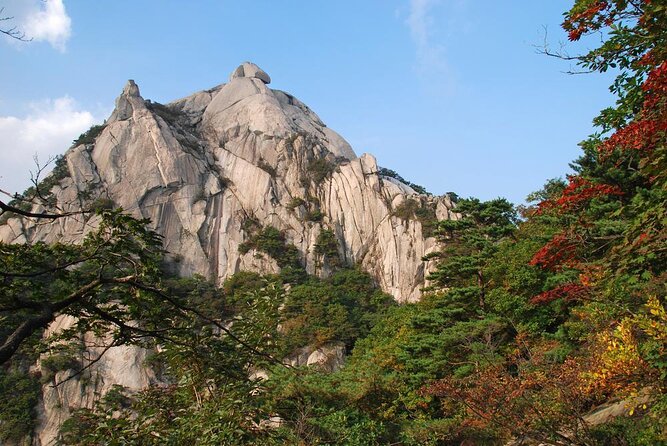
- A guided push to Baekundae: the summit is the goal, not just a casual walk.
- Doseonsa Temple (est. 862): you visit an old Silla-era temple tied to a rock-carving legend.
- Bukhansanseong Fortress walk: a Joseon-era defensive route built in 1711.
- Short-route summit strategy: it’s described as the shortest route to the top for this experience.
- Lunch is simple and practical: seaweed roll is included, and you bring your own water.
A handful of other Seoul experiences to line up next
- Seoul City Private Full-Day Tour Including Lunch★ 5.0 · 469 reviews
- Premium Private DMZ Tour & (Suspension Bridge or N-Tower) include lunch★ 5.0 · 348 reviews
- Private DMZ Tour with North Korean Defector + N Korean Lunch★ 5.0 · 122 reviews
- From Seoul: Cheorwon DMZ and 2nd Tunnel Tour with Lunch★ 4.9 · 116 reviews
Why Bukhansan Feels Like a Real Seoul Break
Bukhansan is the only national park inside Seoul’s city limits, and that alone changes your mindset. You’re still in the Seoul area, but the vibe shifts quickly: fewer streets, more rock, trees, and mountain air.
I also like that the tour is built around what Koreans do daily. More than 10,000 locals hike in Bukhansan every day, and in 2020 there were over 6 million total visits. That local rhythm matters. Instead of treating the mountain like a theme park, you’re joining a regular weekend-and-weekday escape.
The pace and structure are meant to keep the day simple. You meet up outside the park area, get local guidance, and focus on the hike rather than figuring everything out alone.
Hitting Baekundae: Views Over Seoul Without the Headache
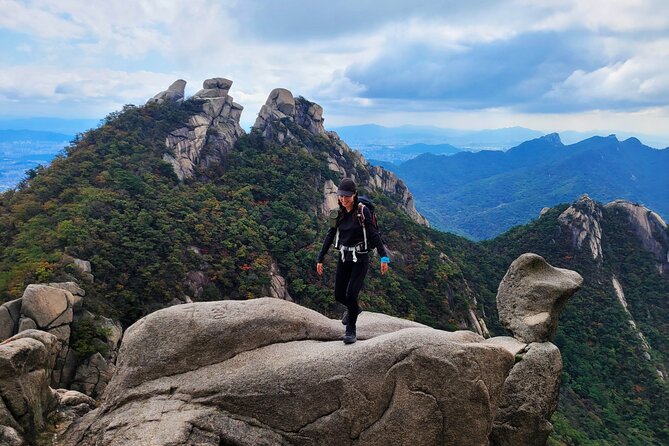
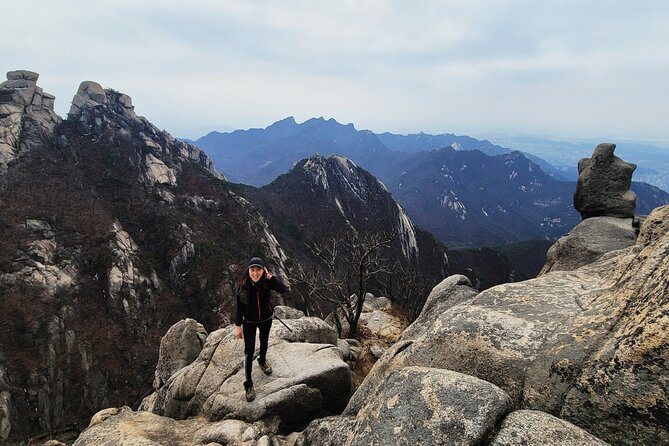
The hike heads to the peak of Bukhansan National Park, specifically Baekundae. The day’s pitch is clear: stunning views of the city and surrounding nature, with a route designed as the shortest path to the summit.
What you should expect practically is a morning hike that feels like climbing, not sightseeing-by-car. The route is said to be the shortest route to the summit, so you get fewer hours wandering around and more time with the payoff view from up high.
If you want a stress-free summit, this format helps. A local guide gives you commentary during the climb and keeps you oriented. It’s also easier to ask questions while you’re moving rather than trying to puzzle things out after you arrive.
One thing to keep in mind: the mountain is in a huge city area, but it’s still a mountain. Wear comfortable shoes and plan for an uphill workout for part of the day.
Doseonsa Temple (From 862) and the Legend You Can Still See
You start with Doseonsa Temple, established in 862 during the Silla Kingdom by the monk Doseonguksa. This stop isn’t just a name on a checklist. It’s tied to a story you can picture as you look at the surrounding rocks.
The legend goes like this: Doseonguksa broke huge rocks with his bare hands and carved Buddha images. The interesting part is that there’s said to be no evidence of chisel marks, which makes the carving feel more myth-and-faith than just stonework.
Even if you’re not a hardcore history person, this kind of temple visit changes the hike. It reminds you that people have been climbing and praying here for a very long time. You’ll also get context about Korean Buddhism and why these mountain temples exist in places like this.
This stop works well early, too. You get the culture and spiritual tone before your legs are fully warmed up for the summit push.
A handful of other Seoul experiences to line up next
Walking Bukhansanseong Fortress: Joseon Defense on Foot
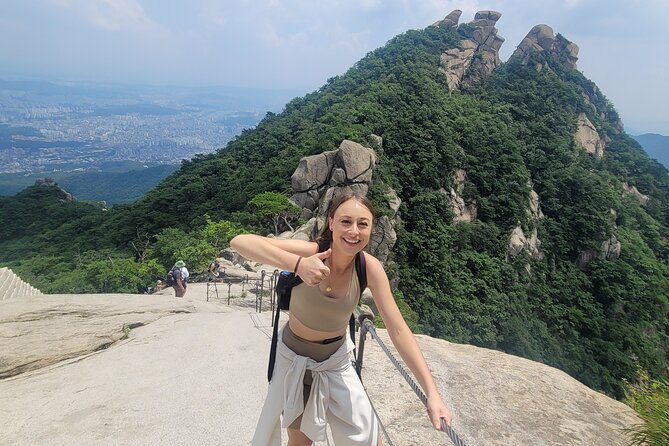
After Doseonsa, the hike continues with time along Bukhansanseong Fortress. This fortress was built in 1711, during the Joseon dynasty, to protect against foreign enemies.
That matters because it frames what you’re walking on. You’re not just passing through scenic ruins. You’re walking a human-made defensive system adapted to a mountain edge.
Fortress walls and paths tend to make you notice different things as you move: angles, sightlines, and how people used terrain as protection. On a day like this, it’s a nice balance. You get both nature and history in the same route without switching activities completely.
It’s also a good reminder that Bukhansan has been a strategic space, not only a scenic one. The mountain shaped people’s lives long before it became a Seoul weekend plan.
Lunch Timing: Seaweed Roll Before the Climb
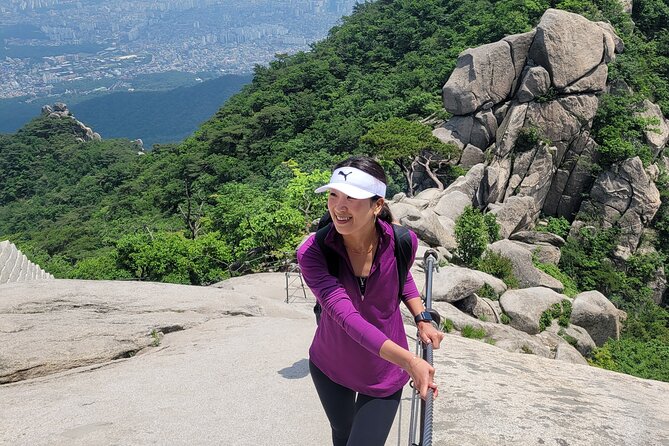
Lunch is included, and the type of lunch is important for hikers. You’ll get a seaweed roll before you hike. It’s a simple, portable food that won’t weigh you down.
At the same time, you should manage expectations. The tour notes that you need to bring your own water. The seaweed roll is included, but hydration isn’t automatic, so don’t assume you’ll be able to refill easily at every moment.
One more helpful detail: you’re told you can bring enough food for the full 6-hour hike, and you can also buy snacks near the trail like gimbab (seaweed roll). That flexibility is great if your energy runs low or you like small refuels instead of one big meal.
If you’re a first-timer on Korean hikes, this is a good approach. You eat, then you climb, then you snack again if you need it.
How Hard Is It, Really? A Practical Fitness Check
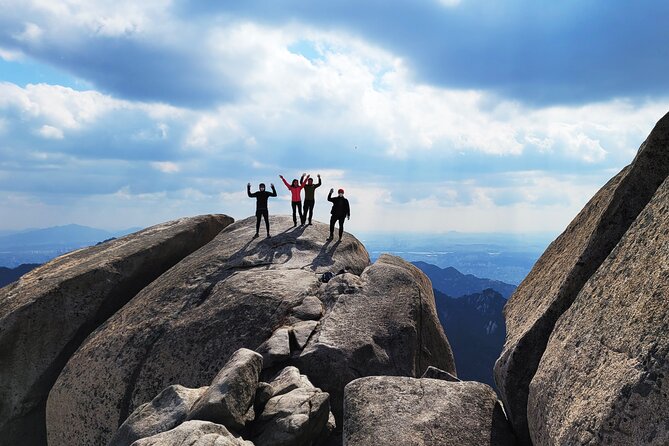
This tour is marked as requiring moderate physical fitness. That sounds vague, but the structure gives you clues.
You’re hiking to a peak and visiting multiple sites along the way, with the total time around 6 hours. Even on the shorter summit route, you should plan for steady uphill sections.
So here’s your practical checklist:
- Comfortable shoes with decent grip (non-negotiable)
- Enough water for your personal pace
- Energy food if you think you’ll need more than one meal
- A bit of patience: even a guided hike is still a hike
The group size is also a factor. Maximum 15 travelers makes it easier for the guide to manage the pace and for everyone to stay together on slower sections.
If you want an easy stroll, this isn’t that. If you want a fun, organized workout with payoff views and cultural stops, it fits well.
Small Group Size and Guide Style (Including Lee)
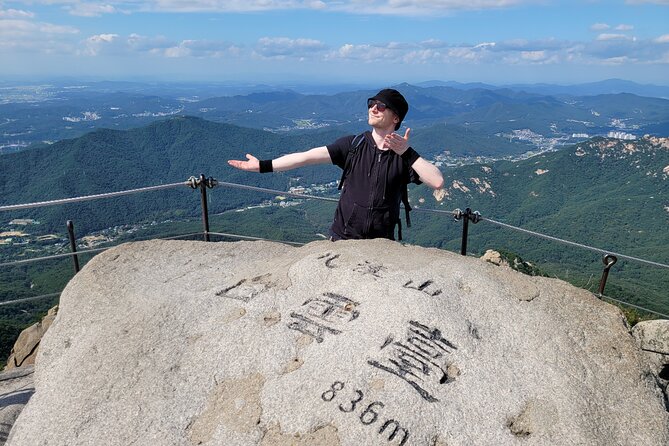
The tour runs with a maximum of 15 people, which keeps the experience from feeling crowded. For a mountain day, that’s a big deal. You can hear your guide, ask questions, and take breaks without losing the group.
The guide style is a standout. In feedback about the experience, the guide is described as experienced, caring about mountain nature, and well-prepared with stories and answers. The guide name shown in that feedback is Lee, and the theme is consistent: you feel safe, and the info keeps coming during the walk.
That matters because a guide who can answer questions makes the hike feel personal. You’re not just following signs. You’re learning what you’re seeing—wildlife and mountain history—while your body is doing the climbing.
It’s also helpful that the guide can point you toward other Seoul ideas. If you want the hike to connect to the rest of your trip, this kind of guide can make that happen.
Price and Value: What You’re Paying for at $97.27
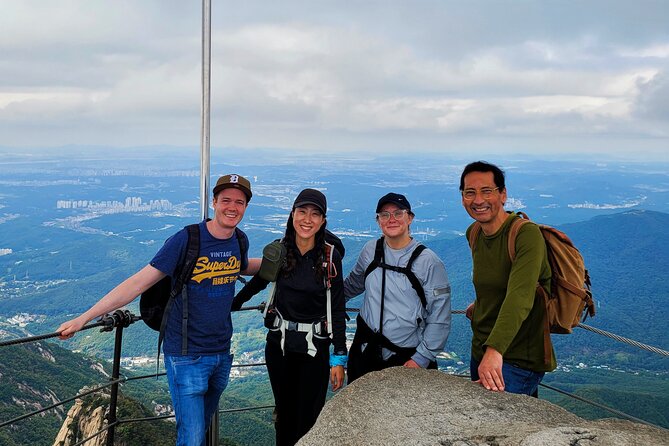
At $97.27 per person for a roughly 6-hour outing, you’re not paying for a hotel or a big transport tour. You’re paying for:
- A certified guide
- A small group experience
- Entrance-style cultural stops along the route
- Lunch (seaweed roll)
- A planned summit route to Baekundae
Is it cheap? Not really. But it’s also not inflated for what you get. A guided hike to a summit with temple and fortress stops is exactly the kind of day that becomes worth it once you factor in guide time, safety, and time-saving direction.
Also, the route is described as the shortest route to the summit. That matters for value. You’re investing time in the parts that lead to the big viewpoint payoff, not only scenic wandering.
If you love nature and you want cultural context, the price feels fair. If you hate hiking or don’t like uphill movement, you may feel you paid for something you didn’t really want.
Meeting Point and How to Start Smoothly
The tour starts at 9:00am near public transportation, and it begins at Bukhansan in Seoul. In practical terms, you’ll want to arrive early enough to settle in and handle any last-minute snack or gear needs.
One review detail that’s useful here: meeting at Bukhansan UI station is mentioned, with shops nearby. That’s handy if you forget something small like snacks or basic gear. It also means you can top up water or food before you begin.
The tour ends back at the meeting point. So you don’t need to solve end-of-day transit while tired. That’s a small detail, but it changes how pleasant the day feels.
When Weather Changes the Day
This hike requires good weather. If conditions are poor, the experience can be canceled, and you’re offered a different date or a full refund.
That’s important because mountains can be unpredictable. Even if your day seems perfect when you book, check the weather close to departure. If rain or fog rolls in, expect the tour rules to take over.
If you’re flexible with dates, that helps you snag a clear hiking morning.
Should You Book This Bukhansan Adventure?
Book it if you want a Seoul escape that still feels organized. This tour combines a summit hike to Baekundae with culturally meaningful stops like Doseonsa Temple and the Bukhansanseong Fortress walk. You get a local guide who focuses on both mountain context and practical safety, plus a workable lunch.
Skip it or choose a gentler option if:
- You don’t handle uphill walking well
- You hate bringing your own water and snacks
- Your schedule can’t handle a possible weather change
For most people visiting Seoul who like outdoors and short bursts of history, this is a smart way to spend a morning. It’s not only the view. It’s the route that makes it feel like you joined a real Korean-style day outside the city grind.
FAQ
How long is the hiking tour?
The tour lasts about 6 hours.
Where does the hike go on Bukhansan?
You hike to the peak of Bukhansan National Park, Baekundae.
What sites do you visit during the tour?
You visit Doseonsa Temple and you also walk along Bukhansanseong Fortress.
Is lunch included, and what is it?
Lunch is included as a seaweed roll provided before the hiking. You still need to bring your own water.
What time does the tour start?
The start time is 9:00am.
How large is the group?
The group size maximum is 15 travelers.
Is the hike suitable for beginners?
It’s for travelers with moderate physical fitness level.
What should I bring?
Bring comfortable shoes and enough food for the hike. The tour also says you should bring your own water. You can buy snacks like gimbab near the trail.
Is there a mobile ticket?
Yes, the tour offers a mobile ticket.
What happens if the weather is bad?
The tour requires good weather. If it’s canceled due to poor weather, you’ll be offered a different date or a full refund.
More Hiking & Trekking in Seoul
- Seoul: Guided City Wall Sunset Hike with Korean Dinner★ 4.9 · 227 reviews
- Private Hiking tour to Bukhansan Peak(Baegundae: 836.5m) with Mountain Expert★ 5.0 · 113 reviews
- Fortress Night Hike & Snack at a Local Market★ 5.0 · 112 reviews
- Hiking in Seoul : Bukhansan National Park★ 5.0 · 83 reviews
- Seoul Mountain Hike: Temples, Folklore & Traditional Meal★ 5.0 · 42 reviews
More Lunch Experiences in Seoul
- Seoul City Private Full-Day Tour Including Lunch★ 5.0 · 469 reviews
- Premium Private DMZ Tour & (Suspension Bridge or N-Tower) include lunch★ 5.0 · 348 reviews
- Private DMZ Tour with North Korean Defector + N Korean Lunch★ 5.0 · 122 reviews
- From Seoul: Cheorwon DMZ and 2nd Tunnel Tour with Lunch★ 4.9 · 116 reviews
- Full Day- Essential Seoul City Tour & Gourmet Tour(including Lunch and Dinner)★ 5.0 · 73 reviews
More Tour Reviews in Seoul
- Best DMZ Tour Korea from Seoul (Red Suspension Bridge Optional)★ 5.0 · 41,422 reviews
- DMZ Tour: 3rd Tunnel, Option(Suspension Bridge, Boat) from Seoul★ 5.0 · 21,373 reviews
- DMZ tour south Korea from Seoul (NK experience hall, defector)★ 5.0 · 20,599 reviews
- Seoul: DMZ Tour with Optional Suspension Bridge★ 4.8 · 5,277 reviews
- Seoul: DMZ The 3rd Tunnel and Suspension Bridge Tour★ 5.0 · 4,656 reviews
Just added to Exploring Seoul

Hiking & Trekking, compared.
 ★ 4.9Guided City Wall Sunset Hike with Korean DinnerFrom $65227 reviews
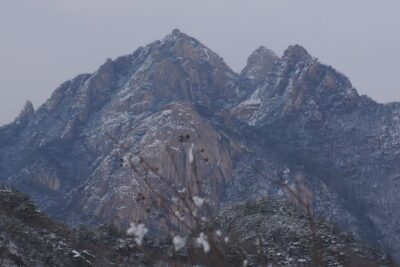 ★ 5.0Private Hiking tour to Bukhansan Peak(Baegundae: 836.5m) with Mountain ExpertFrom $168113 reviews
 ★ 5.0Fortress Night Hike & Snack at a Local MarketFrom $47112 reviews
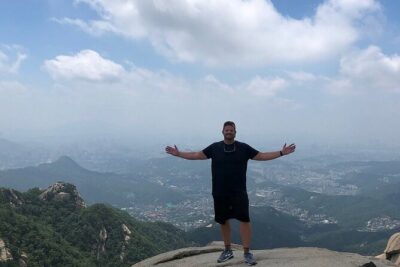 ★ 5.0Hiking in Seoul : Bukhansan National ParkFrom $14283 reviews
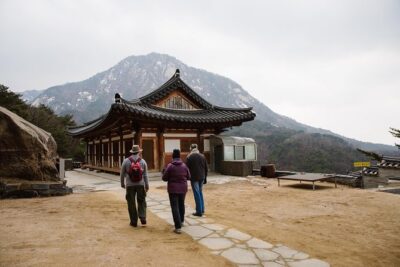 ★ 5.0Seoul Mountain Hike: Temples, Folklore & Traditional MealFrom $14142 reviews
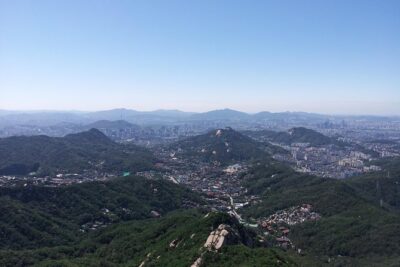 ★ 5.0Private Hiking to Bukhansan & Korean Style Spa(Include Lunch)From $18232 reviews
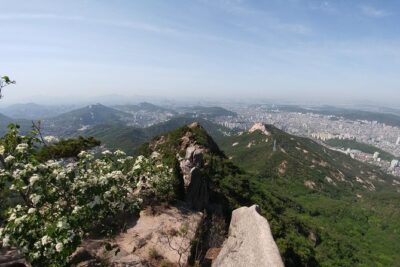 ★ 5.0Bukhansan Mountain Private Hike with LunchFrom $17026 reviews
 ★ 5.0Inwangsan Sunset Hike with GuideFrom $3817 reviews
Browse the lists this tour appears in