
Reviewed · HIKING & TREKKING
Hiking in Seoul : Bukhansan National Park
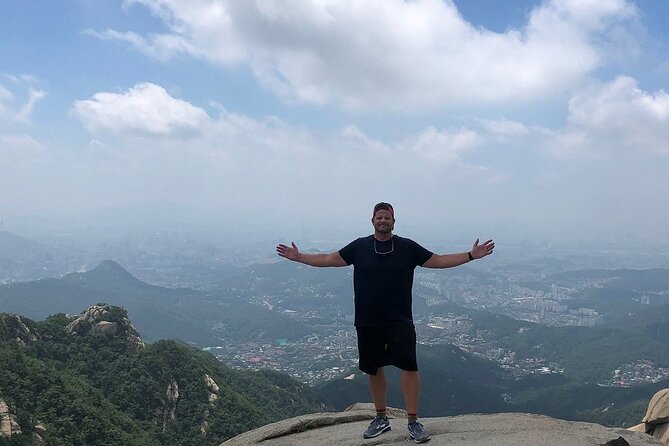
Mountains in Seoul feel unreal. This guided hike in Bukhansan National Park turns a simple day in the city into granite climbs, temple scenery, and serious mountain-air time. You also get cultural stops around Seoul, so it is not just a walk in the woods.
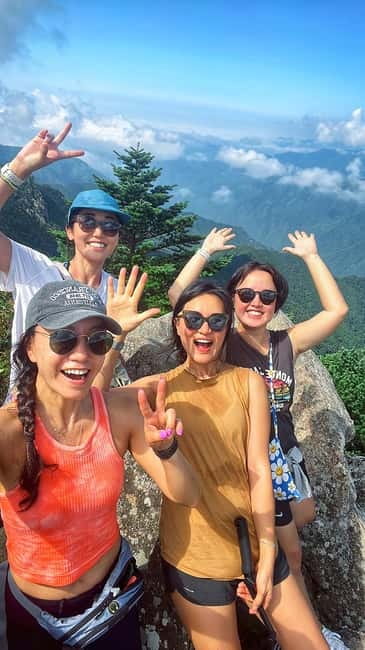
I love that the group stays small (up to 15), and the guide steers you onto a route that matches your comfort level. I also like the payoff: steep stairs, photo breaks, and views that make the effort feel worth it.
One thing to plan for: the hike is route-flexible. If you want a specific endpoint every time, confirm the exact trail you’ll be taking, because the day can be adjusted for your group and conditions.
In This Review
- Key highlights you’ll feel on the ground
- Morning Pickup and the Drive to Bukhansan
- Seunggasa Temple climb vs Bibong path: your actual workout plan
- The temple break that changes how you feel about the climb
- Seoul culture stops: Gyeongbok Palace, Jogyesa, and handmade art
- What the trail teaches you about Seoul on weekends
- Steep stairs, slippery rocks, and the real gear checklist
- Price and value: is $142 a smart use of time?
- The end-of-day spa option (jjimjibang style) and what to watch for
- Lunch, snacks, and staying fueled on a steep day
- Who should book this Bukhansan guided hike?
- Should you book this Bukhansan hike from Seoul?
- FAQ
- How long is the Bukhansan National Park hiking experience?
- What time does the tour start?
- Is pickup from central Seoul included?
- Where is the meeting point?
- What hiking route options are available?
- Is food or lunch included?
- What physical condition do I need?
- Can I cancel for a full refund?
Key highlights you’ll feel on the ground
- Small group pace (max 15 travelers) so you are not stuck behind a parade
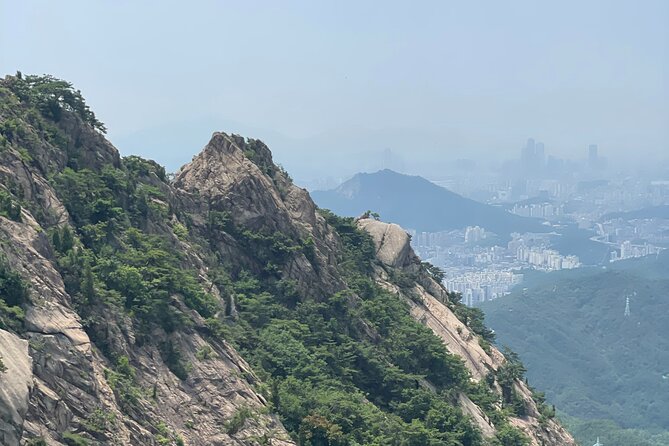
- Real trail choice between Seunggasa and Bibong, with clear elevation differences
- Guides who slow down for photos and keep the climb manageable
- Temple stops with calm breaks that reset your legs mid-hike
- Steep, sometimes slippery terrain where good footwear matters
- Jjimjibang-style spa stop possible with nudity rules and potential add-on costs
A handful of other Seoul experiences to line up next
- Seoul: Guided City Wall Sunset Hike with Korean Dinner★ 4.9 · 227 reviews
- Private Hiking tour to Bukhansan Peak(Baegundae: 836.5m) with Mountain Expert★ 5.0 · 113 reviews
- Fortress Night Hike & Snack at a Local Market★ 5.0 · 112 reviews
- Seoul Mountain Hike: Temples, Folklore & Traditional Meal★ 5.0 · 42 reviews
Morning Pickup and the Drive to Bukhansan
Your day usually starts with morning pickup from your hotel in Seoul, or you can meet at Myeongdong Station. Either way, the plan is to get you out of the city and into the mountains early enough that you still feel fresh.
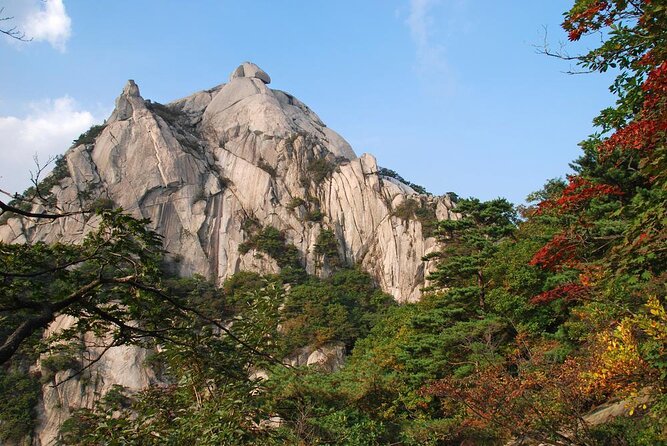
From central Seoul, the drive into Bukhansan feels like a quick reality check. You go from busy streets to granite walls and narrow gorges, then you hit the trail while the morning air is cool. Along the way, your guide sets the scene—Bukhansan’s geology, how the trails carve through valleys, and why you keep seeing Buddhist spaces tucked along the mountain routes.
This is one of those tours that works best when you treat it like an active day with a little learning built in. If you want pure sightseeing, you might find the hike is the main event. If you want something that makes you sweat in a good way, this hits the mark.
Seunggasa Temple climb vs Bibong path: your actual workout plan
This hike is built around two main ways up. The guide selects the route based on the group’s ability and what you want from the day.
If you take the Seunggasa Temple route, you are looking at about a 1,300-foot (400-meter) climb. The trail is described as relatively easy for beginners, but easy here still means uphill work—stairs, uneven rock, and plenty of chances to pause and catch your breath.
For more challenge, the Bibong path is listed at about 1,835 feet (560 meters). It is narrower, and there is a mountain stream flowing along the route. That sounds pretty, and it is—until you realize the terrain can feel tighter and more demanding when you are already climbing. Expect steep sections and a steady need to place your feet carefully.
Here is the practical part: bring hiking shoes you trust. If you think you can do it in regular sneakers, you might be surprised by slippery patches and steep stairs. Even the tours labeled beginner-friendly still feel like hiking, not a stroll.
The temple break that changes how you feel about the climb
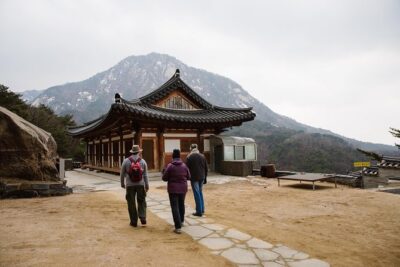
No matter which path you take, the day is not just about reaching the highest point. You pass Buddhist temple areas along the way, and that gives you a mental reset mid-hike.
These stops matter because they break up the grind. Instead of focusing only on your legs getting tired, you shift to something slower—silence, architecture details, and the sense that people have been walking these routes for a long time. It also adds context to what you see in Seoul: Buddhism is not only in museums and indoor shrines. It’s part of how daily life connects to place.
I especially liked the way guides keep the pace realistic. On tough climbs, the best guides know when to slow down for photos, when to offer tips, and when to say just keep going one step at a time. Names that came up include Chance, BK, Juno, Anna, Gabbie, and others, and the consistent theme was patience—especially for people who found the climb harder than expected.
Seoul culture stops: Gyeongbok Palace, Jogyesa, and handmade art
The hike is the core, but the tour also wraps in big-name Seoul culture. The highlights specifically call out Gyeongbok Palace and Jogyesa temple, plus time for shopping hand-crafted art.
That matters because it turns the day into a more balanced Seoul experience. You are not only seeing one side of Korea—one side of the city, one kind of weather, one kind of scenery. You get palace history energy, temple calm, and then mountain grit in the same outing.
One small caution: if you’re hoping for long, slow palace time the way you might do on a standalone day, this is more of a blend. The day’s rhythm is built to keep moving, so you should come with the mindset of highlights rather than deep museum-style studying.
Still, this mix is a strong value for people who want a first-day-in-Seoul active plan. It can also be a great way to fight jet lag: you get daylight, you move your body, and you go to bed ready for a real night’s sleep.
What the trail teaches you about Seoul on weekends
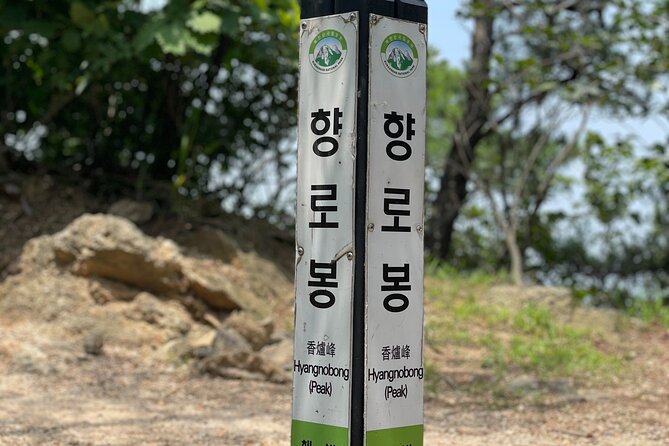
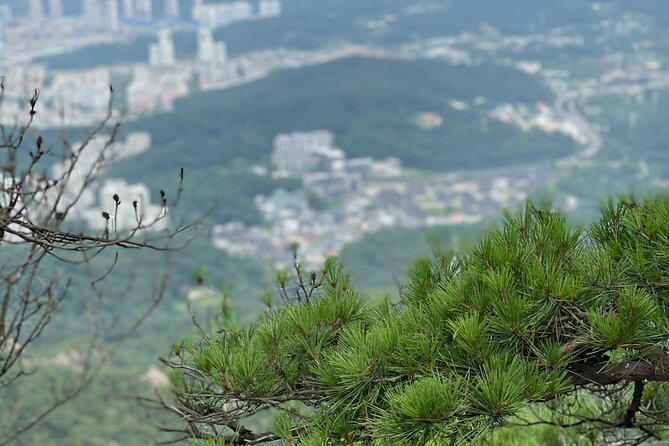
One reason people fall for this hike is the contrast. Bukhansan feels like quiet nature right near a mega-city. And it is also a real part of local life—locals use these trails constantly, especially on weekends.
That changes the vibe. You will likely see other hikers, and the trail feels like a shared routine rather than a tourist-only attraction. You might notice more people stopping for photos, changing routes based on conditions, or taking breaks at temple points the same way you do.
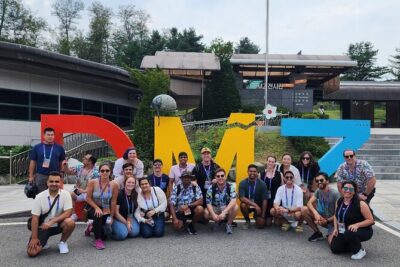
The tour’s small-group setup (up to 15) makes it easier to feel part of that rhythm instead of feeling herded. Your guide also adds the human layer: they explain what you are looking at, then help you keep going without rushing.
If you like the idea of doing something locals do but still want an English-speaking guide to help translate what you are seeing, this is a nice match.
Steep stairs, slippery rocks, and the real gear checklist
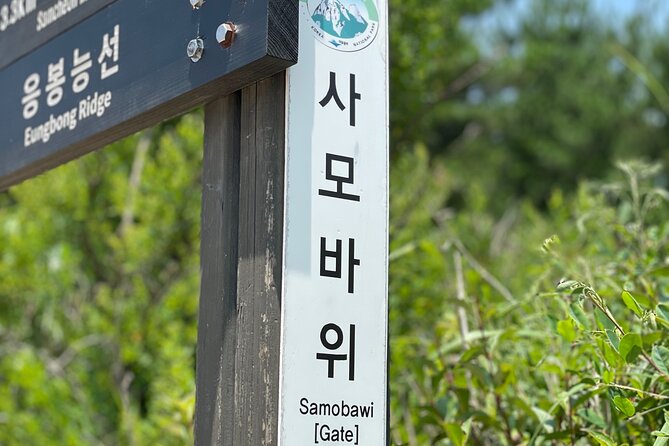
Let’s talk terrain honestly. Reviews and trip details both point to steep sections, stairs that feel like climbing, and rock surfaces that can get slippery. Even when the route is labeled manageable, you should expect an uphill workout.
My practical gear advice:
- Wear shoes with grip, not soft soles.
- Bring layers. Weather on the mountain can shift quickly.
- Consider trekking poles or walking sticks if you have them. Some guides loan them, and they can turn a painful climb into a steady one.
Also, plan for weather. The experience requires good weather, but you can still end up hiking in rain conditions when skies change. Rain means slick stones, bugs, and less comfortable footing. Pack accordingly and don’t underestimate how a wet day changes the difficulty.
The best part is you can control your effort. The guides are set up to let you go at your own pace, with rest stops and photo breaks built into the climb.
Price and value: is $142 a smart use of time?
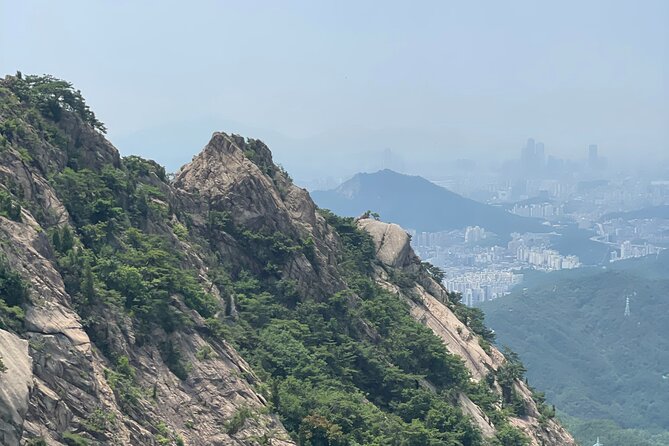
At about $142 for roughly 4.5 hours, this is priced like a guided outdoor experience with added city culture. You are paying for three things that usually cost money separately: a professional English-speaking guide, transportation support (pickup is offered from central Seoul), and time that includes curated stops rather than you planning everything yourself.
Admission is listed as free for the experience, and taxes/fees are included. That helps the value math.
Whether it is a great deal depends on what you want:
- If you want a guide to handle route decisions, temple context, and pacing, the price can feel fair fast.
- If you only want sightseeing without real climbing, you might find the time too active for your taste.
For most visitors, the strongest value is the combo: Seoul’s major landmarks plus a true mountain hike close to the city. You get a full day story from one booking.
The end-of-day spa option (jjimjibang style) and what to watch for
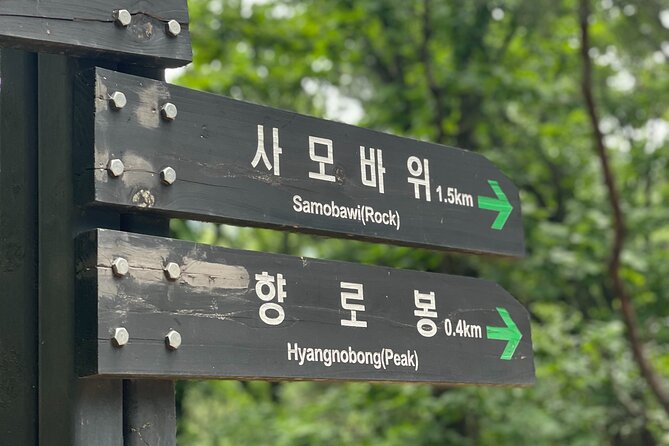
One part of the experience that shows up in many stories is a Korean spa stop after the hike, often described as a jjimjibang-style visit. People talk about it as a big recovery moment—warm soak, body scrub, and massage add-ons.
But there is also a reality check you should take seriously. A few accounts mention the spa being in an indoor setting, not what they expected, and describe nudity rules and shared space where privacy is limited. One person also warned that treatment upgrades can add significant costs on the spot.
So here is the practical approach: treat the spa as something you opt into with eyes open. If you are comfortable with the format and you want that post-hike reset, it can be a memorable way to end the day. If nudity rules, shared areas, or extra pushy add-ons would stress you out, decide in advance if you will skip treatments or skip the spa entirely.
If you do go, go to recover, not to multitask. You just climbed a mountain. Your job is to relax.
Lunch, snacks, and staying fueled on a steep day
Food is the one area you should plan carefully. Food and drinks are listed as not included unless specified, and lunch is also listed as not included.
In real life, a hiking day can still include a meal stop depending on the day and how the provider structures time, and some people report ending with lunch. But you should not count on it as guaranteed in every case.
My advice: bring water and a snack if you can, or budget for meals close to the end. Even if you stop for photos and temple breaks, you still burn energy climbing.
Who should book this Bukhansan guided hike?
This works well for you if you:
- want a guided hike with route options rather than one fixed trail
- enjoy temple scenery and want context, not just photos
- like active plans that help with jet lag
- want a small group experience (max 15)
It might not be ideal if you:
- want an easy walk with minimal stairs
- have very limited mobility or you cannot do steep uneven terrain
- dislike the idea of a possible spa stop with shared facilities and potential add-on costs
Minimum age is 11, and the tour expects moderate physical fitness. If your plan includes kids, make sure you’re honest about their stamina. The climb is real.
Should you book this Bukhansan hike from Seoul?
If you want one booking that combines city culture with a true mountain workout, I think this is a strong choice. The guides often keep the experience fun and steady, and the view payoff is the kind of reward you remember later, not just later that day.
Book it if you can handle steep steps, you wear good shoes, and you go in with flexibility about the exact trail you’ll take. Skip it if you need a fully predictable route endpoint or if a demanding hike plus possible spa format doesn’t match your comfort level.
If you do book, message the operator before you go (or ask your guide on pickup day) which route you’re assigned—Seunggasa or Bibong—and set your expectations around that.
FAQ
How long is the Bukhansan National Park hiking experience?
The tour runs about 4 hours 30 minutes (approx.), with a total activity time listed around 4 hours at the park.
What time does the tour start?
Start time is 9:00 am.
Is pickup from central Seoul included?
Pickup is offered. The meeting point is Myeongdong Station area if you are not using pickup.
Where is the meeting point?
Myeongdong Station Exit 10 is listed, and there is also a Myeongdong Station Exit 1061-7 Chungmuro 2(i)-ga meeting point.
What hiking route options are available?
You can hike on a route suited for beginners (the Seunggasa Temple climb) or a more challenging route (the Bibong path), depending on your group and preferences.
Is food or lunch included?
Food and drinks are not included unless specified, and lunch is listed as not included.
What physical condition do I need?
The experience calls for moderate physical fitness. The hike includes uphill sections and steep stairs and terrain.
Can I cancel for a full refund?
Yes. You can cancel up to 24 hours in advance for a full refund, and weather problems can lead to a different date or a full refund.
More Hiking & Trekking in Seoul
- Seoul: Guided City Wall Sunset Hike with Korean Dinner★ 4.9 · 227 reviews
- Private Hiking tour to Bukhansan Peak(Baegundae: 836.5m) with Mountain Expert★ 5.0 · 113 reviews
- Fortress Night Hike & Snack at a Local Market★ 5.0 · 112 reviews
- Seoul Mountain Hike: Temples, Folklore & Traditional Meal★ 5.0 · 42 reviews
- Private Hiking to Bukhansan & Korean Style Spa(Include Lunch)★ 5.0 · 32 reviews
More Tour Reviews in Seoul
- Best DMZ Tour Korea from Seoul (Red Suspension Bridge Optional)★ 5.0 · 41,422 reviews
- DMZ Tour: 3rd Tunnel, Option(Suspension Bridge, Boat) from Seoul★ 5.0 · 21,373 reviews
- DMZ tour south Korea from Seoul (NK experience hall, defector)★ 5.0 · 20,599 reviews
- Seoul: DMZ Tour with Optional Suspension Bridge★ 4.8 · 5,277 reviews
- Seoul: DMZ The 3rd Tunnel and Suspension Bridge Tour★ 5.0 · 4,656 reviews
Just added to Exploring Seoul

Hiking & Trekking, compared.
 ★ 4.9Guided City Wall Sunset Hike with Korean DinnerFrom $65227 reviews
 ★ 5.0Private Hiking tour to Bukhansan Peak(Baegundae: 836.5m) with Mountain ExpertFrom $168113 reviews
 ★ 5.0Fortress Night Hike & Snack at a Local MarketFrom $47112 reviews
 ★ 5.0Seoul Mountain Hike: Temples, Folklore & Traditional MealFrom $14142 reviews
 ★ 5.0Private Hiking to Bukhansan & Korean Style Spa(Include Lunch)From $18232 reviews
 ★ 5.0Bukhansan Mountain Private Hike with LunchFrom $17026 reviews
 ★ 5.0Inwangsan Sunset Hike with GuideFrom $3817 reviews
 ★ 5.0Small Group Hike on Mt. Bukhan’s Secret Paths & Local LunchFrom $10316 reviews
Browse the lists this tour appears in