
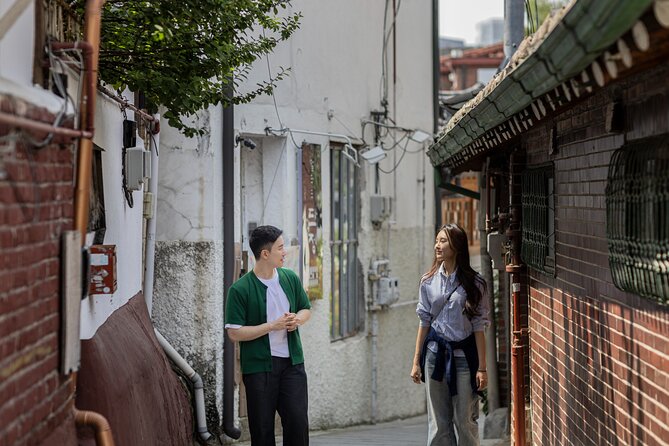
Reviewed · TOURS
Gwanghwamun Tour l 120 minutes to Understand Local Korean Society
Seoul’s history is right on the sidewalk. I love how guide June connects big themes like Confucian age hierarchy and postwar capitalism to normal daily life, not just facts on plaques, and I love the two-hour pace that keeps you focused while still hitting five meaningful stops. One drawback: if you want lots of time inside places or a slow, museum-style visit, this walk will feel a bit quick.
You start at Gwanghwamun Square and finish in front of the Blue House (Cheong Wa Dae) area, with plenty of public-sight stops along the way. The route is set up for an easy stroll, but there are a few uphill bits, so wear shoes you trust.
In This Review
- Key Highlights You’ll Actually Feel in 2 Hours
- Why Gwanghwamun Is the Fast Track to Understanding Seoul
- How June Turns Places Into Lessons (Without Making It Feel Like School)
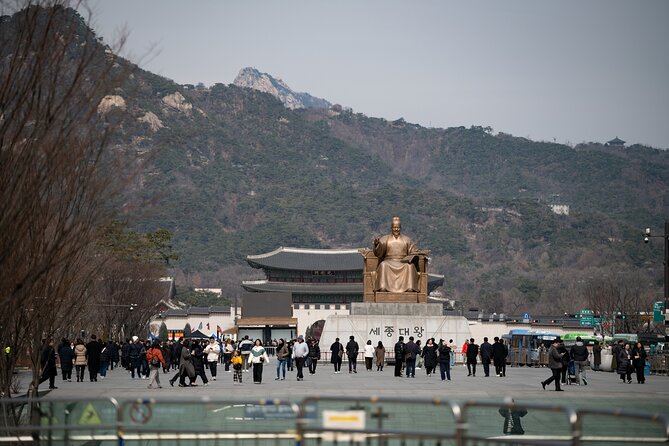
- Gwanghwamun Square: Where Joseon-Era Power Sets the Tone
- U.S. Embassy & Consulate: Learning How Relationships Get Personal
- Samcheongdong-gil Road: Retro Shops With a Lesson About Work and Change
- Bukchon Hanok Village: Where Preservation Battles Development
- University of North Korean Studies: One Place That Explains a Big Mindset
- Finishing in Front of the Blue House: A Powerful Place to End
- Price and Value: Why $14.10 Often Feels Like a Bargain
- Timing, Walking, and What to Bring So You Don’t Feel Rushed
- Who This Tour Is Best For (and Who Should Consider Alternatives)
- Should You Book This Gwanghwamun Tour?
- FAQ
- How long is the Gwanghwamun tour?
- How much does the tour cost?
- Where does the tour start and end?
- What time does it start?
- Is the ticket mobile?
- What stops are included?
- Is it a difficult walk?
- Is there an admission fee for the stops?
- What if the weather is bad?
- Can I cancel and get a refund?
Key Highlights You’ll Actually Feel in 2 Hours
- June’s history-to-today connections: you’ll see how Joseon ideas and modern power shape everyday attitudes
- A tight route with five different angles on Korea: government, neighborhood life, heritage, and geopolitics
- Small group size (max 20) makes questions and back-and-forth feel easy
- Walkable pacing with short time at each stop, so you don’t burn your day in transit
- Ending at the Blue House area gives the trip a strong “you’re in the center of Korea” feeling
Still deciding? These are the Seoul tours travellers book first.
- Best DMZ Tour Korea from Seoul (Red Suspension Bridge Optional)★ 5.0 · 41,422 reviews
- DMZ Tour: 3rd Tunnel, Option(Suspension Bridge, Boat) from Seoul★ 5.0 · 21,373 reviews
- DMZ tour south Korea from Seoul (NK experience hall, defector)★ 5.0 · 20,599 reviews
- Seoul: DMZ Tour with Optional Suspension Bridge★ 4.8 · 5,277 reviews
Why Gwanghwamun Is the Fast Track to Understanding Seoul
Gwanghwamun is where Seoul’s “main character” energy lives. This is the city center over 600 years old, and it shows. You’re not just taking photos; you’re walking through layers of Korea’s priorities—who had power, who set rules, and how those habits still echo today.
The best part is that you learn the why, not only the what. A lot of Seoul sightseeing gets stuck at scenery. This tour nudges you toward the deeper question: why Koreans think the way they do, and why certain values still feel serious in day-to-day behavior.
How June Turns Places Into Lessons (Without Making It Feel Like School)
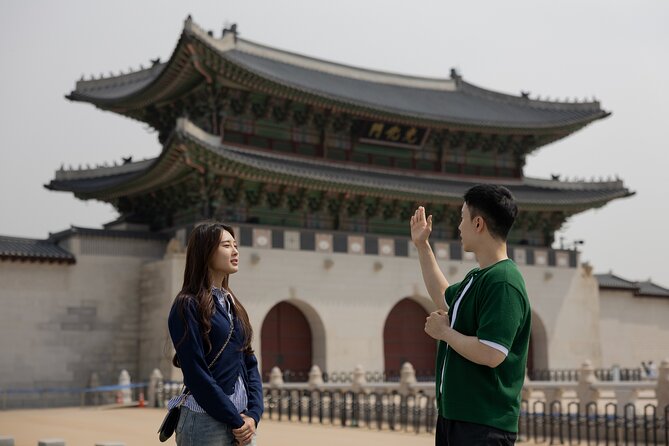
June is the engine of this experience. The tone stays clear and structured, with explanations that you can follow even when the topic gets political. You also get humor and a “lecture you can walk through” rhythm—so it never turns into a silent march.
You’re also not trapped in one worldview. The tour explicitly talks about how Koreans think about major relationships and topics such as North Korea, Japan, and America. That matters, because these aren’t abstract headlines here. You feel how history translates into present-day opinions and social instincts.
And since it’s only about two hours, you walk away with a sharper mental map. Instead of collecting random Korean facts, you leave with connecting threads you can reuse later in restaurants, cafés, and markets.
Gwanghwamun Square: Where Joseon-Era Power Sets the Tone
Your first stop is Gwanghwamun Square, described as the city center and a main place of Korea for centuries. This is the kind of place that looks like it’s meant for crowds—and it is—but it also works as a political and cultural starting point.
You’ll focus on the Joseon Kingdom era and how those historical rules still influence how Korean society thinks. The tour links this to ideas you’ll recognize in modern life, including age hierarchy—how respect, seniority, and roles can shape everyday interactions.
If you’ve ever wondered why social behavior in Korea sometimes feels more formal than you expected, this is where the tour starts making sense. You don’t just hear that Confucian ideas mattered. You see why they could still show up in the way people navigate relationships today.
U.S. Embassy & Consulate: Learning How Relationships Get Personal
Next you pause at the U.S. Embassy & Consulate in the Republic of Korea. It’s a short stop, but it’s not empty. The point here is influence across time—how the U.S. has shaped Korea from its establishment to today—and how Koreans think about them.
This isn’t framed as simple good or bad. It’s more like: relationships create habits, and habits create opinions. And those opinions show up in culture, politics, and even casual conversation.
Practical note: you’re looking at a government facility from the outside as part of a walk. So don’t plan this like a museum visit. The value is the context you get while standing there.
Samcheongdong-gil Road: Retro Shops With a Lesson About Work and Change
Then you move into Samcheongdong-gil Road, a retro-style street with shops and restaurants. It’s easy to underestimate a street like this. But the tour uses it to show how modern development can bring side effects alongside charm.
Here the focus shifts to working culture. You’ll be thinking about how economic pressure, city growth, and social expectations shape daily schedules. In other words, you get the human side of modernization, not just the timeline.
This stop is also a good one for noticing how “old-meets-new” feels in the real world. You might see traditional-looking façades alongside contemporary storefronts. Then June gives the framework for why that mix exists.
Bukchon Hanok Village: Where Preservation Battles Development
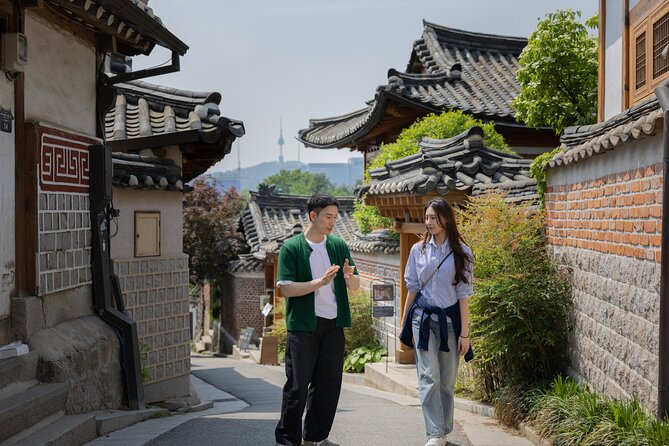
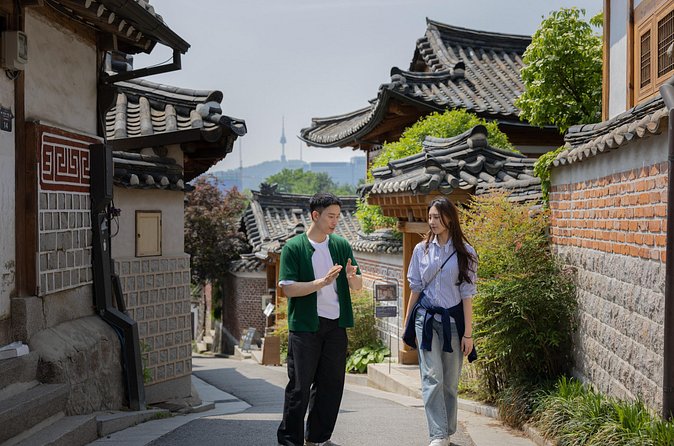
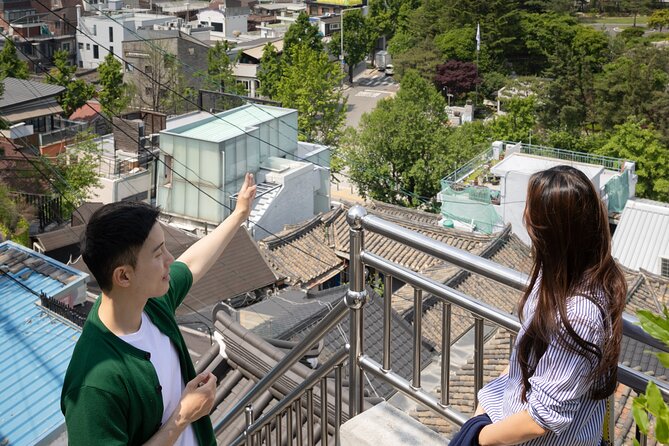
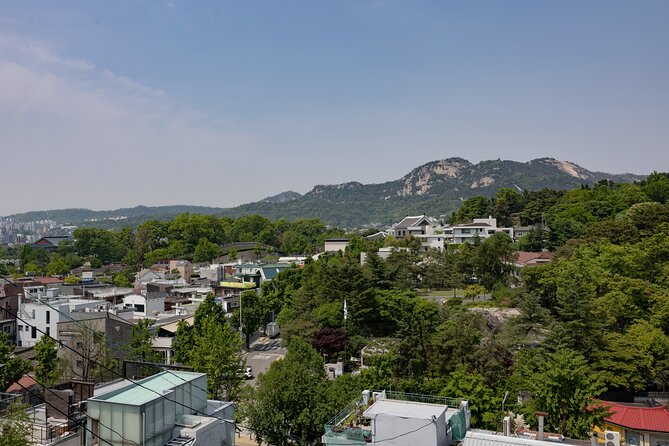
At Bukchon Hanok Village, you get a more traditional atmosphere, but the talk stays real. You’ll hear stories about tensions between development and preservation—how a place can be protected and still be pressured by the modern city around it.
This is where you’ll likely start connecting the dots about values. Koreans often treat heritage as more than decoration. It’s identity, memory, and sometimes even a negotiation about what the country wants to keep versus what it needs to change.
The walk here takes a bit longer than earlier stops, about 25 minutes, so you have time to absorb the setting while staying on topic. Just keep your expectations practical: you’re not touring every alley like a free day. This is a guided, focused look.
If you get even a little excited by how cities manage change, this stop will land well.
University of North Korean Studies: One Place That Explains a Big Mindset
The final main lesson stop is the University of North Korean Studies (often referenced as a dedicated institution for studies related to North Korea). The tour’s aim is straightforward: understand relationship dynamics and how people think about North Korea.
This is not designed as a propaganda stop. It’s designed as a lens. You learn how thinking gets shaped—what questions institutions focus on, and how that affects public understanding.
This part of the tour also ties back to the earlier geopolitical conversation about North Korea, Japan, and America. By the time you reach this point, you’re no longer just collecting information. You’re building a mental model for why certain attitudes persist.
And yes, it’s a little intense compared with the other stops—but it’s balanced by walking through everyday Seoul first. The contrast is what makes it informative.
Finishing in Front of the Blue House: A Powerful Place to End
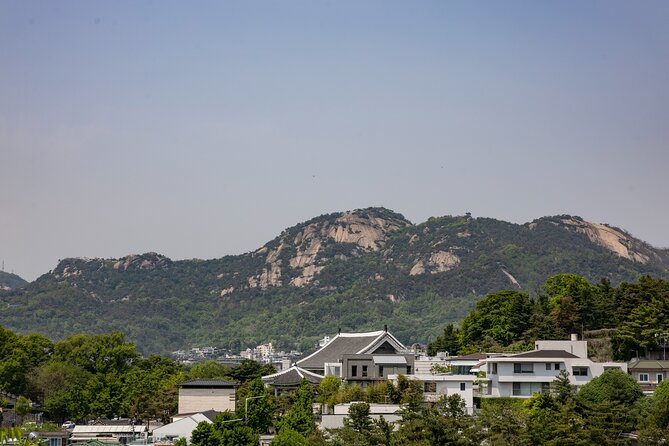
You wrap up at the Blue House (Cheong Wa Dae) area, finishing in front of the presidential compound. Even if you’re not going inside, ending here gives the tour a strong sense of “center of the story.”
It’s a fitting close because earlier you visited Gwanghwamun and discussed Joseon-era power. Then you looked at modern international influence. Then you walked through neighborhoods shaped by economic change. Finally, you returned to the symbolic heart of contemporary governance.
You leave with Seoul feeling more structured in your head, not just photographed on your phone.
Price and Value: Why $14.10 Often Feels Like a Bargain
At $14.10 per person for about 2 hours, this is priced like a budget-friendly tour, especially in a city where guided experiences can add up fast. The value comes from the way the guide uses the walk itself as the classroom.
You’re not paying for tickets or long entries. Each stop is listed as admission-free, and the experience is built around explanation and short time at each location. That keeps your cost low while still giving you a guided framework.
Also, the group limit of up to 20 people helps. Smaller groups usually mean better interaction, and you’re paying for the guide’s ability to connect concepts, not just their ability to lead a line.
If you’re trying to understand Korea quickly without spending half a day commuting between far-flung sights, this is one of the smarter ways to spend a morning.
Timing, Walking, and What to Bring So You Don’t Feel Rushed
The tour runs about 120 minutes and starts at 10:30 am. Starting mid-morning is practical: you’re not fighting the earliest crowds, but you’re also not losing the whole day.
You’ll walk an easy route overall, but there are a few uphill sections. Bring shoes that handle uneven sidewalks and gentle climbs. You’ll also want water, because you’re out for two hours with stops that keep you moving.
This is a mobile ticket experience, which is convenient. Just make sure your phone battery is healthy and you can access the ticket quickly.
One more practical reality: the experience requires good weather. If weather turns, it can be rescheduled or refunded. So check forecasts before you commit to the day.
Who This Tour Is Best For (and Who Should Consider Alternatives)
This tour is a great fit if you:
- want a fast, guided understanding of Korean society through history and everyday culture
- like walks and short stops more than museum marathons
- enjoy learning about geopolitics in a way that connects to cultural behavior
It’s less ideal if you want:
- deep, slow exploration of individual sites
- lots of time indoors or long guided tours inside buildings
- a purely food-and-shopping focus without politics and social systems
There’s also a smart middle ground here. Even if you’re not a “history person,” the tour’s examples—like age hierarchy, coffee culture, and spa culture as part of how modern Koreans live—make it feel grounded rather than academic.
Should You Book This Gwanghwamun Tour?
Book it if you want to get your bearings fast and learn how Korea’s past keeps shaping the present. This tour gives you a structured walk from Gwanghwamun to Bukchon and into the world of North Korean studies, all while June connects themes like Confucian rules, economic change, and modern relationships.
Skip it if you dislike political context or you need long free time at each stop. This experience is built for momentum and insight, not lingering.
If you’re in Seoul for a short trip, or you want one guided morning that you can build the rest of your days on, this is an easy “yes.”
FAQ
How long is the Gwanghwamun tour?
It lasts about 2 hours (120 minutes approx.).
How much does the tour cost?
The price is $14.10 per person.
Where does the tour start and end?
It starts at Gwanghwamun Square, 172 Sejong-daero, Jongno District, Seoul. It ends at Blue House (Cheong Wa Dae), 1 Cheongwadae-ro, Jongno District, Seoul, in front of the Blue House area.
What time does it start?
The start time is 10:30 am.
Is the ticket mobile?
Yes, it uses a mobile ticket.
What stops are included?
The tour includes Gwanghwamun Square, the U.S. Embassy & Consulate in the Republic of Korea, Samcheongdong-gil Road, Bukchon Hanok Village, and the University of North Korean Studies.
Is it a difficult walk?
The route is described as easy to walk, with a few uphill courses. Comfortable walking shoes help.
Is there an admission fee for the stops?
Each of the listed stops shows admission ticket free.
What if the weather is bad?
The experience requires good weather. If it’s canceled due to poor weather, you’ll be offered a different date or a full refund.
Can I cancel and get a refund?
Yes. You can cancel for free up to 24 hours in advance for a full refund.
More Tours in Seoul
- Best DMZ Tour Korea from Seoul (Red Suspension Bridge Optional)★ 5.0 · 41,422 reviews
- DMZ Tour: 3rd Tunnel, Option(Suspension Bridge, Boat) from Seoul★ 5.0 · 21,373 reviews
- DMZ tour south Korea from Seoul (NK experience hall, defector)★ 5.0 · 20,599 reviews
- Seoul: DMZ Tour with Optional Suspension Bridge★ 4.8 · 5,277 reviews
- Seoul: DMZ The 3rd Tunnel and Suspension Bridge Tour★ 5.0 · 4,656 reviews
More Tour Reviews in Seoul
- Best DMZ Tour Korea from Seoul (Red Suspension Bridge Optional)★ 5.0 · 41,422 reviews
- DMZ Tour: 3rd Tunnel, Option(Suspension Bridge, Boat) from Seoul★ 5.0 · 21,373 reviews
- DMZ tour south Korea from Seoul (NK experience hall, defector)★ 5.0 · 20,599 reviews
- Seoul: DMZ Tour with Optional Suspension Bridge★ 4.8 · 5,277 reviews
- Seoul: DMZ The 3rd Tunnel and Suspension Bridge Tour★ 5.0 · 4,656 reviews
Just added to Exploring Seoul

Tours, compared.
 ★ 5.0DMZ Tour: 3rd Tunnel, Option(Suspension Bridge, Boat) from SeoulFrom $3521,373 reviews
 ★ 5.0DMZ tour south Korea from Seoul (NK experience hall, defector)From $2620,599 reviews
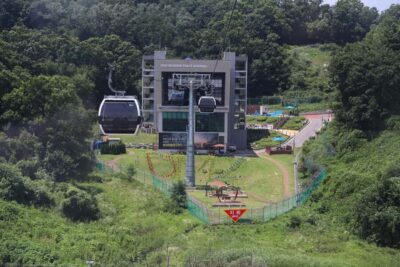 ★ 4.8DMZ Tour with Optional Suspension BridgeFrom $455,277 reviews
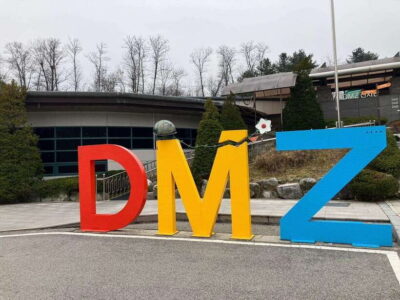 ★ 5.0DMZ The 3rd Tunnel and Suspension Bridge TourFrom $654,656 reviews
 ★ 5.0Signature DMZ Tour: Exclusive Defector Talk & Suspension BridgeFrom $274,459 reviews
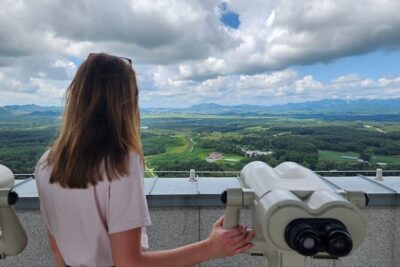 ★ 5.0Thrilling Korean DMZ 3rd Tunnel Tour from Seoul + Red Bridge RushFrom $353,097 reviews
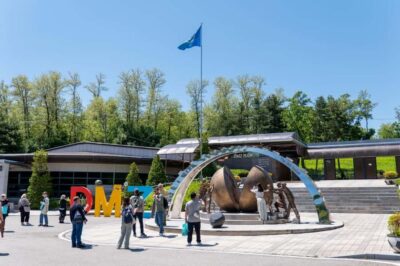 ★ 4.9DMZ Tour & Suspension Bridge (Option English/Spanish)From $352,628 reviews
 ★ 5.0DMZ Past and Present: Korean Demilitarized Zone Tour from SeoulFrom $372,481 reviews