
Reviewed · SUWON & KOREAN FOLK VILLAGE
From Seoul: Suwon Hwaseong Fortress Tour
Fortress walls in Suwon change your sense of scale. This guided day trip pairs Hwaseong Fortress with Hwaseong Haenggung Palace, then adds an optional cultural stop for a fuller picture of Joseon-era life. It’s one of those outings where your photos look good, but your brain stays busy too.
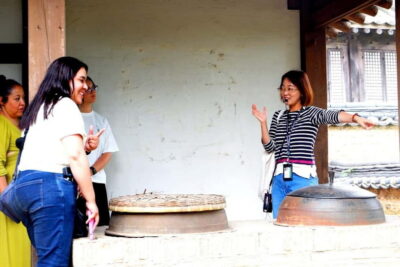
I love the way the guide-led format turns monuments into real stories. You’ll get direct answers (from practical stuff to religion and daily life), and the group usually feels personal enough that questions don’t get brushed aside. I also like the “done-for-you” transport setup, with an air-conditioned bus or minivan and a drop-off near Myeongdong station to keep your day stress-light.
One possible drawback: what you see can shift by day, season, and group pace. On some schedules, you might walk less of the wall than you hoped, and some set-piece performances (like martial arts on horseback) may not be on.
In This Review
- Key things to know before you go
- Suwon Fortress from Seoul: what makes this day trip worth it
- Getting to Suwon without the hassle: Myeongdong meet-up and bus comfort
- UNESCO walls: what you’ll actually do at Hwaseong Fortress
- Hwaseong Haenggung Palace: the wartime royal residence angle
- Full-day add-on: Korean Folk Village (or Dae Jang Geum Park) and what it’s best for
- Lunch timing and performance seasonality: plan for variability
- Price and value: is $52 fair for what you get?
- Who this tour fits best (and who might want to adjust expectations)
- My practical take: should you book this tour?
- FAQ
- Where is the meeting point in Seoul?
- How long is the tour?
- Is there a full-day option with extra sites?
- What’s included in the price?
- What isn’t included?
- Does the tour offer pickup from hotels?
- What language are the guides?
- Is the tour wheelchair accessible?
Key things to know before you go
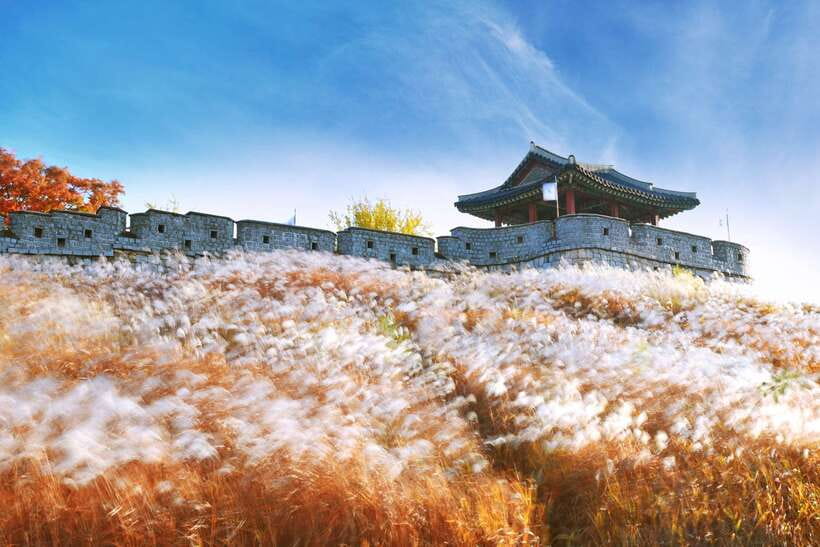
- UNESCO-listed Hwaseong Fortress with a guided wall walk and context that makes it click
- Hwaseong Haenggung Palace (a fortified royal residence for travel and wartime needs)
- Folk Village or Dae Jang Geum Park on full-day options, with seasonal cultural shows
- Guide personalities matter—many guides are strong at Q&A, photo spots, and turning culture into everyday meaning
- Timing and heat management—routes can include breaks or alternate ways to move around the fortress area
Further out to Suwon's fortress and the folk village
- Seoul: Suwon Hwaseong Fortress & Korean Folk Village Tour★ 4.7 · 214 reviews
- Beyond Seoul: Starfield Library, Hwaseong Fortress & Cave Quest★ 5.0 · 177 reviews
- Yongin Dae Jang Geum Park Tour from Seoul★ 5.0 · 176 reviews
- From Seoul: Dae Jang Geum Park Historic K-Drama Set Tour★ 4.9 · 143 reviews
Suwon Fortress from Seoul: what makes this day trip worth it
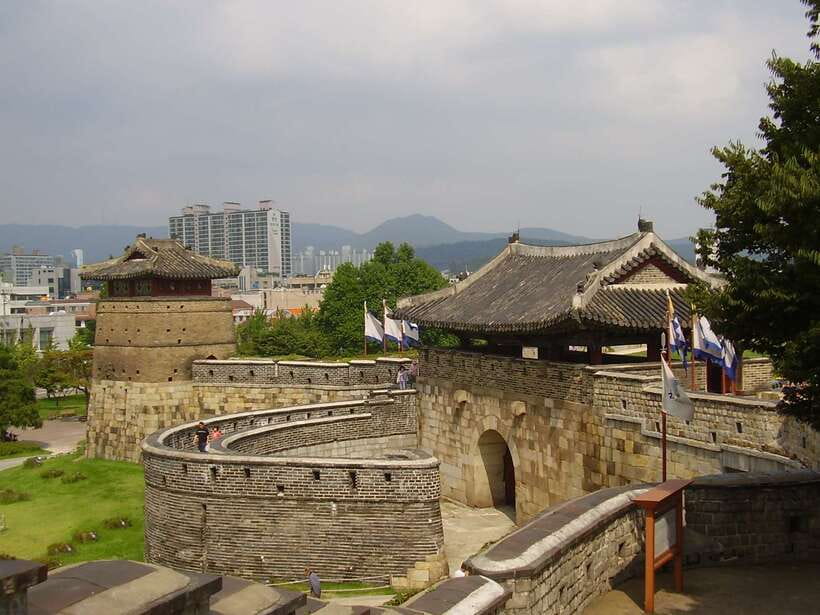
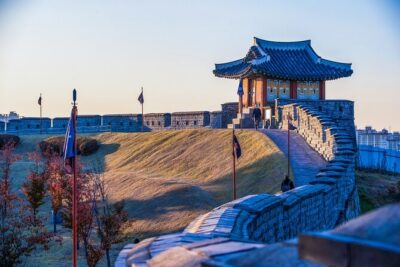
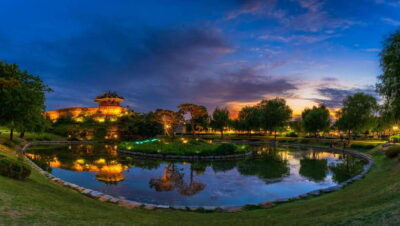
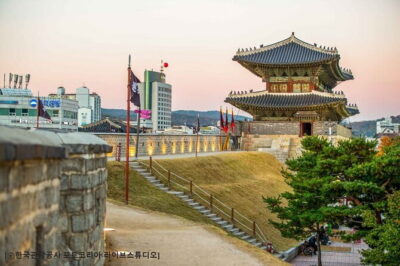
Suwon’s Hwaseong Fortress is the headline, and for good reason. Built in the late 18th century under King Jeongjo of the Joseon Dynasty, the fortress is designed as a defensive system—and the scale hits you the second you approach the walls. This is not just a “walk around and take pictures” kind of stop. With a guide, you start noticing the logic behind the design.
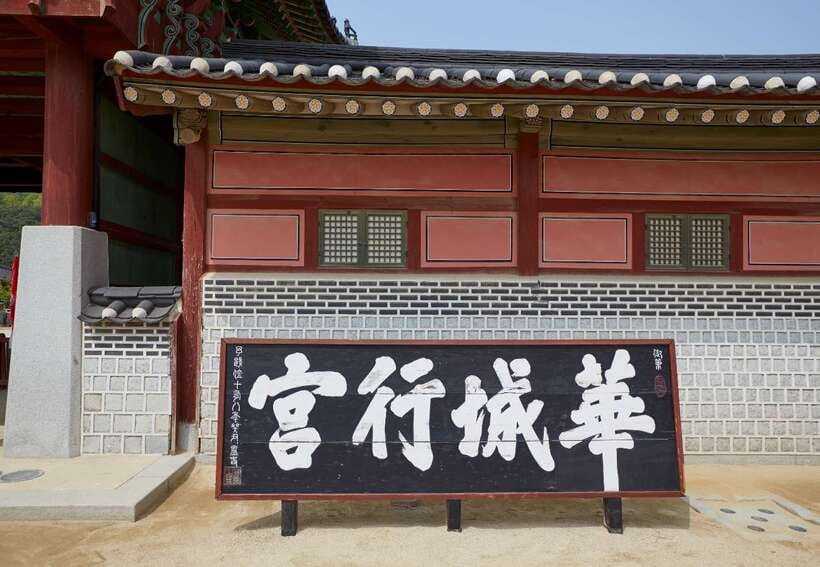
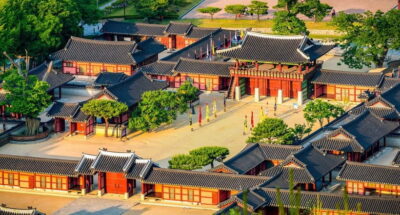
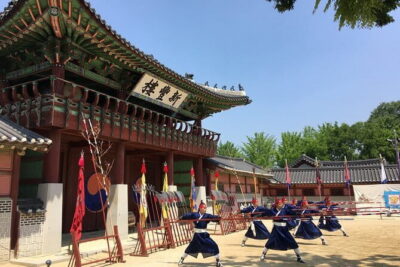
Then comes the pairing that makes the day feel smarter: Hwaseong Haenggung Palace. It’s a fortified palace complex that served as a temporary residence for Joseon kings and their entourages when they traveled outside the capital, including during tense periods. Instead of treating it like an isolated historical site, the tour connects it to what a king’s life actually required: protection, planning, and power made visible.
The best part is that you’re not stuck guessing what you’re looking at. Guides highlighted in English- and Japanese-language tours (names you might meet include Shin, Matthew, Sue, Sophie, Henry, Leo, Stella, Thomas, Rachel, Chloe, Winnie, and Orota) tend to bring the sites to life with explanation, storytelling, and lots of room for questions. If you like your history with context you can use, this trip is built for that.
Getting to Suwon without the hassle: Myeongdong meet-up and bus comfort
This tour meets outside Exit #10 at Myeongdong station. If you’re staying around Myeongdong, it’s a very practical meeting point, and you don’t need to hunt for a private driver door-to-door.
Transport is handled by an air-conditioned bus or minivan, which matters more than you’d think. South Korea’s summer heat can be intense, and winter days can feel sharp—either way, having comfortable rides between stops lets you spend energy on walking and photos, not on transit fatigue.
Pickup is optional from centrally located Seoul areas like Gangnam, Myeongdong, Gwanghwamun, Itaewon, and Dongdaemun, if your hotel is accessible enough. If it isn’t, the guide meets you at the nearest central hotel or subway station. In other words, you’re not left doing a scavenger hunt to find the group.
At the end, you’ll be dropped off in Seoul near Myeongdong station—helpful if you’re continuing your evening plans in that part of the city.
UNESCO walls: what you’ll actually do at Hwaseong Fortress
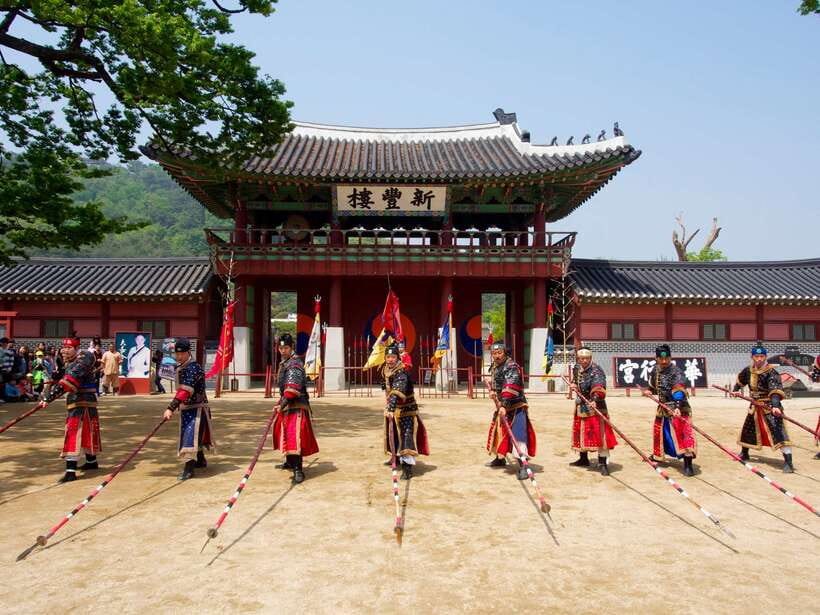
Hwaseong Fortress is UNESCO-listed, and you’ll feel that “major site” status in how it’s preserved and how much there is to see. After arriving in Suwon, you’ll approach the walls and then walk portions of the fortress route with your guide.
What’s valuable here is how the tour frames the walk. You don’t just hear that it’s old. You learn what it was meant to do: act as a defensive fortification, built to protect the city and its leadership. Guides tend to explain the fortress’s strategic context as you move along the walls, which makes the architecture feel less like a museum exhibit and more like engineering.
You should also plan for the practical side of wall walking:
- Comfortable shoes are non-negotiable. The tour explicitly asks for them, and your feet will thank you.
- Walking can vary. Some groups may not cover every stretch of wall at full pace, and that can affect how much wall time you get.
- If it’s hot, your guide may adjust the route to help you avoid overdoing it. In some cases, guides have been known to use ways to reduce walking strain around the wall area.
If you come expecting a “perfectly even” fortress walk, you might be surprised. If you come expecting a guided route that prioritizes understanding and pacing, you’re more likely to feel satisfied.
Hwaseong Haenggung Palace: the wartime royal residence angle
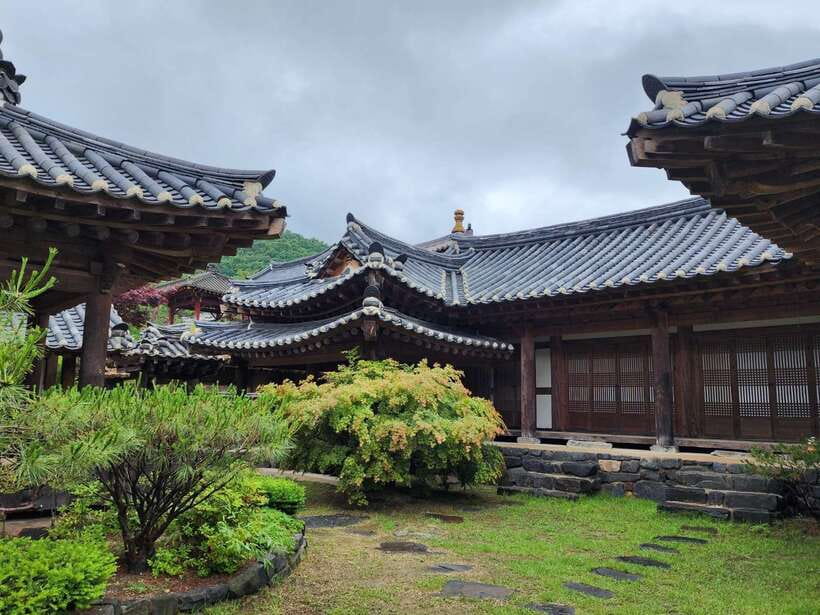
After the fortress walk, the focus shifts from “fortification” to “the life inside it.” Hwaseong Haenggung Palace is a fortified palace complex and served as a temporary residence when the Joseon kings traveled outside the capital. That detail changes how you see the space. It’s not only about aesthetics. It’s about function—security, organization, and authority packaged into royal architecture.
You’ll admire traditional buildings and get historical context about what happened there. The guide’s role is key: they tend to connect the palace to the broader rhythm of Joseon political life and explain why this location mattered. One common theme from guides is making culture and everyday belief systems understandable, including how religion and daily life were linked back then. That kind of “small details matter” approach turns the palace visit into more than a photo stop.
A practical heads-up: what you can see next may depend on the day’s schedule. Some tours include palace performances, but availability varies by what’s on when you visit.
Full-day add-on: Korean Folk Village (or Dae Jang Geum Park) and what it’s best for
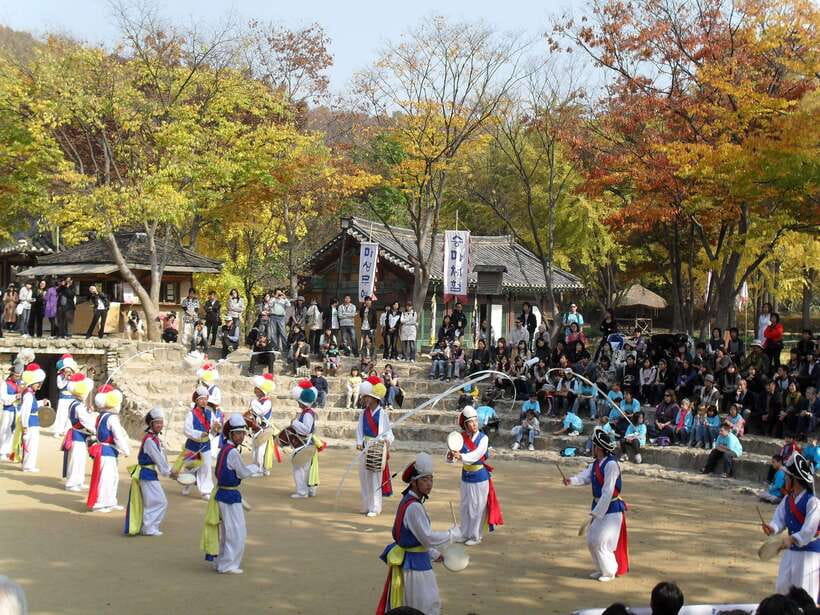
On full-day departures, the itinerary widens. You’ll get time for lunch (you pay for your own food), and then you head to a cultural venue: Korean Folk Village or Dae Jang Geum Park.
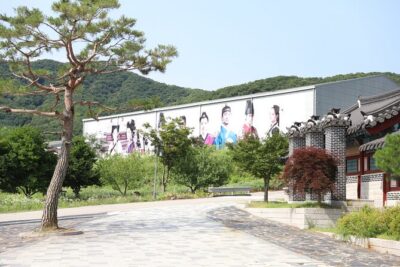
This is the part of the tour that’s best if you want more than monuments. The Korean Folk Village recreates the past with restored houses from the late Joseon period, and it’s designed to help you understand daily customs rather than only royal history.
Here’s what you can expect in general:
- Cultural experiences and lessons that point to late Joseon life
- Programs connected to shaman faith and seasonal customs
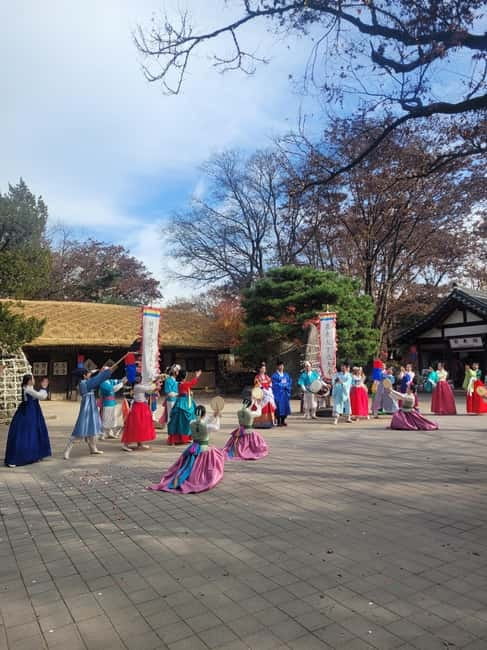
- Cultural performances that may include nongak (farmer’s music), martial arts on horseback, and traditional wedding ceremonies
And yes, there’s a schedule reality check: performances are described as available by season. So you might see a set show, or you might see a different one depending on when you go. I’d treat this stop as a bonus culture day—something to add texture—not a guarantee of a specific performance at a specific time.
Also, the folk setting is where guides often shine with storytelling. Several guides have brought out memories of what they saw growing up, and that personal way of explaining tends to make the restored houses feel tangible.
Lunch timing and performance seasonality: plan for variability
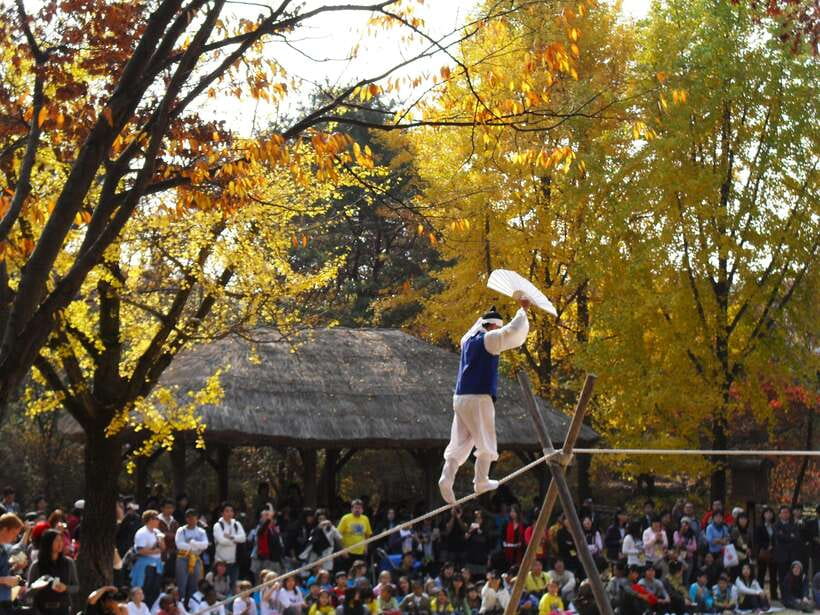
The tour provides lunch time on full-day options, but meals are not included—so set aside budget for food. This is normal for day trips, and it gives you flexibility to choose what’s convenient for your tastes.
The other variable is performances. The tour description includes multiple examples (nongak, horseback martial arts, traditional weddings), but it also says they run by season. In practice, that means:
- You might catch a highlight performance at the palace or village
- You might not catch the exact one you were hoping for
- Your walk time around the fortress area might also vary slightly depending on the group
I don’t call this a deal-breaker. It’s simply how cultural venues work. If you’re the type who needs everything to match a checklist, this tour might feel a bit loose. If you’re happy getting strong guidance and a full day of context, you’ll usually land on the right side of that trade-off.
Price and value: is $52 fair for what you get?
At about $52 per person, this tour sits in a reasonable “day-trip from Seoul” price band—especially if you compare what’s included versus what you’d pay separately.
What’s included:
- Admission fees
- A live guide (English or Japanese)
- Transportation by air-conditioned bus or minivan
- For full-day: Folk Village or Dae Jang Geum Park
- Drop-off near Myeongdong station
Not included:
- Food and drinks
- Hotel pickup and drop-off (pickup is optional, and the listing frames it as available from select areas rather than automatically bundled everywhere)
- Travel insurance
Here’s how I’d judge the value: you’re paying for two things that are hard to DIY well. First, you’re paying for guided interpretation of major sites like the fortress walls and the Haenggung Palace complex. Second, you’re paying for time saved in transit and group coordination. If your goal is to learn quickly without wasting half a day figuring out routes, schedules, and entry logistics, $52 can feel like a good deal.
If you’re the type who loves wandering independently and already knows the history, you could potentially do parts on your own. But you’d lose the guide-driven context, and that context is often the main payoff of this trip.
Who this tour fits best (and who might want to adjust expectations)
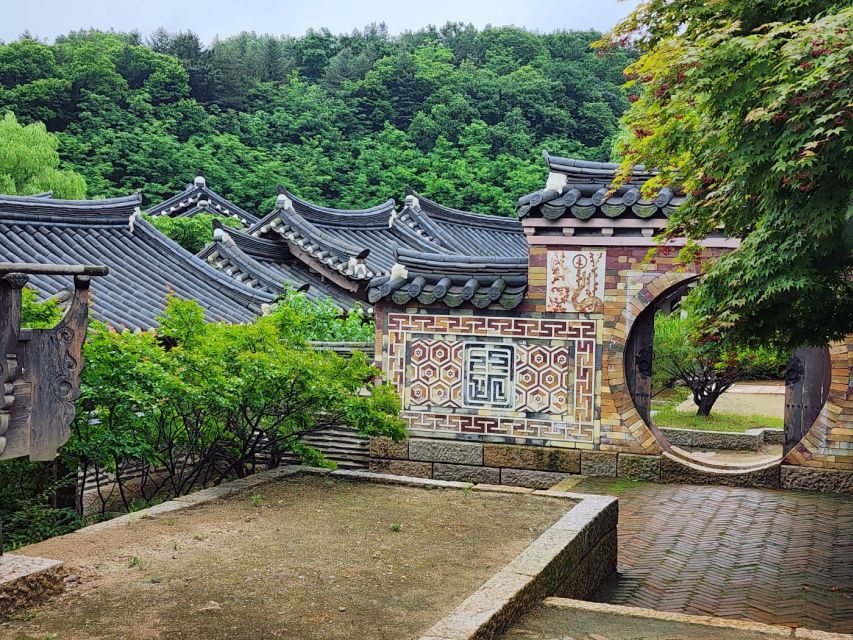
This Suwon day trip is a strong fit if you:
- Want a guided introduction to a UNESCO-listed fortress
- Like your history explained in plain terms with time for questions
- Prefer a low-stress day plan with transport handled
- Are open to culture experiences that may vary by season
It may be less ideal if you:
- Need wheelchair access (the tour is not suitable for wheelchair users)
- Travel with unaccompanied minors (not allowed)
- Expect a rigid, identical performance lineup every day
If you’re traveling with a 14-year-old or a mixed group of ages, the tour format often helps, because the guide can keep the story moving and adjust pace. If you’re a solo traveler, the meeting point and transport logistics also make it easy to join without complicated planning.
My practical take: should you book this tour?
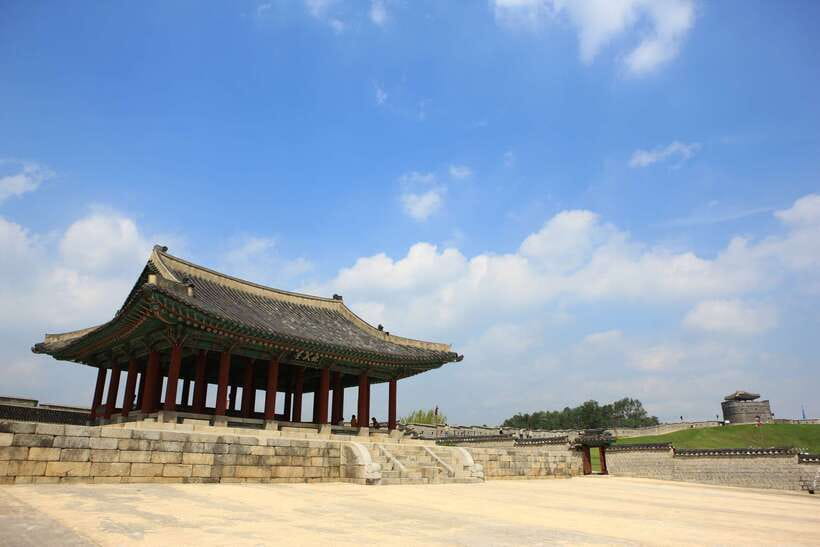
Book it if you want the best parts of Suwon in one day and you care about understanding what you’re seeing. The fortress + Haenggung pairing is a smart combo, and the guide-led format is where most of the value lives. The added full-day stop at Korean Folk Village (or Dae Jang Geum Park) is perfect if you want “Joseon life” context beyond royal power and defense.
Skip or rethink if your priority is a very specific event (like a particular performance) on a guaranteed schedule, or if you’re expecting an uninterrupted, maximum-length wall hike every time. This trip is organized, but it’s still a real-world day with seasonal programming.
If you’re choosing between half-day and full-day, my advice is simple: go full-day if you want culture experiences and hands-on style learning. Go half-day if you want the fortress and Haenggung, then you’d rather spend the rest of your trip exploring Seoul at your own pace.
FAQ
Where is the meeting point in Seoul?
The guide meets you outside Exit #10 of Myeong-dong station.
How long is the tour?
It runs for 4 to 8 hours, depending on which option you choose.
Is there a full-day option with extra sites?
Yes. The full-day tour includes lunch time and a visit to Korean Folk Village or Dae Jang Geum Park after Suwon.
What’s included in the price?
Admission fees, a live guide, transportation by air-conditioned bus or minivan, and a drop-off near Myeongdong area. Full-day options include the Folk Village or Dae Jang Geum Park visit.
What isn’t included?
Food and drinks are not included. Hotel pickup and drop-off are not included, and travel insurance is not included.
Does the tour offer pickup from hotels?
Pickup is optional and offered from centrally located hotels in Seoul (such as Gangnam, Myeongdong, Gwanghwamun, Itaewon, and Dongdaemun). If your place is hard to access, the guide meets you at the nearest central hotel or subway station.
What language are the guides?
The live tour guide is available in English and Japanese.
Is the tour wheelchair accessible?
No, it’s not suitable for wheelchair users.
More Tours in Seoul
- Best DMZ Tour Korea from Seoul (Red Suspension Bridge Optional)★ 5.0 · 41,422 reviews
- DMZ Tour: 3rd Tunnel, Option(Suspension Bridge, Boat) from Seoul★ 5.0 · 21,373 reviews
- DMZ tour south Korea from Seoul (NK experience hall, defector)★ 5.0 · 20,599 reviews
- Seoul: DMZ Tour with Optional Suspension Bridge★ 4.8 · 5,277 reviews
- Seoul: DMZ The 3rd Tunnel and Suspension Bridge Tour★ 5.0 · 4,656 reviews
More Tour Reviews in Seoul
- Best DMZ Tour Korea from Seoul (Red Suspension Bridge Optional)★ 5.0 · 41,422 reviews
- DMZ Tour: 3rd Tunnel, Option(Suspension Bridge, Boat) from Seoul★ 5.0 · 21,373 reviews
- DMZ tour south Korea from Seoul (NK experience hall, defector)★ 5.0 · 20,599 reviews
- Seoul: DMZ Tour with Optional Suspension Bridge★ 4.8 · 5,277 reviews
- Seoul: DMZ The 3rd Tunnel and Suspension Bridge Tour★ 5.0 · 4,656 reviews
Suwon & the Korean Folk Village
- Seoul: Suwon Hwaseong Fortress & Korean Folk Village Tour★ 4.7 · 214 reviews
- Beyond Seoul: Starfield Library, Hwaseong Fortress & Cave Quest★ 5.0 · 177 reviews
- Yongin Dae Jang Geum Park Tour from Seoul★ 5.0 · 176 reviews
- From Seoul: Dae Jang Geum Park Historic K-Drama Set Tour★ 4.9 · 143 reviews
- Suwon Hwaseong+Gwangmyeong Cave+Starfield Library from Seoul★ 5.0 · 104 reviews
Just added to Exploring Seoul

Suwon & Korean Folk Village, compared.
 ★ 4.7Suwon Hwaseong Fortress & Korean Folk Village TourFrom $74214 reviews
 ★ 5.0Beyond Seoul: Starfield Library, Hwaseong Fortress & Cave QuestFrom $69177 reviews
 ★ 5.0Yongin Dae Jang Geum Park Tour from SeoulFrom $50176 reviews
 ★ 4.9From Seoul: Dae Jang Geum Park Historic K-Drama Set TourFrom $55143 reviews
 ★ 5.0Suwon Hwaseong+Gwangmyeong Cave+Starfield Library from SeoulFrom $54104 reviews
 ★ 4.5Korean Folk Village and Suwon Hwaseong Fortress Day Tour(EG Tour)From $6980 reviews
 ★ 5.0From Seoul: Suwon Hwaseong Fortress Night TourFrom $6978 reviews
 ★ 5.0Day Tour of Suwon Hwaseong Fortress Starfield Waujeongsa TempleFrom $5461 reviews
Browse the lists this tour appears in