

Reviewed · DMZ DAY TOURS
From Seoul: DMZ Tour and North Korea Experience Hall
Curiosity has a full-day route. This tour pairs the North Korea Experience Hall with a live session from a North Korean defector, then adds guided DMZ landmarks so you leave with real context, not just photos. I like the practical, day-to-day realism in the hall displays and the chance for a live Q&A that turns headlines into lived experience. One drawback to plan for: visibility at the north-facing viewpoints can drop on rainy days, and the day moves along fairly steadily.
The logistics are built for a one-day hit: pickup options from Myeongdong Station, City Hall Station, or Hongik Univ. Station, then an English-speaking guide who keeps the story straight at every stop. In past groups, guides have included names like Han, Sofia, KC, Katie, and Mimi, and the consistent theme is clear, organized explanations that keep you from getting lost in the details. Just remember this is not a sit-and-stare tour—you’ll be moving through multiple sites across several hours, and you need a passport for DMZ access.
In This Review
- Key Things That Make This DMZ + Experience Hall Day Worth It
- North Korea Experience Hall: Why It Changes the Whole DMZ Day
- English-Guided Flow from Seoul: Timing, Group Size, and Getting There
- Imjingak Park and Nearby Photo Stops: Where Reflection Starts First
- Freedom Bridge and the Third Tunnel of Aggression: Reading Power in Concrete
- Dora Observatory: The View You Came For (Plus the Weather Factor)
- Gamaksan Suspension Bridge and Aegibong Peace Eco Park: Stretch Breaks with Meaning
- Gyeongbokgung on the Same Day: A Smart Cultural Reset
- Price and Value: Is $40 a Fair Deal for This Much?
- Who Should Book (and Who Should Skip It)
- Should You Book This DMZ + North Korea Experience Hall Tour?
- FAQ
- How long is the DMZ tour and North Korea Experience Hall experience?
- How much does the tour cost?
- What is included, and what isn’t?
- Where are the pickup locations in Seoul, and where do you finish?
- Do I need a passport?
- Is there an English guide?
- Is lunch or other food included?
- How large are the groups?
- Who should not book due to age or health limits?
- What are the cancellation and pay-later options?
Key Things That Make This DMZ + Experience Hall Day Worth It
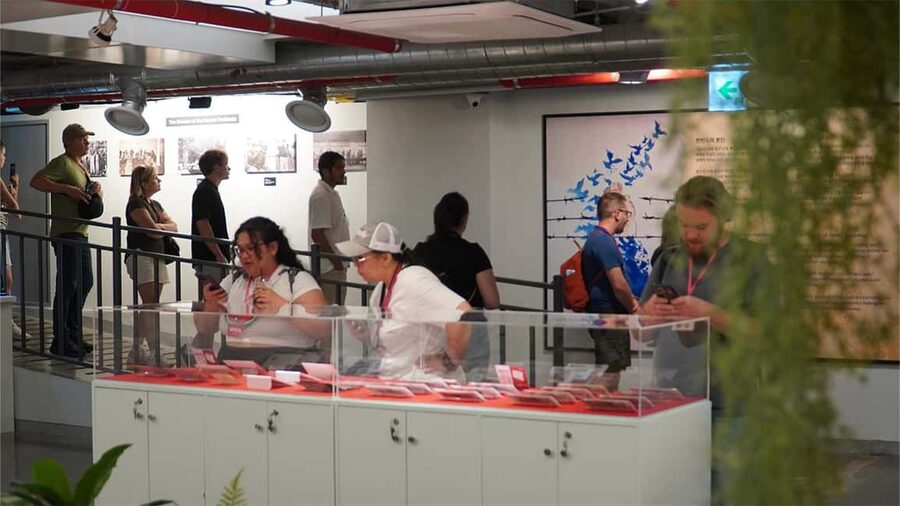
- North Korea Experience Hall photo zones with replicas of home, classroom, and everyday items
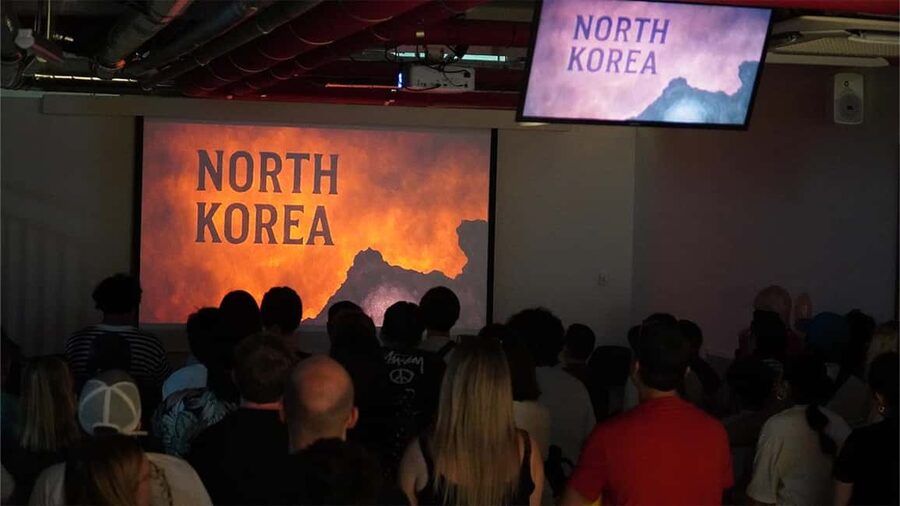
- Documentary screenings that add context before you reach the border sites
- Live Q&A with a North Korean defector plus a special commemorative photo opportunity
- Guided DMZ landmarks in sequence: Imjingak, Freedom Bridge, Third Tunnel of Aggression, Dora Observatory
- Weather matters for what you can actually see from the observatory viewpoints
- A full Seoul reset afterward with a guided visit to Gyeongbokgung before ending at Myeong-dong
North Korea Experience Hall: Why It Changes the Whole DMZ Day
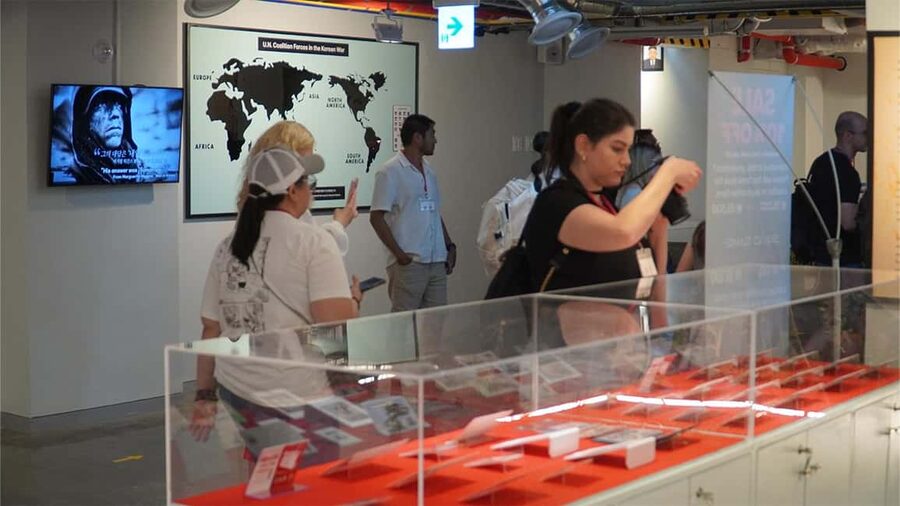
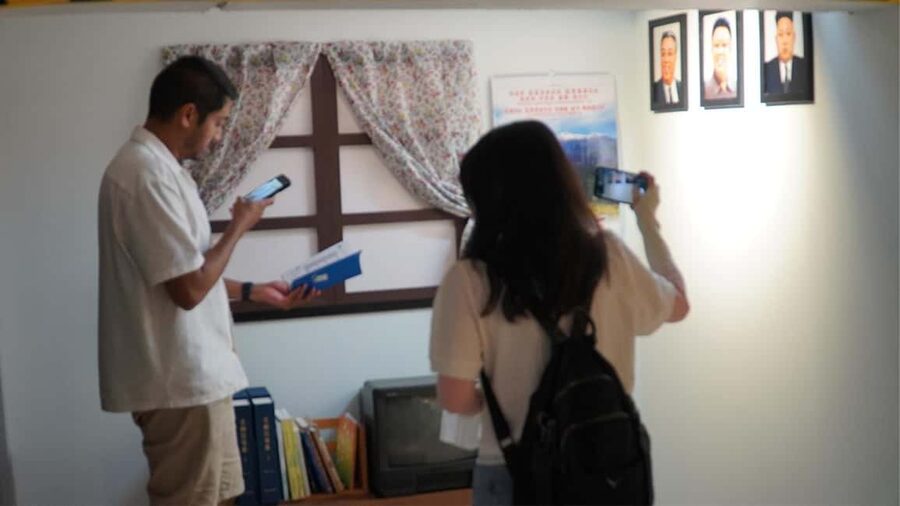
If you’ve ever wondered why the DMZ feels more complicated than a simple line on a map, this is the part that answers the question. Before you even hit the outdoor sites, you get time inside the North Korea Experience Hall with realistic displays, videos, and everyday objects. The hall uses replicas of common settings—like a home and classroom—so you can connect what you see later at the border to something human-scale.
The standout feature here is the live session with a North Korean defector. It isn’t just a story read from a page. You’ll hear firsthand experiences and get a chance to ask questions in a guided Q&A format. That matters because DMZ visits can turn into memorizing dates. This hall nudges you toward understanding how normal routines, education, and daily objects can exist inside a system shaped by conflict.
There’s also a special photo opportunity included with the defector. It’s a concrete reminder that your day includes real people and real accounts, not just scenery.
One thing I’d note: the tour information says photos taken during the experience may be used for promotional purposes. If that’s sensitive for you, consider whether you’re comfortable with being photographed during the day.
English-Guided Flow from Seoul: Timing, Group Size, and Getting There
This is an all-in-one, long-day outing—8 to 9 hours total. You start with pickup, and then you ride in a van toward the DMZ area. The drive time listed is about 1 hour, but the real clock comes from the sequence of stops and the guided time at each location.
Groups max out at 30 people per session. If demand forces it, your group may be split. The tour notes that efforts are made to keep groups together, but you should expect this kind of scheduling flexibility on busy days.
The guide is English-speaking, and the pacing is built around guided commentary at each stop. That’s practical: without a guide, the sites can look like separate attractions. With commentary, they connect as one story—especially once you’ve already done the Experience Hall.
Pickup options in Seoul make this easier than the usual DMZ scramble:
- Myeongdong Station Exit 10
- City Hall Station
- Hongik Univ. Station Exit 3
Your ending point is Myeong-dong. So you’re not stuck searching for a ride at the end of the day when you’re tired.
Imjingak Park and Nearby Photo Stops: Where Reflection Starts First
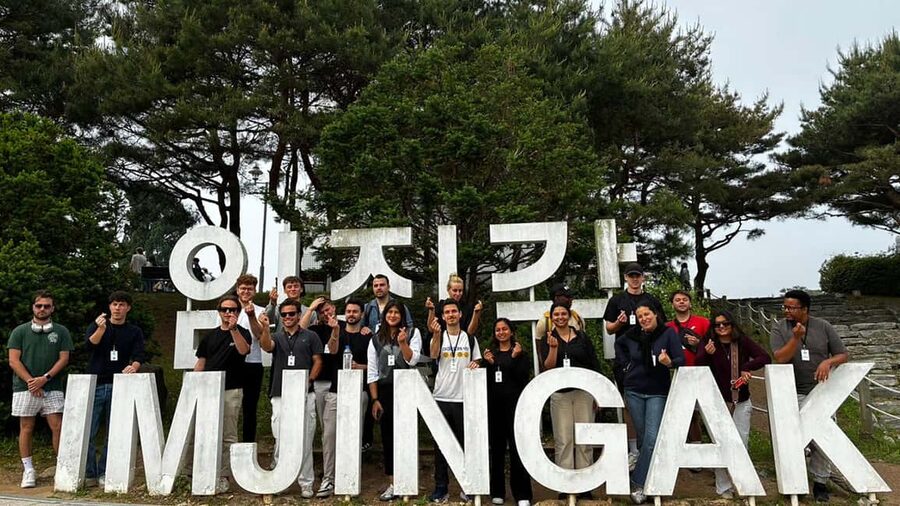
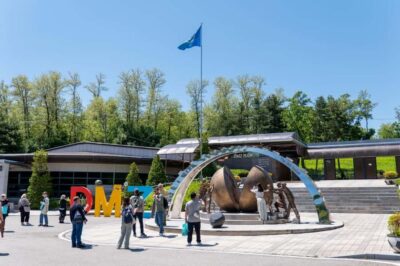
After the van ride, you begin the DMZ-zone part with Imjingak. Expect a mix of guided time and movement: you’ll have a photo stop and visit component, plus guided touring and a walk (about 1 hour).
Why I like this order: it gives you context before the more famous DMZ photo angles. You’re not thrown straight into “the view.” You get a chance to orient—both physically and emotionally—about what the border has meant for people over time.
The plan also includes another photo stop and guided visit with about 1 hour of guided time. That sort of pairing matters. Photo stops alone can feel like checkpoints. But when they’re supported by explanation, they become part of the larger narrative you’re building through the day.
A small reality check: this portion includes outdoor walking. If you’re sensitive to long days, plan on comfortable shoes and taking your cues from the guide’s pace.
Freedom Bridge and the Third Tunnel of Aggression: Reading Power in Concrete
Next up are two stops that often feel very different on the outside, yet connect through the same idea—how tension is built into the landscape.
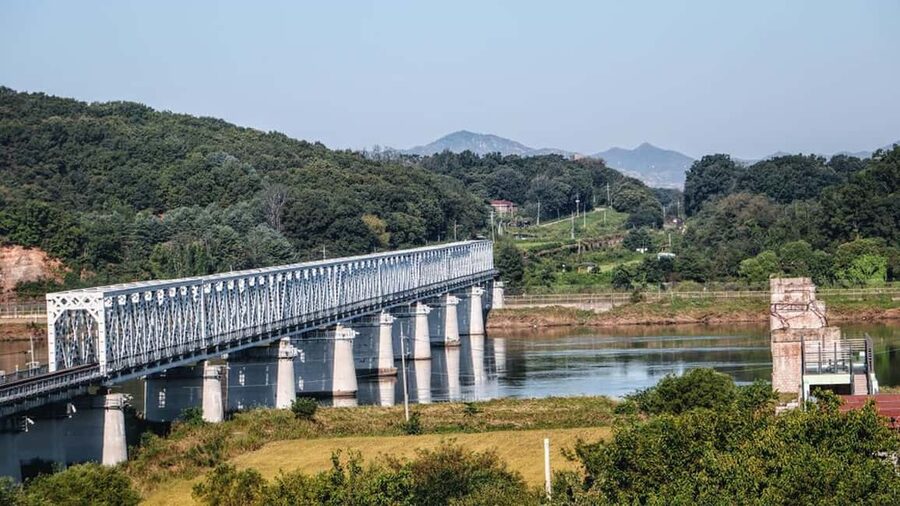
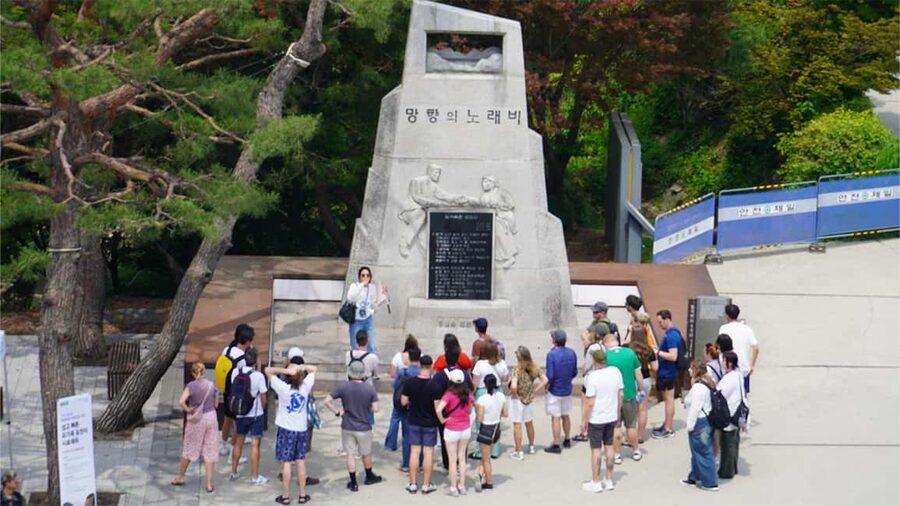
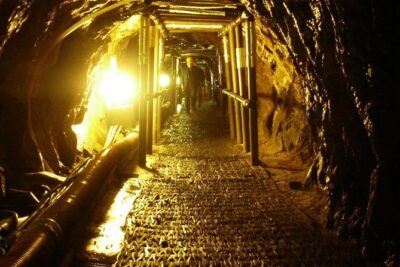
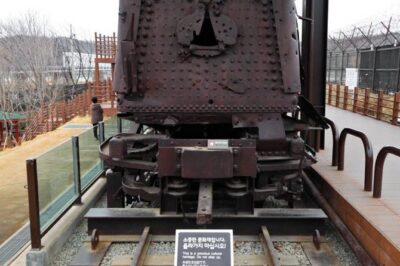
You’ll have guided time at Mangbaedan, then Freedom Bridge with guided touring, followed by the Third Tunnel of Aggression with about 1 hour guided time.
Here’s what’s valuable about this cluster: each stop offers a different angle on conflict. You can think of it like three lenses:
- one focused on the symbolic geography of the border,
- one showing the public-facing tension,
- and one pointing toward the hidden, engineered side of the confrontation.
Even without getting lost in technical details, the guided commentary helps you understand why these locations became famous—not just because they’re photogenic, but because they represent different chapters of the Korean War and the ongoing standoff.
Also, remember this isn’t a hands-on engineering lesson. It’s guided viewing and context. So bring patience for explanations, listen closely, and don’t worry if it feels heavy. That’s the point.
Dora Observatory: The View You Came For (Plus the Weather Factor)
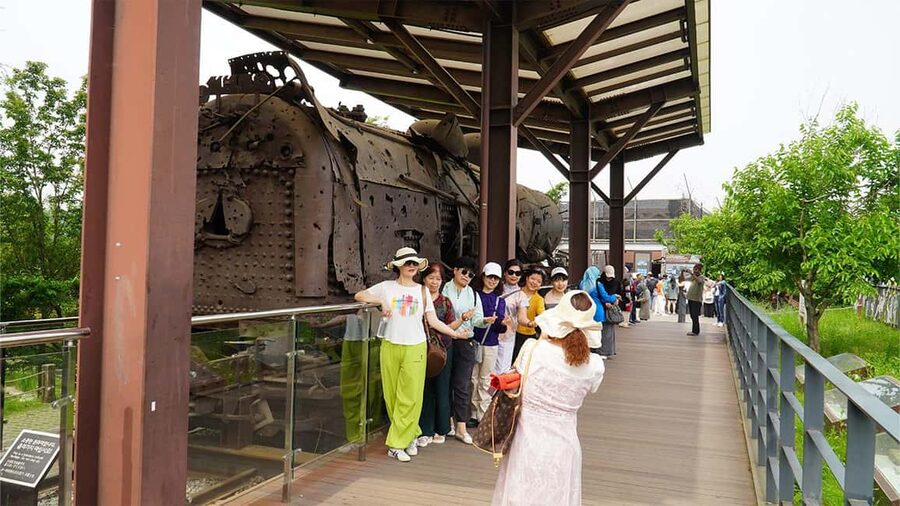
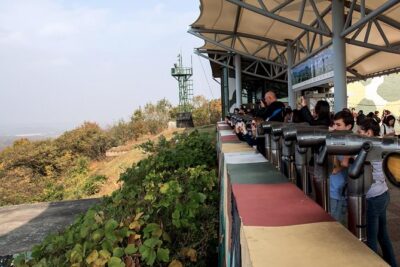
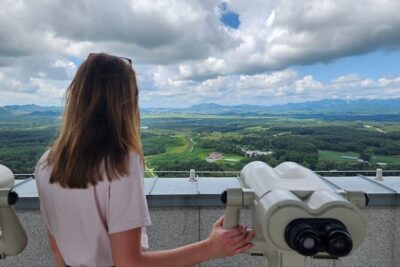
Then comes Dora Observatory, with about 1 hour guided time. This is where the DMZ story turns into actual sightlines—one of the reasons people schedule a full day for this instead of squeezing it into a half-day.
What you should know upfront: visibility can change your experience. One of the practical tips that shows up in real-world experiences is that rainy conditions can reduce visibility toward North Korea. If you’re traveling in a season where rain is common, don’t assume you’ll see a perfect, clear view.
The guide’s role here matters more than you might think. At the observatory, the “what you’re looking at” details can make a big difference in how much you understand. With commentary, the observatory becomes a thinking place, not just a viewing platform.
If you’re the type who likes to confirm what you’ve learned by looking for it again in real space, Dora Observatory is where that habit pays off.
Gamaksan Suspension Bridge and Aegibong Peace Eco Park: Stretch Breaks with Meaning
After the DMZ core, the day keeps moving—now with a more scenic, lighter physical pace (still guided, just less stark than the border sites).
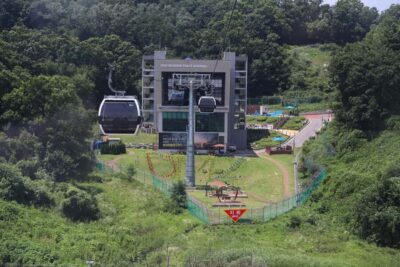
You’ll get a photo stop, visit, guided tour at Gamaksan Suspension Bridge for about 1 hour. Then Aegibong Peace Eco Park with guided time for about 2 hours.
This part of the day works well for two reasons:
- it breaks the intensity of DMZ stops with movement and views,
- it gives your brain time to process what you just learned.
It’s also a good reminder that peace messaging in South Korea isn’t only about the DMZ line—it shows up in public spaces and local landmarks too. You’re not just consuming conflict; you’re getting a sense of how the idea of peace is presented in daily life areas.
Gyeongbokgung on the Same Day: A Smart Cultural Reset
This tour doesn’t end at the DMZ zone. You also have a guided visit to Gyeongbokgung for about 2 hours, before finishing back at Myeong-dong.
That timing is practical. After a day centered on one of the most intense parts of the Korean Peninsula story, Gyeongbokgung gives you a reset: heritage, architecture, and a completely different pace.
It also helps with logistics. Instead of trying to figure out a palace visit late in the evening, you get structured time and a guide for another major landmark.
Keep in mind: it’s still a long day. By the time you reach this final leg, your energy will be the real limiting factor, so plan to move at your own pace while still following the group timing.
Price and Value: Is $40 a Fair Deal for This Much?
At $40 per person for an 8 to 9 hour outing, the value is strongest when you count what’s included instead of only looking at the headline price.
You get:
- transport as part of the day (via van),
- an English-speaking live guide,
- the North Korea Experience Hall content,
- and guided visits to multiple DMZ-related and historic landmarks.
You also get a real “only-here” element: the defector session plus the commemorative photo opportunity. That’s not something you recreate on your own.
What’s not included is equally important: meals and drinks aren’t included, so you’ll need to budget time and money for food on your own. And the tour requires a valid passport to enter the DMZ, so if you forget it, the plan can fall apart.
Also, the tour says you can skip the ticket line. In practice, that time savings matters when your day is already packed with multiple stops.
Bottom line on value: this price makes sense if you want context, not only sightseeing, and if you’re comfortable with a full-day schedule.
Who Should Book (and Who Should Skip It)
This experience fits best if you’re:
- a history lover who wants the DMZ explained in human terms,
- the kind of person who values a real Q&A with a defector instead of just museum-style information,
- okay with a full day moving through several locations with guided time at each.
But it’s not a good match for everyone. The tour states it’s not suitable for:
- children under 10,
- pregnant women,
- people with back problems,
- people with mobility impairments,
- wheelchair users,
- people with heart problems,
- people over 70.
There’s also a rule for minors: participants under 14 must be accompanied by a guardian.
On the day itself, you need to follow the basic conduct rules:
- no smoking in the vehicle,
- no smoking indoors,
- no alcohol and drugs.
If any of those health limits apply to you, I’d treat it as a hard stop. The schedule is long, the day includes walking, and safety comes first.
Should You Book This DMZ + North Korea Experience Hall Tour?
Yes—if you want your DMZ day to feel understandable, not just dramatic. The North Korea Experience Hall is the key differentiator. It gives you the everyday context that makes Dora Observatory and the other landmark stops click.
Skip it—or at least reconsider—if you’re expecting a mostly relaxed outing. This is structured, guided, and long. And if weather is likely to be rainy where you’ll be at Dora Observatory, go in with flexible expectations about what you’ll be able to see.
If you’re ready for an emotional, reality-based day and you can bring your passport, this is one of the most efficient ways to turn “curiosity” into actual understanding.
FAQ
How long is the DMZ tour and North Korea Experience Hall experience?
The duration is listed as 8 to 9 hours.
How much does the tour cost?
The price is $40 per person.
What is included, and what isn’t?
Included: North Korea Exhibition Hall and DMZ & Historic Landmarks. Not included: meals and drinks.
Where are the pickup locations in Seoul, and where do you finish?
Pickup is available from Myeongdong Station Exit 10, City Hall Station, and Hongik Univ. Station Exit 3. The tour finishes at Myeong-dong.
Do I need a passport?
Yes. A valid passport is required to enter the DMZ, so bring it on the tour day.
Is there an English guide?
Yes. The tour includes a live tour guide in English.
Is lunch or other food included?
No. Meals, including lunch, are not included.
How large are the groups?
The maximum group size is 30 participants per session, and groups may be split if needed.
Who should not book due to age or health limits?
The tour is not suitable for children under 10, pregnant women, people with back problems, mobility impairments, wheelchair users, people with heart problems, and people over 70. Also, participants under 14 must be accompanied by a guardian.
What are the cancellation and pay-later options?
You can cancel up to 24 hours in advance for a full refund. You can also reserve now & pay later to keep plans flexible.
DMZ Day Tours, compared.
 ★ 5.0DMZ Tour: 3rd Tunnel, Option(Suspension Bridge, Boat) from SeoulFrom $3521,373 reviews
 ★ 5.0DMZ tour south Korea from Seoul (NK experience hall, defector)From $2620,599 reviews
 ★ 4.8DMZ Tour with Optional Suspension BridgeFrom $455,277 reviews
 ★ 5.0DMZ The 3rd Tunnel and Suspension Bridge TourFrom $654,656 reviews
 ★ 5.0Signature DMZ Tour: Exclusive Defector Talk & Suspension BridgeFrom $274,459 reviews
 ★ 5.0Thrilling Korean DMZ 3rd Tunnel Tour from Seoul + Red Bridge RushFrom $353,097 reviews
 ★ 4.9DMZ Tour & Suspension Bridge (Option English/Spanish)From $352,628 reviews
 ★ 5.0DMZ Past and Present: Korean Demilitarized Zone Tour from SeoulFrom $372,481 reviews
Browse the lists this tour appears in