
Reviewed · DMZ DAY TOURS
DMZ Tour with Pistol Shooting Experience from Seoul
You can see the DMZ without leaving Seoul all day. This 7.5-hour DMZ day trip pairs DMZ sights like the Third Tunnel and Dora Observatory with included pistol target practice afterward in Myeong-dong. One thing to consider: time at each checkpoint is tight, so if you want to slow-read every panel, you’ll need to be selective.
I like that the route is built for first-timers: you get orientation at the DMZ exhibition hall, then you move through the story of infiltration routes and surveillance views. I also like the practical add-on of target practice in Seoul, which turns a heavy day into something hands-on and memorable. The main drawback is that DMZ operations can change fast due to military decisions, weather, or road conditions.
In This Review
- Key things that make this DMZ + pistol tour worth your time
- What this $35 DMZ + pistol day trip actually delivers
- Meeting in Myeong-dong: how to start smoothly
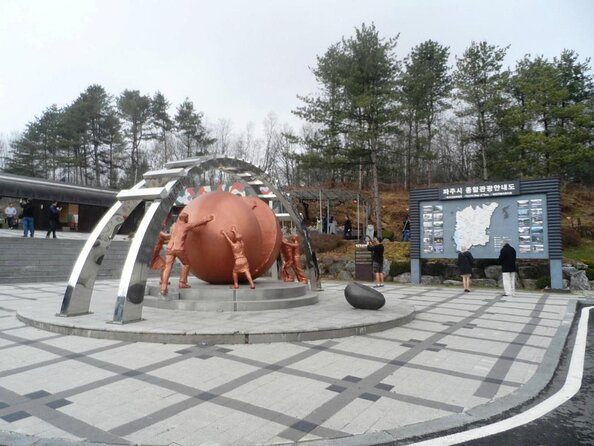
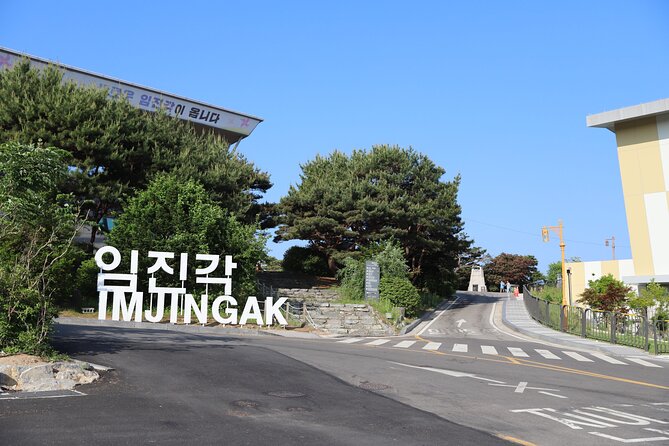
- Stop 1: Imjingak Pyeonghoa-Nuri Park and the “why” behind the visit
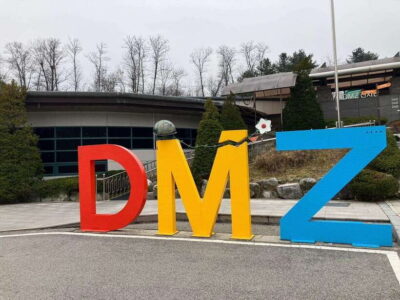
- DMZ Theater and Exhibition Hall: orientation before you see the line
- The 3rd Infiltration Tunnel: why this underground route matters
- Dora Observatory: binocular views and the reaches of Kaesong
- Dorasan Train Station: future connection as a real-world stop
- Myeong-dong pistol target practice: the fun half after the heavy half
- The guide makes or breaks the experience
- Timing, weather, and the reality of military control
- Price and value: when $35 feels fair and when it won’t
- Who should book this DMZ tour, and who might skip it
- Final verdict: book if you want DMZ context plus a hands-on finish
- FAQ
- Do I need a passport for the DMZ tour?
- How old do you need to be for the pistol shooting experience?
- How long is the DMZ tour from Seoul?
- Where do I meet the tour, and where do I end it?
- Is hotel pickup or drop-off included?
- Is lunch included in the price?
- What is the maximum group size?
- What happens if the DMZ portion is canceled or the schedule changes?
Key things that make this DMZ + pistol tour worth your time
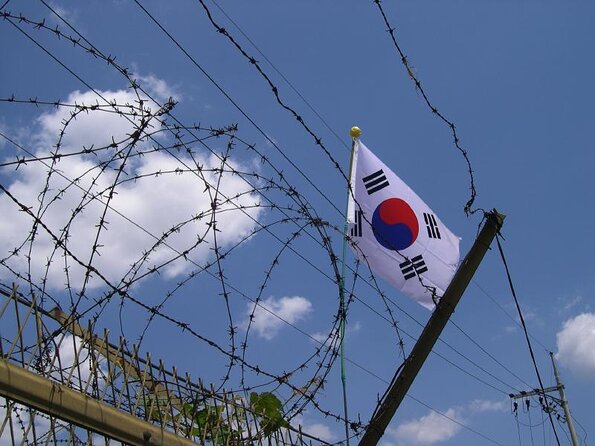
- A close-up look at the Military Demarcation Line area with passport checks and guided context
- The 3rd Infiltration Tunnel and its real scale (about 1,635 meters) plus a clear purpose for why it mattered
- Dora Observatory views through binoculars that can reach Gaeseong and even as far as Kaesong
- Dorasan Train Station as a forward-looking stop built for future connection
- Pistol shooting in Myeong-dong included (age 14+), so you’re not waiting for your “fun part”
- Group size is capped at 30, which helps keep the day moving without feeling like a cattle run
Other ways to reach the DMZ and the border from Seoul
- Best DMZ Tour Korea from Seoul (Red Suspension Bridge Optional)★ 5.0 · 41,422 reviews
- DMZ Tour: 3rd Tunnel, Option(Suspension Bridge, Boat) from Seoul★ 5.0 · 21,373 reviews
- DMZ tour south Korea from Seoul (NK experience hall, defector)★ 5.0 · 20,599 reviews
- Seoul: DMZ Tour with Optional Suspension Bridge★ 4.8 · 5,277 reviews
What this $35 DMZ + pistol day trip actually delivers
Let’s talk value first. This is priced at $35 for a full half-day-plus outing (about 7 hours 30 minutes) that includes a professional guide, air-conditioned transportation, admission at the DMZ stops, and a pistol shooting experience afterward. That mix is the big selling point: you’re not just going to look at buildings behind a fence. You’re getting the framework to understand why the DMZ looks the way it does, then you get a very different activity in Seoul to reset your brain.
The tone of the day is mostly serious, but it doesn’t stay gloomy the whole time. After the tunnel and observatory stops, the pistol range brings you back to something physical and immediate: following instructions, aiming at targets, and feeling that controlled adrenaline.
The trade-off? You’re moving through multiple major stops with scheduled time blocks. It’s not a linger-at-every-exhibit kind of trip. Think “structured overview” rather than “slow museum day.”
Meeting in Myeong-dong: how to start smoothly
This tour starts and ends in Myeong-dong, with the meeting point listed as Myeong-dong Station. There’s no hotel pickup or drop-off, so plan your day around Seoul subway logistics. If you’re staying farther out, you’ll want to arrive early so you’re not sprinting through the station trying to find the group.
Bring your valid passport. The DMZ is operated by the military, and your passport is checked by soldiers at the stops. Even if you’re traveling with a digital copy, you’ll still need the physical passport on the day of travel.
The booking details also matter. You’ll be asked to provide full names for everyone in your party, and you should include your hotel name, address, and phone number in the special requirements field. That’s not busywork. It helps the operator keep your group straight when security is in charge.
Stop 1: Imjingak Pyeonghoa-Nuri Park and the “why” behind the visit
Your first stop is Imjingak Pyeonghoa-Nuri Park, located about 7 km from the Military Demarcation Line. This area is tied to the Korean War, and it was built in 1972 with the idea that unification someday would be possible. Even if you don’t know the timeline cold, this is a good opening move because it anchors the day in human stakes, not just geography.
Time here is listed at about 20 minutes with admission included. In that window, you’re mostly setting context and getting your bearings before heading into the DMZ-specific checkpoints. If you’re the type who likes to take a quick photo, read one or two key plaques, and move on, this stop fits your style.
If you’re the type who wants to study every detail, don’t count on extra time here. The day is structured, and later stops also have time limits.
DMZ Theater and Exhibition Hall: orientation before you see the line
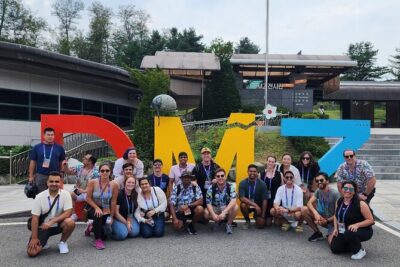
After leaving Seoul, you’ll travel past Imjingak Park, Freedom Bridge, and Unification Village en route. Then you reach the DMZ Theater and Exhibition Hall, where there’s a short video and exhibits designed to help you understand the division of Korea.
There’s also an important security beat: after a passport check by soldiers, you may be able to explore the DMZ exhibition area. Plan to keep things moving during this section. You’ll get the most out of it if you watch the video attentively and then choose a couple exhibits to focus on instead of trying to read everything.
This stop is about 30 minutes. That’s enough for a strong overview, especially with a guide who can connect what you’re seeing to the broader story.
The 3rd Infiltration Tunnel: why this underground route matters
Next is the highlight for a lot of people: the Third Infiltration Tunnel. It was discovered by South Korea in 1978, and it stretches roughly 1,635 meters. The tunnel is about 2 meters wide and 2 meters high, with estimates that around 30,000 soldiers per hour could move through it.
That last number isn’t just trivia. It’s the point. This tunnel explains how the DMZ wasn’t only a line on a map—it was also a system for infiltration and surprise movement. Seeing it with that context makes the whole idea of “demarcation” feel less abstract.
You’ll have about 40 minutes here with admission included. Tunnel visits usually demand a bit more physical comfort than open-air stops—standing, walking, and dealing with confined space. The tour notes you should have moderate physical fitness, which is your heads-up to wear comfortable shoes and be ready for some “move through, look, move through” pacing.
If you’re uncomfortable in tight spaces, this is the one stop to think about carefully before booking.
Dora Observatory: binocular views and the reaches of Kaesong
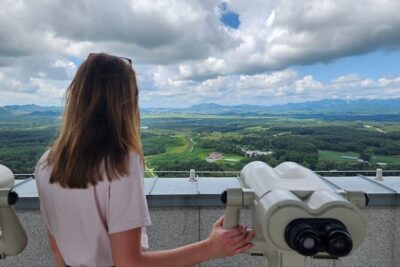
From there, you go to the Dora Observatory, with about 30 minutes on the schedule. The big feature here is the view: you can overlook North Korea and multiple locations, and you’ll use binoculars from the observatory.
Specifically, you can see areas including Gaeseong, Songaksan, the Kim Il-Sung Statue, and Cooperation Farm (Geumamgol). The tour description also notes you can see as far as Kaesong. That long-range visibility is part of what makes this stop so memorable. It turns the DMZ from a concept into a sight you can point to.
One practical tip: if you’re with a group, don’t wait until the last minute to take your turn at the binoculars. The time goes fast, and you’ll regret it if you’re busy in line when the best angles are already passing.
Dorasan Train Station: future connection as a real-world stop
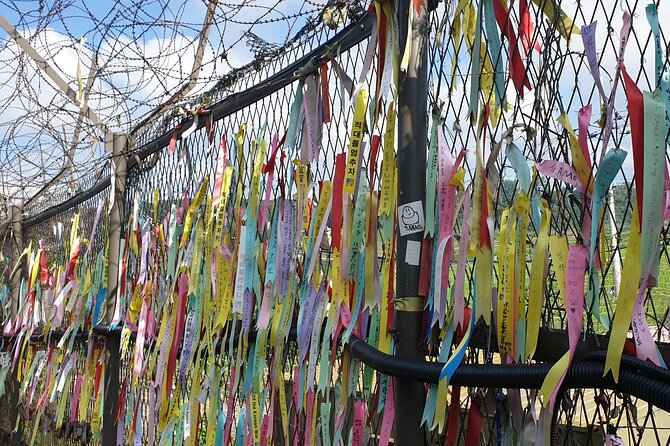
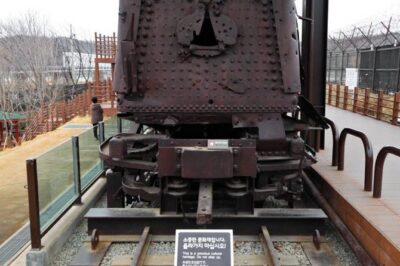
Before heading back toward Seoul, the route includes Dorasan Train Station. It’s built to connect the two countries in the future, so it functions like the day’s “what comes next” chapter.
Even if reunification still feels like a distant wish, the station gives you a concrete place to hang that hope. It’s a different mood from the tunnel. You go from understanding invasion planning to imagining transportation and movement that isn’t controlled by conflict.
This stop isn’t listed with a standalone time block, but it’s part of the guided flow on the return journey. Take it as your chance to breathe and reset.
Myeong-dong pistol target practice: the fun half after the heavy half
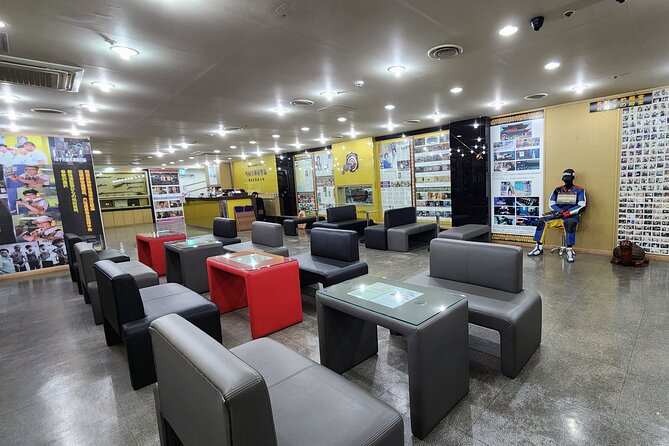
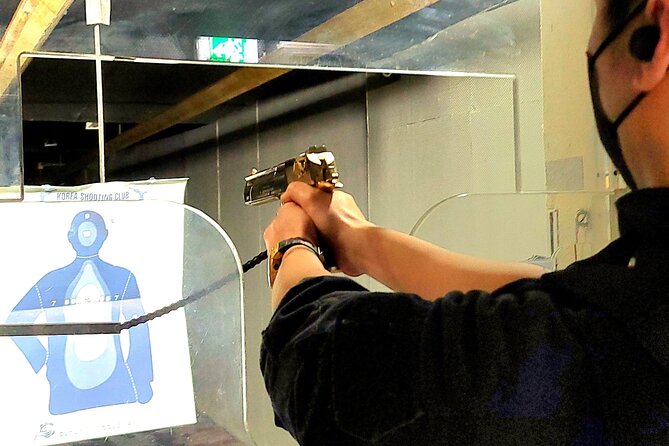
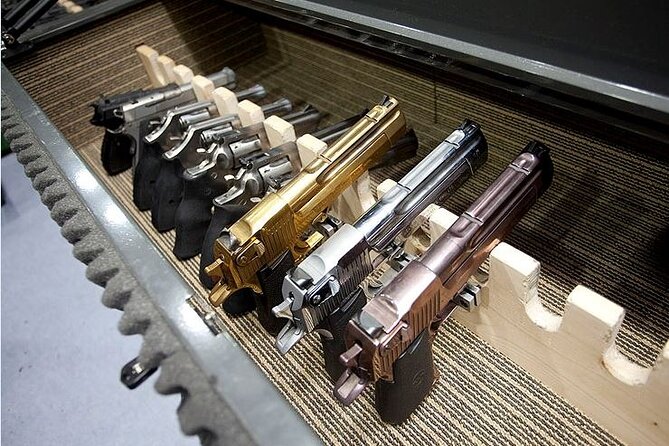
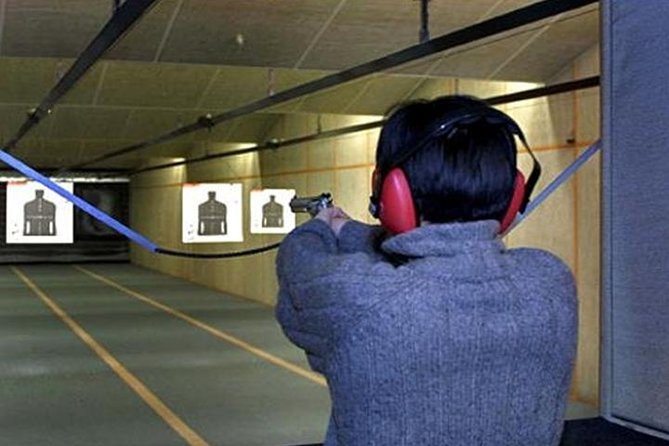
After the DMZ portion, you’re back in Seoul for pistol shooting at the Myeongdong Real Gun Shooting Range. This is included and scheduled for about 20 minutes.
Important rule: participants must be age 14 or older. If you’re traveling with a teen, this is a rare chance to do something hands-on that still fits the tour’s main theme (security, borders, and weapons—handled here in a controlled range setting).
What you should expect: you’ll follow range staff instructions and shoot at targets as part of a structured “experience” session. You’ll get enough time for a real try, not just a quick photo op.
What I like about this add-on is the balance. The DMZ day is emotionally heavy. The shooting segment brings you back to a skill-based activity where you can focus on safety and aim instead of history.
If you don’t enjoy shooting activities at all, this part may feel like it breaks the tone. But if you want a memorable contrast, it works.
The guide makes or breaks the experience
A day like this lives and dies on interpretation. The strongest versions of this tour come from guides who can explain why each stop exists and connect the dots across the day.
One guide name that stood out in the tour’s feedback is Julie, described as enthusiastic and informative, with the group continuing on to the shooting range afterward. Another name you may see is Jinny, noted for being helpful and able to answer questions in English.
Still, there’s a real caution worth respecting: some people have felt that English ability or pacing wasn’t up to par, and that time wasn’t always used the way they wanted at each stop. That doesn’t mean the tour is consistently bad. It means you should adjust your expectations.
My advice: come with 1–2 short questions you care about (for example, why the tunnel mattered or what the observatory line-of-sight means). If the guide can’t fully land every question, you’ll still get a lot by having focused curiosity.
Timing, weather, and the reality of military control
This is one part you can’t treat like a normal sightseeing schedule. The tour states that because the DMZ is operated by the military, the trip may be canceled without prior notice. It also says schedules can change due to road conditions, weather (storms, dense fog, heavy snow), government orders, strikes, or military training and other operational reasons.
In plain terms: you should be flexible. If you’re traveling with tight connections (like a flight later the same day), don’t gamble on this being 100% predictable.
There’s also an alternative itinerary listed if things change: Imjingak park → Art Space BEAT 131 → Odusan Unification Observatory → The war memorial of Korea → pistol shooting experience → dismiss at Myeong-dong. That’s useful because it still keeps the day in the unification-and-division theme, even if the DMZ-specific stops shift.
Dress smart. Even in Seoul, observatory and checkpoint conditions can feel colder or more exposed than you expect. Wear layers and plan for quick transitions.
Price and value: when $35 feels fair and when it won’t
Is $35 cheap? Yes—especially considering what’s included: professional guide, air-conditioned transport, DMZ admissions, and pistol shooting. The price is also low compared to the kind of DMZ experiences that often cost much more.
But here’s the realistic trade-off. Your time is compartmentalized. You’re not paying for endless access or slow browsing. You’re paying for a structured route that hits key DMZ locations and adds a shooting activity without requiring extra tickets.
Also, lunch and food/drinks aren’t included, so budget for a meal on your own. That’s not a deal-breaker, but it matters on a 7.5-hour schedule. If you get hungry, you’ll be grateful you planned ahead with water or snacks near your meeting area.
Finally, remember the rules: passport on the day of travel, and a 14+ age requirement for shooting. If either doesn’t fit your group, you’ll feel the squeeze.
Who should book this DMZ tour, and who might skip it
This tour is a strong match if you want:
- Big DMZ names in one day: Imjingak Park, the DMZ exhibition hall, the 3rd Infiltration Tunnel, and Dora Observatory
- A guide-led explanation rather than a self-guided scramble
- A day that’s part serious and part fun, thanks to included pistol target practice
You might consider skipping (or at least double-checking your comfort level) if:
- You need lots of time to read slowly and linger at exhibits
- You’re uncomfortable in confined spaces like tunnel environments
- Your schedule is extremely tight and you can’t handle possible military-driven changes
If you like structured trips that still feel meaningful, you’ll probably enjoy the flow.
Final verdict: book if you want DMZ context plus a hands-on finish
I think this one is a smart choice when you want the DMZ experience from Seoul without overcomplicating your day. The combination of Dora Observatory binocular views, a real look at the Third Infiltration Tunnel, and then pistol shooting in Myeong-dong makes the day feel more complete than a standard “bus-and-photos” outing.
Just go in knowing the pacing is time-boxed and the DMZ can be unpredictable. If that fits your style, this tour can be a great use of your time in Seoul.
FAQ
Do I need a passport for the DMZ tour?
Yes. You should bring your valid passport on the day of travel, because there will be a passport check by soldiers at DMZ stops.
How old do you need to be for the pistol shooting experience?
Participants must be at least 14 years old.
How long is the DMZ tour from Seoul?
The duration is listed as approximately 7 hours 30 minutes.
Where do I meet the tour, and where do I end it?
You meet at Myeong-dong Station and the tour also ends at Myeong-dong.
Is hotel pickup or drop-off included?
No. Hotel pickup and drop-off service aren’t included.
Is lunch included in the price?
No. Lunch time, food, and drinks are not included.
What is the maximum group size?
The tour has a maximum of 30 travelers.
What happens if the DMZ portion is canceled or the schedule changes?
Because the DMZ is operated by the military, the trip may be canceled without prior notice, and schedules can change due to military or operational reasons and other factors like weather and road conditions. In cases like this, the operator reserves the right to cancel and/or alter the itinerary, and refunds aren’t granted in those circumstances.
More Tours in Seoul
- Best DMZ Tour Korea from Seoul (Red Suspension Bridge Optional)★ 5.0 · 41,422 reviews
- DMZ Tour: 3rd Tunnel, Option(Suspension Bridge, Boat) from Seoul★ 5.0 · 21,373 reviews
- DMZ tour south Korea from Seoul (NK experience hall, defector)★ 5.0 · 20,599 reviews
- Seoul: DMZ Tour with Optional Suspension Bridge★ 4.8 · 5,277 reviews
- Seoul: DMZ The 3rd Tunnel and Suspension Bridge Tour★ 5.0 · 4,656 reviews
More Tour Reviews in Seoul
- Best DMZ Tour Korea from Seoul (Red Suspension Bridge Optional)★ 5.0 · 41,422 reviews
- DMZ Tour: 3rd Tunnel, Option(Suspension Bridge, Boat) from Seoul★ 5.0 · 21,373 reviews
- DMZ tour south Korea from Seoul (NK experience hall, defector)★ 5.0 · 20,599 reviews
- Seoul: DMZ Tour with Optional Suspension Bridge★ 4.8 · 5,277 reviews
- Seoul: DMZ The 3rd Tunnel and Suspension Bridge Tour★ 5.0 · 4,656 reviews
The DMZ & the Border, More Routes
- Best DMZ Tour Korea from Seoul (Red Suspension Bridge Optional)★ 5.0 · 41,422 reviews
- DMZ Tour: 3rd Tunnel, Option(Suspension Bridge, Boat) from Seoul★ 5.0 · 21,373 reviews
- DMZ tour south Korea from Seoul (NK experience hall, defector)★ 5.0 · 20,599 reviews
- Seoul: DMZ Tour with Optional Suspension Bridge★ 4.8 · 5,277 reviews
- Seoul: DMZ The 3rd Tunnel and Suspension Bridge Tour★ 5.0 · 4,656 reviews
Just added to Exploring Seoul


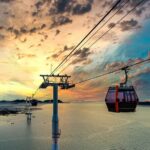
DMZ Day Tours, compared.
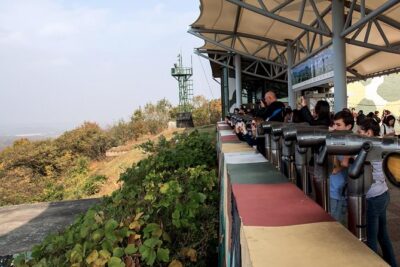 ★ 5.0DMZ Tour: 3rd Tunnel, Option(Suspension Bridge, Boat) from SeoulFrom $3521,373 reviews
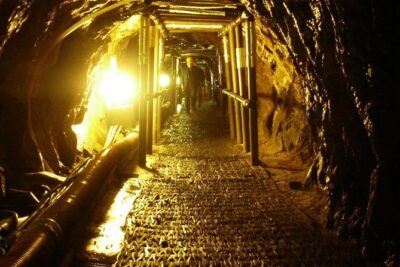 ★ 5.0DMZ tour south Korea from Seoul (NK experience hall, defector)From $2620,599 reviews
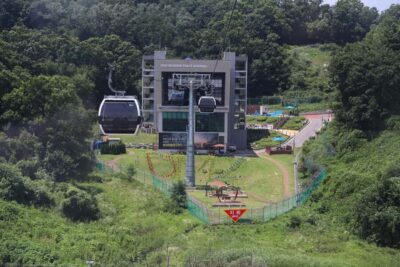 ★ 4.8DMZ Tour with Optional Suspension BridgeFrom $455,277 reviews
 ★ 5.0DMZ The 3rd Tunnel and Suspension Bridge TourFrom $654,656 reviews
 ★ 5.0Signature DMZ Tour: Exclusive Defector Talk & Suspension BridgeFrom $274,459 reviews
 ★ 5.0Thrilling Korean DMZ 3rd Tunnel Tour from Seoul + Red Bridge RushFrom $353,097 reviews
 ★ 4.9DMZ Tour & Suspension Bridge (Option English/Spanish)From $352,628 reviews
 ★ 5.0DMZ Past and Present: Korean Demilitarized Zone Tour from SeoulFrom $372,481 reviews
Browse the lists this tour appears in