
Reviewed · DMZ DAY TOURS
DMZ Tour (Exclusive offer: NK Defector meet up & Experience Hall)
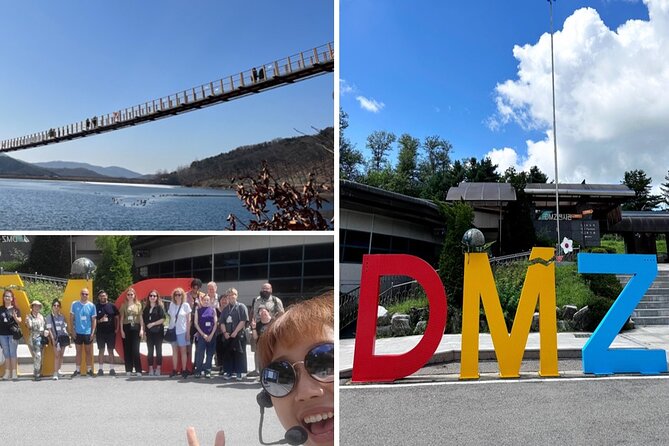
A border day, with real stories. This DMZ tour strings together the key sights in one focused 7-hour outing—coach transport, expert guide commentary, and the big-name landmarks like Imjingak, Freedom Bridge, Dora Observatory, and Dorasan Station. With this exclusive offer, you also get the NK defector meet-up and the Experience Hall, which adds the human side you don’t get from statues and signs.
I love the value here: for $35, you get round-trip transportation, admission fees, and an English-speaking guide who explains what you’re seeing instead of just pointing. I also like that it’s built for momentum without a compulsory shopping stop, so your day stays on theme—division, conflict, and the long road toward peace.
The main drawback is physical. The Third Infiltration Tunnel includes moderate walking through a steep, narrow tunnel, and the climb out can feel like a small workout. Wear supportive shoes and plan your energy for that moment.
In This Review
- Key highlights that make this DMZ day worth it
- Price and logistics: what you’re really paying for
- Starting from City Hall Station: how to set up your day
- Imjingak Park and Freedom Bridge: where the war becomes physical
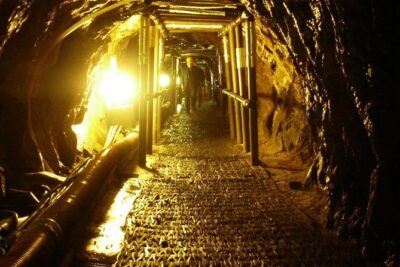
- Third Infiltration Tunnel: the day’s real workout
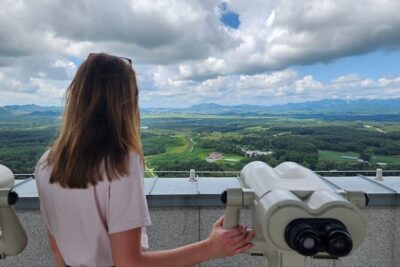
- Dora Observatory: seeing the border’s logic from the south
- Dorasan Station: the reunification idea made visible
- The exclusive offer: NK defector meet-up and Experience Hall
- Pacing, breaks, and how to survive a structured 7 hours
- Who this DMZ tour suits best
- Should you book this DMZ tour?
- FAQ
- How long is the DMZ Tour?
- How much does the DMZ Tour cost?
- What’s included in the ticket price?
- What is not included?
- Where do I meet and where does the tour end?
- Do I need a passport?
- Do I need to send a copy of my passport in advance?
- Are there photo rules?
- What if the tour is cancelled due to military conditions?
- Is the tour walking-heavy?
Key highlights that make this DMZ day worth it
- Round-trip coach from central Seoul keeps the logistics easy and the schedule tight.
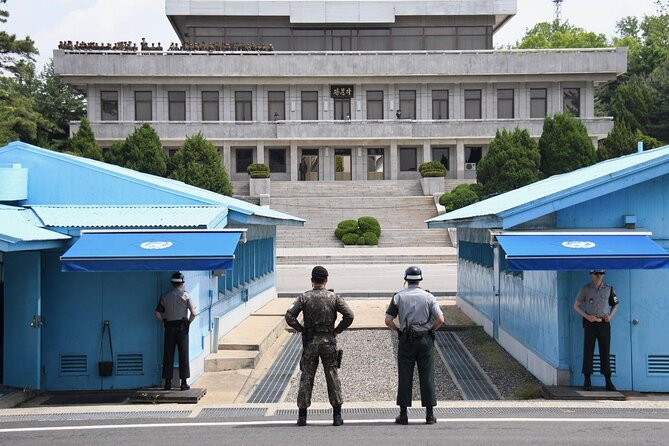
- Imjingak Park and Freedom Bridge connect the war era to the POW return story in one stop.
- Third Infiltration Tunnel is the day’s hands-on challenge: steep, narrow, and memorable.
- Dora Observatory and border viewpoints help you understand how separation looks from the south.
- Dorasan Station adds today’s rail-reunification idea to the bigger DMZ picture.
- NK defector meet-up + Experience Hall bring a first-person perspective to the day’s history.
Other ways to reach the DMZ and the border from Seoul
- DMZ Tour: 3rd Tunnel, Option(Suspension Bridge, Boat) from Seoul★ 5.0 · 21,373 reviews
- DMZ tour south Korea from Seoul (NK experience hall, defector)★ 5.0 · 20,599 reviews
- Seoul: DMZ Tour with Optional Suspension Bridge★ 4.8 · 5,277 reviews
- Seoul: DMZ The 3rd Tunnel and Suspension Bridge Tour★ 5.0 · 4,656 reviews
Price and logistics: what you’re really paying for
At $35 per person for a roughly 7-hour DMZ day, the math makes sense if you hate “hidden extras.” This price covers an expert guide, air-conditioned coach transport, and the admission fee(s) tied to the stops. You also get a mobile ticket, which is handy when your day is scheduled to the minute.
What’s not included matters for planning:
- Lunch is not included, so eat before you go or budget time for your own food plan.
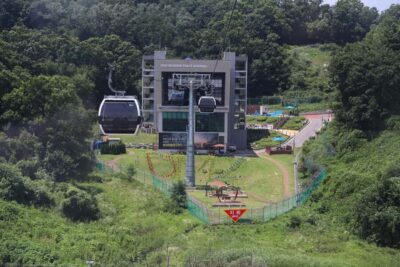
- The tram is not included, which can affect how you move around at one stop if you were hoping to rely on that option.
- Hotel pickup/drop-off is not included, and the meeting point is City Hall Station. So you should plan to get to the start location on your own.
One more practical point: this tour caps at 40 people, which generally means fewer headaches at checkpoints and easier group management. You still need to follow the guide’s pace, but the group stays manageable.
Starting from City Hall Station: how to set up your day
You meet at City Hall Station and end there. That round-trip setup is a big deal in Seoul, where DMZ routing can eat time if you’re handling it independently.
Here’s what I’d do to make your morning/afternoon smoother:
- Arrive a bit early at City Hall Station so you’re not sprinting to a coach.
- Bring your passport, because a current valid passport is required on the travel day.
- Keep your phone charged for maps and tickets, but remember: photos must follow the guide’s instructions.
Also, the day is timed. If you miss the bus because your schedule got confusing or you’re late, no refund is offered. That’s not meant to be harsh—DMZ days run on safety windows, and the whole operation depends on everyone being on time.
Imjingak Park and Freedom Bridge: where the war becomes physical
After you leave Seoul, your guide begins framing what you’ll see: the dividing line between North and South Korea, and the meaning behind the major sites you’ll visit.
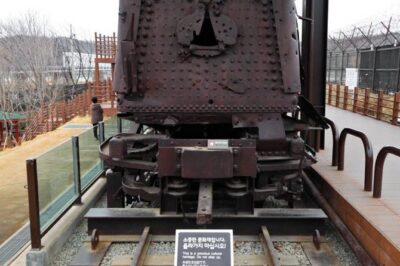
The first major emotional anchor is Imjingak Park, along the Imjin River. This is where you see war artifacts displayed as reminders—big, solid objects that turn a distant conflict into something you can walk around.
Then you head to Freedom Bridge, tied to a powerful story: around 13,000 Korean POWs crossed on their return back home to South Korea. It’s one of those locations where the “history lesson” stops being abstract. The bridge is a simple structure, but the narrative is anything but simple.
What to watch for:
- This stop is usually where questions start—people want context for what they’re looking at. Let your guide do the explaining rather than trying to read everything yourself.
- Time here can feel reflective. If you’re traveling with kids, bring patience. The facts are heavy even when the day is organized.
Third Infiltration Tunnel: the day’s real workout
If you’re picturing a quick “tourist hallway,” recalibrate. The standout hands-on stop is the Third Infiltration Tunnel, located under the border area.
You go beneath the border line, and the point is to show the kind of infiltration infrastructure that was built during conflict. The experience is practical, not just dramatic: you see how space, slope, and design affect movement—then you feel it in your legs.
Expect:
- Moderate walking
- A steep, narrow tunnel section
- A climb back out that can surprise you
So pack like you’re going to move. Comfortable clothes and shoes are specifically recommended, and I strongly agree. If you’re wearing sandals, you’ll regret it. If you’re okay with stairs and tight spaces, this will feel like one of the most vivid stops of the day.
If you’re sensitive to enclosed spaces or claustrophobic vibes, don’t ignore that. The tunnel is narrow and steep. Plan based on your comfort level, not bravery.
Dora Observatory: seeing the border’s logic from the south
Next comes Dora Observatory—a viewpoint designed for exactly what it sounds like: looking out across the DMZ. This is where your guide’s commentary makes the visuals click.
Why this stop matters:
- It helps you understand separation as a real geographic situation, not a political sentence.
- From one side, the view is about angles, distances, and what you can (and can’t) see.
- It turns the earlier stops—Imjingak and the tunnel—into a “so what does it all mean on the ground?” moment.
If you like photography, this is one of the places you’ll want your camera ready. Just be sure you follow the guide’s rules for when and where photos are allowed.
A practical tip: bring a layer. Viewpoints can feel cooler or windy depending on the season, and your time outside varies.
Dorasan Station: the reunification idea made visible
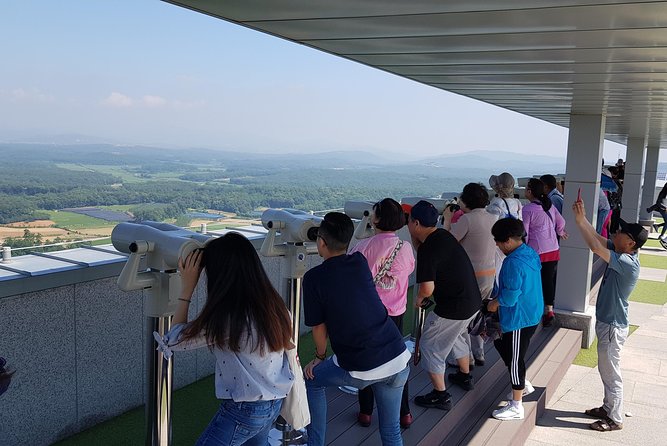
Then you’ll reach Dorasan Station, which adds a different angle to the day. Instead of focusing only on what was built to keep people apart, this stop connects to the idea of rail and movement—what could happen if the peninsula ever unites in real life.
Even if you don’t know the details, Dorasan Station helps you ask better questions:
- What do people mean when they talk about connection?
- How does infrastructure reflect hopes and policy?
- Why does the DMZ story always loop back to movement—crossings, routes, and what’s blocked?
This stop works well if you’re the kind of person who likes your history with a “future” thread. It also tends to give your body a break after the tunnel.
The exclusive offer: NK defector meet-up and Experience Hall
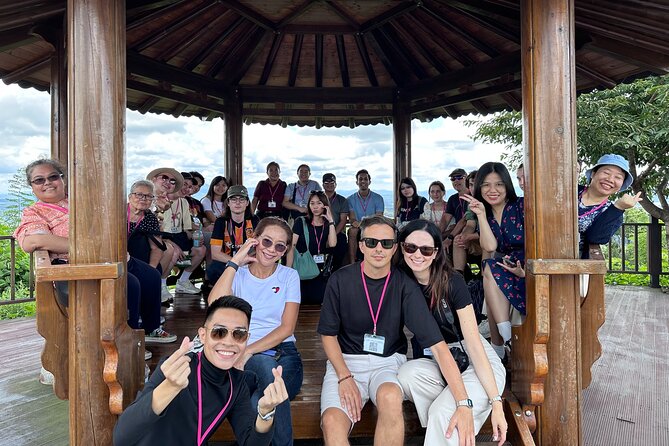
This is the part that makes this version feel different from a standard DMZ circuit.
With the exclusive offer, you get an NK Defector meet-up and the Experience Hall. A lot of the DMZ day is architecture, artifacts, and observation points. This portion adds a human voice—someone who can put history into lived experience.
From a practical standpoint, it also changes your listening. Instead of memorizing dates, you start listening for themes: what life looked like, what choices meant, and how people rebuild after escaping.
It’s also one of the stops where respectful behavior matters most. You’ll get the best value when you’re ready to pay attention, not just take photos or scan for the next viewpoint.
Pacing, breaks, and how to survive a structured 7 hours
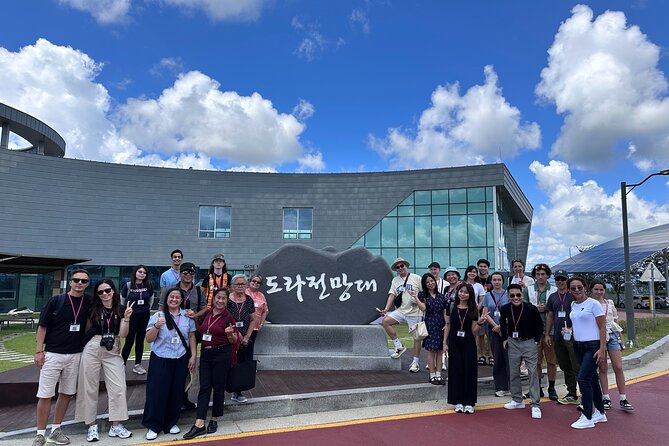
A DMZ day can either feel smooth or exhausting. This one is designed to keep you moving, and the guide-led structure is part of the value.
A few planning notes based on how the day is described:
- The tour includes entry/admission fees and is paced to hit multiple landmarks.
- You should expect a moderate amount of walking, with the steep tunnel being the physical peak.
- Because lunch isn’t included, don’t wait until you’re starving and then make bad food choices.
If you’re traveling as a family, it can still work—guides often manage group energy and keep the schedule on track. But the DMZ content is serious, so bring a mindset that expects quiet curiosity, not a casual theme park vibe.
Who this DMZ tour suits best
This is a strong fit if you want:
- A one-day overview of the DMZ’s key landmarks
- A guide who explains what you’re seeing (not just “here is a thing”)
- A structured day that includes the most famous stops like Imjingak, Freedom Bridge, the infiltration tunnel, Dora Observatory, and Dorasan Station
- The NK defector meet-up if you want more than scenery
It’s also a good match for solo travelers who like group structure. The cap of 40 helps.
This may not be ideal if:
- You can’t do steep, narrow spaces (the tunnel is part of the deal)
- You need a lot of free time with no schedule pressure
- You strongly depend on hotel pickup—your meeting point is City Hall Station
Should you book this DMZ tour?
I’d book it if you want a DMZ day that’s organized, fair on price, and heavy on meaning. For $35, the biggest value is the combination of round-trip coach + guide commentary + admission, plus the fact that this version includes the NK defector meet-up and Experience Hall. That human component is what turns a border itinerary into something you’ll remember.
If you’re on the fence, make your decision based on one question: can you handle the steep, narrow tunnel section without turning the day into a struggle? If yes, this is a smart, cost-effective way to see the DMZ’s most important stops in one shot.
FAQ
How long is the DMZ Tour?
It runs about 7 hours.
How much does the DMZ Tour cost?
The price is $35.00 per person.
What’s included in the ticket price?
The tour includes an expert guide, transport by air-conditioned coach, and the admission fee(s). You also receive a mobile ticket.
What is not included?
Tram and lunch are not included, and hotel pickup/drop-off is not included either.
Where do I meet and where does the tour end?
The tour starts and ends at City Hall Station in Seoul.
Do I need a passport?
Yes. A current valid passport is required on the day of travel.
Do I need to send a copy of my passport in advance?
No. You do not need to send a copy of your passport in advance.
Are there photo rules?
Yes. You must follow your tour guide’s instructions on when and where you may take photos.
What if the tour is cancelled due to military conditions?
If a part of the itinerary is cancelled due to unexpected military conditions or local circumstances, there will be no refund.
Is the tour walking-heavy?
There is a moderate amount of walking, including a steep and narrow tunnel, so comfortable clothes and shoes are recommended.
More Tours in Seoul
- Best DMZ Tour Korea from Seoul (Red Suspension Bridge Optional)★ 5.0 · 41,422 reviews
- DMZ Tour: 3rd Tunnel, Option(Suspension Bridge, Boat) from Seoul★ 5.0 · 21,373 reviews
- DMZ tour south Korea from Seoul (NK experience hall, defector)★ 5.0 · 20,599 reviews
- Seoul: DMZ Tour with Optional Suspension Bridge★ 4.8 · 5,277 reviews
- Seoul: DMZ The 3rd Tunnel and Suspension Bridge Tour★ 5.0 · 4,656 reviews
More Tour Reviews in Seoul
- Best DMZ Tour Korea from Seoul (Red Suspension Bridge Optional)★ 5.0 · 41,422 reviews
- DMZ Tour: 3rd Tunnel, Option(Suspension Bridge, Boat) from Seoul★ 5.0 · 21,373 reviews
- DMZ tour south Korea from Seoul (NK experience hall, defector)★ 5.0 · 20,599 reviews
- Seoul: DMZ Tour with Optional Suspension Bridge★ 4.8 · 5,277 reviews
- Seoul: DMZ The 3rd Tunnel and Suspension Bridge Tour★ 5.0 · 4,656 reviews
The DMZ & the Border, More Routes
- Best DMZ Tour Korea from Seoul (Red Suspension Bridge Optional)★ 5.0 · 41,422 reviews
- DMZ Tour: 3rd Tunnel, Option(Suspension Bridge, Boat) from Seoul★ 5.0 · 21,373 reviews
- DMZ tour south Korea from Seoul (NK experience hall, defector)★ 5.0 · 20,599 reviews
- Seoul: DMZ Tour with Optional Suspension Bridge★ 4.8 · 5,277 reviews
- Seoul: DMZ The 3rd Tunnel and Suspension Bridge Tour★ 5.0 · 4,656 reviews
Just added to Exploring Seoul


DMZ Day Tours, compared.
 ★ 5.0DMZ Tour: 3rd Tunnel, Option(Suspension Bridge, Boat) from SeoulFrom $3521,373 reviews
 ★ 5.0DMZ tour south Korea from Seoul (NK experience hall, defector)From $2620,599 reviews
 ★ 4.8DMZ Tour with Optional Suspension BridgeFrom $455,277 reviews
 ★ 5.0DMZ The 3rd Tunnel and Suspension Bridge TourFrom $654,656 reviews
 ★ 5.0Signature DMZ Tour: Exclusive Defector Talk & Suspension BridgeFrom $274,459 reviews
 ★ 5.0Thrilling Korean DMZ 3rd Tunnel Tour from Seoul + Red Bridge RushFrom $353,097 reviews
 ★ 4.9DMZ Tour & Suspension Bridge (Option English/Spanish)From $352,628 reviews
 ★ 5.0DMZ Past and Present: Korean Demilitarized Zone Tour from SeoulFrom $372,481 reviews
Browse the lists this tour appears in