
Reviewed · DMZ DAY TOURS
DMZ Highlights & Exclusive Defector Interview – True Human Story
A human story cuts through the fences. This DMZ tour from Seoul brings you to the key sites in one long morning-and-afternoon loop, and the defector interview turns the border into a real-life timeline, not just military facts. I also love the full highlights order, because you’re not bouncing between random half-days—you see places tied to POWs, tunnels, and North Korea views all in the same day. One consideration: the schedule is security-dependent and the day can include a lot of walking, including Tunnel 3, so plan for a workout.
You’ll meet your certified English guide at 7:30am in central Seoul, then ride to the DMZ area in an air-conditioned vehicle. The big set pieces are Imjingak Pyeonghoa-Nuri Park, the Third Tunnel, and Dora Observatory, capped by a Q&A format with a North Korean defector that asks you to think past headlines. If you prefer a lighter, slower day with no surprises, this may feel intense.
In This Review
- DMZ Highlights at a Glance: What Matters Most
- Why This DMZ Tour Costs So Little (and What You’re Trading Off)
- The Morning Transfer: Get Oriented Before You See the Border
- Imjingak Pyeonghoa-Nuri Park: POW Memory With Reunification Energy
- Into the DMZ: How the Tour Keeps One Foot on Reality
- Tunnel 3: The Workout Stop That Feels Personal
- Dora Observatory: Binocular Viewing and a North Korea Geography Lesson
- The Defector Interview: Ask Better Questions, Hear More Truth
- Tongilchon-gil and Unification Village: Small-Scale Life Beyond the Line
- Gamaksan Suspension Bridge Option: Stunning Views, Uphill Effort
- Tour Pace and Comfort: What to Do for a Smooth Day
- Who This Tour Suits Best in Seoul
- Should You Book This DMZ Highlights and Exclusive Defector Interview Tour?
- FAQ
- What time does the tour start and how long does it take?
- Where do I meet the guide in Seoul?
- Is lunch included?
- Do I need a passport?
- What’s included in the price?
- Is the Gamaksan Suspension Bridge part of every tour?
- Does the tour have a group size limit?
- Can the DMZ close during the day?
- What should I wear for the day?
- Is there a mobile ticket?
DMZ Highlights at a Glance: What Matters Most
- Defector Q&A that changes how you read the sites: It’s not just a stop-and-photo day.
- Imjingak sights tied to POW stories: Freedom Bridge and the 13,000 POW context ground the reunification theme park.
- Tunnel 3 inside the DMZ experience: You’ll walk into a North Korean tunnel and watch a documentary as part of the visit.
- Dora Observatory binocular viewing: You’ll get a close-up look toward North Korea, including Gaeseong City themes.
- Optional Gamaksan Suspension Bridge add-on: It’s scenic, but expect a 20–30 minute uphill walk, and it may not run without enough people.
- Small-group feel, big-day logistics: Max 90 travelers, starting early, usually around 7 to 9 hours.
Other ways to reach the DMZ and the border from Seoul
- DMZ Tour: 3rd Tunnel, Option(Suspension Bridge, Boat) from Seoul★ 5.0 · 21,373 reviews
- DMZ tour south Korea from Seoul (NK experience hall, defector)★ 5.0 · 20,599 reviews
- Seoul: DMZ Tour with Optional Suspension Bridge★ 4.8 · 5,277 reviews
- Seoul: DMZ The 3rd Tunnel and Suspension Bridge Tour★ 5.0 · 4,656 reviews
Why This DMZ Tour Costs So Little (and What You’re Trading Off)
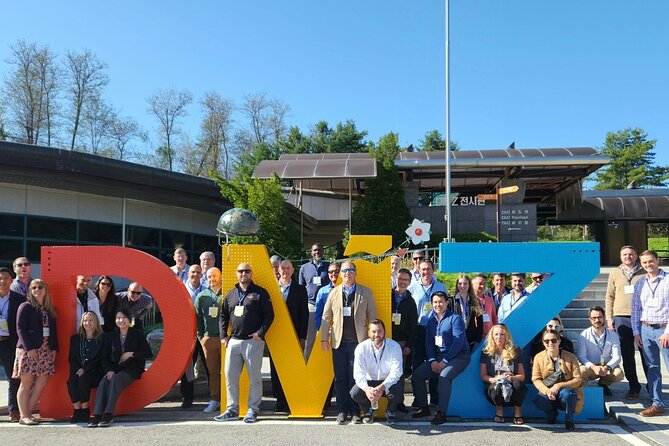
At about $27 per person, this DMZ day trip is priced like the value option in Seoul. The trade-off is that you’re paying for access plus narration and one interview-style experience, not for long, comfortable downtime or a sit-down lunch.
The day is structured around ticketed DMZ components (like the Third Tunnel and Dora Observatory) plus free entry stops (like Imjingak). If you want maximum “most important DMZ stops” per hour, that’s where this tour fits.
The Morning Transfer: Get Oriented Before You See the Border
You start at 92 Sejong-daero in Jung District, and you’re picked up at the meeting point before the ride to the DMZ. Expect about 50 minutes of transfer time, and then a tighter sequence of stops where your guide’s context matters.
This matters because the DMZ can feel confusing if you show up cold. The whole day works better if you treat it like a guided lesson: learn the geography, then watch how the stories attach to each location.
Imjingak Pyeonghoa-Nuri Park: POW Memory With Reunification Energy
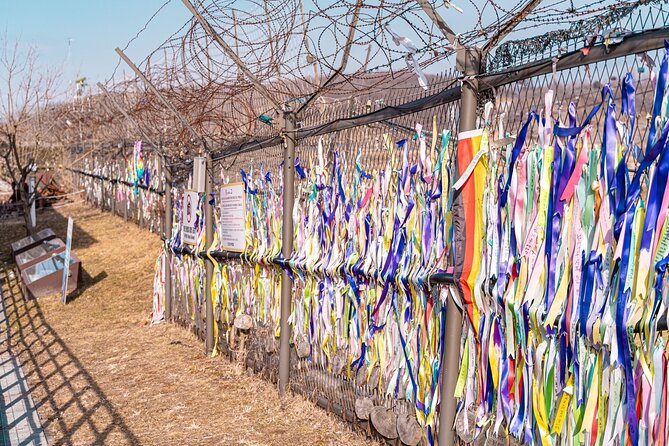
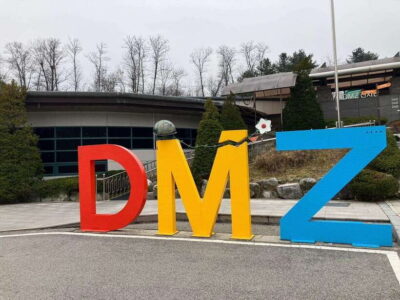
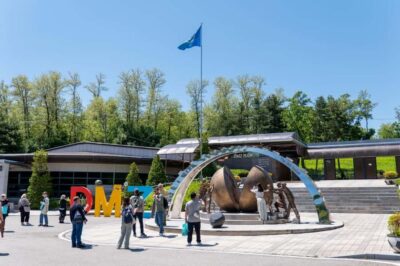
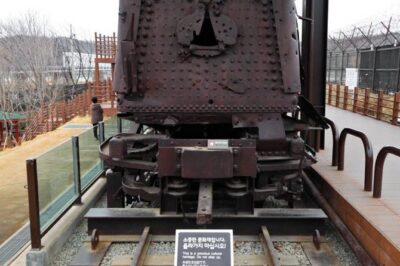
Imjingak Pyeonghoa-Nuri Park is where the day turns from politics-as-words into politics-as-place. It’s a reunification-themed park with rides running right alongside barbed-wire fences, which gives it a strange mix of normal amusement and controlled history.
Two elements help you understand why it’s emotionally loaded. The Freedom Bridge is tied to the 13,000 POWs who crossed toward freedom, and Mangbaedan Bridge on the Imjing River is also associated with the 1953 crossing of those same 13,000 POWs. In practice, this stop doesn’t just look significant—it frames what you’ll feel later when you’re literally inside DMZ structures.
This is also one of your best chances to reset your expectations. If you’re hoping for a purely grim tour, Imjingak’s theatrical setting can feel oddly hopeful. If you’re expecting only cheerful reunification talk, the POW references pull it back to reality.
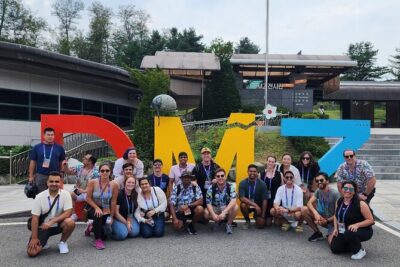
Into the DMZ: How the Tour Keeps One Foot on Reality
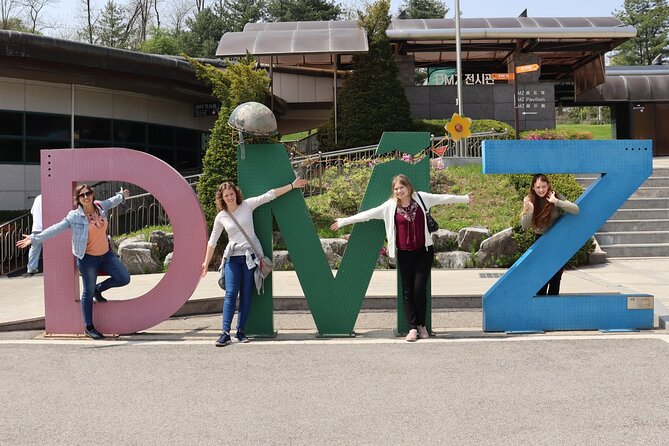
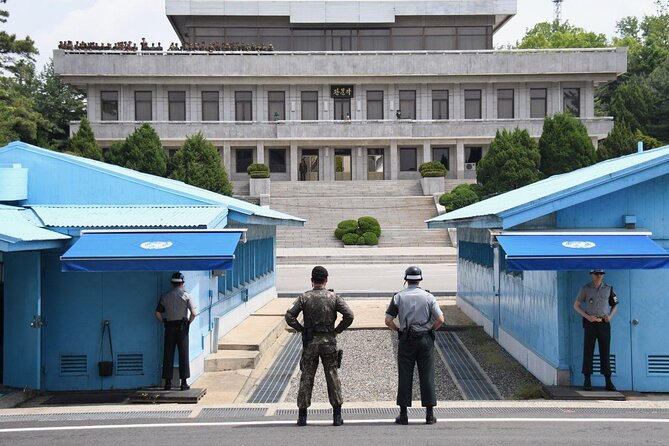
When you reach the DMZ area, the tour shifts from “history park” mode to “active military demarcation zone” mode. Your time here is typically shorter than you want, partly because access rules can be strict and timing can be unpredictable.
One thing to know going in: the DMZ can close suddenly without notice. If that happens, you won’t get a refund, and the operator will provide an alternative tour. That’s not a theoretical risk—it’s part of why you should arrive early, stay flexible, and keep your phone charged for updates.
Tunnel 3: The Workout Stop That Feels Personal
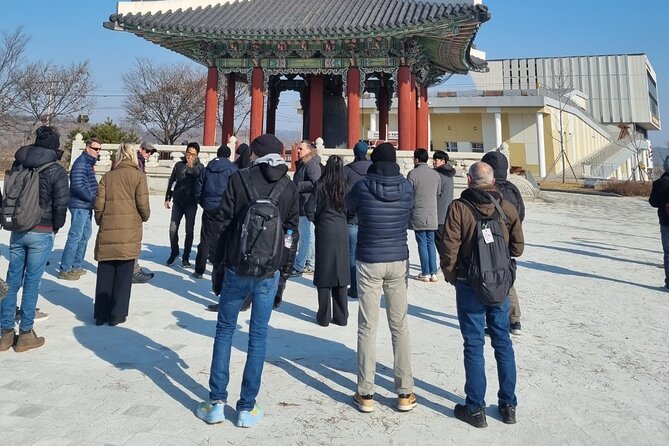
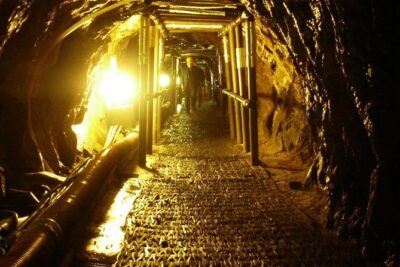
The Third Tunnel is the DMZ highlight that most people remember with their legs. It runs about 435 meters into South Korea, and the experience includes a documentary before you move through the tunnel area.
In real terms, you’re not just looking at a relic. You’re moving through the kind of space that turns strategy into architecture. The physicality is part of the message: you’ll feel the effort involved in building and using underground passages, and it makes the Cold War feel less abstract.
If you’re short on stamina, plan carefully. This isn’t described as easy for everyone, and the walk can be challenging. Comfortable shoes matter even more here than anywhere else on the day.
Dora Observatory: Binocular Viewing and a North Korea Geography Lesson
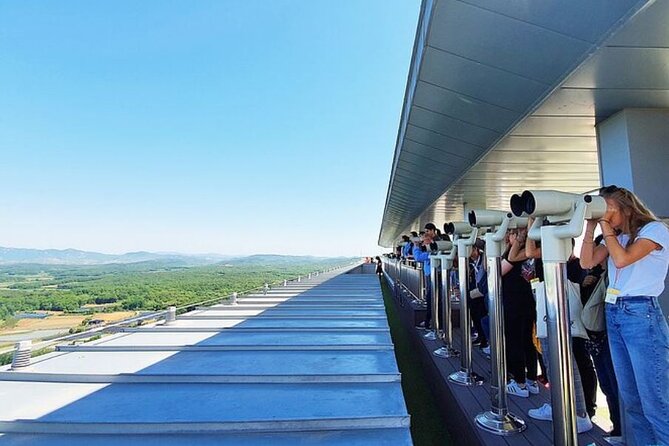
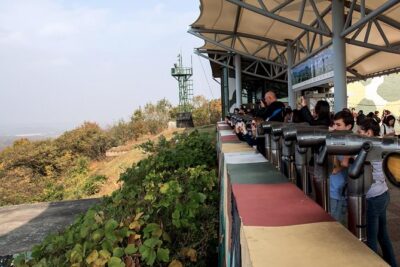
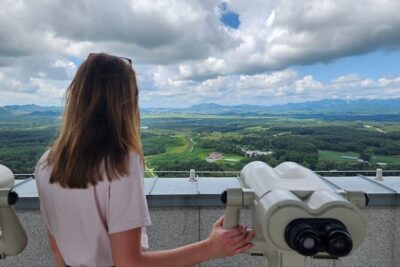
Dora Observatory is where you get a view toward North Korea, including Gaeseong City and the Gaeseong Industrial Complex. You’ll also see Propaganda Village, a simulated border village used for presentation and messaging.
What makes Dora different is that it’s not only scenic. Your guide can point out what you’re looking at so you don’t just stare at distant buildings. Even if your eyes can’t pick out every detail, the binocular viewing plus on-site commentary helps you understand what the viewing points were built for: looking outward, controlling narratives, and shaping how the other side is perceived.
This is also a good stop to ask practical questions. Think about how distance, staging, and naming affect what you’re able to believe.
The Defector Interview: Ask Better Questions, Hear More Truth
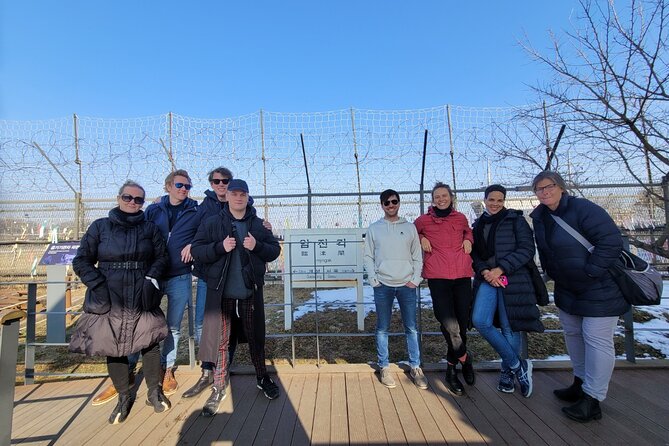
The biggest reason I’d choose this specific tour is simple: you get an interview with a North Korean defector, followed by Q&A. This is the human layer that makes the DMZ stop content click into place.
The defector experience is vivid and emotional, and the tour’s structure matters. You’re not just watching a story; you’re hearing it through translation and then getting time to ask questions. That format is powerful because your questions will shape the answers you receive—so go in prepared.
A good approach: ask about daily life and decision points, not just about dramatic escapes. If you only ask how the tunnel or border line works, you’ll learn the mechanics. If you ask about what made a person risk everything, you’ll learn the stakes.
In multiple comments tied to this tour, the interview stands out as the difference between seeing the DMZ and understanding it. If your goal is perspective from the inside, this is the moment that delivers it.
Tongilchon-gil and Unification Village: Small-Scale Life Beyond the Line
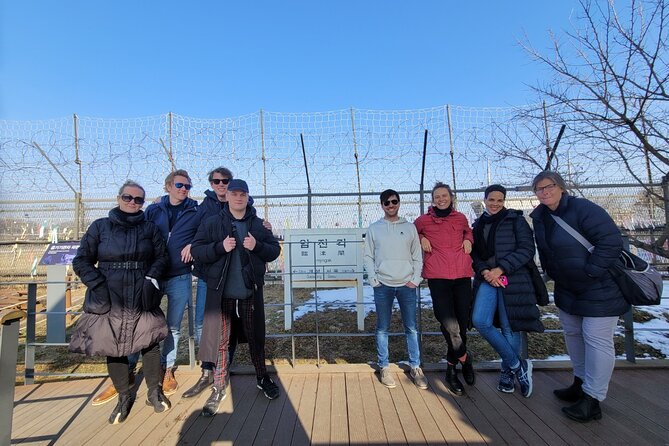
After the core DMZ sites, the tour includes Tongilchon-gil (Unification Village). This is located north of the Civilian Control Line, and it’s known for agricultural products like Jangdan ginseng and Jangdan soybeans.
That might sound like a detour until you see what it does. It gives you a different lens than tunnels and observatories: it reminds you that reunification debates are about food, work, and routine, not only military posture.
This stop also helps balance the emotional weight of the tunnel experience. You’re still in a politically charged space, but you’re stepping toward what daily life could be if barriers soften.
Gamaksan Suspension Bridge Option: Stunning Views, Uphill Effort
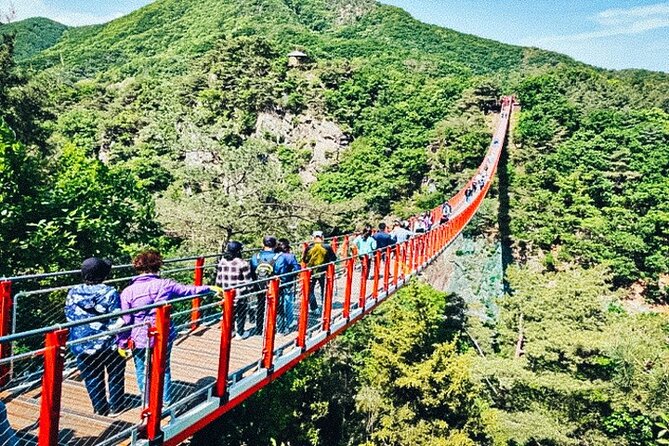
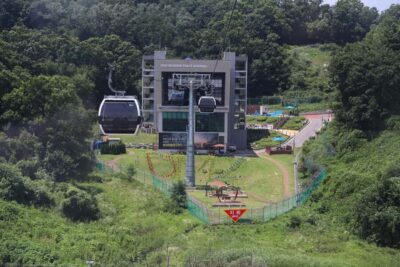
There’s an optional course involving the Gamaksan Suspension Bridge (also described as Gamaksan Chulleong Bridge). It used to be Korea’s longest suspension bridge at 220 meters, opened in 2016, and it offers views over Silmari Valley.
Here’s the practical part: visiting requires a 20–30 minute uphill walk. Comfortable shoes aren’t a suggestion; they’re the difference between enjoying the view and hating the last stretch.
Also, this option can depend on a minimum number of participants. If the minimum isn’t met, you’ll be informed and the tour will be changed. So if you care about this bridge, confirm the option before you count on it as a sure thing.
Tour Pace and Comfort: What to Do for a Smooth Day
This is a long day, roughly 7 to 9 hours, with an early start and multiple timed stops. There’s air-conditioned vehicle transport, but don’t expect the day to be relaxed once you’re out of the car.
Bring passport for the DMZ day—this is mandatory for the group tour. Expect moderate physical fitness to be helpful, especially with the tunnel walk and any uphill portion for the suspension bridge option.
Two other practical tips:
- Wear sneakers or similarly grippy comfortable shoes.
- Plan for minimal meal time. Lunch is not included, and the schedule can be tight, so you may want to carry a snack to keep your energy steady.
Who This Tour Suits Best in Seoul
This tour is a strong fit if you want your DMZ visit to feel like a guided story rather than a highlight scrapbook. It’s also ideal if you’re curious about Korean history and society through a human account, not only through monuments and official viewpoints.
It’s less ideal if you prefer a slow pace, have mobility limitations, or want a day where the schedule never changes. The DMZ can close suddenly, and security timing can shift. Think of this as a best-effort day shaped by real-world access rules.
If you’re traveling solo, it can also work well. The day is group-based, but the guide’s Q&A style and the structured stop order help keep it from feeling like a random bus excursion.
Should You Book This DMZ Highlights and Exclusive Defector Interview Tour?
I’d book it if your top priority is learning how the DMZ looks and feels through both sites and a direct human perspective. The combination of key locations—Imjingak, the Third Tunnel, and Dora Observatory—plus a defector interview is hard to beat for the money.
I would hesitate if you’re uncomfortable with lots of walking, especially the tunnel portion, or if you need a very predictable schedule with lots of free time. Also, if you really want the Gamaksan Suspension Bridge, treat it as an option, not a guarantee, and be ready for a change.
For most people visiting Seoul with limited time, this is one of the most value-packed ways to turn the DMZ from a headline into a lived, mapped, and explained day.
FAQ
What time does the tour start and how long does it take?
The tour starts at 7:30am and typically runs about 7 to 9 hours.
Where do I meet the guide in Seoul?
Meet at 92 Sejong-daero, Jung District, Seoul, South Korea. The tour ends back at the same meeting point.
Is lunch included?
No. Lunch is not included in the tour price.
Do I need a passport?
Yes. All participants must bring a passport.
What’s included in the price?
Included are a certified English guide, an interview with a North Korean defector, all fees and taxes, and air-conditioned vehicle transport. DMZ-area admissions are included for stops like the Third Tunnel and Dora Observatory.
Is the Gamaksan Suspension Bridge part of every tour?
It’s an option. The Gamaksan Suspension Bridge visit requires a 20–30 minute uphill walk, and it may require a minimum number of participants to proceed.
Does the tour have a group size limit?
Yes. The tour has a maximum of 90 travelers.
Can the DMZ close during the day?
Yes. The DMZ is a military area and can close suddenly without notice. If it happens, an alternative tour will be provided and no refunds will be issued.
What should I wear for the day?
Wear comfortable shoes such as sneakers. The tunnel experience and the optional uphill walk to the suspension bridge can be physically demanding.
Is there a mobile ticket?
Yes. The tour uses a mobile ticket.
More Tour Reviews in Seoul
- Best DMZ Tour Korea from Seoul (Red Suspension Bridge Optional)★ 5.0 · 41,422 reviews
- DMZ Tour: 3rd Tunnel, Option(Suspension Bridge, Boat) from Seoul★ 5.0 · 21,373 reviews
- DMZ tour south Korea from Seoul (NK experience hall, defector)★ 5.0 · 20,599 reviews
- Seoul: DMZ Tour with Optional Suspension Bridge★ 4.8 · 5,277 reviews
- Seoul: DMZ The 3rd Tunnel and Suspension Bridge Tour★ 5.0 · 4,656 reviews
The DMZ & the Border, More Routes
- Best DMZ Tour Korea from Seoul (Red Suspension Bridge Optional)★ 5.0 · 41,422 reviews
- DMZ Tour: 3rd Tunnel, Option(Suspension Bridge, Boat) from Seoul★ 5.0 · 21,373 reviews
- DMZ tour south Korea from Seoul (NK experience hall, defector)★ 5.0 · 20,599 reviews
- Seoul: DMZ Tour with Optional Suspension Bridge★ 4.8 · 5,277 reviews
- Seoul: DMZ The 3rd Tunnel and Suspension Bridge Tour★ 5.0 · 4,656 reviews
Just added to Exploring Seoul

DMZ Day Tours, compared.
 ★ 5.0DMZ Tour: 3rd Tunnel, Option(Suspension Bridge, Boat) from SeoulFrom $3521,373 reviews
 ★ 5.0DMZ tour south Korea from Seoul (NK experience hall, defector)From $2620,599 reviews
 ★ 4.8DMZ Tour with Optional Suspension BridgeFrom $455,277 reviews
 ★ 5.0DMZ The 3rd Tunnel and Suspension Bridge TourFrom $654,656 reviews
 ★ 5.0Signature DMZ Tour: Exclusive Defector Talk & Suspension BridgeFrom $274,459 reviews
 ★ 5.0Thrilling Korean DMZ 3rd Tunnel Tour from Seoul + Red Bridge RushFrom $353,097 reviews
 ★ 4.9DMZ Tour & Suspension Bridge (Option English/Spanish)From $352,628 reviews
 ★ 5.0DMZ Past and Present: Korean Demilitarized Zone Tour from SeoulFrom $372,481 reviews
Browse the lists this tour appears in