
Reviewed · TOURS
9-Days Tasty Journey Around South Korea Tour
Korean food meets real history. This private 9-day route strings together off-the-radar stops and headline sights, with a clear focus on Korean flavors plus culture. I especially like the private transportation and prearranged 3–4 star hotel base that keeps the days moving without constant planning. I also like that you get 17 included meals (breakfasts and lunches), so you can spend your energy on eating well and seeing more, not budgeting and guessing.
One consideration: dinners are not included, and a few activities (like a zipline option on Seonyudo) may cost extra. If you hate making decisions on the fly, just plan on letting your guide steer the food choices most nights.
In This Review
- Key points that make this tour worth your time
- Price and Logistics: what $4,530 covers (and why it can be good value)
- Guide Jay: the difference between seeing Korea and understanding it
- Day 1: Geumsan ginseng market and Daedunsan suspension-bridge views
- Day 2: Gunsan port history, oldest bakery bites, and Gogunsan island beaches
- Day 2 bonus stop: Saemangeum seawall scale check
- Day 3: Jeonju hanok crafts and Joseon-era shrines at Gyeonggijeon
- Day 4: Tongyeong seafood chaos at Jungang Market and Busan night views
- Day 5: Haeundae Beach, Haedong Yonggungsa on the shore, and Busan’s memory villages
- Day 6: Bulguksa and Seokguram plus Shilla gold at Gyeongju National Museum
- Day 7: UNESCO Hahoe masks and Dosan Seowon rites in Andong
- Day 8: V-Train valley views to Taebaek, then Gangneung’s Gyeongpo sandbank
- Day 9: Seoraksan easy hike, Sinheungsa Buddha, and the cable car finale
- Who this tour suits best (and who might want a different pace)
- Should you book this 9-Day Tasty Journey around South Korea?
- FAQ
- How many days is the tour?
- What’s included in the price?
- Are dinners included?
- Do I get a private tour or group tour?
- Is pickup offered?
- What time does the tour start?
- Are entrance tickets included?
- Where will I stay during the tour?
- Is there free cancellation?
Key points that make this tour worth your time
- Private tour feel, not a bus shuffle: you’re traveling as one group with your own transport.
- Guide Jay runs the show: English communication and day-to-day organization are a big part of the appeal.
- 17 included meals: breakfast + lunch are built into the pace, so the schedule stays smooth.
- Temples, ports, and mountains in one sweep: from Geumsan ginseng markets to Seoraksan’s cable car views.
- Coastline time actually matters: islands, beaches, and sea towns show up on multiple days.
Still deciding? These are the Seoul tours travellers book first.
- Best DMZ Tour Korea from Seoul (Red Suspension Bridge Optional)★ 5.0 · 41,422 reviews
- DMZ Tour: 3rd Tunnel, Option(Suspension Bridge, Boat) from Seoul★ 5.0 · 21,373 reviews
- DMZ tour south Korea from Seoul (NK experience hall, defector)★ 5.0 · 20,599 reviews
- Seoul: DMZ Tour with Optional Suspension Bridge★ 4.8 · 5,277 reviews
Price and Logistics: what $4,530 covers (and why it can be good value)
At $4,530 per person for a 9-day private tour, the price is high on paper. But you’re not just buying tickets to places—you’re buying time, logistics, and meals, plus a fixed hotel plan for 8 nights.
Here’s what stands out as value-driving: private transportation, 8 nights in 3–4 star hotels, and 17 included meals (8 breakfasts + 9 lunches). Many of the stops also come with included admissions, which matters when you add up entry fees and cable cars across a multi-day route. If you’ve ever spent vacation days solving transit puzzles, this kind of setup can feel like relief.
Do note the trade-off: dinners are on your own. That can be a perk if you like choosing your own restaurants, but it’s also one more thing to handle each night.
Guide Jay: the difference between seeing Korea and understanding it
This is a tour where the guide matters. The program is built around explanation—why a temple was placed where it was, what a port meant historically, and how to read a market with more than just “take a photo” energy.
You’ll be with guide Jay, and you should expect good English communication and a guide who stays engaged. In practice, that shows up as practical answers to questions plus a sense of humor that helps long travel days feel shorter. The itinerary also leans into food: the stops aren’t generic “snack breaks.” You’re guided toward the right kinds of meals (and when possible, the right places) so the food connects to the culture you’re seeing.
Day 1: Geumsan ginseng market and Daedunsan suspension-bridge views
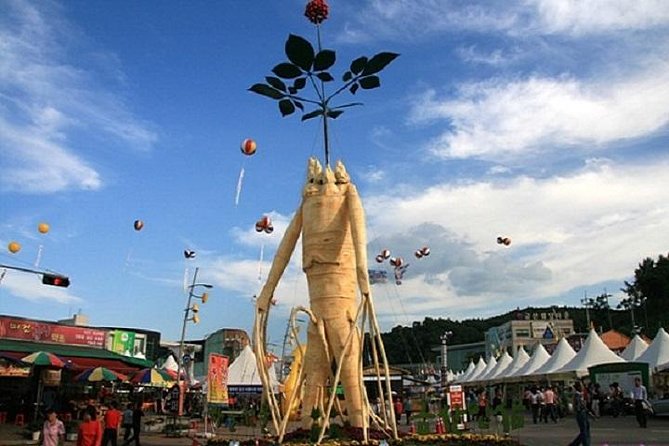
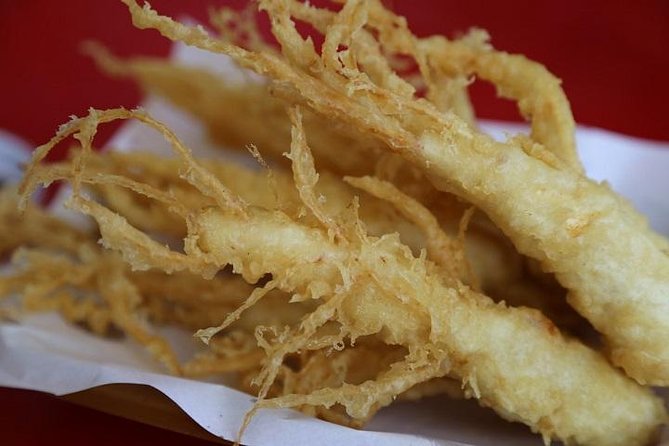
Day 1 starts with a classic Korea intro: Geumsan-gun, famous for being Korea’s largest ginseng market. You’ll move from Seoul or Incheon to Geumsan, and the big hit here is tasting fried ginseng from a ginseng & herbal medicine market. It’s one of those “only in Korea” food moments that feels immediately memorable.
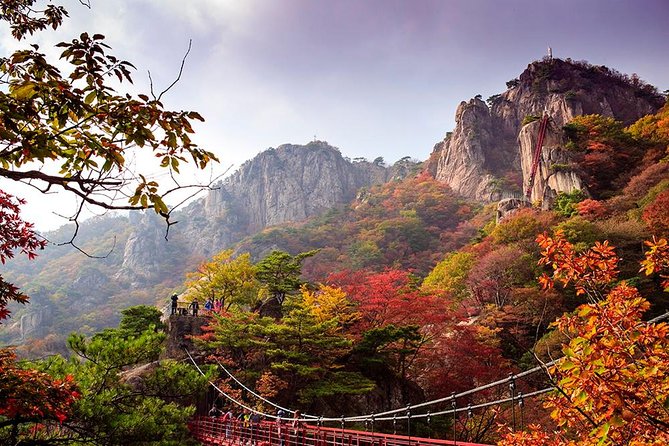
Next comes Daedunsan Natural Recreation Forest in the Mt. Daedunsan area. You take a cable car up, explore around, and walk across a suspension bridge. If you’re visiting in fall (or even just when the light is good), the area is known for rock peaks surrounded by autumn color, which makes the trip feel like an easy nature reset after travel.
Practical note: this day is mostly movement and scenic walking, so keep your first-day energy for the views.
Day 2: Gunsan port history, oldest bakery bites, and Gogunsan island beaches
Day 2 is where the tour flexes range: history museums, war-themed displays, and sea-air beach time.
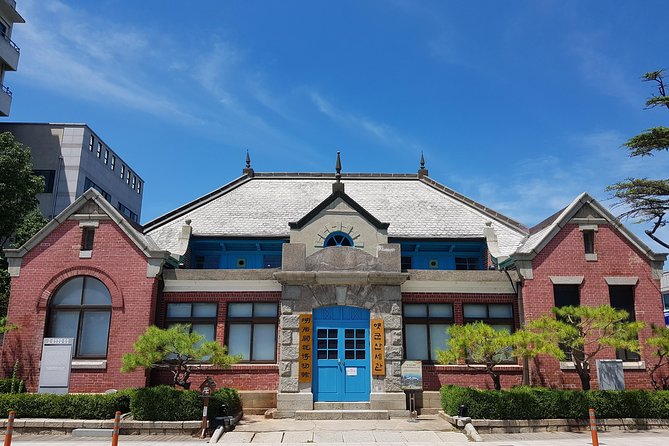
You’ll start at the Gunsan Modern History Museum, tied to the city’s port opening in 1899 and its later shifts under Japanese colonial control. The museum framing is not just dates—it’s the sense of prosperity interrupted, and the long tail of economic change.
Then you head to Jinpo Maritime Theme Park, where the displays include vintage tanks, historical artillery, combat planes, and warships, including the Wibongham Ship used in combat during the Vietnam War. If you like history that’s hands-on (and a little heavy), this stop hits.
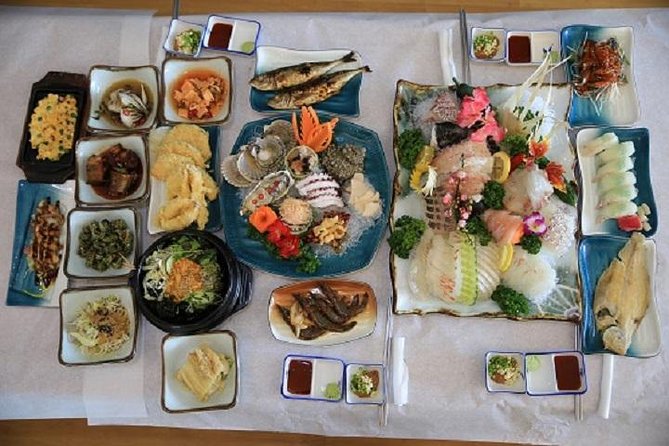
Food time shows up at Lee Sung Dang, described as Korea’s oldest bakery. After that, you get Korean-style shabu shabu—fresh vegetables, meat, and seafood parboiled in the pot, eaten with chili, soy, or lemon sauce. It’s a smart match for the overall route: seaside and port day, then a warm hot pot meal to balance the salt air.
Afternoon and evening bring Gogunsan islands with a visit to Seonyudo Beach. You’ll see both Okdol pebble beach (quiet, wave sound over stones) and a main sandy beach that’s better for swimming, shellfish options, and possibly zipline activity. Then you hike to a peak on Jangjido island for island-spotted views.
One small caution: Seonyudo’s admission isn’t included in the data you provided, so budget for the extras if you plan activities like zipline.
Day 2 bonus stop: Saemangeum seawall scale check
You also visit the Saemangeum Sea Wall and Exhibition Hall. The seawall connects multiple areas and is described as the longest seawall in the world, with a ride time of about an hour between Gunsan and the Gogunsan islands route. It’s not just a photo stop; it helps you understand how Korea reshapes coastline life.
Day 3: Jeonju hanok crafts and Joseon-era shrines at Gyeonggijeon
Day 3 leans into Korea’s classic “slow down” side, with more cultural sites and a strong Jeonju focus.
You’ll begin at Jeondong Catholic Church, completed in 1914 and described as the largest and oldest western-style structure in Jeollanam province. From the outside and inside, it’s a reminder that Korean history includes more than one cultural influence.
Then comes Gyeonggijeon Shrine, tied to Joseon dynasty founder Lee Seonggae. The portrait is designated as National Treasure #317, and the site also connects to Pungnam Gate, the south gate of Jeonju’s city wall. It’s a good day to pay attention to details like gates and enclosure—because those shapes explain how cities worked.
Next you walk Hyanggyo-gil at Jeonju Hyanggyo Confucian school, installed as a public educational institution during Goryeo and Joseon periods. Think of it like a “regional university” model from centuries ago.
Then you head to the temple world with Geumsansa Temple. The standout for many people is Mireukjeon, the three-story Maitreya Hall. From outside it looks like a stacked structure, but inside it opens dramatically upward—an architectural trick that makes the space feel different than you expect.
To end the day, you reach Jeonju Hanok Village and Jeontong Hanjiwon, a workshop for making hanji (Korean traditional paper). This isn’t just shopping; it’s hands-on, and that’s exactly why it works on a tour. You leave with a sensory memory, not only photos.
Day 4: Tongyeong seafood chaos at Jungang Market and Busan night views
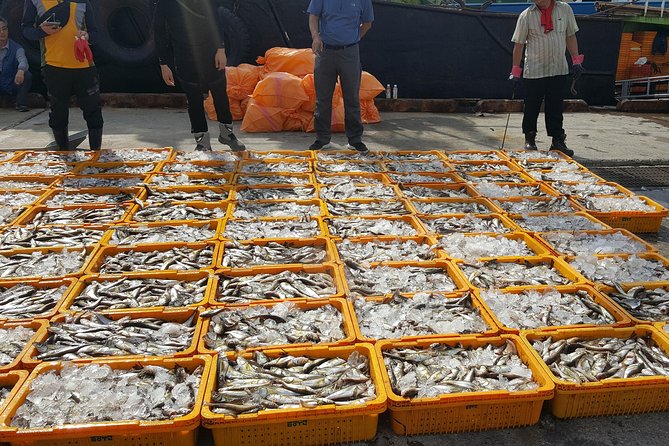
Day 4 starts at Tongyeong Jungang Market, along quay-side kiosks. The description here matters: the city’s port identity is obvious, with live fish and a loud, busy bargaining energy. You can sample things like raw fish slices, spicy fish soup, fish cake, and traditional honey bread. It’s food that makes sense because it’s pulled directly from the sea supply chain.
Next up is the Tongyeong Cable Car to Mt. Mireuksan (461m above sea level). The ride is described as the longest cable car in Korea, and the payoff is the view over Tongyeong harbor and the Hallyeo waterway islands—“islands and water” scenery you can’t get from street level.
Then the day slides toward the city view with Hwangnyeongsan Mountain in Busan. This is a solid choice for night views, and the timing works as a gentle lead-in to Busan’s next day.
Day 5: Haeundae Beach, Haedong Yonggungsa on the shore, and Busan’s memory villages
If Day 4 is about port energy, Day 5 is about oceanfront Korea.
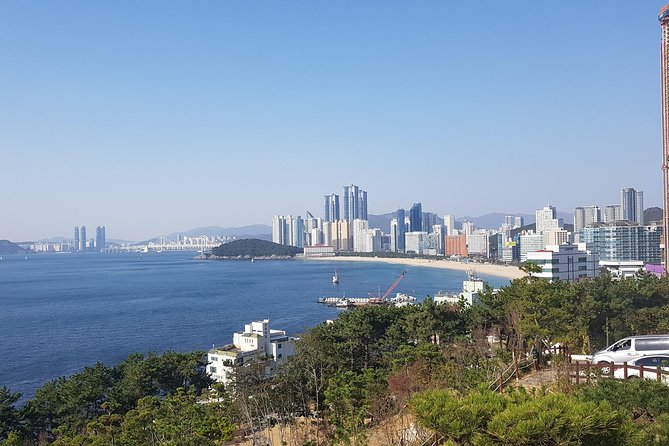
You’ll visit Haeundae Beach, known as the most popular beach in South Korea with huge visitor numbers in summer. Even outside peak season, the scale helps you understand why Busan became a tourism magnet. Nearby, Dongbaekseom (Dongbaek Island) is a camellia-area island growing around March, and you can see Nurimaru APEC House, an APEC summit building.
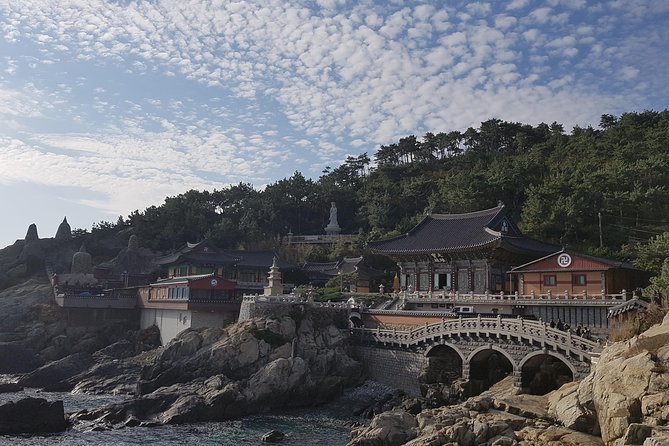
Then it’s one of Korea’s most photogenic religious settings: Haedong Yonggungsa. It sits on the coast, and that shore placement is the rare part—most Korean temples hug mountains more than beaches. Expect ocean views and a different temple mood than inland shrines.
After the coastal beauty, you get a more serious historical stop: UN Memorial Cemetery, honoring UN soldiers from the Korean War. It’s short, but it gives the week emotional weight.
Next: Gamcheon Culture Village, famous for refugee-era homes during the Korean War in the 1950s. The “why this place exists” story is part of the walk.
And then the tour goes a bit odd—in a good way—with the 49 Tombstones village, where the stairs and walls are made with tombstones. People started living in tents in 1951 and later built on top of Japanese graves as settlements shifted. It’s unusual, and you’ll want to keep respect front and center while you look.
Day 6: Bulguksa and Seokguram plus Shilla gold at Gyeongju National Museum
Day 6 is for major monuments and big-name Korean cultural heritage.
You’ll start at Bulguksa Temple, described as the most famous Buddhist temple in Korea and home to important Silla-period relics. The stone pagodas Dabotap and Soekgatap are the headline, with the complex dating back to the 8th century (though rebuilt over time).
Then you visit Seokguram Grotto, a hermitage part of the Bulguksa complex. It overlooks the East Sea and sits 750 meters above sea level. Inside, the focus is Buddhist sculpture work, including the main Buddha and related figures like the Bonjon statue with a smile. It’s a powerful stop because the setting changes how the art feels—less museum, more “you’re standing inside a sacred atmosphere.”
Next you head to Gyeongju National Museum to see Shilla materials in one place, including ceremonial objects and a 5th-century gold crown example mentioned in the information you provided.
After that: Tumuli Park in Gyeongju National Park, with more than 20 large and small tombs from the Silla period. The tour framing here is helpful because it explains what many of the tomb structures imply about who might be buried there.
Finally, you visit Donggung Palace and Wolji Pond (Anapji). The pond complex was built in 674 after unification, and pavilions around the water were used for festivals and state banquets. Evening light here can make it feel extra calm after a long monument day.
Day 7: UNESCO Hahoe masks and Dosan Seowon rites in Andong
Day 7 shifts to a quieter, culture-heavy part of Korea.
You’ll visit Andong Hahoe Folk Village, UNESCO-listed, described as a village that preserves the look of tile-roofed and thatched-roofed houses built by the Ryu family across generations. There’s also the Korean Hahoe mask show, which is a great way to connect the village to living tradition rather than only architecture.
Next is Dosan Seowon in UNESCO territory, a Confucian academy with education and commemoration functions. It’s described as home to the Toegye School of Thought for over 400 years, and even though the education function ended long ago, ceremonies are still held twice a year. That “still practiced” detail makes it feel less like a frozen outdoor exhibit.
Then you end the day with real food again: Andong Old Market and its food alley known for jjim-dak (jjim-dak golmok). If you want Korean comfort food that matches the old-market energy, this stop is where the tour delivers.
Day 8: V-Train valley views to Taebaek, then Gangneung’s Gyeongpo sandbank
Day 8 is about moving through scenery without rushing. You’ll leave Andong for Buncheon-Yeog and take the V-Train. The “V” stands for valley, and the route is described as traveling through the Cheoram valley in Gangwon-do as well as Buncheon in Gyeongsangbuk-do. One fun detail: windows can be opened so you can feel the breeze, and the train runs at a slower speed than regular routes, making the changing views easier to enjoy.
After about an hour, you move to Taebaek city, historically linked to coal industry. The data doesn’t go deep on what you see there, but it gives context for the inland region you’re passing through.
Then you head to Gangneung and visit Gyeongpo Lake and Beach. This is a sandbank formed between lake and ocean, described as a 6 km stretch of fine sand. It’s a practical way to close the loop: after mountains, temple, and city stops, you end the day with open air by the water.
Day 9: Seoraksan easy hike, Sinheungsa Buddha, and the cable car finale
Your final day aims for big nature payoff with a route described as easy enough for children and seniors.
You start in Seoraksan National Park, trekking in Jujeongol valley. The tour notes explain the name: bandits made counterfeit coins here—Jujeon meaning coin minting and gol meaning valley. You’ll go along the valley and up toward one peak by cable car, with a stop at Yongso waterfall.
The seasonal notes are useful when planning what to expect: wildflowers in spring, summer heat washed away by cold valley water, and fall leaf color turning the area into a visual highlight.
Then you walk to Sinheungsa Temple, about a 10-minute walk from Sogongwon area entrances, including a 33-foot-high bronze Buddha statue mentioned in the provided info. It’s a close-by temple stop, which is nice on the last day when you want to keep energy for the cable car.
That cable car ride is the finale: Seoraksan cable car to Gweongumsung peak (670m above sea level). The view is described as covering Mt. Seorak, Ulsnbawi rock, and the East Sea, with temples hidden in the mountains—again, a strong “last-day memory” moment.
Who this tour suits best (and who might want a different pace)
This tour fits you if you want one guide-led plan that hits a lot of Korea types in a single trip: markets, museums, UNESCO sites, coastlines, and mountain scenery. It’s also a strong pick for first-time visitors who want to learn the “why” behind food and places.
It’s especially good if you like structure: hotel stays are handled, private transport is included, and lunches and breakfasts take decision fatigue off your shoulders. And if you care about the guide experience, Jay’s engaged, funny, professional style seems to be a big part of why people feel well taken care of.
If you prefer nights entirely at your own rhythm, be aware that dinners aren’t included, so you’ll need a restaurant plan every day. And if you’re highly sensitive to walking days, you still get easy routes in Seoraksan—but Day 2 island walking and Day 3 temple areas can add up.
Should you book this 9-Day Tasty Journey around South Korea?
If your main goal is a food-forward private tour that also covers Korea’s history, temples, and nature, I’d say this one is a strong candidate. The best reason to book is simple: you’re not only sightseeing. You’re getting meals built into the schedule, plus a guide who keeps explanations clear and the day flow organized.
Book it if:
- you want 17 included meals and fewer daily logistics headaches
- you care about both cities and quieter places (islands, markets, UNESCO academies)
- you’ll appreciate a guide like Jay who’s active, helpful, and keeps things moving
Skip it if:
- you’re looking for a strictly budget tour (this is premium pricing)
- you hate planning around “dinner on your own” nights
- you want lots of free time with no guidance (this route is full)
If you do book, pick dates where the weather suits the mountain and island days, and bring comfy shoes.
FAQ
How many days is the tour?
The tour is 9 days (approx.).
What’s included in the price?
The package includes private transportation, 8 nights in 3 or 4 star hotels, and meals: 8 breakfasts and 9 lunches (17 meals total). Some admissions are also included based on the day’s stops.
Are dinners included?
No. Dinner is not included.
Do I get a private tour or group tour?
This is a private tour/activity. Only your group will participate.
Is pickup offered?
Pickup is offered, and you can meet the guide at your place in Seoul or at Incheon International Airport.
What time does the tour start?
The start time is 9:00 am.
Are entrance tickets included?
Many stops show admission ticket included or free, but at least one stop (Seonyudo Beach area) is listed as not included. You may still have extra costs for activities depending on the stop.
Where will I stay during the tour?
You’ll have 8 nights in double, twin, or triple sharing rooms at 3 or 4 star hotels.
Is there free cancellation?
Yes. You can cancel up to 24 hours in advance for a full refund.
More Tours in Seoul
- Best DMZ Tour Korea from Seoul (Red Suspension Bridge Optional)★ 5.0 · 41,422 reviews
- DMZ Tour: 3rd Tunnel, Option(Suspension Bridge, Boat) from Seoul★ 5.0 · 21,373 reviews
- DMZ tour south Korea from Seoul (NK experience hall, defector)★ 5.0 · 20,599 reviews
- Seoul: DMZ Tour with Optional Suspension Bridge★ 4.8 · 5,277 reviews
- Seoul: DMZ The 3rd Tunnel and Suspension Bridge Tour★ 5.0 · 4,656 reviews
More Tour Reviews in Seoul
- Best DMZ Tour Korea from Seoul (Red Suspension Bridge Optional)★ 5.0 · 41,422 reviews
- DMZ Tour: 3rd Tunnel, Option(Suspension Bridge, Boat) from Seoul★ 5.0 · 21,373 reviews
- DMZ tour south Korea from Seoul (NK experience hall, defector)★ 5.0 · 20,599 reviews
- Seoul: DMZ Tour with Optional Suspension Bridge★ 4.8 · 5,277 reviews
- Seoul: DMZ The 3rd Tunnel and Suspension Bridge Tour★ 5.0 · 4,656 reviews
Just added to Exploring Seoul
Tours, compared.
 ★ 5.0DMZ Tour: 3rd Tunnel, Option(Suspension Bridge, Boat) from SeoulFrom $3521,373 reviews
 ★ 5.0DMZ tour south Korea from Seoul (NK experience hall, defector)From $2620,599 reviews
 ★ 4.8DMZ Tour with Optional Suspension BridgeFrom $455,277 reviews
 ★ 5.0DMZ The 3rd Tunnel and Suspension Bridge TourFrom $654,656 reviews
 ★ 5.0Signature DMZ Tour: Exclusive Defector Talk & Suspension BridgeFrom $274,459 reviews
 ★ 5.0Thrilling Korean DMZ 3rd Tunnel Tour from Seoul + Red Bridge RushFrom $353,097 reviews
 ★ 4.9DMZ Tour & Suspension Bridge (Option English/Spanish)From $352,628 reviews
 ★ 5.0DMZ Past and Present: Korean Demilitarized Zone Tour from SeoulFrom $372,481 reviews