
Reviewed · DMZ DAY TOURS
365-day DMZ Special Tour including Monday & Public Holiday
The DMZ feels shockingly close. This 9-hour special tour turns Seoul into a launchpad for wartime landmarks like Imjingak Peace Nuri Park, Freedom Bridge, Gloster Hill, and the 3rd Tunnel, all with a private group guide giving tight, practical context. I also like the subway-friendly pickup options, so you spend less time figuring out transport and more time watching, listening, and asking questions.
One watch-out: you get a lot of sites in a full day, so stop times are limited, and you’ll be moving on foot more than you might expect.
In This Review
- Key highlights at a glance
- Seoul to the DMZ: why this tour works even without a car
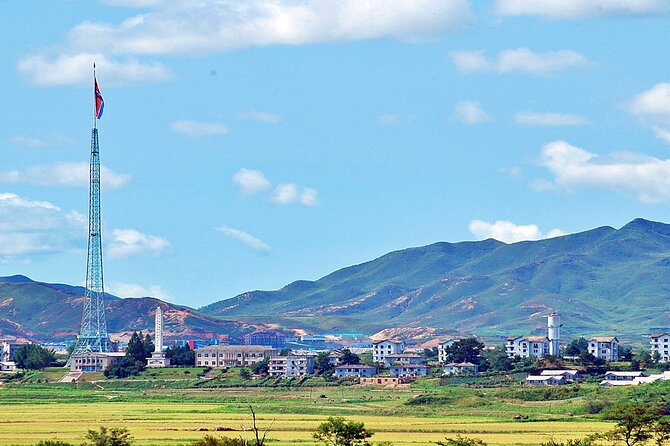
- Imjingak Peace Nuri Park: where the DMZ starts to feel human
- Monday vs Tuesday–Sunday: how the route changes when the 3rd Tunnel can’t run
- Tuesday–Sunday route (3rd Tunnel day)
- Monday and national holidays route (tunnel swap day)
- A key caution no one should ignore
- The 3rd Infiltration Tunnel and how to visit it without rushing
- Dorasan/Dora Observatory: spotting the border area for real
- Tongilchon-gil and the CCZ settlement stop: why it’s more than a scenic break
- Gloster Hill and the Heroes Suspension Bridge on Mondays
- The guide experience: what you should expect (and what to look for)
- Transport, timing, and group size: how the day feels in practice
- Value check: is $59 a good deal for a DMZ day trip?
- Things that can change on the day: closures, weather, and reroutes
- Should you book the 365-day DMZ Special Tour?
- FAQ
- How long is the 365-day DMZ special tour from Seoul?
- Where does pickup happen for this tour?
- Does the tour visit the 3rd Tunnel on every day?
- What happens on Mondays if the 3rd Tunnel is closed?
- Is lunch included?
- Are there admission fees for the stops?
- What should I do if the weather is poor?
- Who shouldn’t take the tour because of physical demands?
Key highlights at a glance
- Pickup from multiple Seoul subway stations, not a single remote hotel area
- Imjingak Peace Nuri Park first, for the human story behind the DMZ
- 3rd Infiltration Tunnel on Tuesday–Sunday, but Monday runs a different route when it’s closed
- Dorasan/Dora Observatory viewpoints for clear sightlines across the border area (conditions vary)
- Gloster Hill + Heroes Suspension Bridge on Mondays, including battle memorial stops
- Small-group feel with a cap of 40 travelers and a real guide leading the day
Other ways to reach the DMZ and the border from Seoul
- DMZ Tour: 3rd Tunnel, Option(Suspension Bridge, Boat) from Seoul★ 5.0 · 21,373 reviews
- DMZ tour south Korea from Seoul (NK experience hall, defector)★ 5.0 · 20,599 reviews
- Seoul: DMZ Tour with Optional Suspension Bridge★ 4.8 · 5,277 reviews
- Seoul: DMZ The 3rd Tunnel and Suspension Bridge Tour★ 5.0 · 4,656 reviews
Seoul to the DMZ: why this tour works even without a car
The DMZ is about an hour from Seoul by road, but getting there by yourself can get messy fast. This tour solves the hard part: timed pickup from your choice of Seoul subway stations, then a guided day that strings the key locations together in a logical order.
I like that the day is built around reality. The DMZ is a military zone, and access can change. The itinerary is designed to keep you moving through meaningful stops even when certain areas can’t open. That flexibility is also why this is such a good fit for people who can only travel on specific days, especially Mondays.
Expect an end time around 3:30 pm back at City Hall Station (with an alternate drop near Hongik Univ. Station if crowds and traffic make City Hall difficult). The day is long, roughly 9 hours, and the schedule is early. Depending on the season, pickup typically starts either around 6:00–6:50 am (peak season) or 7:00–7:50 am (low season). You’ll want to be ready at the meeting spot about 10 minutes early.
One more practical point: tickets are mobile, so you’re not hunting for paper confirmations on a busy morning.
Imjingak Peace Nuri Park: where the DMZ starts to feel human
Your first major stop is Imjingak Pyeonghoa-Nuri Park, a calm but powerful place shaped by the Korean War and the story of refugees from North Korea. It’s not just sightseeing. The monuments here are symbols of separation, memory, and longing for reunification.
What makes this stop work at the start of the day is pacing. Before you see tunnels, bridges, and border-area viewpoints, you get a foundation: the idea that this border is not abstract. The Freedom Bridge and Soldiers’ Memorial help turn the DMZ from a map idea into something tied to real people.
You’ll also visit Imjingak-ro and the North Korea Experience Hall (it’s listed as a newer, education-focused attraction). The point of these indoor stops is simple: if the weather is bad or your eyes can’t “read” a distant viewpoint, you still have context to anchor what you’re seeing later.
If you’re the type who likes to understand what you’re looking at before you look at it, this portion is a strong start.
Monday vs Tuesday–Sunday: how the route changes when the 3rd Tunnel can’t run
This is where the tour earns its name as a special 365-day option. The 3rd Tunnel is listed as visiting Tuesday through Sunday, not Monday. On Monday and national holidays, the tour swaps in a different set of sites built around other border-area landmarks.
So here’s what the day usually looks like:
Tuesday–Sunday route (3rd Tunnel day)
You’ll go from Imjingak Peace Nuri Park to the 3rd Infiltration Tunnel, then on to either a theater or exhibition hall setting. After that, you head to observatory viewpoints like Dorasan/Dora Observatory for the border-area gaze, and you also stop at the unification-focused village area (listed as Unification Village / Unification Village stop).
This route is built around a very specific feeling: going from “here’s what happened” to “here’s the machinery of the conflict” to “here’s the line on the map you can actually see directionally.”
Monday and national holidays route (tunnel swap day)
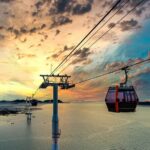
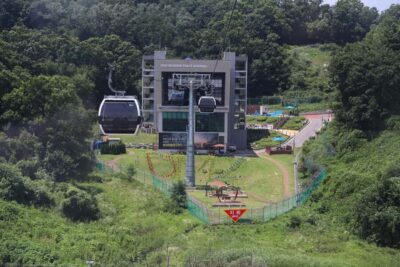
On Mondays and holidays, the tour follows a different arc: Imjingak Peace Nuri Park leads into the DMZ Peace Gondola, then to one of the natural observatories (listed as Jangsan Natural Observatory or Odusan Unification Observatory depending on the day), and then toward Gloster Hill Memorial Park and the Heroes Suspension Bridge area.
You’ll also see additional memorial-related stops on Monday, including British Army Seolmari Battle Memorial Park and Gloucester Hill battle memorial context.
If you care about historical depth, the Monday route is often the better match. It’s less about the tunnel and more about memorial sites and battle geography, with viewpoints along the way.
A key caution no one should ignore
The tour notes that visiting the 3rd Tunnel and the Gamaksan Heroes Bridge area is physically demanding. It specifically says it’s not recommended for people with heart conditions, other serious medical issues, or pregnancy. Even if you’re generally fit, plan for stairs/uneven ground and a steady pace.
The 3rd Infiltration Tunnel and how to visit it without rushing
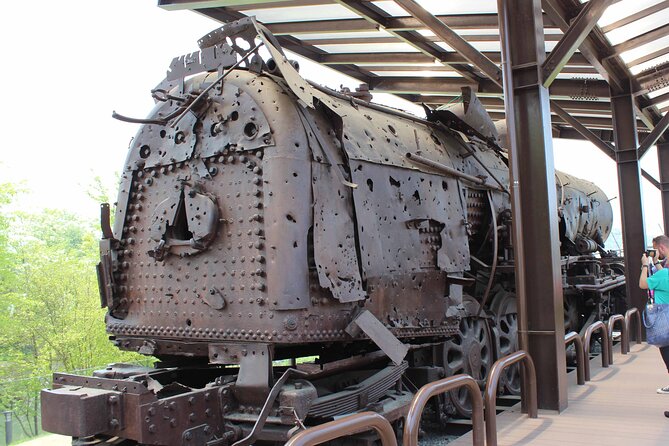
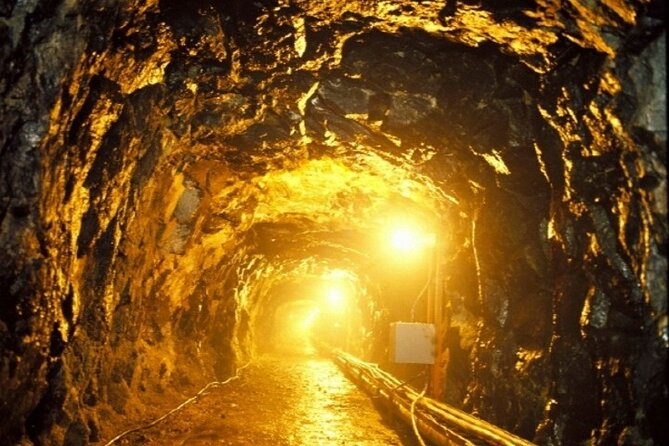
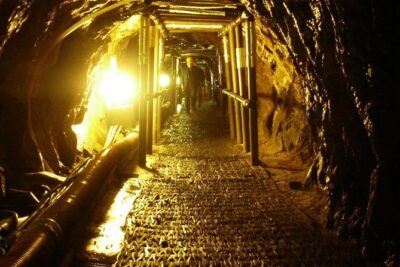
When the 3rd Tunnel is on the schedule, it’s a major draw. This tunnel was discovered in 1978 and is described as being built for infiltration toward South Korea. It’s listed as 1,635 meters long, and the stop time is about 30 minutes.
Because the time is short, you’ll want to go in with the right mindset. The value here isn’t spending hours exploring. It’s understanding the role the tunnel played, then seeing the physical space with that context.
The day is time-managed. Even if you want to linger, you probably won’t have that luxury. This isn’t a “slow walk” experience—it’s a guided circuit where the guide keeps things moving and safe.
If you’re sensitive to tight spaces or claustrophobic environments, take the physically demanding note seriously and consider whether this stop is your kind of experience.
Dorasan/Dora Observatory: spotting the border area for real
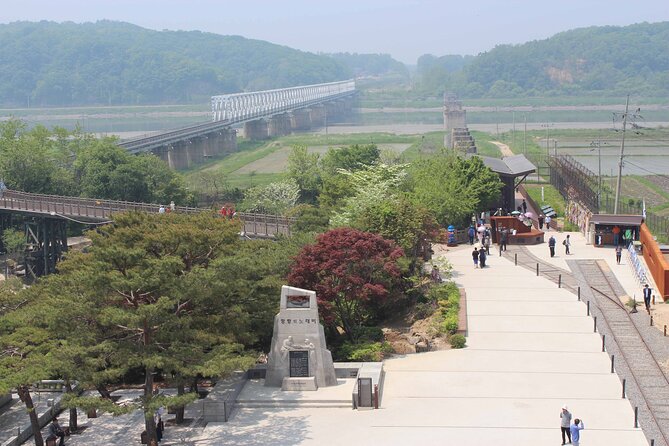
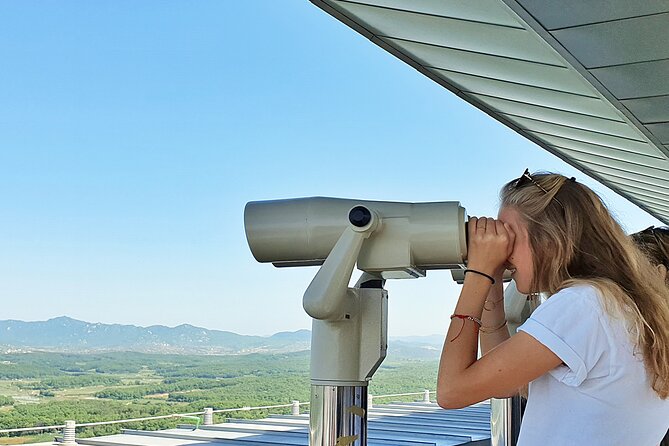
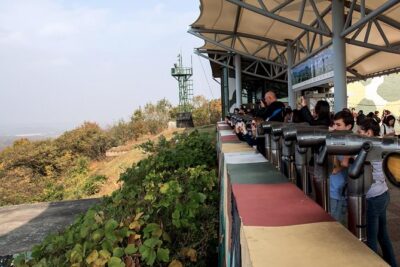
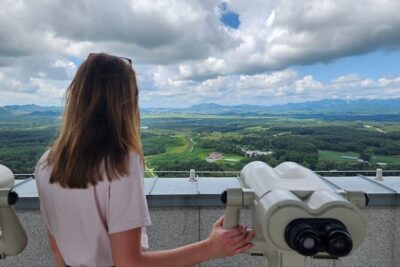
After the tunnel (or after observatory stops on Monday), the itinerary brings you to the viewpoint portion of the day. Dora Observatory (listed for Tuesday–Sunday) is described as perched on Dorasan Mountain and positioned as the northernmost point on the western front for panoramic views.
On days when weather is decent, this is the moment many people are picturing when they book. You’re not “entering North Korea” in the common movie sense, but the viewpoint is designed to give you a sense of direction and distance—an eye-level reminder of how close the two Koreas sit.
On Mondays and holidays, the viewpoint role shifts to Jangsan Natural Observatory or Odusan Unification Observatory when the 3rd Tunnel is closed. That change matters because it can change the kind of view you get and the viewing time you have. Either way, you’re still there for the same goal: turning the border line into something your eyes can understand.
Weather can change everything here. Fog or low visibility can reduce what you can clearly see, and the tour itself warns that it requires good weather. If conditions make viewpoints less effective or certain areas close, you may be rerouted to alternative sites (the Gloster Hill/Heroes Bridge areas can close in heavy rain, snow, or security restrictions).
Tongilchon-gil and the CCZ settlement stop: why it’s more than a scenic break
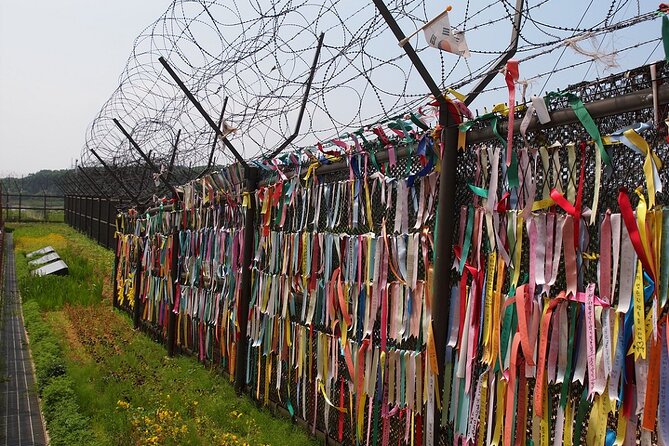
On Tuesday–Sunday, and also included on Mondays with different substitutions, the itinerary includes Tongilchon-gil, a settlement within the Civilian Control Zone (CCZ) on the western front of the DMZ. It’s also noted as not shown on most maps.
That “not on most maps” detail is the real takeaway. This stop gives you a grounded sense of how the DMZ is lived around, not only fought over. Even with short stop time (about 20 minutes), it can add weight to the story the guide has been building: division affects daily routines and geography.
If you like seeing how a contested area still functions, this stop is worth paying attention to rather than treating it as a quick photo stop.
Gloster Hill and the Heroes Suspension Bridge on Mondays
For Monday tours and national holidays, Gloster Hill Memorial Park and the Heroes Suspension Bridge are key stops. The Gloucester Hill area is described as Korea’s longest suspension bridge at the time of its construction, and the site is tied to fierce combat during the Korean War. You’ll also see the British Army Seolmari Battle Memorial Park on Monday.
This portion can feel heavy, but it’s also where the tour tends to become most memorable. Memorial sites aren’t just for history buffs. They’re for anyone who wants to understand what those lines on maps cost.
The physical side matters too. The tour warns that Heroes Suspension Bridge visiting is physically demanding. So plan on walking, standing, and moving at a pace set by the group.
If your goal is maximum meaning per minute on a Monday, this is the route to pick.
The guide experience: what you should expect (and what to look for)
One of the strongest themes across the tour experience is the human quality of the guide and how they handle a complicated subject. People often highlight that guides like Mr Young, Sookhee, Roy, Chloe, and Veronica were organized, funny in a way that keeps the day from getting too grim, and good at tying each stop to a bigger story.
That matters because DMZ tours can become a list of landmarks. This one is structured so the guide can connect the dots. Expect detailed explanations from your private group guide, not just directions.
Still, be realistic about the format: each location is time-boxed. Your best strategy is to show up with curiosity and a few questions ready—then you’ll get more out of the guide’s explanations during the moments when you’re actually at the site.
Transport, timing, and group size: how the day feels in practice
This is a full-day tour, so the “feel” matters as much as the sights.
- You’ll be on a bus/van for transfers between stops, with pickup from Seoul subway stations.
- Your group size is capped at 40 travelers, which helps keep movement manageable.
- Stop times vary, and some stops are short. One comment you’ll likely relate to is that the day can feel fast, with limited time at each stop and between stops.
The upside: you’ll see a lot of the DMZ story in one day without having to plan connections. The downside: you won’t get a leisurely tour of any single location.
For comfort, plan for early departure, bring layers, and wear shoes you don’t mind walking in. And because lunch isn’t included, keep your energy up—more than once, people have noted that Monday in particular can mean limited options, so snacks can save your afternoon.
Value check: is $59 a good deal for a DMZ day trip?
At $59 per person, this tour is priced for value compared to many “get-you-to-the-border” experiences. You’re paying for several things you’d struggle to assemble solo: timed pickup from multiple subway stations, guide-led interpretation, transport across the area, and access to specific DMZ-zone sites.
What you don’t get is lunch and drinks. That’s normal for this type of tour, but it affects value in a small way. If you add a casual lunch cost on top, the all-in price creeps up. Still, compared with the cost and hassle of private transport, a guided day like this can come out ahead—especially if you’re traveling without a car.
Also note: most stops have free admission tickets listed, while the tunnel has admission included. That mix helps justify the flat price, since you’re not paying separate entrance fees for everything you visit.
Things that can change on the day: closures, weather, and reroutes
DMZ access is not guaranteed like a museum ticket. The tour warns the zone may close suddenly without prior notice, and in that case the itinerary may be adjusted to visit similar sites, with no refunds provided.
Weather also matters. It requires good weather, and if it’s canceled due to poor conditions, you’ll be offered a different date or a full refund. In heavy rain, snow, or security restrictions, certain stops such as Gloster Hill Memorial Park and the Heroes’ Suspension Bridge may close, with alternatives offered (Odusan Unification Observatory or the War Memorial of Korea instead).
The practical takeaway: pack patience. The best DMZ experience is the one you get after changes, not the exact plan you first imagined.
Should you book the 365-day DMZ Special Tour?
If you want a guided, structured DMZ day from Seoul—without dealing with transport puzzles—this is a strong choice. I’d especially recommend it if:
- you can only travel on Monday or a national holiday, and you want a route that still makes sense when the 3rd Tunnel is closed
- you like guided explanations that connect landmarks into a clearer story
- you’re okay with a fast, efficient full-day format and short time at each stop
I’d think twice if you’re sensitive to physically demanding stops (especially the tunnel and bridge areas), or if you hate the idea that weather and security can alter the plan. It’s a real-world DMZ experience, not a perfectly predictable theme-park loop.
FAQ
How long is the 365-day DMZ special tour from Seoul?
It runs for about 9 hours (approximately), ending around 3:30 pm back at City Hall Station.
Where does pickup happen for this tour?
Pickup is from your choice of subway stations in Seoul (listed as pickup options at limit places). The start and end are around City Hall Station.
Does the tour visit the 3rd Tunnel on every day?
No. The 3rd Tunnel is listed for visits from Tuesday to Sunday, not on Monday or national holidays.
What happens on Mondays if the 3rd Tunnel is closed?
On Monday and national holidays, the tour uses an alternate itinerary with stops such as Imjingak Peace Nuri Park, DMZ Peace Gondola, and observatory viewpoints (Jangsan Natural Observatory or Odusan Unification Observatory), plus Gloster Hill Memorial Park and Heroes Suspension Bridge.
Is lunch included?
No. Lunch and food/drinks are not included.
Are there admission fees for the stops?
Many stops are listed as free admission. The Third Tunnel stop is listed as included (admission included), while other sites vary by stop.
What should I do if the weather is poor?
The tour requires good weather. If it’s canceled due to poor weather, you’ll be offered a different date or a full refund.
Who shouldn’t take the tour because of physical demands?
The tour notes visiting the 3rd Tunnel and the Gamaksan Heroes Bridge is physically demanding, and it’s not recommended for people with heart conditions, other serious medical issues, or pregnancy.
More Tours in Seoul
- Best DMZ Tour Korea from Seoul (Red Suspension Bridge Optional)★ 5.0 · 41,422 reviews
- DMZ Tour: 3rd Tunnel, Option(Suspension Bridge, Boat) from Seoul★ 5.0 · 21,373 reviews
- DMZ tour south Korea from Seoul (NK experience hall, defector)★ 5.0 · 20,599 reviews
- Seoul: DMZ Tour with Optional Suspension Bridge★ 4.8 · 5,277 reviews
- Seoul: DMZ The 3rd Tunnel and Suspension Bridge Tour★ 5.0 · 4,656 reviews
More Tour Reviews in Seoul
- Best DMZ Tour Korea from Seoul (Red Suspension Bridge Optional)★ 5.0 · 41,422 reviews
- DMZ Tour: 3rd Tunnel, Option(Suspension Bridge, Boat) from Seoul★ 5.0 · 21,373 reviews
- DMZ tour south Korea from Seoul (NK experience hall, defector)★ 5.0 · 20,599 reviews
- Seoul: DMZ Tour with Optional Suspension Bridge★ 4.8 · 5,277 reviews
- Seoul: DMZ The 3rd Tunnel and Suspension Bridge Tour★ 5.0 · 4,656 reviews
The DMZ & the Border, More Routes
- Best DMZ Tour Korea from Seoul (Red Suspension Bridge Optional)★ 5.0 · 41,422 reviews
- DMZ Tour: 3rd Tunnel, Option(Suspension Bridge, Boat) from Seoul★ 5.0 · 21,373 reviews
- DMZ tour south Korea from Seoul (NK experience hall, defector)★ 5.0 · 20,599 reviews
- Seoul: DMZ Tour with Optional Suspension Bridge★ 4.8 · 5,277 reviews
- Seoul: DMZ The 3rd Tunnel and Suspension Bridge Tour★ 5.0 · 4,656 reviews
Just added to Exploring Seoul

DMZ Day Tours, compared.
 ★ 5.0DMZ Tour: 3rd Tunnel, Option(Suspension Bridge, Boat) from SeoulFrom $3521,373 reviews
 ★ 5.0DMZ tour south Korea from Seoul (NK experience hall, defector)From $2620,599 reviews
 ★ 4.8DMZ Tour with Optional Suspension BridgeFrom $455,277 reviews
 ★ 5.0DMZ The 3rd Tunnel and Suspension Bridge TourFrom $654,656 reviews
 ★ 5.0Signature DMZ Tour: Exclusive Defector Talk & Suspension BridgeFrom $274,459 reviews
 ★ 5.0Thrilling Korean DMZ 3rd Tunnel Tour from Seoul + Red Bridge RushFrom $353,097 reviews
 ★ 4.9DMZ Tour & Suspension Bridge (Option English/Spanish)From $352,628 reviews
 ★ 5.0DMZ Past and Present: Korean Demilitarized Zone Tour from SeoulFrom $372,481 reviews
Browse the lists this tour appears in