
Reviewed · TOURS
3-Day Korea Western course by K-shuttle Tour from Seoul to Busan
Three days, West Korea, no subway stress. This Seoul to Busan coach trip strings together history sites, classic Korean villages, and a finish in Busan without you wrestling with transfers and tickets. You’ll move through places that feel different from the usual Seoul-and-shopping routine, like Songsan-ri Tombs and Jeonju Hanok Village.
I like that the pacing is built for non-experts: you get a professional guide, hotel check-in help, and smooth coach logistics between stops. In the feedback I saw, guide Justin stood out for making the route click, and Mr Kim (MS) was praised for clear explanations plus practical tips for evenings and food. I also appreciate the comfort value: 4-star accommodation for two nights plus breakfast are included, so your day-to-day planning is less stressful.
One thing to consider: you’re on a tight group schedule with long coach segments, and lunch and dinner are not included. That means you’ll want to arrive ready to eat on the fly, not as a relaxed sit-down plan.
In This Review
- Key Things I’d Put on Your Radar
- Why This West Korea Route Feels Efficient (and Still Interesting)
- Start in Seoul: Getting on the Right Bus at 8:00
- Day 1: From Baekje Tombs to Jeonju Hanok Life
- Songsan-ri Tombs and the Royal Tomb of King Muryeong
- Gongju Gongsanseong Fortress: Views and a Fortress Trail
- Jeonju Hanok Village: Rooflines, Food, and a Built-In Experience
- Day 2: Democracy Memory, Suncheon Gardens, and Admiral Yi
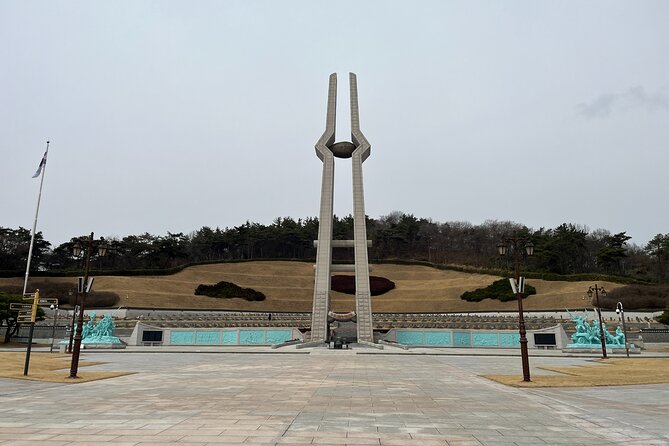
- May 18th National Cemetery: A Serious Stop With Time to Sit With It
- Suncheon Bay Garden: Specific Species, Not Just Flowers
- Statue of Admiral Yi Sun-sin: War Leadership and National Treasure Detail
- Day 3: Jinjuseong Fortress and the Busan Station Finish
- Jinjuseong Fortress: Names Through Kingdoms and a Major Invasion Timeline
- Drop at Busan Station Plaza Around 13:00
- Price and Value: What $749 Is Really Buying You
- Hotels, Rooms, and the Real-Life Group Math
- Who This Tour Fits Best
- Should You Book This 3-Day West Korea Tour?
- FAQ
- Where does the tour meet in Seoul, and what time does it start?
- What’s included in the $749 price?
- Are lunch and dinner included?
- How many days is the tour?
- Is the tour available for single travelers?
- What about rooms for odd-number groups?
- How soon can I cancel for a full refund?
Key Things I’d Put on Your Radar
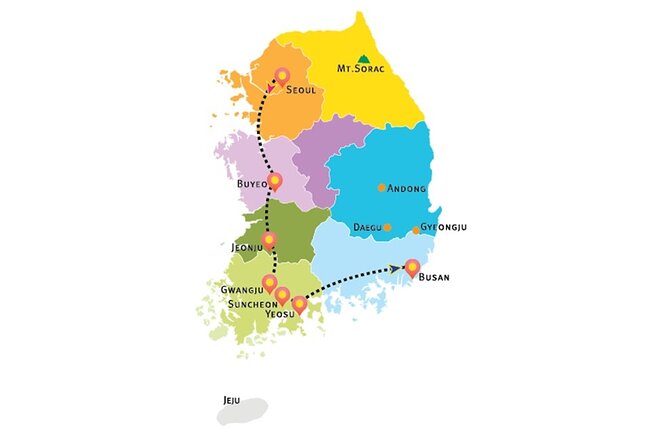
- Coach comfort for the long Seoul-to-Busan connection, so you’re not piecing together trains and buses all day
- Hanok time in Jeonju with an actual Hanok Life Experience setup and traditional food like bibimbap
- Real Baekje-era sites like Songsan-ri Tombs, including the King Muryeong story and how the tomb was discovered
- Suncheon Bay Garden conservation focus with specific numbers of tree and flower species, not just pretty pictures
- Democracy memorial at May 18th National Cemetery, a weighty stop that the itinerary makes time for
- Finish at Busan Station Plaza around 13:00, which is handy if you have onward travel plans
A handful of other Seoul experiences to line up next
- Essence Korea 3days Ptivate Tour(West/East)★ 5.0 · 5 reviews
Why This West Korea Route Feels Efficient (and Still Interesting)
West Korea is packed with worthwhile stops, but a lot of them are awkward on public transport—especially if you’re traveling in a group with mixed interests and no Korean language buffer. This tour is built to solve that first problem: you get coach transfers and a guide who keeps you on track, so the day is about seeing, not figuring.
The second smart move is variety. You’re not stuck doing only one theme like temples or only one city. Instead, you get a mix of ancestral history (Baekje tombs), fortress viewpoints (Gongju), living culture (Jeonju Hanok), and later national stories (May 18th Cemetery), before landing at a coastal gateway in Busan.
And yes, there is time in the itinerary where you’ll be looking at views from fortresses and walking around gardens—but it’s balanced with stops that help you understand what you’re seeing. That makes the photos more meaningful, and the sites more memorable when you’re back in your hotel.
Start in Seoul: Getting on the Right Bus at 8:00
The meeting point is very specific: DongHwa Dutyfree149 Sejong-daero in Jongno District, next to Dongwha Duty Free Shop, at Gwanghwamun Station exit 6, with an 8:00 am start. This matters because the whole schedule depends on leaving on time. If you’re even a little late, you’ll feel it later when your day compresses.
There’s also a practical reality to group tours: if something is new or the guides aren’t fully synced, getting on the correct vehicle can turn into a small stress moment. In the feedback I saw, one person described confusion about finding the right bus early on. So do yourself a favor: arrive a bit early, confirm your tour group, and double-check that your driver/guide matches your departure list.
The good news is the tour is designed to be low-friction once you’re settled. The guide is there for the handoffs and check-in flow, and most major stops are ticket-handled rather than DIY ticket hunting.
Day 1: From Baekje Tombs to Jeonju Hanok Life
Day 1 is a strong “history-to-life” arc. You start with ancient burial culture, move into mountain-fortress geography, then end in a neighborhood built for experiencing how people lived.
Songsan-ri Tombs and the Royal Tomb of King Muryeong
This is the kind of stop that rewards attention. The Songsan-ri Tombs represent the Baekje period, tied to the era when Baekje’s capital was Gongju. The itinerary highlights that there are believed to be around 10 graves, with seven discovered so far—so you’re not just looking at one random tomb.
Then comes the headline: the Tomb of King Muryeong, identified as the popular 7th tomb and the resting place of King Mu-Ryeong and his queen. One especially interesting detail is how it was found—during construction work meant to prevent flooding to other tombs (numbers 5 and 6). That “found by accident” angle turns an ordinary stop into a story you can remember.
Plan to spend the full block here. It’s the site where the guide’s context makes the biggest difference because it’s easy to miss what’s special if you only skim.
Gongju Gongsanseong Fortress: Views and a Fortress Trail
After tombs, you’ll climb into a mountain castle setting: Gongsanseong Fortress, described as a Baekje-established fortress and known for views over the Geumgang riverside. If you’re the type who likes walking for 30 to 60 minutes when the payoff is a big horizon, this is your moment.
The itinerary also points out Imnyugak Pavilion, noted as the largest of its kind within the fortress. Even if you don’t know Korean historical architecture offhand, it’s the kind of feature that becomes easier to appreciate once the guide explains what you’re seeing on the trail.
Jeonju Hanok Village: Rooflines, Food, and a Built-In Experience
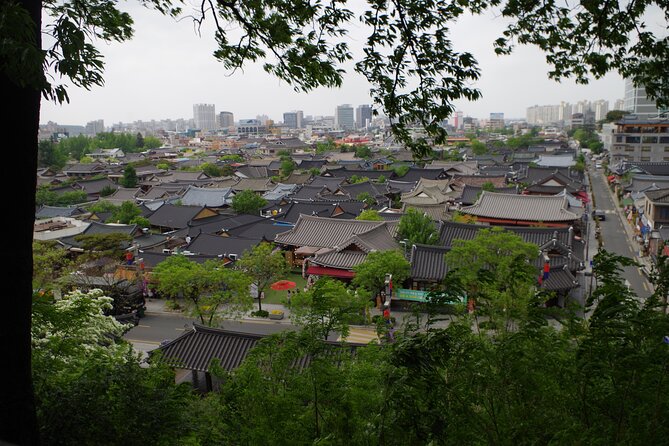
Jeonju Hanok Village is the “walkable culture” payoff. The key design detail in the itinerary is the roof edges, which are slightly raised. That’s more than a design quirk—it’s one of the visual cues that makes this place look different from modern neighborhoods.
What I like here is that you’re not only “shopping for souvenirs.” The itinerary mentions a Hanok Life Experience Hall, and it also notes traditional food, including bibimbap from the Jeonju region. That gives you a chance to connect with everyday culture rather than only sightseeing.
One drawback to keep in mind: the village vibe can encourage wandering and slower pacing. Since you’re on a tour schedule, you’ll want to manage your time so you don’t feel rushed before the coach departs.
Day 2: Democracy Memory, Suncheon Gardens, and Admiral Yi
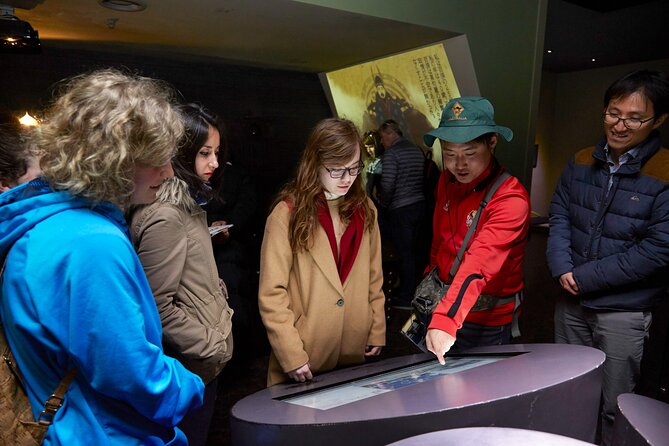
Day 2 is a thoughtful mix: a solemn memorial, a botanical conservation space, then a historical museum-style stop tied to a major war figure.
May 18th National Cemetery: A Serious Stop With Time to Sit With It
The May 18th National Cemetery is in front of Mudeungsan Mountain and is framed as a symbol of freedom and democracy. The itinerary’s description is clear about what happened in 1980 and how victims were carried and buried by handcarts and even garbage trucks. It also notes that the cemetery was exhumed and reburied at the memorial in 1997.
This is the kind of place where you’ll benefit from being mentally ready. Don’t treat it like a quick photo stop. If your group tour experience usually feels light and fast, this one forces a pause in the best way.
Suncheon Bay Garden: Specific Species, Not Just Flowers
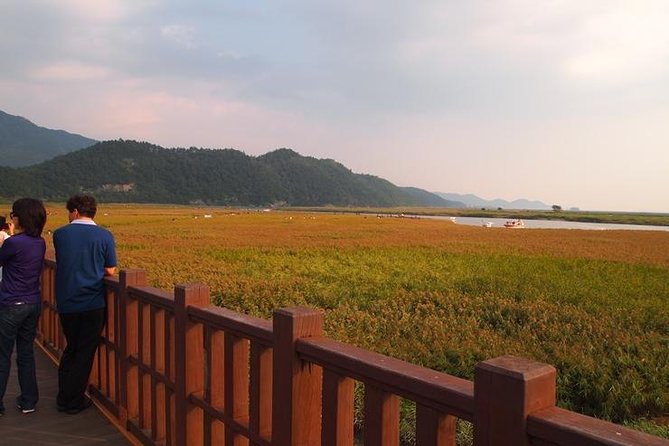
If you love gardens and seasonal color, this is one of the best parts of the itinerary. The Suncheon Bay Garden is set up to protect natural habitat—turning 1.12 square kilometers into a conservation area. The itinerary gives numbers: over 505 species of trees and 113 species of flowers.
The stop is also timed for visual seasons, mentioning tulips and royal azaleas, plus a large canola field nearby (30,000 square meters) that can create a yellow wave in May. Even if you’re not there in peak color, a place built around conservation still feels different than a purely ornamental park.
Statue of Admiral Yi Sun-sin: War Leadership and National Treasure Detail
The day ends with a historical figure stop: the Statue of Admiral Yi Sun-sin. During the Japanese invasion known as the Imjin Waeran, the itinerary says Admiral Yi chose the site for his headquarters. The museum-style display includes artifacts honoring his actions, with an added detail: the hall is designated National Treasure No. 304 (noted as designated in 2011).
This stop works well if you want a mix of narrative and objects. You don’t have to be a Korea history expert; the guide’s role matters here because it helps you connect the artifacts to the broader story of Yi Sun-sin.
Day 3: Jinjuseong Fortress and the Busan Station Finish
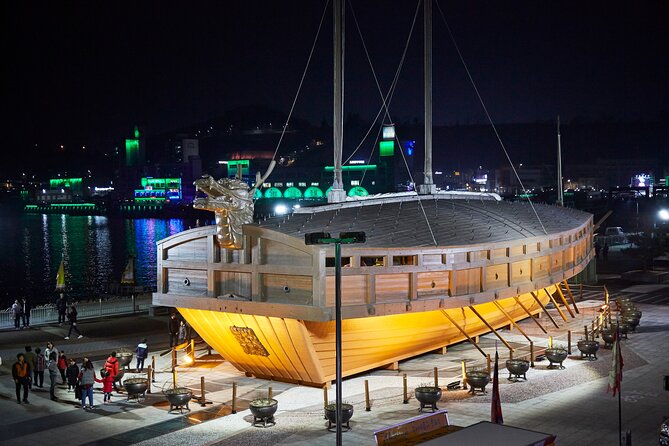
Day 3 is shorter and focused, ending your West Korea loop with a practical drop point.
Jinjuseong Fortress: Names Through Kingdoms and a Major Invasion Timeline
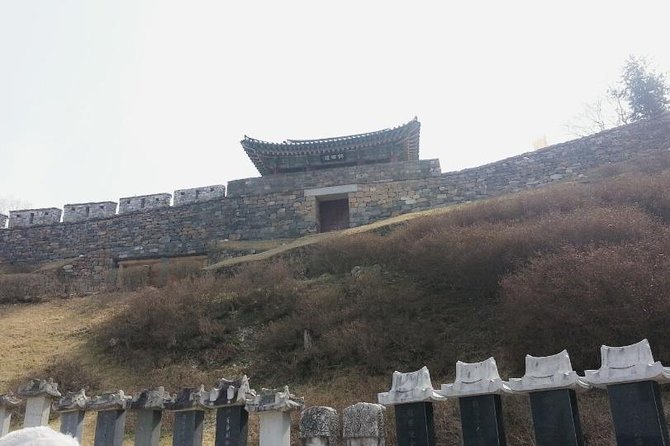
Jinjuseong Fortress is directly tied to the Japanese invasion in 1592. The itinerary also gives a neat timeline of how the fortress name changed over centuries: it started as Geoyeolseong Fortress in the Three Kingdoms period, became Chokseokseong Fortress during the Goryeo Dynasty, and finally settled as Jinjuseong Fortress in the Joseon Dynasty.
That sequence is useful. It’s a reminder that places in Korea often carry layers of history, not just one era. If you tend to like “how a location evolved,” you’ll probably enjoy this stop.
Drop at Busan Station Plaza Around 13:00
You’ll wrap with a drop point around 13:00 at Busan Train Station Plaza. That’s genuinely helpful if you plan to continue onward—because it puts you at a major transport hub, not a random neighborhood. If you’re traveling further south or heading back to Seoul afterward, this can save time and stress.
Price and Value: What $749 Is Really Buying You
At $749 per person for about three days, this tour isn’t budget travel. But the price is easier to justify when you list what it covers beyond the obvious sightseeing.
You get:
- Two nights in 4-star accommodation
- Breakfast as listed in the itinerary
- Transfer by coach between Seoul and the West Korea stops and onward to Busan
- A professional guide
- Some entrance fees included
- A mobile ticket, which helps on the ground
The big value play here is that you’re paying to remove friction: transport planning, timing gaps, and the headache of figuring out which tickets matter for which site. If you’re traveling with limited Korean ability and you want to see several far-flung areas in a short window, coach-based tours like this can be cheaper than paying for multiple transfers and guide time yourself.
That said, lunch and dinner are not included, so you’ll need to budget for meals separately. If you’re the type who always hunts for the cheapest eats, the day can feel more expensive than the headline price. If you’re okay treating meals as part of the experience (and letting the guide point you toward practical options), it becomes a smoother deal.
Also note the group size cap is 40 travelers, which usually keeps things from feeling like a moving theme park—though you’ll still want to be comfortable with group pacing.
Hotels, Rooms, and the Real-Life Group Math
The tour includes 2 nights of 4-star accommodation, and that’s a major comfort factor on a coach itinerary. You’re not paying extra for a better hotel or relying on basic guesthouses, and breakfast being included can help you start each day with less scrambling.
Rooming can affect your experience. The tour info says that if groups book with an odd number (example three people), you share one room and the third person gets a pullout bed at no extra charge. If you don’t want to share a double room, then a person can book a single room and a single traveler surcharge applies.
This matters because the tour is stated to have a minimum of two people required to operate. So if you’re booking solo, it can still run, but your best path is checking how they handle single occupancy and whether they’ll match you with others for rooming.
If you want an easy checklist: pack light, plan for one main luggage item per person, and be ready for a hotel check-in workflow that’s coordinated by your guide.
Who This Tour Fits Best
This is a good fit if you:
- Want a Seoul-to-Busan route without complicated DIY public transport
- Like a blend of history and culture, not only one type of attraction
- Prefer a guided experience where someone handles timing and transfers
- Appreciate 4-star comfort and breakfasts included on multi-stop days
It may be less ideal if you:
- Want complete freedom to wander at your own pace
- Plan to skip guides entirely and only explore independently
- Strongly prefer budget dining where every meal is a low-cost quest
If you’re a first-timer to South Korea outside Seoul, this tour style can be a smart way to get your bearings fast—then you can return later for deeper repeat visits.
Should You Book This 3-Day West Korea Tour?
Book it if you want maximum coverage in a short time with less planning effort, and if you’re excited by sites like Songsan-ri Tombs, Jeonju Hanok Village, Suncheon Bay Garden, and Jinjuseong Fortress. The biggest win is that you’re paying for logistics and context at once, so your days feel structured without becoming chaotic.
Skip it or look for alternatives if you hate group pacing or you’re sensitive to extra costs from meals not included. And if you’re very particular about starting locations, show up early and double-check your exact meeting details at Gwanghwamun Station exit 6 before boarding.
Overall, this is a practical, history-and-culture-focused west-coast sampler. If you want to see more than one region without turning your trip into a map-management project, it’s a solid choice.
FAQ
Where does the tour meet in Seoul, and what time does it start?
You meet at the parking lot next to Dongwha duty free shop at Gwanghwamun Station exit 6. The start time is 8:00 am.
What’s included in the $749 price?
The tour includes 2 nights in 4-star accommodation, transfer by coach, a professional guide, and breakfast as per the itinerary. Some entrance fees are also included.
Are lunch and dinner included?
No. Lunch and dinner are not included.
How many days is the tour?
The tour runs for 3 days (approx.).
Is the tour available for single travelers?
One person can book, but the tour requires a minimum of two people to operate. If you book a single room, a single traveler surcharge applies.
What about rooms for odd-number groups?
If a group books with an odd number (for example, three people), the third person shares the room with a pullout bed at no extra charge. You can request a specific room setup during checkout.
How soon can I cancel for a full refund?
You can cancel up to 6 days in advance for a full refund.
If you want, tell me your travel month and whether you prefer early starts or slower days. I can suggest what to prioritize during the garden and Hanok time so you get the best match for your interests.
More 3-Day Experiences in Seoul
- Essence Korea 3days Ptivate Tour(West/East)★ 5.0 · 5 reviews
More Tours in Seoul
- Best DMZ Tour Korea from Seoul (Red Suspension Bridge Optional)★ 5.0 · 41,422 reviews
- DMZ Tour: 3rd Tunnel, Option(Suspension Bridge, Boat) from Seoul★ 5.0 · 21,373 reviews
- DMZ tour south Korea from Seoul (NK experience hall, defector)★ 5.0 · 20,599 reviews
- Seoul: DMZ Tour with Optional Suspension Bridge★ 4.8 · 5,277 reviews
- Seoul: DMZ The 3rd Tunnel and Suspension Bridge Tour★ 5.0 · 4,656 reviews
More Tour Reviews in Seoul
- Best DMZ Tour Korea from Seoul (Red Suspension Bridge Optional)★ 5.0 · 41,422 reviews
- DMZ Tour: 3rd Tunnel, Option(Suspension Bridge, Boat) from Seoul★ 5.0 · 21,373 reviews
- DMZ tour south Korea from Seoul (NK experience hall, defector)★ 5.0 · 20,599 reviews
- Seoul: DMZ Tour with Optional Suspension Bridge★ 4.8 · 5,277 reviews
- Seoul: DMZ The 3rd Tunnel and Suspension Bridge Tour★ 5.0 · 4,656 reviews
Just added to Exploring Seoul

Tours, compared.
 ★ 5.0DMZ Tour: 3rd Tunnel, Option(Suspension Bridge, Boat) from SeoulFrom $3521,373 reviews
 ★ 5.0DMZ tour south Korea from Seoul (NK experience hall, defector)From $2620,599 reviews
 ★ 4.8DMZ Tour with Optional Suspension BridgeFrom $455,277 reviews
 ★ 5.0DMZ The 3rd Tunnel and Suspension Bridge TourFrom $654,656 reviews
 ★ 5.0Signature DMZ Tour: Exclusive Defector Talk & Suspension BridgeFrom $274,459 reviews
 ★ 5.0Thrilling Korean DMZ 3rd Tunnel Tour from Seoul + Red Bridge RushFrom $353,097 reviews
 ★ 4.9DMZ Tour & Suspension Bridge (Option English/Spanish)From $352,628 reviews
 ★ 5.0DMZ Past and Present: Korean Demilitarized Zone Tour from SeoulFrom $372,481 reviews