
Reviewed · HISTORICAL TOURS
10day Small Group Discover Korea Tour : History, Food and Culture
Jeju starts with volcano weirdness. This 10-day Korea tour strings together lava landscapes, royal-era relics, and modern Seoul in a way that stays practical, not just scenic. Two things I really like: you get an English-speaking guide who keeps the plan moving while still allowing itinerary tweaks, and you get a strong food-and-culture rhythm (markets, palaces, temple time, plus a k-cooking class) without feeling like you’re only shopping for photos.
One thing to consider: the schedule is active and travel-heavy. Even with comfortable AC vehicle support and 3.5–4 star hotels, you’ll have long days, and flight timing can shift if weather causes delays.
I also appreciate that some of the “Korea” here isn’t just sightseeing. You get a true temple stay at Golgulsa Temple, plus a sobering day at the DMZ, and then you finish with comedy and cooking back in Seoul.
In This Review
- Key highlights to pay attention to
- Jeju Days 1–2: Lava caves, oddball roads, and sea-breeze breaks
- Busan Day 3: Stair-step villages, seafood markets, and a temple on the shore
- Gyeongju Days 4–5: Temple stay, Silla monuments, and night pond views
- Jeonju Day 6: Food-forward hanok streets and makgeolli supper
- Suwon Day 7: UNESCO fortress and a fried chicken street mission
- Seoul Days 8–9: Palaces, hanok alleys, markets, and N Seoul Tower views
- DMZ Day 9: access rules, Third Tunnel, and Dora Observatory
- Day 10 finish: NANTA at Myeongdong and a hands-on k-cooking class
- Price and value: what you’re paying for on a 10-day loop
- Should you book this Korea tour?
- FAQ
- How long is the tour?
- Where does the tour start, and what time?
- Does the tour include pickup?
- Are flights included?
- What meals are included?
- What level of accommodations is included?
- Is there a temple stay?
- What happens if the flight to Jeju is delayed or canceled?
- Is the DMZ visit reservation-based?
- Is this tour refundable if plans change?
Key highlights to pay attention to
- Itinerary flexibility with a real guide: discuss changes and have the guide recommend local restaurants.
- Jeju’s volcanic variety: caves, craters, black-sand beaches, waterfalls, and coastal views in two days.
- Gyeongju after-hours energy: Wolji Pond and Donggung Palace are built for night viewing.
- Jeonju food focus: bibimbab, makgeolli dinner, and hanok village time.
- DMZ with structured access: early meeting and set stops including Dora Observatory and the Third Tunnel.
- Fun + skills on Day 10: NANTA at Myeongdong plus a hands-on Korean cooking class.
A handful of other Seoul experiences to line up next
- Seoul Street Food Market Tour★ 5.0 · 1,226 reviews
- Seoul: Night Market Food Tour with Local Guide★ 4.9 · 943 reviews
- Downtown Seoul Guided Food & Market Tour with 8+ Local Tastings★ 5.0 · 580 reviews
- Seoul: Guided Food & Market Tour with 8+ Tastings★ 4.9 · 342 reviews
Jeju Days 1–2: Lava caves, oddball roads, and sea-breeze breaks
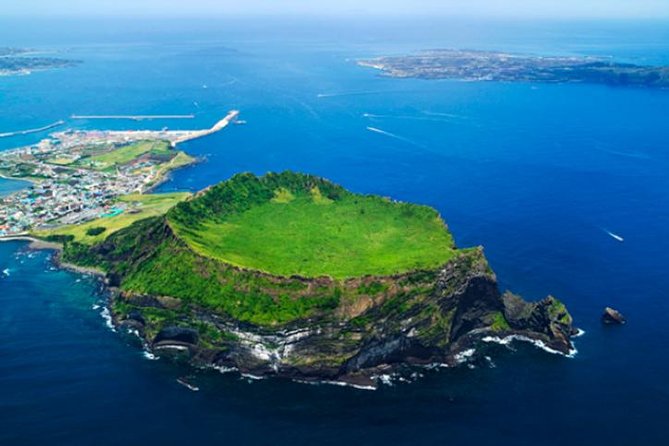
Jeju is where this trip earns its name as a culture-and-history sampler, because the island’s “history” starts with geology. You’ll bounce between volcanic sites and coastal calm, and it’s a nice on-ramp for first-time Korea—less confusing than big-city hopping on Day 1.
Day 1 starts lightly, then turns scenic. You fly from Gimpo to Jeju, and yes, weather can sometimes affect flights. Once you land, you check into your hotel on your own (meals aren’t planned that evening), then you hit a string of classic Jeju stops. Dokkaebi Road (Goblin’s Road) is the fun warm-up: it’s known as an uphill street that tricks your car when you experiment (turning off the engine or rolling a ball). It’s goofy in the best way because it’s physical, not just a sign saying it’s famous.
Next is ARTE Museum Jeju, described as a video and light arts museum. Expect an experience built around mood and movement—more “hands-on visuals” than traditional galleries. If you like photo-friendly spaces but also want something that feels different from standard temple-and-palace routes, this is a good fit.
Spirited Garden is another creative detour: a bonsai park with what’s promoted as award-winning Korean tourism appeal. It’s also a good break from constant walking because you can stroll at your own pace.
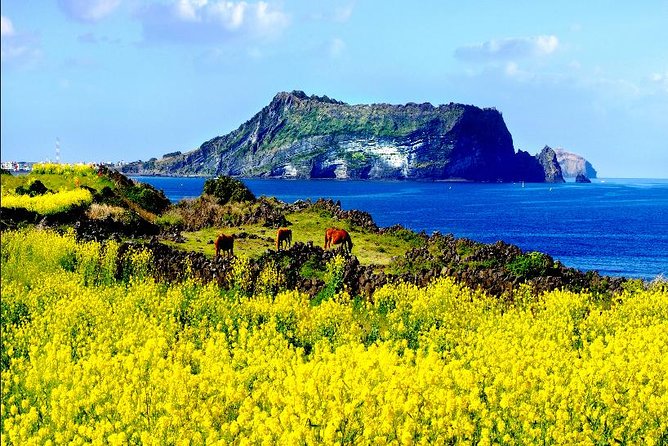
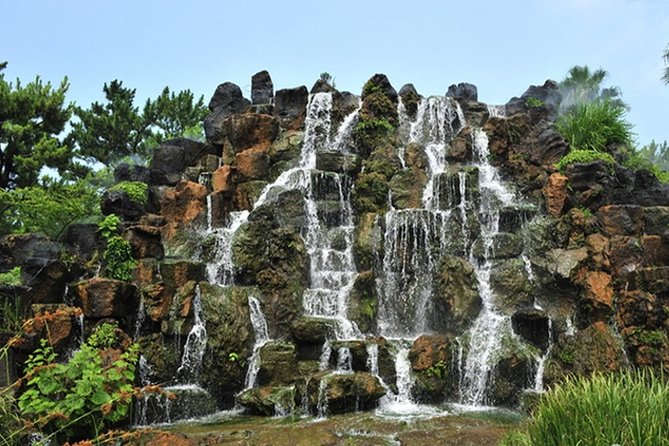
Then you get the ocean. Hyeopjae Beach gives you an easy reset, with time to relax and optional bathing. After that comes the island’s volcanic fingerprint: Jusangjeollidae, known for joint columnar formations (basalt columns). It’s short but memorable—like Jeju is showing you the island’s origin story in stone. Finally, Cheonjiyeon Falls keeps things gentle: a small waterfall that still earns attention for its natural beauty.
Day 2 is the Jeju “greatest hits” push. You start with Manjanggul Cave, one of the longest and finest lava tubes in the world. The value here isn’t just “it’s a cave.” It’s that you’re walking through a real geological process—lava cooled into tubes over time—so the island’s volcanic theme becomes more than a concept.
After the cave, Sangumburi Crater gives you a wide-open look: a flat crater with a large circumference and a deep drop you can visualize from different angles. Nearby, Gwangchigi Beach adds a specific Jeju texture—soft black sand formed from basalt. That detail matters because it changes what the beach feels like, not just how it looks.
Then it’s Seongsan Ilchulbong (Sunrise Peak). Even if you’re not doing sunrise, climbing to the crater area gives you that “Jeju is volcanic inside a crater” moment. After that, you switch from natural wonders to human time with Seongeup Folk Village, which holds indigenous Jeju culture near Mt. Halla. It’s a good contrast after caves and craters.
To end, Dongmun Market is where you translate what you’ve seen into what you eat. Since it’s marked as inexpensive and full of diverse items, it’s the easiest way to keep your meals feeling local. You’ll get market vibes without needing to plan ahead for every snack.
Jeju drawback to plan around: you’ll likely do some walking on uneven ground at caves and crater areas. If you’re sensitive to long stairs or slippery cave paths, bring shoes with good grip.
Busan Day 3: Stair-step villages, seafood markets, and a temple on the shore
Busan is the “coastal energy” chapter. This day has a nice variety: colorful hillside neighborhood views, sea-food intensity, and a temple that looks like it grew out of the coastline.
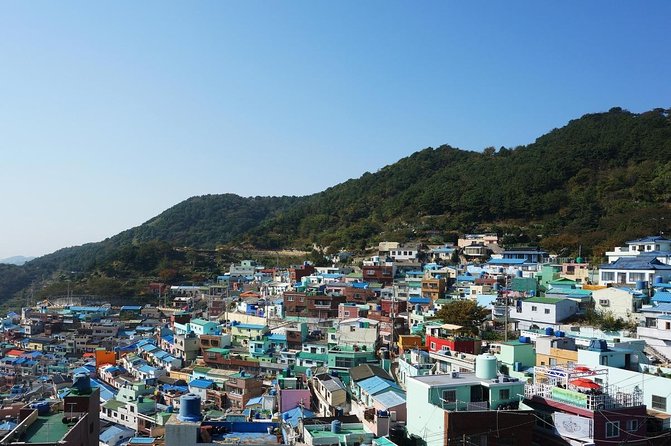
You take a flight from Jeju to Busan, then start with Busan Gamcheon Culture Village. The key detail is how the houses sit on the hillside in a stair-step layout. It’s visually busy, but that’s the point: you’re seeing a city shaped by geography, not flattened into one view.
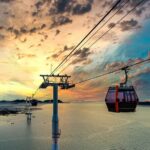
Next is Songdo Skywalk, plus an optional Ocean Cable Car. Songdo is the “big beach day” in this itinerary—especially if you want sea views without committing to a long beach trek. If you hate cable cars or tight timing, you can skip the optional part and still enjoy the area.
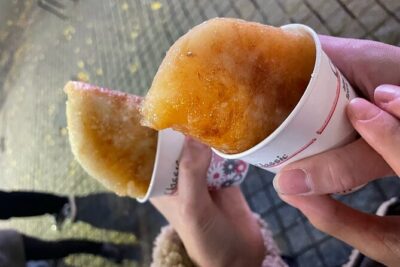
Then you pivot to food and movie-festival energy at BIFF Square. It’s described as a filming festival location but also a food street, and the standout here is the advice to try the sweet pancakes. That’s exactly the kind of local snack recommendation that saves you time because you don’t have to guess what’s worth lining up for.
Jagalchi Market is next, and it’s the kind of place you either love immediately or you need a second to adjust. You’ll see the scale of Busan’s fish culture—there are lots of items, alive and dead. It’s short on the schedule (about 20 minutes), so come with a simple goal: scan, pick one snack if you want, then move on.
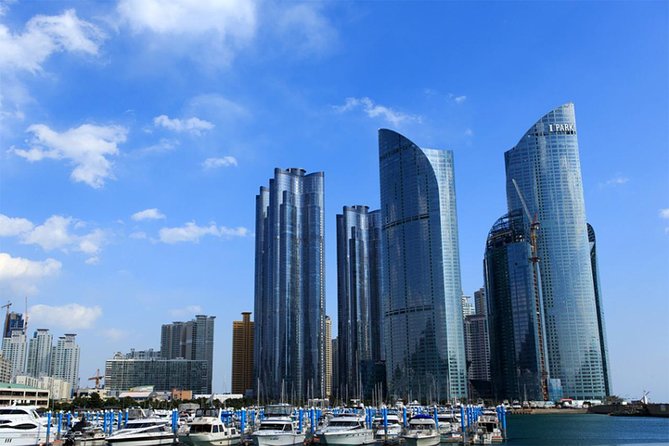
After that comes the long double-decker bridge in Busan (famous for sea views). The itinerary notes that at night, Busan often runs light festivals and events like fireworks or drones around that area. Even if you don’t catch an event, the bridge stop helps you feel the city’s modern “public view” culture.
The day closes with Haedong Yonggungsa, described as one of the most beautiful temples in Korea, right next to the sea. The value here is location: you get temple calm and ocean scenery in the same frame. It’s also a good way to land the day without ending in another market line.
Busan drawback to plan around: this day is dense. If you’re prone to fatigue, prioritize what you want most: the sea-view stops (Songdo/Haedong Yonggungsa) or the market-and-snack stops (BIFF/Jagalchi).
Gyeongju Days 4–5: Temple stay, Silla monuments, and night pond views
Gyeongju is where the tour turns from modern Korea back into old kingdoms. You’ll feel it immediately in the stop choices: Silla-era temple sites, observatories, tomb complexes, and palace ponds built for atmosphere.
The first big piece is Golgulsa Temple with a 1N temple stay. The itinerary points out that the temple runs templestay programs year-round. That matters because it’s not an occasional “maybe you can sleep here” add-on—it’s part of how the place operates. For you, the value is pacing and perspective: you slow down enough to experience a Korea that isn’t only designed for day visitors.
After the temple stay, you visit Bulguksa Temple (1000-year-old Buddhist temple connected to the Shilla Kingdom). It’s one of those stops that feels like “Korea beyond Seoul,” because the architecture and grounds are the story.
Then you go to Seokguram. The itinerary mentions a famous Buddha statue and even calls it the statue of David in Asia (likely referencing its iconic pose). Whatever name you use, what matters for your expectations is that this is a major heritage stop with a strong visual anchor.
Day 5 continues the Silla theme with more “big picture” context. Start at Daereungwon Tomb Complex: a set of ancient tombs distributed across the area. This isn’t a single monument; it’s a whole historical zone, which helps you understand that the past in Gyeongju is spread out.
Then Cheomseongdae Observatory shows Korea’s older scientific side. The time here is short, but the idea is clear: star-gazing technology connected to national heritage.
Next is Gyeongju National Museum, with artifacts from the Silla dynasty (57 BC–AD 935). If you’re trying to connect the dots between temples and tombs, the museum is your translator. It also helps you avoid the “I saw it, but I don’t really know why” feeling.
For night viewing, you get Donggung Palace and Wolji Pond. The itinerary explicitly calls it a famous night-view spot, and that’s exactly what you should plan around: go when light changes, because the pond-side setting is part of the effect.
Then Woljeonggyo Bridge is presented as part of that night view course. This pairing is strong because you’re not just ticking off one site; you’re doing a visual route with a time-of-day purpose.
Gyeongju drawback to plan around: you may want comfortable walking shoes again. Heritage sites can mean uneven stone and longer ground travel than you’d expect from the hour estimates.
A handful of other Seoul experiences to line up next
Jeonju Day 6: Food-forward hanok streets and makgeolli supper
Jeonju is the “eat and slow down” day. It’s also the most likely day to feel different from the rest, because the itinerary explicitly centers food culture and evening table time.
You start with a drive toward Jinan and Maisan Mountain (described as horse-ear shaped), with a stop at Maisan observatory (pohang way). The terrain here is more about viewpoint than “big hike,” so it’s a decent change of pace after caves and temples.
Next is Tapsa Temple, famous in this itinerary for the over 80 stone pagodas built by Lee Gapyong. The pagodas are the star detail. If you like stonework and patterns, you’ll likely enjoy this more than another standard gate-and-main-hall stop.
Then you arrive in Jeonju: Jeonju Hanok Village. The schedule includes food: you try bibimbab there and then at night there’s a traditional rice wine table. That sequence is smart. Lunch gives you the “this is the famous dish” moment, while dinner turns it into an experience where you eat and drink with the culture’s rhythm.
After hanok time, you visit Gyeonggijeon Shrine (Joseon dynasty founder King Tae-jo’s portrait is mentioned) and then Jeondong Catholic Church built to honor Roman Catholic martyrs. These two stops help Jeonju feel more complete than just a food town.
Then you go to Omokdae and Imokdae, described as observatories where you can look down with naked eyes. It’s a visual payoff after hours of streets and buildings.
Finally, the day ends with supper at 옛촌막걸리 삼천점 (Old Village Makgeolli Samcheonjeom). The itinerary notes that the table provides various foods depending on how much rice wine you order, up to a set number of dishes. This is a practical tip for you: if your goal is to maximize variety, don’t treat the meal like a quick snack—lean into the rice wine pairing concept.
Jeonju drawback to plan around: this day has both viewpoint-style stops and lots of food time. If you dislike “staying seated for meals,” you might feel a little locked in. Build a small buffer for digestion and keep water handy.
Suwon Day 7: UNESCO fortress and a fried chicken street mission
You move from Jeongju-area travel to Seoul, with a UNESCO stop that’s easy to remember: Suwon Hwaseong Fortress. The itinerary calls it a UNESCO World Cultural Heritage Site and explains its purpose as protection for the city during the Joseon dynasty era.
After the fortress, you get a very Korea-in-one-day idea: Suwon fried chicken street. The itinerary says there are many fried chicken restaurants on the street, and that the special flavor is marinated with Korean BBQ sauce. This isn’t random. It gives you a break from heritage sightseeing by switching to comfort food that you can choose fast.
Suwon drawback: the day is a hinge point—travel plus a major site plus a food street. If you’re sensitive to pace, you’ll want to keep your expectations realistic: don’t plan on deep museum-level reading here.
Seoul Days 8–9: Palaces, hanok alleys, markets, and N Seoul Tower views
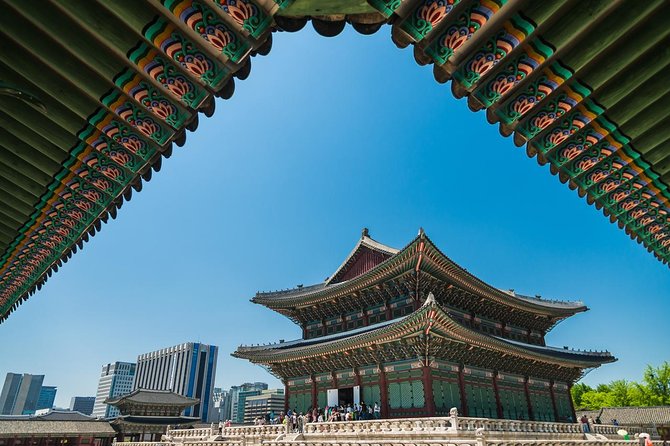
Seoul is where the tour shifts into big-city rhythm without losing the cultural thread. The itinerary smartly pairs palaces, neighborhoods, markets, and viewpoints in a single arc.
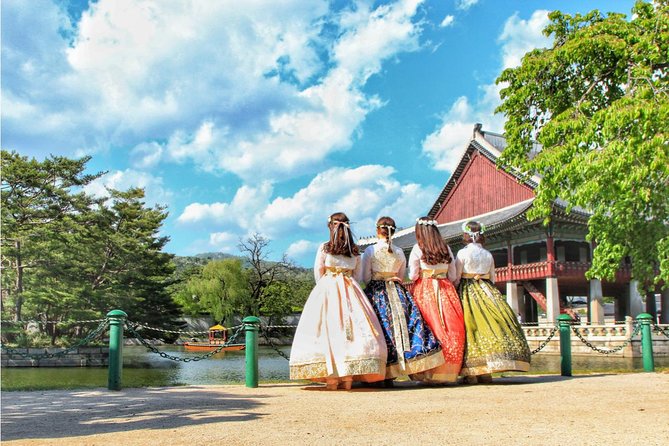
Day 8 starts at Gyeongbokgung Palace. It’s described as the first and largest palace built by Joseon Dynasty in 1395. The most practical thing you’ll notice is that this site anchors the rest of the day. It’s easier to appreciate Insadong and Bukchon afterward because you understand what kind of historical spine Seoul was built on.
Then it’s Insadong, described as a shopping street good for souvenirs and art lovers, with lots of art galleries. This is the kind of stop where you can wander lightly: browse, compare prices, and pick one or two items rather than overbuying.
Next you go to Bukchon Hanok Village, a neighborhood of hundreds of traditional hanok homes from the Joseon period. The itinerary notes the houses are tightly packed and share walls, so expect narrow lanes and a bit of “maze walking.” This is where comfortable shoes matter again.
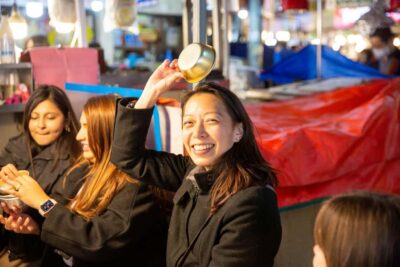
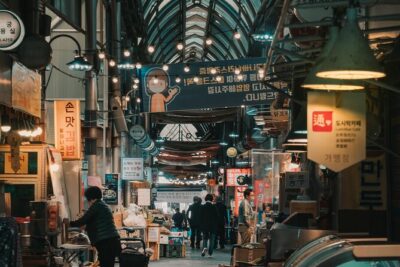
You then hit Kwangjang Market, marked as having over 100 kinds of food. Specific items mentioned include mungbean pancakes, Korean donuts, gimbab, ddeokbbokki, and fruit juice. This is a big value stop for you because it’s structured sampling. You can try multiple bites without needing a sit-down menu.
After that comes N Seoul Tower for a panoramic view. The itinerary gives precise heights, including the top at almost 480m above sea level. Even if you don’t care about numbers, the point is clear: it’s one of the best “read the city from above” experiences you’ll get in a single day.
Then you end at Jogyesa Temple, described as a meaningful temple in the center of Seoul and noted as having festivals depending on season. Even if it’s not festival season during your visit, this stop adds a calm, human-scaled finish to a city-packed day.
DMZ Day 9: access rules, Third Tunnel, and Dora Observatory
DMZ day is the emotional shift. The itinerary makes it clear that you enter a military zone with procedures and policies you must follow.
You start with DMZ as the big area visit, and the key practical rule is: there’s no reservation for DMZ tickets, and it’s first come, first served, with an early meeting time. Plan on arriving on time and staying flexible. Your day runs on rules, not on your personal pace.
The main stops inside the DMZ arc include:
- The Third Tunnel, described as the Third Tunnel of aggression or Third Invasion Tunnel, dug after the Korean War. You can go down into the tunnel area to see it.
- Dora Observatory, described as the highlight where you can see North Korea with binoculars, plus views like the Gaeseong city/industrial complex area mentioned in the itinerary description.
- Tongil Park (Unification Park) as the final stop in the civilian control zone where people live, plus a place to buy DMZ-themed items.
- Gamaksan Chulleong Bridge, with a short 10-minute hiking segment to see the suspension bridge area.
DMZ drawback to plan around: it’s not “relax and take photos” time. It’s more rules-focused and controlled. If you’re the type who gets stressed by procedure changes, remind yourself that this is the nature of the place.
Day 10 finish: NANTA at Myeongdong and a hands-on k-cooking class
Day 10 is a fun release valve: humor, skills, then more Seoul street life.
First up is Cookin’ NANTA (Myeongdong). The itinerary describes it as a none verbal comic show using Korean traditional rhythm and calling it a fusion performance. You don’t need Korean language skills for this kind of comedy-plus-rhythm show, which makes it an easy way to end the trip on a high note.
Then you do a small group k-cooking class in Seoul. The menu changes every month, and the itinerary lists possible dishes like bulgogi, gimbab, kimchi, and pancakes. The practical value here is you leave with food confidence. You’ll remember the trip every time you cook one of these back home.
In the afternoon/evening, you go to Seonyudo (the itinerary labels it Seonyudo, Gunsan) described as a famous han river park for walking with panoramic Seoul views. Then you finish at Myeongdong Shopping Street, a classic Seoul area with street food vendors and shopping energy.
Day 10 drawback: if you’re exhausted from the DMZ day, the market-and-shopping time might feel like a lot. Keep your shopping simple: pick snacks or a small item, not a whole haul.
Price and value: what you’re paying for on a 10-day loop
At $3,800 per person for 10 days, this isn’t a bargain-bucket tour. But it also isn’t priced like a barebones backpack route. The included items matter.
Here’s what’s built into the plan:
- Domestic flights: Gimpo → Jeju and Jeju → Busan
- 9 nights in 3.5–4 star accommodations
- English-speaking tour guide and AC vehicle
- Entrance fees on the plan
- Meals: 7 breakfasts, 7 lunches, and 2 dinners
- A 1N Golgulsa Temple stay
- Mobile ticket support and pickup offered
When you tally that, the cost starts to make more sense. Flights between islands/cities alone can swallow a big chunk of your budget if you plan independently. Also, the guide handles transfers and sequencing, which is a hidden cost when you travel solo—time, stress, and the risk of missing tickets or confusing routes.
Where you still need to be smart: the itinerary notes that meals aren’t planned in some parts of the day (like Day 1 hotel check-in and meals on your own). So keep a little cash/card buffer for snacks and any optional extras (like the Ocean Cable Car).
Should you book this Korea tour?
I’d book it if you want a first Korea trip that mixes nature, heritage, and food without you having to stitch together logistics. It’s especially a good fit if you value a strong guide presence and you’re okay with a fast pace.
I’d think twice if you want lots of free time each day. This schedule is packed, with multiple major sites and a full DMZ day. Also, if your main goal is deep, slow museum study, you may feel like some stops are short.
If you’re traveling with older family members, this tour’s reputation for making the experience work for different comfort levels is a real plus. The key is simple: bring the right shoes, stay flexible with weather/DMZ procedure, and treat this as a structured Korea sampler you can remember for years.
FAQ
How long is the tour?
It runs for 10 days (approx.).
Where does the tour start, and what time?
The start time is 9:00 am.
Does the tour include pickup?
Pickup is offered.
Are flights included?
Yes. Domestic flights are included from Gimpo to Jeju and from Jeju to Busan.
What meals are included?
The plan includes 7 breakfasts, 7 lunches, and 2 dinners. Meals not planned are on your own.
What level of accommodations is included?
You get 9 nights of lodging in 3.5–4 star accommodations.
Is there a temple stay?
Yes. A 1N Golgulsa Temple Stay is included.
What happens if the flight to Jeju is delayed or canceled?
The itinerary says that in case of weather-related delays or cancellations, the plan can change and you’ll do something else.
Is the DMZ visit reservation-based?
The DMZ tickets are first come, first served with no reservation, and you’ll need an early meeting time.
Is this tour refundable if plans change?
No. This experience is non-refundable and cannot be changed for any reason. If you cancel or ask for an amendment, the amount paid is not refunded.
More Food & Drink in Seoul
- Seoul Street Food Market Tour★ 5.0 · 1,226 reviews
- Seoul: Night Market Food Tour with Local Guide★ 4.9 · 943 reviews
- Downtown Seoul Guided Food & Market Tour with 8+ Local Tastings★ 5.0 · 580 reviews
- Seoul: Guided Food & Market Tour with 8+ Tastings★ 4.9 · 342 reviews
- Small-Group Night Food Tour in Seoul with Korean BBQ★ 5.0 · 304 reviews
More Tours in Seoul
- Best DMZ Tour Korea from Seoul (Red Suspension Bridge Optional)★ 5.0 · 41,422 reviews
- DMZ Tour: 3rd Tunnel, Option(Suspension Bridge, Boat) from Seoul★ 5.0 · 21,373 reviews
- DMZ tour south Korea from Seoul (NK experience hall, defector)★ 5.0 · 20,599 reviews
- Seoul: DMZ Tour with Optional Suspension Bridge★ 4.8 · 5,277 reviews
- Seoul: DMZ The 3rd Tunnel and Suspension Bridge Tour★ 5.0 · 4,656 reviews
More Tour Reviews in Seoul
- Best DMZ Tour Korea from Seoul (Red Suspension Bridge Optional)★ 5.0 · 41,422 reviews
- DMZ Tour: 3rd Tunnel, Option(Suspension Bridge, Boat) from Seoul★ 5.0 · 21,373 reviews
- DMZ tour south Korea from Seoul (NK experience hall, defector)★ 5.0 · 20,599 reviews
- Seoul: DMZ Tour with Optional Suspension Bridge★ 4.8 · 5,277 reviews
- Seoul: DMZ The 3rd Tunnel and Suspension Bridge Tour★ 5.0 · 4,656 reviews
Just added to Exploring Seoul
Historical Tours, compared.
 ★ 5.0Evening Dark History, Folklore & Ghost Story Walking TourFrom $42593 reviews
 ★ 5.0Hanbok Photoshoot and History Tour at Gyeongbokgung PalaceFrom $60276 reviews
 ★ 4.9From Seoul: Dae Jang Geum Park Historic K-Drama Set TourFrom $55143 reviews
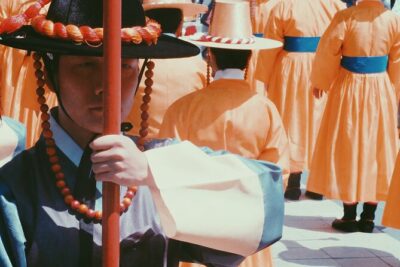 ★ 5.0City Highlights and Historical Experience No ShoppingFrom $4974 reviews
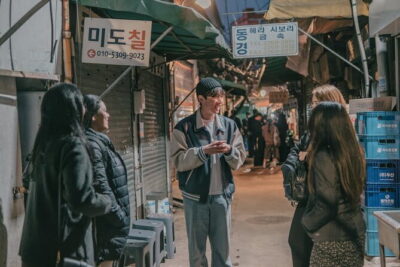 ★ 5.0Street photoshoot and Seoul Hidden gem History Walking TourFrom $4568 reviews
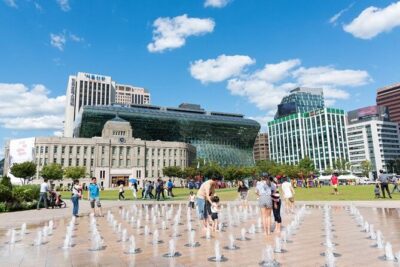 ★ 4.5Discover Seoul: Local Life and HistoryFrom $9653 reviews
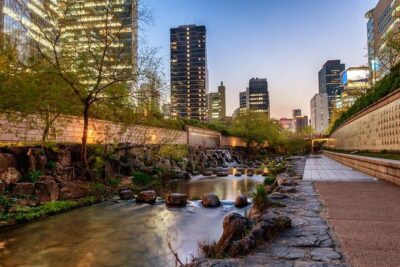 ★ 5.0Korean History & Heritage TourFrom $47551 reviews
 ★ 5.0Namhansanseong UNESCO Historical Sites and Korean Folk Village-Private TourFrom $19829 reviews
Browse the lists this tour appears in