
Reviewed · TEMPLES & TEMPLESTAY
War Memorial, Jogyesa Temple & Tapgol Park Tour in Seoul
War commemoration hits differently in Seoul. This 4-hour loop is an efficient way to connect Korea’s modern history with living Buddhism and a key Independence Movement site, all starting right at Myeongdong Cathedral. I especially like the focus of the War Memorial of Korea, where the UN Memorial Cemetery turns facts into something you feel in your chest, not just read on a label.
Next, I love that the National Museum of Korean Contemporary History gives you a short breather with Gyeongbokgung Palace photo views from the rooftop. It’s a clever add-on when you want history and a skyline moment in the same outing. One thing to consider: if you’re hoping for only the four main stops, ask up front whether any optional add-on (like a retail stop) gets inserted on your departure.
In This Review
- Key highlights worth your time
- A tight 4-hour Seoul story you can actually finish
- Start at Myeongdong Cathedral: easy to find, easy to orient
- War Memorial of Korea: the UN Memorial Cemetery on the 3rd floor
- National Museum of Korean Contemporary History: from late 1800s to today
- Jogyesa Temple: Buddhism in the middle of Seoul life
- Tapgol Park and March 1st: history you can stand on
- Price and value: why $42 can work here
- Who the tour fits best (and who should rethink it)
- Should you book this Seoul War Memorial, Jogyesa Temple & Tapgol Park tour?
- FAQ
- How long is the tour, and what’s the schedule like?
- Where do I meet, and where does the tour end?
- Is admission included for the museums and temple?
- What is included in the price?
- What’s not included?
- Can I cancel for free?
Key highlights worth your time
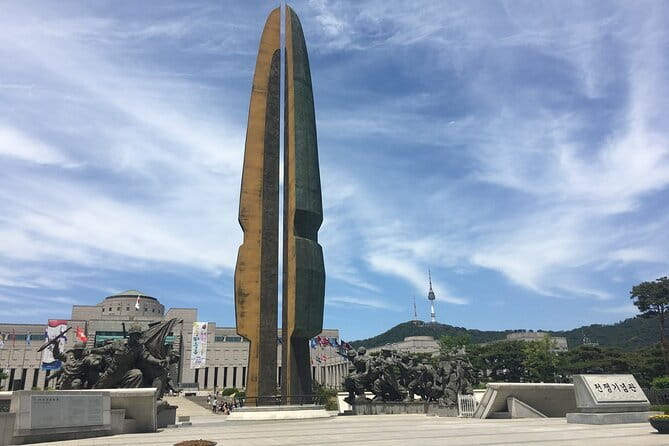
- War Memorial’s UN Memorial Cemetery: a calm, reflective floor that explains why peace matters
- Rooftop photo time: quick, photogenic views of Gyeongbokgung Palace
- Jogyesa Temple, Jogye order: an active Buddhist temple with real atmosphere, not a theme-park vibe
- Tapgol Park as March 1st starting ground: independence history where everyday life keeps going
- Squid Game Season 2 connection: a pop-culture reference that helps you remember what happened there
- Lottery at Tapgol Park: a small, fun extra that matches the area’s story
Quieter hours at more of Seoul's temples
- Seoul: Palace, Temple and Market Guided Foodie Tour at Night★ 4.9 · 750 reviews
- Seoul: Mt Seorak + Naksansa Temple or Nami Island Group Tour★ 4.7 · 422 reviews
- Best Things to Do – Half Day Seoul Trip (Seoul Palace & Temple)★ 5.0 · 190 reviews
- Mount Seorak and Naksansa Temple One Day Tour from Seoul★ 4.5 · 167 reviews
A tight 4-hour Seoul story you can actually finish
This tour is built like a mini syllabus: you cover the big “how did Korea become Korea today?” questions, then you step into spiritual Seoul, then you end with a public park that still matters politically and culturally. With a group cap of 100 and a meeting point at Myeongdong Cathedral, it’s also practical—you’re not hunting for a hidden bus stand or guessing where to start.
You’ll ride in an air-conditioned vehicle, which is a big deal in Seoul when the weather swings or when summer humidity shows up. The tour also uses mobile ticketing, so you don’t need to keep track of paper passes. And because the main sites have free admission tickets on this itinerary, the $42 price is mostly paying for time, organization, and getting you to the right places efficiently.
Do note the physical side: they ask for a moderate physical fitness level. That doesn’t mean it’s hardcore, but you should be comfortable with walking around museum floors and temple grounds in a short window.
Start at Myeongdong Cathedral: easy to find, easy to orient
Your tour begins at Myeongdong Cathedral (74 Myeongdong-gil, Jung District). This is one of those Seoul landmarks that makes meeting points feel painless, because the area has lots of signage, pedestrian traffic, and nearby transit options. If you like being early, you can use the time before departure to grab a snack or a bottled drink on your own (bottled water is not included).
This start point also sets the tone for the day. Myeongdong is a mix of religious history and modern Seoul energy. From there, the route shifts quickly into national memory—like going from a city street into a history lesson without changing your day plan.
War Memorial of Korea: the UN Memorial Cemetery on the 3rd floor
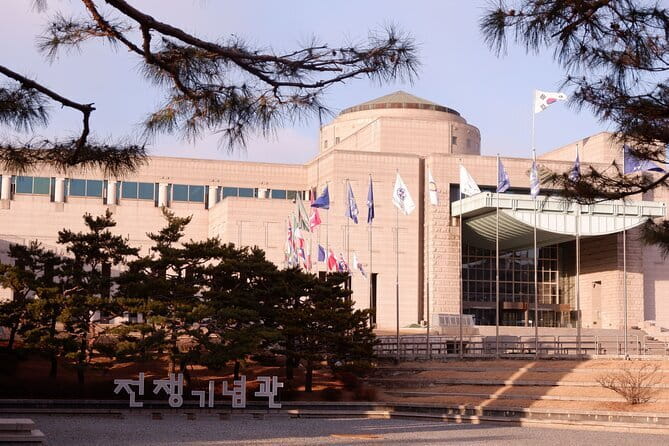
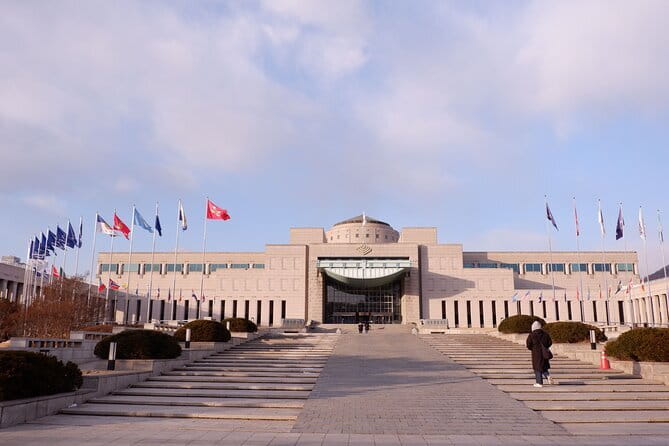
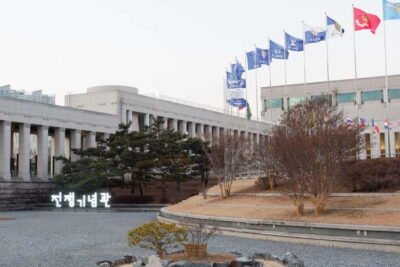
The first major stop is the War Memorial of Korea, and the heart of your visit is mainly on the 3rd floor, centered around the UN Memorial Cemetery. This museum opened in 1994, and the message you’ll get is not just “what happened,” but “how do we prevent this again.” The Korean War is the focus point, and there’s also an explicit hope for reunification of North and South Korea.
Why I think this stop is valuable for you: it’s one of the few museum experiences in Seoul where the atmosphere can feel hushed without you needing to be told to be quiet. You get time to read and look, but the site’s structure also encourages reflection. It’s the kind of stop where you might take fewer photos than you planned, because the content grabs your attention.
Time on site is about an hour. That’s enough to get the core meaning of the cemetery area, especially if you keep your pace steady and don’t get stuck on one exhibit for too long. Admission for this stop is free on the tour.
Practical tip: wear comfortable shoes. Even if you’re not walking far, you’ll likely spend more time standing and reading than you expect.
National Museum of Korean Contemporary History: from late 1800s to today
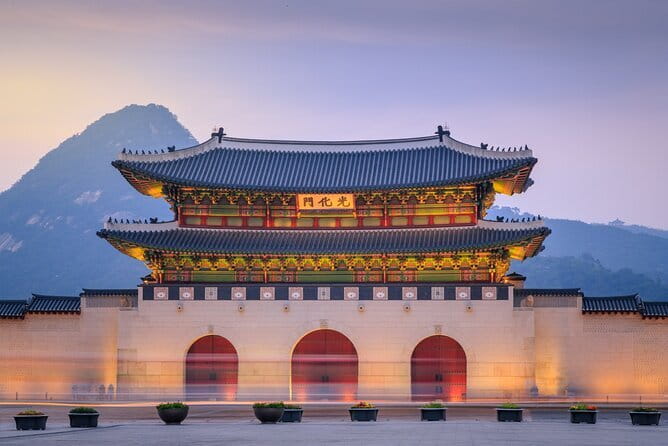
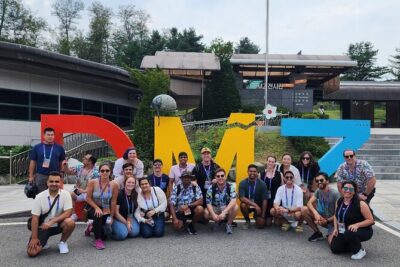
After the War Memorial, you move to the National Museum of Korean Contemporary History. It opened on December 26, 2012, and it covers South Korea’s story from the late 19th century to the present through four permanent exhibition halls.
Your scheduled time here is shorter—around 30 minutes—but you’re not being sent in blind. The highlight that matters most for many people is the rooftop photo time with Gyeongbokgung Palace views. Even if you only catch the palace from a distance, that view helps you connect dots: past palace power, present national identity, and the modern state that grew from all the upheaval.
Here’s the balance point: a half hour is tight for a museum like this, so don’t treat it like a full-on “read every panel” experience. Treat it like a guided sampler—enough to understand the big timeline and leave with a few mental anchor points you can expand later on your own.
Good news: admission is free for this stop as well, so you’re not paying extra for a museum ticket on top of the tour price.
Jogyesa Temple: Buddhism in the middle of Seoul life
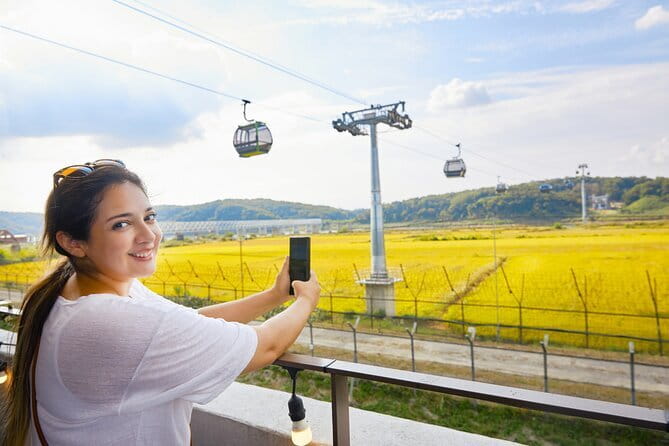
Next up is Jogyesa Temple, the chief temple of the Jogye order, which represents Korean Buddhism. This stop is about 25 minutes, so you’ll want to slow down at least a little once you’re inside the grounds.
Jogyesa is described as promoting the idea of social life where people live together, along with Bodhisattva spirit. It’s also a historic site that has lived through turbulent modern Korean history, which is important. This isn’t just “pretty temple photos.” It’s a place with continuity—religion that has endured city changes, political changes, and time.
Why you’ll probably like it: temples in Seoul can range from calm and old to loud and tour-group heavy. Jogyesa often lands in the middle—busy enough that you see it as part of daily life, but still spiritual enough to feel grounded.
Downside to consider: 25 minutes goes fast. If you’re someone who likes sitting quietly and taking in incense atmosphere, you might want to add extra time on your own after the tour. Also, bring a layer if it’s chilly—temple shade and open courtyards can change how you feel temperature-wise.
Admission is free on this tour.
Tapgol Park and March 1st: history you can stand on
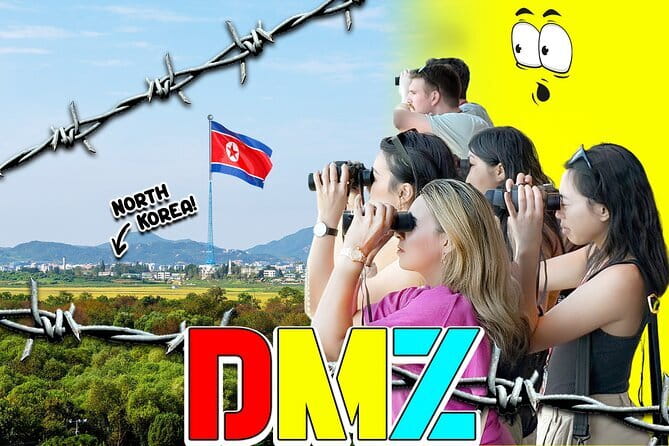
The last cultural stop is Tapgol Park, right near Insadong, in central Seoul. It’s a public park, but it carries heavy meaning. In 1919, this was where the March 1st Korean Independence Movement began—the call for independence from Japanese rule.
The tour also includes an unexpected pop-culture bridge: Tapgol Park is briefly featured in Squid Game Season 2 episode 1, in a Bread and Lottery scene. That reference isn’t the point of the park, but it’s a memory hook. When you connect the scene you recognize to the real location where the movement began, you tend to remember the history longer.
You’ll have about 30 minutes here, plus a lottery will be offered. It’s not trying to turn history into a carnival; it’s more like a themed activity that helps you break up the day after the museum and temple focus.
Practical note: Tapgol is a public space, so it’s not the kind of place where you can control crowd flow. In some weather or seasons, you may share space with more people than you’d expect—but that’s also what makes it feel real.
Admission is free for this stop.
Price and value: why $42 can work here
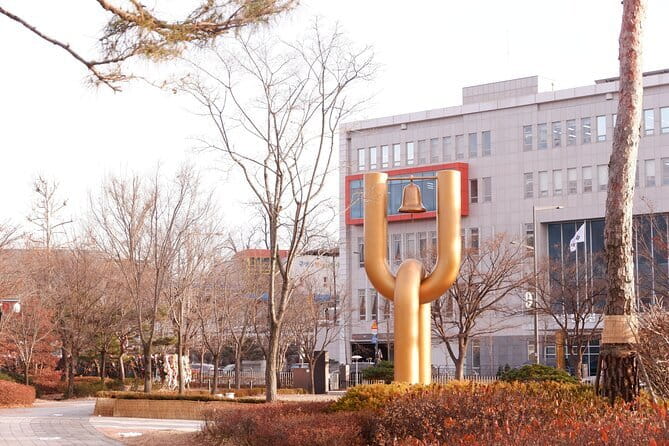
At $42 per person for roughly four hours, you’re paying for organization, transport, and guided sequencing, not for paid admissions. On this itinerary, the key museum and temple visits are listed as free, and the tour includes parking fees plus a guided structure that keeps you moving between neighborhoods without wasting time.
Here’s what you’re getting that you might not easily replicate on your own:
- A smooth route that links modern conflict, contemporary history, living Buddhism, and an independence origin point
- A rooftop photo window at the contemporary history museum—small, but useful
- A lottery activity at Tapgol Park that fits the theme of the place
- A guide’s pacing, which matters when you have limited time
What’s not included is also important. Lunch and bottled water are not included, and there’s no hotel pickup or drop-off. So if you’re planning a full day afterward, you’ll need to eat on your own and bring or buy what you want to drink.
In short: if you want a compact history-and-culture package without tickets and scheduling stress, this is usually good value. If you’re the type who wants to linger for long periods, you may feel rushed by the tight time per stop.
Who the tour fits best (and who should rethink it)
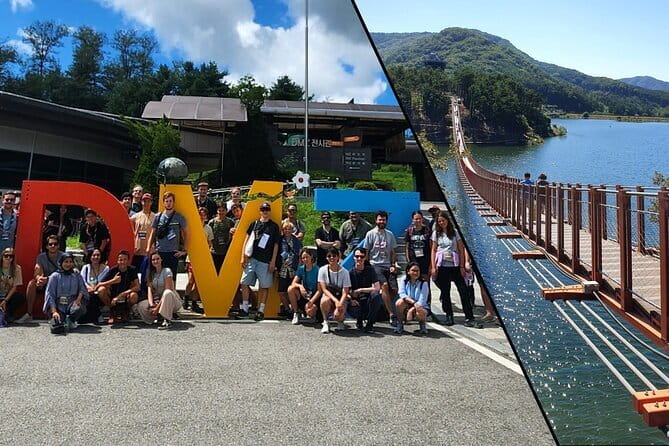
This tour is best for you if:
- You want a guided, compact history track in central Seoul
- You care about modern Korean history beyond the basics
- You like temples, but you don’t need hours of silent time every stop
- You want a convenient start at Myeongdong Cathedral and a quick finish at the same place
It might be less ideal if:
- You expect a slow travel style where you can linger in every room
- You’re deeply focused on one museum and want maximum time there
- You dislike any chance of extra commercial stops
One thing I took from past guide feedback is that the guide quality can make or break a short itinerary. The standout name that came up is Stella, described as attentive and very professional, with explanations that made Korean history feel clear instead of overwhelming. If your guide is strong, the short time at each site feels purposeful rather than rushed.
Should you book this Seoul War Memorial, Jogyesa Temple & Tapgol Park tour?
Yes—if you want a practical, four-hour Seoul history sampler that actually covers meaningful ground, this is a solid choice. The free admission on the featured sites means you’re mostly paying for the guided flow, transport, and the rooftop photo moment.
Book with a little caution if you want strictly the four headline stops with no extras. If you’re picky about that, send a quick message or ask the operator before you go. Otherwise, you’ll likely finish the day with more context than you started with—and a couple of places you’ll remember when you see references to them later, like the Tapgol Park Squid Game moment.
FAQ
How long is the tour, and what’s the schedule like?
The tour runs for about 4 hours. It includes time at four sites: War Memorial of Korea (about 1 hour), National Museum of Korean Contemporary History (about 30 minutes), Jogyesa Temple (about 25 minutes), and Tapgol Park (about 30 minutes).
Where do I meet, and where does the tour end?
The tour starts and ends at Myeongdong Cathedral, 74 Myeongdong-gil, Jung District, Seoul, South Korea.
Is admission included for the museums and temple?
Yes. Admission tickets for the listed stops are free as part of the tour.
What is included in the price?
The tour includes an air-conditioned vehicle, parking fees, and a lottery activity. It also uses mobile ticketing.
What’s not included?
Lunch and bottled water are not included. Hotel pickup and drop-off are also not included.
Can I cancel for free?
Yes. You can cancel up to 24 hours in advance for a full refund. The experience requires good weather, and if it’s canceled due to poor weather, you’ll be offered a different date or a full refund.
More Tours in Seoul
- Best DMZ Tour Korea from Seoul (Red Suspension Bridge Optional)★ 5.0 · 41,422 reviews
- DMZ Tour: 3rd Tunnel, Option(Suspension Bridge, Boat) from Seoul★ 5.0 · 21,373 reviews
- DMZ tour south Korea from Seoul (NK experience hall, defector)★ 5.0 · 20,599 reviews
- Seoul: DMZ Tour with Optional Suspension Bridge★ 4.8 · 5,277 reviews
- Seoul: DMZ The 3rd Tunnel and Suspension Bridge Tour★ 5.0 · 4,656 reviews
More Tour Reviews in Seoul
- Best DMZ Tour Korea from Seoul (Red Suspension Bridge Optional)★ 5.0 · 41,422 reviews
- DMZ Tour: 3rd Tunnel, Option(Suspension Bridge, Boat) from Seoul★ 5.0 · 21,373 reviews
- DMZ tour south Korea from Seoul (NK experience hall, defector)★ 5.0 · 20,599 reviews
- Seoul: DMZ Tour with Optional Suspension Bridge★ 4.8 · 5,277 reviews
- Seoul: DMZ The 3rd Tunnel and Suspension Bridge Tour★ 5.0 · 4,656 reviews
More Temple Hours Near Seoul
- Seoul: Palace, Temple and Market Guided Foodie Tour at Night★ 4.9 · 750 reviews
- Seoul: Mt Seorak + Naksansa Temple or Nami Island Group Tour★ 4.7 · 422 reviews
- Best Things to Do – Half Day Seoul Trip (Seoul Palace & Temple)★ 5.0 · 190 reviews
- Mount Seorak and Naksansa Temple One Day Tour from Seoul★ 4.5 · 167 reviews
- Day Tour of Suwon Hwaseong Fortress Starfield Waujeongsa Temple★ 5.0 · 61 reviews
Just added to Exploring Seoul

Temples & Templestay, compared.
 ★ 4.9Palace, Temple and Market Guided Foodie Tour at NightFrom $60750 reviews
 ★ 4.7Mt Seorak + Naksansa Temple or Nami Island Group TourFrom $68422 reviews
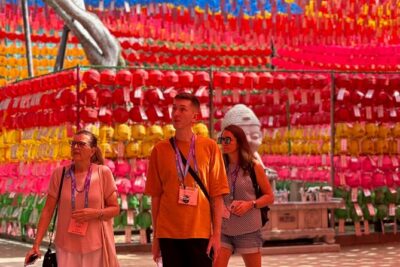 ★ 5.0Best Things to Do – Half Day Seoul Trip (Seoul Palace & Temple)From $38190 reviews
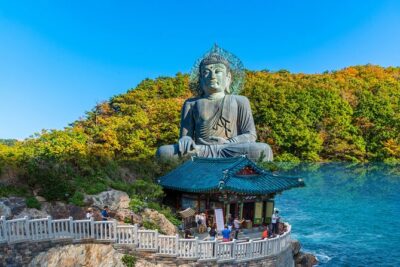 ★ 4.5Mount Seorak and Naksansa Temple One Day Tour from SeoulFrom $71167 reviews
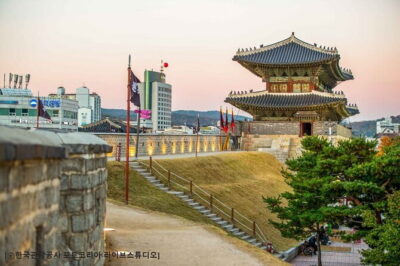 ★ 5.0Day Tour of Suwon Hwaseong Fortress Starfield Waujeongsa TempleFrom $5461 reviews
 ★ 4.8War Memorial, Jogyesa Temple & Tapgol Park TourFrom $4256 reviews
 ★ 5.0Half day Morning Seoul City Tour(Temple & Gyeongbok Palace)From $3254 reviews
 ★ 4.5Korean Palace and Temple Tour in Seoul: Gyeongbokgung Palace and Jogyesa TempleFrom $4038 reviews
Browse the lists this tour appears in