
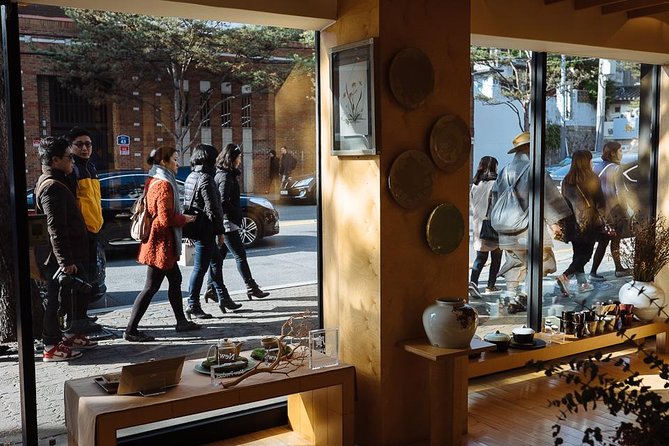
Reviewed · KOREAN FOOD & MARKET TOURS
Traditional Gourmet
Seoul tastes better when someone translates the cravings. Traditional Gourmet is a 3-hour, small-group walk in Anguk-dong and Bukchon that pairs a hanok-house lunch with guide-led food picks you can actually order again later. I also love that the route is built around atmosphere, not just eating. The main trade-off is simple: it’s a fair bit of walking, so you’ll want comfy shoes.
You’ll meet up around 1:00 pm in Anguk-dong and spend the day with a pro guide who helps you get past Korean-only menus and ordering anxiety. Guides like Veronica come up a lot for being friendly, organized, and willing to share details on eating etiquette, plus practical food-culture context you can use on your own.
In This Review
- Key Highlights You’ll Actually Feel
- Traditional Gourmet at a Glance: What $120 Buys in 3 Hours
- Meeting in Anguk-dong: The Smart Start Point for Bukchon
- Hanok Lunch: Comfort Food, Korean Etiquette, and the Michelin Surprise
- Bukchon Hanok Village Walk: Seeing the Old Streets Without the Confusion
- House of Baek Inje: A Preserved Hanok With a Real Story
- Yun Bo-seon’s Birthplace: A Rare, Large Hanok Moment
- Tea Stop and Street-Food Dessert: Build a Seoul Flavor Arc
- Guide Support Is the Real Product: How You Avoid Menu Panic
- Pace, Weather, and What to Wear for a Foot-Forward Route
- Price and Value: Why This Works Even If You’re Not a Food Expert
- Who Should Book Traditional Gourmet (and Who Might Skip It)
- Should You Book Traditional Gourmet?
- FAQ
- How long is the Traditional Gourmet tour?
- Where does the tour meet?
- What time does the tour start?
- What is included in the price?
- Are alcoholic drinks included?
- Is there a vegetarian option?
- How many people are in a group?
- Does the tour operate in bad weather?
- Is transportation to and from attractions included?
- What if I need to cancel?
Key Highlights You’ll Actually Feel
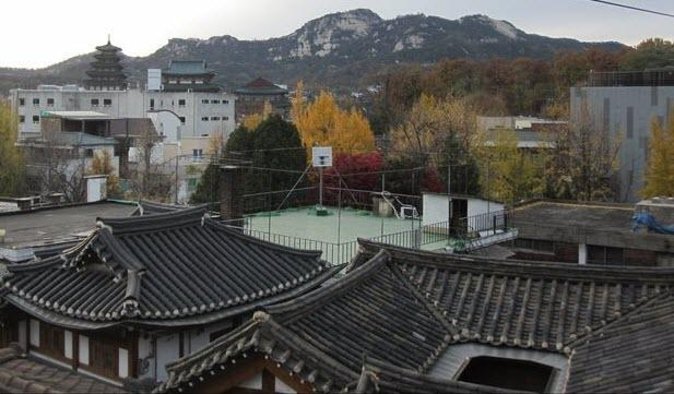
- Hanok lunch experience: traditional Korean dishes served in a Korean house setting
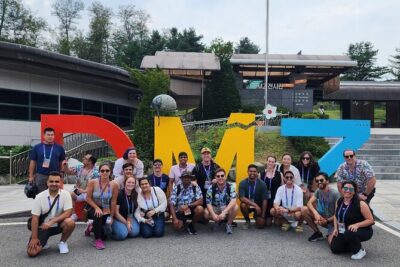
- Small groups (max 12): enough attention for questions, not a herd shuffle
- Bukchon done the useful way: neighborhood context that makes the streets make sense
- Tea stop plus dessert time: a full flavor arc, not just one meal
- Guide support that goes beyond food: etiquette, recommendations, and follow-up food ideas from guides like Veronica
Still hungry? More Seoul market and street-food crawls
- Seoul: Gyeongbok Palace, Bukchon Village, and Gwangjang Tour★ 4.9 · 2,321 reviews
- Seoul Street Food Market Tour★ 5.0 · 1,226 reviews
- Seoul: Gyeongbok Palace, Bukchon Village, and Gwangjang Tour★ 5.0 · 1,044 reviews
- Local Home Korean Cooking Class & Market Adventure in Seoul★ 5.0 · 1,024 reviews
Traditional Gourmet at a Glance: What $120 Buys in 3 Hours
This tour costs $120 per person and runs about 3 hours, which is a solid deal for Seoul because you’re not just paying for food—you’re paying for guidance. When you’re in Korea and you don’t read Korean, ordering can turn into guesswork. Here, the guide becomes your shortcut.
The money goes into three things that matter: a professional guide, a sit-down traditional Korean lunch in a hanok, and coffee or tea. Alcohol isn’t included (you can buy it if you want), and extra food is on you, but the core meal is part of the price.
There’s also a practical signal here: the average booking window is 71 days in advance. That usually means this one sells well, especially for first-timers who want something structured but not boring.
Meeting in Anguk-dong: The Smart Start Point for Bukchon
You start and end at the same meeting spot: 164-6 Anguk-dong, Jongno District, Seoul, with a 1:00 pm start. That matters because it keeps you from juggling transfers or trying to navigate a neighborhood you haven’t learned yet.
The tour is designed for people who can walk at a moderate pace. You should plan on comfortable walking shoes; this isn’t one of those tours where you barely move and still get the highlights.
Also, keep your phone charged. The tour uses a mobile ticket, so having your confirmation ready on your device helps avoid friction at the start. And since it’s near public transportation, you’re not forced into a taxi-only day.
Hanok Lunch: Comfort Food, Korean Etiquette, and the Michelin Surprise
The biggest value moment is lunch. The tour includes lunch at a Traditional Korean House called Hanok, where you’ll enjoy authentic traditional Korean dishes prepared in that setting. In other words, it’s not just eating Korean food—it’s experiencing how Korean dining spaces work.
One of the standout surprises from the experience descriptions is that the sit-down lunch has, at least in some cases, been held at a Michelin restaurant. Don’t assume that’s guaranteed every time, but it’s a strong sign that you’re not being sent to a tired tourist trap.
Lunch here is also positioned as a cultural lesson. Guides are known to explain eating etiquette and how to approach the meal without feeling lost. If you’ve ever ordered Korean food and wondered what you were doing wrong, this kind of guidance can save you frustration.
A practical tip for you: go into lunch hungry, but don’t over-plan snacks. The meal is meant to be filling, and the tour includes more stops after.

Bukchon Hanok Village Walk: Seeing the Old Streets Without the Confusion
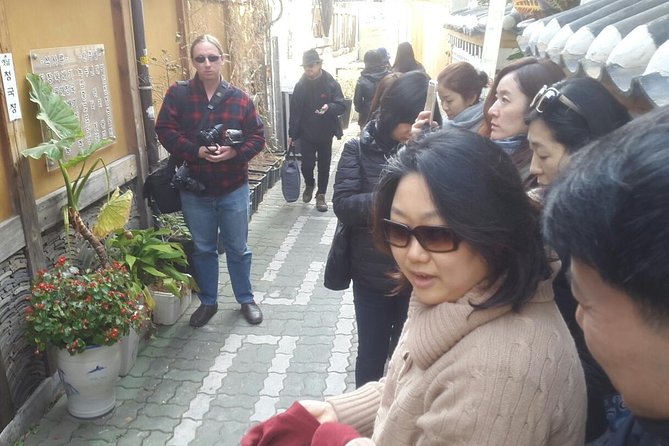
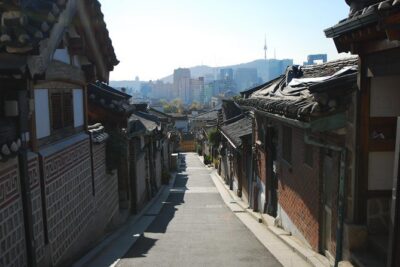
Bukchon Hanok Village is the kind of place you can wander for hours, but a lot of first-timers miss the point. With a guide, the walk becomes more than photos. You learn what you’re looking at and why it matters.
This portion starts with Bukchon Hanok Village, where you’ll pass traditional Korean houses (hanoks) and also see workshops and shops built in traditional styles. It’s the sort of neighborhood where the scenery is beautiful, yes—but the best part is understanding the character behind it.
Expect time on your feet. The stop is scheduled for about 1 hour 30 minutes, which is enough to slow down, ask questions, and actually read what’s around you instead of sprinting from viewpoint to viewpoint.
If you’re someone who likes food history, place-based context, and the “why” behind dishes, Bukchon is a great anchor neighborhood for a Seoul food tour.
House of Baek Inje: A Preserved Hanok With a Real Story
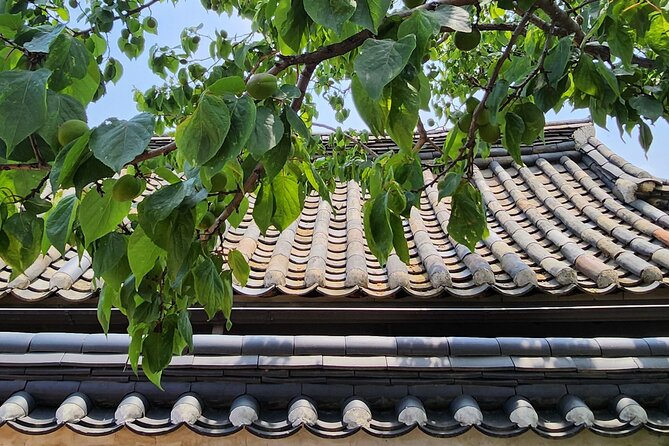
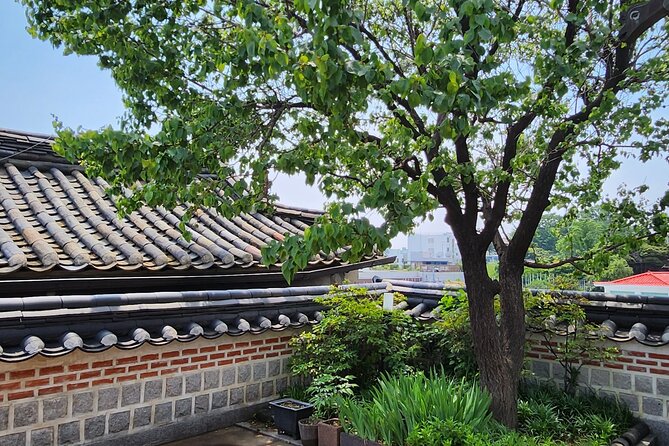
After Bukchon, the tour heads to House of Baek Inje, a hanok building built around 1900 with preservation value and a style that reflects the best technology of its time. It also has an important human story: it was known as the home of a powerful family.
This stop runs about 30 minutes, so it isn’t a long museum lecture. It’s more like a focused reset—one place where you can connect Korean food culture to the wider idea of how homes, family life, and tradition shaped daily life.
Even if you’re not a “history person,” this stop tends to land well because it complements the meal. You start to understand that Korean cuisine isn’t floating in a vacuum. It lives in real domestic spaces and real social customs.
Yun Bo-seon’s Birthplace: A Rare, Large Hanok Moment
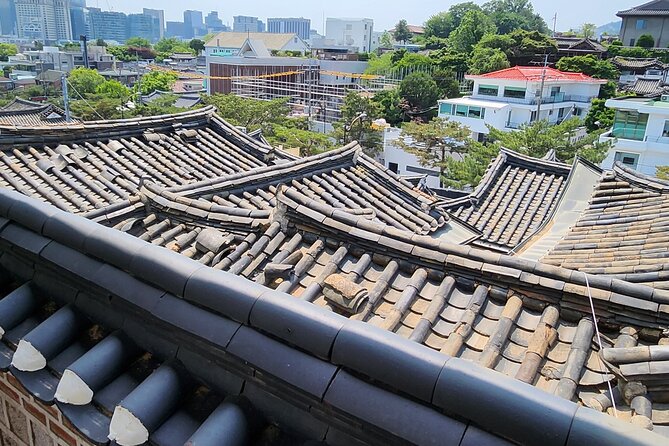
The tour also includes the birthplace of Korea’s second president, Yun Bo-seon. It’s famous for being a well-built hanok mansion that’s rare in Seoul, and it’s noted as being large.
The details here help you understand why hanoks feel different from modern buildings. Size, layout, and design weren’t just aesthetic choices; they were part of how people organized space for family life and daily routine.
You’ll also hear about the living connection to the past: Yun’s granddaughter-in-law currently lives there, and the property is maintained. That’s the kind of detail that makes heritage feel present instead of museum-dry.
If you like your tours to feel authentic—more “this exists right now” and less “we walked through a replica”—this stop is a good match.
Tea Stop and Street-Food Dessert: Build a Seoul Flavor Arc
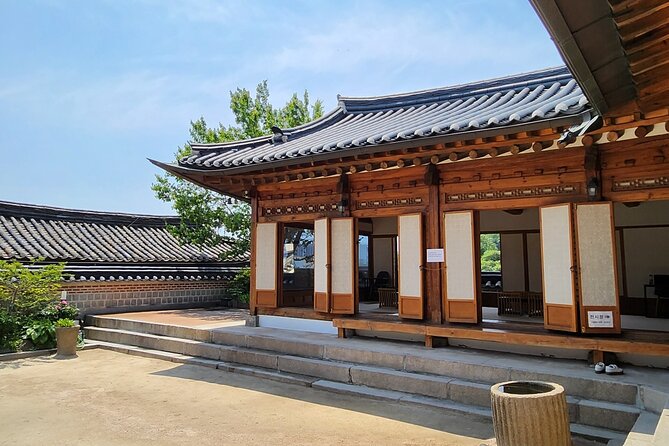
A good food tour has a shape. This one does: big meal first, then lighter moments that help you keep tasting without getting stuffed into a food coma.
You’ll include coffee and/or tea, and there’s also time for a street-food dessert after lunch. In at least one experience description, the dessert was freshly made and delicious, which is exactly how street food should feel when it’s part of an itinerary rather than an accidental detour.
The tea or coffee break is more than a pause. In Korean culture, tea time often acts like a soft landing after heavier eating. It also gives you a moment to ask your guide follow-up questions while you’re not rushing to the next location.
If you have sweet preferences, keep an open mind. Dessert in Korea often isn’t what you’d expect from home. Let your guide pick you a safe-but-interesting option.
Guide Support Is the Real Product: How You Avoid Menu Panic
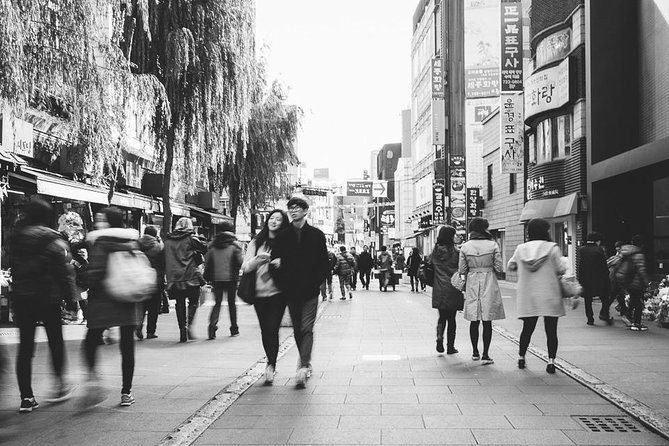
For many people, the biggest value isn’t the food. It’s the guide. Korean cuisine can be intimidating when you can’t read labels or explain allergies and preferences clearly. This tour is built to help you get past that language barrier with personalized recommendations.
Guides like Veronica are repeatedly praised for being knowledgeable and friendly, and for sharing practical food-and-culture context. That includes things like eating etiquette and how to think about what you’re being served.
There’s also a fun practical angle: in one experience description, Veronica promised to send fermentation recipe ideas afterward. Even if you don’t get the same follow-up every time, the point is useful: the guide isn’t only “on-duty” during the tour. You may leave with extra knowledge you can use at home—or on your next Seoul meal.
A smart move for you: during tea or after lunch, ask for one or two follow-up recommendations for what to try next based on what you liked most. That turns this into more than one afternoon; it becomes a pattern for the rest of your trip.
Pace, Weather, and What to Wear for a Foot-Forward Route
This tour operates in all weather conditions, so you should dress for what Seoul gives you that day. If it’s rainy, you’ll still walk. If it’s hot, you’ll still pause and take it in, just more slowly.
The experience is listed for people with a moderate physical fitness level. That’s a polite way of saying: you’re not going to be sprinting, but you are going to walk.
What to bring:
- Comfortable walking shoes
- Weather-appropriate outerwear
- A water bottle if you tend to get thirsty (extra drinks aren’t included)
Since the tour ends back at the meeting point, you’ll be able to reset easily afterward—grab a subway ride, return to your hotel, or keep exploring Bukchon on your own while the area still feels fresh.
Price and Value: Why This Works Even If You’re Not a Food Expert
At $120, you might wonder if it’s expensive. In Seoul, food tours range from bargain to splurge. This one sits in the better-value category because the day includes a full guide-led program, a sit-down hanok lunch, and coffee or tea.
You’re also getting more than “eat this, take photo.” You’re getting:
- A structured walk through important areas
- Help understanding what you’re seeing and eating
- Guidance that reduces wasted time searching for places that match your taste
If you’re a first-time visitor, the logic is even simpler. A good tour compresses decision-making. Instead of spending your afternoon comparing menus and reading translation apps, you follow a route that already makes sense for flavor and context.
And because the group is capped at 12 travelers, you’re less likely to feel like you’re on your own halfway through.
Who Should Book Traditional Gourmet (and Who Might Skip It)
This tour is ideal if you:
- Want a first-timer friendly Seoul food experience that also teaches you the context
- Don’t read Korean and prefer having recommendations and ordering support
- Like history and neighborhoods, not just eating
You might skip it if you:
- Want a very low-walking tour (this is built around walking between stops)
- Only want street food with no sit-down meal vibe
- Are looking for a long, slow, museum-style day (this is focused and timed)
If you care about food culture, the combination of hanok lunch plus Bukchon storytelling is the sweet spot.
Should You Book Traditional Gourmet?
Yes, if your goal is to get your bearings fast and eat well while you’re doing it. Small group, hanok lunch, and guided explanations make this a strong “starter tour” for Seoul food—especially if Korean menus make you hesitate.
Book soon if you can. With an average lead time of 71 days, spots can tighten up. And if you’re vegetarian, you’ll want to note that during booking since a vegetarian option is available.
If you want a practical rule: book it when you want structure and real eating guidance. Then use what you learn to explore on your own the rest of the trip.
FAQ
How long is the Traditional Gourmet tour?
It lasts about 3 hours.
Where does the tour meet?
The meeting point is 164-6 Anguk-dong, Jongno District, Seoul, South Korea.
What time does the tour start?
It starts at 1:00 pm.
What is included in the price?
You get a professional guide, lunch with authentic traditional Korean dishes prepared in a Traditional Korean House (Hanok), and coffee and/or tea.
Are alcoholic drinks included?
No. Alcoholic drinks are not included, but they can be purchased.
Is there a vegetarian option?
Yes. A vegetarian option is available—you should advise at the time of booking.
How many people are in a group?
There is a maximum of 12 people per booking.
Does the tour operate in bad weather?
Yes. It operates in all weather conditions, so dress appropriately.
Is transportation to and from attractions included?
No. Transportation to and from attractions is not included, and there is no hotel pickup or drop-off.
What if I need to cancel?
You can cancel for a full refund if you cancel at least 24 hours before the start time.
More Tour Reviews in Seoul
- Best DMZ Tour Korea from Seoul (Red Suspension Bridge Optional)★ 5.0 · 41,422 reviews
- DMZ Tour: 3rd Tunnel, Option(Suspension Bridge, Boat) from Seoul★ 5.0 · 21,373 reviews
- DMZ tour south Korea from Seoul (NK experience hall, defector)★ 5.0 · 20,599 reviews
- Seoul: DMZ Tour with Optional Suspension Bridge★ 4.8 · 5,277 reviews
- Seoul: DMZ The 3rd Tunnel and Suspension Bridge Tour★ 5.0 · 4,656 reviews
Eat Your Way Further Through Seoul
- Seoul: Gyeongbok Palace, Bukchon Village, and Gwangjang Tour★ 4.9 · 2,321 reviews
- Seoul Street Food Market Tour★ 5.0 · 1,226 reviews
- Seoul: Gyeongbok Palace, Bukchon Village, and Gwangjang Tour★ 5.0 · 1,044 reviews
- Local Home Korean Cooking Class & Market Adventure in Seoul★ 5.0 · 1,024 reviews
- Seoul: Night Market Food Tour with Local Guide★ 4.9 · 943 reviews
Just added to Exploring Seoul

Korean Food & Market Tours, compared.
 ★ 4.9Gyeongbok Palace, Bukchon Village, and Gwangjang TourFrom $322,321 reviews
 ★ 5.0Seoul Street Food Market TourFrom $731,226 reviews
★ 5.0Gyeongbok Palace, Bukchon Village, and Gwangjang TourFrom $321,044 reviews
★ 5.0Seoul Street Food Market TourFrom $731,226 reviews
★ 5.0Gyeongbok Palace, Bukchon Village, and Gwangjang TourFrom $321,044 reviews
 ★ 5.0Local Home Korean Cooking Class & Market Adventure in SeoulFrom $911,024 reviews
 ★ 4.9Night Market Food Tour with Local GuideFrom $73943 reviews
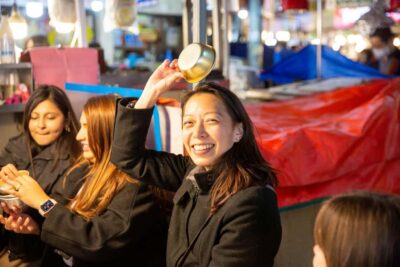 ★ 4.9Palace, Temple and Market Guided Foodie Tour at NightFrom $60750 reviews
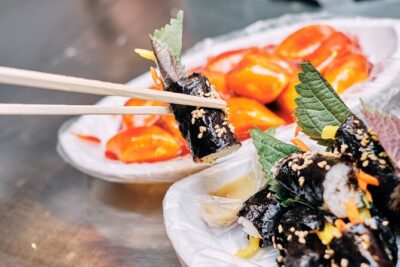 ★ 5.0Downtown Seoul Guided Food & Market Tour with 8+ Local TastingsFrom $98580 reviews
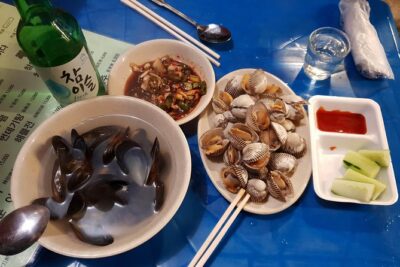 ★ 5.0Drinking and Eating through the Alleys of SeoulFrom $85364 reviews
Browse the lists this tour appears in