
Reviewed · SEOUL NIGHTLIFE & PUB CRAWLS
Seoul: Soju Tasting at Distillery
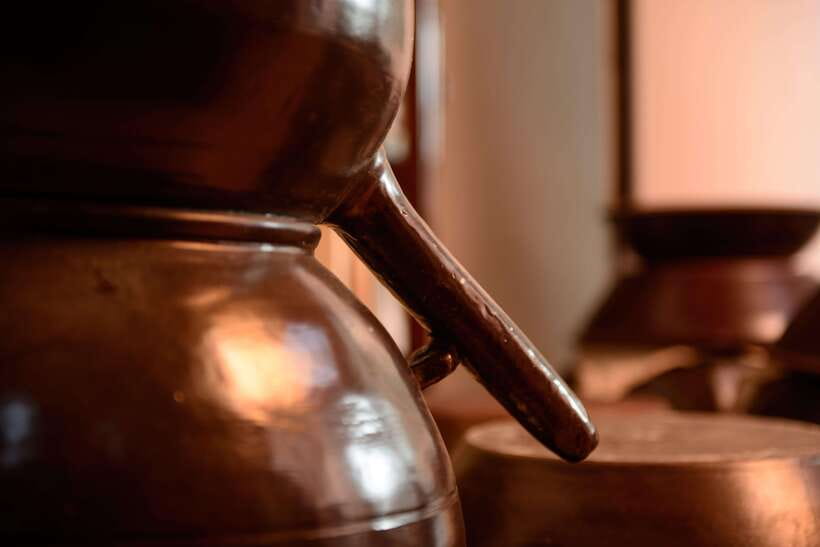
Soju history hits you fast in Hongdae. This is a city-center tasting at a working distillery, guided by Sam in fluent English, with legendary 3 pig soju as the main event. You don’t just drink; you learn how Korean rice spirits fit into Joseon-era tradition and modern craft.
I really like two things here. First, the flight is built around the real stuff: 45–50% soju plus unfiltered or filtered rice wine (Takju/Cheongju when available), with at least 7 samples total and most of them being spirits. Second, the location makes it easy to fit into a Seoul night without crossing the whole city.
One consideration: this isn’t a mild tasting. If you don’t enjoy strong liquor like tequila or whisky, the soju’s strength can hit hard, and you may prefer a lighter-alcohol option instead.
In This Review
- Key points that make this tasting worth your time
- Why this Hongdae soju tasting feels different
- Price and value: why $49 can make sense
- Getting to the meeting point near Hongik University Station
- The 80-minute flow: what happens once you’re there
- Sam and the craft: tasting with context, not guesswork
- The tasting flight: Takju, Cheongju, and 45–50% soju
- Start with rice wine (if available)
- Then move into distilled soju
- Expect variety, not a fixed menu
- How to taste like you’re paying attention (without overthinking)
- What the Joseon-era story adds to your glass
- Where this fits in your Seoul itinerary
- Who this soju tasting is best for
- Should you book this Seoul soju tasting?
- FAQ
- FAQ
- How long is the soju tasting?
- How much does it cost?
- Where do I meet, and how do I find it?
- Is the tour guide available in English?
- What alcohol will I taste?
- What is the strength of the premium soju you’ll taste?
- What if I’m late?
- Who should not book?
Key points that make this tasting worth your time
- Sam’s English-led explanations: clear, practical guidance so you’re not guessing what you’re tasting
- 45–50% soju focus: you’ll taste strong distilled rice spirit, not watered-down impressions
- At least 7 samples in 80 minutes: enough variety to understand differences, not just one or two pours
- Hongdae meeting point you can actually reach: near Hongik University Station, with clear local directions
- Family recipe and Joseon roots: you’ll hear how the craft was preserved through generations
One more round through Seoul's bars
- Seoul: Pub Crawl★ 4.7 · 903 reviews
- The Seoul Pub Crawl Official★ 5.0 · 838 reviews
- Seoul Pub Crawl by Absolute★ 5.0 · 141 reviews
- Seoul: Premium Pub Crawl with Open Bottles★ 4.9 · 129 reviews
Why this Hongdae soju tasting feels different
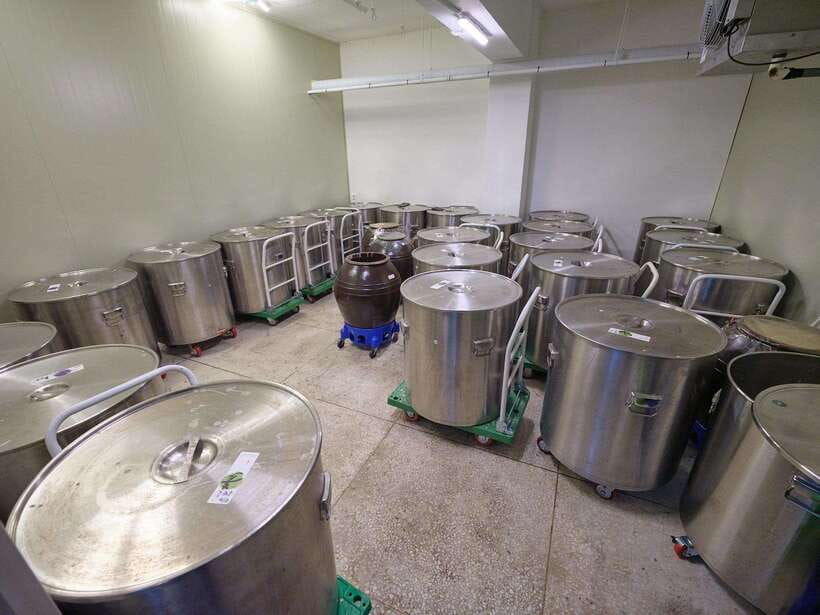
Most Seoul alcohol experiences are either big nightlife energy or generic “try a shot” tourism. This one sits in an in-between sweet spot: it’s educational, but it’s still built for tasting. You’re in the Hongdae area, right in the middle of the action, and the distillery setting gives context instead of just a lecture.
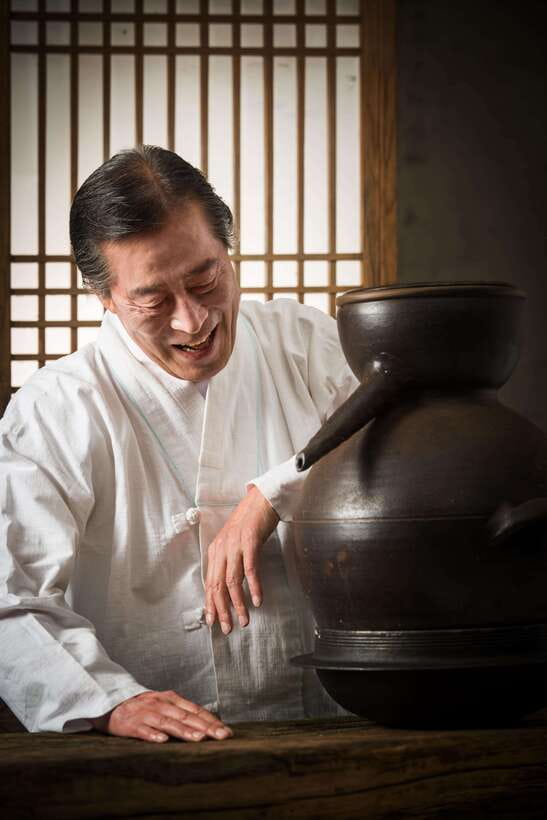
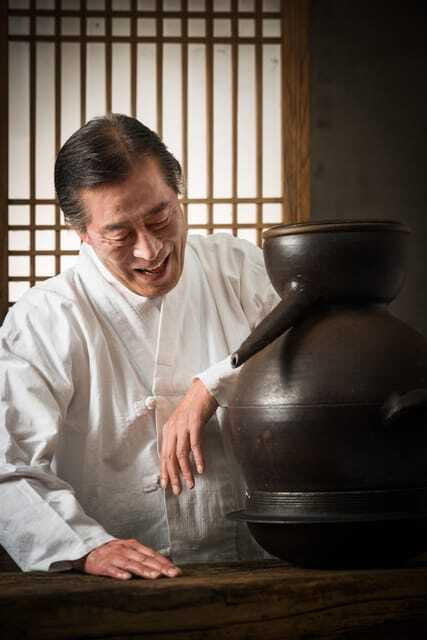
The guide matters a lot. Sam is the kind of host who can translate the process into plain language. He’s also fluent in English, which makes a huge difference with a drink that’s tied to Korean culture and technique. If you’ve ever felt lost at a tasting where you can’t follow the reasoning, you’ll appreciate how this is paced.
And then there’s the product focus. You’re not treating soju like a background prop. You’re centered on it, including a legendary 3 pig soju selection and spirits served at a strength range of 45–50%.
Price and value: why $49 can make sense
At $49 per person for 80 minutes, the value comes from the structure. You’re paying for an expert-led process walkthrough plus multiple samples, not just the cost of a single drink.
Here’s what you get for your money based on what’s included:
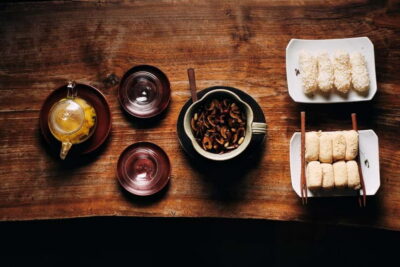
- Unfiltered rice wine (Takju) and/or filtered rice wine (Cheongju), depending on availability
- Samples of distilled rice spirit (soju)
- A total tasting set of at least 7 samples, mainly spirits
That matters because soju isn’t a one-note drink. The differences come from brewing/filtration and distillation methods, and the guide’s job is to help you notice those differences. If you enjoy learning while tasting, this price is easier to justify than a casual bar stop where you pay for drinks but don’t gain much context.
Getting to the meeting point near Hongik University Station
This experience is centered around a specific meeting spot, and it’s not far from public transit.
- It’s about 1.3 km (1 mile) walking from Hongik University Station Exit 1
- Or roughly a 5-minute bus ride
The key practical detail is timing. You can’t join if you’re late more than 20 minutes, so don’t treat this like a flexible drop-in. Arrive at least 5 minutes early. The directions are also very specific: you’ll meet at the small, triangle-shaped parking lot next to the building.
Use the provided map links for location accuracy. For taxi, the Korean address is:
- 서울특별시 마포구 성산동 103-5
If you’re the type who gets nervous about finding a backstreet entrance in Seoul, this setup is still pretty manageable because the landmark is described clearly and the area is near Hongik University.
A handful of other Seoul experiences to line up next
The 80-minute flow: what happens once you’re there
Once you’re at the meeting point, the session runs for 80 minutes with an English live guide. The flow is designed to help you connect taste to method.
In the early part, you’ll get context: what soju is in the Korean alcohol world, and how it relates to other rice-based drinks. The explanation isn’t just history for its own sake. It’s there so when you taste later, you know what you’re looking for.
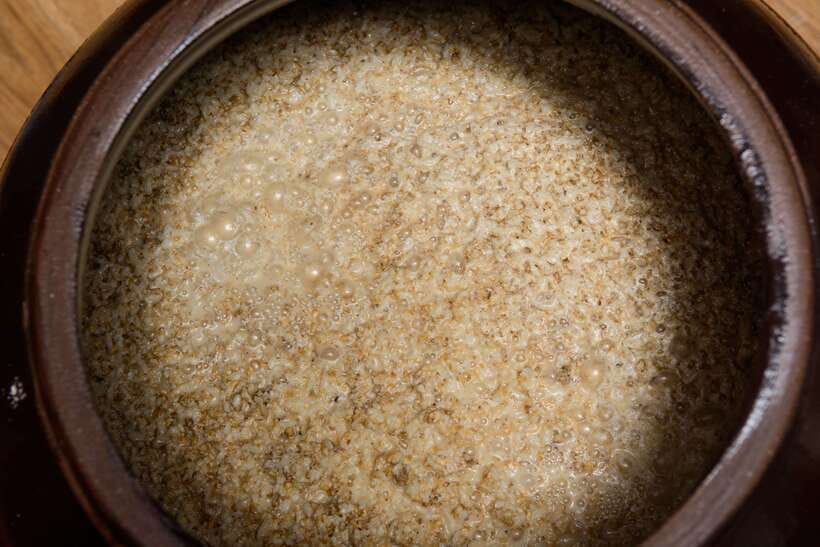
Then you move into sampling. The format is built around progression—starting with earlier-stage products and moving toward the finished distilled products. One of the strongest parts of the experience is that you’re shown range, not one “house style” only. You’ll taste a variety of soju options based on different brewing/distillation approaches.
Finally, there’s time for Q&A and a proper wrap-up. If you want to keep the night going in a smart way, this is one of those tastings where you leave with ideas for where to go next in the same area.
Sam and the craft: tasting with context, not guesswork
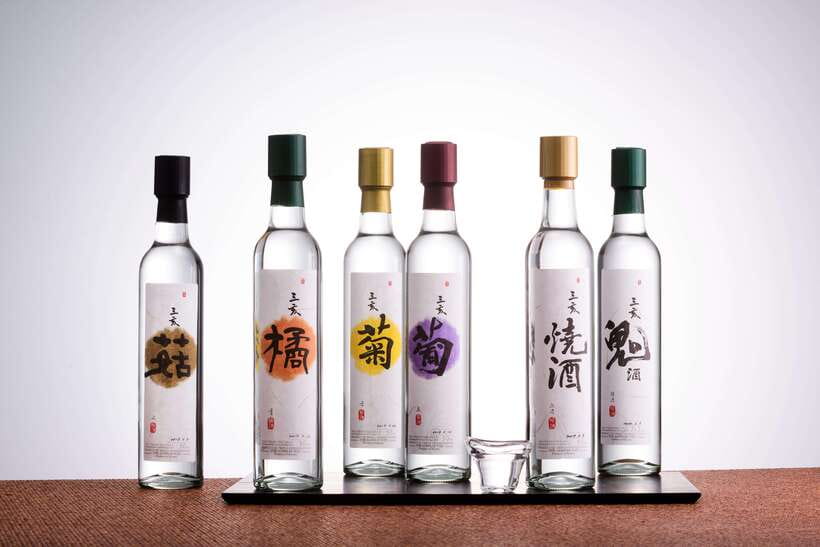
The single biggest reason this tasting stands out is the way Sam connects the dots between process, culture, and what ends up in your glass.
He doesn’t just explain soju. He frames it among Korean alcohol categories:
- Tak-ju (unfiltered, like makgeolli style)
- Cheong-ju (filtered)
- So-ju (spirit/ distilled rice spirit)
That classification is useful because it teaches you a simple lens for tasting. Instead of asking only “Do I like this?”, you start asking “What’s filtered and what’s distilled? What texture and aroma should I expect?”
You’ll also hear history. Sam ties soju’s reputation to the Joseon dynasty (1392–1894) and the noble-class context where soju was valued. The family story adds another layer: you meet or learn about the craft lineage linked to master Hyeonjong Kim, who practiced for more than 10 years under master Taeksang Kim, with the recipe carried forward in the family.
If you care about authenticity, this is the kind of detail that makes a tasting feel real.
The tasting flight: Takju, Cheongju, and 45–50% soju
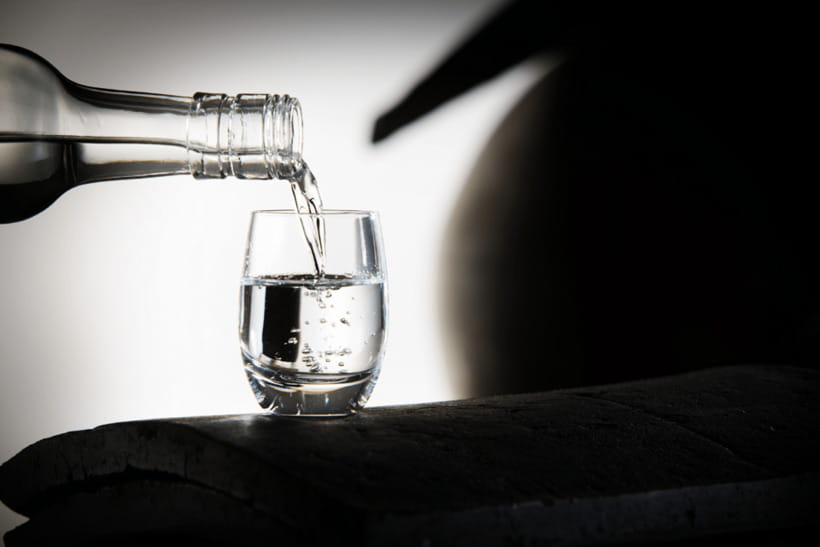
Here’s the heart of the experience: you taste multiple forms of Korean rice alcohol, with soju as the centerpiece.
Start with rice wine (if available)
You’ll be served unfiltered rice wine (Takju) and/or filtered rice wine (Cheongju) depending on availability. Even if your goal is soju, this is a smart start. It gives you a baseline for how fermentation and filtering change aroma and mouthfeel.
Then move into distilled soju
Your soju samples come from distilled rice spirit. The tasting is designed around at least 7 samples total, with the set mainly consisting of spirits. You’ll be tasting soju strengths in the 45–50% range, which is why pacing matters.
If you’re used to low-alcohol drinks, treat this like a “slow down” experience. Even if the flavors are interesting, the alcohol level is real. Take small tastes, let your palate adjust, and don’t stack tastings back-to-back faster than you can handle.
Expect variety, not a fixed menu
The tour notes that the exact variety can change, but you’ll still get at least 7 samples. That means you shouldn’t show up expecting one specific bottle line-up. Instead, go in with curiosity. The goal is to learn the logic behind flavor differences, not to hunt for a particular label.
How to taste like you’re paying attention (without overthinking)
I recommend you use a simple checklist while tasting so you remember what you learned.
- Smell first
With strong soju, the aroma can tell you a lot before the burn does. Try to notice grain/fermentation notes versus smoother, lighter impressions.
- Watch the finish
Strong liquor tends to “tell on itself” after the swallow. If one sample feels rounder and another sharp, that’s not random; it’s part of the process differences you’re being taught.
- Compare, don’t judge in isolation
Your guide is presenting range, often moving from earlier stages toward finished products. So if one pour seems intense, it might be part of the progression rather than a final “verdict.”
And yes, you can be casual. This isn’t a classroom where you need to score each sample. The point is to connect what you taste to why it’s being served.
What the Joseon-era story adds to your glass
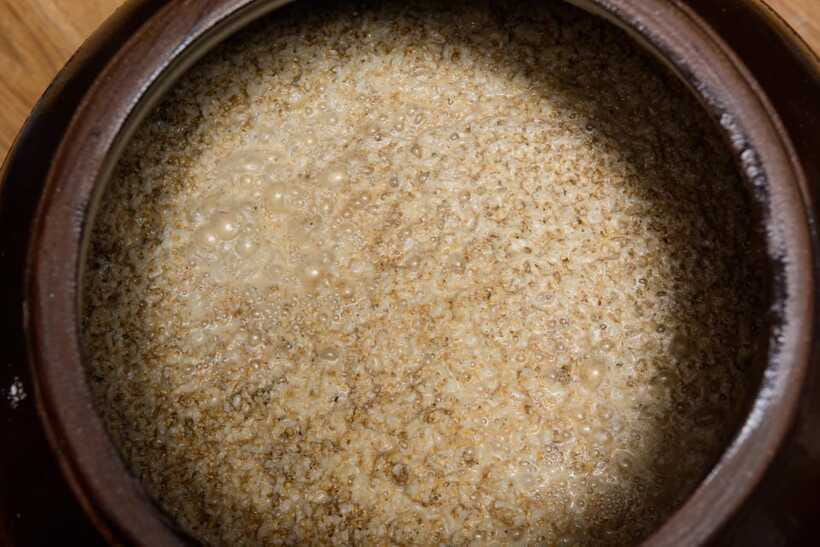
Tastings can turn into trivia. This one aims for something better: you learn why soju earned a serious reputation.
Sam frames soju as more than a modern “green bottle” shortcut. The session explains that Korean alcohol is broader than a single mainstream product. That matters because soju’s identity is rooted in craft and categorization—unfiltered fermentation styles on one side, filtered rice alcohols on another, and distilled soju as a different stage.
The family and mentorship story gives emotional weight to the process too. When you hear that master Taeksang Kim passed down a recipe and that Hyeonjong Kim practiced for more than 10 years under that guidance, you get why the tasting isn’t “random sampling.” It’s a presentation of tradition preserved through method.
If you like stories, this gives you something concrete. If you don’t, the process explanations still make the flavors easier to understand.
Where this fits in your Seoul itinerary
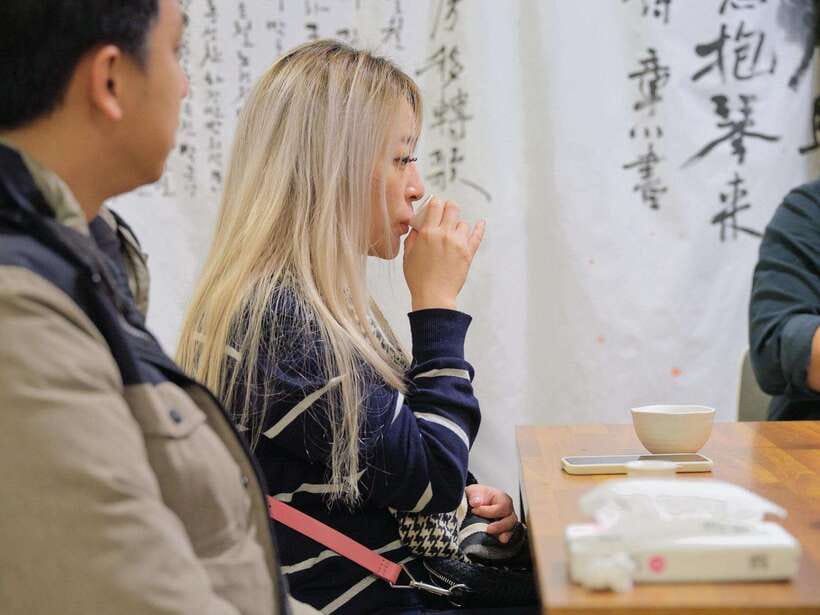
Because the meeting point is near Hongik University Station, this tasting slots neatly into a Hongdae evening. You can do it as a cultural warm-up before dinner or as the main event and then let the neighborhood handle the rest.
A practical way to plan:
- Pick a time when you can enjoy a slow start.
- Avoid scheduling anything strict right after, since you’ll be drinking strong spirits.
- Use the end of the session to ask Sam what to do next if you want to keep the night local.
If you’re heading out for food afterward, the neighborhood makes it easy. One of the nice perks is that you’ll get pointers for great bars and restaurants nearby, and that’s especially useful in Hongdae where choices multiply fast.
Who this soju tasting is best for
This is a great match if you:
- Like strong drinks and want to learn how they’re made
- Want Korean culture you can taste, not just see
- Appreciate English instruction and asking questions
- Prefer a focused activity over a generic bar stop
It’s less ideal if you:
- Don’t enjoy strong liquor like tequila or whisky (soju can be intense at 45–50%)
- Are looking for a lighter alcohol experience instead
- Are traveling with kids or anyone under 18, since it’s not suitable for children under 18
Also, it’s not suitable for pregnant women. Plan accordingly.
Should you book this Seoul soju tasting?
I’d book it if you want a real distillery-style experience in the middle of Seoul’s nightlife zone. For $49, the combination of at least 7 samples, a guide who can explain the process clearly in English, and the strong soju focus makes it feel like a taught tasting—not just drinking.
Skip it (or consider a lighter-alcohol alternative) if you’re sensitive to high-proof spirits. This is not a gentle sampler. But if you’re curious and you can handle bold flavors, this tasting is one of those activities that gives you a better Seoul evening and something you can talk about the next day.
FAQ
FAQ
How long is the soju tasting?
The tasting lasts about 80 minutes.
How much does it cost?
The price is $49 per person.
Where do I meet, and how do I find it?
You meet at the small triangle-shaped parking lot next to the building near Hongik University Station. The Seoul address for taxis is 서울특별시 마포구 성산동 103-5. Use the provided mobile map links to find the exact meeting spot.
Is the tour guide available in English?
Yes. The live tour guide speaks English.
What alcohol will I taste?
You’ll taste unfiltered rice wine (Takju) and/or filtered rice wine (Cheongju) depending on availability, plus samples of distilled rice spirit (soju). The total tasting includes at least 7 samples, mainly spirits.
What is the strength of the premium soju you’ll taste?
The premium soju strength is between 45% and 50%.
What if I’m late?
You can’t join if you are late more than 20 minutes. You should arrive at the meeting spot at least 5 minutes before the tasting.
Who should not book?
The activity is not suitable for pregnant women or children under 18 years old.
More Food & Drink in Seoul
- Seoul Street Food Market Tour★ 5.0 · 1,226 reviews
- Seoul: Night Market Food Tour with Local Guide★ 4.9 · 943 reviews
- Downtown Seoul Guided Food & Market Tour with 8+ Local Tastings★ 5.0 · 580 reviews
- Seoul: Guided Food & Market Tour with 8+ Tastings★ 4.9 · 342 reviews
- Small-Group Night Food Tour in Seoul with Korean BBQ★ 5.0 · 304 reviews
More Tour Reviews in Seoul
- Best DMZ Tour Korea from Seoul (Red Suspension Bridge Optional)★ 5.0 · 41,422 reviews
- DMZ Tour: 3rd Tunnel, Option(Suspension Bridge, Boat) from Seoul★ 5.0 · 21,373 reviews
- DMZ tour south Korea from Seoul (NK experience hall, defector)★ 5.0 · 20,599 reviews
- Seoul: DMZ Tour with Optional Suspension Bridge★ 4.8 · 5,277 reviews
- Seoul: DMZ The 3rd Tunnel and Suspension Bridge Tour★ 5.0 · 4,656 reviews
Another Round in Seoul
- Seoul: Pub Crawl★ 4.7 · 903 reviews
- The Seoul Pub Crawl Official★ 5.0 · 838 reviews
- Soju Tasting at Distillery – story of 3 pigs★ 5.0 · 166 reviews
- Seoul Pub Crawl by Absolute★ 5.0 · 141 reviews
- Seoul: Premium Pub Crawl with Open Bottles★ 4.9 · 129 reviews
Just added to Exploring Seoul

Seoul Nightlife & Pub Crawls, compared.
 ★ 4.7Pub CrawlFrom $25903 reviews
 ★ 5.0The Seoul Pub Crawl OfficialFrom $21838 reviews
 ★ 5.0Soju Tasting at Distillery – story of 3 pigsFrom $43166 reviews
 ★ 5.0Seoul Pub Crawl by AbsoluteFrom $20141 reviews
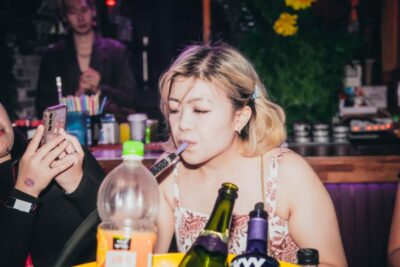 ★ 4.9Premium Pub Crawl with Open BottlesFrom $65129 reviews
★ 4.5The Seoul Pub Crawl [official]From $24117 reviews
Itaewon Premium Pub Crawl with VIP Bottle ServiceFrom $84101 reviews
★ 4.9Premium Pub Crawl with Open BottlesFrom $65129 reviews
★ 4.5The Seoul Pub Crawl [official]From $24117 reviews
Itaewon Premium Pub Crawl with VIP Bottle ServiceFrom $84101 reviews
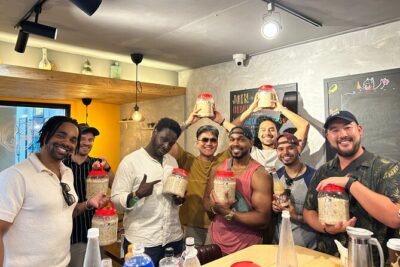 ★ 5.0Learn and Make Your Very Own Craft MakgeolliFrom $7094 reviews
Browse the lists this tour appears in