
Reviewed · GYEONGBOKGUNG & PALACE TOURS
Seoul: Deoksugung Palace Heritage Walking Tour
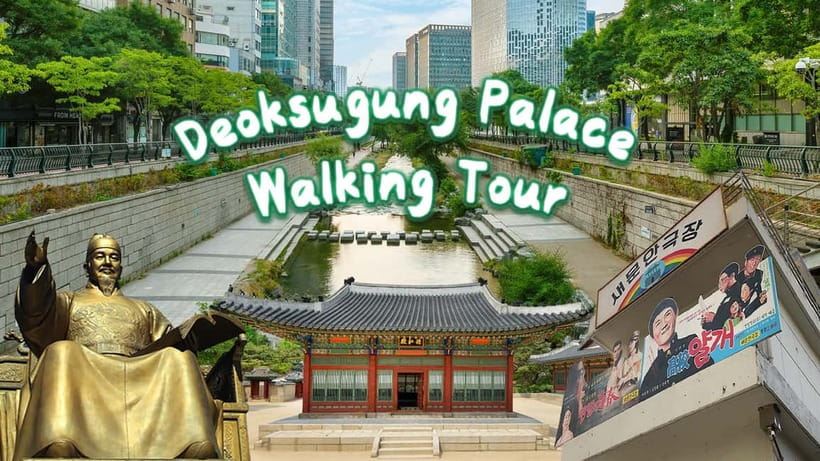
Seoul’s past walks right beside your feet. This Deoksugung Palace Heritage Walking Tour strings together late Joseon royal life, Seoul’s foreign-connection story on Jeongdong-gil, and a finish along the transformed Cheonggyecheon stream, all with a guide who keeps the details moving. You can join a group or book a private experience.
I especially like how the tour explains both the Korean court side and the outside-world pressure that changed everything. I also like the mix of palace grounds and street-level landmarks like Donuimun Museum Village, where you can see Seoul homes saved from the 1900s through the 1980s.
One consideration: this is a straight-up walking tour. You’ll want comfortable shoes, you’ll take a short café break, but food and drinks are not included—so plan a snack budget if you get hungry.
In This Review
- Key highlights to look for
- Deoksugung Palace Heritage Tour: a smart Seoul sampler in 3 hours
- Meeting at City Hall Station and what to do first
- Deoksugung Palace: royal power, war-era change, and what to notice
- Jeongdong-gil: the street where Korea’s international contacts show up
- Donuimun Museum Village: Seoul architecture you can actually walk through
- Gwanghwamun Square and the government corridor story
- Cheonggyecheon: from drainage ditch to a public space people use
- The guide factor: what really makes this tour worth it
- Price and value: what $56 buys you in real terms
- Who this walking tour is best for
- Quick tips so your day feels easy
- Should you book the Deoksugung Palace Heritage Walking Tour?
- FAQ
- Where does the tour meet?
- How long is the tour?
- What’s included in the price?
- Is transportation included?
- What language is the guide available in?
- Can I book a private group?
- What if the tour gets canceled due to minimum participants?
Key highlights to look for
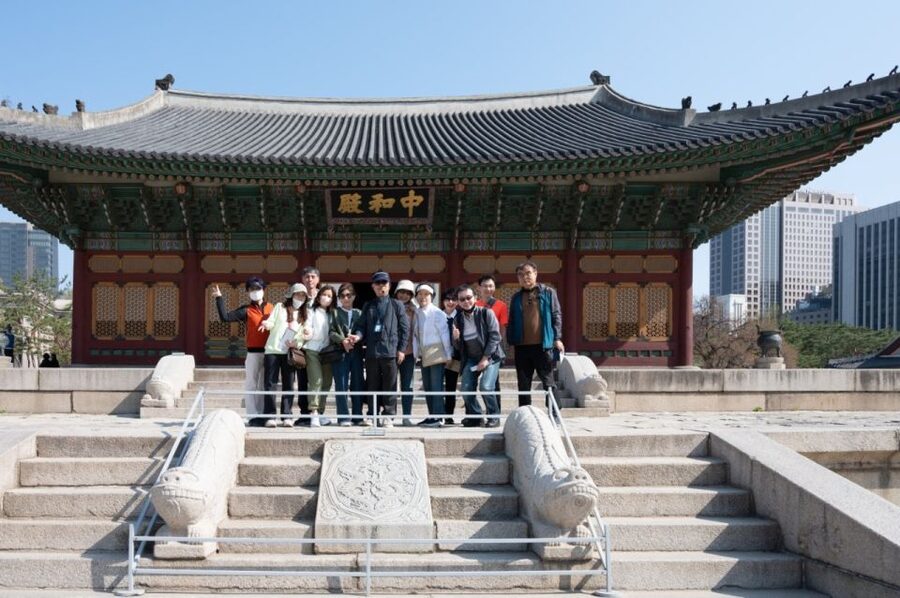
- Deoksugung Palace with Joseon-era context: See how a royal relative’s residence became a principal palace.
- Jeongdong-gil’s foreign institutions trail: Pass Paichai Academy, Chungdong First Methodist Church, the Russian Embassy, and Gyeonggyojang.
- Donuimun Museum Village’s preserved houses: Walk streets featuring homes from the 1900s to the 1980s.
- Gwanghwamun Square’s monument stories: Learn what the government corridor statues are really pointing to.
- Cheonggyecheon’s modern rewrite of the city: Stroll a stream renovated from a former drainage ditch.
Keep walking the palaces of old Seoul
- Seoul: Gyeongbok Palace, Bukchon Village, and Gwangjang Tour★ 4.9 · 2,321 reviews
- Best Seoul City Tour (Gyeongbokgung Palace,Insadong,Namsan Tower)★ 5.0 · 1,647 reviews
- Small-Group Royal Palace and Seoul City Tour (hotel pick-up)★ 5.0 · 1,474 reviews
- Seoul City Sightseeing Tour Including Gyeongbokgung Palace, N Seoul Tower, and Namsangol Hanok Village★ 5.0 · 1,423 reviews
Deoksugung Palace Heritage Tour: a smart Seoul sampler in 3 hours
If you only have a few hours in central Seoul, this tour does something useful. It doesn’t just point at famous places—it connects them. You start in the palace zone, then follow the threads into Jeongdong-gil, and end with Cheonggyecheon, the kind of place locals actually walk through. It’s a tight route with clear learning stops, not a long, meandering day.
The best part is how the guide frames the story. Deoksugung is tied to big turning points in the late Joseon Dynasty, while Jeongdong-gil helps you understand how Korea opened to the world. And the Cheonggyecheon finish shows how Seoul reshapes older infrastructure into public space. You get past, present, and the reasons between.
You’re also not locked into one group vibe. There’s a private group option, which can be a win if you want quieter questions or a slower pace for photos.
Meeting at City Hall Station and what to do first
The meeting point is simple: in front of the Deoksugung Palace ticket office at Exit 2 of City Hall Station. I like meeting at a major transit hub like this because it reduces stress. You can arrive, find your guide, and get moving without playing guess-the-direction games.
This also matters for timing. With only a 3-hour tour window, you want to start clean and on time. Wear shoes that handle uneven pavement and short steps between stops. The tour includes walking time plus a brief break, so don’t plan on an extra-long sit-down meal.
One practical note: bring a way to contact your guide or the team via instant messaging on the day of departure. They explicitly advise this for emergency contact and for location finding. It’s the kind of detail that seems small until you need it.
Deoksugung Palace: royal power, war-era change, and what to notice
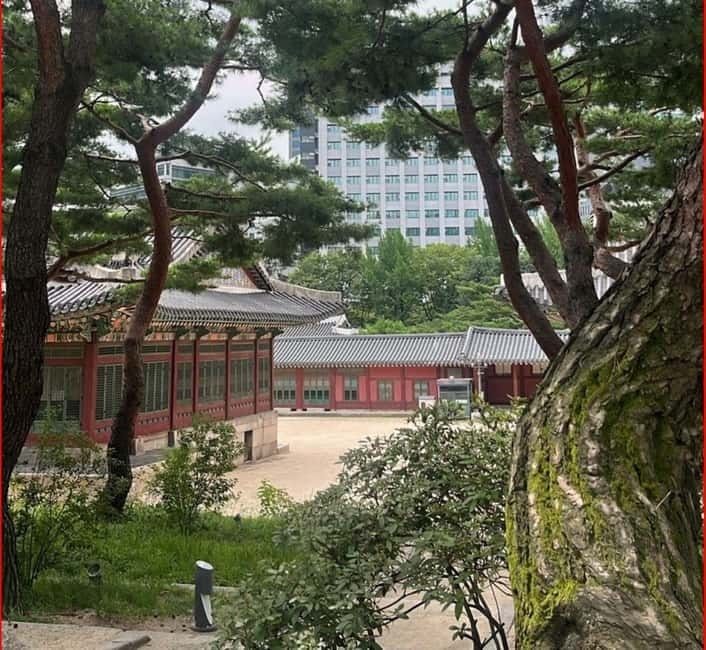
Deoksugung Palace is the anchor. This is not just a pretty palace complex—it’s tied to how power shifted during the late Joseon period. According to what you’ll learn on the tour, Deoksugung dates back to the late 14th century as a royal relative’s residence. Then, during the Japanese invasion of 1592, it became a principal palace. That alone gives you a lens for the visit: you’re not only looking at buildings; you’re seeing a palace that took on a bigger role when history got messy.
As you walk through the grounds, I’d focus on how the guide connects the physical layout to the story. You’ll hear commentary and historical anecdotes that help you understand what court life looked like and why the Joseon Dynasty mattered in the broader regional story. If you’ve ever wondered how a dynasty’s routines become visible in architecture, this stop is a good place to start.
A nice value point: you’re getting pre-booked access via the included entrance ticket for Deoksugung. That saves time and keeps the group moving. You’re not spending precious hours waiting in line before the real teaching begins.
Possible drawback at this stop: if you’re expecting an in-depth museum-like visit with lots of interior time, this is more of a guided walk-and-explain experience. The palace is the main attraction, but the route is designed to move on to street history quickly.
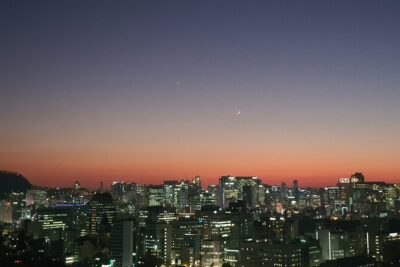
More of Seoul taken at walking pace
Jeongdong-gil: the street where Korea’s international contacts show up
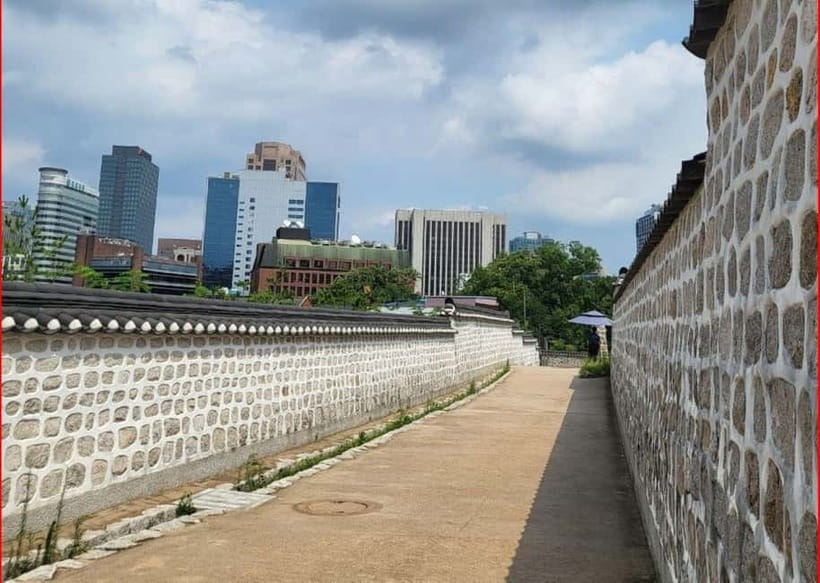
After Deoksugung, the tour shifts into something more human-scale. Jeongdong-gil is where the story becomes streets, institutions, and names. This is the lane that includes the original locations of important foreign missionary institutions and also several prominent foreign embassies. You’re basically walking a corridor that helps you understand the era when Korea’s relationship with the outside world changed from distant to direct.
What I like here is the specific way the guide points out landmarks. On the way, you pass and learn about Paichai Academy, the Chungdong First Methodist Church, the Russian Embassy, and Gyeonggyojang. Those aren’t random photo stops. Each one is used to explain how people, ideas, and institutions connected across borders and how that connection helped shape modern Korea.
If you’re a history person, you’ll enjoy how the guide ties together what you see with what happened next. If you’re not, you can still follow the narrative because it’s explained in plain terms and anchored to named places.
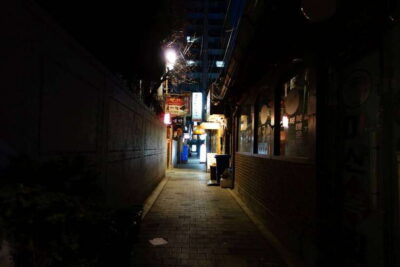
Also, you’ll walk through this part of downtown Seoul like a local. This isn’t a place where you just stand in front of a monument. It’s a real street experience—shops, buildings, and the feeling of being in the middle of the city’s ongoing life.
Donuimun Museum Village: Seoul architecture you can actually walk through
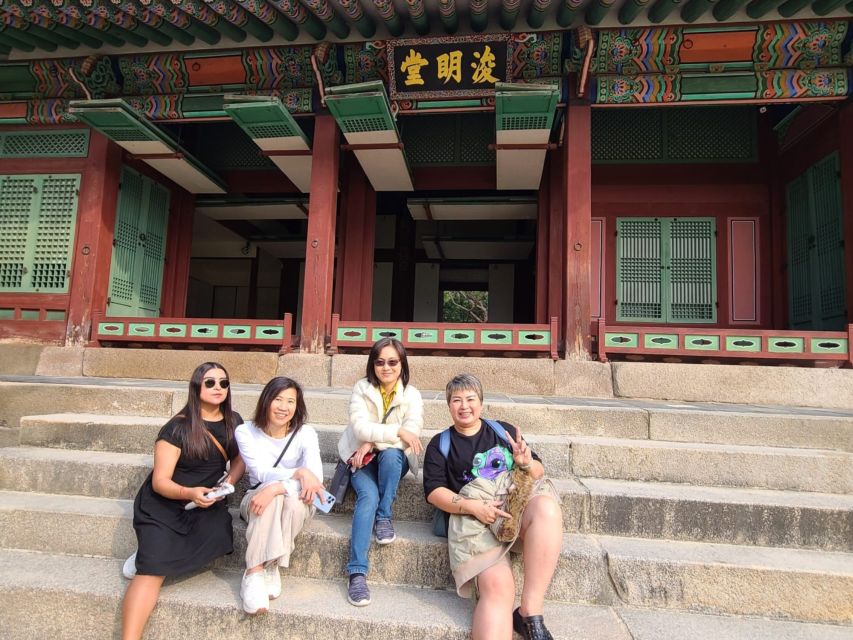
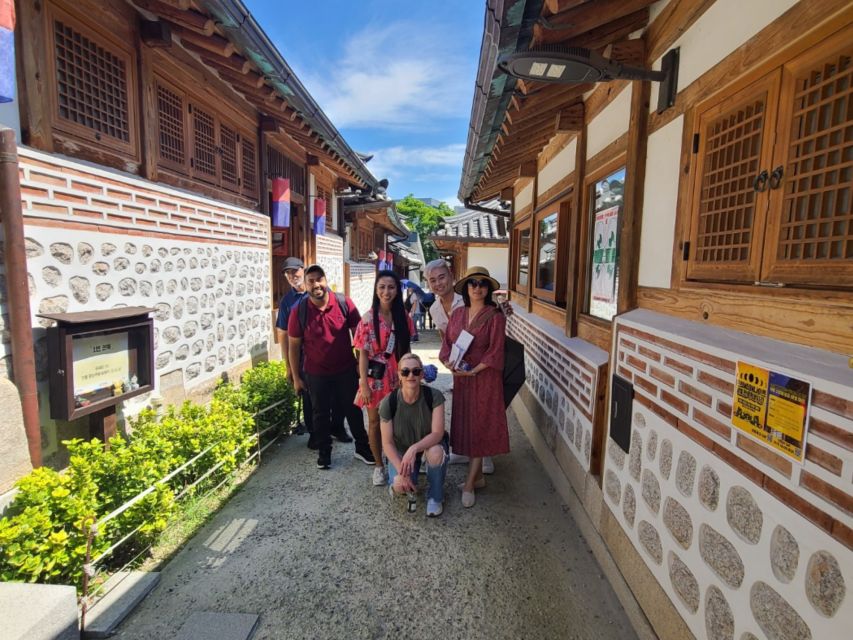
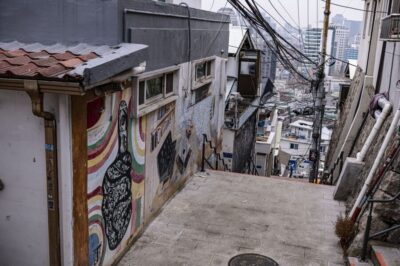
Donuimun Museum Village is where the tour adds texture. This outdoor village shows Seoul architecture across different eras. You can see homes from the 1900s up to the 1980s, which helps you visualize how daily life and street design evolved over time.
One detail I really appreciate: it was founded in September 2017, and it preserved 40 out of 63 houses in the historic district of Saemunan. That turns the stop from a generic “old streets” photo op into a preservation story. You’re not only looking at old buildings—you’re learning that these structures survived because someone chose to protect them.
The guide’s job matters here. Without context, architecture like this can feel like a set of old facades. With context, you can understand what makes the houses different across decades and why the village format works as a teaching space.
Expect a guided visit here, but also real walking. This stop rewards people who like to look up at rooftops, notice doorways, and compare scale. The time is tight, so you won’t have hours to wander, but you’ll get a solid overview.
Food note for this part: there is a scheduled café break earlier, but food and drinks are not included. If you want something beyond coffee or tea, you’ll need to pay for it yourself.
Gwanghwamun Square and the government corridor story
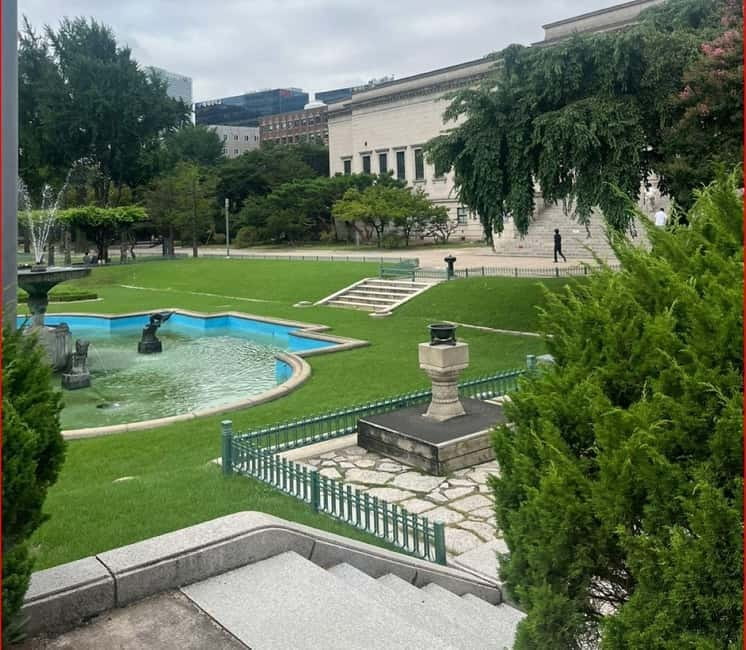
Then you swing back toward some of Seoul’s big symbolic center at Gwanghwamun Square. This is where the tour leans into meaning. You stand in a central hub and learn the stories behind the grand statues and monuments, each representing pivotal moments in Korea’s journey.
If you’ve walked Gwanghwamun Square before and felt like it was mostly “big statues, big vibes,” this is the fix. The guide explains what the monuments point to and what the “government corridor” concept means in terms of the capital’s historical power structure. You end up looking at the same square with different eyes because you know what the symbols are referencing.
This stop also works well for different learning styles. You’ll get narrative explanations, but you’ll also be able to visually match story to setting. That helps the whole tour feel cohesive.
Cheonggyecheon: from drainage ditch to a public space people use
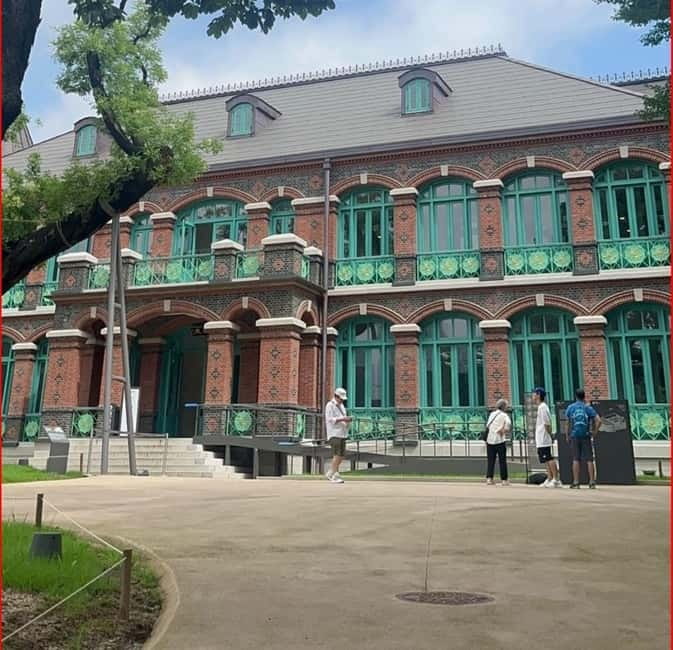
The finish along Cheonggyecheon is a smart way to end. This stream used to be an unsightly drainage ditch, then Seoul renovated it into a major cultural focus. The tour gives you time to walk, and the setting is lined with sculpture pieces, restaurants, and cafés.
This is where you feel the contrast between eras. Earlier, you walked palace ground and historical streets tied to the Joseon Dynasty and foreign institutions. Here, the city’s modern public-life energy takes over. If you like a walking tour to end with a pleasant, “I get why locals hang out here” moment, this delivers.
Cheonggyecheon also hosts festivals at various times of the year, so even if you don’t catch one during your visit, you understand why it’s a cultural center. It’s not just a water feature. It’s an ongoing part of city life.
The guide factor: what really makes this tour worth it
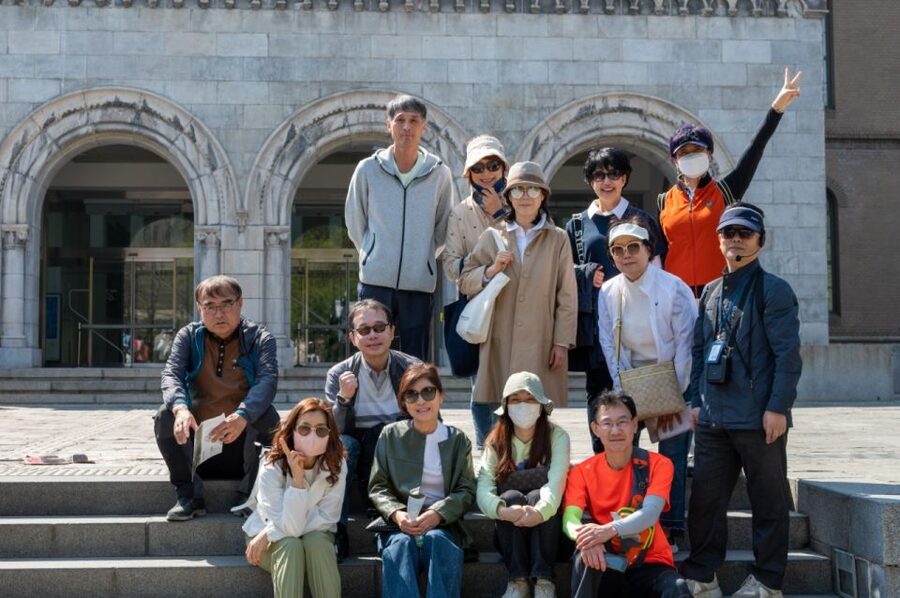
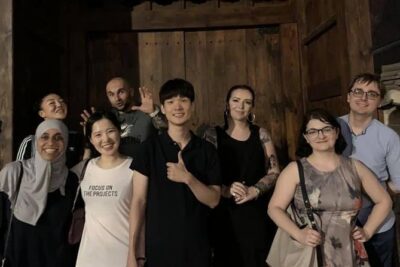
This tour stands or falls on the guide. You get an English-speaking guide (and Korean is available as well), and the style is story-driven rather than lecture-heavy.
One guide named Mitch comes up in standout feedback for being prepared and able to answer questions beyond the sites. That matters because history trips can turn into tunnel vision: you see one landmark and miss the bigger picture. A guide who can explain general topics like working culture or the school system in Korea helps you connect the dots while you’re already walking through the past. You leave with a fuller sense of how people live, not only how kings ruled.
That’s the kind of value you notice later, when you start recognizing names, places, and themes in the rest of your Seoul days.
Price and value: what $56 buys you in real terms
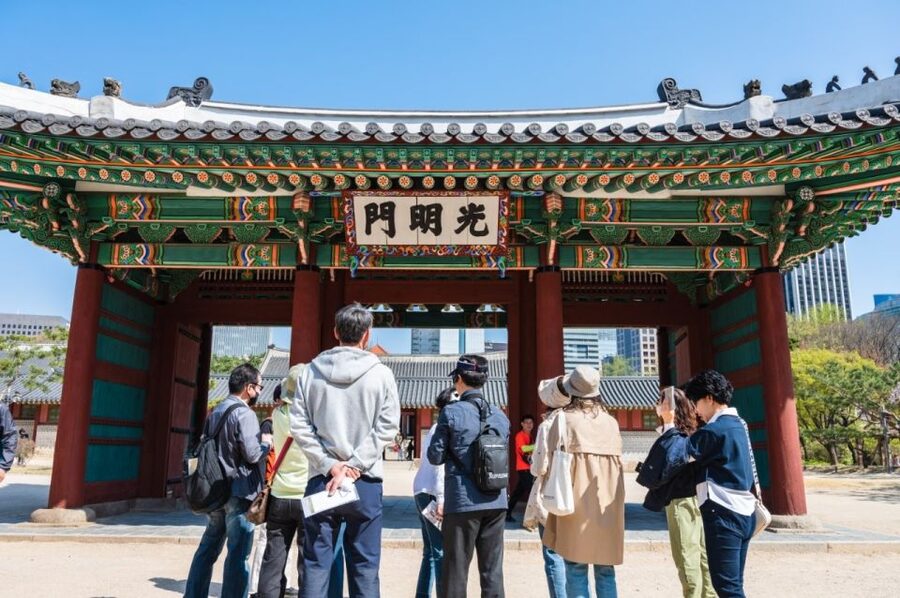
At $56 per person for about 3 hours, the price is fairly straightforward. You’re paying for an English-speaking historical guide, plus the included entrance ticket for Deoksugung and access connected to Donuimun Museum Village.
What’s not included is just as important. Food and drinks are on you. Transportation is also on you. That means the tour price is mostly about guided time and entry access, not about a full-service day.
For me, this is good value if you:
- want history explained in context while walking
- don’t want to piece together routes and tickets by yourself
- like the mix of palace + street history + architecture + modern city space
It’s less of a deal if you prefer to roam independently with zero scheduled structure. The tour is designed to move along a planned arc, so solo wandering is not the point here.
Who this walking tour is best for
This works especially well for you if:
- you’re seeing central Seoul for the first time and want a cohesive route
- you like stories tied to specific places, not general facts
- you want both Korean court history and Korea’s opening-to-the-world thread
- you enjoy walking with short explanations and quick transitions
It’s also a good pick for couples or small groups who want a guided overview without booking a full day. And if you want quieter pacing, the private group option can be a smart way to control the experience.
If you’re someone who struggles with walking or you hate leaving places quickly, plan carefully. The tour does include a brief café break, but it’s still mostly on your feet.
Quick tips so your day feels easy
A few small moves can make this tour feel smooth:
- Wear comfortable shoes with good grip.
- Bring a light layer. Outdoors time plus palace grounds can feel different as you move.
- Use the emergency instant messaging method they recommend, just in case you need it.
- Skip overpacking. You don’t want heavy bags slowing you down across multiple stops.
And keep expectations realistic: this is not a full museum day. It’s a guided walk where the explanations are the main event.
Should you book the Deoksugung Palace Heritage Walking Tour?
I’d book it if you want a smart, time-efficient Seoul history route with real place names and real context. The combination of Deoksugung Palace, Jeongdong-gil’s foreign-institution story, Donuimun Museum Village’s preserved houses, and a finish at Cheonggyecheon gives you a rounded picture of Seoul from Joseon-era shifts to modern city design.
Skip it if you only want one type of attraction (like purely palace grounds) or if walking for three hours feels like too much. Also consider the lack of included food—if you know you’ll need a proper meal, plan for it around the tour.
If you’re on the fence, a private group can be the best compromise: same sites, more control over pace and questions.
FAQ
Where does the tour meet?
Meet in front of Deoksugung Palace ticket office at Exit 2 of City Hall Station.
How long is the tour?
The tour lasts about 3 hours.
What’s included in the price?
You get an English-speaking historical guide and entrance ticket access. The tour also includes a scheduled break at a local café, but food and drinks are not included.
Is transportation included?
No. Transportation is not included.
What language is the guide available in?
The tour guide provides live commentary in English and Korean.
Can I book a private group?
Yes, private group availability is offered.
What if the tour gets canceled due to minimum participants?
If it’s canceled because the minimum traveler requirement isn’t met, you’ll receive an email one day before departure offering an alternative date or a full refund.
More Tours in Seoul
- Best DMZ Tour Korea from Seoul (Red Suspension Bridge Optional)★ 5.0 · 41,422 reviews
- DMZ Tour: 3rd Tunnel, Option(Suspension Bridge, Boat) from Seoul★ 5.0 · 21,373 reviews
- DMZ tour south Korea from Seoul (NK experience hall, defector)★ 5.0 · 20,599 reviews
- Seoul: DMZ Tour with Optional Suspension Bridge★ 4.8 · 5,277 reviews
- Seoul: DMZ The 3rd Tunnel and Suspension Bridge Tour★ 5.0 · 4,656 reviews
More Tour Reviews in Seoul
- Best DMZ Tour Korea from Seoul (Red Suspension Bridge Optional)★ 5.0 · 41,422 reviews
- DMZ Tour: 3rd Tunnel, Option(Suspension Bridge, Boat) from Seoul★ 5.0 · 21,373 reviews
- DMZ tour south Korea from Seoul (NK experience hall, defector)★ 5.0 · 20,599 reviews
- Seoul: DMZ Tour with Optional Suspension Bridge★ 4.8 · 5,277 reviews
- Seoul: DMZ The 3rd Tunnel and Suspension Bridge Tour★ 5.0 · 4,656 reviews
Still More Palaces to Walk
- Seoul: Gyeongbok Palace, Bukchon Village, and Gwangjang Tour★ 4.9 · 2,321 reviews
- Best Seoul City Tour (Gyeongbokgung Palace,Insadong,Namsan Tower)★ 5.0 · 1,647 reviews
- Small-Group Royal Palace and Seoul City Tour (hotel pick-up)★ 5.0 · 1,474 reviews
- Seoul City Sightseeing Tour Including Gyeongbokgung Palace, N Seoul Tower, and Namsangol Hanok Village★ 5.0 · 1,423 reviews
- Seoul: Gyeongbok Palace, Bukchon Village, and Gwangjang Tour★ 5.0 · 1,044 reviews
Just added to Exploring Seoul
Gyeongbokgung & Palace Tours, compared.
 ★ 4.9Gyeongbok Palace, Bukchon Village, and Gwangjang TourFrom $322,321 reviews
 ★ 5.0Best Seoul City Tour (Gyeongbokgung Palace,Insadong,Namsan Tower)From $581,647 reviews
 ★ 5.0Small-Group Royal Palace and Seoul City Tour (hotel pick-up)From $561,474 reviews
 ★ 5.0Seoul City Sightseeing Tour Including Gyeongbokgung Palace, N Seoul Tower, and Namsangol Hanok VillageFrom $801,423 reviews
★ 5.0Gyeongbok Palace, Bukchon Village, and Gwangjang TourFrom $321,044 reviews
★ 5.0Seoul City Sightseeing Tour Including Gyeongbokgung Palace, N Seoul Tower, and Namsangol Hanok VillageFrom $801,423 reviews
★ 5.0Gyeongbok Palace, Bukchon Village, and Gwangjang TourFrom $321,044 reviews
 ★ 4.9Seoul Half-Day City Highlight, Palace Tour with HanbokFrom $49764 reviews
 ★ 4.9Palace, Temple and Market Guided Foodie Tour at NightFrom $60750 reviews
 ★ 4.7Seoul Highlights: Gyeongbok Palace, Insadong & N Seoul TowerFrom $26726 reviews
Browse the lists this tour appears in