Reviewed · GYEONGBOKGUNG & PALACE TOURS
Gyeongbok Palace and Korean Folk Village Tour
One day, two worlds of Korea. This tour stitches together royal Seoul, quiet temple time, and an afternoon that feels like you stepped into everyday life long before modern highways. I like that it mixes major landmarks with smaller context stops, so the day is more than just photos at famous gates—especially at Gyeongbokgung Palace.
I love the practical setup: Seoul hotel pickup means you’re not hunting trains or figuring out transfers, and your main costs are handled upfront with entry fees, lunch, and round-trip transport included. I also like the pace in the afternoon at Korean Folk Village, where you get time to experience ancestral life-style areas and activities rather than rushing through one exhibit room.
One possible drawback is the schedule includes a ginseng center stop, where you may be nudged toward purchases. Also, the tour quality can depend on your guide on the day, so if you like extra background and lots of answering, come with a few focused questions.
In This Review
- Key things to know before you go
- Why Gyeongbokgung Palace and the National Folk Museum click
- The Blue House pass-by: quick context before you hit the temples
- Jogyesa Temple: the calm pause inside a busy city
- The ginseng center and lunch: useful stops, come with the right expectations
- Korean Folk Village in Yongin: the afternoon that sells the trip
- Time, walking, group size, and how to pace yourself
- Price and logistics: why $79 can feel fair
- Who this tour fits best (and who might want something else)
- Should you book this Gyeongbok Palace and Folk Village tour?
- FAQ
- What time does the tour start?
- How long is the tour?
- Does it include hotel pickup and drop-off?
- What entrance fees are included?
- Is lunch included, and are there plant-based options?
- What happens on Tuesdays?
- Is walking required?
- What is the cancellation policy?
Key things to know before you go
- Gyeongbokgung Palace + National Folk Museum in one stop means you see palace power and then the culture behind it without hopping around.
- Blue House pass-by gives context for modern South Korea right before you step back into Joseon-era royal life.
- Jogyesa Temple breaks up the city with a calmer feel, even though you’re still in the Seoul metro area.
- Lunch is included, with plant-based options so you can eat without scrambling for a menu translation.
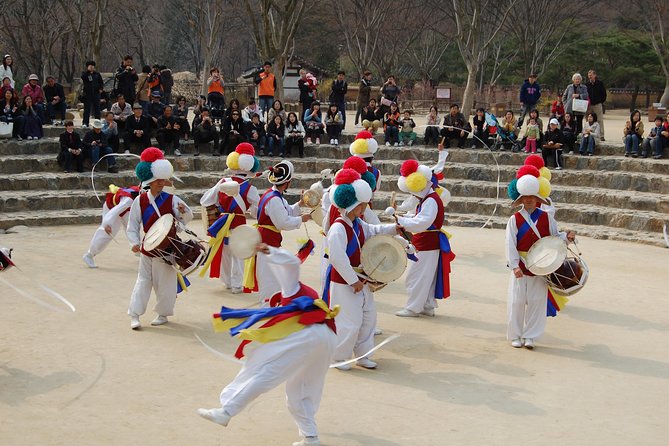
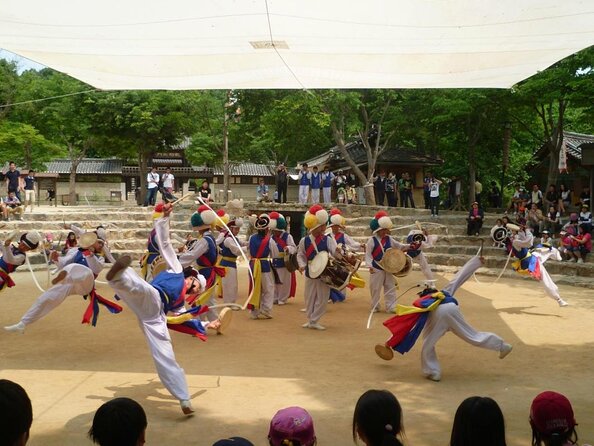
- Korean Folk Village is the afternoon payoff and the highlight for many people because it’s more hands-on than typical sightseeing.
Keep walking the palaces of old Seoul
- Seoul: Gyeongbok Palace, Bukchon Village, and Gwangjang Tour★ 4.9 · 2,321 reviews
- Best Seoul City Tour (Gyeongbokgung Palace,Insadong,Namsan Tower)★ 5.0 · 1,647 reviews
- Small-Group Royal Palace and Seoul City Tour (hotel pick-up)★ 5.0 · 1,474 reviews
- Seoul City Sightseeing Tour Including Gyeongbokgung Palace, N Seoul Tower, and Namsangol Hanok Village★ 5.0 · 1,423 reviews
Why Gyeongbokgung Palace and the National Folk Museum click
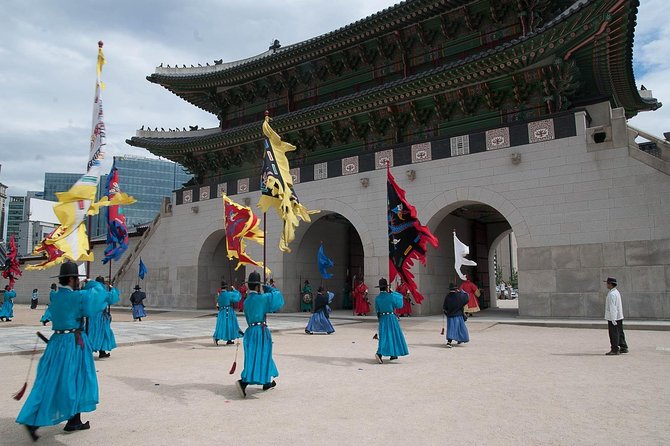
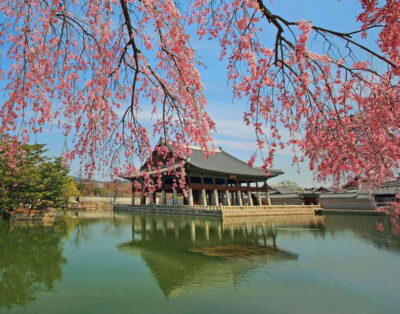
The day’s anchor is Gyeongbokgung Palace, the big one of the Joseon Dynasty palaces. It’s the kind of place where your brain wants a story: Who lived here, how did court life work, and why does the layout feel so intentional? With a guide, you’re not left just staring at buildings—you get connections between the palace and the wider culture.
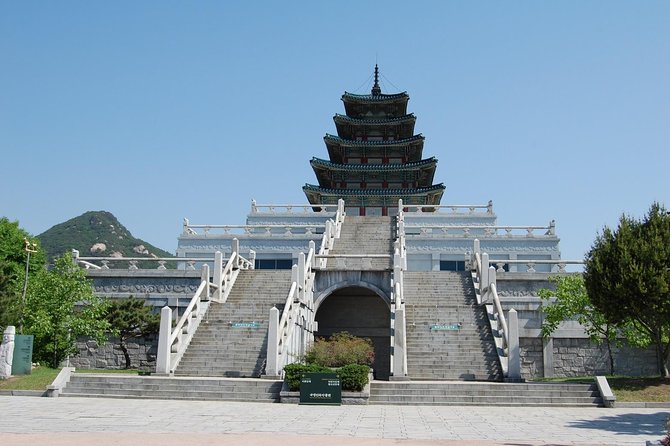
What makes this stop extra useful is that the National Folk Museum is tied to the same visit area. That pairing works because it helps you connect symbols and routines from the palace world to ordinary traditions people practiced across generations. You can stand in the palace setting, then shift your attention to everyday culture, crafts, and life patterns. The flow matters because the museum gives meaning to what you saw outside the walls.
Plan to spend real time here. The tour schedules about an hour for the palace and museum time, so you’ll want good shoes and a quick strategy for what you care about most. If you’re the type who likes to read small details, you’ll need to move steadily. If you’re more into atmosphere and overview, you’ll still get enough time to grasp the big picture.
One practical note: Tuesdays can change the palace plan. The tour says Gyeongbokgung Palace and the National Folk Museum may be closed on Tuesdays, and in that case you’ll visit Deoksu Palace and the History Museum instead. If your dates land on a Tuesday, don’t panic—just go in knowing the palace focus may shift.
The Blue House pass-by: quick context before you hit the temples
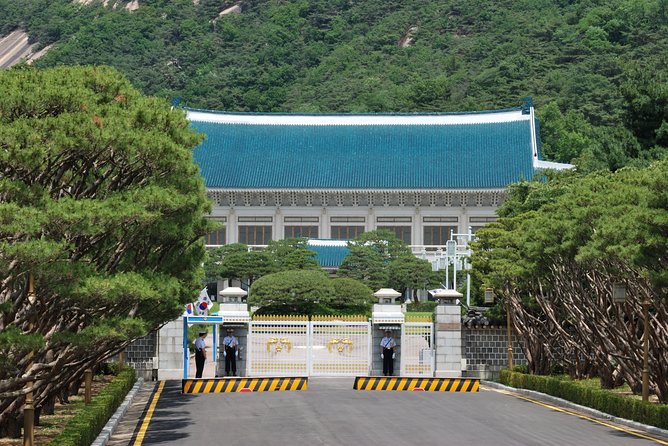
Right after pickup, you’ll pass by the Blue House, the executive office and official residence of South Korea’s head of state. This isn’t a long sightseeing stop, but it’s a helpful framing device. You’re seeing modern Korea’s power center before you tour one of the biggest symbols of older royal governance. That contrast tends to stick with you, because you’re not viewing landmarks in isolation—you’re watching Korea’s timeline in one continuous day.
If you enjoy city context, this part of the route helps. If you only care about entering specific places, you might feel this is brief. Either way, it’s low-effort and it sets the tone: Seoul isn’t just a museum city, it’s a working capital layered on top of layers.
Jogyesa Temple: the calm pause inside a busy city
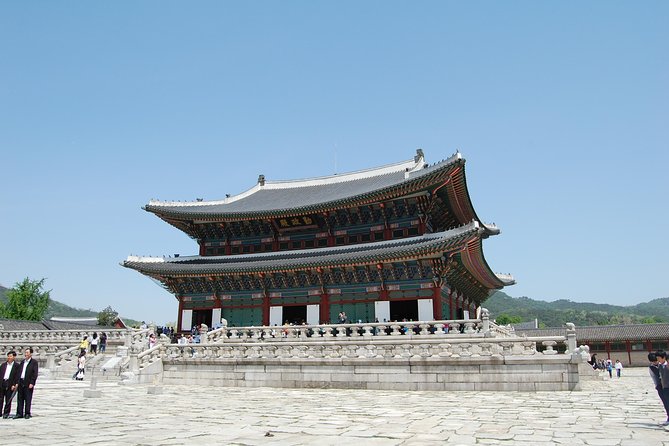
After the palace, you head to Jogyesa Temple, described as the largest temple in South Korea. The practical win here is the contrast. You go from palace formality and museum rooms into a space that feels quieter and more grounded. It’s the kind of break that makes the whole day feel less like a checklist.
The tour keeps this stop fairly short—around 30 minutes—and it also says the temple admission is free. That means you can enjoy the setting without feeling trapped in a long schedule. If you want photos, pick a moment when you can slow down for a minute. Temple spaces reward patience more than speed.
Because it’s in the middle of a metropolitan city, you’ll likely notice how the environment shifts even though traffic noise is still part of the day. Use that shift. Take a breath. Look around. Then you’re ready for the next stops with your brain back on “story mode” instead of “rush mode.”
Further out to Suwon's fortress and the folk village
The ginseng center and lunch: useful stops, come with the right expectations
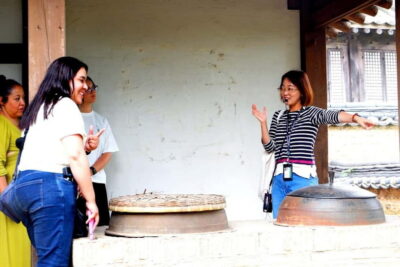
In Seoul, there’s a stop at a ginseng center. The idea is educational: you’ll learn about ginseng’s health benefits and you can buy if you want. The tour plan lists it as an admission-free stop with about 30 minutes.
Here’s the honest way to think about this: you’re not going because it’s a must-see cultural artifact. You’re going because the tour includes it as a structured break and a window into one of Korea’s major industries. If you’re curious, it can be interesting. If you dislike sales pressure, mentally label it as a shopping-or-information stop and keep your pace firm.
One reason this matters is that the tour operator has responded to feedback about making this segment feel less pressuring. That’s a good sign: they know it can be a sensitive point. My advice is simple: decide in advance whether you want anything. If not, treat the visit like a short cultural lesson and move on.
Lunch is included, and this is a real value add. You’ll eat at a traditional Korean restaurant, and the tour notes vegan and plant-based Korean dishes are available. You won’t have to guess your way through a menu or rely on snacks for the whole day.
Still, don’t expect culinary choice overload. The tour setup means lunch is part of the schedule, so you’ll get satisfying food rather than a long buffet of options. If you have strong dietary restrictions beyond plant-based, you might want to double-check before you go, since the details provided here only mention vegan/plant-based options.
Korean Folk Village in Yongin: the afternoon that sells the trip
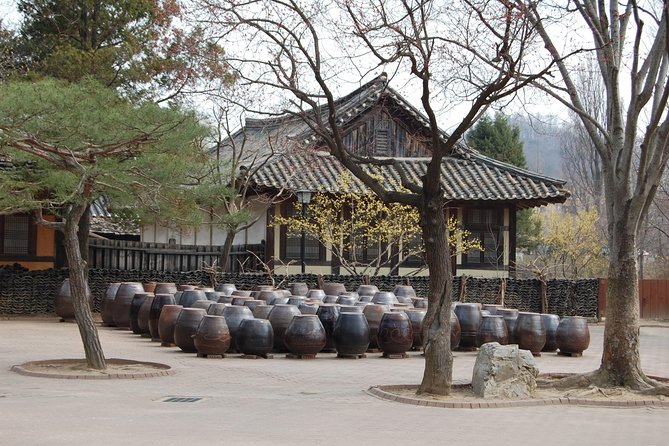
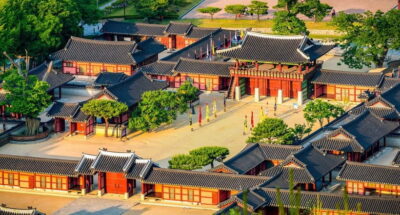
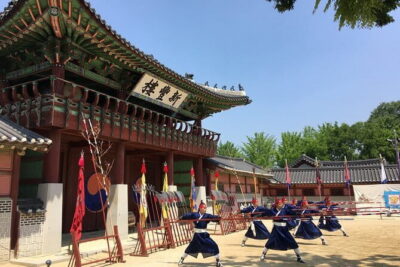
The afternoon is where this tour often wins people over: Korean Folk Village in Yongin. The schedule gives you about two hours, which is enough time to move through areas and try activities without feeling like you’re sprinting.
This part of the day is different from palace sightseeing. Instead of admiring structures, you’re learning how people lived—ancestral life and culture through activities. That’s the kind of experience that tends to create stronger memories because it’s interactive. You’re not just watching; you’re seeing everyday life patterns represented in a way that’s easier to visualize.
Two practical tips help you make the most of this segment:
- Wear shoes that can handle uneven ground. Outdoor village areas can be a little rougher than palace floors.
- Pick what you’ll engage with. If every activity looks tempting, you’ll run out of energy before you run out of choices. Choose a couple to focus on.
This tour’s structure also helps because you leave hectic Seoul and get fresh air time. The reset matters. After a big palace and city temples, the Folk Village gives you permission to slow down and look around like you’re exploring rather than ticking boxes.
Time, walking, group size, and how to pace yourself
The tour runs about 8 hours with a 9:00 am start time. Pickup is offered from your Seoul hotel, and you’ll use an air-conditioned vehicle for the day. That matters in Korea’s weather swings—especially if you’re visiting in hotter or more humid months.
The tour also notes moderate walking, so you should plan for some time on your feet. Good shoes aren’t a suggestion here; they’re what turns the day from enjoyable to miserable. Bring water if you can (water availability isn’t specified), and keep a light layer if evenings are cooler.
Group size is capped at a fairly large number (up to 99 travelers). In practice, that usually means you’ll have a guided flow, but you might not feel like you have a private guide-by-your-side experience. If you want close explanations, you’ll get more out of staying near the front at key moments and asking questions when the group pauses.
Also pay attention to the tour’s ticket style: it includes mobile ticket use. That’s usually easier than hunting paper confirmations, but make sure your phone battery is ready.
Price and logistics: why $79 can feel fair
At $79 for about 8 hours, the price looks reasonable because the tour bundles the stuff that usually adds up on your own: hotel pickup and drop-off, a professional guide, lunch, and admission tickets for the main paid stops. The plan specifically includes admission for Gyeongbokgung Palace (with the museum access) and for Korean Folk Village.
Jogyesa Temple is listed as free, and the ginseng center stop is also admission-free, which helps keep costs controlled while still giving you cultural/context stops. When lunch is included, that also offsets the day’s typical snack-and-meal expenses.
The value logic is: if you were to plan this yourself, you’d likely pay for separate transport, separate tickets, and time spent coordinating. This tour reduces decision fatigue. You trade a little flexibility for a smoother schedule and fewer logistics headaches.
The one place where you might feel less satisfied is if you dislike the ginseng segment or prefer more time in the palace than in the village. Since the schedule is fixed, you can’t linger on your own schedule. Still, the overall cost-to-inclusions ratio is strong for a first-time visitor day.
Who this tour fits best (and who might want something else)
This works well if you:
- Want a full-day overview of major Seoul cultural sites without managing transit.
- Like the mix of royal history plus everyday cultural context (palace plus folk museum, then folk village).
- Prefer having lunch handled and appreciate plant-based options.
- Don’t want to spend your afternoon wondering where to go next.
You might choose a different format if you:
- Prefer a more flexible schedule with longer time in one site.
- Really dislike shopping or sales-oriented stops (the ginseng center could feel like that).
- Want very deep, highly detailed interpreting at every stop. The tour says professional guiding is included, but guide style can vary day to day.
Should you book this Gyeongbok Palace and Folk Village tour?
I’d book this if you want an efficient, low-stress day that covers the essentials: Gyeongbokgung Palace, Jogyesa Temple, a modern Korea context moment at the Blue House pass-by, and a memorable afternoon at Korean Folk Village. The included lunch and entry fees make the $79 price feel grounded, not inflated.
I’d be a little cautious if you’re sensitive to sales pressure or you’re the type who needs extra time to read everything at the palace. In that case, go in with a mindset to enjoy the big story rather than chase every detail, and consider treating the ginseng stop as a short informational break.
If you’re in Seoul for the first time or you want one well-structured day that hits both historic and daily-life themes, this is a solid pick.
FAQ
What time does the tour start?
The tour start time is 9:00 am.
How long is the tour?
It runs for approximately 8 hours.
Does it include hotel pickup and drop-off?
Yes. The tour includes pickup and drop-off from your Seoul hotel.
What entrance fees are included?
Admission is included for Gyeongbokgung Palace and for Korean Folk Village. Jogyesa Temple admission is listed as free.
Is lunch included, and are there plant-based options?
Lunch is included. Vegan and plant-based Korean dishes are available.
What happens on Tuesdays?
The tour notes that on Tuesdays, Gyeongbokgung Palace and the National Folk Museum may be closed. If that happens, the tour visits Deoksu Palace and the History Museum instead.
Is walking required?
There is a moderate amount of walking, and the tour recommends wearing good walking shoes.
What is the cancellation policy?
You can cancel for a full refund if you cancel at least 24 hours before the experience’s start time. If you cancel within 24 hours, the amount paid is not refunded.
More Tour Reviews in Seoul
- Best DMZ Tour Korea from Seoul (Red Suspension Bridge Optional)★ 5.0 · 41,422 reviews
- DMZ Tour: 3rd Tunnel, Option(Suspension Bridge, Boat) from Seoul★ 5.0 · 21,373 reviews
- DMZ tour south Korea from Seoul (NK experience hall, defector)★ 5.0 · 20,599 reviews
- Seoul: DMZ Tour with Optional Suspension Bridge★ 4.8 · 5,277 reviews
- Seoul: DMZ The 3rd Tunnel and Suspension Bridge Tour★ 5.0 · 4,656 reviews
Suwon & the Korean Folk Village
- Seoul: Suwon Hwaseong Fortress & Korean Folk Village Tour★ 4.7 · 214 reviews
- Beyond Seoul: Starfield Library, Hwaseong Fortress & Cave Quest★ 5.0 · 177 reviews
- Yongin Dae Jang Geum Park Tour from Seoul★ 5.0 · 176 reviews
- From Seoul: Dae Jang Geum Park Historic K-Drama Set Tour★ 4.9 · 143 reviews
- From Seoul: Suwon Hwaseong Fortress Tour★ 5.0 · 108 reviews
Still More Palaces to Walk
- Seoul: Gyeongbok Palace, Bukchon Village, and Gwangjang Tour★ 4.9 · 2,321 reviews
- Best Seoul City Tour (Gyeongbokgung Palace,Insadong,Namsan Tower)★ 5.0 · 1,647 reviews
- Small-Group Royal Palace and Seoul City Tour (hotel pick-up)★ 5.0 · 1,474 reviews
- Seoul City Sightseeing Tour Including Gyeongbokgung Palace, N Seoul Tower, and Namsangol Hanok Village★ 5.0 · 1,423 reviews
- Seoul: Gyeongbok Palace, Bukchon Village, and Gwangjang Tour★ 5.0 · 1,044 reviews
Just added to Exploring Seoul
Gyeongbokgung & Palace Tours, compared.
 ★ 4.9Gyeongbok Palace, Bukchon Village, and Gwangjang TourFrom $322,321 reviews
 ★ 5.0Best Seoul City Tour (Gyeongbokgung Palace,Insadong,Namsan Tower)From $581,647 reviews
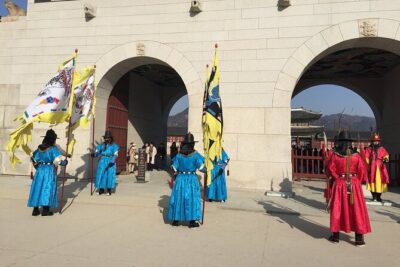 ★ 5.0Small-Group Royal Palace and Seoul City Tour (hotel pick-up)From $561,474 reviews
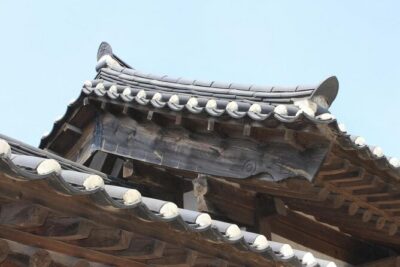 ★ 5.0Seoul City Sightseeing Tour Including Gyeongbokgung Palace, N Seoul Tower, and Namsangol Hanok VillageFrom $801,423 reviews
★ 5.0Gyeongbok Palace, Bukchon Village, and Gwangjang TourFrom $321,044 reviews
★ 5.0Seoul City Sightseeing Tour Including Gyeongbokgung Palace, N Seoul Tower, and Namsangol Hanok VillageFrom $801,423 reviews
★ 5.0Gyeongbok Palace, Bukchon Village, and Gwangjang TourFrom $321,044 reviews
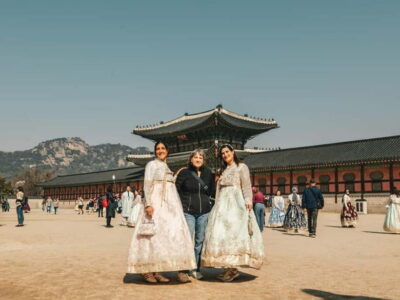 ★ 4.9Seoul Half-Day City Highlight, Palace Tour with HanbokFrom $49764 reviews
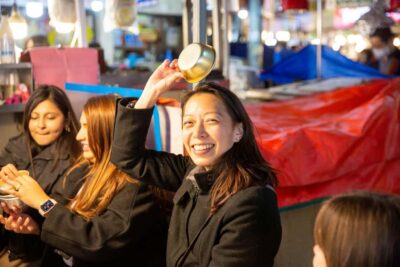 ★ 4.9Palace, Temple and Market Guided Foodie Tour at NightFrom $60750 reviews
 ★ 4.7Seoul Highlights: Gyeongbok Palace, Insadong & N Seoul TowerFrom $26726 reviews
Browse the lists this tour appears in