
Reviewed · FULL-DAY
Ganghwa Island – Full day private tour
Ganghwa Island feels like a time-out from city life. You’ll see how Korea’s past shaped this island, from Joseon-era fortifications to a Buddhist temple in the hills, then finish with binoculars at the Peace Observatory. I especially like that the day is private—your driver cum guide can set the pace—and that you get multiple “why this matters” stops, not just a checklist.
Two parts really stand out for me: the historical context at Gwangseongbo Fortress (including conflicts tied to the US in the 1870s) and the Peace Observatory angle, where North Korea is reported to be about 2 km away. You’ll also get a calmer view of rural Korea at the temple, market, and viewpoints around the island.
One consideration: this is a long day (about 8 hours) with an outdoor mix of viewpoints and walking, so it helps to have moderate physical fitness and wear comfortable shoes. Also plan for lunch on your own, since it isn’t included.
In This Review
- Quick Take: What Makes This Private Ganghwa Day Special
- A Private Ride Out to Ganghwa Island: The Day’s Rhythm
- Gwangseongbo Fortress: Where Ganghwa’s Strategic Importance Shows Up
- Jeondeungsa Temple: Mountain Calm and Korean Buddhist Culture
- Ganghwa Seaside Resort: The Optional Luge Stop
- Ganghwa Pungmul Sijang: Market Time for Real Island Products
- Peace Observatory: Binocular Views and the Weight of Proximity
- Yeonmijeong Pavilion: A Viewpoint With Both Distance and Context
- The Ganghwa Anglican Cathedral: Western Arrival Through a Local Lens
- Price and Value: Is $220 Worth a Full Day?
- Who Should Book This Private Ganghwa Day
- The Call: Should You Book This Tour?
- FAQ
- How long is the Ganghwa Island full day private tour?
- What time does the tour start?
- Is hotel pickup and drop-off included?
- Is lunch included?
- What attractions have admission fees included?
- Can I see North Korea during the tour?
- Is the tour really private?
- Is the seaside resort part of the tour?
- What are the cancellation rules?
Quick Take: What Makes This Private Ganghwa Day Special
- Private guide + vehicle so you can move efficiently and ask questions in plain language.
- Fortress and temple history tied to real 19th-century battles, not just pretty scenery.
- Peace Observatory binocular time for a close-up look at life across the peninsula.
- Rural market stop at Ganghwa Pungmul Sijang, with island-specific products you can actually browse.
- Optional seaside fun at Ganghwa Seaside Resort, including a luge ride if you want it.
- Hotel pickup in Seoul and bottled water keep logistics painless on day one of Korea tourism.
More guide-to-yourself private days in Seoul
- Private DMZ Tour (No Shopping): 3rd Tunnel & Suspension Bridge★ 5.0 · 607 reviews
- Seoul City Private Full-Day Tour Including Lunch★ 5.0 · 469 reviews
- Private DMZ the 3rd Tunnel Tour from Seoul (optional Red Bridge)★ 5.0 · 429 reviews
- Seoul Highlights & Hidden Gems Tours by Locals: Private + Custom★ 5.0 · 359 reviews
A Private Ride Out to Ganghwa Island: The Day’s Rhythm
This is the kind of tour that makes a full day trip feel workable. You start at 8:30 am and get hotel pickup and drop-off in Seoul, then ride out in an air-conditioned minivan with your driver cum guide. The whole experience is set up for one group only, which usually means fewer waiting games and more time spent on the sights.
Ganghwa Island is close enough to feel like a break, but far enough to feel like another world. In one day, you move between fortress walls, mountain temple paths, sea-breeze viewpoints, and a traditional market. That mix is the real point: you’re not just watching buildings; you’re reading the island through different lenses.
The tour also includes the entrance fees that are listed for the stops on the plan, plus bottled water. That matters because it reduces decision fatigue. You can focus on what you’re seeing and what you want to learn, rather than tracking ticket counters all day.
Gwangseongbo Fortress: Where Ganghwa’s Strategic Importance Shows Up
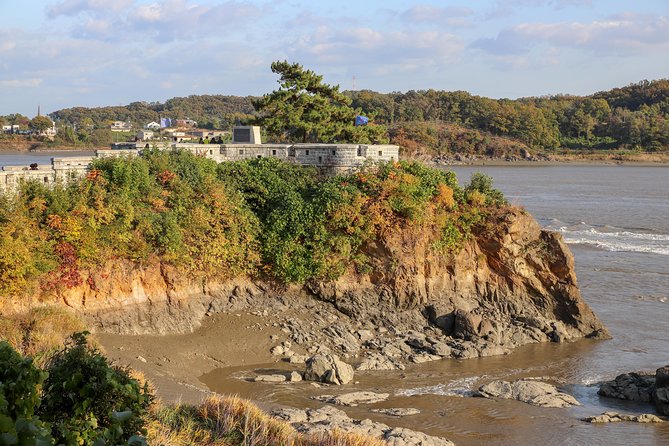
Gwangseongbo Fortress is where the day’s historical stakes start to click. This was a battlefield area, including a conflict involving the USA in 1871. It’s the kind of site where the stone and positioning make sense only after you know the “why.”
You’ll likely spend about 30 minutes here, with admission included. That short window is actually useful: you get the highlight points without feeling dragged through every possible wall and viewpoint. Still, it’s long enough to pick up the big idea that Ganghwa wasn’t remote. It was strategic—especially for the Joseon dynasty—because of who could reach the peninsula from here.
A practical tip: bring a light layer. Even if Seoul feels mild, coastal and fortress breezes can change fast. Also, take a slow pace for your photos; fortress sightlines can look similar at first glance, so giving yourself time helps you remember what you’re looking at.
Jeondeungsa Temple: Mountain Calm and Korean Buddhist Culture
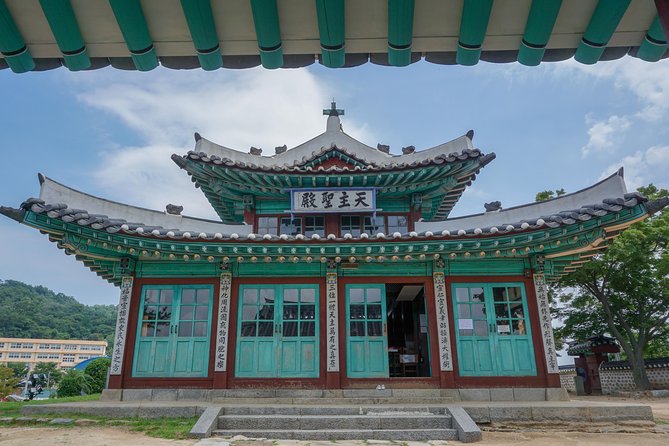
Next up is Jeondeungsa Temple, an old Buddhist temple connected with the Sarangseong Fortress area, including a battlefield tied to France in 1866. Yes, war shows up in the story again—but here it’s balanced by the feel of temple life in the hills.
Plan around 40 minutes for this stop, with admission included. The value is not only in the temple structures themselves, but in the way the site helps you understand Korean Buddhism in a more cultural way. You’re seeing spiritual architecture in a landscape that feels made for quiet reflection.
This stop works well if you’re tired of city crowds. Even a short temple visit can reset your senses. Just be respectful with your pace and volume, and wear shoes that handle uneven ground. If you want photos, aim for angles where you can include both the temple elements and the mountain setting without rushing.
A handful of other Seoul experiences to line up next
Ganghwa Seaside Resort: The Optional Luge Stop
Ganghwa Seaside Resort is a choose-your-own-fun moment. The key detail here is that it’s optional, and the admission fee is not included. The attraction mentioned is a luge ride down the hill, if you want that extra burst of energy.
You’ll usually have about 50 minutes here, which is enough to browse around and still keep the day on schedule. If you love short thrill rides, this is a good place to add a little variety. If you’d rather stay mellow, you can use the time for viewpoints and a slower walk and skip the paid activities.
Practical note: since the luge and related costs aren’t included, it’s smart to carry a bit of cash or keep payment options handy. Also, if it’s windy, secure hats or anything that might blow around.
Ganghwa Pungmul Sijang: Market Time for Real Island Products
Ganghwa Pungmul Sijang brings you back to everyday life. This is a traditional market stop with admission free, and it’s built for browsing: what foods, products, and small goods are special to Ganghwa Island.
Expect around 30 minutes. That may sound short, but markets move fast. In a half hour, you can still scan for island specialties, pick up a snack or two, and get a feel for how people shop when they’re not in a tourist zone.
I like this stop because it gives context. After temples and fortresses, a market helps you understand that an island isn’t just its history. It’s also agriculture, fishing, and daily routines.
If you’re the type who always wants one edible souvenir, this is a strong moment. Just remember: lunch isn’t included, so your market choices can help cover the gap.
Peace Observatory: Binocular Views and the Weight of Proximity
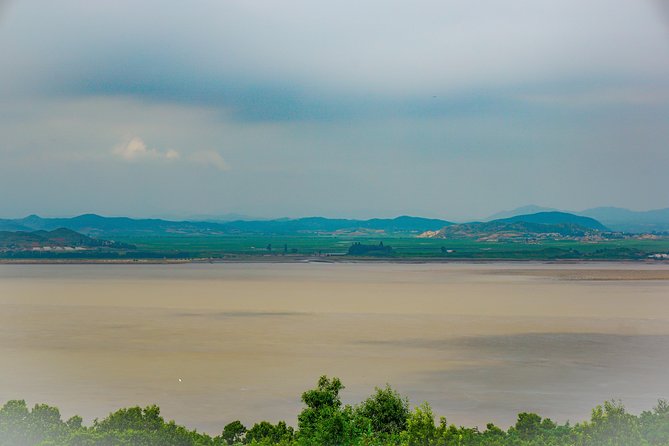
The Peace Observatory stop is the emotional center of the day. At Ganghwa Peace Observatory, you can use binoculars to see North Korea’s people living, with North Korea described as only 2 km away from the island. There’s no sugarcoating the reality here—this is one of those places where geography and politics sit in the same frame.
Plan for about 40 minutes, with admission included. The binoculars are the point, so take your time lining up what you can see and watching how the view changes as you shift your angle. If you’re sensitive to intense topics, give yourself a quiet moment before you start absorbing everything.
A tip for comfort: this is a viewing stop, so dress for the weather and keep your posture stable. You don’t want to be fiddling with jackets or bags while you’re trying to focus through binoculars.
This is also where your guide’s storytelling matters a lot. In the better-run days, you’ll get a clear, grounded explanation that helps Western visitors connect the dots without feeling overwhelmed. Guides like Mr. Lee and Miae are praised for making this stop feel understandable, not just tense.
Yeonmijeong Pavilion: A Viewpoint With Both Distance and Context
Yeonmijeong Pavilion is a shorter, free stop that helps you breathe between the heavier moments. You’ll pause here for about 30 minutes, and the idea is straightforward: enjoy a scenic view of the island along with a peek toward North Korea.
This is where the tour balances emotion with perspective. You’ve got the binocular-focused stop, then you come to a location that lets you look with your own eyes and understand the shape of the island and coastline.
If you like photos, you’ll probably have an easy time here. The trick is not just shooting quickly, but noticing how the viewpoint angle relates to earlier stops. That’s how the day turns from separate places into one story.
The Ganghwa Anglican Cathedral: Western Arrival Through a Local Lens
The Ganghwa Anglican Cathedral stop rounds out the day with a different kind of history. The tour frames this cathedral as evidence that Ganghwa was once an entry point to Seoul for Westerners, making the island an early bridge between worlds.
This stop is about 30 minutes and it’s free. For me, it’s a nice change of pace after fortresses and observatories, because it shows how contact shaped places in practical ways—routes, arrivals, and institutions.
Even if you’re not a church-history person, it’s still worth your time. You’re learning how one island served multiple roles over time, from military importance to international contact.
Price and Value: Is $220 Worth a Full Day?
At $220 per person, this is not a budget excursion. But it doesn’t try to be. The value comes from three things you can feel during the day: private transportation, a guide who can answer questions for your group, and multiple included admissions that prevent extra ticket hunting.
For an all-in-one day that covers historical fortresses, temples, a market, and the Peace Observatory, paying for a private setup is often cheaper than piecing everything together yourself—especially when you include hotel pickup and drop-off. The minivan and driver cum guide save you from Seoul-to-Ganghwa logistics stress.
One smart way to judge the deal is to compare your “time cost.” If you’d rather spend your hours actually seeing places instead of coordinating transport, this tour wins. Also, the fact that it’s a private group only (and requires a minimum of 2 people) supports the idea that you’re paying for a more tailored day, not a crowded bus experience.
The main budget catch is lunch. Since lunch isn’t included, you’ll want to plan how you’ll eat—either before the tour, around the market stop, or during your own time choices. If you factor in that cost, the overall price is easier to stomach.
Who Should Book This Private Ganghwa Day
This tour is a strong fit if you want a structured day with enough variety to keep it interesting, but without the chaos of transferring between places on your own. It’s also a good choice if you care about context—how events connect across time and why this island mattered.
I’d especially recommend it for:
- First-time visitors to Korea who want a rural change of pace without giving up sightseeing.
- People who like history explained clearly for a mixed audience.
- Couples or small groups who want flexibility and a calm schedule.
It’s less ideal if you only want casual shopping or beach time. This day is history-and-culture first, with the seaside resort as an optional extra.
The Call: Should You Book This Tour?
If you want rural Korea plus major historical context in one day, book it. The Peace Observatory stop alone makes the day feel distinct, and the private guide format helps that experience land in a way that’s easier to understand.
If you’re traveling with someone who hates long days, consider the schedule length and build your expectations around it being a full outing. Also, since lunch isn’t included and the luge at the seaside resort isn’t paid for here, decide in advance how you’ll handle food and the optional activities.
Overall, this is the kind of tour that pays off when you like learning and you want the island story told clearly—through fortresses, temples, markets, and viewpoints tied to real proximity and real history.
FAQ
How long is the Ganghwa Island full day private tour?
The duration is listed as about 8 hours.
What time does the tour start?
The start time is 8:30 am.
Is hotel pickup and drop-off included?
Yes. The tour includes hotel pickup and drop-off for hotels located in Seoul.
Is lunch included?
No. Lunch is not included.
What attractions have admission fees included?
Entrance fees listed in the itinerary are included. Ganghwa Peace Observatory and the fortress/temple stops are included, while the Ganghwa Seaside Resort admission is not included since it’s optional.
Can I see North Korea during the tour?
Yes. At the Ganghwa Peace Observatory, you can use binoculars to peek at North Korea. North Korea is described as about 2 km away from the island.
Is the tour really private?
Yes. It’s a private tour/activity, and only your group participates.
Is the seaside resort part of the tour?
Ganghwa Seaside Resort is optional. The luge ride is mentioned as available there, and the admission is not included.
What are the cancellation rules?
Free cancellation is available. You can cancel up to 24 hours in advance for a full refund. If you cancel less than 24 hours before the start time, the amount paid is not refunded.
More Private Days in Seoul
- Private DMZ Tour (No Shopping): 3rd Tunnel & Suspension Bridge★ 5.0 · 607 reviews
- Seoul City Private Full-Day Tour Including Lunch★ 5.0 · 469 reviews
- Private DMZ the 3rd Tunnel Tour from Seoul (optional Red Bridge)★ 5.0 · 429 reviews
- Seoul Highlights & Hidden Gems Tours by Locals: Private + Custom★ 5.0 · 359 reviews
- Premium Private DMZ Tour & (Suspension Bridge or N-Tower) include lunch★ 5.0 · 348 reviews
More Tours in Seoul
- Best DMZ Tour Korea from Seoul (Red Suspension Bridge Optional)★ 5.0 · 41,422 reviews
- DMZ Tour: 3rd Tunnel, Option(Suspension Bridge, Boat) from Seoul★ 5.0 · 21,373 reviews
- DMZ tour south Korea from Seoul (NK experience hall, defector)★ 5.0 · 20,599 reviews
- Seoul: DMZ Tour with Optional Suspension Bridge★ 4.8 · 5,277 reviews
- Seoul: DMZ The 3rd Tunnel and Suspension Bridge Tour★ 5.0 · 4,656 reviews
More Tour Reviews in Seoul
- Best DMZ Tour Korea from Seoul (Red Suspension Bridge Optional)★ 5.0 · 41,422 reviews
- DMZ Tour: 3rd Tunnel, Option(Suspension Bridge, Boat) from Seoul★ 5.0 · 21,373 reviews
- DMZ tour south Korea from Seoul (NK experience hall, defector)★ 5.0 · 20,599 reviews
- Seoul: DMZ Tour with Optional Suspension Bridge★ 4.8 · 5,277 reviews
- Seoul: DMZ The 3rd Tunnel and Suspension Bridge Tour★ 5.0 · 4,656 reviews
Just added to Exploring Seoul

Full-Day, compared.
 ★ 5.0Full Day Tour In The Soop BTS Ver in PyeongChang Filming LocationFrom $1381,709 reviews
 ★ 5.0Seoul City Private Full-Day Tour Including LunchFrom $220469 reviews
 ★ 5.0Highlights of Seoul Full-Day TourFrom $60378 reviews
 ★ 5.0Full-day Customizable Private Seoul Highlight TourFrom $230301 reviews
 ★ 5.0Full-Day Tour in Mt. Seorak & Nami (+Rail Bike Option)From $85186 reviews
 ★ 5.0Full-Day Palace Tour in SeoulFrom $79155 reviews
 ★ 5.0Full Day- Essential Seoul City Tour & Gourmet Tour(including Lunch and Dinner)From $29973 reviews
 ★ 5.0Full Day Private Tour Nami Island, Garden & Petite FranceFrom $26057 reviews