Trouble has a map in Seoul. I love how this tour connects independence and democracy through real locations, and I love the small-group feel with an English-speaking guide (Joseph and Jonathan are standout names). The flip side is the heavy topics and the time can run longer than you expect.
You’ll choose either the Then: Fight for Independence route or the Now: Road to Democracy route, or do both for a clearer timeline of what Korea fought, lost, and reclaimed. I like that it’s not just big monuments; it’s prisons, gates, and political offices tied to what people endured.
Logistics are simple enough for a first-time Seoul visit: public transit costs and admission fees are included, and you’ll get a mobile ticket. Just note the schedule can shift with traffic or weather, and at Dilkusha you’ll need to remove your shoes (slippers provided).
In This Review
- Key highlights you should care about
- Then and Now in Seoul: how this tour tells Korea’s freedom story
- Seodaemun Prison History Hall: where independence had a cost
- Dongnimmun Gate and Tapgol Park: the symbols that kept showing up
- Dilkusha (Albert W. Taylor House): journalism as a weapon
- National Museum of Korean Contemporary History: the postwar “Now” starting point
- Tongin Traditional Market: lunch that keeps history human
- Namsan KCIA headquarters: surveillance becomes a setting
- Korea Democracy Foundation: remembering the push for reform
- Price and what $57.14 buys you in Seoul
- Timing: 4 to 7 hours is real, and it can stretch
- Group size, shoe rules, and how to stay comfortable
- Who this tour is best for (and who may prefer a lighter day)
- Should you book Blood & Tears in Seoul?
- FAQ
- What are the two tour package options?
- How long is the tour?
- Is the tour ticket mobile?
- What does the tour include in the price?
- Are meals included?
- Do I need to remove my shoes at Dilkusha?
- How many people are in a group?
- Which stops are part of the independence-focused route?
- Which stops are part of the democracy-focused route?
- Can I cancel for a full refund?
Key highlights you should care about
- Two routes, one timeline: Then: Fight for Independence and Now: Road to Democracy (you can do one or both).
- Seodaemun Prison History Hall first: A direct look at detention and torture under Japanese rule.
- Tapgol Park for March 1st: The birthplace area of the 1919 independence uprising.
- Tongin Market lunch stop: A practical break that keeps the story grounded in everyday life.
- Namsan KCIA + Democracy Foundation: Surveillance and oppression in one zone, with civic resistance nearby.
- Max 10 people: More room for questions and a calmer pace in emotionally intense places.
Seoul keeps going long after dark
- Seoul: Night Market Food Tour with Local Guide★ 4.9 · 943 reviews
- Seoul moonlight walking tour with local historian★ 5.0 · 940 reviews
- Seoul: Nighttime Hidden Gems Walking Tour★ 5.0 · 775 reviews
- Seoul: Evening Dark History, Folklore & Ghost Story Walking Tour★ 5.0 · 593 reviews
Then and Now in Seoul: how this tour tells Korea’s freedom story
This is a Seoul history tour built like a before-and-after movie. One half (“Then”) focuses on Korea’s fight for independence during the colonial era. The other half (“Now”) traces the postwar struggle for democracy and the systems that tried to silence dissent.
The value is in the sequencing. You start with incarceration and control under colonial rule, then later you see how political oppression evolved after the war. If you pick only one half, you still get a strong story. If you do both, you get something more useful: a sense of continuity, not just a set of facts.
And yes, it is emotionally weighty. You’re looking at prisons and institutions linked to interrogation and torture. This isn’t a light sightseeing day with snacks and photos. Plan for a calmer pace in your day after the tour, and bring a mindset that’s ready for real history, not entertainment.
Seodaemun Prison History Hall: where independence had a cost
Seodaemun Prison History Hall is the kind of place that makes your brain go quiet. It’s a former prison where freedom fighters were held and punished under Japanese rule. The tour gives you an on-foot visit long enough to actually register what the prison represents, not just a quick look at a display.
Why this stop works so well:
- It anchors the word independence in something physical: imprisonment, torture, and execution.
- It forces you to confront how power works when freedom is treated as a crime.
- It sets an emotional baseline for everything that comes later.
Practical consideration: this is stop one, so you’ll feel it early. If you’re prone to getting overwhelmed by dark historical sites, you may want to do the rest of your day slowly afterward.
Also, the tour includes the admission ticket here, so you don’t waste time sorting out paperwork or costs.
Dongnimmun Gate and Tapgol Park: the symbols that kept showing up
After Seodaemun, the tour shifts from a prison to symbols of sovereignty and popular resistance.
Dongnimmun Gate is short on time but big on meaning. It’s presented as a gateway celebrating independence, and later a silent witness to colonization. You get the feeling that the same place can carry different stories depending on who controls the era.
Tapgol Park takes you into the origin point of a major uprising: the March 1st Movement in 1919. The tour focuses on the idea that people began making their first demands for independence here, sparking a nationwide revolution.
What I like about pairing these two:
- Dongnimmun gives you a political symbol.
- Tapgol Park gives you the movement on the ground, when ordinary people chose confrontation.
A drawback for some people: because these stops can be brief, you might want to keep a little mental space for reflection. You won’t get a long lecture at each location, but the guide’s explanations can connect the dots fast.
A handful of other Seoul experiences to line up next
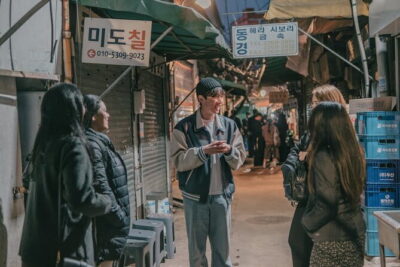
Dilkusha (Albert W. Taylor House): journalism as a weapon
Dilkusha is a smaller stop, and it has a fascinating angle: it’s the Albert W. Taylor House, tied to an American journalist who helped expose Japan’s atrocities to the world.
This matters because it widens the story beyond Korea alone. The independence struggle wasn’t only about people inside Korea resisting—it was also about how the world learned what was happening. A Western-style house here becomes a reminder that reporting can influence international pressure and public awareness.
One practical detail that’s easy to miss until you’re there: you may need to remove your shoes to help preserve the historic residence, and slippers are provided on-site. So if you’re traveling with shoes that are annoying to take off and put back on, plan for that.
Time-wise, it’s about 30 minutes. That’s enough for context, but don’t expect a long wandering visit.
National Museum of Korean Contemporary History: the postwar “Now” starting point
If you choose the Road to Democracy option, the day begins with the National Museum of Korean Contemporary History. This museum is described as explaining Korea’s transformation from colonization through postwar recovery, rapid industrial growth, and the struggle toward democracy.
Even if you’re not a museum person, this works as a smart orientation stop. It gives you a framework for what you’ll see later at Namsan and the Korea Democracy Foundation: why dissent mattered, how governments tried to control it, and how reforms and protests shaped the outcome.
Admission is free here in the tour package, so you can think of this as a high-impact starting block without extra ticket costs.
A mild consideration: museums can be tiring, especially when you’re already carrying heavy emotions from the story. If you’re doing both routes in one day, pace your attention. Take notes on the few themes that stand out and let the rest wash over you.
Tongin Traditional Market: lunch that keeps history human
Tongin Traditional Market is your reset point. The tour walks through the alleys and gives you time to eat lunch in a traditional way. This is one of those stops that turns history from ideology into something you can taste and smell.
Why I think this matters:
- It keeps the day balanced when you’re spending most of the time on prisons and political oppression.
- It reminds you that democracy and independence aren’t abstract ideas; they affect daily life—who can work, who can move, what people can afford.
A practical point: meals are not included in the tour price. You’ll have the time and opportunity for lunch at Tongin Market, but you should budget for your meal separately.
Namsan KCIA headquarters: surveillance becomes a setting
Namsan is where the tour turns chilling. It describes the hill as hiding a dark past, including the KCIA headquarters area where dissidents were interrogated and tortured during military rule.
Even without dramatic staging, this kind of site changes how you read modern politics. You start thinking about information control, fear, and the costs of speaking up. The stop is about an hour, which is enough time to absorb the context without rushing.
Admission fees are listed as included for the tour overall, but this is one of the stops where the “ticket” nature may vary by building rules. The tour handles the planning on your behalf, which is the real benefit.
If you’re sensitive to stories of torture and coercion, this is the moment to go slower. Use breaks. Take water. Don’t force yourself to speed through just to prove you can.
Korea Democracy Foundation: remembering the push for reform
The final stop in the Road to Democracy option is the Korea Democracy Foundation, located in a former police building. It honors Korea’s hard-won democracy and offers exhibits focused on protests, uprisings, and reforms—plus the citizens who fought for freedom.
This is the “after” part of the story: the transition from oppression to civic action. It matters because democracy isn’t just a political endpoint. It’s made by people who keep organizing even when institutions try to stop them.
There’s also an important real-world note: the visit may be adjusted depending on on-site conditions. That means you should keep your expectations flexible if something changes that day.
Price and what $57.14 buys you in Seoul
At about $57.14 per person, this tour is priced as a guided, multi-stop Seoul experience with admissions and transport support built in. The included items matter:
- English-speaking guide
- Public transportation fees during the tour
- Admission fees
Meals are not included, so your lunch at Tongin Market will be on you. But for a tour that can run 4 to 7 hours and covers multiple sites (including one with paid admission), you’re not paying extra for tickets and you’re not doing the transit math yourself.
Value gets even better if you do both packages. Then you’re basically buying two thematic routes in one guide-led flow, rather than piecing together separate tours and figuring out where to fit lunch, transitions, and timing.
My only pricing caution: if you only want one of the two halves, make sure you’re choosing the part you care about most. The tour structure is designed around a fuller timeline, so doing just a single segment might feel shorter than what you hoped.
Timing: 4 to 7 hours is real, and it can stretch
The tour lists a duration of 4 to 7 hours, and the itinerary can be affected by traffic and weather. That range is important because it changes how you plan your day.
One of the most practical tips: treat this as a half-day block that can run into mid-afternoon. In at least one schedule described, the day ran from late morning until around 3PM, and it left people tired but glad they’d done it.
So build your plan accordingly:
- Don’t schedule anything stressful right after.
- If you have dinner reservations, put them later.
- If you’re touring other palaces the same day, pick fewer and allow recovery time.
The good news is you get mobile ticketing and public transport coordination, so you’re not juggling complex transitions. Your energy is the main variable.
Group size, shoe rules, and how to stay comfortable
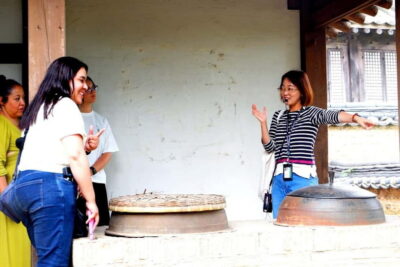
This tour caps at 10 travelers, which usually means less crowding and more chance to ask questions. In emotionally intense sites, that smaller group size helps.
Dress and comfort matter more than you’d think:
- At Dilkusha, plan for shoe removal. Slippers are provided.
- Wear layers. Weather in Seoul can shift, and the tour says conditions may affect the itinerary.
- Bring water if it’s a long day. The tour includes transport and guide time, but you’re still responsible for personal needs.
Also remember: not every stop may feel equal in physical effort. You’ll have a mix of museum time and outdoor symbolism stops, plus the Namsan area. That combination is usually manageable, but it’s not a sit-everywhere tour.
Who this tour is best for (and who may prefer a lighter day)
This tour is perfect if you want a guided history day with context and empathy—especially if you care about Korea’s independence struggle and the later fight for democracy.
It’s also a great choice if you like seeing how the same themes recur across time: control, dissent, resistance, and reform.
You might want a different style of tour if:
- You prefer cheerful, minimal-content sightseeing.
- You know you struggle with prison and torture subject matter.
- You want a strictly fast-paced highlights circuit with lots of time for photos.
On the plus side, guide quality is one of the tour’s biggest strengths. Names like Joseph and Jonathan show up with the kind of friendly, prepared explanations that help you understand what you’re seeing without turning it into a lecture marathon.
Should you book Blood & Tears in Seoul?
Yes—if you want meaning over checklist history.
Book it if you:
- Want both halves of the freedom story (independence and democracy) in one guided flow.
- Appreciate real locations tied to what happened, not just general background.
- Want a small-group day with an English-speaking guide and included admissions.
Skip or choose only one route if you:
- Know you’ll be overwhelmed by heavy political and prison-related content.
- Need a very light schedule for the rest of the day.
Either way, go in with a plan to slow down. This tour is designed to leave you thinking, and that’s usually the whole point.
FAQ
What are the two tour package options?
You can choose Package 1: Then: Fight for Independence, or Package 2: Now: Road to Democracy. You can also do both for a fuller understanding.
How long is the tour?
It runs about 4 to 7 hours, and the exact route timing can change with traffic and weather.
Is the tour ticket mobile?
Yes, this experience uses a mobile ticket.
What does the tour include in the price?
The tour includes an English-speaking guide, public transportation fees during the tour, and admission fees.
Are meals included?
Meals are not included. There is a stop at Tongin Traditional Market where you can have lunch, but you’ll pay for food yourself.
Do I need to remove my shoes at Dilkusha?
You may need to remove your shoes when visiting Dilkusha. Slippers are provided on-site.
How many people are in a group?
The tour has a maximum of 10 travelers.
Which stops are part of the independence-focused route?
The independence route includes Seodaemun Prison History Hall, Dongnimmun Gate, Dilkusha (Albert W. Taylor House), and Tapgol Park.
Which stops are part of the democracy-focused route?
The democracy route includes the National Museum of Korean Contemporary History, Tongin Market, Namsan (including the KCIA headquarters area), and the Korea Democracy Foundation.
Can I cancel for a full refund?
Yes. Free cancellation is allowed up to 24 hours before the experience start time for a full refund.
More Tours in Seoul
- Best DMZ Tour Korea from Seoul (Red Suspension Bridge Optional)★ 5.0 · 41,422 reviews
- DMZ Tour: 3rd Tunnel, Option(Suspension Bridge, Boat) from Seoul★ 5.0 · 21,373 reviews
- DMZ tour south Korea from Seoul (NK experience hall, defector)★ 5.0 · 20,599 reviews
- Seoul: DMZ Tour with Optional Suspension Bridge★ 4.8 · 5,277 reviews
- Seoul: DMZ The 3rd Tunnel and Suspension Bridge Tour★ 5.0 · 4,656 reviews
More Tour Reviews in Seoul
- Best DMZ Tour Korea from Seoul (Red Suspension Bridge Optional)★ 5.0 · 41,422 reviews
- DMZ Tour: 3rd Tunnel, Option(Suspension Bridge, Boat) from Seoul★ 5.0 · 21,373 reviews
- DMZ tour south Korea from Seoul (NK experience hall, defector)★ 5.0 · 20,599 reviews
- Seoul: DMZ Tour with Optional Suspension Bridge★ 4.8 · 5,277 reviews
- Seoul: DMZ The 3rd Tunnel and Suspension Bridge Tour★ 5.0 · 4,656 reviews
Seoul After Dark, Continued
- Seoul: Night Market Food Tour with Local Guide★ 4.9 · 943 reviews
- Seoul moonlight walking tour with local historian★ 5.0 · 940 reviews
- Seoul: Nighttime Hidden Gems Walking Tour★ 5.0 · 775 reviews
- Seoul: Evening Dark History, Folklore & Ghost Story Walking Tour★ 5.0 · 593 reviews
- Seoul: Dark Side of the City and Ghost Stories Walking Tour★ 4.8 · 484 reviews
Just added to Exploring Seoul
Seoul Night Tours & Walks, compared.
 ★ 4.9Night Market Food Tour with Local GuideFrom $73943 reviews
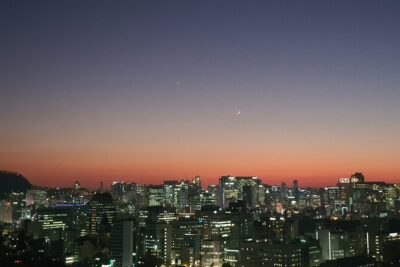 ★ 5.0Seoul moonlight walking tour with local historianFrom $31940 reviews
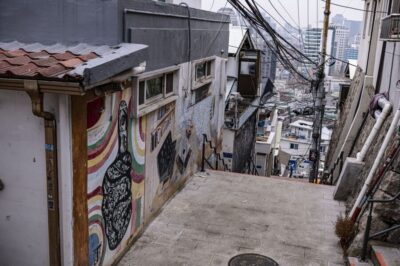 ★ 5.0Nighttime Hidden Gems Walking TourFrom $33775 reviews
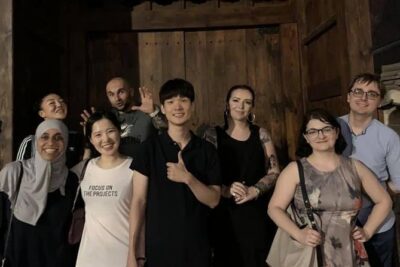 ★ 5.0Evening Dark History, Folklore & Ghost Story Walking TourFrom $42593 reviews
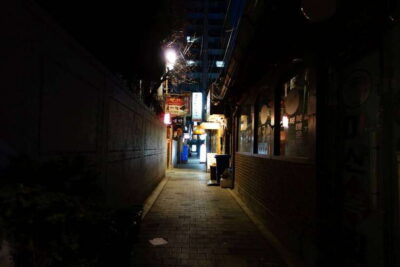 ★ 4.8Dark Side of the City and Ghost Stories Walking TourFrom $42484 reviews
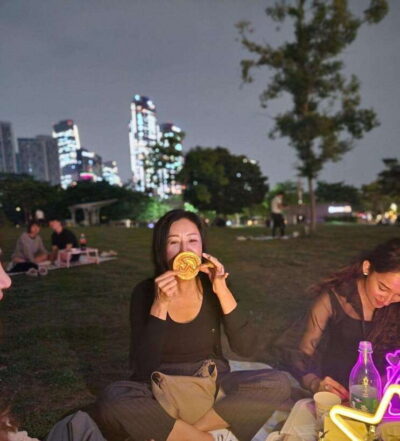 ★ 4.8Han River Night Picnic & Games with CruiseFrom $87461 reviews
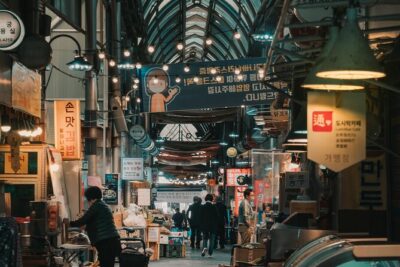 ★ 5.0Seoul Night Palace & Market Food Tour with VehicleFrom $79275 reviews
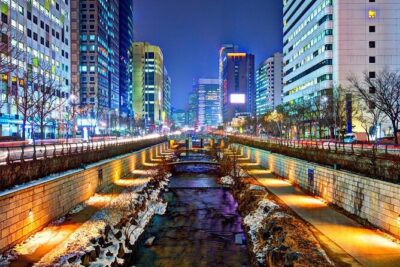 ★ 5.0Special City Night TourFrom $150162 reviews
Browse the lists this tour appears in