
Reviewed · SEOUL NIGHT TOURS & WALKS
Blood & Tears: Korea Dark History Guided Walking Tour
Seoul gets serious about its past. This Korea dark history walking tour strings together the moments that shaped modern Korea, using real locations and an English-speaking guide that turns facts into human stories. I love how the stops at Seodaemun Prison History Hall make oppression feel tangible, and I also love the way the route connects struggle under colonization to the fight for democracy.
The small-group size (limited to 10) keeps the tone focused, and it’s the kind of tour where you can ask questions instead of sitting in silence. I liked that guides such as Laura and Joseph are praised for being engaging, patient, and willing to slow down when guests need time (even when it’s just a couple of people). If you pick the democracy-focused option, you’ll also get a traditional lunch stop at Tongin Market.
One possible drawback: the subject matter is heavy, and some stops have practical rules. You may need shoe removal at Dilkusha, and the tour uses public transportation, so strollers or wheelchairs can be inconvenient.
In This Review
- Key things to know before you go
- Why Seoul’s dark-history streets teach faster than textbooks
- Package 1: Seodaemun Prison cells to Tapgol Park’s independence spark
- Meeting and opening walk from Dongnimmun Station
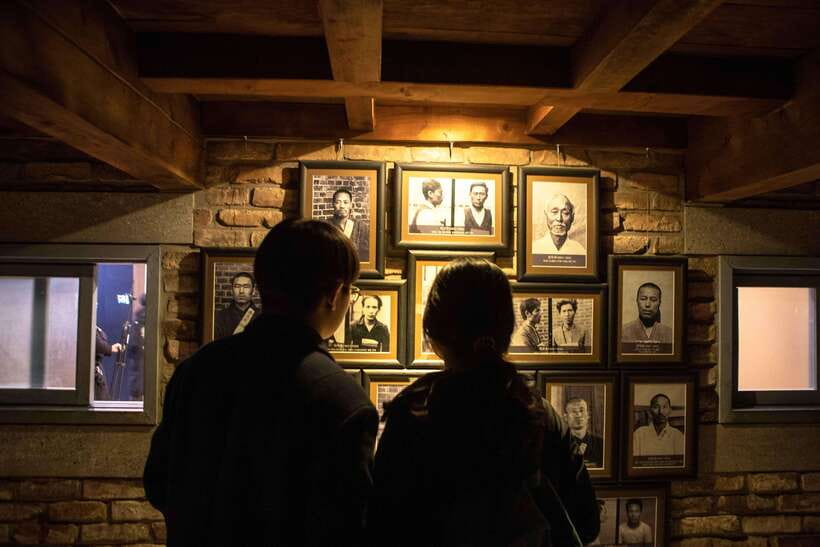
- Seodaemun Prison History Hall: where resistance becomes personal
- Dongnimmun Arch: independence symbol turned historical warning
- Dilkusha: history in a residence (and shoe rules)
- Tapgol Park: the 1919 independence cries
- Package 2: democracy’s road—museum context, market lunch, KCIA-era sites
- Meeting at Gwanghwamun and starting with context
- Tongin Market lunch: a human pause in heavy history
- Namsan KCIA headquarters: surveillance and silencing
- Korea Democracy Foundation: the fight’s aftermath (and possible adjustment)
- How the tour pacing and small group size changes everything
- Stops that hit hard: how to handle the emotional weight
- Price and value: what $61 gets you in Seoul
- Logistics that matter on a walking tour with public transit
- Which package should you pick
- Should you book Blood & Tears: Korea Dark History Guided Walking Tour?
- FAQ
- What are the two tour package options?
- Where do I meet for each package?
- How long is the tour?
- What’s included in the price?
- Are meals included?
- Is the tour wheelchair accessible?
Key things to know before you go
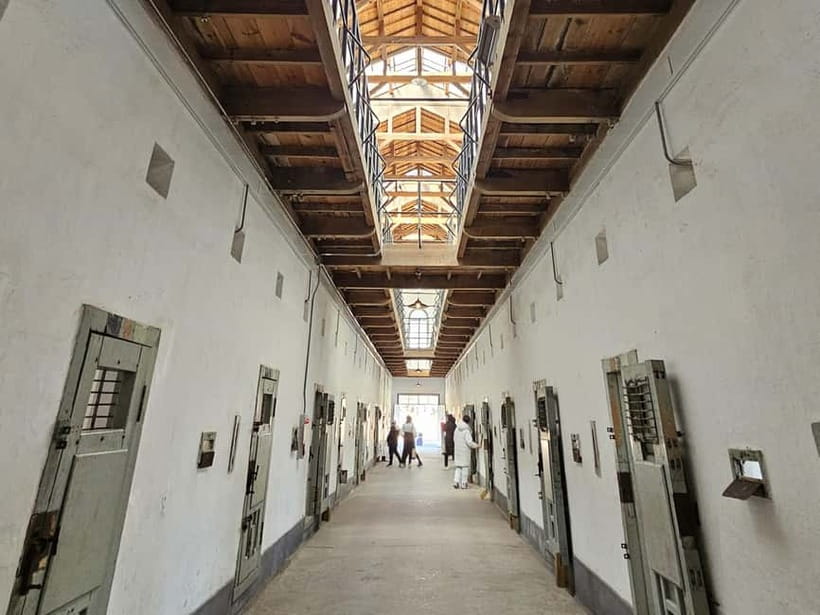
- Seodaemun Prison and Dilkusha (Package 1): Cold, dim, and directly tied to independence-era resistance
- National Museum context + Tongin Market (Package 2): Starts with post-war background, then feeds you
- Namsan KCIA headquarters and Korea Democracy Foundation: Focus on surveillance, political oppression, and the road to democracy
- English-speaking guides who go beyond exhibits: Multiple guides are noted for storytelling and answering questions well
- Small group pacing: Limited to 10, and sometimes even smaller for a more conversational vibe
- Practical site rules: Shoe rules at Dilkusha, plus public-transit walking between stops
Seoul keeps going long after dark
- Seoul: Night Market Food Tour with Local Guide★ 4.9 · 943 reviews
- Seoul moonlight walking tour with local historian★ 5.0 · 940 reviews
- Seoul: Nighttime Hidden Gems Walking Tour★ 5.0 · 775 reviews
- Seoul: Dark Side of the City and Ghost Stories Walking Tour★ 4.8 · 484 reviews
Why Seoul’s dark-history streets teach faster than textbooks
This tour works because it refuses to treat modern Korea’s story like a distant timeline. You move through specific places where people were imprisoned, watched, silenced, and—at times—shouted down with courage. That physical movement matters. You feel the distance between what people wanted and what rulers allowed.
I also like that the tour doesn’t just say what happened. It gives you context for why it happened, then shows how ordinary citizens and organized freedom fighters reacted. That pattern shows up again and again: oppression creates resistance, resistance creates political awakening, and later you see democracy taking shape in institutions and public spaces.
One reason the experience earns consistently strong feedback is that the guides don’t act like they’re reading labels. Guests mention guides (like Laura, Joseph, Gina, and Chuck) who explain exhibits with real-world connections and human details—so you’re not just collecting dates. You’re building a clearer mental map of Korea’s 20th-century turning points.
Package 1: Seodaemun Prison cells to Tapgol Park’s independence spark
If you want the independence story’s early pressure points, Package 1 is the cleanest path. It starts in the morning and concentrates on colonization-era suffering and the 1919 uprising atmosphere.
Meeting and opening walk from Dongnimmun Station
You meet your guide at Dongnimmun Station Exit 5 and then head toward Seodaemun Prison History Hall. This is the heart of the first option. The tone is set early: Korean freedom fighters were imprisoned, tortured, and executed for defying Japanese colonial rule.
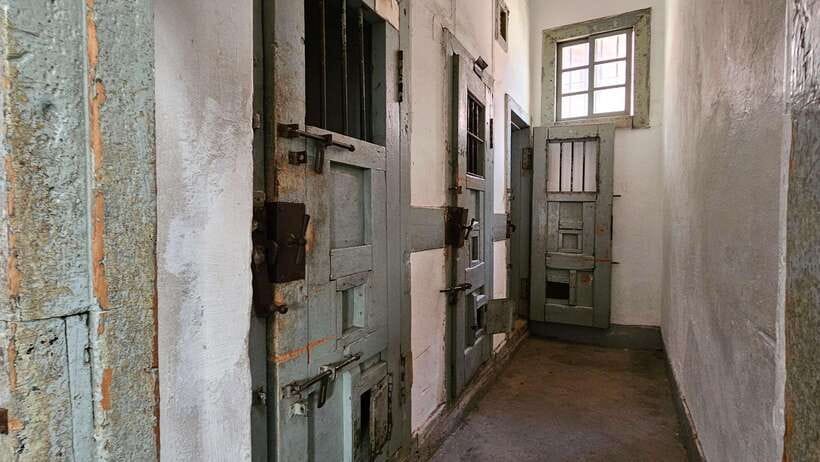
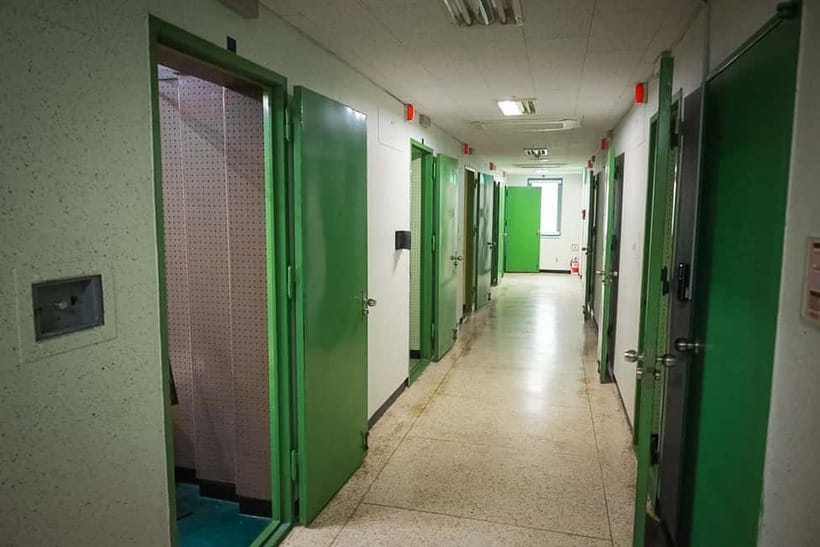
What to expect here isn’t entertainment. Plan for silence in your own head and space for emotions. Even if you’ve read about Korea’s modern history, seeing the sites described as cold and dim changes the feel. It’s the kind of place where you understand suffering as something engineered, not accidental.
More of Seoul taken at walking pace

Seodaemun Prison History Hall: where resistance becomes personal
The standout value of Seodaemun Prison is scale—how the story is made concrete. You’re guided through the prison’s environment and shown how torture chambers functioned as tools to break will and stop organizing.
If you’re the type who likes history that you can picture, this stop is built for you. You’ll walk away with more than a memory of a building. You’ll have a better sense of what freedom fighters risked in practical terms: not just pride, but bodies, family futures, and survival.
Dongnimmun Arch: independence symbol turned historical warning
Next comes Dongnimmun Arch. It’s described as originally built to celebrate independence, but later repurposed as a witness to the crushing reality of Japanese colonization.
This contrast is important. It shows you how political narratives can flip depending on who has control. One day a structure can represent liberation. Another day it can stand as a reminder of loss.
Dilkusha: history in a residence (and shoe rules)
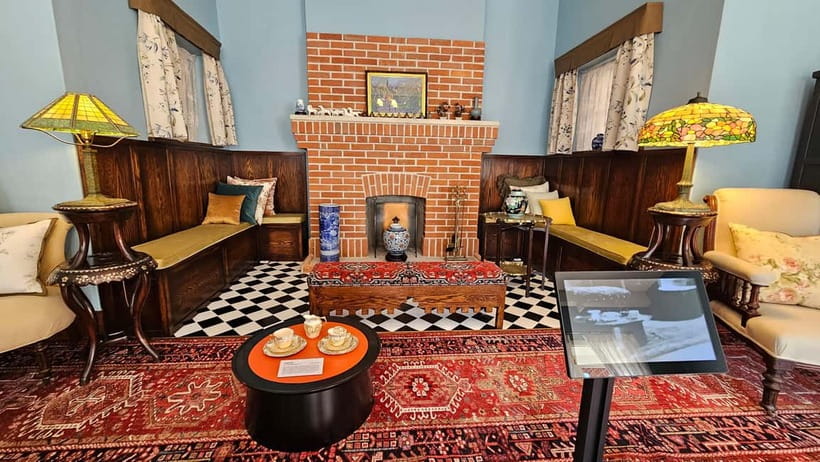
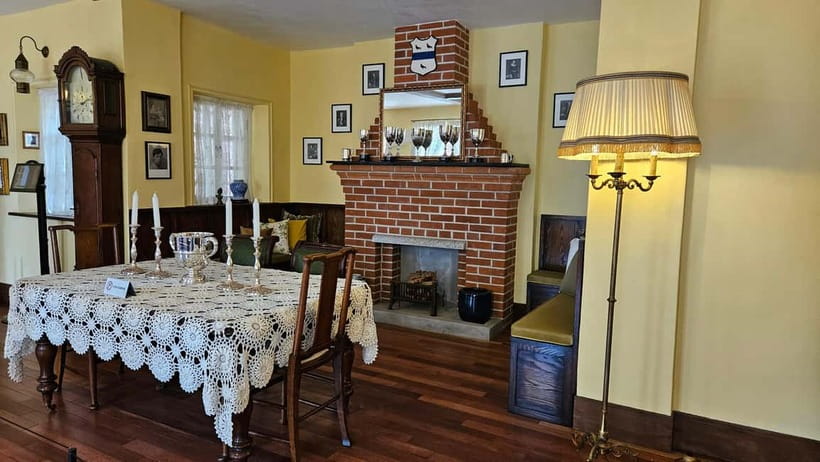
Then you go to Dilkusha, the former residence of American journalist Albert W. Taylor, known for exposing Japan’s brutal rule to the world.
Practical note: you may need to remove your shoes to preserve the historic residence, with slippers provided on-site. That’s easy to manage, but I’d rather you plan for it than scramble mid-tour.
Value-wise, Dilkusha gives you a different angle on the same era. It’s not just about internal Korean resistance. It’s also about how outside observers tried to make the truth visible—an extra layer that helps you understand why public awareness mattered.
Tapgol Park: the 1919 independence cries
The tour ends at Tapgol Park around 13:00. Here, in 1919, the first cries for independence reverberated through the streets, sparking a nationwide uprising that eventually contributed to Korea’s freedom.
If you’ve ever wondered how protests become movements, this is your answer. The guide’s storytelling connects the earlier suffering to the later public momentum—so you don’t treat resistance as a single event. You see it as a long chain of pressure, courage, and awakening.
Package 2: democracy’s road—museum context, market lunch, KCIA-era sites
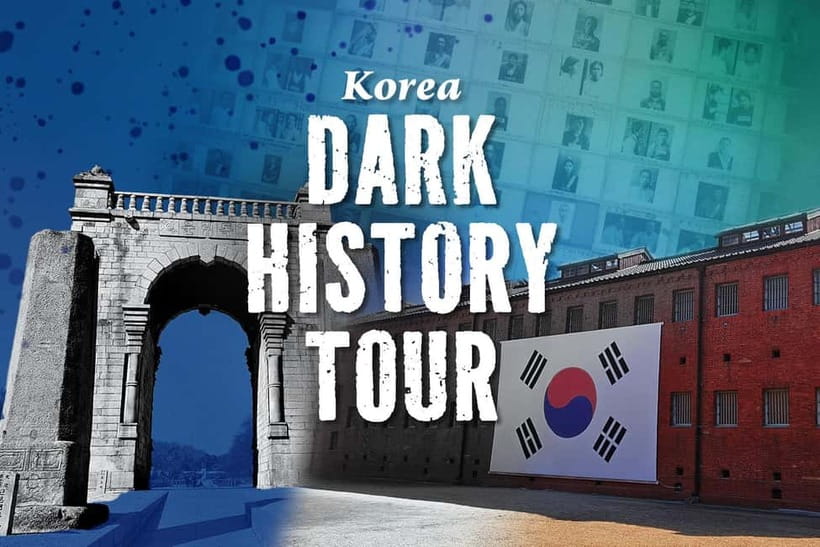
If you want a clearer line from post-war struggles into citizen resistance and finally democracy, Package 2 is the better fit. It starts later in the morning and ends mid-afternoon.
Meeting at Gwanghwamun and starting with context
You meet at Gwanghwamun Station Exit 7 and begin at the National Museum of Korean Contemporary History. This museum stop is the setup. It gives the crucial background you need before the darker chapters of military regimes and citizen resistance start getting detailed.
This is a smart design. Without context, surveillance and political oppression can feel like separate horror stories. With context, you understand the logic rulers used and the reasons people kept pushing back.
Tongin Market lunch: a human pause in heavy history
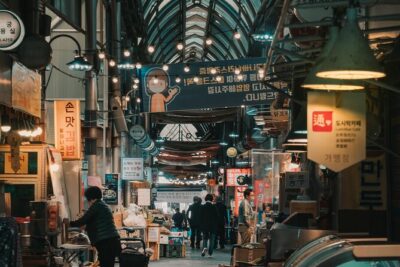
After the museum, you visit the Tongin Market and enjoy a traditional lunch. The tour’s description frames it as eating amid echoes of the past, but the practical reason I like it is simple: you’re not surviving the afternoon on coffee and adrenaline.
You’ll likely appreciate the break, especially if you’re doing this on your first full day or your last day. Several guests highlight the market stop as a highlight, including mention of delicious bento boxes.
Namsan KCIA headquarters: surveillance and silencing
Then you head into Korea’s darker corners with visits to Namsan KCIA headquarters. This stop is about surveillance, political oppression, and torture—places used to silence dissent.
This is where the tour’s message tightens. You’ll start to see how power doesn’t only punish after people resist. It tries to prevent resistance from happening in the first place. The guide’s explanations (and your own attention to what’s described) make the difference between knowing a fact and understanding how intimidation works.
Korea Democracy Foundation: the fight’s aftermath (and possible adjustment)
The final stop is the Korea Democracy Foundation at 16:00. It’s described as a former site of surveillance, torture, and political oppression, now used as a reminder of how hard democracy was won.
The tour also notes that this visit may be adjusted depending on on-site conditions. So if you’re the type who hates uncertainty, keep your expectations flexible. It’s still an end-point focused on the meaning of what came after the worst parts.
How the tour pacing and small group size changes everything
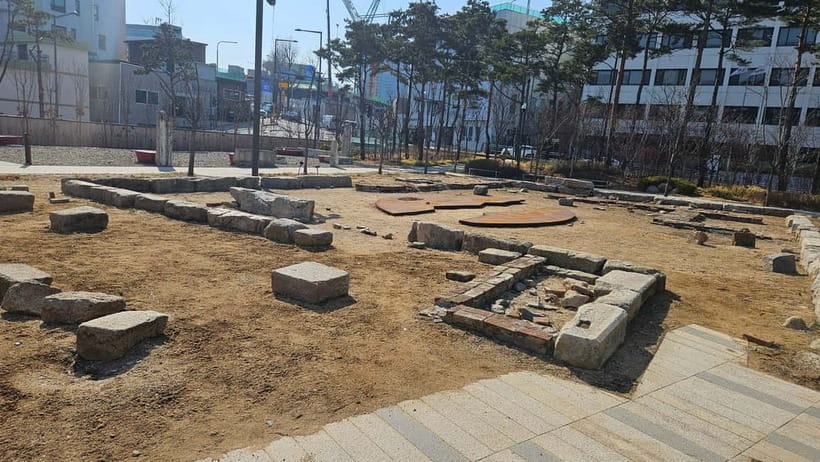
This experience isn’t built for rushing. The duration—210 to 330 minutes—is a real clue. You’re not just transferring between photo spots. You’re listening long enough for ideas to connect.
The small group limit (10 participants) is part of the value. And multiple guests report cases where the tour was extremely small, even just two people. That matters because you’ll often get more direct answers, and the guide can tailor the pace to what you’re curious about.
In plain terms: you’re less likely to leave with a list of places and more likely to leave with a framework for understanding them.
Stops that hit hard: how to handle the emotional weight
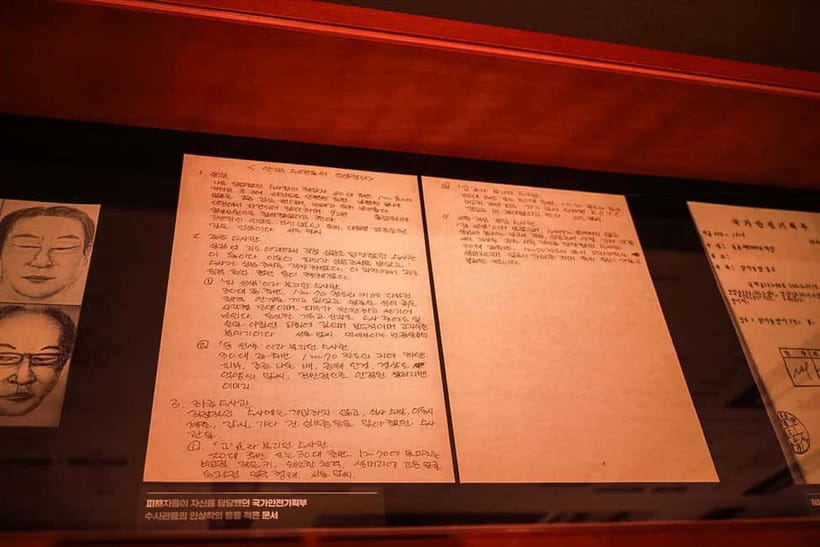
I’ll be straight with you: this is not a casual sightseeing walk. The tour emphasizes raw, emotional history and repeatedly focuses on imprisonment, torture, and execution. That’s the point, but it means your brain may stay on high alert.
A helpful approach: treat breaks as part of the tour. Drink water when you can, and don’t force yourself to “perform interest.” If a stop makes you quiet, that’s normal.
If you’re planning other activities the same day, I’d keep them lighter. You’ll get more out of the tour if you give your thoughts room to land after.
Price and value: what $61 gets you in Seoul
At $61 per person, this tour’s value comes from what’s bundled. You get an English-speaking guide, admission fees, and public transportation fees during the tour. Meals are not included, which is fair since the routes differ by package and lunch is specifically part of Package 2.
So when you compare it to doing the sites independently, you’re paying for three things:
1) organized routing through difficult-to-navigate historical places,
2) guide interpretation in English, and
3) having someone help connect the dots so the story makes sense.
If you like history but don’t want to spend hours building your own itinerary and background notes, this is a strong deal. If you already know the details and prefer self-guided walking, you might spend less on your own—though you’d lose the guide-driven context that guests consistently praise.
Logistics that matter on a walking tour with public transit
This tour uses public transportation and involves walking between stops. That affects planning even when everything goes perfectly.
- Traffic and weather can shift timing. The itinerary is subject to traffic and weather conditions.
- Public transit means more steps. Expect walking plus transit transfers.
- Dilkusha may require shoe removal. Slippers are provided on-site.
One more small detail that’s easy to miss: it’s noted as wheelchair accessible, but the tour also says strollers or wheelchairs may be inconvenient due to public transportation. So if you’re relying on mobility support, it’s worth planning for a more effort-heavy route than you’d expect from a fully private car itinerary.
Which package should you pick
Pick Package 1 if you want the independence story anchored in colonization-era persecution. It moves from Seodaemun Prison to sites tied to independence-era courage and the 1919 independence uprising at Tapgol Park.
Pick Package 2 if you want a clearer line toward democracy. It begins with post-war context at the National Museum of Korean Contemporary History, includes a lunch stop at Tongin Market, then focuses on surveillance and political oppression at Namsan KCIA headquarters and ends with the Korea Democracy Foundation.
And if you’re the kind of traveler who likes a full picture, the structure itself makes sense: both packages are “dark history” but with different emphasis—early resistance versus the democracy road.
Should you book Blood & Tears: Korea Dark History Guided Walking Tour?
Book it if you want Seoul history with context, not just photos. The strongest reasons to go are the English-speaking guides who explain more than exhibits and the fact that the route uses real sites tied to imprisonment, oppression, and the push for independence and democracy.
Skip it (or think twice) if you’re looking for a light day. This tour is designed around difficult material, and it rewards respectful attention. Also, if you hate shoe-removal rules or you’re traveling with a stroller and want minimal hassle, the practical notes about certain sites and public transit should factor into your decision.
FAQ
What are the two tour package options?
There are two options. Package 1 focuses on independence-era resistance and includes Seodaemun Prison History Hall, Dongnimmun Arch, Dilkusha, and ends at Tapgol Park. Package 2 focuses on the road to democracy and includes the National Museum of Korean Contemporary History, Tongin Market lunch, Namsan KCIA headquarters, and ends at the Korea Democracy Foundation.
Where do I meet for each package?
For Package 1, you meet at Dongnimmun Station Exit 5. For Package 2, you meet at Gwanghwamun Station Exit 7. The meeting point may vary depending on the option you book.
How long is the tour?
The tour duration is listed as 210 to 330 minutes, with starting times depending on availability.
What’s included in the price?
The price includes an English-speaking guide, admission fees, and public transportation fees during the tour.
Are meals included?
Meals are not included in general. However, Package 2 includes a lunch stop at Tongin Market.
Is the tour wheelchair accessible?
The tour is listed as wheelchair accessible, but it also notes that traveling by public transportation may be inconvenient for strollers or wheelchairs.
More Tours in Seoul
- Best DMZ Tour Korea from Seoul (Red Suspension Bridge Optional)★ 5.0 · 41,422 reviews
- DMZ Tour: 3rd Tunnel, Option(Suspension Bridge, Boat) from Seoul★ 5.0 · 21,373 reviews
- DMZ tour south Korea from Seoul (NK experience hall, defector)★ 5.0 · 20,599 reviews
- Seoul: DMZ Tour with Optional Suspension Bridge★ 4.8 · 5,277 reviews
- Seoul: DMZ The 3rd Tunnel and Suspension Bridge Tour★ 5.0 · 4,656 reviews
More Tour Reviews in Seoul
- Best DMZ Tour Korea from Seoul (Red Suspension Bridge Optional)★ 5.0 · 41,422 reviews
- DMZ Tour: 3rd Tunnel, Option(Suspension Bridge, Boat) from Seoul★ 5.0 · 21,373 reviews
- DMZ tour south Korea from Seoul (NK experience hall, defector)★ 5.0 · 20,599 reviews
- Seoul: DMZ Tour with Optional Suspension Bridge★ 4.8 · 5,277 reviews
- Seoul: DMZ The 3rd Tunnel and Suspension Bridge Tour★ 5.0 · 4,656 reviews
Seoul After Dark, Continued
- Seoul: Night Market Food Tour with Local Guide★ 4.9 · 943 reviews
- Seoul moonlight walking tour with local historian★ 5.0 · 940 reviews
- Seoul: Nighttime Hidden Gems Walking Tour★ 5.0 · 775 reviews
- Seoul: Evening Dark History, Folklore & Ghost Story Walking Tour★ 5.0 · 593 reviews
- Seoul: Dark Side of the City and Ghost Stories Walking Tour★ 4.8 · 484 reviews
Just added to Exploring Seoul
Seoul Night Tours & Walks, compared.
 ★ 4.9Night Market Food Tour with Local GuideFrom $73943 reviews
 ★ 5.0Seoul moonlight walking tour with local historianFrom $31940 reviews
 ★ 5.0Nighttime Hidden Gems Walking TourFrom $33775 reviews
 ★ 5.0Evening Dark History, Folklore & Ghost Story Walking TourFrom $42593 reviews
 ★ 4.8Dark Side of the City and Ghost Stories Walking TourFrom $42484 reviews
 ★ 4.8Han River Night Picnic & Games with CruiseFrom $87461 reviews
 ★ 5.0Seoul Night Palace & Market Food Tour with VehicleFrom $79275 reviews
 ★ 5.0Special City Night TourFrom $150162 reviews
Browse the lists this tour appears in