
Reviewed · MT. SEORAK & EAST COAST DAY TRIPS
Autumn Foliage-Mt. Seorak, Sokcho Fish Market, Sokcho Beach
That first sweep of fall color hits fast. This day trip strings together Seoraksan National Park and Sokcho, two places that feel very different but work great in one long outing. I like how the tour handles the toughest part—getting you there—so you can focus on the views, the street food, and a real breather by the sea.
Two things I like most: round-trip transfers from Seoul (with English-speaking help) and flexible time at Seoraksan for hiking, walking, or cable car if you choose it. The Sokcho stops add payoff too: you get both the fish market atmosphere and a chance to slow down at Sokcho Beach.
One drawback to plan for is weather and pace. In rain, you’ll still visit, but you may feel a bit rushed between outdoor spots, so pack for wind and wet just in case.
In This Review
- Key highlights you’ll feel right away
- Price and how this $68 day trip adds up
- Pickup, timing, and what the day feels like
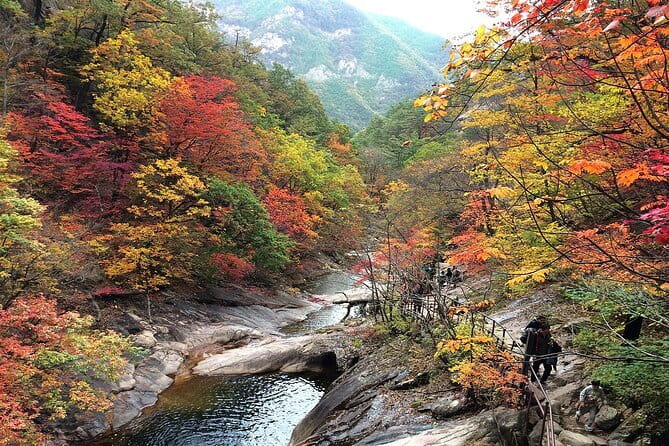
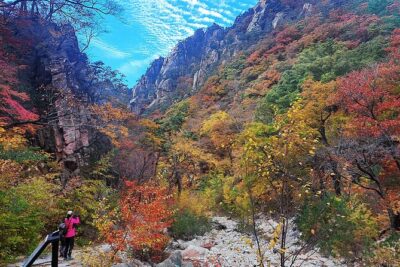
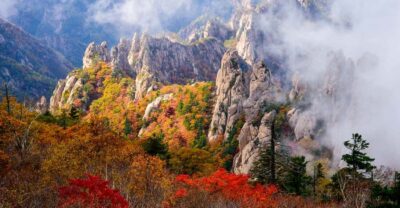
- Seoraksan National Park: where the fall colors do the work
- Shinheungsa and the Buddha: culture without the detour
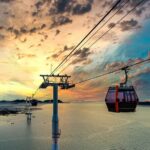
- Cable car option: when it’s worth paying extra
- Sokcho Fish Market: snack your way through seafood culture
- Sokcho Beach: the reset button after walking uphill
- The guide factor: English-speaking help that keeps the day on track
- Weather reality in Korean autumn
- Mobile ticket, group size, and the overall comfort level
- Who this tour is best for (and who should think twice)
- Should you book this Seoraksan and Sokcho foliage tour?
- FAQ
- How long is the Seoraksan and Sokcho autumn day trip?
- Where do I get picked up in Seoul?
- What’s included in the price?
- Is the cable car ticket always included?
- What kind of walking or hiking should I expect at Seoraksan?
- Where do I return to at the end of the tour?
- What if the weather is bad?
Key highlights you’ll feel right away
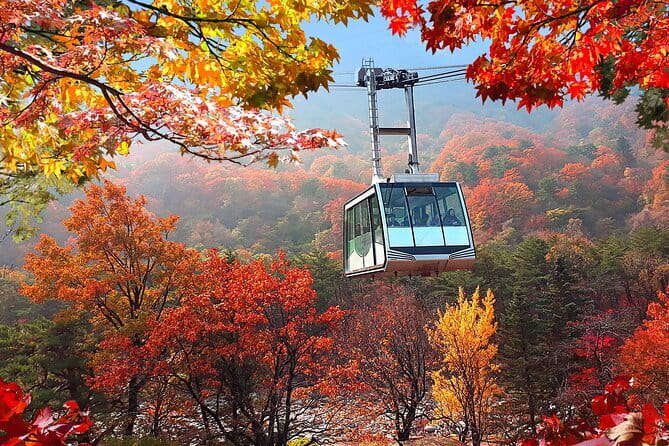
- Seoraksan in autumn: free time to hike/walk, plus temple and Buddha sights
- Cable car option: included only if you select it, refunded if the lift isn’t running
- Sokcho Fish Market: an easy place to snack on seafood and street food
- Sokcho Beach: pine trails and a seaside stop that doesn’t feel like a quick photo
- English-speaking support: guides help you pick the right options and timing
Bigger mountains east: more Seoraksan and coast trips
- Mt. Seorak+Nami Island+Garden of Morning Calm Day Trip from Seoul★ 5.0 · 959 reviews
- Seoul: Gangwon-do Day Trip with Alpaca World & Nami Island★ 4.7 · 581 reviews
- Seoul: Mt Seorak + Naksansa Temple or Nami Island Group Tour★ 4.7 · 422 reviews
- Full-Day Tour in Mt. Seorak & Nami (+Rail Bike Option)★ 5.0 · 186 reviews
Price and how this $68 day trip adds up
At $68 per person for a 12 to 13 hour day, this tour is priced like a practical “fix the transport problem” ticket. The big value isn’t only the scenery—it’s the round-trip transfers between Seoul, Seoraksan, and Sokcho, where public transport can be slow, confusing, or just not aligned with a full-day plan.
Also, most admissions are free for the key stops: the mountain time, the fish market time, and the beach time are all listed as no additional admission. The one optional cost is the Seoraksan cable car ticket, which is included only if you choose that option.
If your priority is autumn foliage but you don’t want to spend the whole day figuring out buses, trains, and schedules, this format makes sense. You’re paying to save time and reduce stress, and that’s exactly what tends to matter on a packed autumn day.
Pickup, timing, and what the day feels like
You’ll meet in Seoul at one of two convenient spots: Hongik Univ. Station (Exit 8) or Myeongdong Station (Exit 4). The day is structured around getting you out early and keeping you moving across three different “moods” of Korea: mountain, market, and sea.
Plan for a full day. Even with good pacing, you’ll want to eat breakfast before you board and keep snacks handy. The itinerary holds four main stops—Seoraksan, the Sokcho Fish Market, Sokcho Beach, plus the drive legs back and forth—so this isn’t the kind of tour where you can casually wander for hours without limits.
One small heads-up that affects planning: at the end, the tour does not return you to Hongik Univ. Station. You get a choice of drop-off points at the end: Dongdaemun History & Culture Park Station or Myeongdong Station. If you’re staying near Hongik, you might need a short subway hop to get home.
And yes, bring shoes that can handle steps. Seoraksan lists an intermediate hiking level for the mountain area, and comfortable footwear is strongly recommended.
Seoraksan National Park: where the fall colors do the work
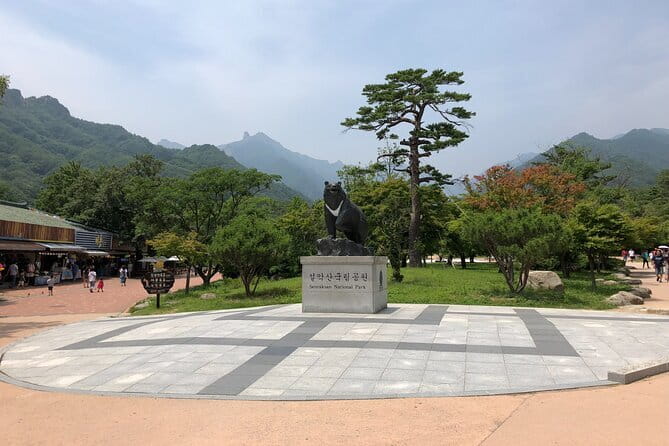
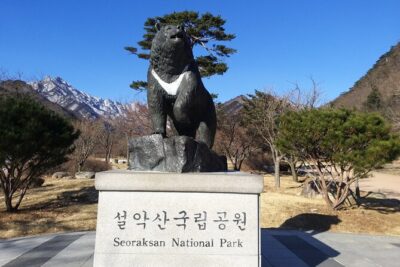
Seoraksan National Park is the centerpiece, and it’s a great pick for autumn because the scenery changes with every change in elevation. The tour gives you about 5 hours at the park, and that’s enough time to choose your own intensity.
You can:
- walk or hike at your own pace during the park’s free time
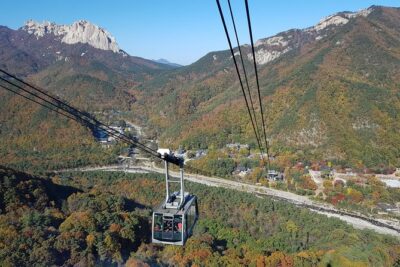
- take a cable car if you opted for that route (or if the lift is operating)
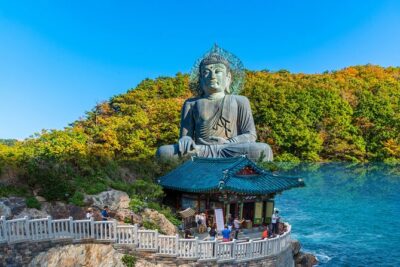
- aim for viewpoints plus key cultural stops like Shinheungsa Temple and the large Buddha statue
What I like about the way this stop is structured is that it respects different stamina levels. You’re not locked into one single trail route. You can spend your time more like a scenic walk or more like an actual hike, depending on your comfort.
Practical tip: when you’re in autumn mountain conditions, the temperature can swing quickly. Layers help, even if Seoul started mild. Also, keep your phone ready with offline maps or just follow the guide’s guidance on meeting points and timing, because the park can feel larger once you’re inside.
A handful of other Seoul experiences to line up next
Shinheungsa and the Buddha: culture without the detour
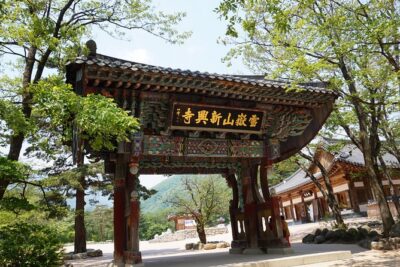
Seoraksan isn’t only about views. You also get cultural anchors, including Shinheungsa Temple and the large Buddha statue. These stops matter because they give context to the mountain beyond “pretty leaves.”
The temple setting also gives you something simple in a busy day: a natural pause. If you’re hiking hard, it can be a relief to step into an area that’s calmer and cooler than the most exposed paths.
The key is to use this time well. Don’t just rush through for photos—take a few minutes to notice the atmosphere. Even on a day trip, these cultural highlights help the whole experience feel more grounded than a pure scenic drive.
Cable car option: when it’s worth paying extra
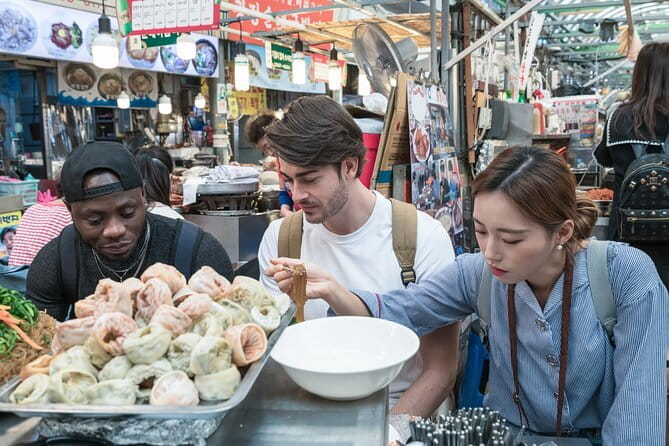
If you choose the cable car option, you’ll have the ticket as part of the experience. If you don’t, you’ll rely on walking/hiking time only.
This matters for two reasons:
1) It can reduce fatigue, which helps you enjoy the rest of the day.
2) It changes how you experience the park. You’ll get different vantage points than you would by foot the whole way.
There’s also a useful contingency: if the cable car isn’t operated, you’ll get a refund of the cable car ticket fee in cash from the guide. That’s the kind of straightforward backup that keeps the day from feeling derailed.
If you’re unsure whether to pick the cable car, use this rule of thumb: if intermediate hiking sounds like “maybe,” choose it. If you’re confident you’ll hike for hours, skip it and spend the energy on trails and viewpoints.
Sokcho Fish Market: snack your way through seafood culture
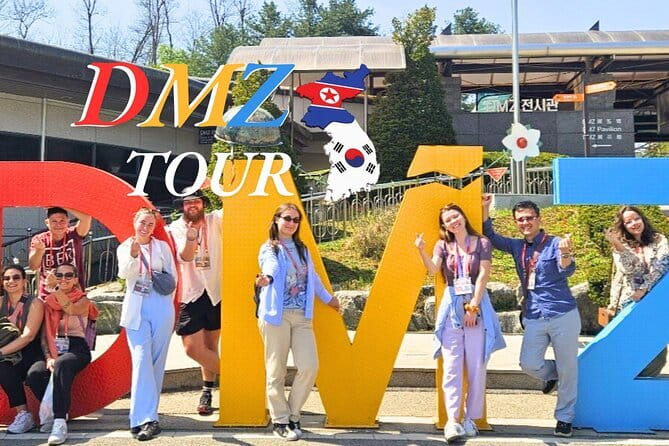
After the mountain, the pace shifts on purpose. The Sokcho Tourist Fishery Market is your next stop, with about 1 hour 15 minutes. This is an excellent timing choice because you’ll likely feel hungry after Seoraksan.
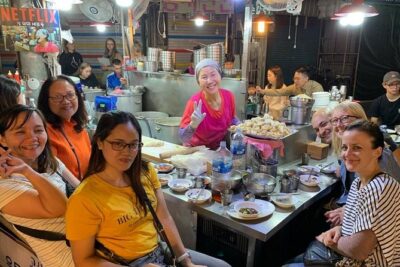
The market is known for combining tourism energy with real fishing-industry flavor. You can try street food and seafood right there, and the atmosphere is part of the fun—people moving, vendors calling out, and the mix of hot items and fresh ingredients.
What makes this stop especially valuable is that it’s not presented as a formal meal requirement. You can graze based on what looks good and what feels manageable for the time you have.
One practical strategy: decide early whether you want hot street snacks or something that takes longer to order. With limited time, you want your food to match the clock, not fight it.
Sokcho Beach: the reset button after walking uphill
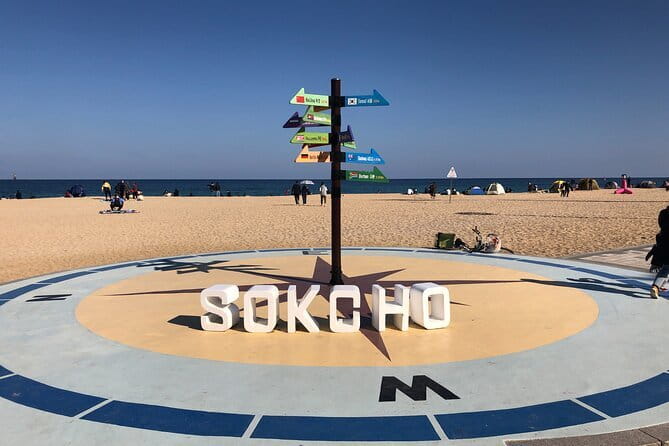
You get a quick but meaningful break at Sokcho Beach, about 30 minutes. It’s beloved by locals and tourists, and the setting helps it feel more like a real pause than a rushed photo stop.
The beach area includes a park, a flower path, and a pine forest trail, so you’re not limited to just standing at the shoreline. You can walk a bit, get some salty air, and reset your legs after the mountain.
If the weather is good, this stop can be extra satisfying because it’s described as a place where you can swim in the sea. Just remember: the tour is weather-dependent, and a cool or rainy day will change how much time you’ll want to spend outdoors.
Even if you don’t swim, the pine-trail walk can be a welcome change of scenery. It’s the “you made it through the day” reward.
The guide factor: English-speaking help that keeps the day on track
This is one of those tours where the guide can make or break the experience. You get English-speaking staff, and the practical guidance is repeatedly highlighted—especially around timing and choices.
Guides like Kangwon and David Oh have been recognized for being attentive and helpful with options in the park and with navigating the market portion. That matters because Seoraksan can be confusing if you’re just following your own instincts, and fish markets can be overwhelming if you’re trying to decide what to eat in a short window.
Look for the guide’s rhythm:
- where you should spend your free time at the park
- what to focus on at the temple/Buddha area
- how to order or choose in the market without losing time
On a long day, that kind of direction helps you feel like the schedule is working for you, not against you.
Weather reality in Korean autumn
Autumn foliage tours live and die by the forecast. This experience is described as requiring good weather, and if conditions are poor enough for the tour to be canceled, you’ll be offered a different date or a full refund.
If the day is rainy but the tour still runs, plan for two things:
- outdoor sections will feel faster and less comfortable
- you may spend more time moving between spots than lingering
I’d treat this as a “bring rain gear even if the forecast looks okay” day. Pack a compact umbrella or a light rain jacket, and wear footwear that can handle wet surfaces.
Also, if your goal is maximum leaf-drama, the clearest days usually deliver the best visibility. But even in less-than-perfect weather, you’ll still get a full cultural and food experience—mountain, market, and beach all in one outing.
Mobile ticket, group size, and the overall comfort level
You’ll use a mobile ticket, which is convenient and reduces the “where’s my paper ticket” hassle. The tour also caps at 100 travelers, which is a big number but still suggests you’re not in a giant, chaotic bus group.
The vehicle can change depending on the number of participants, so don’t assume you’ll get the same style of transport each time. The important part is that you’re getting direct transfers and not coordinating your own route across regions.
Two other practical notes:
- Pets can’t be accommodated, so plan for none in your group logistics.
- If you’re bringing luggage, you should discuss the size and number of bags in advance.
Who this tour is best for (and who should think twice)
This tour is a strong fit if you want:
- autumn foliage without self-planning transportation
- a mix of nature + culture + food + a seaside reset
- English support to keep the day efficient
It’s also a good option if you like structure, because the schedule is designed for a full loop: Seoul → Seoraksan → Sokcho Fish Market → Sokcho Beach → Seoul.
Think twice if:
- you hate long days with constant movement (this is 12–13 hours)
- you’re not comfortable with intermediate hiking-style terrain at Seoraksan
- you strongly prefer long, unstructured time in one place (here, you’re rotating)
Should you book this Seoraksan and Sokcho foliage tour?
If you’re visiting Seoul in autumn and you want Seoraksan plus Sokcho in one day, I think this is a smart booking. The value isn’t only the mountain or the beach—it’s the way the day is arranged so you get three major experiences without spending your vacation time on transit math.
I’d book it if:
- you want big autumn scenery but you don’t want to plan the logistics
- you like food stops with real atmosphere, not just staged markets
- you can handle a full day and wear decent shoes
Skip it or modify expectations if rain is common during your dates or you’re very sensitive to wet walking. And if Hongik is your home base, remember you’ll likely end in Dongdaemun or Myeongdong, not back near Hongik.
FAQ
How long is the Seoraksan and Sokcho autumn day trip?
It runs about 12 to 13 hours total, with major time in Seoraksan (around 5 hours), Sokcho Fish Market (about 1 hour 15 minutes), and Sokcho Beach (about 30 minutes).
Where do I get picked up in Seoul?
You can meet at either Hongik Univ. Station Exit 8 or Myeongdong Station Exit 4.
What’s included in the price?
The tour includes round-trip transfers and English-speaking staff. If you choose the cable car option, the Seoraksan cable car ticket is included.
Is the cable car ticket always included?
No. The cable car ticket at Seoraksan is only included if you select that option. If the cable car is not operated, the cable car fee is refunded in cash by the guide.
What kind of walking or hiking should I expect at Seoraksan?
Seoraksan requires an intermediate level of hiking, so wear proper footwear like comfortable shoes.
Where do I return to at the end of the tour?
You can choose a drop-off at either Dongdaemun History & Culture Park Station or Myeongdong Station. The tour does not bring you back to Hongik Univ. Station.
What if the weather is bad?
The tour requires good weather. If it’s canceled due to poor weather, you’ll be offered a different date or a full refund.
More Shopping Tours in Seoul
- Seoul Street Food Market Tour★ 5.0 · 1,226 reviews
- Local Home Korean Cooking Class & Market Adventure in Seoul★ 5.0 · 1,024 reviews
- Seoul: Night Market Food Tour with Local Guide★ 4.9 · 943 reviews
- Seoul: Palace, Temple and Market Guided Foodie Tour at Night★ 4.9 · 750 reviews
- Private DMZ Tour (No Shopping): 3rd Tunnel & Suspension Bridge★ 5.0 · 607 reviews
More Tour Reviews in Seoul
- Best DMZ Tour Korea from Seoul (Red Suspension Bridge Optional)★ 5.0 · 41,422 reviews
- DMZ Tour: 3rd Tunnel, Option(Suspension Bridge, Boat) from Seoul★ 5.0 · 21,373 reviews
- DMZ tour south Korea from Seoul (NK experience hall, defector)★ 5.0 · 20,599 reviews
- Seoul: DMZ Tour with Optional Suspension Bridge★ 4.8 · 5,277 reviews
- Seoul: DMZ The 3rd Tunnel and Suspension Bridge Tour★ 5.0 · 4,656 reviews
Mountains & Coast, Further East
- Mt. Seorak+Nami Island+Garden of Morning Calm Day Trip from Seoul★ 5.0 · 959 reviews
- Seoul: Gangwon-do Day Trip with Alpaca World & Nami Island★ 4.7 · 581 reviews
- Seoul: Mt Seorak + Naksansa Temple or Nami Island Group Tour★ 4.7 · 422 reviews
- Full-Day Tour in Mt. Seorak & Nami (+Rail Bike Option)★ 5.0 · 186 reviews
- Mount Seorak and Naksansa Temple One Day Tour from Seoul★ 4.5 · 167 reviews
Just added to Exploring Seoul

Mt. Seorak & East Coast Day Trips, compared.
 ★ 5.0Mt. Seorak+Nami Island+Garden of Morning Calm Day Trip from SeoulFrom $95959 reviews
 ★ 4.7Gangwon-do Day Trip with Alpaca World & Nami IslandFrom $64581 reviews
 ★ 4.7Mt Seorak + Naksansa Temple or Nami Island Group TourFrom $68422 reviews
 ★ 5.0Full-Day Tour in Mt. Seorak & Nami (+Rail Bike Option)From $85186 reviews
 ★ 4.5Mount Seorak and Naksansa Temple One Day Tour from SeoulFrom $71167 reviews
 ★ 5.0[Premium Private Tour] Mt Seorak & East Sea or Nami island from SeoulFrom $25867 reviews
 ★ 4.5Mount Seorak and Nami Island One Day Tour from SeoulFrom $8048 reviews
 ★ 4.3Mt. Seoraksan National Park Autumn Foliage Day TourFrom $6015 reviews
Browse the lists this tour appears in