Reviewed · SEOUL
South Korea Highlights 7D/6N
Seven days, and Korea starts to feel close. This route strings together temples, fortresses, coastal views, and hands-on food and craft stops, all run by an English-speaking guide, with Seoul to Seorak transfers built in. It’s also practical: pickup is offered, you get a mobile ticket, and the days have a clear rhythm rather than guesswork.
I love the tea ceremony at Magoksa Temple and the hanji papermaking lesson in Wonju. Both make Korea feel lived-in, not just photographed. You’ll also come away with specific context, like why King Muryeong’s burial site matters and how Korean paper is made by hand.
The main drawback is the pace. You’ll move early and travel between regions, so you need stamina and good shoes, especially on the Mt. Seorak portion and the seawater cable car day in colder weather.
In This Review
- Key highlights to focus on
- A week that covers Korea in a way you can actually use
- Price and logistics: what $2,633 buys you in real terms
- Gongju: Magoksa tea ceremony, Muryeong’s tomb, and fortress archery
- Jeonju hanok culture: national costume, Gyenggjeon Shrine, and Tapsa stone pagodas
- Boseong tea, Naganeupseong village, and Suncheonman Bay reed marshes
- Yeosu cable car views and Jinjuseong Fortress, then Busan time on your own
- Busan-to-Gyeongju: Nurimaru APEC House, Bulguksa, tombs, and Cheomseongdae
- Andong Hahoe Village and Wonju hanji: when you make something with your hands
- Ski Jump Tower views and Jujeongol Mt. Seorak hiking before Seoul again
- Where you get your own time, and how to use it well
- Who this tour fits best (and who should think twice)
- Should you book South Korea Highlights 7D/6N?
- FAQ
- How long is the South Korea Highlights 7D/6N tour?
- What time does the tour start?
- Do you offer pickup in Seoul?
- Is there a mobile ticket?
- Is the tour guide English speaking?
- What’s included in the price?
- What meals or expenses are not included?
- How many people are in the group?
- When will I get confirmation after booking?
- Can I cancel or change the booking for a refund?
Key highlights to focus on
- Tea ceremony at Magoksa Temple: a calm start that sets the tone for the week.
- Costume-and-culture day in Jeonju: dressing up and pairing it with shrine and temple visits.
- Suncheonman Bay reed marsh scenery: a different side of Korea beyond big city stops.
- Coastal views in Yeosu and Busan: cable car riding plus fort history.
- UNESCO-heavy Gyeongju day: Bulguksa, Silla sites, and Cheomseongdae in one sweep.
- Hanji craft making: you leave with a tangible memory, not just photos.
Still deciding? These are the Seoul tours travellers book first.
- Best DMZ Tour Korea from Seoul (Red Suspension Bridge Optional)★ 5.0 · 41,422 reviews
- DMZ Tour: 3rd Tunnel, Option(Suspension Bridge, Boat) from Seoul★ 5.0 · 21,373 reviews
- DMZ tour south Korea from Seoul (NK experience hall, defector)★ 5.0 · 20,599 reviews
- Seoul: DMZ Tour with Optional Suspension Bridge★ 4.8 · 5,277 reviews
A week that covers Korea in a way you can actually use
This tour works best if you want variety without spending your vacation planning between cities. In one week you’ll go from palace-era Korea roots in Gongju and Jeonju to coastal scenery in Yeosu and Busan, then into UNESCO sites and mountain nature before returning to Seoul.
The experience feels organized, but not sterile. You’ll still have time to pause—like walking around Bomun Lake at your own pace—while the guide handles the important parts: matching your time to the sites, explaining what you’re seeing, and keeping the group moving.
The sweet spot here is that you get both “aha” culture and “take-a-breath” scenery. Korea’s food and craft traditions show up alongside famous temples and tombs, so the week doesn’t become one long museum marathon.
Price and logistics: what $2,633 buys you in real terms
At $2,633 per person for about 7 days (7D/6N), the sticker price is high enough that you should check value carefully. The good news: your costs are bundled in the right places.
You get:
- all entrance fees
- an English-speaking tour guide
- 6 breakfasts, 7 lunches, and 6 dinners
That matters because Korea’s major historic and heritage sites can add up fast once you’re paying entry fees city by city. Here, you’re paying for access plus interpretation, not just transportation and a driver.
You’ll still want to budget for what isn’t included: travel insurance, tips, personal expenses (like coffee or tea on the itinerary), and any meals/drinks not listed in the package. If you’re the type who buys snacks between stops, keep a little extra cash or card ready.
Logistics are also smoother than you’d expect. Pickup is offered in Seoul, you start at 8:00 am, and you return around 6:00 pm on the final day. With a max group size of 35, you’ll usually have a good chance to hear the guide and keep your place in the flow.
Gongju: Magoksa tea ceremony, Muryeong’s tomb, and fortress archery
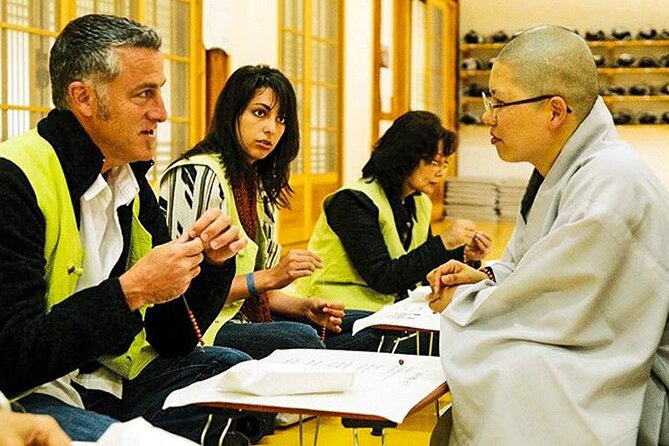
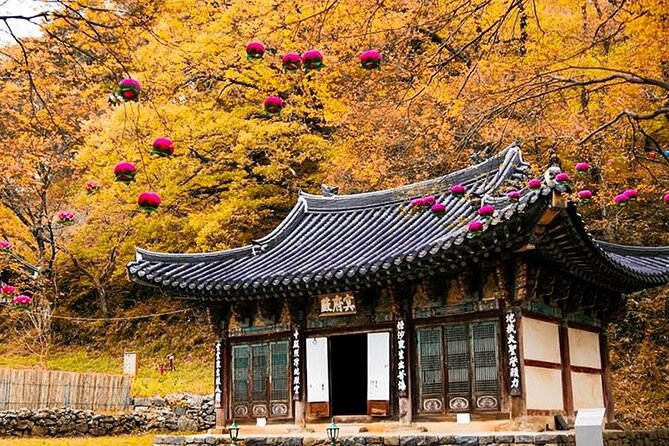
Your week begins with Gongju, tied to the ancient Baekje Kingdom. The stop that hooks you quickly is Magoksa Temple. Instead of just wandering through halls, you’ll take part in a tea ceremony with a Buddhist monk. It’s one of those experiences that slows you down on purpose, even if the rest of the trip is moving quickly.
Why this is worth your time: tea ceremony isn’t just a photo moment. You’ll learn the human rhythm behind the tradition—something that’s hard to get from a guidebook page.
Then you shift to tangible history. You’ll visit the tomb of King Muryeong and also see wall painting details at the Tomb of Muryeong King. This is where Korea’s ancient art becomes more than background color. The details help explain why this site earned its reputation.
After that, you’ll climb into the role of a participant at Gongsanseong Fortress. It’s a mountain castle, and you can try archery. Even if you’re a total beginner, it’s a fun break from temples, and it gives your arms and legs a different kind of workout than hiking does later in the week.
Food on this day is also timed well for an active schedule: lunch includes steamed rice wrapped in a lotus leaf, and dinner is kalguksu (chopped noodle dish) plus dumplings. If you’ve been worried you’ll miss Korean comfort food during busy travel days, this is a solid fix.
Practical note: temples and fortresses usually mean steps and uneven ground. Wear shoes that won’t punish you by the second day.
Jeonju hanok culture: national costume, Gyenggjeon Shrine, and Tapsa stone pagodas
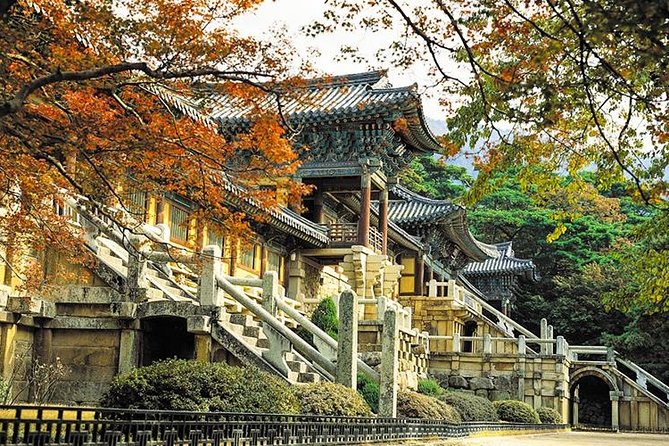
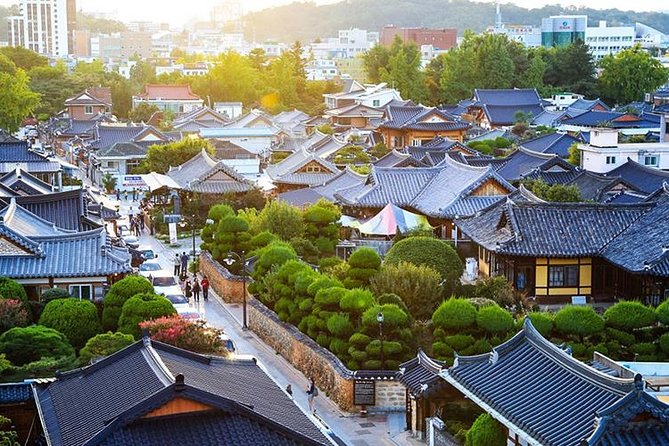
Jeonju is the kind of place where culture feels close-up. You’ll start with a visit to the Jeonju Hanok Village, then dress up in Korean national costume. For most people, that becomes the day’s biggest keepsake. It’s also a good way to stop thinking of Korea as “scenery” and start thinking of it as daily life and tradition.
After the costume part, you’ll head to Gyenggjeon Shrine, built in 1410. The highlight here is the portrait of King Tae-jo. This is the type of stop where a guide’s explanations really pay off, because it links buildings to the people and politics behind them.
Next comes Tapsa Temple, known for its many stone pagodas—over 80. Even if you’ve seen temples in other parts of Asia, this scale of stone pagoda concentration gives Jeonju a distinct feel.
And of course, you’ll eat what Jeonju is famous for. Lunch is Jeonju bibimbab, and you’ll also taste Kakkolli, a traditional Korean wine. This is a nice balance: sweet and earthy flavors, hearty rice-and-bowl comfort, and a culture drink that fits the moment without feeling like a gimmick.
If you like souvenir photos but also care about meaning, this is one of the best days on the route.
Boseong tea, Naganeupseong village, and Suncheonman Bay reed marshes
One of the tour’s clever tricks is showing Korea’s variety in a single long day. You’ll head to Boseong for a green tea plantation visit. Then you’ll move through a local village in Naganeupseong and into the reed marshes of Suncheonman Bay.
Suncheonman Bay is a very different mood than the fortresses and tombs earlier in the week. Reeds and water-level scenery tend to make your brain slow down. It also changes your pace: instead of stairs and stone, you get breathing space and wide views.
Along the way, you’ll visit the Yongsan Observatory and Eco-Museum in Suncheon. Even if you’re not a museum person, an observatory stop gives you something your phone camera can’t fully replace: perspective. The Eco-Museum component also fits the “nature + context” theme of the day.
Lunch is a Korean-style set menu, including dried corvina set meal and vegetable pancake. It’s a smart pairing for people who want variety but don’t want to hunt for restaurants between sights. Dinner later gives you options: grilled and smoked duck and grilled seafood, or pizza and pasta.
That dinner choice matters more than it sounds. When you’re tired from travel and walking, the ability to switch to familiar food can keep the day from feeling like forced endurance.
Night ends in Yeosu, so you wake up closer to the sea for the next day’s coastal highlight.
Yeosu cable car views and Jinjuseong Fortress, then Busan time on your own
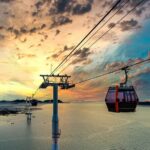
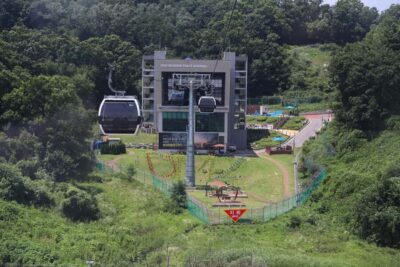
Yeosu is where the trip leans into drama and scenery. You’ll ride the Yeosu Marine Cable Car, a gondola experience over seawater. It’s described as safe but thrilling, and that’s exactly what you want here: a ride that feels like a treat, not a risky gamble.
From the gondola, you’ll see downtown Yeosu and the archipelago around the old seaport. This is a great day for photos, but it’s also a good day for weather awareness. If visibility is clear, you’ll feel like you’re looking at an illustration come to life.
Next you’ll visit Jinjuseong Fortress, linked to the Japanese invasion in 1592. This adds history back into the coastal scenery, so the day doesn’t become only sightseeing for the eyes. You’ll connect the location to the reason it was fortified.
Lunch is bulgoggi stew, and dinner is Korean-style BBQ. After a day like this, BBQ is a logical reward: warm, filling, and easy to share.
Then you transfer to Busan and enjoy the rest of the day on your own. This is your chance to make the week feel less scripted. If you want sea air and a classic beach vibe, Haeundae Beach is a popular pick in Busan, known for golden sands and clear water. You won’t get guided context there, but you may get that simple pleasure of walking by the ocean.
Busan-to-Gyeongju: Nurimaru APEC House, Bulguksa, tombs, and Cheomseongdae
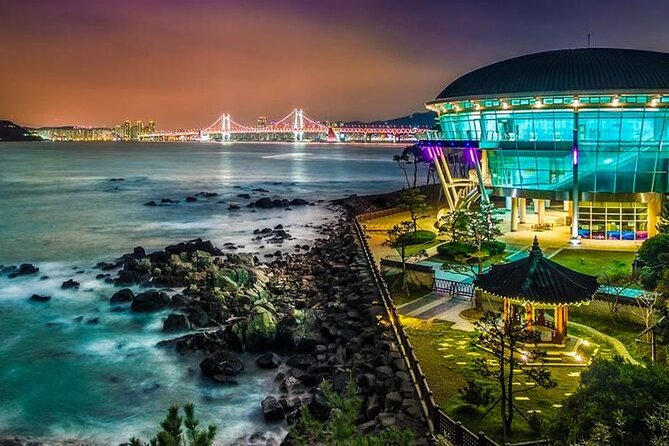
This day has a strong UNESCO pulse, but it starts with Busan. You’ll visit Nurimaru APEC House on Dongbaekseom Island. It’s modern and set on the edge of the sea, which makes a good contrast before you drive inland toward Gyeongju.
Then you get into Bulguksa Temple, a UNESCO World Heritage site. This is one of the stops where your guide’s explanations help you see what you might otherwise miss: the design choices and the religious significance behind the structures.
You’ll also visit Gyeongju National Museum, with relocated Silla Kingdom relics. If you’re worried you’ll rush through temple grounds without fully understanding them, a museum stop helps you anchor what you saw outdoors.
After that, you’ll go to Daereungwon Tomb Complex, which includes 20 large and small tombs from the Silla period. It’s a reminder that this region wasn’t only about living culture—it also shaped how power and memory were built in stone.
You finish the day with Cheomseongdae Observatory, noted as the oldest existing astronomical observatory in Asia. That’s a fun twist: after tombs and temples, you get science and sky. It’s the kind of ending that makes the whole day feel more connected than a checklist.
Evening is free time at your own disposal. If the weather cooperates, walking around Bomun Lake is a low-effort way to enjoy Gyeongju at night.
Food here is a vegetarian set menu for lunch, and dinner is a casual buffet. That buffet format can be a relief after a day with lots of structured stops, because you can choose what your body wants.
Andong Hahoe Village and Wonju hanji: when you make something with your hands
Day 6 brings one of the most memorable types of travel: craft and lived-in tradition. You’ll visit Andong Hahoe Village, where descendants of the Ryu clan of Pungsan live in traditional houses. Hahoe Village was added to the UNESCO World Heritage list in 2010.
What makes this stop special is that it’s not only about architecture. It’s about people and continuity. You’re seeing a place where the past still affects day-to-day life.
After lunch of braised chicken, vegetables, and roasted fish, you move to Wonju. Here, you’ll head to the Hanji Theme Park, where you’ll learn to make Hanji, traditional Korean paper.
Hands-on craft is one of the best ways to remember a country. Photos fade. A small paper product you made yourself tends to stay in your head every time you see it in your drawer.
Then you transfer to Pyeongchang for overnight, and the food theme continues with Korean style pork belly, samgyeopsal. That’s another comfort-food win. When you’ve had a couple of active days in a row, a grill meal can feel like a reset button.
Practical note: craft days often involve tables and seated time, but the surrounding areas can still have walking. Bring something easy to layer, and expect you’ll get a little tired in the best possible way.
Ski Jump Tower views and Jujeongol Mt. Seorak hiking before Seoul again
The final day is built around two very different types of nature viewing. First, you’ll visit the Ski Jump Tower Observatory with access to a Sky Lounge for coffee or tea. This gives you a high view without requiring a long hike immediately.
Then you travel to Yangyang for a short hiking at Jujeongol of Mt. Seorak. This is where you earn your scenery. Even if it’s short, it’s still mountain walking, with uneven paths and a pace you control more than earlier days.
If you’re visiting during cold months, consider this your weather test. The tour covers cable cars, seaside areas, fortresses, and mountain air. Dress for layers, not for looks.
Lunch is a set menu with seasoned wild vegetables. It’s a gentle closing theme: Korean food that mirrors the region’s environment rather than repeating the same dishes across the whole week.
You’ll then return to Seoul around 6:00 pm. You won’t feel like you’re landing in a souvenir shop on your last hour. You’ll feel like you completed a loop: old sites, cultural practice, coastal beauty, then back to the capital.
Where you get your own time, and how to use it well
Even with a full day schedule, you do get small pockets of freedom. On the first night in Daejeon, you have time at leisure and can try an indoor spa. If you like soaking sore legs, that’s a smart use of the time before the next travel-heavy day.
In Busan, the rest of the day is yours. This is where you can decide what you want most: sea views, shopping, a casual meal, or just walking. If you want a beach stop, Haeundae is the obvious choice people talk about for its clear water and lively beach energy.
In Gyeongju, evening time near Bomun Lake is another good moment to decompress. Keep it simple. One or two hours of easy walking and a warm drink can do more for your enjoyment than packing in one more sight.
Who this tour fits best (and who should think twice)
This is a great match if:
- you’re seeing Korea for the first time and want variety without planning every hop
- you value guided context at historic sites, not just picture-taking
- you want a mix of culture, crafts, and scenery in one week
- you like having major entrance fees and meals handled for you
It might feel less ideal if:
- you hate busy schedules and prefer slow travel
- you have limited mobility or struggle with stairs and uneven temple/fortress paths
- you want lots of free time each day for independent exploration
The group size cap of 35 helps keep things manageable, but it still won’t feel like a private tour. It’s more efficient than romantic, more structured than spontaneous.
Should you book South Korea Highlights 7D/6N?
I think you should book it if you want a week where Korea’s big themes show up in the right order: ancient heritage first, then culture and crafts, then coastal views, then mountains before you’re back in Seoul. The value is strongest if you’d otherwise pay separate entrance fees and hire a guide for multiple regions.
Skip it if your ideal trip is quiet, slow, and flexible day by day. This one is organized, and the satisfaction comes from finishing the route, not from drifting.
If you do book, go in prepared: wear comfortable shoes, pack layers, and treat the guided parts as the main event. The best moments here aren’t only the famous places. They’re the tea ceremony, the costume day, the stone pagodas, and the hanji you make with your own hands.
FAQ
How long is the South Korea Highlights 7D/6N tour?
It’s about 7 days.
What time does the tour start?
The start time is 8:00 am.
Do you offer pickup in Seoul?
Yes, pickup from your accommodation is offered.
Is there a mobile ticket?
Yes, mobile ticket is included.
Is the tour guide English speaking?
Yes, the tour includes an English speaking tour guide.
What’s included in the price?
Entrance fees are included, along with the tour guide and meals: 6 breakfasts, 7 lunches, and 6 dinners.
What meals or expenses are not included?
Travel insurance, tips, personal expenses (such as coffee or tea on the itinerary), and other meals/drinks are not included.
How many people are in the group?
The tour has a maximum of 35 travelers.
When will I get confirmation after booking?
Confirmation is received within 48 hours of booking, subject to availability.
Can I cancel or change the booking for a refund?
No. The experience is non-refundable and cannot be changed for any reason.
More Tour Reviews in Seoul
- Best DMZ Tour Korea from Seoul (Red Suspension Bridge Optional)★ 5.0 · 41,422 reviews
- DMZ Tour: 3rd Tunnel, Option(Suspension Bridge, Boat) from Seoul★ 5.0 · 21,373 reviews
- DMZ tour south Korea from Seoul (NK experience hall, defector)★ 5.0 · 20,599 reviews
- Seoul: DMZ Tour with Optional Suspension Bridge★ 4.8 · 5,277 reviews
- Seoul: DMZ The 3rd Tunnel and Suspension Bridge Tour★ 5.0 · 4,656 reviews