Reviewed · GYEONGBOKGUNG & PALACE TOURS
Seoul: Vegan Temple Food Class, Jogyesa & Changdeokgung Tour
Temple food feels different when taught calmly.
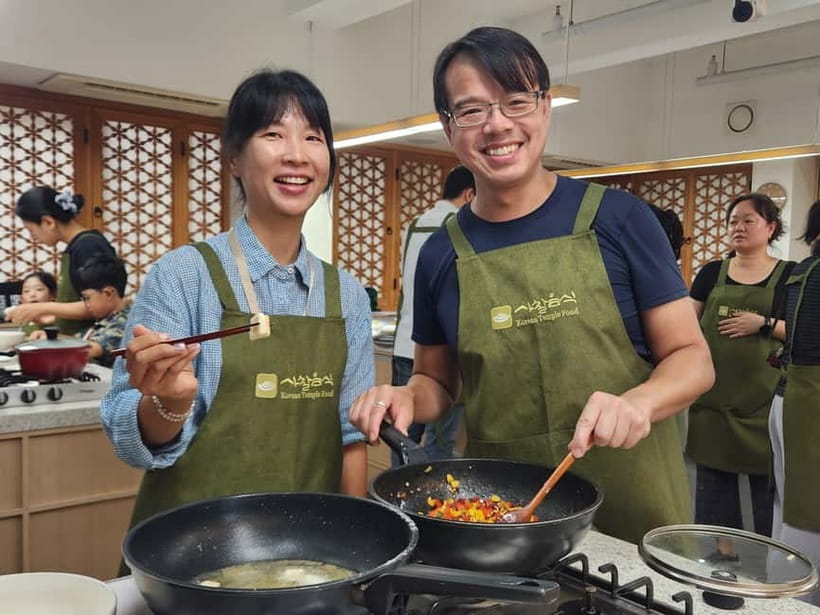
This Seoul experience pairs Buddhist monk–led vegan cooking with a visit to Changdeokgung Palace, and the payoff is practical: you learn what goes into the food, then you taste it. I also like how the day links food, daily life, and Korean tradition without turning it into a lecture.
One thing to plan for: this tour is standing cooking plus an on-foot route the whole way. If you have mobility issues or struggle with long walks, it may feel like too much.
In This Review
- Key Highlights You’ll Actually Feel
- Monk-Led Temple Cooking: Standing, Seasonal, and Seriously Calm
- What Temple Cuisine Philosophy Means on Your Plate
- Jogyesa Temple Stroll: Zen Buddhism in Seoul’s Middle of Everything
- Medicinal Herb and Ginseng Market: Food as Body Care
- Insadong on Foot: Traditional Culture Without the Pressure
- Changdeokgung Palace: UNESCO Quiet, Royal-Scale Calm
- Price and What You Get for About $73
- Practical Tips: How to Make the Day Feel Effortless
- Who Should Book This (and Who Should Skip It)
- Should You Book This Seoul Vegan Temple Food Class?
- FAQ
- Is the temple food class vegan?
- Do I get to eat what I cook?
- Can I take leftover food with me?
- Will the menu be the same every day?
- Is the tour mostly walking?
- Does the tour include Changdeokgung Palace admission?
- Is the tour offered in English?
- What happens if it rains or snows?
Key Highlights You’ll Actually Feel
- Hands-on vegan cooking with a practicing monk: you’ll work the ingredients yourself, not just watch.
- Mindful temple cuisine explained as a philosophy: seasonality, simplicity, and monastic values connect to each dish.
- Jogyesa Temple on foot: walk through a real Zen setting right in Seoul.
- Medicinal herb and ginseng market stops: learn how Korean food thinking connects to body care.
- Changdeokgung Palace with UNESCO gravitas: royal-era architecture and quiet gardens, guided in English.
Keep walking the palaces of old Seoul
- Seoul: Gyeongbok Palace, Bukchon Village, and Gwangjang Tour★ 4.9 · 2,321 reviews
- Best Seoul City Tour (Gyeongbokgung Palace,Insadong,Namsan Tower)★ 5.0 · 1,647 reviews
- Small-Group Royal Palace and Seoul City Tour (hotel pick-up)★ 5.0 · 1,474 reviews
- Seoul City Sightseeing Tour Including Gyeongbokgung Palace, N Seoul Tower, and Namsangol Hanok Village★ 5.0 · 1,423 reviews
Monk-Led Temple Cooking: Standing, Seasonal, and Seriously Calm
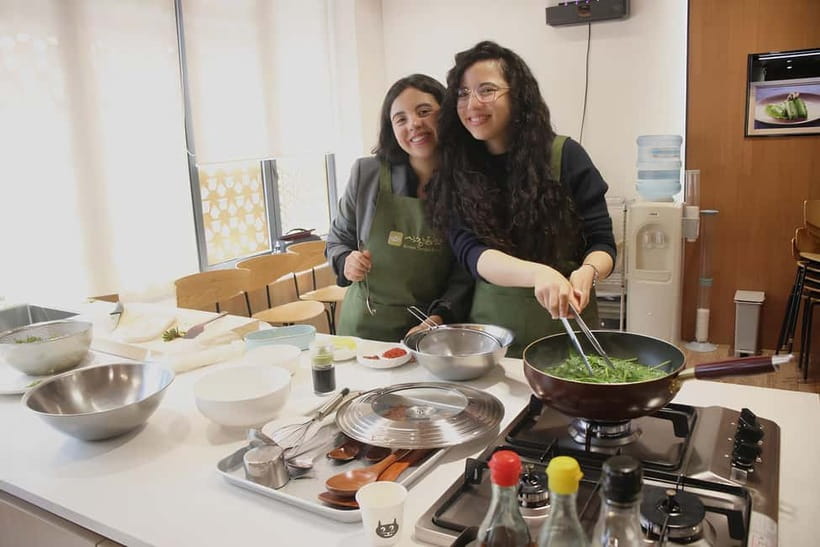
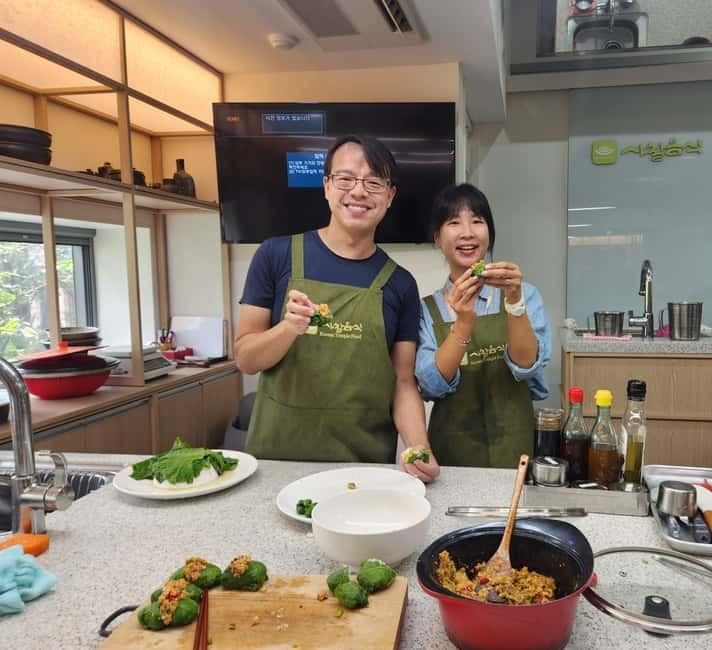
The day starts in a calm studio setting, where the instructor is a practicing Buddhist monk. That part matters. You’re not just learning “how to cook Korean vegan food.” You’re cooking in a framework that treats meals as something made with attention, not speed.
You’ll prep and cook standing, and the class is hands-on from start to finish. Expect to chop, mix, shape, and season your dishes yourself. The menu is not fixed either. Because temple food leans on seasonal ingredients, the dishes you make change each time. That keeps it authentic, but it also means you shouldn’t bank on one specific recipe if you’re hoping to recreate a particular dish exactly from memory.
And yes, it’s fully plant-based in a very straightforward way: temple food here contains no meat at all. That’s great if you eat vegetarian, and it’s also a relief if you’ve ever had to stress about hidden broths or off-menu ingredients while traveling.
What Temple Cuisine Philosophy Means on Your Plate
Temple food is often described as “simple,” but the simplicity is the point, not the marketing. The monk-led portion focuses on why each ingredient matters—especially in a temple context where food waste is strongly avoided.
Before you cook, you’ll get context about the philosophy behind temple cuisine: seasonality (using what’s available and appropriate), simplicity (fewer ingredients done well), and harmony (balancing flavors and textures with intention). During cooking, those ideas show up in small decisions—how you treat ingredients, how you season, and how you handle timing.
After the class, you get to taste what you made on-site. Here’s the practical catch: temples aim to avoid food waste, so the expectation is that you finish your meal where you eat. If you want to take something with you, bring your own reusable container. It’s a small detail, but it changes the vibe from casual souvenir-food to responsible eating.
Jogyesa Temple Stroll: Zen Buddhism in Seoul’s Middle of Everything
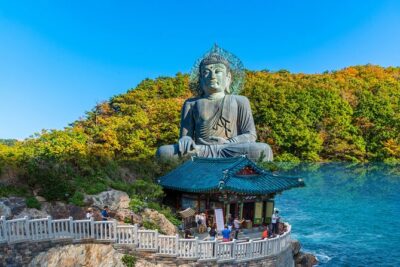
After cooking, you head to Jogyesa Temple, often described as the spiritual heart of Korean Zen Buddhism. This is one of those places where you can feel the contrast: you go from a studio focused on mindfulness and ingredients, then you step into a temple environment shaped by ritual and everyday devotion.
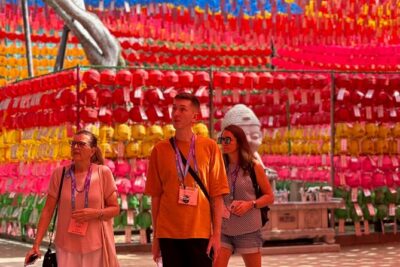
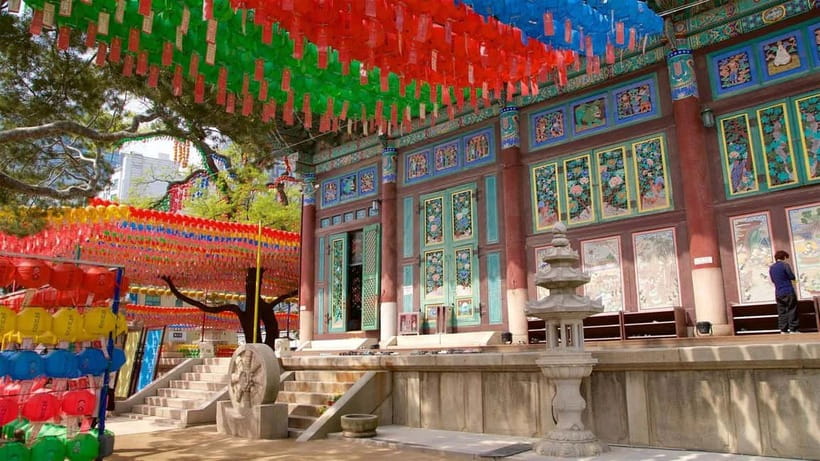
You’ll stroll through the grounds under ancient trees and colorful lanterns. The guide helps connect what you see to how Buddhist influence still shows up in daily life in Korea—so you’re not just taking pictures and moving on. Even if you don’t know the terminology, the experience lands because it’s guided and grounded.
One practical note: because this whole tour is conducted on foot, you’ll want to wear comfortable shoes. Temples are uneven in places, and your best experience will come from walking slowly enough to actually look.
Quieter hours at more of Seoul's temples
Medicinal Herb and Ginseng Market: Food as Body Care
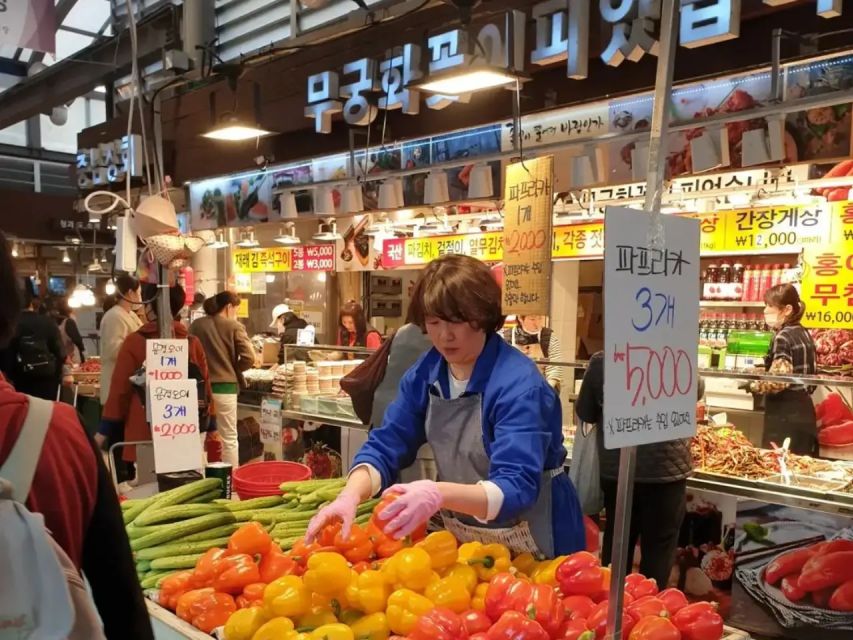
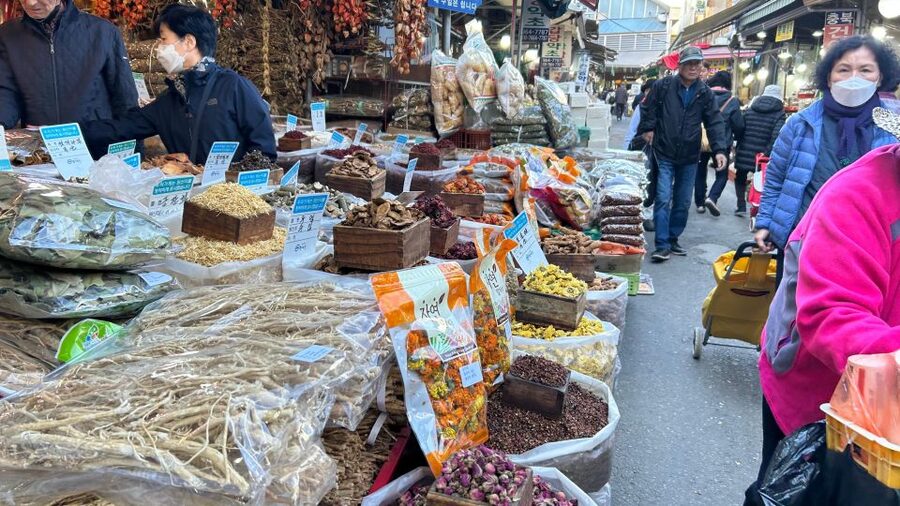
A standout part of this experience is the focus on Korean medicine through food thinking. You’ll explore the medicinal herb and ginseng market—described as one of Korea’s largest. This is where the tour becomes more than cooking and temples; it becomes a look at how ingredients are understood in relation to the body.
You’ll learn about medicinal ingredients and how traditional food ideas can be connected to body types. The theme that comes through is food as care. Not in a miracle-cure way, but in a “people used these foods and herbs based on traditional concepts” way—something your guide translates into clear, everyday language in English.
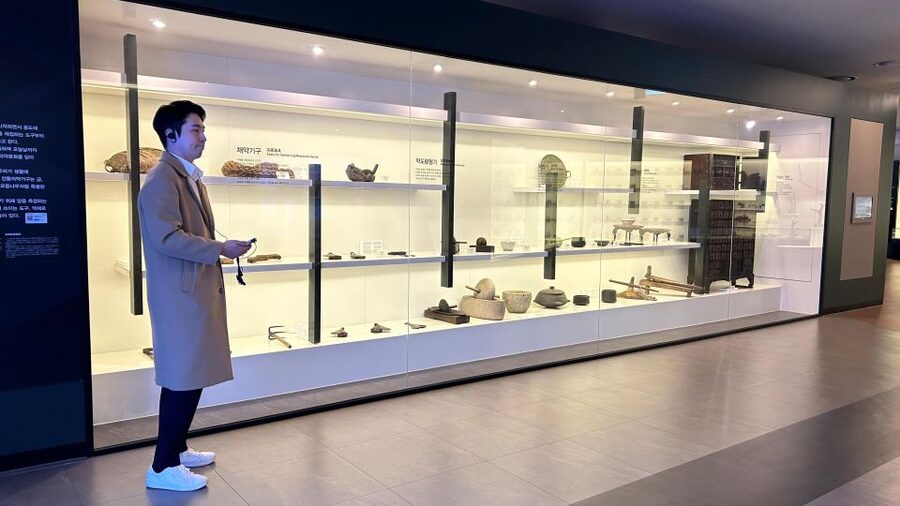
Some versions of this stop also include time for a museum-style display and traditional-dress presentation while you’re at the market area, plus small opportunities to taste teas or snacks depending on what’s available that day. Even if you skip the tasting, you still get something useful: vocabulary for herbs, and a better sense of why ginseng shows up so often in Korean food and wellness talk.
Insadong on Foot: Traditional Culture Without the Pressure
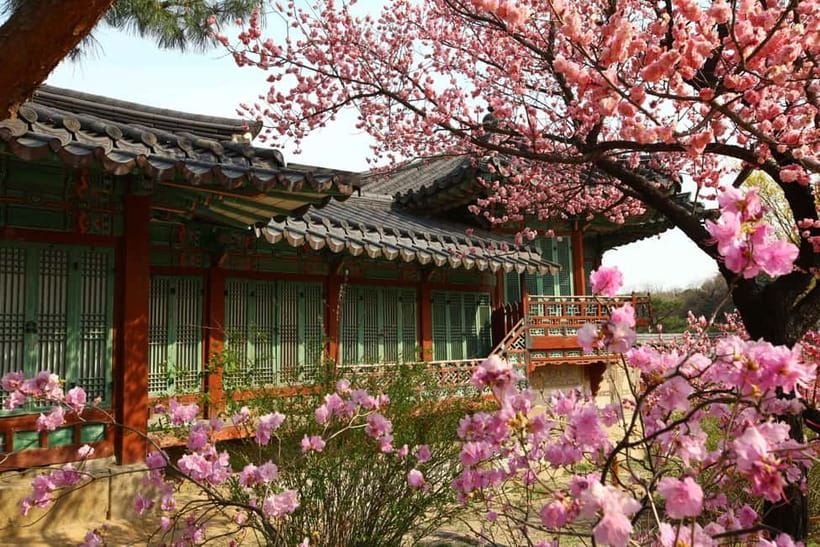
After the market area, you move into Insadong’s traditional lanes. This isn’t a museum corridor. It’s street culture: teahouses, craft shops, and calligraphy studios. The charm here is that you can wander at your own pace while still having a guide to steer you toward what’s worth seeing.
This is a nice reset after the more intense sensory experience of a market. Insadong gives you room to slow down—pause for tea, browse handmade items, and watch artists at work if you pass by the right spots.
Because the tour is on foot, you’ll want to keep your daypack light. You’re going to pick up a few small souvenirs (calligraphy items are common), and you’ll appreciate having easy hands-free storage for them.
Changdeokgung Palace: UNESCO Quiet, Royal-Scale Calm
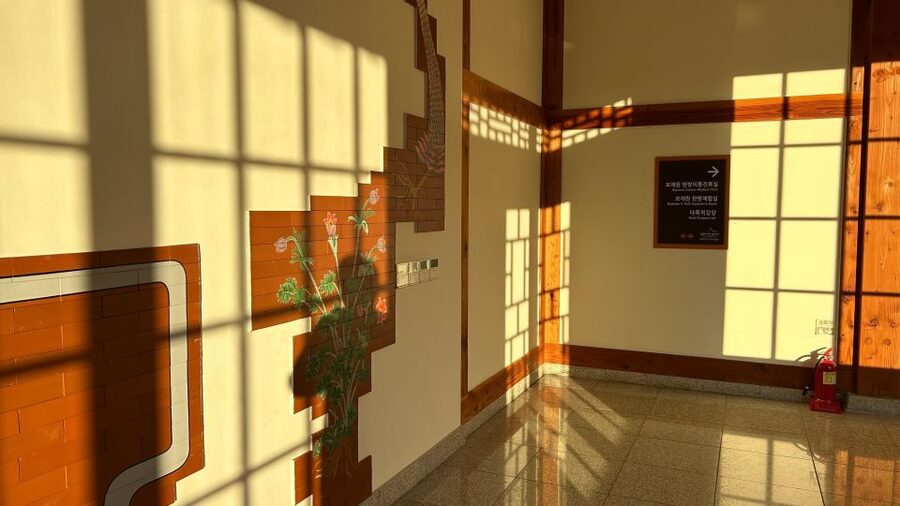
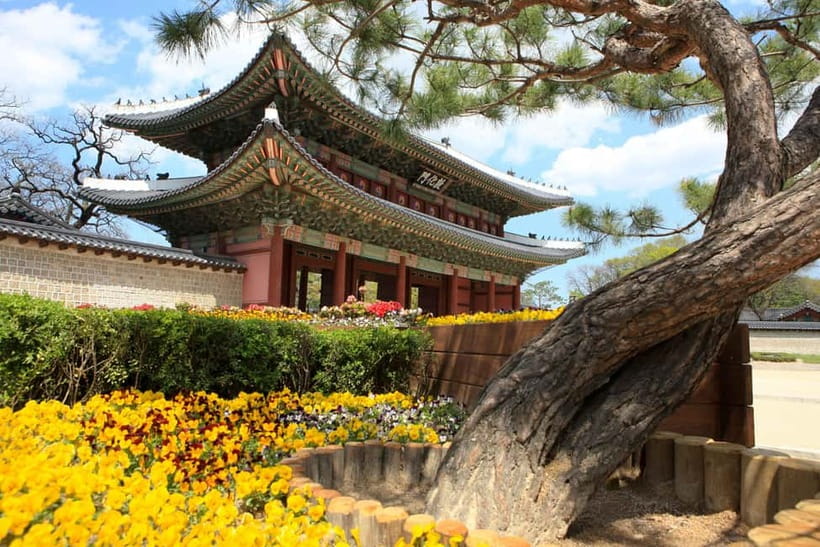
Changdeokgung Palace is the grand finale: a UNESCO World Heritage site and former home of Korean royalty. If you like architecture, gardens, or just the feeling of being in a place that’s been respected for centuries, this stop is the one that makes the day feel complete.
What I like most here is how the guided storytelling helps you read the space. You’re not only seeing graceful buildings and quiet gardens—you’re hearing Joseon dynasty context that gives the visuals meaning. The gardens in particular are where the “serene” description becomes real. It’s calmer than you expect for a big Seoul landmark, and the pacing of the tour lets you actually enjoy the atmosphere.
Admission to Changdeokgung Palace is included, so you’re not adding tickets or figuring out entry times. You just show up, walk in, and let the guide do the connecting-the-dots work.
Price and What You Get for About $73
At $73 per person, this tour can feel like a little splurge—but the value is pretty clear when you break it down.
You’re paying for:
- A licensed professional English-speaking tour guide
- A temple food cooking class with a Buddhist monk
- Changdeokgung Palace admission
Cooking classes in Seoul can get pricey fast, especially when you add a specialized instructor and the cultural context that comes with temple-style cooking. On top of that, you’re combining multiple stops that would each take time and effort to arrange on your own: Jogyesa Temple, Insadong wandering, and Changdeokgung Palace.
The one cost that isn’t included is pickup and drop-off, so factor in getting yourself to the meeting point comfortably. If you already know how to use Seoul transit, you’ll likely find this cost aligns well with the experience level.
Practical Tips: How to Make the Day Feel Effortless
Here are the things that will make the tour smoother, based on how the experience operates:
- Wear walking shoes. Cooking is standing, and the rest of the day is on foot.
- Bring a reusable container if you want to take food away. Temples focus on avoiding waste, so plan to eat what you’re served unless you’re prepared.
- Expect seasonal menu changes. Don’t treat it like a recipe class with a guaranteed lineup.
- Bring water and snacks only if you truly need them. You’ll have the planned meal from the class, and the guide handles the pacing.
- Meet at An-guk Station Exit 1. The guide holds a Tripper sign. This matters because Seoul station entrances can feel like a maze if you’re not used to them.
Guides for this experience are English-speaking professionals, and names you might see associated with the tour include Bruce, Gina, Ron, and BJ. Whoever leads your day, the key is that you’ll have interpretation and cultural context, not just “go here, take pictures.”
Who Should Book This (and Who Should Skip It)
This tour is a strong fit if you want:
- A hands-on cooking experience (not a passive meal)
- A deeper look at Korean temple food and Korean medicine ideas
- A guided walk through real religious sites plus cultural streets
- A calmer pace than the typical Seoul checklist
It may be a poor fit if:
- You have mobility issues or difficulty with long walking distances
- Standing for the cooking portion is a problem for you
- You need total predictability in the exact menu you’ll cook (because it changes with seasonal ingredients)
Should You Book This Seoul Vegan Temple Food Class?
I’d book it if you like experiences that connect food to meaning. The monk-led cooking gives you something you can reproduce at home, but the real win is understanding why the food is made the way it is—seasonal, mindful, and waste-conscious. Then the day keeps paying off with Jogyesa’s Zen atmosphere, Insadong’s traditional craft energy, and Changdeokgung’s UNESCO-level calm.
If you can handle standing and walking, this is a high-value way to see Seoul through wellness, tradition, and hands-on cooking—without feeling staged or superficial.
FAQ
Is the temple food class vegan?
Yes. Temple food here contains no meat at all, so it’s fully plant-based.
Do I get to eat what I cook?
Yes. After cooking, you’ll have the opportunity to taste the dishes on-site, and it’s encouraged that you finish the meal there to help avoid food waste.
Can I take leftover food with me?
You can, but you’ll need to bring your own reusable containers.
Will the menu be the same every day?
No. The menu changes each time because temple food uses seasonal ingredients.
Is the tour mostly walking?
Yes. Cooking is done standing, and the entire tour is conducted on foot. It’s not recommended for travelers with mobility issues or difficulty walking long distances.
Does the tour include Changdeokgung Palace admission?
Yes. Admission to Changdeokgung Palace is included.
Is the tour offered in English?
Yes. The tour language is English.
What happens if it rains or snows?
The tour operates as scheduled in rain or snow. Only if weather makes it completely impossible will you be contacted separately.
More Tour Reviews in Seoul
- Best DMZ Tour Korea from Seoul (Red Suspension Bridge Optional)★ 5.0 · 41,422 reviews
- DMZ Tour: 3rd Tunnel, Option(Suspension Bridge, Boat) from Seoul★ 5.0 · 21,373 reviews
- DMZ tour south Korea from Seoul (NK experience hall, defector)★ 5.0 · 20,599 reviews
- Seoul: DMZ Tour with Optional Suspension Bridge★ 4.8 · 5,277 reviews
- Seoul: DMZ The 3rd Tunnel and Suspension Bridge Tour★ 5.0 · 4,656 reviews
More Temple Hours Near Seoul
- Seoul: Palace, Temple and Market Guided Foodie Tour at Night★ 4.9 · 750 reviews
- Seoul: Mt Seorak + Naksansa Temple or Nami Island Group Tour★ 4.7 · 422 reviews
- Best Things to Do – Half Day Seoul Trip (Seoul Palace & Temple)★ 5.0 · 190 reviews
- Mount Seorak and Naksansa Temple One Day Tour from Seoul★ 4.5 · 167 reviews
- Day Tour of Suwon Hwaseong Fortress Starfield Waujeongsa Temple★ 5.0 · 61 reviews
Still More Palaces to Walk
- Seoul: Gyeongbok Palace, Bukchon Village, and Gwangjang Tour★ 4.9 · 2,321 reviews
- Best Seoul City Tour (Gyeongbokgung Palace,Insadong,Namsan Tower)★ 5.0 · 1,647 reviews
- Small-Group Royal Palace and Seoul City Tour (hotel pick-up)★ 5.0 · 1,474 reviews
- Seoul City Sightseeing Tour Including Gyeongbokgung Palace, N Seoul Tower, and Namsangol Hanok Village★ 5.0 · 1,423 reviews
- Seoul: Gyeongbok Palace, Bukchon Village, and Gwangjang Tour★ 5.0 · 1,044 reviews
Just added to Exploring Seoul
Gyeongbokgung & Palace Tours, compared.
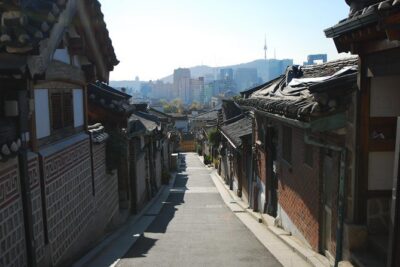 ★ 4.9Gyeongbok Palace, Bukchon Village, and Gwangjang TourFrom $322,321 reviews
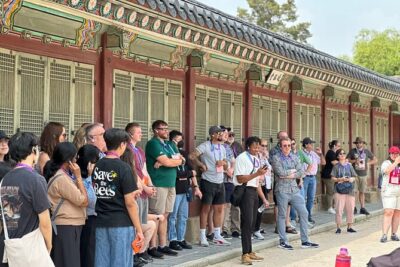 ★ 5.0Best Seoul City Tour (Gyeongbokgung Palace,Insadong,Namsan Tower)From $581,647 reviews
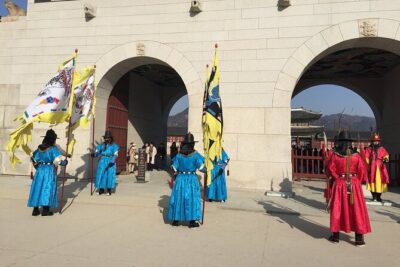 ★ 5.0Small-Group Royal Palace and Seoul City Tour (hotel pick-up)From $561,474 reviews
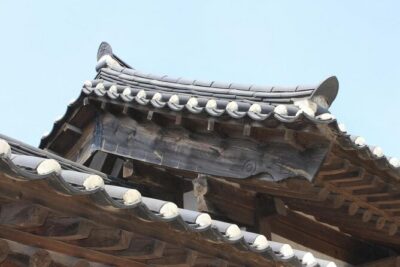 ★ 5.0Seoul City Sightseeing Tour Including Gyeongbokgung Palace, N Seoul Tower, and Namsangol Hanok VillageFrom $801,423 reviews
★ 5.0Gyeongbok Palace, Bukchon Village, and Gwangjang TourFrom $321,044 reviews
★ 5.0Seoul City Sightseeing Tour Including Gyeongbokgung Palace, N Seoul Tower, and Namsangol Hanok VillageFrom $801,423 reviews
★ 5.0Gyeongbok Palace, Bukchon Village, and Gwangjang TourFrom $321,044 reviews
 ★ 4.9Seoul Half-Day City Highlight, Palace Tour with HanbokFrom $49764 reviews
 ★ 4.9Palace, Temple and Market Guided Foodie Tour at NightFrom $60750 reviews
 ★ 4.7Seoul Highlights: Gyeongbok Palace, Insadong & N Seoul TowerFrom $26726 reviews
Browse the lists this tour appears in