
Reviewed · GYEONGBOKGUNG & PALACE TOURS
Seoul UNESCO Heritage Palace, Shrine, and More Tour
UNESCO sites, planned for your morning pace. You’ll hit Jongmyo Shrine and Changdeokgung Palace with a guide, with a hanok village stop built in so you see Korea’s Joseon-era world rather than just standing in front of buildings. I especially like the way guides name the stories behind what you’re looking at, and how the tour is timed to keep you moving without feeling like a full-day marathon.
One thing to consider: the schedule can feel a bit rushed, and the last stop (ginseng) is where the tone can shift from sightseeing to sales. Also, some parts may be affected by renovations or access restrictions, and the exact UNESCO sites can change based on closures by weekday.
In This Review
- Key highlights worth clocking
- Price and what you truly get in 4 hours
- Meeting in Myeongdong: how the tour starts and how you’ll move
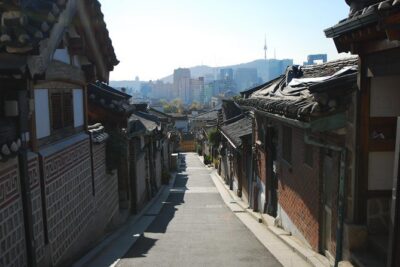
- Bukchon Hanok Village at the Bukchon Traditional Culture Center
- Jongmyo Shrine: what you’ll learn, plus the Tuesday switch
- Changdeokgung Palace: Joseon royal villa life and the rear garden
- The Cheongha Korea Ginseng Museum stop: useful or salesy?
- Timing and pacing: how to make the most of the UNESCO morning
- Guides can make or break it: what to watch for
- How this tour fits your Seoul itinerary (and who it suits)
- Should you book this Seoul UNESCO Palace and Shrine Tour?
- FAQ
- How long is the tour?
- What time does the tour start, and where?
- Which UNESCO sites are included?
- What happens if Jongmyo is closed?
- What happens if Changdeokgung Palace is closed?
- Is transportation included?
- Are admission tickets included?
- Are meals included?
Key highlights worth clocking
- Two UNESCO World Heritage stops in one half-day loop: Jongmyo Shrine and Changdeokgung Palace Complex
- Bukchon Hanok Village context before the palaces, so the architecture and social structure make more sense
- Weekday swaps keep the tour running: Jongmyo can switch to Insadong, and Changdeokgung can switch to Gyeongbokgung
- Guide energy varies by person but is consistently the main value add, from Leo and Sam to Dragon, Jung, and Park
- Ginseng museum is free, but opinions differ on how sales-focused it feels
- Drop-off in Myeongdong makes it easy to keep eating, walking, and shopping after the tour ends
Keep walking the palaces of old Seoul
- Seoul: Gyeongbok Palace, Bukchon Village, and Gwangjang Tour★ 4.9 · 2,321 reviews
- Best Seoul City Tour (Gyeongbokgung Palace,Insadong,Namsan Tower)★ 5.0 · 1,647 reviews
- Small-Group Royal Palace and Seoul City Tour (hotel pick-up)★ 5.0 · 1,474 reviews
- Seoul City Sightseeing Tour Including Gyeongbokgung Palace, N Seoul Tower, and Namsangol Hanok Village★ 5.0 · 1,423 reviews
Price and what you truly get in 4 hours
At $34 per person for a 4-hour group tour, you’re not just paying for entry tickets. You’re paying for a guide who translates the why behind each UNESCO site and for air-conditioned minivan transport that keeps the day simple in a city that can be confusing early on.
Admissions for the palace and shrine components are included, and the itinerary also includes the Bukchon Traditional Culture Center stop plus a short final visit to the Cheongha Korea Ginseng Museum (admission is free there). Meals are not included, so plan to treat the tour as a cultural sprint, then eat afterward.
This is also one of those tours where value depends on your style. If you like a “show me the highlights fast” approach, this fits well. If you prefer slow wandering, you’ll want to pair it with free time elsewhere in Seoul so you can re-visit later at your own pace.
Meeting in Myeongdong: how the tour starts and how you’ll move
You start at 8:30 am at Myeongdong Station, Exit 1061-7 (Chungmuro 2(i)-ga, Jung District). The tour ends with drop-off in the Myeong-dong area, which is convenient because it’s a natural launch pad for lunch and evening plans.
Transport is included via air-conditioned minivan from centrally located hotels. If your hotel/guesthouse is tucked behind alleys (a common Seoul situation), pickup may not work. In that case, your English guide meets you in front of the nearest central hotel or the nearest subway station.
Two practical tips that matter for the whole day:
- Wear shoes you’re comfortable walking in. You’ll be on your feet through hanok streets and palace grounds.
- Bring a light layer. Palaces and shrine areas can feel cool in the morning even when the city warms up later.
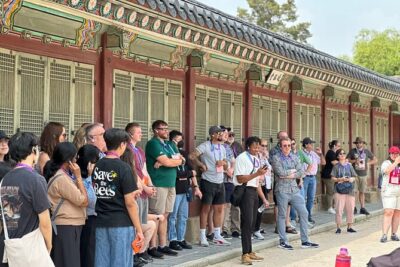
Group size is capped at 40 travelers, which usually helps keep the tour coordinated rather than chaotic. Still, it’s a group. Expect some waiting while everyone catches up, especially when entering larger historic sites.
Bukchon Hanok Village at the Bukchon Traditional Culture Center
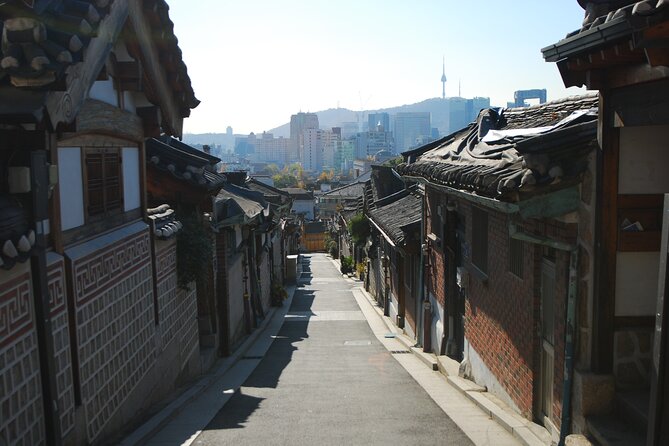
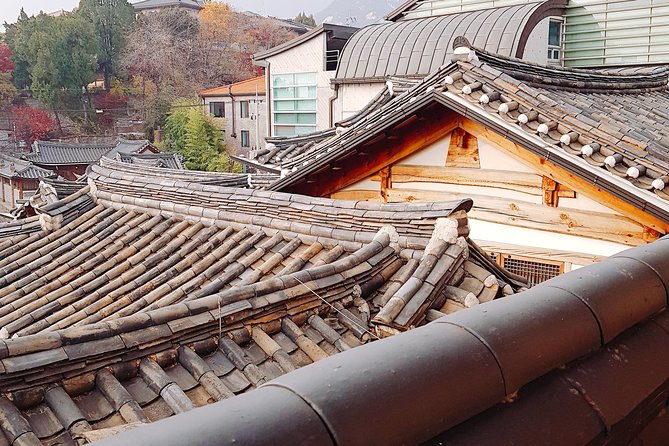
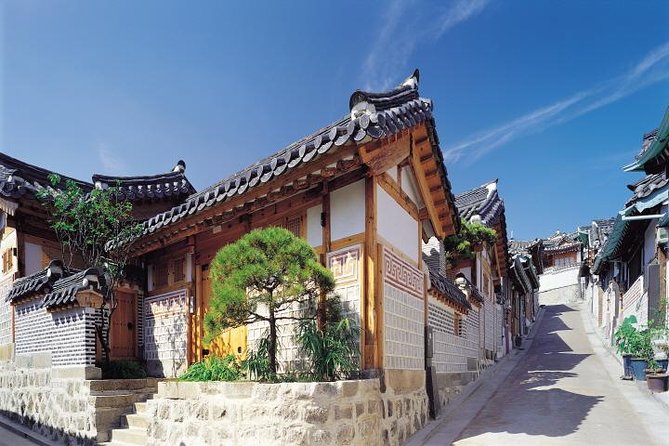
Your first stop is the Bukchon Traditional Culture Center, where you get the “street museum in the urban core” idea in a very practical way. Bukchon is known for its hanok homes—traditional houses that trace back to the Joseon Dynasty era, with the area often described as dating to the 14th century.
This stop works as a warm-up. Before you step into palaces, you learn how ordinary life and elite life were shaped by layout, courtyards, and neighborhood geography. A good guide will point out details you’d miss on your own, like how the village grid guides views and movement.
You’ll have about 40 minutes here, and admission is included. In that time, you can enjoy the architecture and learn the basic context without feeling like you’re trapped in a long walking maze.
One caution: access can be restricted at times. If that happens, the guide can adjust timing to keep the tour flowing. It’s worth going in with flexible expectations: you might get fewer photo angles than you hoped, but you’ll still get the story and the main feel of the area.
A handful of other Seoul experiences to line up next
Jongmyo Shrine: what you’ll learn, plus the Tuesday switch
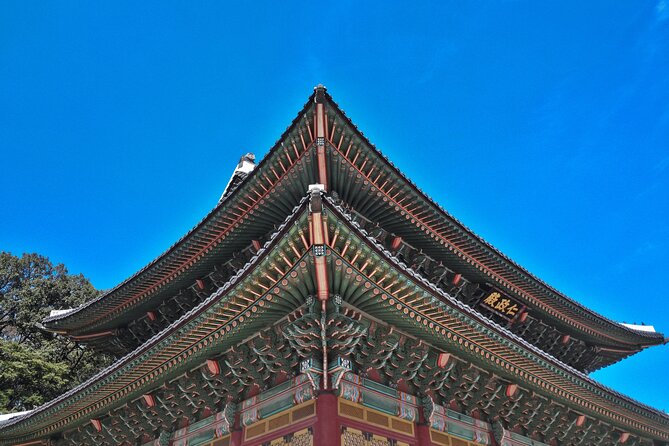
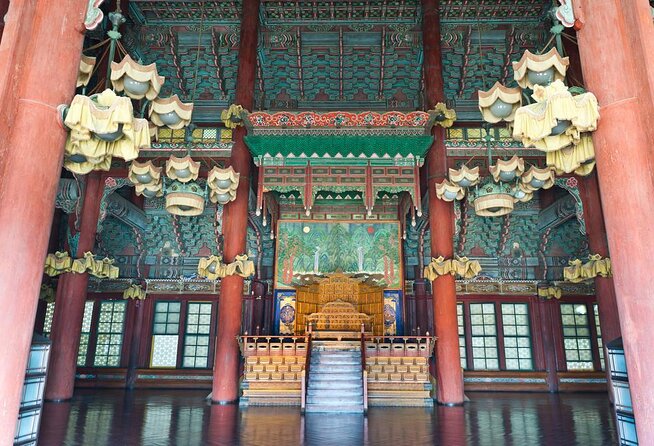
Jongmyo is the ancestral shrine where the memorial tablets of Joseon kings and queens are enshrined. The big idea to keep in mind is that this wasn’t just a monument. It’s tied to ongoing ritual practice—memorial services have been held for centuries, commemorating the monarchs of the Joseon Dynasty.
You’ll typically spend about 40 minutes, and admission is included. With a strong guide, this is one of the stops that feels more meaningful than it sounds on paper because you get the cultural logic behind the layout and the ceremonies linked to the site.
The day-to-day reality: Jongmyo Royal Shrine is closed on Tuesday. On Tuesday, the tour swaps this stop for an Insadong Antique shop alley visit instead. That means you still get a cultural neighborhood experience, but you’re trading shrine rituals for a market-style, traditional-crafts atmosphere.
If your heart is set on the UNESCO aspect specifically, check your travel day. Sunday morning was called out as especially pleasant in at least one guide experience—often because crowds are lower and the morning light makes palace and shrine grounds feel calmer.
Also note: some parts can be under renovation. When that happens, you may see scaffolding or limited access areas. It doesn’t ruin the visit, but it does mean you should adjust your expectations about photo-perfect views.
Changdeokgung Palace: Joseon royal villa life and the rear garden
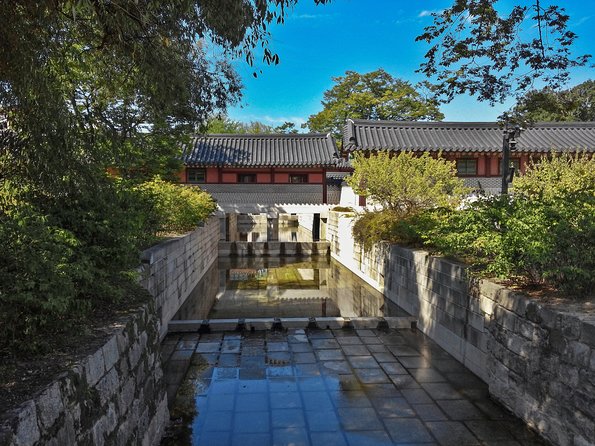
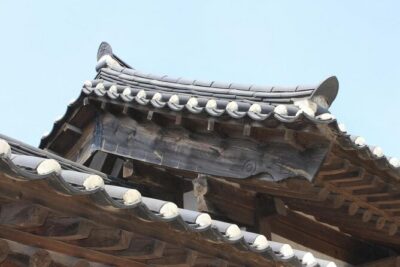
Changdeokgung Palace is one of the best-preserved palaces of the Joseon Dynasty, and it was a royal villa used as a principal palace for many kings. This is the stop that many people remember because it feels less like a giant “open museum room” and more like a lived-in royal landscape.
You’ll spend about 1 hour here, with admission included. The grounds are described in three big areas: a public palace area, buildings for the royal family residence, and the rear garden.
That rear garden is a highlight for a reason. It’s known for a gigantic tree that’s over 300 years old, plus a pond and a pavilion. Even if you’re not a gardening person, it helps you understand why this palace is famous for royal rest and retreat, not just official ceremonies.
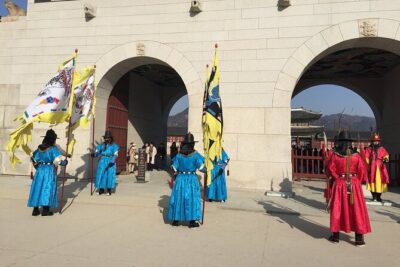
Closures again affect the swap: Changdeokgung Palace is closed on Monday, and on Monday the tour visits Gyeongbokgung Palace instead. Gyeongbokgung is also a major Joseon palace, so you’re not left high and dry—you’re just moving to a different landmark on a different day.
One more practical note: pacing can feel tight at the palace stop. A few people pointed out there wasn’t always time to fully absorb what the guide explained right before the group moved on. That’s not a reflection on the guide’s quality; it’s a time-management reality of a multi-stop half-day.
The Cheongha Korea Ginseng Museum stop: useful or salesy?
This is the wildcard in the itinerary. You’ll visit the Cheongha Korea Ginseng Museum for about 30 minutes, and admission is free.
The basic topic is ginseng—how it’s been referenced historically and why it’s used in wellness contexts. The tour description frames Korean ginseng as having adaptogenic properties, and the museum is positioned as a place to learn the story behind that reputation.
What you need to know is that this stop can feel different from the rest of the day. One review experience described it as a hard sell, which can make the tone feel less like education and more like persuasion. That doesn’t mean you’ll be uncomfortable, but it does mean you should decide beforehand how much you want to engage with product-focused explanations.
My advice: treat it as a short cultural/wellness add-on, not a “must-see attraction.” If you’re the type who hates sales pressure, you can keep your expectations low and enjoy it as a quick stop, then move on.
Timing and pacing: how to make the most of the UNESCO morning
This tour is designed for efficiency. That’s the point. You’ll cover a lot of territory, and you’ll likely learn a lot in a compressed window.
The best way to enjoy a tight schedule is to show up with two mental goals:
- Learn the core story of each place (who used it, what it meant, why it was built that way)
- Take quick photos of the big moments, then let the guide’s narration do the heavy lifting
If you want extra time, pair this tour with your own slow walk later. Myeongdong is a great base for that because you can step out right after drop-off and continue your day without changing neighborhoods.
Also: renovations and access restrictions can change what you see at a given moment. If your priorities are strict photo angles, plan a follow-up day to re-check key spots. If your priorities are understanding and atmosphere, this tour’s format can actually work in your favor.
Guides can make or break it: what to watch for
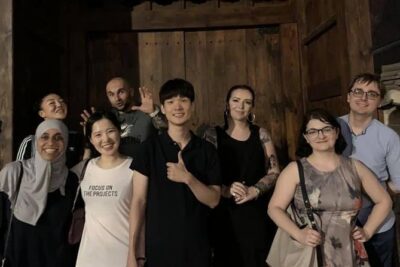
The tour’s most consistently praised ingredient is the guide. Names like Leo and Sam come up as enthusiastic and friendly, with clear explanations that connect the sites to how people lived. Guides such as Dragon, Jung, and Park also appear in positive notes for being engaging, answering questions, and sharing anecdotes that help you connect the dots.
There’s also evidence that strong guides can handle hiccups. One experience mentioned restricted access at Bukchon, with the guide rearranging timing to make the day work anyway. That flexibility matters because historic sites don’t run on your schedule.
What you should do as a reader:
- Ask questions early, not halfway through. The guide can set your understanding up for better palace and shrine moments.
- If photography matters to you, ask for pointers. Some guides are happy to help you frame shots and document the day.
A small note: group tours mean you might not get the same experience every day because guides and conditions vary. But the tour structure is set up so that a good guide can still give you a high-impact morning.
How this tour fits your Seoul itinerary (and who it suits)
This tour is best for you if:
- You want UNESCO highlights without spending a full day traveling between sites
- You enjoy being guided through context rather than piecing it together alone
- You’re staying near Myeongdong or can reach a central pickup meeting spot easily
It’s also a great choice for first-timers who feel overwhelmed. Bukchon + Jongmyo + Changdeokgung in one half-day can give you a backbone for understanding later visits.
You might want to skip it (or add extra time) if:
- You hate tours that feel rushed
- You’re hoping to linger for deep palace photography or long quiet wandering
- You strongly dislike any shopping or persuasion-style segments (the ginseng stop is the most likely trigger)
Should you book this Seoul UNESCO Palace and Shrine Tour?
I’d book it if your goal is a smart, guided hit of Joseon-era Seoul: hanok village context, then UNESCO shrine and palace grounds, then back to Myeongdong for your own food and evening plans. The value at $34 makes sense because you’re not just buying tickets—you’re buying interpretation, plus minivan transport, plus a tidy half-day block in a city where time adds up fast.
I would pause before booking if you’re very sensitive to pace. This tour moves, and the palace stop can feel like it doesn’t give you extra minutes to sit with what you’re learning. Also, be aware that the last stop can feel sales-forward depending on how you personally react.
If you’re flexible, curious, and okay with a morning sprint, this is a solid way to see major UNESCO sites without losing your whole day.
FAQ
How long is the tour?
The tour runs about 4 hours.
What time does the tour start, and where?
It starts at 8:30 am at Myeongdong Station Exit 1061-7 (Chungmuro 2(i)-ga, Jung District). The tour ends in the Myeong-dong area.
Which UNESCO sites are included?
The tour includes Jongmyo Shrine and the Changdeokgung Palace Complex.
What happens if Jongmyo is closed?
Jongmyo Royal Shrine is closed on Tuesday, and the tour visits Insadong Antique shop alley instead.
What happens if Changdeokgung Palace is closed?
Changdeokgung Palace is closed on Monday, and the tour visits Gyeongbokgung Palace on Monday instead.
Is transportation included?
Yes. The tour includes transport by air-conditioned minivan. Hotel pickup is only available for centrally located Seoul hotels.
Are admission tickets included?
Yes. Admission is included for the Bukchon Traditional Culture Center and for the UNESCO palace/shrine stops. The ginseng museum admission is free.
Are meals included?
No. Meals and drinks are not included.
More Tours in Seoul
- Best DMZ Tour Korea from Seoul (Red Suspension Bridge Optional)★ 5.0 · 41,422 reviews
- DMZ Tour: 3rd Tunnel, Option(Suspension Bridge, Boat) from Seoul★ 5.0 · 21,373 reviews
- DMZ tour south Korea from Seoul (NK experience hall, defector)★ 5.0 · 20,599 reviews
- Seoul: DMZ Tour with Optional Suspension Bridge★ 4.8 · 5,277 reviews
- Seoul: DMZ The 3rd Tunnel and Suspension Bridge Tour★ 5.0 · 4,656 reviews
More Tour Reviews in Seoul
- Best DMZ Tour Korea from Seoul (Red Suspension Bridge Optional)★ 5.0 · 41,422 reviews
- DMZ Tour: 3rd Tunnel, Option(Suspension Bridge, Boat) from Seoul★ 5.0 · 21,373 reviews
- DMZ tour south Korea from Seoul (NK experience hall, defector)★ 5.0 · 20,599 reviews
- Seoul: DMZ Tour with Optional Suspension Bridge★ 4.8 · 5,277 reviews
- Seoul: DMZ The 3rd Tunnel and Suspension Bridge Tour★ 5.0 · 4,656 reviews
Still More Palaces to Walk
- Seoul: Gyeongbok Palace, Bukchon Village, and Gwangjang Tour★ 4.9 · 2,321 reviews
- Best Seoul City Tour (Gyeongbokgung Palace,Insadong,Namsan Tower)★ 5.0 · 1,647 reviews
- Small-Group Royal Palace and Seoul City Tour (hotel pick-up)★ 5.0 · 1,474 reviews
- Seoul City Sightseeing Tour Including Gyeongbokgung Palace, N Seoul Tower, and Namsangol Hanok Village★ 5.0 · 1,423 reviews
- Seoul: Gyeongbok Palace, Bukchon Village, and Gwangjang Tour★ 5.0 · 1,044 reviews
Just added to Exploring Seoul
Gyeongbokgung & Palace Tours, compared.
 ★ 4.9Gyeongbok Palace, Bukchon Village, and Gwangjang TourFrom $322,321 reviews
 ★ 5.0Best Seoul City Tour (Gyeongbokgung Palace,Insadong,Namsan Tower)From $581,647 reviews
 ★ 5.0Small-Group Royal Palace and Seoul City Tour (hotel pick-up)From $561,474 reviews
 ★ 5.0Seoul City Sightseeing Tour Including Gyeongbokgung Palace, N Seoul Tower, and Namsangol Hanok VillageFrom $801,423 reviews
★ 5.0Gyeongbok Palace, Bukchon Village, and Gwangjang TourFrom $321,044 reviews
★ 5.0Seoul City Sightseeing Tour Including Gyeongbokgung Palace, N Seoul Tower, and Namsangol Hanok VillageFrom $801,423 reviews
★ 5.0Gyeongbok Palace, Bukchon Village, and Gwangjang TourFrom $321,044 reviews
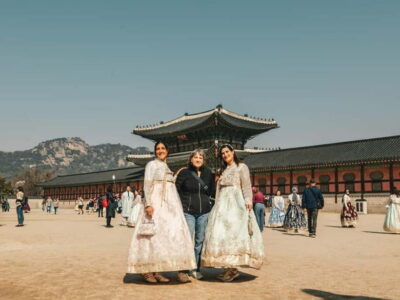 ★ 4.9Seoul Half-Day City Highlight, Palace Tour with HanbokFrom $49764 reviews
 ★ 4.9Palace, Temple and Market Guided Foodie Tour at NightFrom $60750 reviews
 ★ 4.7Seoul Highlights: Gyeongbok Palace, Insadong & N Seoul TowerFrom $26726 reviews
Browse the lists this tour appears in