
Reviewed · GYEONGBOKGUNG & PALACE TOURS
Seoul Hop-On Hop-Off Downtown Palace Course
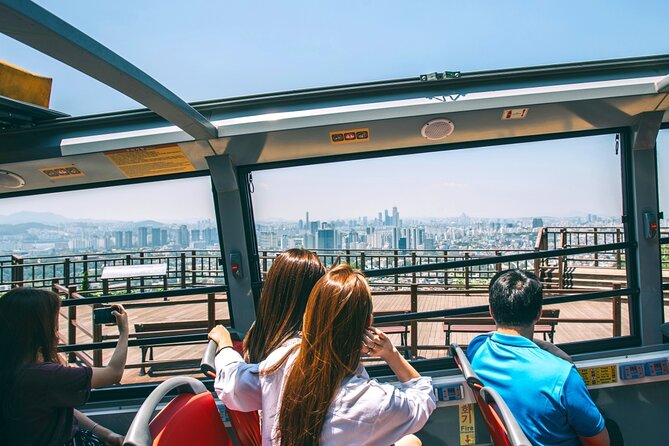
Palaces, minus the cross-city hassle. This Seoul hop-on hop-off palace route is built for skipping the long subway exit hunts, with a mobile ticket that keeps boarding straightforward.
What I like most is the freedom to hop on and off at each palace-area stop, and the on-board multilingual audio guide that gives you context while you roll past the sights.
One big thing to plan for: getting on smoothly can take a little work, since the boarding stop and route details aren’t always crystal clear, and the bus audio can be loud when multiple languages are broadcasting.
In This Review
- Key things to know before you ride
- Why This Palace Loop Works When Seoul Feels Like a Maze
- Boarding at 서울 타이거버스 정류장: How to Avoid the “Where Is It?” Moment
- Using the Audio Guide Without Fighting the Volume
- The Route’s Big Idea: You’re Trading Subway Logistics for Palace Time
- Changdeokgung Stop: What You Gain When You Can Take Your Time
- Deoksugung Stop: A Palace Area Easy to Pair With Your Other Plans
- Gwangwhamun Area: Using the Bus to Connect Palace Viewing and City Energy
- Timing: 1.5 Hours of Circulation and How to Build a Real Schedule
- Price and Value: Is $38 Worth It?
- Comfort and Practical Rules (Things That Can Affect Your Day)
- Who This Tour Suits Best
- Should You Book This Seoul Palace Hop-On Hop-Off Bus?
- FAQ
- How long is the Seoul Hop-On Hop-Off Downtown Palace Course?
- What time does the tour start, and where do I meet the bus?
- Is this tour ticket mobile?
- What languages are available for the audio guide?
- Are palace entrance fees included in the ticket price?
- How often do the buses run?
- Can I bring food or drinks onto the vehicle?
Key things to know before you ride
- Mobile ticket setup means less paperwork when you’re figuring out where to board
- Multilingual audio guide (many languages available) helps you understand what you’re looking at
- Hop-on hop-off freedom lets you spend as long as you want at each palace-area stop
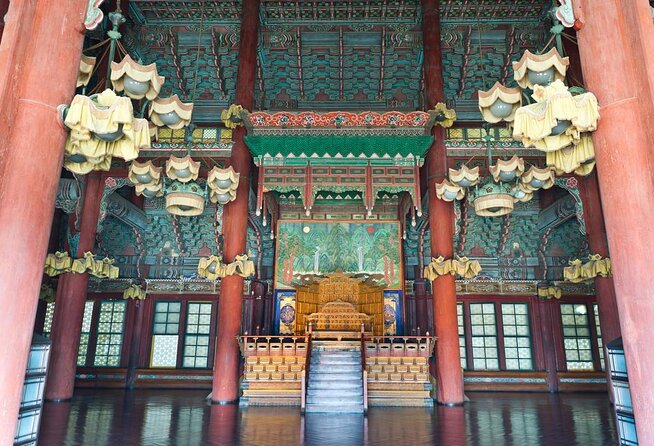
- Palace-area focus: routes include Changdeokgung, Deoksugung, and the Gwangwhamun area
- Frequency is frequent-ish (about every 30 minutes), but build in slack if you’re tight on time
- No food or drinks on board, so plan snacks before you board or after you hop off
Keep walking the palaces of old Seoul
- Seoul: Gyeongbok Palace, Bukchon Village, and Gwangjang Tour★ 4.9 · 2,321 reviews
- Best Seoul City Tour (Gyeongbokgung Palace,Insadong,Namsan Tower)★ 5.0 · 1,647 reviews
- Small-Group Royal Palace and Seoul City Tour (hotel pick-up)★ 5.0 · 1,474 reviews
- Seoul City Sightseeing Tour Including Gyeongbokgung Palace, N Seoul Tower, and Namsangol Hanok Village★ 5.0 · 1,423 reviews
Why This Palace Loop Works When Seoul Feels Like a Maze
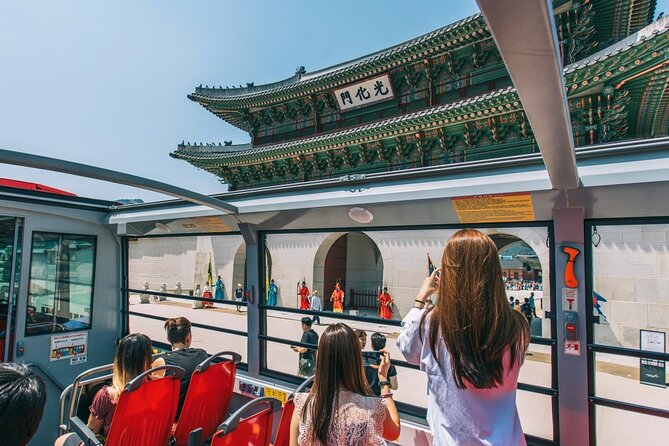
Seoul is fantastic, but getting between landmarks can turn into a lot of stair time. This downtown palace course is attractive because it turns that into one simple bus day: you ride the loop, then step off when you want to explore a palace up close.
The payoff is real. Instead of bouncing between subway lines and figuring out which exit dumps you nearest to the gate, you get a bus that keeps returning you to palace-area stops. And since it’s hop-on hop-off, you can match your pace—quick photo loop at one place, slower wandering at another.
The other part that matters is the audio guide. Even if you’re not a palace-history fanatic, it helps you spot what’s going on: major buildings, ceremonial spaces, and how these sites connect to Korea’s royal past. The bus audio is available in a long list of languages, which is great if you’re traveling with a mix of backgrounds.
Boarding at 서울 타이거버스 정류장: How to Avoid the “Where Is It?” Moment
Your start time is 9:30 am, and the meeting point is 서울 타이거버스 정류장. The experience lives or dies on one thing here: actually finding the correct spot in time.
A pattern shows up in the feedback: some people had trouble spotting the bus stop or the exact pickup location, and others struggled with maps or stop markings that weren’t clear enough to guide them back to boarding after hopping off. That’s not a small issue—if you miss the bus, you can waste a lot of time.
My practical take: arrive early enough to walk around the immediate area, check the correct direction of the roadway, and make sure you’re on the right side before you settle in. If you’re using your phone, have the Korean stop name ready and take a screenshot in case you lose signal.
Also, don’t assume every hop-on hop-off setup works the same way. Here, you’ll want to watch for the correct bus service and then double-check it’s stopping where you need it.
Using the Audio Guide Without Fighting the Volume
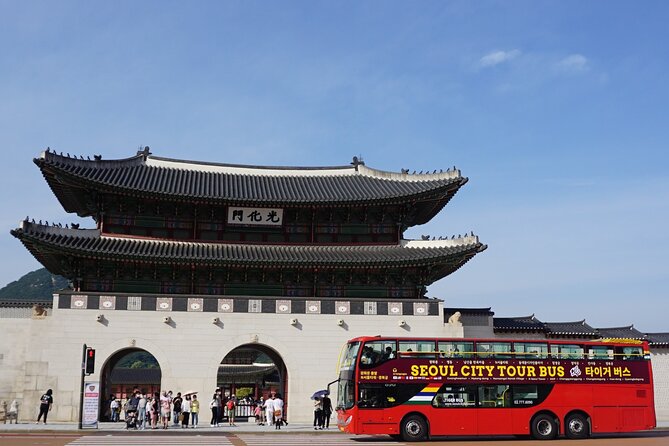
This bus includes an on-board audio guide in English, Korean, Chinese, Japanese, Russian, German, French, Spanish, Thai, Vietnam, Indonesia, and Malaysia. That’s a big coverage list for one route, and it’s one of the best reasons to choose a guided audio format instead of DIY wandering.
But here’s the catch: the bus may play a Korean broadcast loudly through the external speakers, which can drown out the audio you hear through earbuds/headphones for other languages. Several riders noted that the Korean broadcast could make it hard to listen to English, and at least one person said they had difficulty hearing audio clearly.
So plan for this in your expectations. If listening matters a lot to you, treat audio as supportive, not the sole source of learning. Look at signs and building layouts while you ride, and let the recording fill gaps rather than carrying the whole experience.
One more tip: when you want to get off, listen for the stop announcement and follow the bus’s cues. There’s at least one practical reminder that you should press the stop button to signal your exit.
Cover more of Seoul in a single day

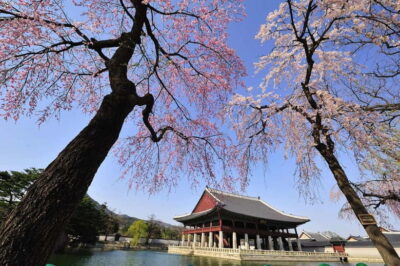
The Route’s Big Idea: You’re Trading Subway Logistics for Palace Time
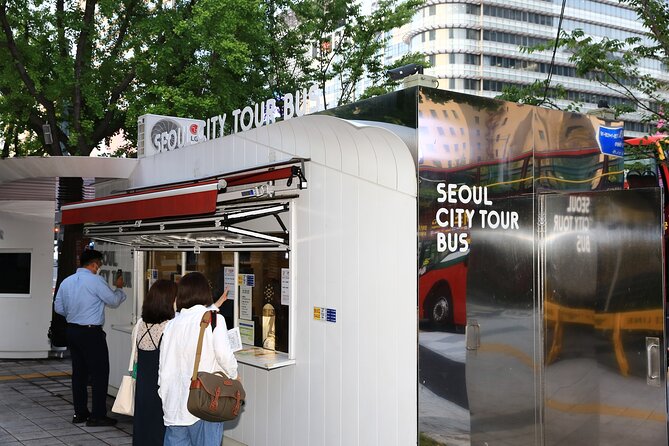
The whole point of the “downtown palace course” is efficiency. The buses link key palace areas so you can cover multiple royal sites without spending your day navigating exits and long walks.
The route includes major palace stops such as Changdeokgung, Deoksugung, and the Gwangwhamun area. You won’t get entrance tickets included for any site or museum—so your day is still about pairing bus drops with your own ticket purchases at each location.
That said, the bus still saves effort in the time between palaces. It reduces transit stress, and it helps you keep your day structured. If you’re the type who wants to see a lot but doesn’t want your schedule hijacked by transit delays, this is a good fit.
Changdeokgung Stop: What You Gain When You Can Take Your Time
Changdeokgung is one of the big names on the palace circuit, and the reason the bus works here is simple: palace grounds reward slower wandering. If you’re moving between palaces by transit on your own, you can end up rushing just to make it to the next stop.
With hop-on hop-off, you control your time. I like that you can step off, walk the grounds at your pace, and re-board when you’re ready. It keeps your day from turning into a sprint.
The practical reality: entrances cost extra, so you’ll want to budget for ticketing. If you’re planning to rent a hanbok, it can also help to know that rental shops often show up around palace zones—so you may be able to tack that onto your timing once you’re on the right street.
If you’re short on energy, focus on the must-see areas first, then circle back if you still have time. Palaces can feel spread out, and a bus helps you avoid the “too far back” problem.
Deoksugung Stop: A Palace Area Easy to Pair With Your Other Plans
Deoksugung is another anchor on the route. Like Changdeokgung, it benefits from the hop-on schedule because you don’t have to fight transit timing between sights.
What’s useful about this style of loop is that you can decide how much time you really want. If Deoksugung hits your interests more than expected, you can stay longer and still catch the next ride. If it’s more of a quick stop for you, you can keep moving without losing your whole day to transportation logistics.
Again, entrance fees are not included, so treat this as a transportation and interpretation package—not a fully ticketed guided tour of the palaces themselves. You’ll be buying entry tickets directly for what you want to see once you’re there.
Gwangwhamun Area: Using the Bus to Connect Palace Viewing and City Energy
The Gwangwhamun area is a smart stop to include because it’s tied to one of Seoul’s most recognizable central landmarks zones. When you’re doing palaces, it’s nice to have one stop that also feels like you’re near the wider city.
This is where you can shift your day slightly. You can spend a palace-focused morning, then use Gwangwhamun as a bridge into broader Seoul sightseeing—shopping streets, street scenes, and other major sights that often cluster around central Seoul.
The hop-on hop-off format keeps you from getting trapped in a plan that only works if the transit gods are in a good mood. If you end up lingering at the previous palace, you’re not stuck; you can catch the loop and keep your day intact.
Timing: 1.5 Hours of Circulation and How to Build a Real Schedule
The buses are described as running frequently—about every 30 minutes—and the circulation time is around 1.5 hours. Some descriptions also frame the interval around 40 minutes, and you may notice real-world variation.
So what does that mean for planning? It means you should avoid a schedule where you need to be back at the bus at the exact minute. Instead, plan for a practical rhythm:
- Hop off and explore for a set block (like an hour to start).
- Re-board when you feel ready, not when you feel anxious.
- If you’re photo-heavy, give yourself extra minutes.
Also remember: bus timing can be affected by traffic and stop-finding issues, so don’t schedule back-to-back appointments that depend on perfect bus arrival times.
Price and Value: Is $38 Worth It?
At $38 for about 1.5 hours, the value depends on how you travel and what you want from the day.
If you’re trying to cover multiple palaces and you know you’ll spend time walking and searching around subway exits, this ticket can feel like a bargain. You’re paying to remove friction: less route planning, less stair-climbing, and fewer “which exit is closest?” moments.
But if you mainly care about just one palace stop, you might feel like the ticket is doing more work than you need. And if you hit delays finding the correct boarding point, that lost time can make the ticket feel expensive fast.
My best advice: treat this as a mobility tool for a palace-heavy day. If your plan includes at least two palace-area stops you care about, it’s more likely to feel like good value.
Comfort and Practical Rules (Things That Can Affect Your Day)
A few practical items can change your experience more than you’d expect:
- No food or drinks allowed on the vehicle, so plan snacks before you board or after you hop off.
- Audio comes through a system designed to support different languages, but loud external broadcasts can make it harder to focus on one language.
- Some buses may feel different from each other (noise, window condition, and general comfort). If you’re sensitive to this, be ready for it and focus on the ride’s main job: getting you to palaces.
And one important behavioral tip: when you want your stop, make sure you trigger the bus’s exit signal. The bus experience can be fine—until you assume the doors will open automatically.
Who This Tour Suits Best
This hop-on hop-off palace course fits best if you want a structured day without committing to a guided group tour.
You’ll probably like it if:
- You’re visiting multiple palace areas like Changdeokgung, Deoksugung, and Gwangwhamun.
- You prefer spending your energy exploring rather than navigating transit exits.
- You want a multilingual explanation while you travel between stops.
You might want to rethink it if:
- You’re very sensitive to unclear stop locations and hate wasting time waiting.
- You only want one palace and don’t mind doing it by subway plus walking.
- You expect the audio to be crystal-clear in your chosen language at all times.
Should You Book This Seoul Palace Hop-On Hop-Off Bus?
If your goal is a palace-focused day with less transit stress, I’d lean yes. The price can feel fair when you’re covering multiple palace areas, and the audio guide plus loop routing makes the day easier to manage.
Just go in with two expectations set up front: you’ll want to spend a little energy finding the right boarding stop, and audio clarity may vary if Korean broadcasts are loud on the bus speakers. If you can handle those realities, you’re likely to feel like this ticket gives you real convenience for your Seoul time.
FAQ
How long is the Seoul Hop-On Hop-Off Downtown Palace Course?
The duration is approximately 1 hour 30 minutes, with a circulation time around 1.5 hours.
What time does the tour start, and where do I meet the bus?
The start time is 9:30 am. The meeting point is 서울 타이거버스 정류장.
Is this tour ticket mobile?
Yes, you use a mobile ticket.
What languages are available for the audio guide?
The on-board audio guide is available in English, Korean, Chinese, Japanese, Russian, German, French, Spanish, Thai, Vietnam, Indonesia, and Malaysia.
Are palace entrance fees included in the ticket price?
No. Entrance fees to sites or museums are not included.
How often do the buses run?
Buses run every 30 minutes.
Can I bring food or drinks onto the vehicle?
No. Food and drinks are not allowed on the vehicle.
More Tour Reviews in Seoul
- Best DMZ Tour Korea from Seoul (Red Suspension Bridge Optional)★ 5.0 · 41,422 reviews
- DMZ Tour: 3rd Tunnel, Option(Suspension Bridge, Boat) from Seoul★ 5.0 · 21,373 reviews
- DMZ tour south Korea from Seoul (NK experience hall, defector)★ 5.0 · 20,599 reviews
- Seoul: DMZ Tour with Optional Suspension Bridge★ 4.8 · 5,277 reviews
- Seoul: DMZ The 3rd Tunnel and Suspension Bridge Tour★ 5.0 · 4,656 reviews
See More of Seoul in a Day
- Best Seoul City Tour (Gyeongbokgung Palace,Insadong,Namsan Tower)★ 5.0 · 1,647 reviews
- Small-Group Royal Palace and Seoul City Tour (hotel pick-up)★ 5.0 · 1,474 reviews
- Seoul City Sightseeing Tour Including Gyeongbokgung Palace, N Seoul Tower, and Namsangol Hanok Village★ 5.0 · 1,423 reviews
- Seoul Half-Day City Highlight, Palace Tour with Hanbok★ 4.9 · 764 reviews
- Seoul Highlights: Gyeongbok Palace, Insadong & N Seoul Tower★ 4.7 · 726 reviews
Still More Palaces to Walk
- Seoul: Gyeongbok Palace, Bukchon Village, and Gwangjang Tour★ 4.9 · 2,321 reviews
- Best Seoul City Tour (Gyeongbokgung Palace,Insadong,Namsan Tower)★ 5.0 · 1,647 reviews
- Small-Group Royal Palace and Seoul City Tour (hotel pick-up)★ 5.0 · 1,474 reviews
- Seoul City Sightseeing Tour Including Gyeongbokgung Palace, N Seoul Tower, and Namsangol Hanok Village★ 5.0 · 1,423 reviews
- Seoul: Gyeongbok Palace, Bukchon Village, and Gwangjang Tour★ 5.0 · 1,044 reviews
Just added to Exploring Seoul
Gyeongbokgung & Palace Tours, compared.
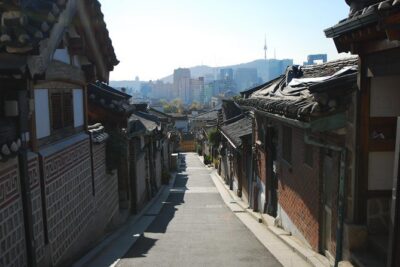 ★ 4.9Gyeongbok Palace, Bukchon Village, and Gwangjang TourFrom $322,321 reviews
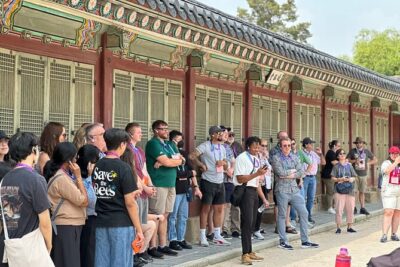 ★ 5.0Best Seoul City Tour (Gyeongbokgung Palace,Insadong,Namsan Tower)From $581,647 reviews
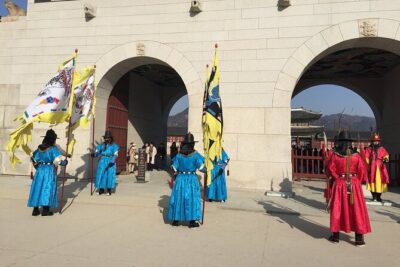 ★ 5.0Small-Group Royal Palace and Seoul City Tour (hotel pick-up)From $561,474 reviews
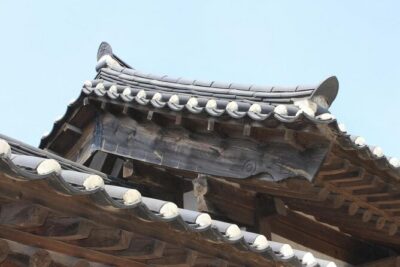 ★ 5.0Seoul City Sightseeing Tour Including Gyeongbokgung Palace, N Seoul Tower, and Namsangol Hanok VillageFrom $801,423 reviews
★ 5.0Gyeongbok Palace, Bukchon Village, and Gwangjang TourFrom $321,044 reviews
★ 5.0Seoul City Sightseeing Tour Including Gyeongbokgung Palace, N Seoul Tower, and Namsangol Hanok VillageFrom $801,423 reviews
★ 5.0Gyeongbok Palace, Bukchon Village, and Gwangjang TourFrom $321,044 reviews
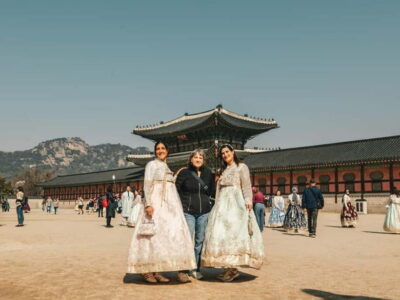 ★ 4.9Seoul Half-Day City Highlight, Palace Tour with HanbokFrom $49764 reviews
 ★ 4.9Palace, Temple and Market Guided Foodie Tour at NightFrom $60750 reviews
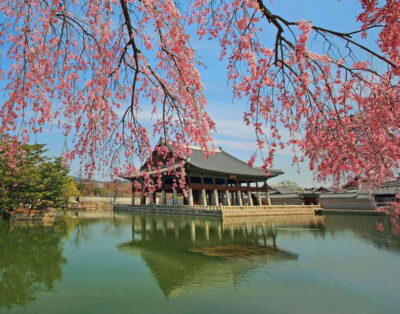 ★ 4.7Seoul Highlights: Gyeongbok Palace, Insadong & N Seoul TowerFrom $26726 reviews
Browse the lists this tour appears in