
Reviewed · FOOD
Seoul Food: Banchan, Bibimbap, and Beyond
Seoul food isn’t just what’s on your plate—it’s the city’s memories too. This 5-hour walking food tour ties together landmarks from Dongdaemun to Jongno and then turns them into a meal route you’ll actually remember. I love the way the stops go beyond photo ops and land on real eating moments.
Two things I especially like: the guide’s storytelling (Eunice is repeatedly singled out for connecting food to Korean history and culture), and the sheer satisfaction factor of the food—banchan building-blocks, bibimbap, plus a dinner that goes well past a quick snack. I also like that it’s paced so you can digest before the next tasting.
One drawback to consider: this is a walk-heavy plan across major sights, and there’s no private transportation included. Also, alcoholic beverages are included, so if you don’t drink, plan to sip lightly.
In This Review
- Why this Seoul food route hits the right spots
- Getting oriented fast: where the tour starts and how it feels
- Dongdaemun Gate (Heunginjimun): the food route starts with Seoul’s old spine
- Dongdaemun Design Plaza (DDP): Zaha Hadid and the modern side of Korean reinvention
- Cheonggyecheon Stream at the right hour: pretty, peaceful, and a good reset
- Gyeongbokgung Palace: grand space that changes how you taste Korean comfort
- Bukchon Hanok Village: banchan in the small alleys of daily life
- What you really eat: banchan, bibimbap, and beyond
- Guide-led context (including Eunice): why the stories matter
- Price and value: what $195 buys you in real terms
- Who should book this and who should think twice
- Practical tips so you enjoy the full meal route
- Should you book Seoul Food: Banchan, Bibimbap, and Beyond?
- FAQ
- What is the duration of the tour?
- How much does the tour cost?
- Where do I meet the guide?
- Does the tour include food and drinks?
- Is transportation included?
- Is the tour ticket digital?
- Are the main sights included at no extra cost?
- Can I cancel for a full refund?
Why this Seoul food route hits the right spots
- Banchan-first approach so you understand how Korean meals are built, not just what you ate
- Bibimbap as a framework for flavors, toppings, and how mixing is part of the experience
- Landmarks that matter: historic gates, palace grounds, and old hanok streets, not random stops
- Guide-led context that connects why dishes exist—shaped by history and everyday life
- Dinner + snacks included so you leave full, not just fed a few bites
- A small-group feel that keeps the day relaxed enough to enjoy the details
A handful of other Seoul experiences to line up next
- Seoul Street Food Market Tour★ 5.0 · 1,226 reviews
- Seoul: Night Market Food Tour with Local Guide★ 4.9 · 943 reviews
- Downtown Seoul Guided Food & Market Tour with 8+ Local Tastings★ 5.0 · 580 reviews
- Seoul: Guided Food & Market Tour with 8+ Tastings★ 4.9 · 342 reviews
Getting oriented fast: where the tour starts and how it feels
You meet at JW Marriott Dongdaemun Square Seoul (279 Cheonggyecheon-ro, Jongno District) at 1:00 pm, and the tour ends back at the same spot. That matters because you don’t waste time figuring out transfers or re-tracing your steps at the end of a long food day.
The format is also a big plus for day one in Seoul. It’s a private tour, meaning it’s designed just for your group. The guide is licensed, and you’ll have bottled water on hand, plus snacks, dinner, and alcoholic beverages included.
You should expect an itinerary that blends city sights with eating. One moment you’re looking at Seoul’s old defenses; the next you’re tasting flavors you can only really understand through a Korean meal structure. It’s not a sit-down museum day. It’s walking, tasting, and learning in short bursts.
Dongdaemun Gate (Heunginjimun): the food route starts with Seoul’s old spine
The day begins at Dongdaemun Gate, Heunginjimun, one of Seoul’s Eight Gates. It was built in the late 14th century and served as a main entrance to the city. Even if you only catch it for an hour, it gives you context for why Seoul’s food culture feels both traditional and adaptable.
This kind of start works because it sets the tone: Korea has long absorbed outside influences and then reshaped them into something unmistakably Korean. When your guide later connects dishes to history and culture, you’ll have something real in your head—Seoul as a place that has always been open to movement, trade, and change.
Practical note: you’ll be on your feet, so wear shoes you can walk in comfortably. This is the kind of tour where small comfort choices pay off by stop four.
Dongdaemun Design Plaza (DDP): Zaha Hadid and the modern side of Korean reinvention
Next comes Dongdaemun Design Plaza (DDP), famous for its futuristic design by Zaha Hadid. DDP is known for exhibitions and events, but on this kind of food tour it also functions as a breather—a visual reset between historic and traditional neighborhoods.
I like DDP here because it mirrors the theme of the tour. Korea doesn’t treat the past and the present like separate worlds. The architecture alone makes that point. One hour earlier you were at a gate built for defense; here you’re surrounded by sweeping curves and space designed for creativity.
Since DDP admissions are free for the time you’re there, you can focus on photos and atmosphere without worrying about extra costs.
A handful of other Seoul experiences to line up next
Cheonggyecheon Stream at the right hour: pretty, peaceful, and a good reset
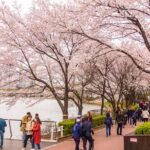
Then you head to Cheonggyecheon Stream, a scenic walking route that runs through both Dongdaemun and Jongno. This stretch is especially peaceful at night, when the lights reflect on the water.
Even if your day doesn’t fully reach dusk, you’ll still feel the change of pace. After gates and design, the stream is a gentle transition—less intensity, more flow. It also helps you slow down before you get into palace and hanok areas where the walking can feel more concentrated.
If you’re the type who likes to take photos between bites, this is a good place to do it. If you’re hungry (fair), you’ll also get a mental reset so the next taste feels like a moment, not an interruption.
Gyeongbokgung Palace: grand space that changes how you taste Korean comfort
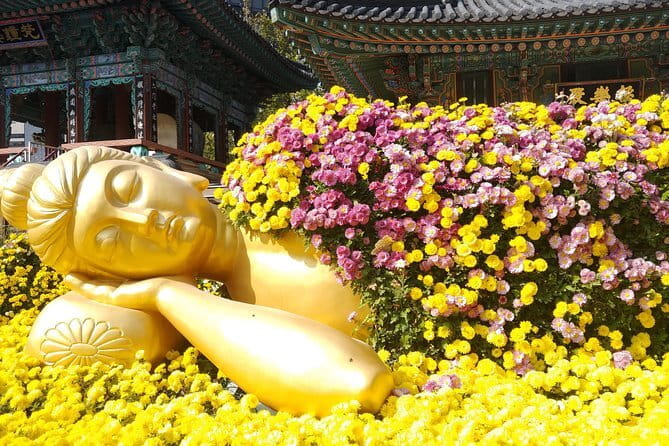
No Korean food experience is only about ingredients. It’s also about how people lived, cooked, and hosted—especially in big cities like Seoul. Gyeongbokgung Palace (the main royal palace of the Joseon Dynasty) gives that context in a way a cookbook never can.
The palace surrounds you with serious scale: gardens, major architectural lines, and a sense of order that fits well with Korean dining patterns. Korean meals have a rhythm—banchan arriving to fill the table, bibimbap coming as a prepared mix, and a dinner that usually feels like part of an everyday culture, not a fancy performance.
You’ll have about an hour here, and since admission is free, you can treat this as included value instead of an extra expense. It’s also a great stop for slow looking if you like history but don’t want a long, exhausting museum format.
One more practical angle: you may be tempted to snack constantly on a food tour. Gyeongbokgung is the moment to resist that urge. Let the next meal land cleanly on your appetite so you can actually taste the differences between what you sampled earlier.
Bukchon Hanok Village: banchan in the small alleys of daily life
Then you reach Bukchon Hanok Village, where you’ll see well-preserved hanok (traditional Korean houses) in the heart of Seoul. The experience here is more about narrow lanes and views than about a single building you must rush through.
This is a strong pairing with the food theme because it’s where you see Korea’s domestic side—how people’s everyday lives shaped the food they served. Even if you already know a few Korean dishes, Bukchon helps you understand why meals feel communal and why banchan matters. Those small, repeated patterns don’t happen in empty spaces.
Time here is shorter—about 30 minutes—and that’s actually helpful. It keeps you moving while still giving you a real sense of place. If you stop too long here, the last part of the tour can feel like you’re catching up. Use the time for photos, a quick wander, and then be ready for the final meal moments.
What you really eat: banchan, bibimbap, and beyond
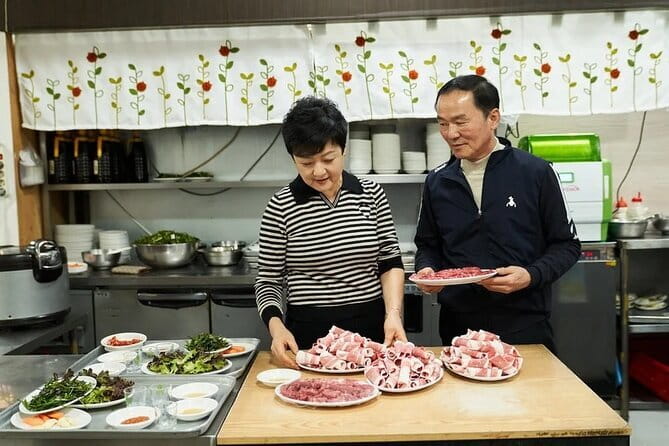
The tour’s title is blunt for a reason: banchan and bibimbap are central. But what makes this format valuable is how you’re taught to see them.
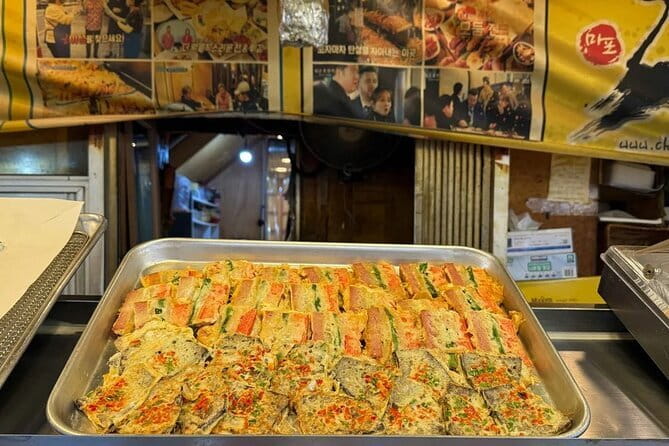
Banchan isn’t just a few side dishes. It’s an eating system. You taste multiple flavors at once—salty, fermented, fresh, sometimes spicy—and that helps you understand why Korean meals often feel balanced even when the dishes aren’t all the same style.
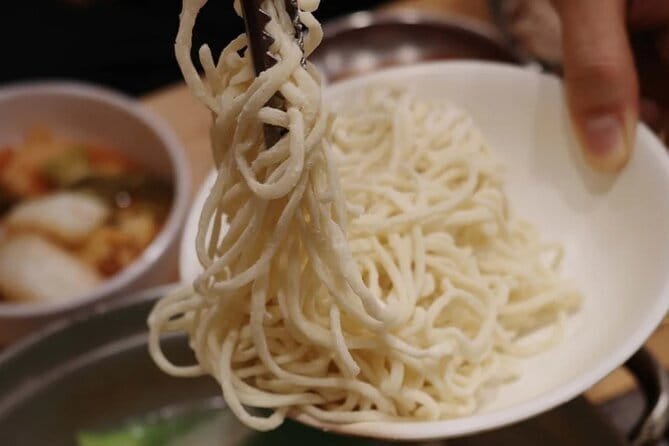
Bibimbap is the next key. The magic of bibimbap isn’t just in the toppings. It’s in the mixing idea—how textures and sauces work together once everything meets in one bowl. A guide-led explanation turns a dish you might otherwise treat like a single plate into a whole strategy for flavor.
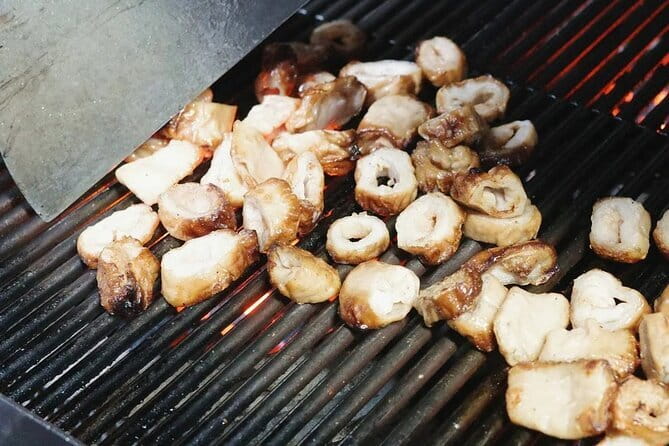
Beyond those core items, you may encounter additional dishes depending on the day and what’s available. In past experiences associated with this tour, highlights mentioned include steak tartare with a called-out sauce, plus meals described as traditional sit-down Korean comfort dishes like chicken noodle soup and Korean beef. Consider these as examples of the broader range rather than a guaranteed list.
Either way, you’re not just tasting in passing. Dinner, snacks, and bottled water are included, which is rare for walking tours that only serve tiny bites. You’ll leave satisfied.
Guide-led context (including Eunice): why the stories matter
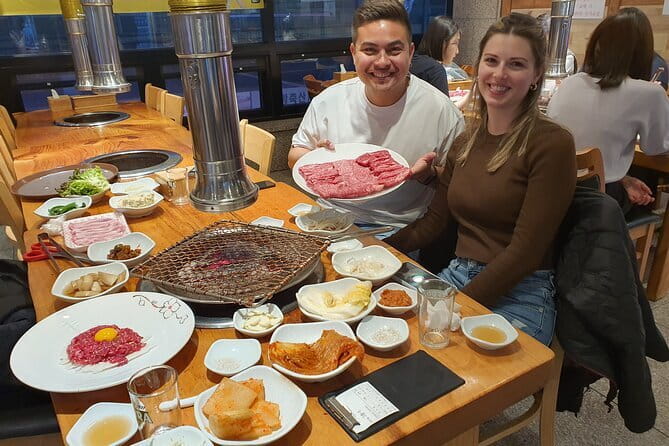
If you remember only one thing from this tour, remember this: the guide ties food to Korean life and history. Eunice, in particular, comes up again and again in feedback for explaining how history shaped culture and how that shows up in what people eat.
This is the difference between tasting and understanding. When you learn why certain flavors or meal patterns developed, you can order better next time. You’ll also be less confused by Korean menus that group dishes by eating style rather than by a Western idea of courses.
It also helps your confidence while you’re wandering later. After a guide connects the dots, you stop feeling like Seoul is a wall of mystery. You start seeing patterns.
Price and value: what $195 buys you in real terms
At $195 per person for about 5 hours, the value depends on what you compare it to.
This price isn’t just for walking and a few tastings. It includes:
- a licensed guide
- dinner
- snacks
- bottled water
- alcoholic beverages
- a private tour for your group
- and a mobile ticket
Also, the sightseeing stops you’re visiting are free to enter during the time you’re there (for the listed landmarks). That helps the math because you’re not paying extra entry fees just to make the walking feel worthwhile.
Where the tradeoff happens: no private transportation is included. You’ll rely on public transit and your own legs. If you’re comparing this to a car-based tour, the price can feel higher. But if you prefer walking through neighborhoods and want food delivered in a steady flow, it’s the kind of tour that can feel like one good day bundled into a single plan.
Who should book this and who should think twice
This tour fits best if you want:
- a food-focused day with banchan and bibimbap at the center
- learning that connects dishes to culture (not just instructions for what to eat)
- a plan that covers classic Seoul highlights from Dongdaemun to Jongno
- enough included food that you’re not searching for dinner later
You might think twice if:
- you don’t like walking between major sights
- you want a tour where transportation is handled for you (it isn’t)
- you prefer zero-alcohol experiences, since alcoholic beverages are included
If you’re visiting for the first time, this kind of route can also give you a foundation for ordering in Korea later. If you’re returning, it can still work because the emphasis is on meal structure and context, not just ticking boxes.
Practical tips so you enjoy the full meal route
- Wear comfortable shoes. You’ll be moving through palace grounds and old neighborhoods.
- Don’t over-snack before the first food moment. Since dinner is included, your appetite is part of the experience.
- If alcohol isn’t your thing, no problem—just plan to pace yourself with water in between tastes.
- If night views matter to you, keep your schedule flexible. The stream is noted as especially pretty at night.
Should you book Seoul Food: Banchan, Bibimbap, and Beyond?
Yes, if you want a Seoul day that mixes historic landmarks with a meal route that teaches you how Korean dining actually works. The standout strength is the combination of guide storytelling (with Eunice repeatedly praised for making the food make sense) and included eating—so you get both context and comfort.
Skip it only if you dislike walking or need transportation included, because the route is designed to be experienced on foot. If that’s not you, this is the kind of tour where you leave with a fuller stomach and a better sense of how Korean flavors fit together.
FAQ
What is the duration of the tour?
The tour runs for about 5 hours.
How much does the tour cost?
The price is $195.00 per person.
Where do I meet the guide?
You meet at JW Marriott Dongdaemun Square Seoul, 279 Cheonggyecheon-ro, Jongno District, Seoul, South Korea.
Does the tour include food and drinks?
Yes. It includes dinner, snacks, bottled water, and alcoholic beverages.
Is transportation included?
No. The tour does not include private transportation.
Is the tour ticket digital?
Yes. It uses a mobile ticket.
Are the main sights included at no extra cost?
The listed stops for the gate, DDP, stream, palace, and hanok village show free admission tickets for the time included in the experience.
Can I cancel for a full refund?
You can cancel up to 24 hours in advance for a full refund.
More Food in Seoul
- Seoul Street Food Market Tour★ 5.0 · 1,226 reviews
- Seoul: Night Market Food Tour with Local Guide★ 4.9 · 943 reviews
- Seoul: Palace, Temple and Market Guided Foodie Tour at Night★ 4.9 · 750 reviews
- Downtown Seoul Guided Food & Market Tour with 8+ Local Tastings★ 5.0 · 580 reviews
- Seoul: Guided Food & Market Tour with 8+ Tastings★ 4.9 · 342 reviews
More Food & Drink in Seoul
- Seoul Street Food Market Tour★ 5.0 · 1,226 reviews
- Seoul: Night Market Food Tour with Local Guide★ 4.9 · 943 reviews
- Downtown Seoul Guided Food & Market Tour with 8+ Local Tastings★ 5.0 · 580 reviews
- Seoul: Guided Food & Market Tour with 8+ Tastings★ 4.9 · 342 reviews
- Small-Group Night Food Tour in Seoul with Korean BBQ★ 5.0 · 304 reviews
More Tour Reviews in Seoul
- Best DMZ Tour Korea from Seoul (Red Suspension Bridge Optional)★ 5.0 · 41,422 reviews
- DMZ Tour: 3rd Tunnel, Option(Suspension Bridge, Boat) from Seoul★ 5.0 · 21,373 reviews
- DMZ tour south Korea from Seoul (NK experience hall, defector)★ 5.0 · 20,599 reviews
- Seoul: DMZ Tour with Optional Suspension Bridge★ 4.8 · 5,277 reviews
- Seoul: DMZ The 3rd Tunnel and Suspension Bridge Tour★ 5.0 · 4,656 reviews
Just added to Exploring Seoul
Food, compared.
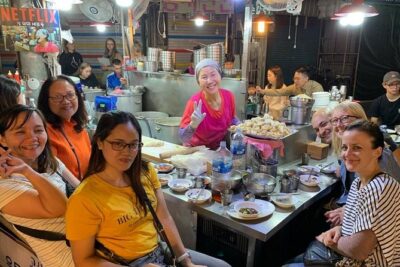 ★ 5.0Seoul Street Food Market TourFrom $731,226 reviews
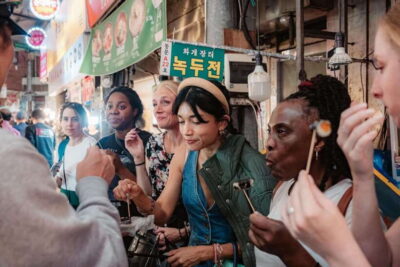 ★ 4.9Night Market Food Tour with Local GuideFrom $73943 reviews
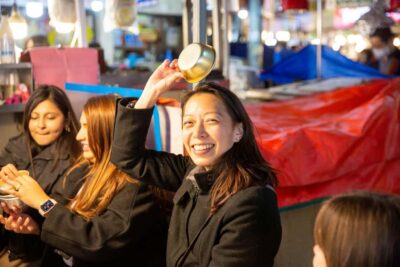 ★ 4.9Palace, Temple and Market Guided Foodie Tour at NightFrom $60750 reviews
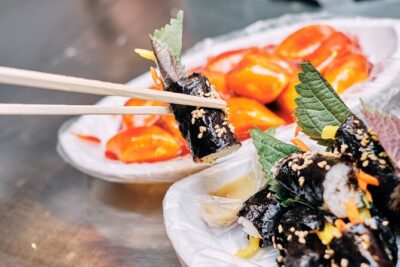 ★ 5.0Downtown Seoul Guided Food & Market Tour with 8+ Local TastingsFrom $98580 reviews
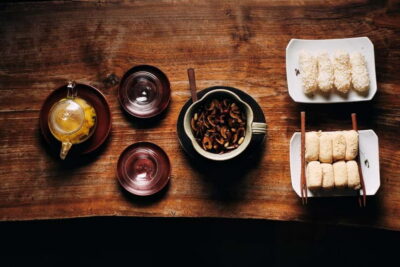 ★ 4.9Guided Food & Market Tour with 8+ TastingsFrom $71342 reviews
Small-Group Night Food Tour in Seoul with Korean BBQFrom $110304 reviews
★ 4.9Guided Food & Market Tour with 8+ TastingsFrom $71342 reviews
Small-Group Night Food Tour in Seoul with Korean BBQFrom $110304 reviews
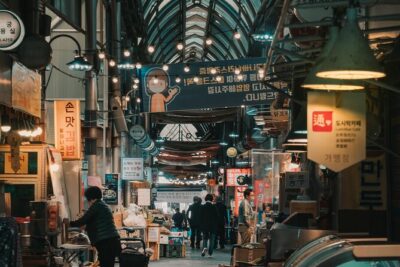 ★ 5.0Seoul Night Palace & Market Food Tour with VehicleFrom $79275 reviews
 ★ 5.0Seoul Fun Food Tour: 12 different food tastingsFrom $88266 reviews
Browse the lists this tour appears in