Reviewed · SEOUL
Savoring Authentic Korean Liquor and Cuisine
One glass can change how you hear Korea’s food. This tasting with Chef Hyesun is built around real traditional liquor and the snacks Koreans eat with it, called an-ju. You get history, multiple styles of alcohol, and pairing ideas in about 90 minutes, in a small group.
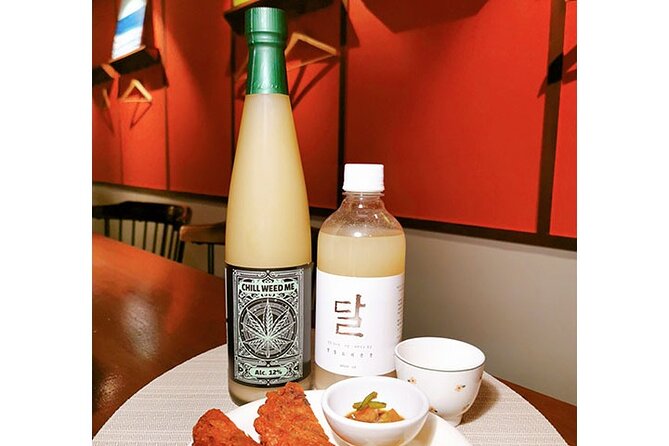
I like that this isn’t a generic bar crawl. Chef Hyesun presents a special selection pulled from local breweries around Korea, plus you’ll taste three traditional types—takju, cheongju, and a distilled liquor—along with an-ju like veggie and meat pancakes and kimchi bibim noddle (depending on supply).
One thing to consider: this is an alcohol experience, and it’s only for ages 18+. If you’re not planning to drink, or you’re very sensitive to alcohol flavors, you may want to think twice before booking.
In This Review
- Key highlights you’ll actually care about
- Meeting Chef Hyesun in Seoul’s Magok neighborhood
- How the 90 minutes are likely to feel
- The big idea: Korean traditional liquor uses three ingredients
- Takju: rice-forward tradition you can taste right away
- Cheongju: a different fermentation expression
- Distilled liquor: where intensity shows up
- An-ju pairings: Korean drinking food that actually works
- A lineup you can’t copy from a store shelf
- Who this tour fits best (and who should skip it)
- Price and value for $59 in Seoul
- Practical tips so the tasting works for you
- Should you book this Chef Hyesun Korean liquor and an-ju experience?
- FAQ
- Where does the tour start?
- How long is the experience?
- How many people are in each group?
- What kinds of traditional liquor are included?
- Is this tour only for adults?
- Do I need a mobile ticket?
- What should I do after I book?
Key highlights you’ll actually care about
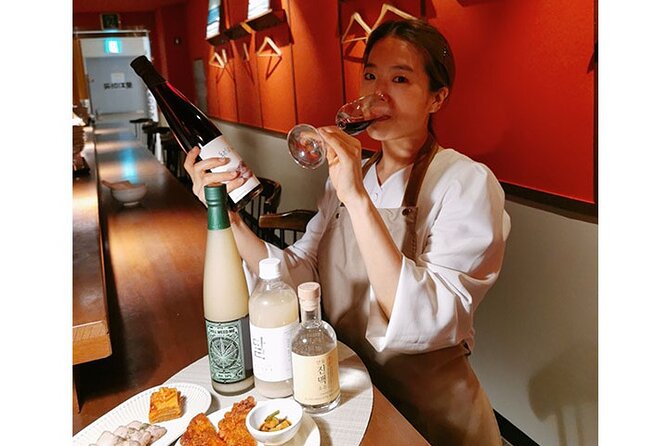
- Chef Hyesun runs the show: owner-chef, world traveler, and focused on traditional liquor and food pairings.
- Three liquor styles, one tasting flow: takju, cheongju, and a distilled liquor, explained as you sample.
- Special local brewery picks: the lineup is described as something you can’t find in typical stores or restaurants.
- An-ju pairings with Korean comfort food: expect items like veggie pancake, meat pancake, and kimchi bibim noddle.
- Small group size (max 6): better conversation, easier pacing, and time for questions.
Still deciding? These are the Seoul tours travellers book first.
- Best DMZ Tour Korea from Seoul (Red Suspension Bridge Optional)★ 5.0 · 41,422 reviews
- DMZ Tour: 3rd Tunnel, Option(Suspension Bridge, Boat) from Seoul★ 5.0 · 21,373 reviews
- DMZ tour south Korea from Seoul (NK experience hall, defector)★ 5.0 · 20,599 reviews
- Seoul: DMZ Tour with Optional Suspension Bridge★ 4.8 · 5,277 reviews
Meeting Chef Hyesun in Seoul’s Magok neighborhood
This experience starts at 로찌마곡 (LodgeMagok) in Seoul, near the Magok-dong / Gangseo-gu area, with the address given for Central-ro 171, Naru Station private building, 207호. It ends back at the same place, so you don’t have to plan a second stop or figure out last-mile logistics at the end.
You’ll be in a group of up to 6 people, which matters more than you’d think for tastings. Small groups help the host keep the pacing comfortable, and it makes it easier to ask practical questions about what you’re drinking and why it tastes the way it does.
The tour itself is about 1 hour 30 minutes, and it uses a mobile ticket. After you book, you’ll need to message the host on WhatsApp to confirm the schedule, plus share details like food allergies. That’s a good sign if you like clear communication before you arrive.
How the 90 minutes are likely to feel
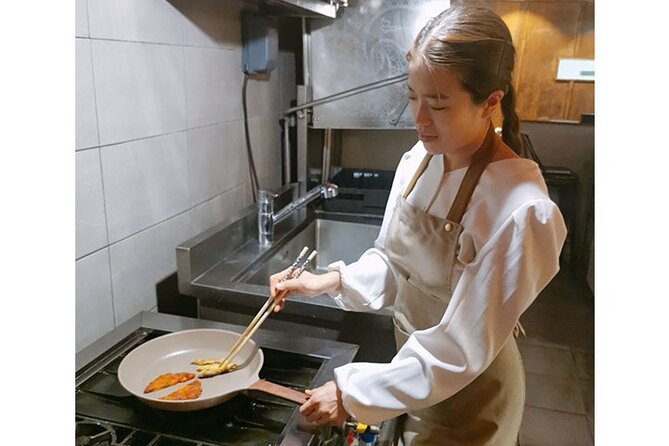
This isn’t a long lecture. The format is built around tasting plus short, clear context so the drinks make sense as you experience them.
Chef Hyesun’s approach mixes education with real eating. The core idea is simple: learn what Korean traditional liquor is made from, then taste how that shows up in the glass, then pair it with an-ju so you understand the flavor match in a real-world way.
One practical note: the lineup includes three traditional categories—takju, cheongju, and distilled liquor—and the an-ju menu can vary based on ingredient supply. Plan to be flexible about exact food items.
The big idea: Korean traditional liquor uses three ingredients
The tour explanation centers on a key foundation: Korean traditional liquor is made using only three kinds of ingredients:
- Korean rice
- Mountain spring water (mineral water)
- Naturally fermented yeast
What you’re really learning is why these ingredients matter. When people compare Korean drinks to wine or sake, the comparison often misses the fermentation logic and ingredient sensitivity. In this tasting, the goal is harmony: how rice, water, and yeast combine to create flavors you can detect rather than just memorize.
You’ll also hear about a larger context: Korea has over 1,400 small traditional liquor breweries. That matters for your expectations. This isn’t one single flavor profile repeated everywhere; it’s a whole ecosystem of styles shaped by local methods and materials.


Takju: rice-forward tradition you can taste right away
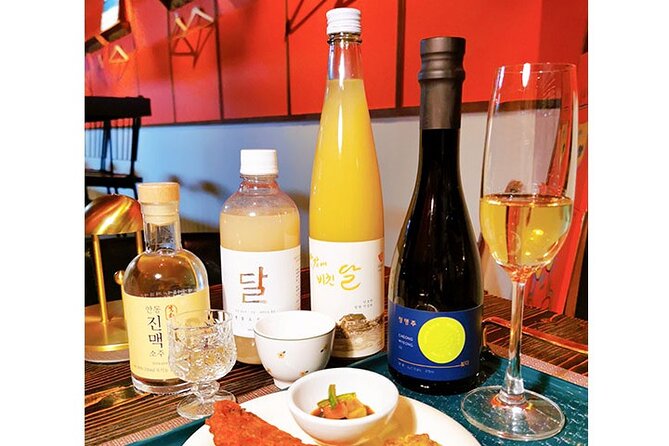
Takju is one of the three main types you’ll sample. Even if you’ve never had traditional makgeolli or soju before, the tour sets you up to understand what you’re tasting.
The big thing with takju is how it reads on the palate. It’s typically associated with rice-based, traditionally fermented character, and the tour framing helps you notice texture and flavor shifts as you go from drink to drink.
If you’ve only tried factory-made alcohol before, you might find takju feels more like a food pairing drink than a standalone shot-and-go drink. In other words, you’re meant to eat alongside it, which is exactly what this experience builds in.
Cheongju: a different fermentation expression
Next up is cheongju. This is another traditional category included in your tasting flow, and you’re not just taking a sip—you’re getting history and tasting context as it’s served.
The value here is contrast. Takju and cheongju may both come from Korean rice and fermentation culture, but they’re presented as different in character. That’s how you start building a mental map, so later, when you see these terms in Korea, you’ll know what to look for.
Don’t worry if the differences feel subtle at first. With alcohol tastings, the goal isn’t to instantly become an expert. The host is there to point you toward the noticeable differences and what to expect when the drink meets food.
Distilled liquor: where intensity shows up
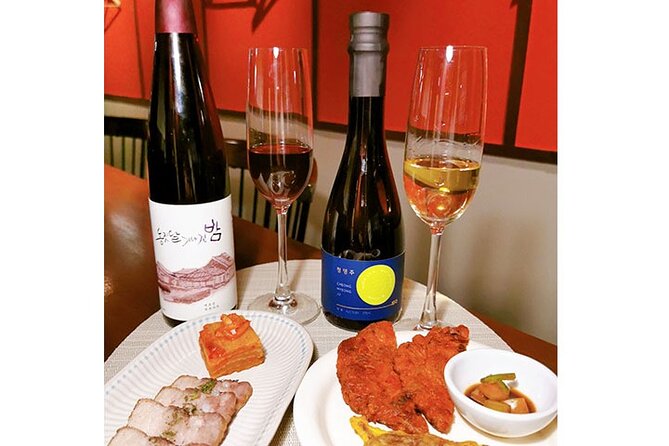
The third tasting is a distilled liquor. This is where many first-timers begin to understand why Korea’s traditional alcohol scene isn’t just “like sake” or “like something you’ve already had.”
Distilled spirits tend to deliver stronger, more direct flavors than lightly fermented drinks. In the tour, the point is to help you feel that intensity without skipping the lesson. You’ll learn enough background to avoid judging the drink too quickly based only on strength.
If you’re the type who likes to compare aromas and flavors, distilled liquor is usually where you’ll notice the biggest shift from earlier samples. And because an-ju is part of the plan, you can test how food changes what you think you taste.
An-ju pairings: Korean drinking food that actually works
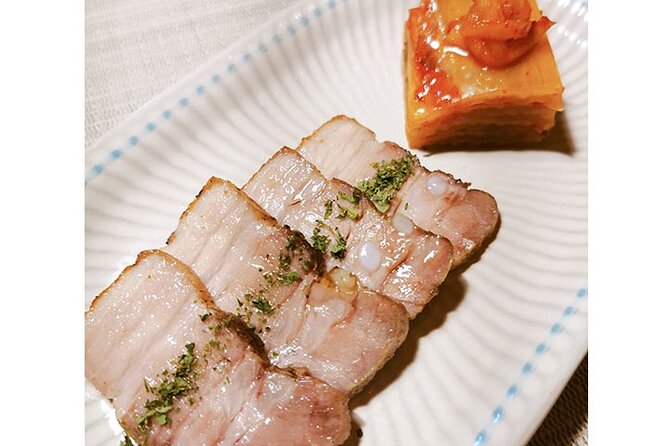
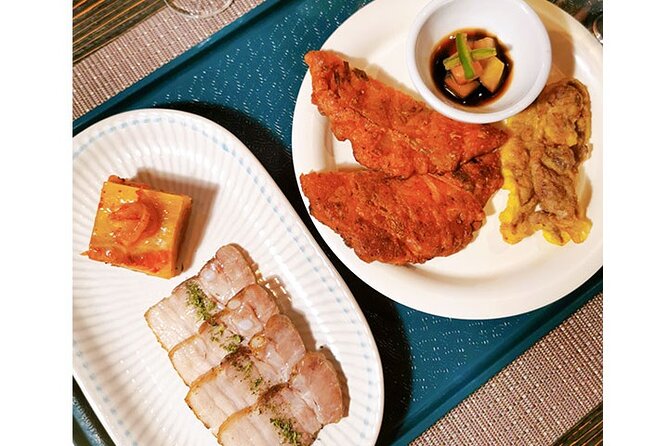
The star partner to the liquor is an-ju—Korean food made to go with alcohol. This tour is designed around pairing, so you’re not just eating randomly while sipping.
The an-ju examples mentioned include:
- Veggie pancake
- Meat pancake
- Kimchi bibim noddle (spelled as provided in the info, and your exact serving may depend on supply and demand)
Here’s why this pairing logic is smart for first-timers. Pancakes (vegetable or meat) give you savory, warm, and slightly crispy textures that can “hold” alcohol flavors. Kimchi noddle brings spice, tang, and fermented depth, which tends to interact well with fermented drinks.
You’ll likely get the most out of this portion if you slow down and eat between sips. Don’t think of it as a race to finish drinks. The tasting is teaching you how food and liquor talk to each other.
A lineup you can’t copy from a store shelf
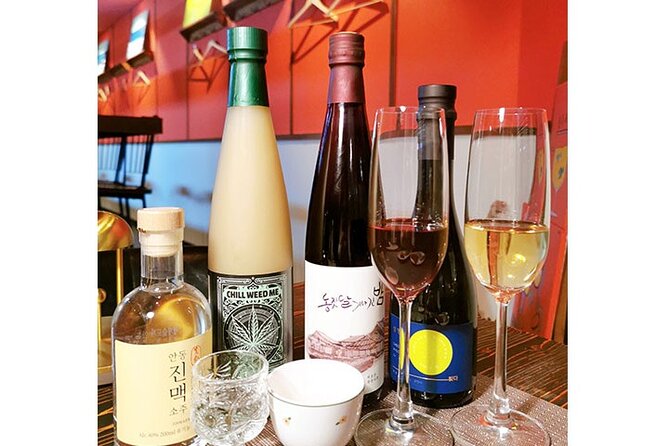
Chef Hyesun’s liquor selection is described as a special lineup from different local breweries all over Korea, and it’s presented as something you can’t find in any store or restaurant. That matters if you’ve ever felt disappointed by “tastings” that serve the same brands you could buy elsewhere.
Instead of chasing a famous name, you’re learning a system: the ingredients, fermentation logic, and how local brewing shapes the final taste. With only three liquor types included, the tour also keeps things focused, so you’re not overwhelmed by ten different bottles with no structure.
This is where the small group size helps again. If you ask questions about what you liked, Chef Hyesun can connect it back to the brewing and ingredient ideas the tour emphasizes.
Who this tour fits best (and who should skip it)
This experience fits best if you’re the kind of traveler who likes to understand what you eat and drink, even if you’re not a hardcore foodie. You’ll enjoy it if you want a structured intro to traditional Korean liquor, plus actual Korean comfort foods to pair with it.
It also works well for people who like conversational hosts. Chef Hyesun is described as an owner-chef and world traveler who shares travel stories, and the experience encourages a friendly vibe.
You should consider skipping if:
- You don’t want to drink alcohol (this is 18+ only)
- You’re sensitive to fermented flavors or strong distilled notes
- You need a long sit-down meal. This is 1 hour 30 minutes, focused on tasting rather than a full dinner
Price and value for $59 in Seoul
At $59 per person for about 90 minutes, this isn’t a budget shortcut, and it’s not priced like a quick snack stop either. The value comes from three things you don’t easily replicate on your own:
1) Guided tasting structure across takju, cheongju, and distilled liquor
2) An-ju pairings chosen to match what you’re drinking
3) The claim that the liquor lineup includes breweries you can’t just buy or order elsewhere
Also, with a max group size of 6, you’re paying for attention, explanations, and the host’s time. If you’ve ever spent the same amount trying to “guess” what to order in a Korean bar, this kind of guided flow can feel like the better deal.
If you book about 12 days in advance on average, you’re not rushing, but you are reserving time in a format that can fill up. For Seoul food-and-drink experiences, planning a bit ahead is usually smart.
Practical tips so the tasting works for you
First, message the host after booking. The info explicitly says you should send a confirmation message via WhatsApp so they can double-check the schedule, plus discuss food allergies and other details. If you have any dietary restrictions, this is your chance to handle them early.
Second, pace yourself. Because it includes multiple liquor styles, you’ll get the best experience if you take small sips and let the food do its job. Use the pancakes and kimchi noddle to reset your palate between drinks.
Third, bring curiosity, not a checklist. The tasting includes education about Korean traditional liquor and its ingredients, plus tasting samples. If you go in expecting one “best” drink, you might miss the point, which is learning how different categories behave.
Should you book this Chef Hyesun Korean liquor and an-ju experience?
Book it if you want a short, well-structured way to understand Korean traditional liquor in real pairing with an-ju. The combination of three liquor types, a focused 90-minute format, and a host who explains the ingredients behind the flavors is a strong setup for first-timers who don’t want to waste time ordering blindly.
Skip it if alcohol pairing isn’t your thing, or if you’re only looking for a casual dinner with drinks. This experience is about tasting and learning, and it’s 18+ only.
FAQ
Where does the tour start?
The tour starts at 로찌마곡 (LodgeMagok), located at 중앙로 171 나루역프라이빗타워Ⅱ 207호 in Seoul, Gangseo-gu, Magok-dong.
How long is the experience?
It lasts about 1 hour 30 minutes.
How many people are in each group?
The maximum group size is 6 travelers.
What kinds of traditional liquor are included?
You’ll taste three traditional liquor categories: takju, cheongju, and a distilled liquor.
Is this tour only for adults?
Yes. Alcoholic beverages are only offered to ages 18 and above.
Do I need a mobile ticket?
Yes, the tour uses a mobile ticket.
What should I do after I book?
After booking is confirmed, you’re asked to message the host through WhatsApp to double-check the schedule and discuss details like food allergies. The number provided is +82 10 2661 7832.
More Tour Reviews in Seoul
- Best DMZ Tour Korea from Seoul (Red Suspension Bridge Optional)★ 5.0 · 41,422 reviews
- DMZ Tour: 3rd Tunnel, Option(Suspension Bridge, Boat) from Seoul★ 5.0 · 21,373 reviews
- DMZ tour south Korea from Seoul (NK experience hall, defector)★ 5.0 · 20,599 reviews
- Seoul: DMZ Tour with Optional Suspension Bridge★ 4.8 · 5,277 reviews
- Seoul: DMZ The 3rd Tunnel and Suspension Bridge Tour★ 5.0 · 4,656 reviews