
Reviewed · CITY TOURS
Max Out Seoul: Must Visit City Highlights Panoramic Day Tour
Seoul in one day can feel impossible. This Max Out Seoul panoramic day tour pulls off the trick with round-trip transportation and mostly free entry stops, so you can see a lot without building an exhausting plan. You’re guided through a smart mix of traditional Seoul (palace ceremony, Insa-dong) and modern Seoul (DDP, Starfield Library, Seongsu-dong), which is exactly what you want when time is tight.
I also like that the pacing is designed for orientation: you’ll pass through the parts of town first-timers usually struggle to connect on their own. One possible drawback is that it’s a fast “hit list” format, so if you like to linger—especially around markets and shopping streets—you may feel a little rushed during scheduled time slots.
In This Review
- Key Highlights You’ll Feel on Day One
- Getting Your Bearings in Seoul: A Panoramic Day That Hugs the Must-Sees
- Is $76 Worth It? The Value of “Transport + Guide + Multiple Stops”
- A Realistic Pace: 8-9 Hours, Fixed Time Slots, and Weather/Traffic
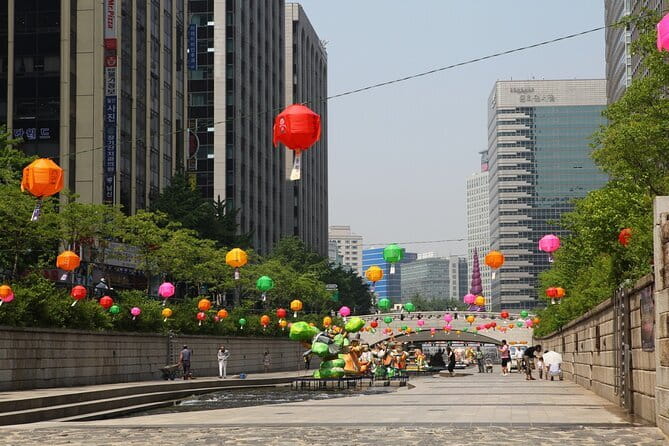
- Cheonggye Plaza: The Overpass-to-Urban-Park Story You Should See Up Close
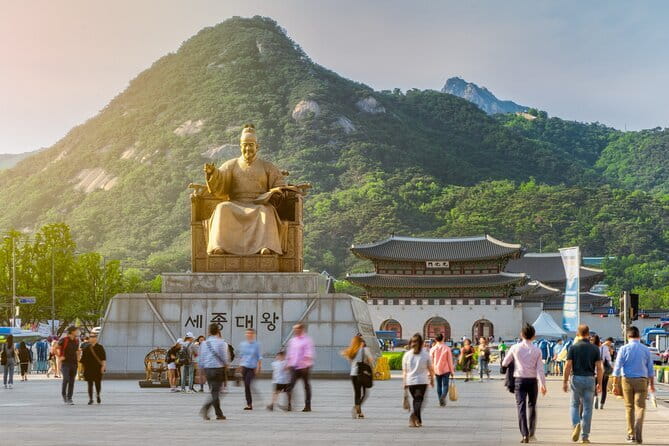
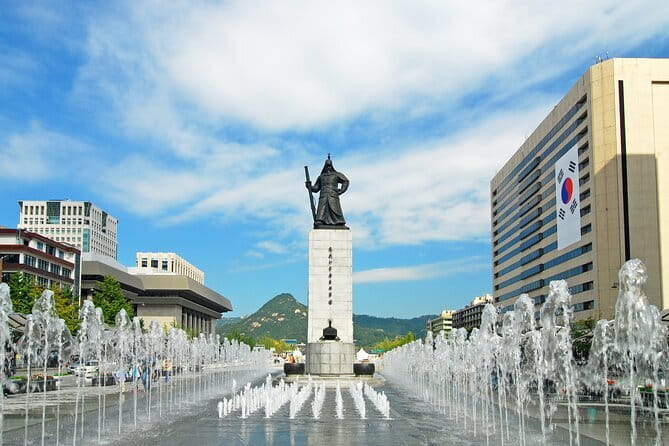
- Gwanghwamun Square and Gwanghwamun Gate: The Centerline of Seoul’s Sights
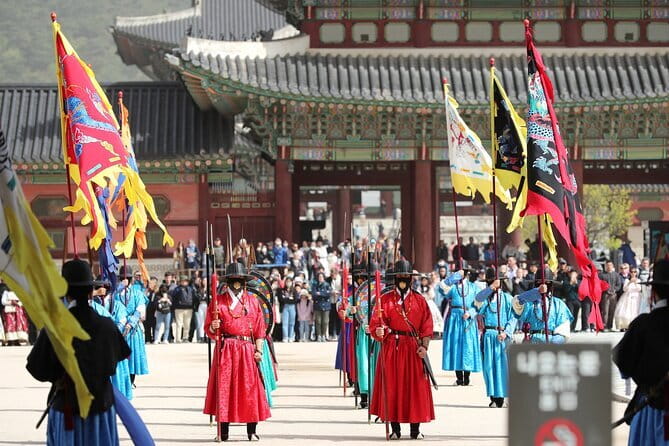
- Gyeongbokgung Palace Guard Changing Ceremony: A Joseon-Era Reenactment Moment
- Insa-dong: Narrow Alleys, Traditional Shops, and the Weekend Pedestrian Switch
- Gwangjang Market: Old-School Seoul Shopping and Street Food Logic
- Dongdaemun Design Plaza (DDP): Neo-Futuristic Seoul in a Photo-Friendly Frame
- Seongsu-dong: Creative Studios, Art Spaces, and Coffee Stops with Personality
- Jamsil and the Han River Break: Big Icons, Then Space to Breathe
- Starfield Library: The Two-Story Book Wall Photo Moment at COEX
- Sebitseom (Floating Islands): Three Islands on the Han River
- Cheong Wa Dae (Blue House Park): A Quiet Finish in a Former Power Zone
- What’s Included (and What You’ll Need to Plan For)
- Who This Tour Fits Best
- Should You Book the Max Out Seoul Panoramic Day Tour?
- FAQ
- How long is the Max Out Seoul Panoramic Day Tour?
- What time does the tour start?
- Where does the tour meet?
- Is there round-trip transportation?
- Do I need a paper ticket?
- What’s included for snacks?
- Are meals included?
- Are the main attractions free to enter?
- How big is the group?
- Can I cancel for a full refund?
- How early should I book?
Key Highlights You’ll Feel on Day One
- Cheonggye Plaza and Cheonggyecheon restoration: overpass-to-urban-park transformation completed in 2005
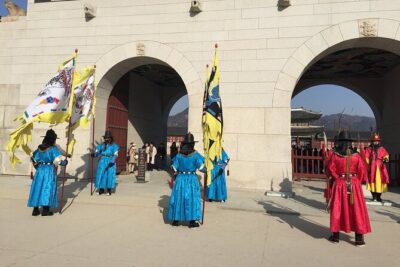
- Gwanghwamun Gate guard changing ceremony: a reenactment tied to Joseon dynasty records
- Insa-dong pedestrian streets on weekends: narrow alley shopping with street music and food
- Gwangjang Market street-food stop: plus one twisted doughnut snack per person
- Starfield Library photos: nearly 14-meter wall of books in the COEX complex
- Han River modern-meets-nature moments: Sebitseom floating islands and riverside Jamsil time
A handful of other Seoul experiences to line up next
- Best Seoul City Tour (Gyeongbokgung Palace,Insadong,Namsan Tower)★ 5.0 · 1,647 reviews
- Small-Group Royal Palace and Seoul City Tour (hotel pick-up)★ 5.0 · 1,474 reviews
- Seoul City Sightseeing Tour Including Gyeongbokgung Palace, N Seoul Tower, and Namsangol Hanok Village★ 5.0 · 1,423 reviews
- Seoul Half-Day City Highlight, Palace Tour with Hanbok★ 4.9 · 764 reviews
Getting Your Bearings in Seoul: A Panoramic Day That Hugs the Must-Sees
This tour is built for the traveler who wants Seoul to make sense quickly. Instead of picking one neighborhood and spending the whole day there, the route stitches together major “reference points” that help you understand where things are and how the city flows.
You’ll also get a good balance of “old vs. new.” The palace area and Insa-dong give you the traditional streets and ceremonies people come for, while Dongdaemun Design Plaza (DDP), Seongsu-dong, Starfield Library, and Sebitseom show you the modern, creative side.
The tone of the day is also practical: you don’t have to translate bus routes, compare opening times, or figure out the right order. A guide and transport handle that legwork, which is a real value when you only have one day.
Is $76 Worth It? The Value of “Transport + Guide + Multiple Stops”
At $76.19 per person, you’re paying for something you’d otherwise spend time on: organization. The package includes round-trip transportation and an English-speaking staff, which matters in a city where getting between distant points can eat hours.
Most of the featured sights on this route are listed as free entry, including Cheonggye Plaza, Gwanghwamun Square, Gyeongbokgung Palace (for the ceremony experience), Insa-dong, Seongsu-dong, Jamsil, Starfield Library, and Sebitseom. That’s a strong match for a fixed one-day budget because your money isn’t getting drained by tickets at every stop.
The one notable exception called out is Gwangjang Market, where admission is not included. You’ll still be able to shop and eat, but don’t assume it’s “included ticketed access” the way some of the other stops are.
Finally, the tour includes a small food perk: one twisted doughnut per person at Gwangjang Market. It’s not a full meal, but it’s a fun, easy win that turns one of the day’s busiest stops into something you look forward to.
A Realistic Pace: 8-9 Hours, Fixed Time Slots, and Weather/Traffic
This is an 8 to 9 hour day tour, and that total includes travel time between stops. You’re getting a lot done, which means you should plan for lines, walking, and the normal rhythm of public spaces.
The itinerary is also subject to traffic and weather conditions. That matters because Seoul can shift from smooth to slow fast, especially around popular squares, markets, and the central palace area.
Group size is capped at 43 travelers. That’s not tiny, so expect a guided flow where you might sometimes walk with the group, pause for photos, and move on when your allotted time is up.
Cheonggye Plaza: The Overpass-to-Urban-Park Story You Should See Up Close
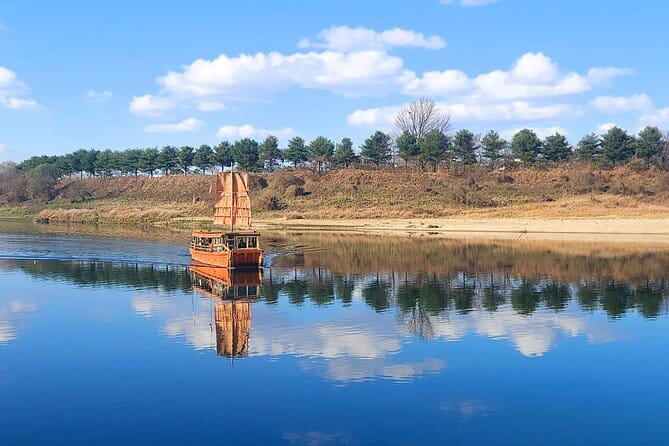
Cheonggye Plaza sits on the Cheonggyecheon area, famous for its restoration story. The project, completed in 2005, was pivotal in transforming what used to be an overpass into a vibrant urban park, and that idea comes through in the design and layout you’ll see here.
This is a great first stop because it sets a mood. You start with a place that shows Seoul’s ability to reshape space—turning what felt like infrastructure into an actual public space for strolling and events.
It also helps you warm up before the denser central-city stops. Admission is listed as free, and the time window here is short, so you can get the “what this place is” understanding without overcommitting your day.
Gwanghwamun Square and Gwanghwamun Gate: The Centerline of Seoul’s Sights
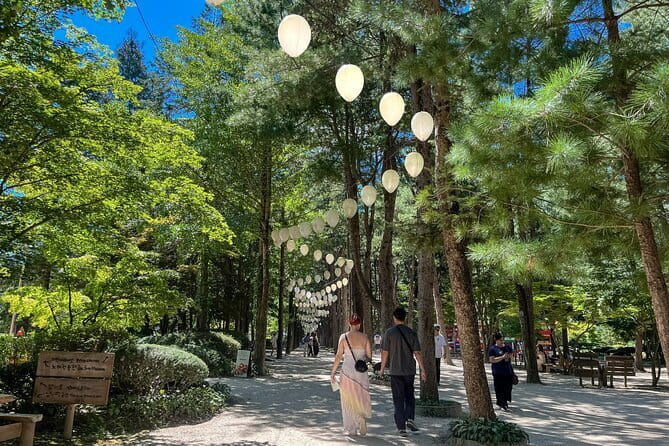
Next you head to Gwanghwamun Square, right in the heart of Seoul in front of Gwanghwamun Gate, the main entrance to Gyeongbokgung Palace. The square opened to the public in 2009, part of a larger urban beautification effort, and it’s used for cultural events and civic gatherings.
This stop is valuable even if you’re not a “square person,” because it anchors you visually. From here, you can orient yourself to the palace zone and understand why the area is such a focal point in the city.
Admission is free, and the time is set aside to let you settle into the central area before the ceremony part of the day.
Gyeongbokgung Palace Guard Changing Ceremony: A Joseon-Era Reenactment Moment
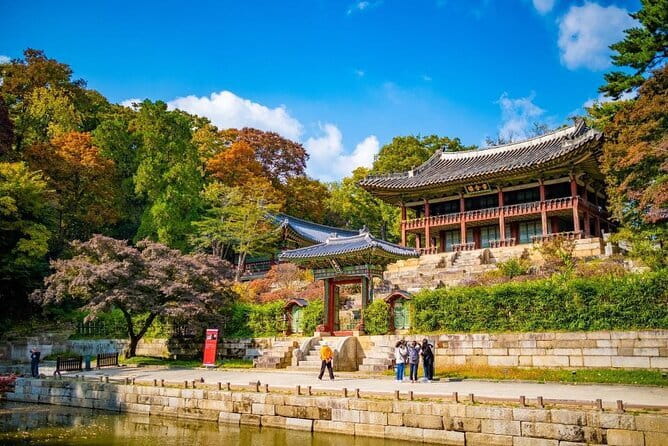
The highlight at Gyeongbokgung is the Royal Guard Changing Ceremony held at Gwanghwamun Gate. The ceremony reenacts the guard-changing procedure from the Joseon dynasty, with reproduction of costumes and weapons based on historical records.
This is the kind of stop where timing can make or break your experience. Since it’s a scheduled ceremony, you’ll want to keep your eyes on the guide’s instructions and be ready to move when it’s time—this is not a “browse at your own pace for an hour” moment.
The upside is that the ceremony is the whole point: short, structured, and easy to follow. Admission for this part is listed as free, which makes it an excellent use of a limited day.
Insa-dong: Narrow Alleys, Traditional Shops, and the Weekend Pedestrian Switch
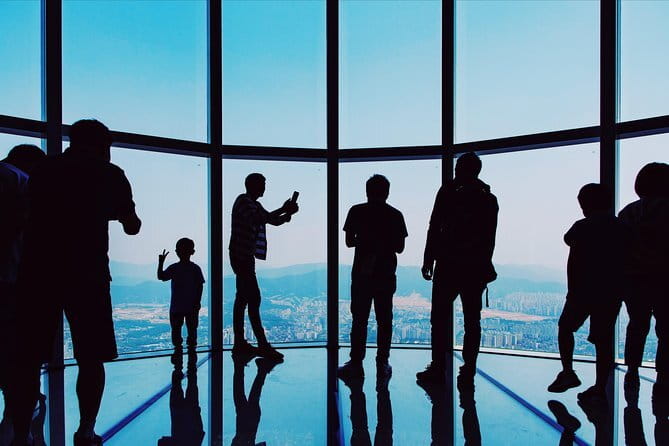
Insa-dong is where Seoul starts to feel like a lived-in place rather than a checklist. The area is known for narrow alleys packed with antique shops, art galleries, traditional tea houses, and craft stores.
A key detail: it’s especially famous for ceramics, calligraphy materials, and folk crafts. If you’re the type who wants a tangible souvenir that doesn’t look mass-produced, this is one of the best areas on the day.
If your visit lands on a weekend, Insa-dong’s main street is closed to vehicle traffic, turning it into a lively pedestrian zone. Street performers, traditional music, and food vendors add energy, but it also means the area can feel crowded.
Admission is listed as free, and the stop time is about an hour—enough to browse and grab a snack, not enough to become a serious shopper.
Gwangjang Market: Old-School Seoul Shopping and Street Food Logic
Gwangjang Market is one of Seoul’s oldest and largest traditional markets. It was established in 1905 and is known for fabrics and clothing, plus plenty of Korean street food.
The market keeps a distinctly local feel: crowds, vendors calling out, and a sense that people come here for everyday shopping and eating, not just pictures. The practical win is that it gives you a snapshot of how locals fuel a normal day.
You’ll spend about an hour here, and admission is listed as not included. In plain terms: plan on paying for food or items you choose, rather than assuming it’s covered.
The tour includes a specific snack: one twisted doughnut per person at Gwangjang Market. It’s a small, single-item perk, but it’s also a smart way to sample something without needing a decision-making marathon while you’re standing in a crowd.
Dongdaemun Design Plaza (DDP): Neo-Futuristic Seoul in a Photo-Friendly Frame
Dongdaemun Design Plaza, or DDP, is a major development landmark known for its neo-futuristic look—curving forms and smooth reflective surfaces. It’s also a hub for exhibitions and events and includes spaces like exhibition halls and a design museum.
Even if you don’t plan to go inside anything specific, the exterior architecture gives you a strong contrast from the older palaces and traditional alleys earlier in the day. It’s a good mid-day mental reset, especially when you’ve already been walking.
The catch is that DDP is an attraction in a modern Seoul way: you’ll likely spend time soaking in the design and photos more than doing “museum mode,” since this is a panoramic tour with multiple scheduled stops.
Seongsu-dong: Creative Studios, Art Spaces, and Coffee Stops with Personality
Seongsu-dong is Seoul’s arts-and-design energy district. You’ll find art spaces and studios, along with coffee shops that tend to be distinctive in look and vibe.
This area is popular with younger professionals, and it’s also been evolving into a place where tech startups and newer businesses sit alongside older creative scenes. That mix is part of why it feels like a “now” neighborhood rather than a theme park.
The stop here is about an hour, and admission is listed as free. If you like street photography or you enjoy pausing for a short coffee moment, this is where you can slow down a bit (just don’t let it steal your energy for the later Han River portions).
Jamsil and the Han River Break: Big Icons, Then Space to Breathe
Jamsil is known for entertainment, sports, and residential zones, with major sights including Lotte World Tower and the connected Lotte World complex. Lotte World is described as including the world’s largest indoor theme park, plus an outdoor amusement park with an artificial island inside a lake, linked by monorail.
You also get the Han River next door, which is a big part of why this stop works. Even if you don’t do any major rides or shopping, the riverfront parks nearby give you a chance to reset your body—walking space, open views, and easier pacing than the market areas.
The tour time for Jamsil is short (about 20 minutes), and admission is listed as free. Think of this stop as a visual anchor and a breath break, not a full attraction day.
Starfield Library: The Two-Story Book Wall Photo Moment at COEX
Starfield Library is inside the Starfield COEX Mall, and it’s become one of Seoul’s most photo-friendly “quick wow” stops. The library is open-plan across two stories and features a towering wall of books reaching nearly 14 meters high.
This is where modern Seoul becomes playful. You’re in a busy mall complex, but the library space itself is designed for a slower moment—people tend to pause, look up, and take photos before moving back into the flow.
The stop time is about 30 minutes, admission is listed as free, and it’s a great choice late in the day because you don’t need outdoor walking to enjoy it.
Sebitseom (Floating Islands): Three Islands on the Han River
Sebitseom, also called Sebitseom Floating Islands, is a modern cultural and recreational complex on the Han River. It includes three man-made islands, each with its own role: Gavit Island, Chavit Island, and Solit Island.
What I like about this stop is the mix of “structured modern Seoul” with “outdoor time.” It’s described as a fusion of nature, technology, and art, and it’s positioned as a cultural hub since opening.
Admission is listed as free, and the stop is about an hour. This gives you enough time to wander and take in the river setting without the day feeling like it’s all indoor malls and ceremonies.
Cheong Wa Dae (Blue House Park): A Quiet Finish in a Former Power Zone
The day’s final stretch includes Cheong Wa Dae, the Blue House in English. It’s now a public park, but it previously served as South Korea’s presidential residence and diplomatic reception halls from 1948 to 2022.
Even without dwelling on politics, this is a meaningful contrast. After markets, ceremonies, and design architecture, you get a calmer green-space feel tied to a place of national significance.
This stop doesn’t come with a listed time in the provided details, so your best bet is to follow your guide’s timing closely and keep your expectations flexible. Think of it as a reflective finish, not a shopping sprint.
What’s Included (and What You’ll Need to Plan For)
Included items you should count on:
- Round-trip transportation
- English-speaking staff
- Snacks, including one twisted doughnut per person at Gwangjang Market
Not included:
- Meals
- Other personal expenses
- Travelers insurance
Since meals aren’t included, I suggest you treat this tour as snack-and-walk day. You’ll have good chances to eat around Insa-dong and at Gwangjang Market, but you’ll still want to budget for it rather than assuming lunch is covered.
Also remember that some stops are listed as free admission while at least one is not (Gwangjang Market admission is listed as not included). For anything without an explicit note on admission, you might find it useful to check expectations when you receive confirmation.
Who This Tour Fits Best
This is ideal for you if:
- You’re on your first trip to Seoul and want a fast orientation to the city’s main zones
- You have limited time and want palaces, markets, design architecture, and a river stop in one day
- You prefer a guided day where transport and timing are handled for you
It’s less ideal if:
- You love slow travel and hate being on the move
- You want extended museum time or long shopping sessions
- You’re sensitive to crowds during market and pedestrian-area conditions
A moderate physical fitness level is suggested, and you’ll be walking between places within a long day. Comfortable shoes will save you.
Should You Book the Max Out Seoul Panoramic Day Tour?
If you want Seoul compressed into one organized day, this tour makes sense. The mix of Gwanghwamun-area ceremony, classic market energy at Gwangjang, design stops like DDP and Starfield Library, plus river moments at Sebitseom gives you a lot of “starter context” for where you might go next on your own.
I’d book it if you’re time-limited and like structure. I’d be cautious if you hate rushed schedules or you’re aiming for deep dives at a single site. For the one-day visitor who wants a hit list that still feels like you’re seeing real Seoul zones—this is a strong option.
FAQ
How long is the Max Out Seoul Panoramic Day Tour?
It runs about 8 to 9 hours, and the travel time between stops is included in the total duration.
What time does the tour start?
The start time is 9:10 am.
Where does the tour meet?
The meeting point is 152 Sejong-daero, Jongno District, Seoul, South Korea.
Is there round-trip transportation?
Yes, round-trip transportation is included.
Do I need a paper ticket?
No, it uses a mobile ticket.
What’s included for snacks?
A twisted doughnut per person is included at Gwangjang Market.
Are meals included?
No, meals are not included.
Are the main attractions free to enter?
Many stops list free admission (Cheonggye Plaza, Gwanghwamun Square, Gyeongbokgung Palace ceremony, Insa-dong, Seongsu-dong, Jamsil, Starfield Library, and Sebitseom). Gwangjang Market admission is listed as not included. Admission details for DDP aren’t specified in the provided information.
How big is the group?
The maximum group size is 43 travelers.
Can I cancel for a full refund?
Yes, free cancellation is offered. You must cancel at least 24 hours in advance of the experience start time for a full refund.
How early should I book?
On average, this tour is booked 34 days in advance.
More City Tours in Seoul
- Best Seoul City Tour (Gyeongbokgung Palace,Insadong,Namsan Tower)★ 5.0 · 1,647 reviews
- Small-Group Royal Palace and Seoul City Tour (hotel pick-up)★ 5.0 · 1,474 reviews
- Seoul City Sightseeing Tour Including Gyeongbokgung Palace, N Seoul Tower, and Namsangol Hanok Village★ 5.0 · 1,423 reviews
- Seoul Half-Day City Highlight, Palace Tour with Hanbok★ 4.9 · 764 reviews
- Seoul: Dark Side of the City and Ghost Stories Walking Tour★ 4.8 · 484 reviews
More Tours in Seoul
- Best DMZ Tour Korea from Seoul (Red Suspension Bridge Optional)★ 5.0 · 41,422 reviews
- DMZ Tour: 3rd Tunnel, Option(Suspension Bridge, Boat) from Seoul★ 5.0 · 21,373 reviews
- DMZ tour south Korea from Seoul (NK experience hall, defector)★ 5.0 · 20,599 reviews
- Seoul: DMZ Tour with Optional Suspension Bridge★ 4.8 · 5,277 reviews
- Seoul: DMZ The 3rd Tunnel and Suspension Bridge Tour★ 5.0 · 4,656 reviews
More Tour Reviews in Seoul
- Best DMZ Tour Korea from Seoul (Red Suspension Bridge Optional)★ 5.0 · 41,422 reviews
- DMZ Tour: 3rd Tunnel, Option(Suspension Bridge, Boat) from Seoul★ 5.0 · 21,373 reviews
- DMZ tour south Korea from Seoul (NK experience hall, defector)★ 5.0 · 20,599 reviews
- Seoul: DMZ Tour with Optional Suspension Bridge★ 4.8 · 5,277 reviews
- Seoul: DMZ The 3rd Tunnel and Suspension Bridge Tour★ 5.0 · 4,656 reviews
Just added to Exploring Seoul

City Tours, compared.
 ★ 5.0Best Seoul City Tour (Gyeongbokgung Palace,Insadong,Namsan Tower)From $581,647 reviews
 ★ 5.0Small-Group Royal Palace and Seoul City Tour (hotel pick-up)From $561,474 reviews
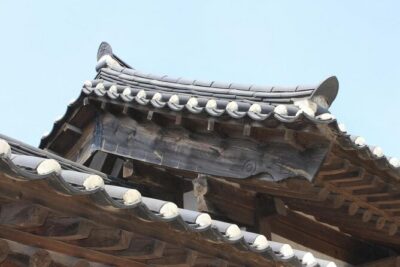 ★ 5.0Seoul City Sightseeing Tour Including Gyeongbokgung Palace, N Seoul Tower, and Namsangol Hanok VillageFrom $801,423 reviews
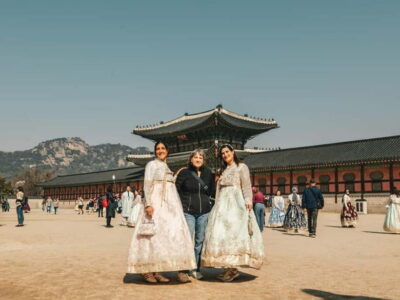 ★ 4.9Seoul Half-Day City Highlight, Palace Tour with HanbokFrom $49764 reviews
 ★ 4.8Dark Side of the City and Ghost Stories Walking TourFrom $42484 reviews
 ★ 5.0Seoul City Private Full-Day Tour Including LunchFrom $220469 reviews
 ★ 4.5Seoul City Half Day Tour-Gyeongbok Palace Guard Changing CeremonyFrom $38357 reviews
 ★ 4.9Guided City Wall Sunset Hike with Korean DinnerFrom $65227 reviews
Browse the lists this tour appears in