
Reviewed · HISTORICAL TOURS
Incheon Port History Tour by 19th Century Electric Car, KTourTOP10
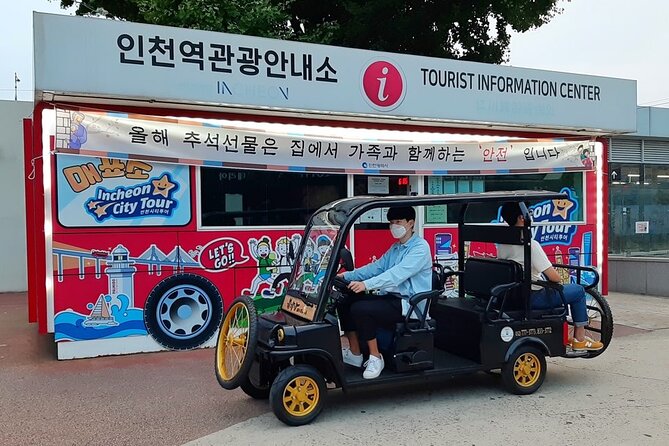
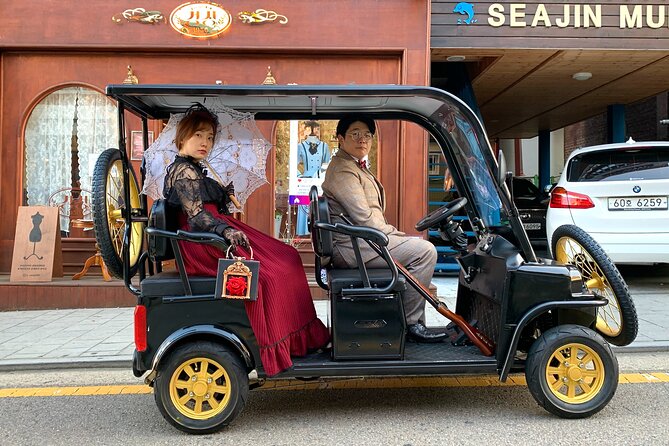
Old Incheon rides like a time machine. This Incheon Port History Tour uses a 19th-century-style electric vehicle to connect key port-area sites in about an hour, so the story stays moving and easy to follow.
I like the small-group setup (max 20) because it’s the kind of tour where you can actually ask a question when the moment fits. I also like the mix of stops, especially the Jjajangmyeon Museum at the original Gonghwachun site and the foreign-resident angle shown through places like the Jemulpo Club. One consideration: some departures rely heavily on pre-recorded narration, and at least one guide experience noted limited English, so it’s smart to come with curiosity but not expect a full back-and-forth conversation.
In This Review
- 5 Things That Make This Electric-Car Port Tour Worth Your Hour
- Incheon Port, Told Like a Moving Story
- The 19th-Century Electric Car: Fun, Quiet, Practical
- Stop-by-Stop: From Red-Brick Port History to Jemulpo Life
- Incheon Art Platform: Red Bricks and the Open Port Frame
- Jogye Area by the Stairs: Where Foreign Trade Had a Name
- Haean Catholic Church: Overseas Chinese Roots, 1960s Construction
- Jjajangmyeon Museum: Where Gonghwachun Began
- Euiseon-dang inside Chinatown: A Chinese-Style Shrine of Comfort
- Chohanji and Three Kingdoms Mural Street: Novel Stories Painted on Walls
- Jemulpo Club: Foreign Social Life and a Changing Century
- Price and Value: $45 Per Group, Not Per Person
- When This Tour Feels Best (And When It Might Not)
- Practical Tips: Meeting Point, Ticket, and Weather Reality
- Should You Book This Electric-Car Port History Tour?
- FAQ
- How long is the Incheon Port History Tour?
- What is the price, and how many people can book together?
- How many people are on the tour?
- Where does the tour start?
- Do I get a mobile ticket?
- What happens if the tour is canceled due to poor weather?
5 Things That Make This Electric-Car Port Tour Worth Your Hour
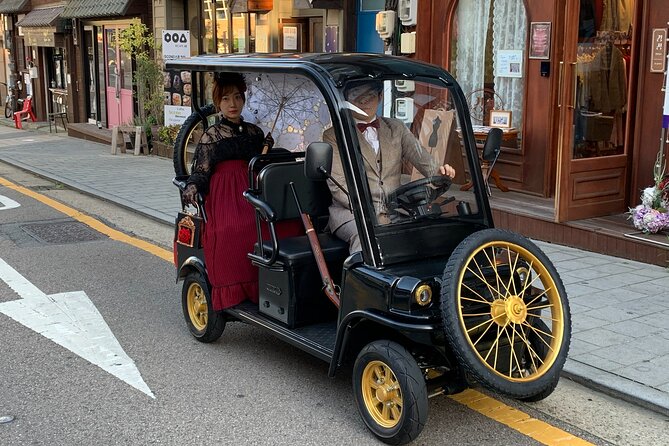
- A 19th-century-style electric car that keeps you gliding through Incheon’s historic lanes without fuss
- Incheon Art Platform in red brick, built as a showcase space for the open port story and performances
- Jogye stairs and surrounding buildings, tied to foreign trade areas and connected to Jayu Park
- Chinatown stops plus food history, including Euiseon-dang and the Jjajangmyeon Museum at Gonghwachun
- Jemulpo Club, which points you to how foreigners organized social life in Incheon
- Up to 3 people per booking for $45 per group (and a cap of 20 people on the tour)
Still deciding? These are the Seoul tours travellers book first.
- Private Airport Transfer: Incheon Airport to Seoul City (1-5 pax)★ 5.0 · 92 reviews
- Private Layover Tour from Incheon Airport to Seoul★ 5.0 · 78 reviews
- Seoul Layover Private Tour from Incheon Airport★ 5.0 · 65 reviews
- (P/Transfer) Incheon Airport ↔ Seoul (Up to 5 Pax)★ 5.0 · 61 reviews
Incheon Port, Told Like a Moving Story
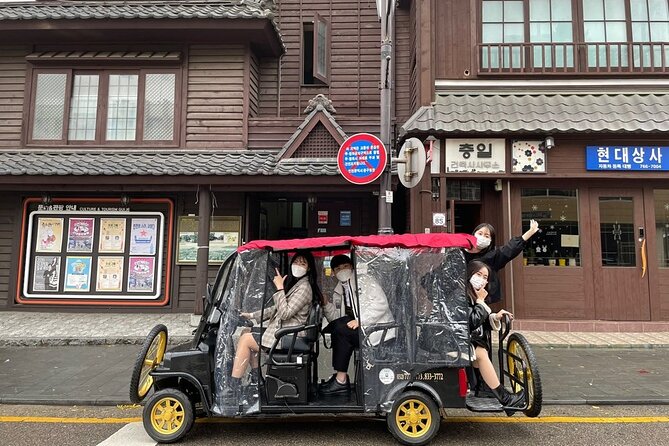
Incheon’s port mattered early, and you’ll feel that in how the tour is built. The route is built around the open-port streets and the areas where foreign residents, trade communities, and local culture overlapped. Since the tour runs about 50 minutes, it’s not trying to cover everything. It’s trying to give you a sense of direction fast: where people lived, what they built, and what symbols still remain.
This is also the kind of tour that works well when you’re short on time. Incheon can swallow hours if you wander without a plan. Here, you get a clear sequence that pulls you from one era marker to the next—art platform, foreign trade area, religious heritage, food history, mural storytelling, then the club-and-social-life thread.
The 19th-Century Electric Car: Fun, Quiet, Practical
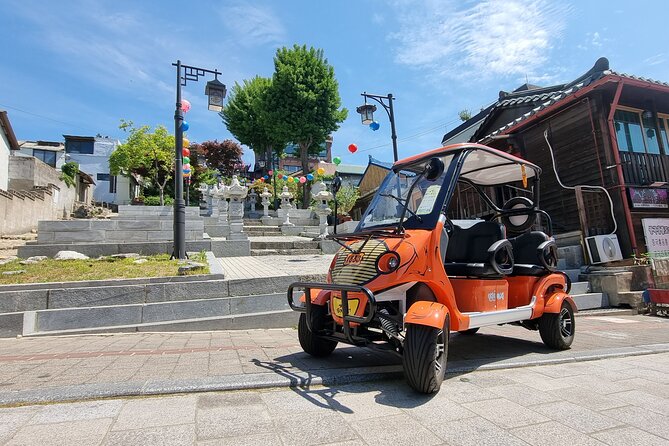
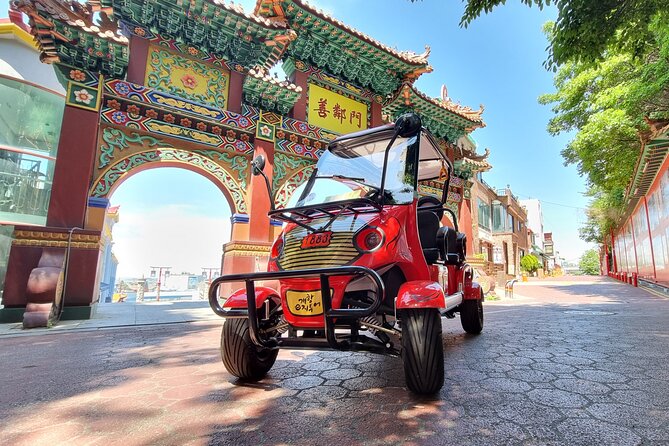
The vehicle is the star of the mood. It’s styled like an old electric car, and that matters because it changes how you experience the streets. You’re not stuck “walking and reading signs” for an hour. Instead, you’re rolling through the neighborhood with just enough speed to keep energy up and just enough slowness to notice details.
It’s also eco-friendly by design, which is part of why this tour fits the historic focus. When you’re touring a compact area like the Incheon Open Port area, you want low friction. This setup keeps your legs happy and helps you see multiple stops in one go—especially if you’re on a layover or trying to fit Incheon between other plans.
One more practical note: the tour ends back at the meeting point, so you don’t have to plan an awkward transit after. That makes it easier to stack with another short activity.
Stop-by-Stop: From Red-Brick Port History to Jemulpo Life
Here’s how the route unfolds, and what each stop is really good for.


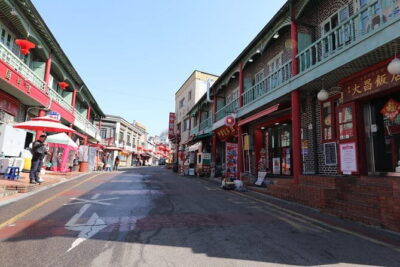
Incheon Art Platform: Red Bricks and the Open Port Frame
Your first meaningful anchor is the Incheon Art Platform, known for its red-brick look and for functioning as a place where exhibitions and performances happen. What I like about starting here is that it gives you a “port-history frame” before you go chasing details down streets.
If you’re the type who likes context before you wander, this stop helps you connect later locations into one story. Even if you don’t catch an active performance, it still sets the tone: Incheon’s open port isn’t just old buildings—it’s also cultural output, community life, and the way art remembers place.
Jogye Area by the Stairs: Where Foreign Trade Had a Name
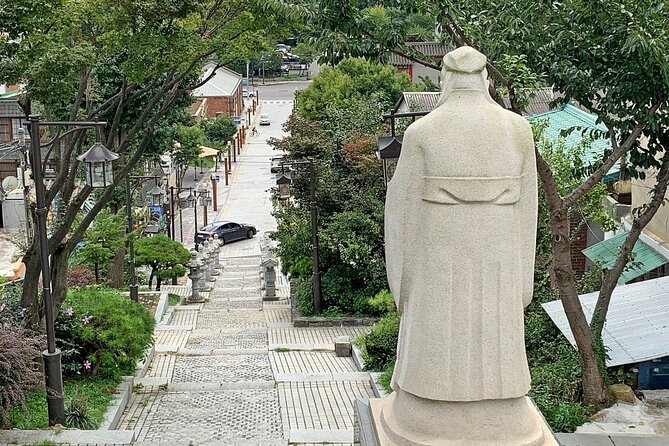
Next come the stairs and the layout of the area—Chinese and Japanese buildings around the steps. The term Jogye (조계) refers to a special zone for foreign residents or trade, and that’s exactly the kind of clue that turns a walk into history.
This stop is especially useful because it’s also linked to Jayu Park, and the route description points out the chance to see the Incheon Sea nearby. Translation: you get a heritage lesson plus a little geographic understanding of why this port area worked. The sea angle is the quiet theme that explains a lot.
If you want to understand Incheon’s “why,” this is where it starts to click.
Haean Catholic Church: Overseas Chinese Roots, 1960s Construction
Then you’ll hit Haean Catholic Church, described as a Catholic church with religious and historical significance created for devoted Catholics among overseas Chinese in the 1960s. Even though the building isn’t from the 1800s, it still matters because it shows that migration and community needs didn’t end with the first waves of trading-era contact.
This stop works for people who like the social side of history: who needed support, where faith communities formed, and how people rebuilt a sense of home after arriving far from it.
If churches aren’t your thing, you can still treat it as a “community marker.” It helps round out the tour beyond a purely commercial port narrative.
Jjajangmyeon Museum: Where Gonghwachun Began
One of the most memorable stops is the Jjajangmyeon Museum, located at the place where the first original Jjajangmyeon restaurant, Gonghwachun, used to be. This is food history told through location, relics, and the museum’s focus on Jjajangmyeon.
Why this is a smart stop: even if you’re not a museum person, this turns a familiar Korean-Chinese comfort food story into something place-based. You’re not just eating the dish; you’re standing on the origin story site as the tour presents it.
If you like connecting culture to everyday life, don’t skip this part. It’s one of the easiest “I get it now” moments on the whole route.
Euiseon-dang inside Chinatown: A Chinese-Style Shrine of Comfort
Inside Chinatown, you’ll see Euiseon-dang, a Chinese-style shrine built by Chinese immigrants who left their homeland seeking comfort from loneliness and immigration hardships. That description gives the stop real emotional weight.
It’s a reminder that historic Chinatown areas weren’t only commercial. They were also survival spaces—places for tradition, remembrance, and coping. If you’re the type who reads between the lines of architecture, this is one of the stops that earns its time.
Chohanji and Three Kingdoms Mural Street: Novel Stories Painted on Walls
Then there’s Chohanji Mural Street and Three Kingdoms Mural Street, a spot where murals relate to representative Chinese historical novels such as Chohanji and the Three Kingdoms. For many people, murals are more fun than they expect—here, the tour frames them as story references, not random street art.
This is also where the “port area as cultural exchange” theme becomes visible in a playful way. You can move through the street, read the story cues, and connect the literary influence to what you’ve been seeing.
If the rest of the tour feels a bit heavy, the mural streets provide a lighter, more visual finish before you head to the social club stop.
Jemulpo Club: Foreign Social Life and a Changing Century
The last major stop is Jemulpo Club. The route description lays out that it operated as a social club for foreigners living in Incheon in 1981, with spaces like a social room, billiard room, and reading room, plus a tennis court outside.
Later, it points to Japanese colonial-era changes in the early 1900s. The value here is the shift from “who lived where” to “how communities acted together.” Clubs and shared recreation are an overlooked part of migration history, and the Jemulpo Club structure helps you visualize daily life rather than only trade relationships.
Even if you only get a brief look, you finish the tour with a more human picture of the open port era.
Price and Value: $45 Per Group, Not Per Person

At $45 per group (up to 3), this tour can be a decent deal if you’re traveling with at least one other person. You’re effectively paying for convenience more than for museum-ticket depth. It’s a moving, guided orientation route with a few high-interest stops.
If you’re traveling solo, the math depends on how much you value saved time versus paying for separate taxis or transit to each stop. The tour’s short length matters here. At about 50 minutes, it’s easier to justify than a full-day guided outing when you’re tight on schedule.
The booking pace also tells you something: the tour is often booked around 38 days in advance on average. That doesn’t mean you can’t find space later, but it does mean you’ll have an easier time if you plan ahead, especially in busier weeks.
When This Tour Feels Best (And When It Might Not)
This fits best if you want:
- A quick overview of Incheon’s open port zone
- A gentle mix of culture, food history, and community heritage
- A low-effort way to cover multiple points without managing transit between them
It may feel less ideal if you’re looking for:
- Deep explanations at each stop with lots of back-and-forth Q&A
- A long “sit and read” museum-style pacing
Some experiences note that the narration can be pre-recorded, and not every guide setup supports fluent English conversation. If you’re the type who travels with a notebook of questions, you might feel limited. If you’re happy to take the story as it’s presented and focus on the sights, you’ll likely enjoy the route more.
Practical Tips: Meeting Point, Ticket, and Weather Reality
Your start point is 266 Jemullyang-ro, Jung-gu, Incheon. It loops back there, so take note before you depart. The tour uses a mobile ticket, which is usually easy—just make sure your phone battery is healthy.
The tour is described as near public transportation and suitable for most travelers. Service animals are allowed, which is always helpful if you travel with one.
One more reality check: it’s listed as requiring good weather. If poor weather cancels the activity, you’ll be offered a different date or a full refund. If your schedule is very rigid, it’s worth keeping a flexible plan for that hour.
Should You Book This Electric-Car Port History Tour?
If you want a fast, structured look at Incheon Port’s open-port area, I’d say yes—especially if you’re traveling with up to two others to take advantage of the group price. The route hits a smart blend of port-area identity, Chinatown heritage, food origin storytelling, and a foreign social-life landmark.
I’d think twice if you rely on live, fluent English narration to enjoy history. In that case, go in expecting more of a “sit back and watch the story” format than a discussion-heavy tour. Also, because there have been reports of start-time issues, I recommend checking that your departure is confirmed close to departure day—don’t assume it automatically.
FAQ
How long is the Incheon Port History Tour?
It runs for about 50 minutes.
What is the price, and how many people can book together?
The price is $45 per group and the group size is up to 3.
How many people are on the tour?
The tour has a maximum of 20 travelers.
Where does the tour start?
The meeting point is 266 Jemullyang-ro, Jung-gu, Incheon, South Korea.
Do I get a mobile ticket?
Yes. The tour uses a mobile ticket.
What happens if the tour is canceled due to poor weather?
If it’s canceled because of poor weather, you’ll be offered a different date or a full refund.
More Tours in Incheon
- Private Layover Tour from Incheon Airport to Seoul★ 5.0 · 78 reviews
- Seoul Layover Private Tour from Incheon Airport★ 5.0 · 65 reviews
- Full-Day Seoul Top Attractions Tour for Incheon Cruise Guests★ 4.5 · 34 reviews
- Cruise Guests Layover Incheon Port Seoul Private Car Tour★ 5.0 · 23 reviews
- Layover & Stopover in Seoul/private Tour★ 4.5 · 20 reviews
More Tour Reviews in Incheon
- Private Airport Transfer: Incheon Airport to Seoul City (1-5 pax)★ 5.0 · 92 reviews
- Private Layover Tour from Incheon Airport to Seoul★ 5.0 · 78 reviews
- Seoul Layover Private Tour from Incheon Airport★ 5.0 · 65 reviews
- (P/Transfer) Incheon Airport ↔ Seoul (Up to 5 Pax)★ 5.0 · 61 reviews
- Private Arrival Transfer: Incheon International Airport to Hotel★ 4.5 · 42 reviews
Just added to Exploring Seoul




Historical Tours, compared.
 ★ 5.0Evening Dark History, Folklore & Ghost Story Walking TourFrom $42593 reviews
 ★ 5.0Hanbok Photoshoot and History Tour at Gyeongbokgung PalaceFrom $60276 reviews
 ★ 4.9From Seoul: Dae Jang Geum Park Historic K-Drama Set TourFrom $55143 reviews
 ★ 5.0City Highlights and Historical Experience No ShoppingFrom $4974 reviews
 ★ 5.0Street photoshoot and Seoul Hidden gem History Walking TourFrom $4568 reviews
 ★ 4.5Discover Seoul: Local Life and HistoryFrom $9653 reviews
 ★ 5.0Korean History & Heritage TourFrom $47551 reviews
 ★ 5.0Namhansanseong UNESCO Historical Sites and Korean Folk Village-Private TourFrom $19829 reviews
Browse the lists this tour appears in