Reviewed · SEOUL
Heart of Seoul
Seoul’s food changes block by block. This Heart of Seoul tour strings together 5 famous stops and turns them into a practical tasting route with 10 included bites. I like that it’s designed by a Korean food expert (not a generic script), and I also like the mix of traditional favorites and modern market energy. The only catch is it’s a walking tour, so you’ll want comfortable shoes and a game plan if your legs aren’t great.
You start in Jung District and work your way toward Myeongdong, with food along the way—market stalls, major shopping streets, and an underground shopping stop for a calmer finish. In the feedback I’ve seen around the guide experience, Veronica stands out for explaining the food and the sites in a way that feels fun, not lecture-y.
If you’re looking for a sit-down dinner with zero walking, this isn’t that. It’s more like getting your bearings fast and then eating like a local, one stop at a time, for about 3 hours.
In This Review
- Key things to know before you go
- Why this tasting tour feels different in Seoul
- Price and value: what $115 covers (and why it can be worth it)
- Meeting in Jung District and ending near Myeongdong Cathedral
- Stop 1: Culture Station Seoul 284 (and why that first intro matters)
- Stop 2: Seoullo 7017 (the elevated walkway reset)
- Stop 3: Namdaemun Market (where the tour turns into real local eating)
- Stop 4: Myeongdong Shopping Street (street snack mode)
- Stop 5: Myeongdong Underground Shopping Center (and a gelato finish)
- The food breakdown: what you’ll actually taste
- Guide energy and pacing: what to expect from Veronica-style hosting
- Who should book this, and who should skip it
- Should you book Heart of Seoul?
- FAQ
- How long is the Heart of Seoul tour?
- How many foods do you get to taste?
- What’s included with the food (and what’s not)?
- How big is the group?
- Where do you meet, and where does it end?
- What’s the cancellation policy?
Key things to know before you go
- 10 included tastes in about 3 hours, so you don’t waste time deciding where to eat
- Small group size (max 12), which makes it easier to hear the guide and keep together
- A mix of market + shopping areas, from Namdaemun stalls to Myeongdong streets
- Free ticket stops early on, so your money goes mostly to food and guide time
- One beer glass included with fried chicken, with extra drinks paid separately
- Last-stop downtime in Myeongdong Underground Shopping Center, plus a gelato finish
Still deciding? These are the Seoul tours travellers book first.
- Best DMZ Tour Korea from Seoul (Red Suspension Bridge Optional)★ 5.0 · 41,422 reviews
- DMZ Tour: 3rd Tunnel, Option(Suspension Bridge, Boat) from Seoul★ 5.0 · 21,373 reviews
- DMZ tour south Korea from Seoul (NK experience hall, defector)★ 5.0 · 20,599 reviews
- Seoul: DMZ Tour with Optional Suspension Bridge★ 4.8 · 5,277 reviews
Why this tasting tour feels different in Seoul
In many places, food tours act like a formal tasting-menu experience: you get a set sequence, plated courses, and a clear “this is the order.” Korea doesn’t really work like that the same way. Instead, eating is often social and stall-based, and the best dishes show up where locals already go.
That’s exactly why this tour is built the way it is. You’re not hunting blindly for what’s good; you’re moving through well-chosen food zones while a Korean food expert guides you through what you’re eating and why Koreans actually like it. The result is a tasting tour that fits Seoul’s real rhythms—you eat what people eat, and you do it in a route that makes sense on foot.
I especially like that the tour doesn’t pretend food culture is one thing. Across the afternoon you’ll hit both older-school favorites and more current, everyday choices—so even if you’re not a hardcore “try everything” person, you’ll still find familiar comfort foods and a few surprises.
Price and value: what $115 covers (and why it can be worth it)
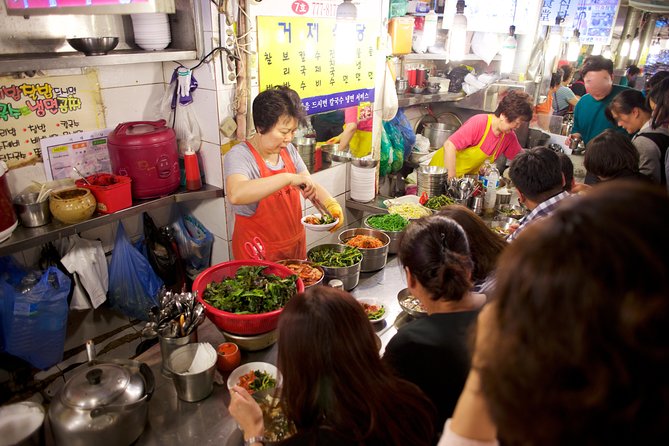
At $115 per person for roughly 3 hours, this can look like a splurge—until you see what’s included.
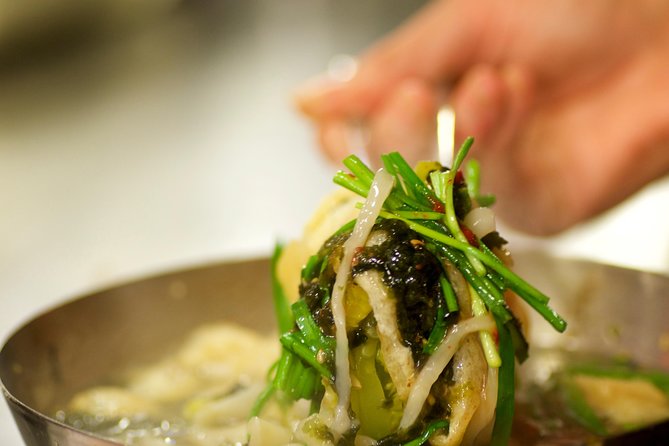
The tour includes a full set of meals and snacks such as kalguksu (noodle soup), naengmyeon (cold noodles), bibimbap, tteokbokki, eomuk (fish cake), tongdak (crispy fried chicken), mandoo (dumplings), and gelato, plus a local beer paired with the fried chicken. That’s a lot of food for a short time, and it’s the kind of set you’d otherwise piece together yourself—often across multiple neighborhoods and with lots of decision-making.
Also, several stops include free admission/tickets, meaning you’re not paying extra at each location. You’re paying for:
- a guided route through high-signal neighborhoods,
- the know-how to get the right places to eat,
- and the convenience of having 10 different tastes lined up.
The small group size (max 12) matters too. In crowded food areas, it’s easier to hear your guide and stay together, so you spend more time eating and less time trying to find the group again.
Meeting in Jung District and ending near Myeongdong Cathedral
You meet at 122-18 Bongnae-dong 2(i)-ga, Jung District, Seoul and the tour starts at 1:00 pm. The end point is Myeongdong Cathedral, 74 Myeongdong-gil, Jung District.
That end location is practical: once the tour finishes, you’re dropped right where you can keep exploring Myeongdong on your own—shopping streets, snack options, and a lot of places to sit down if you need a break.
The tour also uses a mobile ticket, and it’s described as near public transportation, which is helpful in Seoul where transit makes hopping between areas easy. In other words, you’re not getting stranded in a hard-to-reach spot.
One thing I’d plan for: it’s a walking tour. Most people can join, but if you have leg issues, you’ll want a wheelchair and someone to help you, since the pace and walking time are part of the experience.
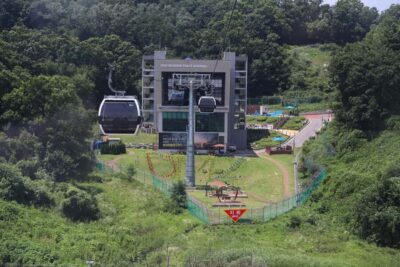
Stop 1: Culture Station Seoul 284 (and why that first intro matters)
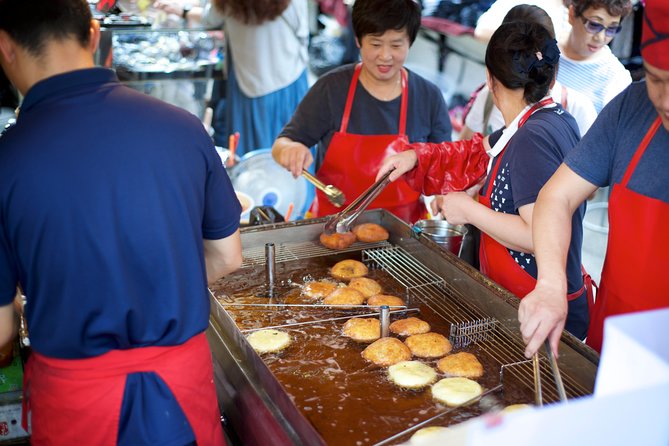
The first stop is Culture Station Seoul 284. You meet your guide at the entrance, and they explain the building itself. The stop is about 10 minutes, and admission is free.
This isn’t just a photo break. Getting a quick site explanation early helps you connect the rest of the route to Seoul’s bigger story. Even if you’re focused on food, you’ll get better context for what you’re walking past and why the area feels the way it does today.
Practical tip: stand where you can hear the guide, because this is the kind of stop where the key information is delivered fast.
Stop 2: Seoullo 7017 (the elevated walkway reset)
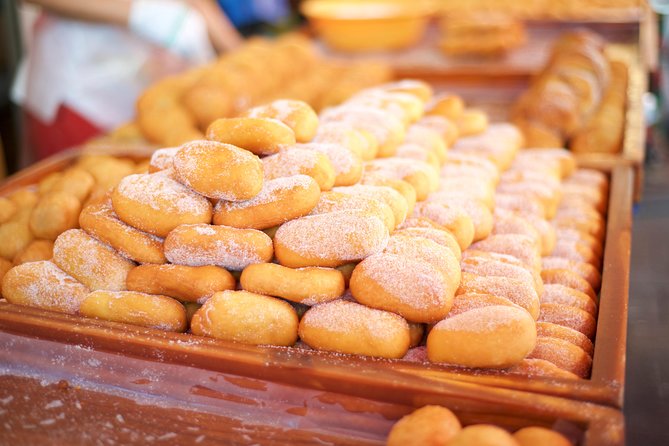
Next you head to Seoullo 7017. The guide brings you up there and you walk the walkway toward the next spot. This section is about 20 minutes, with free admission.
Why this matters on a food tour: it gives your body a reset. You’ll likely be hungry, but you also need a breather between major eating zones. An elevated pedestrian stretch also makes it easier to see parts of the city without the same level of street-level crowd pressure.
This is also a good moment to regroup mentally: you’ll feel like you’re transitioning from one “world” of Seoul to another—market energy toward shopping-and-street-food energy.
Stop 3: Namdaemun Market (where the tour turns into real local eating)
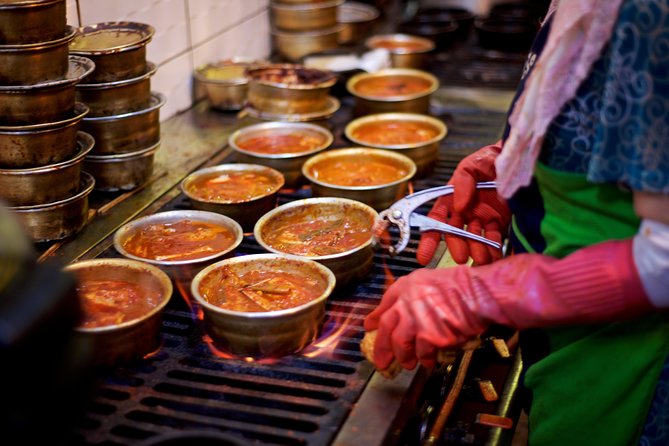
Then comes Namdaemun Market, where your guide explains interesting stalls and restaurants. You spend about 1 hour here, and this part is where you’ll taste some of the food that locals get excited about.
Namdaemun is the kind of place where you could wander for hours and still miss the best choices. The guide’s job is to cut through that noise. Instead of you trying to decode menus, stalls, and lines on your own, you’re guided to bites that fit the tour’s “10 different foods” plan.
What I like about this stop is that it grounds the tour in the type of food culture most people imagine when they think of Seoul: busy, slightly chaotic, and deeply normal to locals.
Good to know: market areas involve lots of standing, moving, and smells. If you’re sensitive to strong aromas, take it slow and drink water when you can.
Stop 4: Myeongdong Shopping Street (street snack mode)
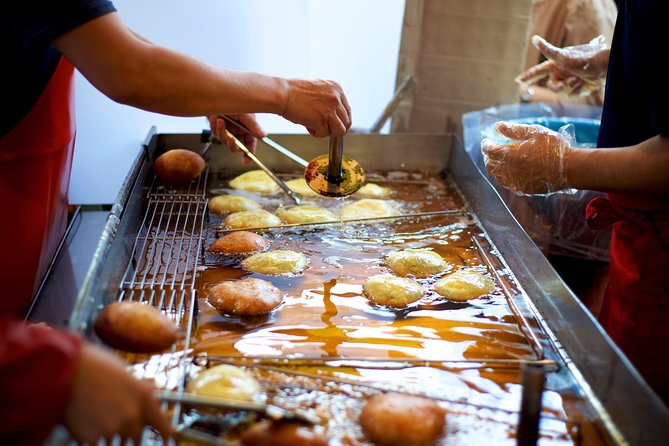
After the market, the tour moves to Myeongdong Shopping Street, a major hub for cosmetics and street foods. This is about 1 hour, and admission is free.
You’ll visit some places specifically to taste food here. Myeongdong is more “shopping and street eats” than “market stalls,” so the vibe shifts. That’s useful because your taste experience changes too—you go from casual market bites to more structured street-food stops where you’ll often see ready-to-order snacks and crowd favorites.
If you like people-watching, this is where the energy lands. The downside is that Myeongdong can feel busy. If you’re someone who dislikes crowds, keep your expectations flexible and remember the goal here isn’t quiet sightseeing. It’s food plus city atmosphere.
Stop 5: Myeongdong Underground Shopping Center (and a gelato finish)
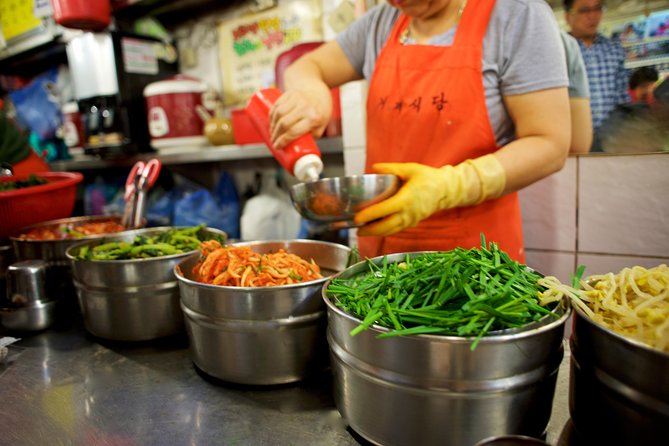
The last stop is Myeongdong Underground Shopping Center, for about 30 minutes, and admission is included. The description emphasizes that it has brand shops trusted and respected by many people, and it’s positioned as the place where the tour finishes with more leisurely time.
You’ll also find a gelato shop at the final spots, which is a sweet way to land the tour. This is an underrated choice for a food tour ending, because underground shopping centers can be less weather-dependent than open streets—and the vibe is calmer once you’ve hit the last bite.
If you have a travel habit of immediately rushing to the next attraction after a tour, this stop is a good chance to breathe. You’re finishing with food already done, so you can linger without the pressure of fitting another meal into the day.
The food breakdown: what you’ll actually taste
This tour is built around 10 different foods across the afternoon, with included items such as:
- Kalguksu (칼국수) noodle soup
- Naengmyeon (냉면) cold noodles
- Bibimbap (비빔밥) mixed rice with toppings
- Tteokbokki (떡볶이) spicy rice cakes
- Eomuk (어묵) fish cake
- Tongdak (통닭) old-styled crispy fried chicken
- Korean local beer (a glass with the fried chicken)
- Mandoo (만두) dumplings
- Korean dumplings (included as part of the dumpling tastings)
- Gelato
Even without knowing the exact order of each dish, you can count on variety: noodles, dumplings, street-style snacks, fried chicken, and a cold-sweet finish. That spread is a big part of the value. If you tried to assemble these items on your own, you’d probably end up repeating one style of food just because it’s easier to find.
One practical note: alcoholic drinks are only partly included. A glass of beer is part of the fried chicken portion, but extra beer and drinks are paid separately. If you don’t drink alcohol, it’s still a good tour because most of the value comes from the food set.
Guide energy and pacing: what to expect from Veronica-style hosting
The biggest “secret ingredient” on a walking food tour is the guide. The tour is designed by a Korean food expert, and the hosting style matters because you’re moving, eating, and learning all at once.
From the guide experiences shared around this tour, Veronica is specifically praised for explaining food, history, and sites in a way that feels lively. That kind of guidance is useful because it turns each bite into something you can remember, not just something you ate quickly.
Pacing is another factor. With a 3-hour duration and a cap of 12 people, you won’t feel like you’re in a long-distance parade. You’ll still walk—just not in a way that drowns the experience.
Small-group tips that help:
- wear shoes that handle uneven sidewalks,
- keep your coat handy if you get cold easily (Seoul weather can shift),
- and try to leave room in your stomach for the late stops, especially the fried chicken and dumplings.
Who should book this, and who should skip it
This tour is a great fit if you:
- want a clear path for where to eat without doing planning all day,
- like a mix of market food and modern street-food culture,
- enjoy learning while you eat, not after you eat.
It’s also good if you’re short on time. In about 3 hours you get a lot of variety—no need to find separate restaurants for each dish.
I’d be more cautious if you:
- have trouble walking long distances or standing for snack stops,
- want a fully seated, slow-paced meal format,
- prefer tours with very quiet areas and minimal crowding.
For mobility needs, the tour notes that someone with leg problems should use a wheelchair and have someone helping. So if that’s your situation, it’s worth thinking through how you’ll manage the walking route.
Should you book Heart of Seoul?
I’d book this if you want a food tour that feels like it matches Seoul’s way of eating: lots of small tastings, guided choices, and a route that makes sense from Jung District to Myeongdong.
It’s also a good value play. You’re getting a bundle of meaningful Seoul dishes—noodles, dumplings, fried chicken, street rice cakes, plus gelato and a beer glass—within a short time window, and several stops don’t add extra ticket costs.
Just be honest about the walking. If you’re physically comfortable for a 3-hour route and you want to eat your way around the center of the city, this is a smart, low-stress way to do it.
FAQ
How long is the Heart of Seoul tour?
It’s about 3 hours on foot.
How many foods do you get to taste?
The tour is designed around tasting 10 different foods.
What’s included with the food (and what’s not)?
Included items include foods such as kalguksu, naengmyeon, bibimbap, tteokbokki, eomuk, tongdak (crispy fried chicken), mandoo/dumplings, and gelato, plus a Korean local beer with the fried chicken. Extra alcoholic drinks are not included.
How big is the group?
The tour has a maximum of 12 travelers.
Where do you meet, and where does it end?
You start at 122-18 Bongnae-dong 2(i)-ga, Jung District and meet at the listed starting point. The tour ends near Myeongdong Cathedral (74 Myeongdong-gil, Jung District).
What’s the cancellation policy?
You can cancel for a full refund if you cancel at least 24 hours before the experience’s start time. If you cancel less than 24 hours before, the amount paid is not refunded.
More Tour Reviews in Seoul
- Best DMZ Tour Korea from Seoul (Red Suspension Bridge Optional)★ 5.0 · 41,422 reviews
- DMZ Tour: 3rd Tunnel, Option(Suspension Bridge, Boat) from Seoul★ 5.0 · 21,373 reviews
- DMZ tour south Korea from Seoul (NK experience hall, defector)★ 5.0 · 20,599 reviews
- Seoul: DMZ Tour with Optional Suspension Bridge★ 4.8 · 5,277 reviews
- Seoul: DMZ The 3rd Tunnel and Suspension Bridge Tour★ 5.0 · 4,656 reviews