
Reviewed · GYEONGBOKGUNG & PALACE TOURS
Seoul: Changgyeonggung & Gwangjang Market & Naksan Park
Seoul at night changes everything in one walk. This tour strings together Changgyeonggung Palace after dark and Naksan Park’s skyline views in a way that feels calmer and more cinematic than most sightseeing. I especially love how the evening lighting turns a historic palace into something fresh, and how the pacing still leaves room to stop and look up. One thing to consider: it involves walking on uneven ground and viewpoints, so comfy shoes matter, and it is not suitable for wheelchair users.
What makes it work for you is the human touch: a small group limited to 8, with a guide who speaks English and Chinese (names I’ve seen in the feedback include Yoon and Travis). You’ll also get practical help like optional short van transfers, plus an easy end point at major areas such as Dongdaemun History & Culture Park, Myeongdong, or Euljiro 3-ga.
In This Review
- Key things to know before you go
- Changgyeonggung Palace by Night: a different Seoul mood
- Where the walking starts: Honghwamun vs Jongno-5-ga
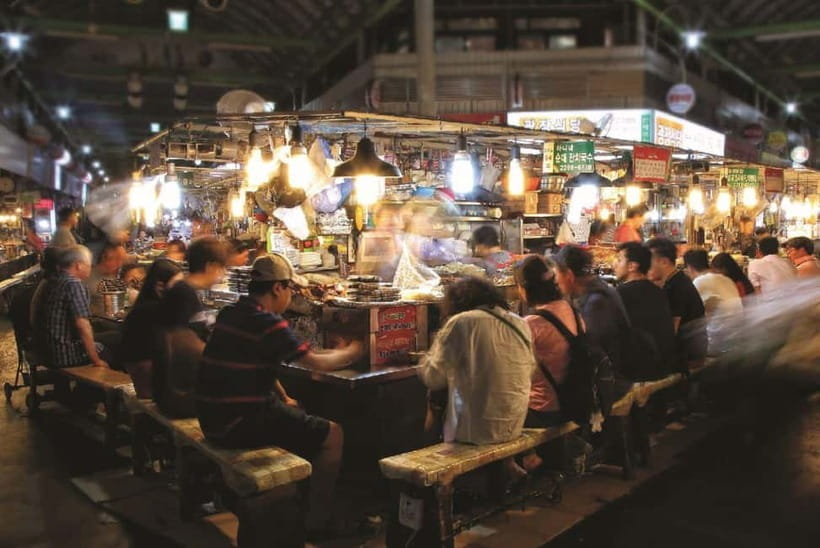
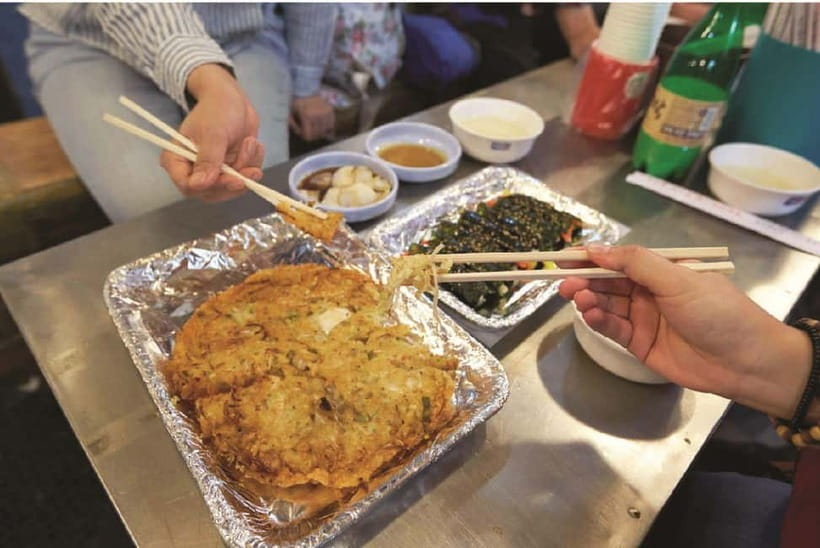
- Gwangjang Market: snack dinner energy without the sit-down time
- Naksan Park: a calm walk with big photo payoff
- Eungbongsan Mountain: the starlit skyline moment
- Small-group guiding: why max 8 people matters
- Timing and flow: how the 1–5 hour window actually plays out
- Getting off at Dongdaemun, Myeongdong, or Euljiro
- What to bring (and what to skip)
- Who this tour is best for
- Price and value: is $30 fair for this mix?
- Should you book this Seoul night tour?
- FAQ
- What is the price for this tour?
- How long is the tour?
- Where does the tour start?
- What are the main stops during the tour?
- Are meals included?
- What is included in the tour price?
- Is the tour good for kids?
- Is the tour wheelchair accessible?
- What should I bring?
- What is the cancellation policy?
Key things to know before you go
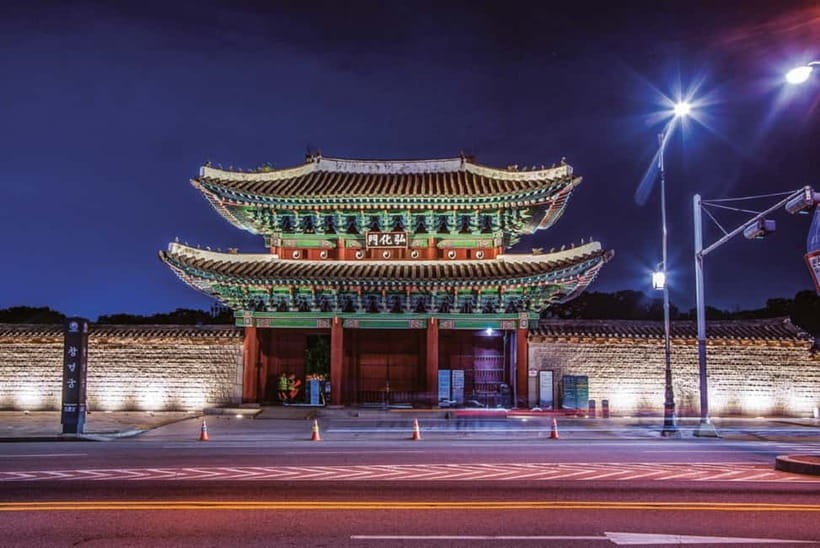
- Night lighting at Changgyeonggung Palace makes the palace feel quieter and more dramatic
- Gwangjang Market street-food time is built in for dinner-like snacking (dinner not included)
- Naksan Park photo stop gives wide views without needing you to be a hardcore hiker
- K-Pop Demon Hunters filming connection adds fun context around Rumi & Jinu’s story at the fortress walls
- Eungbongsan Mountain skyline wraps the evening with starlit city views
- Max 8 people keeps questions easy and the route manageable
Keep walking the palaces of old Seoul
- Seoul: Gyeongbok Palace, Bukchon Village, and Gwangjang Tour★ 4.9 · 2,321 reviews
- Best Seoul City Tour (Gyeongbokgung Palace,Insadong,Namsan Tower)★ 5.0 · 1,647 reviews
- Small-Group Royal Palace and Seoul City Tour (hotel pick-up)★ 5.0 · 1,474 reviews
- Seoul City Sightseeing Tour Including Gyeongbokgung Palace, N Seoul Tower, and Namsangol Hanok Village★ 5.0 · 1,423 reviews
Changgyeonggung Palace by Night: a different Seoul mood
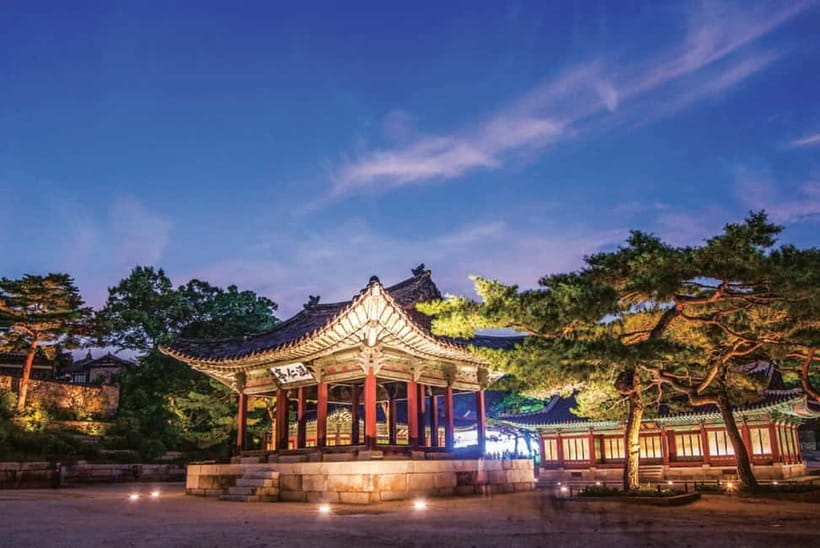
Changgyeonggung Palace is the star of the first main block, and the timing is the point. During the day, palaces are often about crowds and schedules. At night, the atmosphere softens. You’re not rushing between photo spots. You’re moving slowly enough to notice gates, courtyards, and the way lighting changes how the architecture reads.
The guide-led part matters here. Even if you know the basics, a good guide helps you connect the dots—what you’re looking at, why certain buildings sit where they do, and how the palace fits into the broader story of Seoul. The feedback I saw praised guides for being informative and attentive, and that’s exactly what you want on a dark walking tour where you can’t rely on signage alone.
A practical note: night tours mean you’ll likely be dealing with cooler air, dimmer paths, and more places to trip if you wear the wrong shoes. Pack water and wear shoes with grip. A camera is also worth it—not just for skyline shots, but for palace details lit from multiple angles.
Possible drawback: if you’re expecting a hands-off, wander-by-yourself experience, a guided format might feel a bit structured. But in exchange, you get context and smoother timing.
Where the walking starts: Honghwamun vs Jongno-5-ga
You can start from one of two locations: 창경궁 홍화문 (Changgyeonggung Honghwamun) or 종로5가역 (Jongno-5-ga Station). That choice affects how your evening feels.
- If you start at Honghwamun, you’ll likely ease right into the palace atmosphere with less transit time and less logistics.
- If you start at Jongno-5-ga, you get an easier connection with a major transit hub and you can sync the tour with other plans you might have that evening.
Either way, the tour is designed for an evening loop rather than a one-way transfer. There are also optional short van transfers. That’s helpful when you’re switching between areas and you want to save energy for the viewpoints.
Gwangjang Market: snack dinner energy without the sit-down time
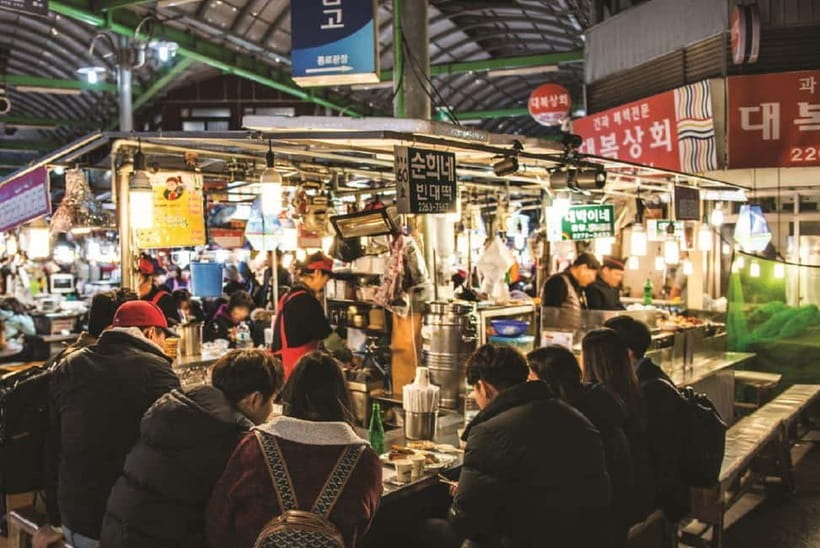
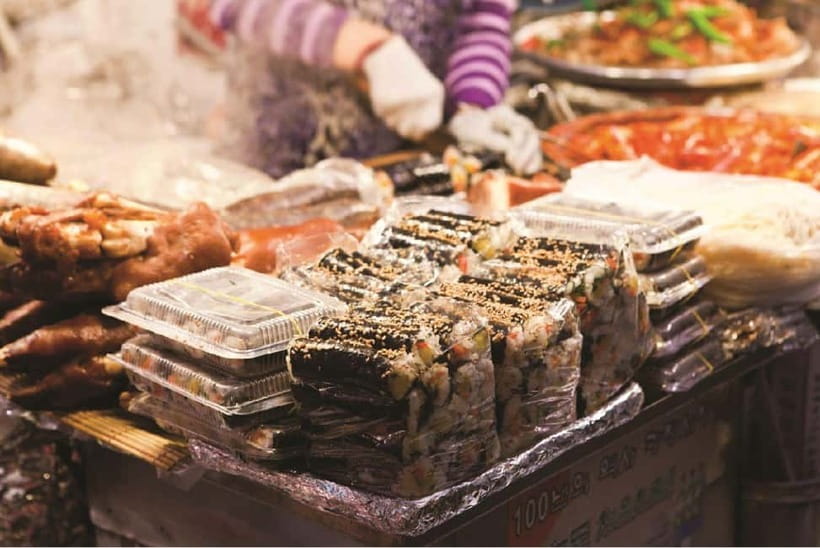
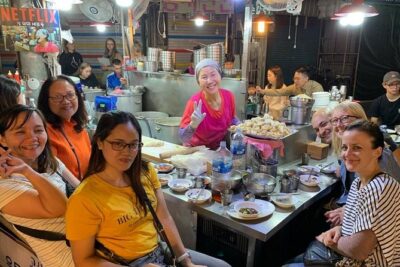
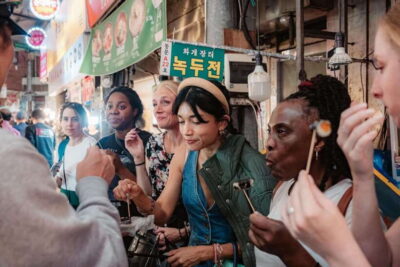
After the palace segment, the route turns toward food and street-level Seoul with a stop at Gwangjang Market. This is not “browse for an hour and hope you find something.” The market time is long enough—about 1.5 hours—that you can actually eat, not just window-shop.
The key value here is guidance. Gwangjang Market is famous, but being famous can also mean decision overload: there are so many stalls that you can easily miss the iconic items that fit your tastes. On a guided evening, you’re more likely to hit the best-known snacks without wasting your limited night time.
One detail to plan around: dinner is not included. That sounds negative until you realize it’s actually flexible. You can snack like a local, then decide what (and how much) you want to spend. If you like trying a little of everything, you’ll do well here. If you prefer one “big” meal, you can use the market time to go that route.
My practical tip: bring small bills/coins if you can, and don’t assume everything is spicy. Seoul street food can go from mild to intense fast, especially when you’re eating in cooler evening air.
Still hungry? More Seoul market and street-food crawls
Naksan Park: a calm walk with big photo payoff
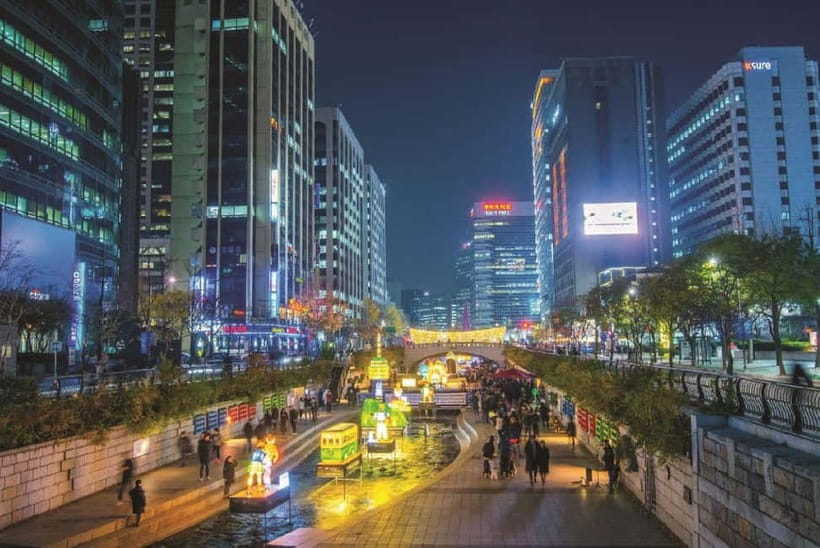
Next comes Naksan Park, and this stop is a clever one for an evening tour. It gives you a slower pace and panoramic views without forcing you into a long hike at peak fatigue.
The park segment includes a photo stop and sightseeing time (about 1 hour). That’s long enough for you to:
- walk a bit and take in the fortress-wall vibe
- catch wide shots over Seoul
- pause without feeling like you’re sprinting between landmarks
This is also where the K-Pop Demon Hunters connection comes in. If you’re a fan, you’ll recognize Naksan Park as a filming spot tied to the story of Rumi & Jinu against the fortress walls. Even if you’re not deep into K-drama fandom, the framing still helps. It gives you a reason to look at the views with story-mode eyes, not just tourist eyes.
A drawback consideration: because it’s a viewpoint park at night, you’ll want to keep an eye on footing. Paths can be uneven, and the best angles often mean walking a little farther than you expect.
Eungbongsan Mountain: the starlit skyline moment
Then the tour heads upward to Eungbongsan Mountain for panoramic views. This is the part that tends to make people remember the whole trip. You’re not just seeing Seoul. You’re seeing Seoul as a night skyline—glittering and layered—under a starlit sky.
What makes this segment especially valuable is how it changes your sense of scale. After palace walls, market streets, and the park viewpoint, you’re finally getting height. That’s the “wow” factor, but it’s also practical: it helps you orient yourself for the rest of your trip because you start to recognize where neighborhoods sit relative to each other.
You’re climbing, so keep expectations realistic. This isn’t described as a hardcore trek, but it does involve the kind of walking where you should pace yourself and drink water. If you get cold easily, add a light layer. Night air can bite after you stop moving.
Small-group guiding: why max 8 people matters
This is a small group tour limited to 8, with a local English and Chinese-speaking guide. That’s not just a comfort perk. It changes the experience.
With a larger group, you often spend the evening waiting and following. With a small group, you can ask questions, hear explanations clearly, and adjust when you need a moment to regroup. The kind of feedback I saw emphasized guides who were both warm and caring, and that usually shows up in practical things: keeping the group together, making sure people understand what they’re seeing, and managing the timing so everyone gets their photo chance.
Guide names I saw in the feedback include Yoon and Travis, and the common theme was that their explanations were easy to follow and that they paid attention to the group’s comfort. If you like guided travel that still feels personal (not rehearsed), this format fits.
Timing and flow: how the 1–5 hour window actually plays out
The duration is listed as 1 to 5 hours, and in practice you should think of it as an evening plan that fits into your night rather than a full-day commitment. The core blocks you can count on are:
- palace time (guided sightseeing)
- market time (dinner-like snack window)
- Naksan Park time (photo and views)
- an additional viewpoint climb to Eungbongsan Mountain
That mix is what makes the tour feel “efficient,” not rushed. You get culture, food, viewpoints, and a fun pop-culture framing without needing separate tickets and separate days.
If you’re someone who hates feeling trapped on a clock, it’s still worth going. The guide-led structure helps keep the evening moving, but it’s built around stops where slowing down makes sense—especially at Naksan and Eungbongsan.
Getting off at Dongdaemun, Myeongdong, or Euljiro
At the end, you get dropped off near major areas, including options such as Dongdaemun History & Culture Park Station, Myeongdong Station, or Euljiro 3-ga Station. This matters because it turns the tour into a seamless evening, not a dead end where you have to figure out your own transport afterward.
There’s also mention of return to areas like 창경궁 홍화문 or Myeong-dong depending on booking. The takeaway for you: choose the drop-off that matches where you want your night to continue—street shopping, late dinner, or an easy metro route back to your hotel.
Also: no smoking is allowed, so if you smoke, plan on doing it outside the group time and in permitted areas only.
What to bring (and what to skip)
You’re given straightforward “bring” advice, and it’s all useful:
- Comfortable shoes (non-negotiable)
- Camera for palace lighting and skyline views
- Water because viewpoints and walking add up
If you’re going in cooler months, add a layer. If you’re going in hotter months, bring extra water. The tour isn’t described as having long rest breaks, and the evening climb means you’ll feel it.
You can also save money by planning your snack budget at Gwangjang Market. Dinner isn’t included, so decide ahead of time whether you want a few iconic bites or a more filling meal.
Who this tour is best for
This is a good fit if you:
- want a night-focused Seoul experience with less daylight crowd pressure
- like guided history, not just photos
- want street-food time at a famous market without guessing what to order
- are a K-drama or K-pop filming-location fan, especially if you like the Demon Hunters connection tied to Rumi & Jinu
- prefer a small group over big buses
It may not be your best choice if:
- you need wheelchair-accessible routes (it’s not suitable for wheelchair users)
- you’re traveling with very young kids (children under 5 are not suitable)
- you’re sensitive to walking on uneven ground at night
Price and value: is $30 fair for this mix?
At $30 per person, the price is competitive for a tour that combines several high-demand stops: palace sightseeing, a major market food segment, viewpoint photography time, and a guided climb to a skyline viewpoint. The value comes from the structure: you’re paying for someone local to guide you through multiple settings so you don’t have to stitch together separate plans.
What keeps it from being a “cheap” purchase is what’s not included: dinner. You’ll still pay for your market snacks and any drinks. But that can be a plus if you want control over what you eat. Also included are key costs you’d normally cover yourself: the guide and the small-group format, plus optional short van transfers.
If you’re already spending your evening efficiently—palace + market + viewpoints—that $30 starts to look less like a tour fee and more like a way to buy time and clarity.
Should you book this Seoul night tour?
Book it if you want a well-paced evening that’s more than sightseeing photos. This tour is strong when you care about three things: night atmospheres, good explanations, and views you can’t easily replicate on your own. The best part is how the stops connect—culture, food, and skyline—so the whole night feels like one story.
Skip it if your plans are strictly “comfort only,” because there’s walking and viewpoints after dark. Also skip if mobility needs are a concern, since it’s not suitable for wheelchair users.
If you match the sweet spot—comfortable walking, camera ready, and curiosity about both historic Seoul and K-pop filming vibes—this is a smart, enjoyable way to spend an evening in the city.
FAQ
What is the price for this tour?
The price is $30 per person.
How long is the tour?
The duration is listed as 1 to 5 hours, depending on the starting time and tour schedule.
Where does the tour start?
You can start at 창경궁 홍화문 or 종로5가역, depending on the option booked.
What are the main stops during the tour?
The tour covers Gwangjang Market, Changgyeonggung Palace, Naksan Park, and also includes a panoramic viewpoint stop at Eungbongsan Mountain.
Are meals included?
Dinner is not included. You’ll have time at Gwangjang Market, but you’re responsible for what you choose to eat.
What is included in the tour price?
A local English & Chinese-speaking guide is included, along with a small group experience (up to 8 participants). Optional short van transfers are also included.
Is the tour good for kids?
It is not suitable for children under 5.
Is the tour wheelchair accessible?
No, it is not suitable for wheelchair users.
What should I bring?
Bring comfortable shoes, a camera, and water.
What is the cancellation policy?
You can cancel up to 24 hours in advance for a full refund, and there is also free cancellation mentioned with that same timing.
More of the Old City Wall
- Seoul: Guided City Wall Sunset Hike with Korean Dinner★ 4.9 · 227 reviews
- Seoul: Nighttime Tour of Palace, Market, Naksan Park & More★ 4.9 · 143 reviews
- Seoul Night Tour (Gwangjang Market, Royal Palace and Naksan Park)★ 5.0 · 92 reviews
- Seoul Night “Private Tour”(Korean BBQ, N-Tower, Seoul Fortress, Local Market)★ 4.5 · 86 reviews
- Spiritual Adventure: Into Inwangsan and Korean Shamanism★ 5.0 · 39 reviews
Eat Your Way Further Through Seoul
- Seoul: Gyeongbok Palace, Bukchon Village, and Gwangjang Tour★ 4.9 · 2,321 reviews
- Seoul Street Food Market Tour★ 5.0 · 1,226 reviews
- Seoul: Gyeongbok Palace, Bukchon Village, and Gwangjang Tour★ 5.0 · 1,044 reviews
- Local Home Korean Cooking Class & Market Adventure in Seoul★ 5.0 · 1,024 reviews
- Seoul: Night Market Food Tour with Local Guide★ 4.9 · 943 reviews
Still More Palaces to Walk
- Seoul: Gyeongbok Palace, Bukchon Village, and Gwangjang Tour★ 4.9 · 2,321 reviews
- Best Seoul City Tour (Gyeongbokgung Palace,Insadong,Namsan Tower)★ 5.0 · 1,647 reviews
- Small-Group Royal Palace and Seoul City Tour (hotel pick-up)★ 5.0 · 1,474 reviews
- Seoul City Sightseeing Tour Including Gyeongbokgung Palace, N Seoul Tower, and Namsangol Hanok Village★ 5.0 · 1,423 reviews
- Seoul: Gyeongbok Palace, Bukchon Village, and Gwangjang Tour★ 5.0 · 1,044 reviews
Just added to Exploring Seoul
Gyeongbokgung & Palace Tours, compared.
 ★ 4.9Gyeongbok Palace, Bukchon Village, and Gwangjang TourFrom $322,321 reviews
 ★ 5.0Best Seoul City Tour (Gyeongbokgung Palace,Insadong,Namsan Tower)From $581,647 reviews
 ★ 5.0Small-Group Royal Palace and Seoul City Tour (hotel pick-up)From $561,474 reviews
 ★ 5.0Seoul City Sightseeing Tour Including Gyeongbokgung Palace, N Seoul Tower, and Namsangol Hanok VillageFrom $801,423 reviews
★ 5.0Gyeongbok Palace, Bukchon Village, and Gwangjang TourFrom $321,044 reviews
★ 5.0Seoul City Sightseeing Tour Including Gyeongbokgung Palace, N Seoul Tower, and Namsangol Hanok VillageFrom $801,423 reviews
★ 5.0Gyeongbok Palace, Bukchon Village, and Gwangjang TourFrom $321,044 reviews
 ★ 4.9Seoul Half-Day City Highlight, Palace Tour with HanbokFrom $49764 reviews
 ★ 4.9Palace, Temple and Market Guided Foodie Tour at NightFrom $60750 reviews
 ★ 4.7Seoul Highlights: Gyeongbok Palace, Insadong & N Seoul TowerFrom $26726 reviews
Browse the lists this tour appears in