
Reviewed · GYEONGBOKGUNG & PALACE TOURS
Seoul: Bukchon Village, Gyeongbokgung, Gwangjang Market
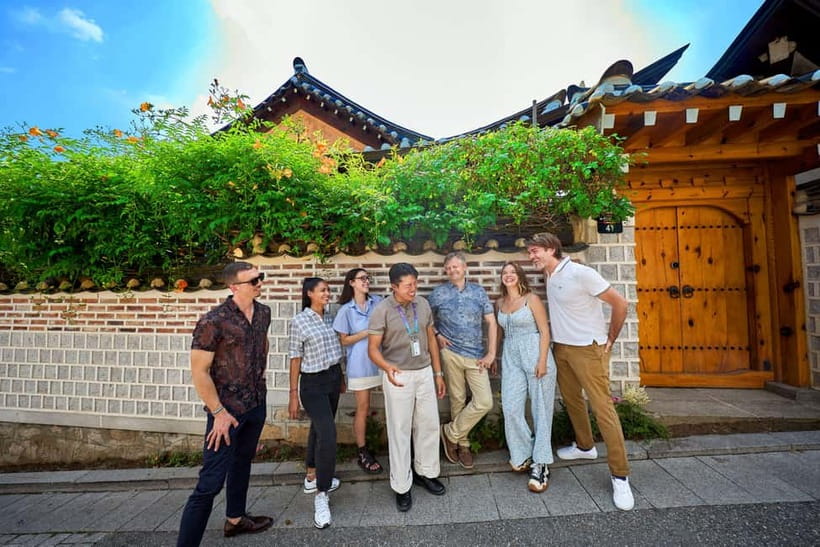
Royal guards and old streets in one half-day. I really like how this tour strings together Bukchon Hanok Village and the Royal Guard Changing Ceremony so you feel Seoul’s eras shift right in front of you.
I also like the pacing: enough walking to get the vibe, plus scheduled stops like the Cheongha ginseng museum tea break and a focused market food hour. One watch-out: it moves fast, so pack for standing and walking, and don’t assume you’ll see Gyeongbokgung on Tuesdays.
In This Review
- Key things to know before you go
- Starting in Myeongdong: where the half-day tour begins
- Bukchon Hanok Village: the photo-friendly streets between palaces
- Gyeongbokgung Palace guard changing: the Joseon ritual you actually remember
- Gyeongbokgung Palace tour plus the Blue House pass-by
- Cheongha Korean Ginseng Museum: tea break with optional shopping
- Gwangjang Market: street-food time you can taste
- Tuesday-only reality: Changdeokgung Palace and Insadong instead
- How much walking is involved, and what to bring
- Price and value: why $30 makes sense for first-timers
- Who should book this Seoul combo, and who might not love it
- Should you book this tour?
- FAQ
- Where do I meet this tour?
- What’s the tour length?
- Is the tour guided in English?
- What happens on Tuesdays?
- Does the tour include Ginseng tea and is buying required?
- What food should I expect at Gwangjang Market?
- Where does the tour end?
- What should I bring?
Key things to know before you go
- Myeongdong meet-up keeps things simple: you start and end at subway Exit 8.
- Guard-changing day vs Tuesday swap: Gyeongbokgung closes on Tuesdays, so you’ll go to Changdeokgung instead.
- Ginseng tea stop, no hard sell: you can learn and browse, but buying is optional.
- Photo stops are built in at Bukchon and during palace time, so you’re not scrambling for moments.
- Gwangjang Market is the food payoff with bindaetteok, mayak gimbap, and tteokbokki.
- Your guide can make the difference; I’ve seen standout guides named Alice, Eva, Kelly, Claire, Judy, Lina, and Alex get praised for clear explanations and handy photo help.
Keep walking the palaces of old Seoul
- Seoul: Gyeongbok Palace, Bukchon Village, and Gwangjang Tour★ 4.9 · 2,321 reviews
- Best Seoul City Tour (Gyeongbokgung Palace,Insadong,Namsan Tower)★ 5.0 · 1,647 reviews
- Small-Group Royal Palace and Seoul City Tour (hotel pick-up)★ 5.0 · 1,474 reviews
- Seoul City Sightseeing Tour Including Gyeongbokgung Palace, N Seoul Tower, and Namsangol Hanok Village★ 5.0 · 1,423 reviews
Starting in Myeongdong: where the half-day tour begins
You’ll meet at Myeongdong Subway Station, Exit 8, which is a smart choice for first-timers. It’s central, easy to find, and it keeps your head from spinning with multiple pickup points.
This is a 210-minute (about 3.5 hour) guided tour in English. That time includes bus rides between sights, plus walking in Bukchon and the market area. For a short visit, that’s the real value: you’re not spending your precious hours trying to piece the city together.
If you’re not starting at Myeongdong, there are also specific pickup times at Itaewon Station Exit 1 (08:20), Myeongdong Station Exit 9 (08:50), and City Hall Station Exit 6 (09:00). And if you’re traveling with a group of 5+, hotel pickup within Seoul can be arranged on request.
Practical tip: if you’re coming from the airport, plan extra time. One guide-led experience highlighted giving yourself at least 2.5 hours just for the train/subway ride after landing.
Bukchon Hanok Village: the photo-friendly streets between palaces
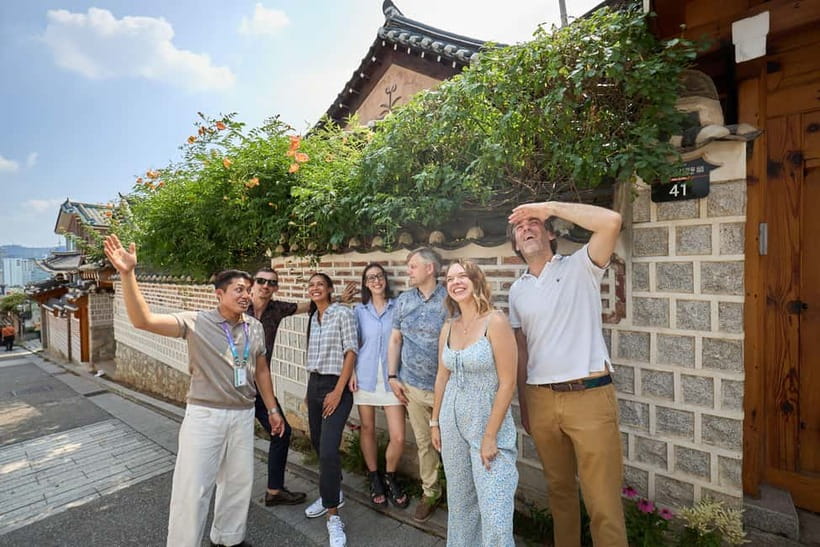
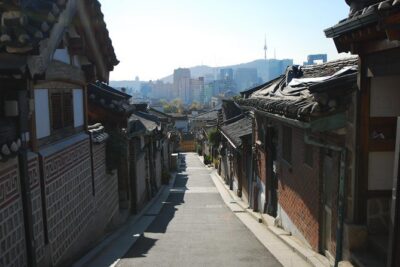
Bukchon Hanok Village is where Seoul stops acting like a modern city and starts showing you older rhythms. You’ll walk narrow lanes lined with hanok, traditional Korean houses with tiled roofs. Even if you’ve seen photos before, the scale is different in person—tiny streets, close facades, and that mix of old rooftops with the city skyline in the distance.
Why I like this stop for you: it’s not just pretty. It teaches you how Seoul’s grand palaces connect to everyday neighborhoods. You’re seeing the same city from two levels at once: royal power nearby, regular life right at street level.
Expect:
- A photo stop and guided walk with time to look around
- Plenty of chances to take pictures at angles where roofs and alleys line up
- A bit of movement, so your shoes matter
One consideration: this area is compact, but you will be on your feet. If you have ankle issues or hate uneven stone sidewalks, bring the best walking shoes you own. The tour guidance here is very “look up, look around, walk slow for photos.”
If your guide is someone like Alice or Eva, you’ll often get extra context while you’re walking—Joseon-era details that help the scene click instead of just staying scenic.
Gyeongbokgung Palace guard changing: the Joseon ritual you actually remember
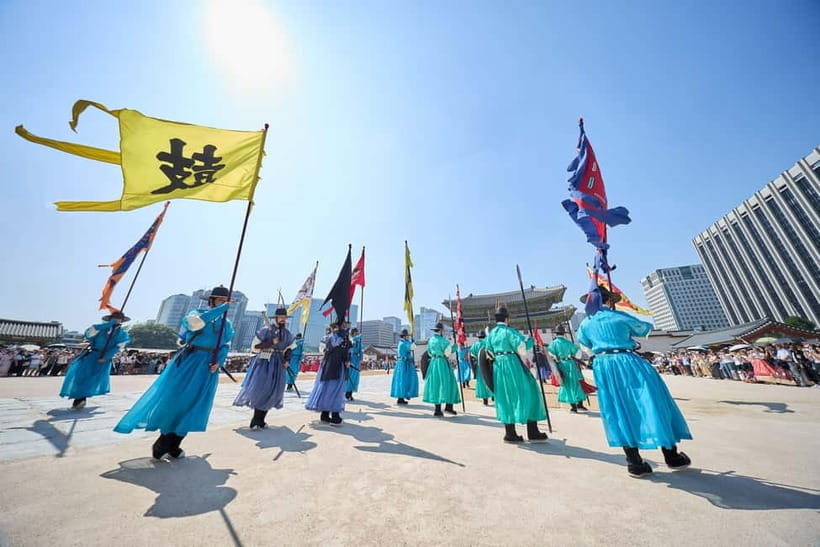
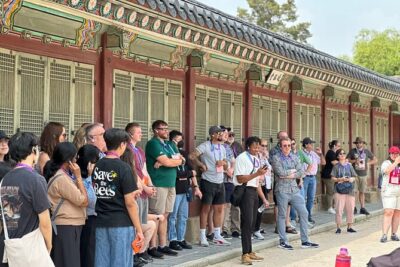
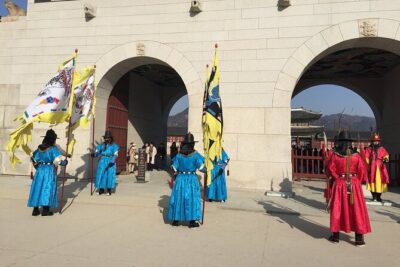
The Royal Guard Changing Ceremony at Gyeongbokgung Palace is the kind of cultural moment that’s easy to remember later because it’s visual and precise. You’ll see uniformed guards, ceremonial instruments, and a reenactment of Joseon Dynasty guard-changing rituals.
What makes it worth your time is the structure. This isn’t random spectacle—it’s a performance with choreography, and your guide can help you understand what you’re seeing. Guides such as Kelly, Claire, or Alice have been praised for giving Joseon Dynasty background in a way that makes the ceremony feel like more than a photo op.
Two things to plan around:
- Timing and positioning matter. Some experiences have included getting people better sightlines so you can watch calmly instead of constantly craning your neck.
- Expect to stand. Bring patience for a short wait and use that time to watch how the ceremony moves.
Important reality check: Gyeongbokgung Palace and the changing ceremony are closed on Tuesdays. If your trip lands on a Tuesday, you’ll get a different palace and a different plan (more on that below).
Still hungry? More Seoul market and street-food crawls
Gyeongbokgung Palace tour plus the Blue House pass-by
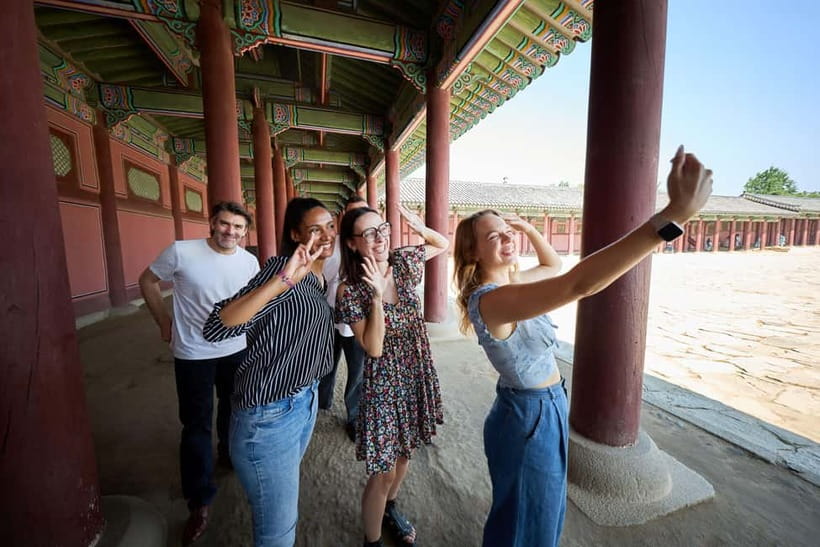
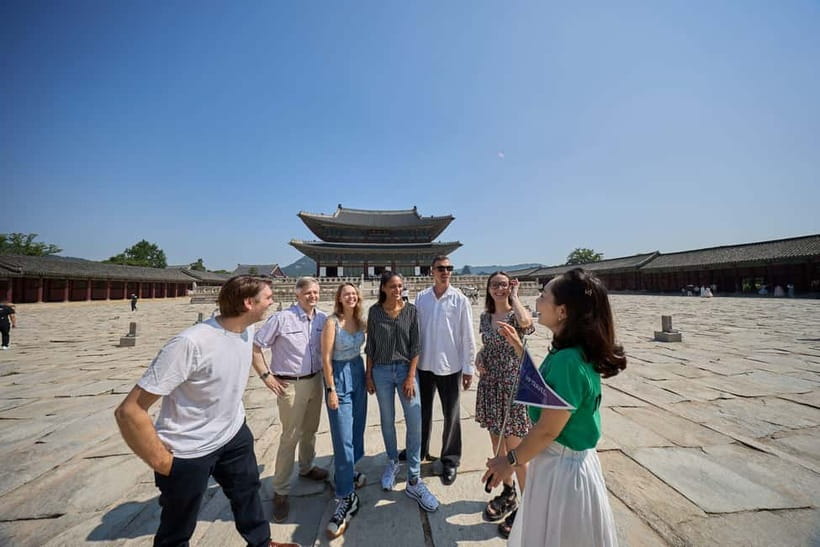
After the ceremony (on the right days), you’ll also get a guided visit inside Gyeongbokgung Palace. This palace is Seoul’s big signature Joseon site, and the architecture hits different once you’re inside the grounds.
You’ll spend time at key areas such as the palace’s gates and courtyards, plus calm stops like the lotus ponds. The guide’s job here is to connect the spaces: why certain areas feel ceremonial, why courtyards open up for gatherings, and how the layout reflects how the palace functioned.
Then there’s the Blue House (Cheongwadae) pass-by. You won’t have time for a deep visit, but you do get a scenic drive-by view. For short trips, that matters because it gives you a reference point for what you’ll recognize later if you explore more on your own.
If you like making your own follow-up itinerary, the drive segments can be useful. One person noted that during the drive they saw spots worth checking out later—exactly the right benefit when you only have half a day.
Cheongha Korean Ginseng Museum: tea break with optional shopping
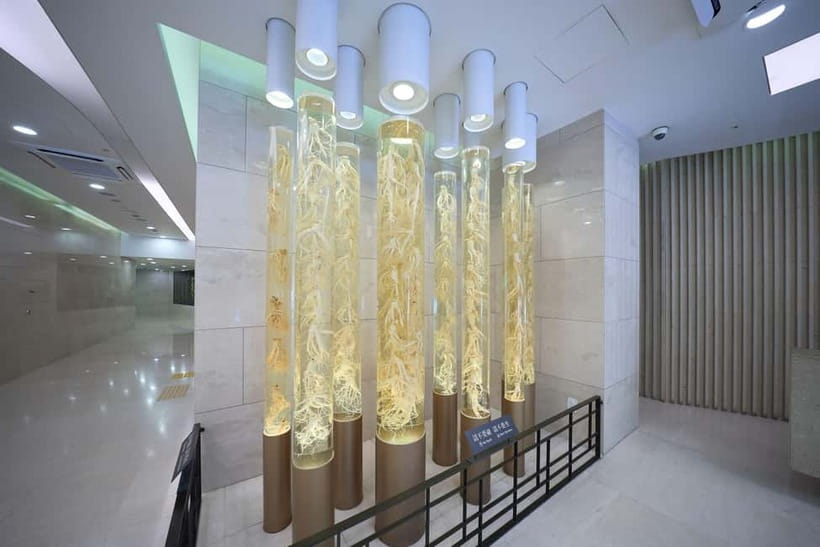
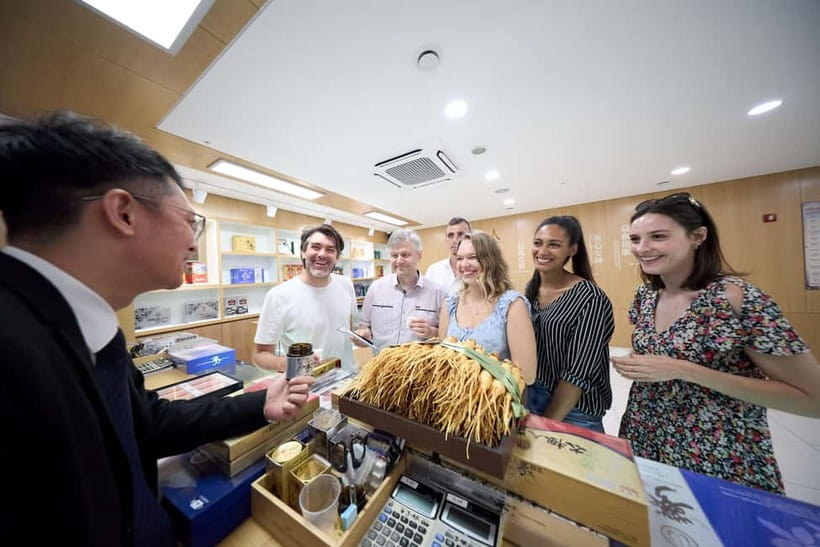
Next up is the Cheongha Korean Ginseng Museum, and this stop is built for an easy mental reset. After palace walks and ceremony standing, you sit down for a cup of traditional Korean herbal tea while learning about ginseng’s health role and cultural importance.
Here’s what you should know so you feel comfortable:
- The stop includes exhibits about ginseng
- You’ll have free time to browse
- There’s no pressure to buy
That last part is important. In Seoul, it’s easy to feel like you’ve been herded into shopping. This ginseng center is specifically described as optional-purchase. You can treat it like a short cultural lesson and leave.
What to expect from the talk: background on how ginseng fits into Korean wellness traditions. You may not walk away as a ginseng expert, but you’ll understand why you keep seeing it everywhere in Korean shops and on menus.
Bring cash if you want to purchase any ginseng products, but you can also go full “learn and enjoy the tea” and be totally fine.
Gwangjang Market: street-food time you can taste
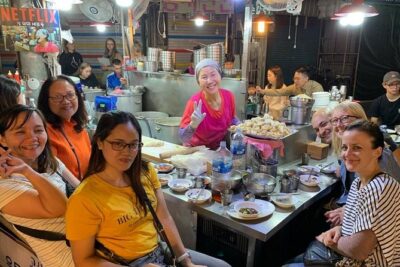
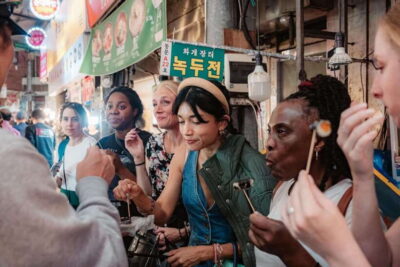
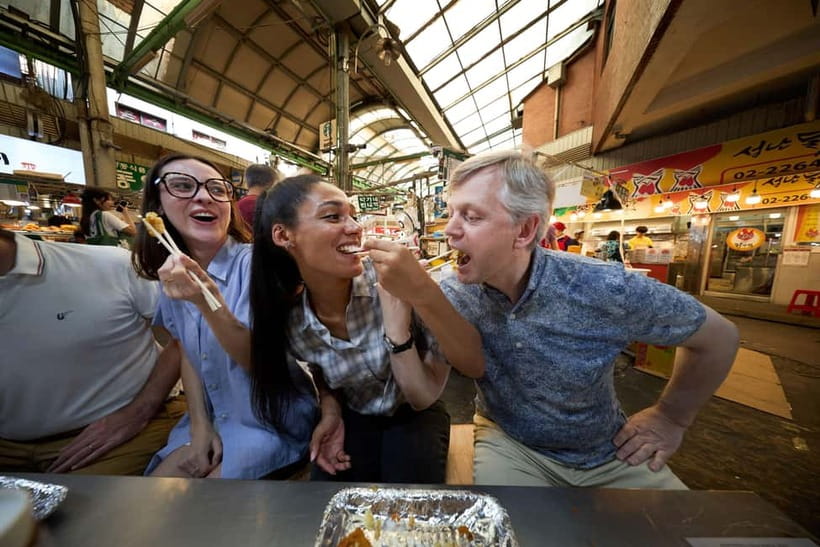
Gwangjang Market is where the tour cashes in on fun. This is one of Seoul’s older and best-known markets, and you get a full market-focused hour with guided time plus time to roam.
The best part: you’re not left guessing what to eat. The market is famous for specific dishes, and you’ll have time to try favorites such as:
- bindaetteok (mung bean pancake)
- mayak gimbap (small addictive seaweed rice rolls)
- tteokbokki (spicy rice cakes)
Why this stop is good value: in many cities, food markets can be chaos. Here, the tour organizes the moment so you can focus on tasting instead of figuring out where to start.
Also, your guide may help you navigate ordering and choosing. A few people highlighted guide-led photo help and clear explanations, which makes the food time feel less stressful and more like you’re with a friend who knows where to go.
One consideration: this area is active, so keep your phone secure and expect close quarters. If you prefer slow, quiet dining, you might want to shift your expectations here.
Tuesday-only reality: Changdeokgung Palace and Insadong instead
If your day is a Tuesday, you’ll miss Gyeongbokgung and the guard changing ceremony because they’re closed. In their place, the tour swaps in two stops that still deliver the same “Seoul through time” feel.
First: Changdeokgung Palace, a UNESCO World Heritage site known for its peaceful setting and harmonious architecture. The highlight is the Secret Garden, which many people consider the most stunning part of the palace experience because it feels calmer and more nature-led than other palace sections.
Second: Insadong. This district is known for traditional tea houses, antique and craft shops, and art galleries. It’s a great place to shop for small souvenirs and also just watch how local culture shows up street by street.
For Tuesday planning, I think the logic is solid: you still get a UNESCO palace experience and you still get cultural browsing. It just shifts the mood from royal ceremony to garden atmosphere and craft shopping.
How much walking is involved, and what to bring
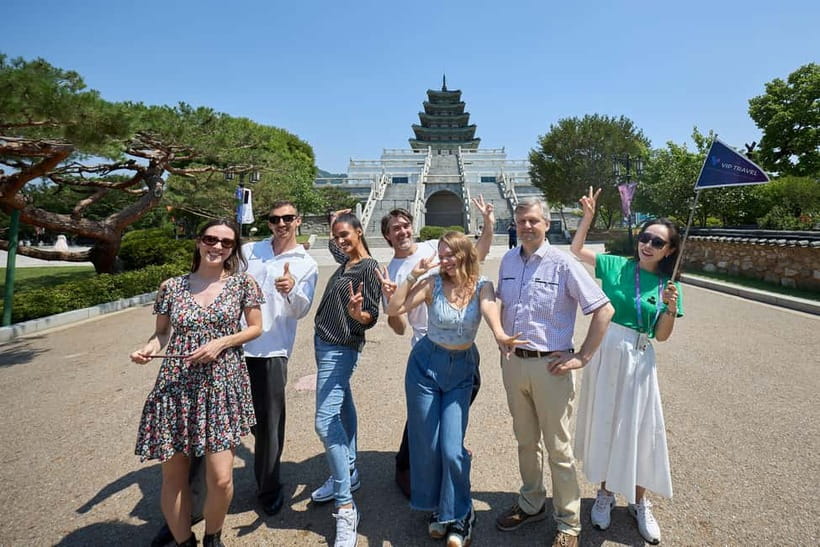
This tour blends short bus rides with walking in Bukchon and then another active food-and-street segment at Gwangjang Market. Even with guidance, you’ll want to treat it like a comfortable half-day city outing.
Bring:
- Comfortable shoes (you’ll feel it if they’re new or unsupportive)
- A camera (palace angles and hanok rooftops are photo gold)
- Cash (helpful if you want ginseng products or extra market bites)
A small but helpful note: some guides are praised for handling heat by finding shade while explaining palace history. You can’t control the weather, but having a guide who stays practical can make a noticeable difference to your comfort.
Price and value: why $30 makes sense for first-timers
At $30 per person, this isn’t just a ticket to one site. You’re getting:
- A guided Bukchon Hanok Village visit
- A palace experience with meaningful cultural interpretation (and on most days, the guard changing ceremony)
- A Blue House pass-by so you recognize it later
- A ginseng museum tea stop with optional browsing and learning time
- A Gwangjang Market food hour with classic street foods
The value equation is simple. You’re paying for organization: the guide, the timed flow between sites, and the ability to see several major Seoul highlights without spending your half-day hunting down logistics.
Also, this is a good pick if you’re the type who likes getting oriented quickly. One person said doing this early helped them book additional cultural visits later—exactly the reason I like compact guided tours for getting your bearings fast.
Who should book this Seoul combo, and who might not love it
This tour fits you well if:
- You have about half a day and want multiple signature experiences
- You want guidance at the palace so the ceremony and buildings make sense
- You like street food and don’t want to guess your way through a big market
- You’re a first-timer who wants both history and everyday life
You might want to skip it if:
- You hate standing and prefer long, slow museum-style pacing
- You want deep, unhurried time in a single palace complex
- You dislike shopping stops, even when purchases are optional (the ginseng center includes a browsing area)
Should you book this tour?
If you’re aiming for a smart, efficient Seoul introduction, I’d say yes. The combination of Bukchon hanok streets, (non-Tuesday) royal ceremony, ginseng tea education, and Gwangjang Market food covers a lot of ground without turning into a rushed mess.
The best way to make this worth it is to show up ready to walk, use the guide’s explanations, and treat the food stop like your payoff. And if your trip falls on a Tuesday, don’t panic about missing Gyeongbokgung—Changdeokgung plus Insadong is a perfectly strong swap.
FAQ
Where do I meet this tour?
Meet at Myeongdong Subway Station Exit 8.
What’s the tour length?
The duration is 210 minutes.
Is the tour guided in English?
Yes, the tour includes a live English guide.
What happens on Tuesdays?
On Tuesdays, the tour avoids Gyeongbokgung Palace and the Royal Guard Changing Ceremony (closed) and instead visits Changdeokgung Palace and Insadong.
Does the tour include Ginseng tea and is buying required?
You’ll visit the Cheongha Korean Ginseng Museum for a cup of traditional Korean herbal tea. You can browse or purchase ginseng products if you want, but there is no obligation to buy.
What food should I expect at Gwangjang Market?
You’ll visit Gwangjang Market, where you can try popular items such as bindaetteok, mayak gimbap, and tteokbokki.
Where does the tour end?
The tour ends back at Myeongdong Station for all participants.
What should I bring?
Bring comfortable shoes, a camera, and cash.
More Hanok Village Wandering
- Seoul: Gyeongbok Palace, Bukchon Village, and Gwangjang Tour★ 4.9 · 2,321 reviews
- Seoul City Sightseeing Tour Including Gyeongbokgung Palace, N Seoul Tower, and Namsangol Hanok Village★ 5.0 · 1,423 reviews
- Seoul: Gyeongbok Palace, Bukchon Village, and Gwangjang Tour★ 5.0 · 1,044 reviews
- Seoul: Gyeongbok Palace and Bukchon Hanok Walking Tour★ 4.8 · 157 reviews
- Best Walking Tour to Gyeongbok Palace Bukchon Hanok Village★ 5.0 · 138 reviews
Eat Your Way Further Through Seoul
- Seoul: Gyeongbok Palace, Bukchon Village, and Gwangjang Tour★ 4.9 · 2,321 reviews
- Seoul Street Food Market Tour★ 5.0 · 1,226 reviews
- Seoul: Gyeongbok Palace, Bukchon Village, and Gwangjang Tour★ 5.0 · 1,044 reviews
- Local Home Korean Cooking Class & Market Adventure in Seoul★ 5.0 · 1,024 reviews
- Seoul: Night Market Food Tour with Local Guide★ 4.9 · 943 reviews
Still More Palaces to Walk
- Seoul: Gyeongbok Palace, Bukchon Village, and Gwangjang Tour★ 4.9 · 2,321 reviews
- Best Seoul City Tour (Gyeongbokgung Palace,Insadong,Namsan Tower)★ 5.0 · 1,647 reviews
- Small-Group Royal Palace and Seoul City Tour (hotel pick-up)★ 5.0 · 1,474 reviews
- Seoul City Sightseeing Tour Including Gyeongbokgung Palace, N Seoul Tower, and Namsangol Hanok Village★ 5.0 · 1,423 reviews
- Seoul: Gyeongbok Palace, Bukchon Village, and Gwangjang Tour★ 5.0 · 1,044 reviews
Just added to Exploring Seoul
Gyeongbokgung & Palace Tours, compared.
 ★ 4.9Gyeongbok Palace, Bukchon Village, and Gwangjang TourFrom $322,321 reviews
 ★ 5.0Best Seoul City Tour (Gyeongbokgung Palace,Insadong,Namsan Tower)From $581,647 reviews
 ★ 5.0Small-Group Royal Palace and Seoul City Tour (hotel pick-up)From $561,474 reviews
 ★ 5.0Seoul City Sightseeing Tour Including Gyeongbokgung Palace, N Seoul Tower, and Namsangol Hanok VillageFrom $801,423 reviews
★ 5.0Gyeongbok Palace, Bukchon Village, and Gwangjang TourFrom $321,044 reviews
★ 5.0Seoul City Sightseeing Tour Including Gyeongbokgung Palace, N Seoul Tower, and Namsangol Hanok VillageFrom $801,423 reviews
★ 5.0Gyeongbok Palace, Bukchon Village, and Gwangjang TourFrom $321,044 reviews
 ★ 4.9Seoul Half-Day City Highlight, Palace Tour with HanbokFrom $49764 reviews
 ★ 4.9Palace, Temple and Market Guided Foodie Tour at NightFrom $60750 reviews
 ★ 4.7Seoul Highlights: Gyeongbok Palace, Insadong & N Seoul TowerFrom $26726 reviews
Browse the lists this tour appears in