
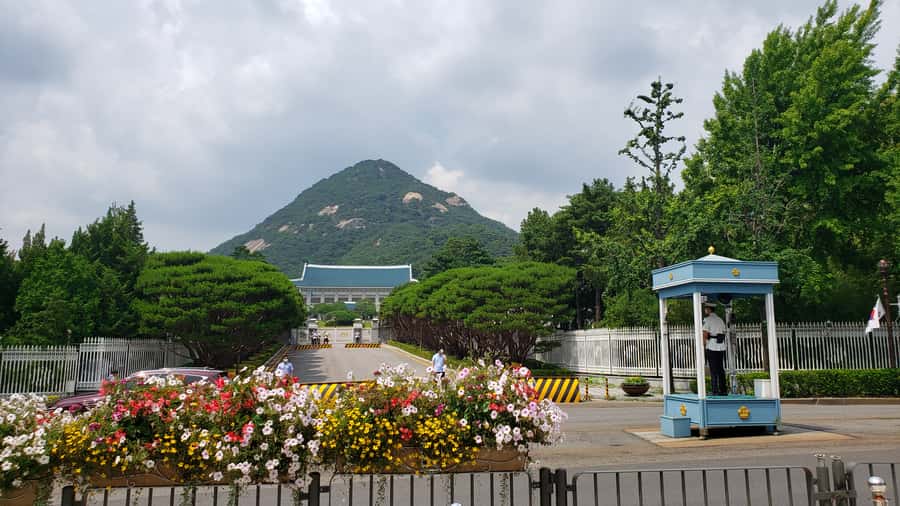
Reviewed · GYEONGBOKGUNG & PALACE TOURS
Gyeongbokgung Palace, Jogyesa Temple and Bukchon village
Three Seoul icons in one outing. This walking tour strings together Jogyesa Temple, Gyeongbokgung Palace, and Bukchon village in a route that makes first-time Seoul feel less chaotic and more meaningful. I like how the pace works for sightseers who want landmarks and context, and I like the little culture adds along the way, like learning about language and tasting something traditional at the palace.
One thing to consider: it’s a walking day. Bring comfortable shoes, and plan for no food being included, so you’ll want to grab meals before or after while you can.
In This Review
- Key Highlights Worth Your Time
- Starting at Anguk Station Exit 6 and the Insadong Warm-Up
- Jogyesa Temple: Where Buddhism Feels Close and Calm
- Gwanghwamun Square and King Sejong: A Quick Reality Check Before the Palace
- Gyeongbokgung Palace: Walk the Joseon Main Stage (Plus a Palace Drink)
- Bukchon Village: Traditional Streets, Architecture Wins the Argument
- The Guide Experience: Why Lee’s Style Often Makes the Day
- Price and Value: Is $82 Worth It?
- Timing, Walking Comfort, and What to Bring
- Who This Tour Suits Best (and Who Might Want Something Else)
- Should You Book This Seoul Walking Tour?
- FAQ
- Where does the tour start and end?
- What’s included in the price?
- Is food included?
- What language is the tour offered in?
- Do I need to bring anything?
- Are pets or mobility scooters allowed?
- How much walking is involved?
Key Highlights Worth Your Time
- Jogyesa Temple calm: A peaceful stop at the head temple of the Jogye Order of Korean Buddhism.
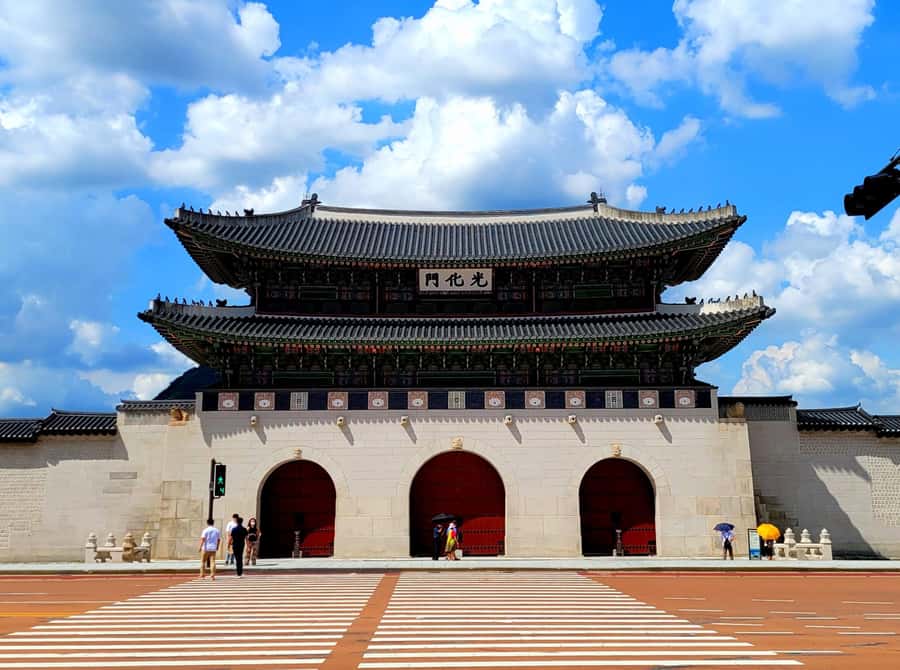
- Gyeongbokgung Palace storytelling: Stroll the main Joseon Dynasty palace grounds, established in 1395.
- Gwanghwamun Square context: See the King Sejong statue before you hit the palace.
- Bukchon architecture walk: Traditional neighborhood streets with lots of photo angles.
- Real cultural moments: Traditional herbal tea and a traditional drink during the palace portion.
- A guide who adjusts: Many groups are led by Lee, known for being patient and responsive to family needs.
Keep walking the palaces of old Seoul
- Seoul: Gyeongbok Palace, Bukchon Village, and Gwangjang Tour★ 4.9 · 2,321 reviews
- Best Seoul City Tour (Gyeongbokgung Palace,Insadong,Namsan Tower)★ 5.0 · 1,647 reviews
- Small-Group Royal Palace and Seoul City Tour (hotel pick-up)★ 5.0 · 1,474 reviews
- Seoul City Sightseeing Tour Including Gyeongbokgung Palace, N Seoul Tower, and Namsangol Hanok Village★ 5.0 · 1,423 reviews
Starting at Anguk Station Exit 6 and the Insadong Warm-Up
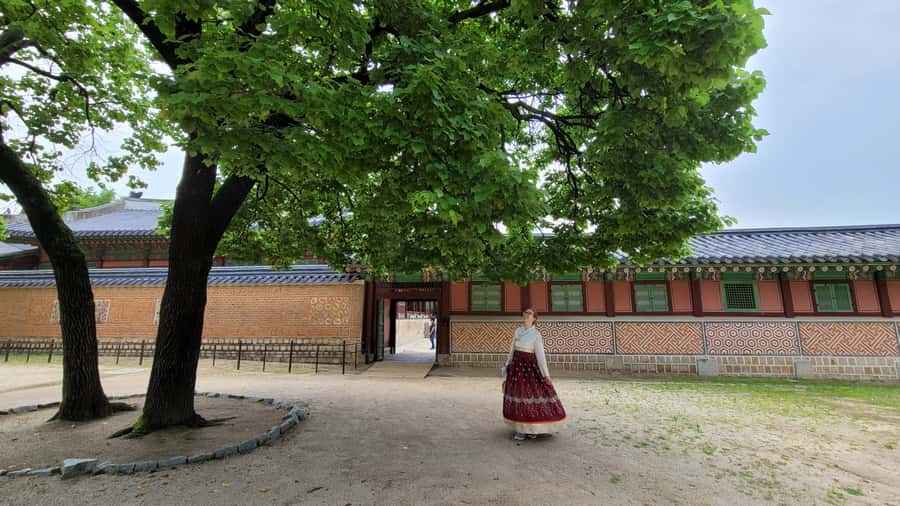
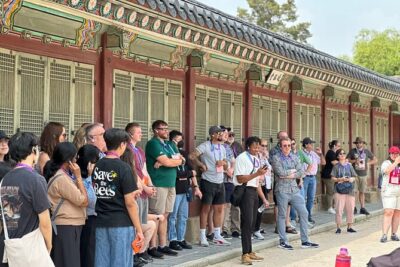
You’ll meet your guide at Anguk Station Exit 6, which is a handy anchor point if you’re staying somewhere central. From there, the tour moves into the Insadong area first, where the streets are full of traditional tea houses and classic snack-and-shop energy. Even before you hit the biggest sights, this early stretch helps you “switch modes” from modern Seoul into older Korea.
This start also gives you an easy entry into the tour style: you’re not just moving from gate to gate. You’re hearing stories, picking up cultural context, and getting a feel for how people experience these places day-to-day. An included traditional herbal tea helps, because it’s a simple reset during a walking schedule.
The logistics are straightforward. There’s no hotel pickup or drop-off, and the tour doesn’t include food. That means you’ll want to time your day so you’re not hungry right as you’re walking between neighborhoods.
Jogyesa Temple: Where Buddhism Feels Close and Calm
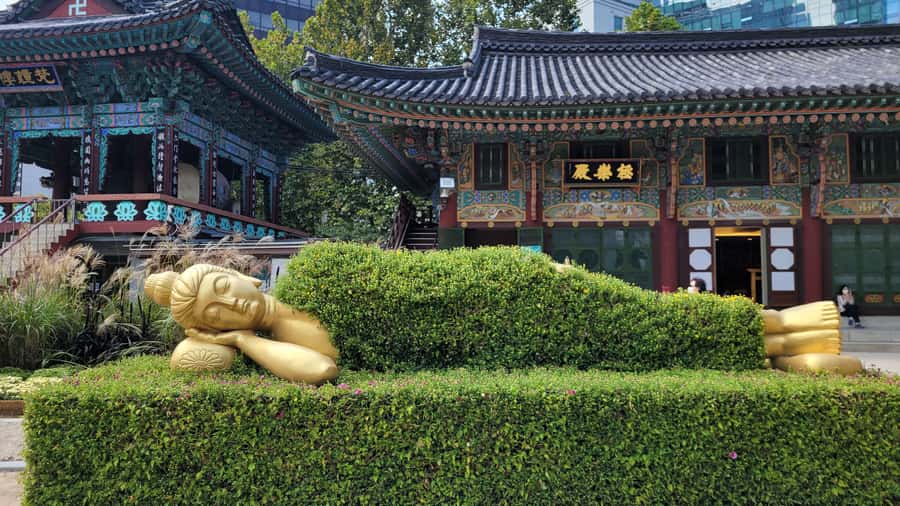
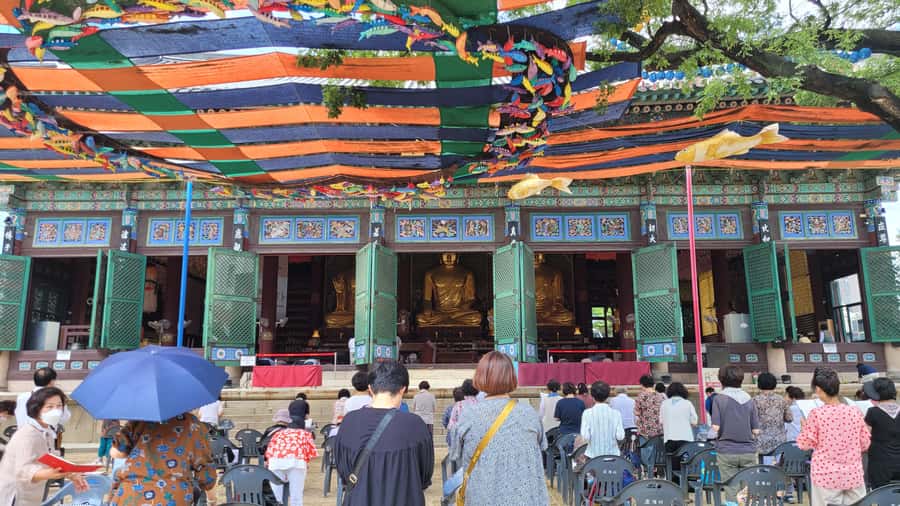
The tour’s first major “real pause” is Jogyesa Temple, a standout because it’s the head temple of the Jogye Order of Korean Buddhism. In practice, that means you don’t just see buildings and courtyards—you feel like you’re entering a place with living importance, not a staged museum stop.
You’ll get a guided look around with an emphasis on history and meaning, not just facts. That’s valuable here because Jogyesa can be visually striking, but it’s easy to miss what you’re seeing if you don’t have someone pointing out what matters. With a guide, you’re better able to connect the dots between the temple setting and how Korean Buddhism shaped daily life.
I also like that the tour starts with a temple before the palace. It’s a smart emotional order: you get calm, then you switch to royal history. It keeps the day from turning into one long “look at another monument” marathon.
And if your group includes kids or older adults, the pace can be comfortable. One family-focused review specifically praised the guide for being sensitive to needs, which usually translates to clearer explanations and patience when people lag behind.
Gwanghwamun Square and King Sejong: A Quick Reality Check Before the Palace
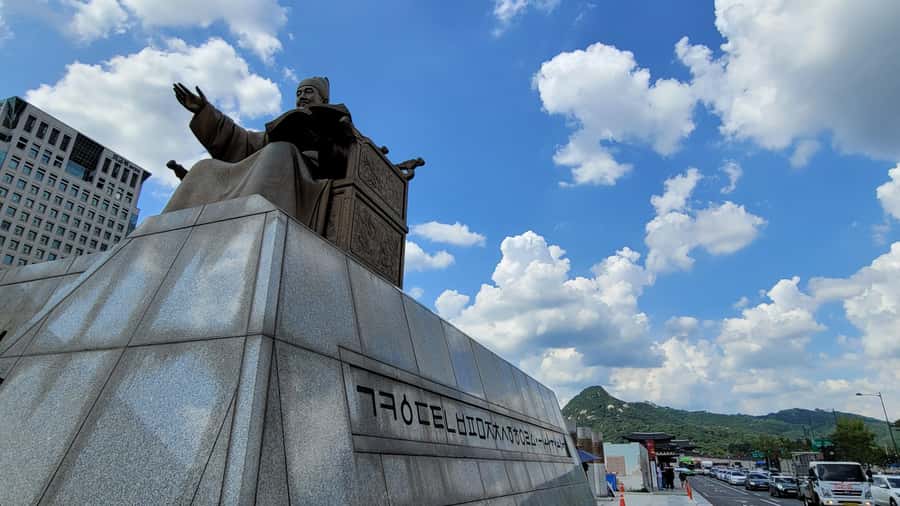
After Jogyesa, the route heads toward Gwanghwamun Square. This is where you get a fast dose of national context: you’ll see the statue of King Sejong. For first-time visitors, this matters because Sejong is a gateway figure for understanding Joseon-era Korea. You’re basically setting the stage for what you’ll walk through next.
Think of this as your “why” moment. Instead of arriving at the palace with only your camera ready, you come with a story in mind: leadership, learning, and the idea of governance tied to culture. The statue itself is a clear landmark, and having the guide point out how it connects to the wider historical narrative is what makes the stop useful rather than just scenic.
One small practical note: this is an outdoor city square, so you’ll feel the weather. If Seoul is humid or chilly that day, plan your layers and keep water handy even though it’s not listed as included. Comfortable shoes do double duty here.
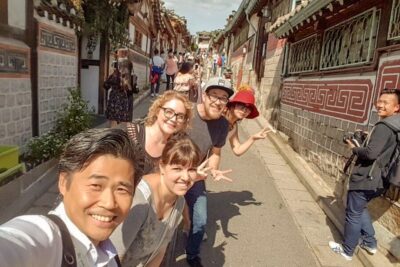
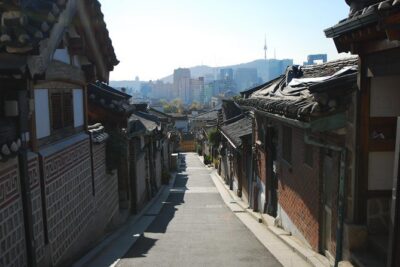
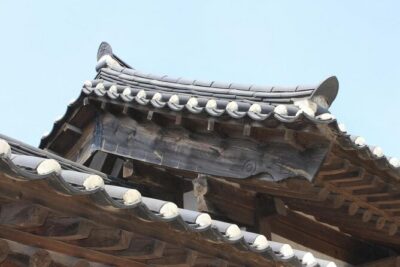
More hanok lanes and rooftops around Bukchon
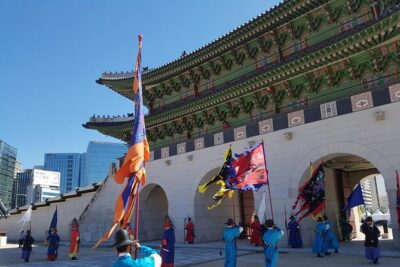
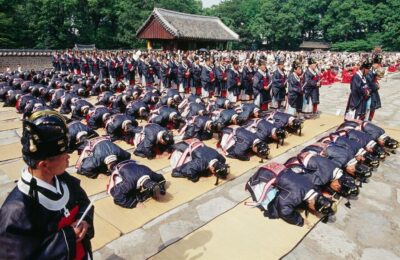
Gyeongbokgung Palace: Walk the Joseon Main Stage (Plus a Palace Drink)
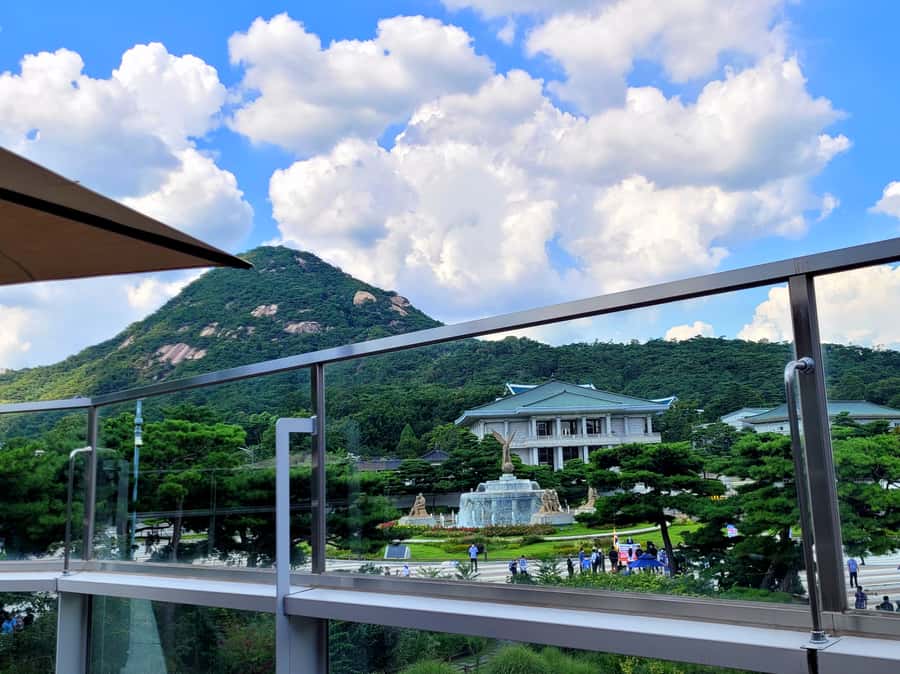
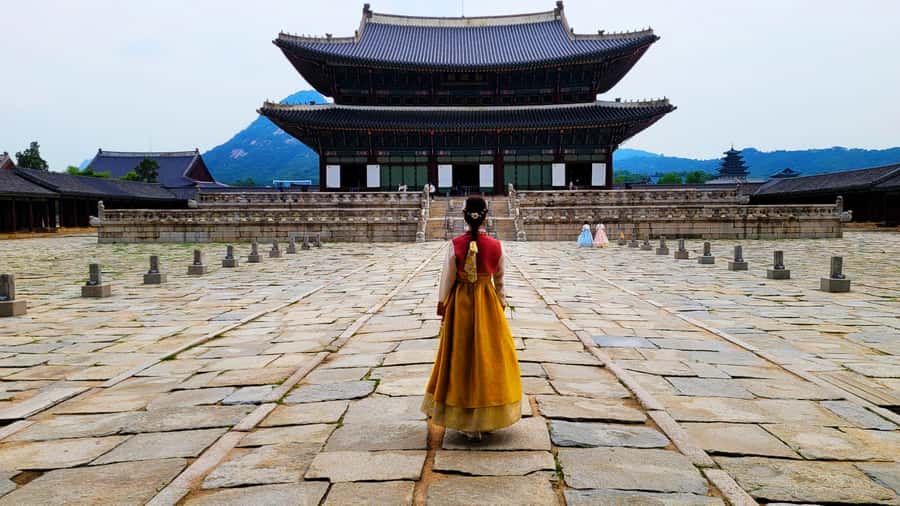
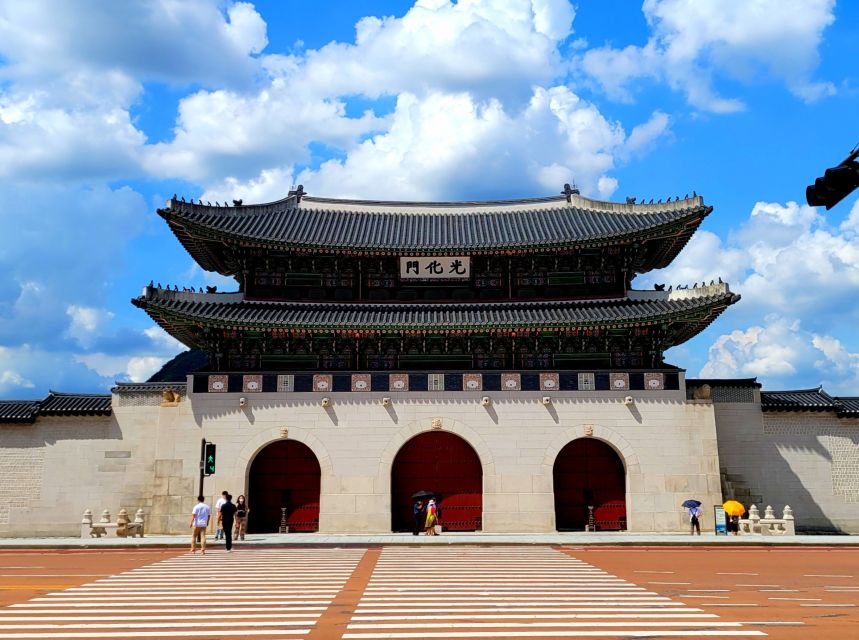
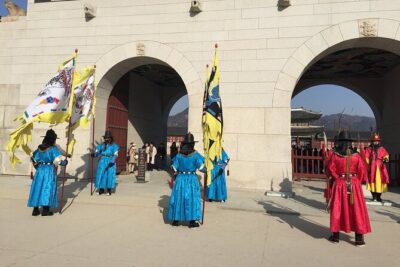
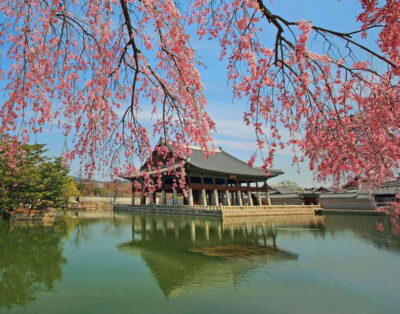
Then it’s time for the star: Gyeongbokgung Palace. The palace was established in 1395, and the tour gives you time to stroll the grounds as the main Joseon Dynasty palace. You’re not just standing at a single point for photos—you’re moving through the site like you’re exploring, with context as you go.
This is also where you’ll likely get one of the day’s most “Seoul” experiences: a traditional drink at the palace. If you’ve only had coffee and packaged snacks in your travels, this is the moment to slow down for something cultural. It also breaks up walking so you don’t feel like the day is one long endurance test.
Two things I really like about the way this part is handled:
- Entrance ticket included. You don’t have to worry about buying a separate ticket for Gyeongbokgung while you’re focused on the route.
- History in motion. Instead of a dry lecture, you get explanations while you’re walking, which helps the place “stick” in your mind.
Possible drawback: Gyeongbokgung is huge. The tour gives you a guided walk, but it’s still a limited window. If you’re the kind of visitor who wants to linger in every courtyard and read every sign, you may want to add extra free time afterward.
A nice extra that comes up in at least one group experience: a Korean board game taught or explained during a café break around the palace area. That kind of stop is low-effort, high-memories. It’s also a reminder that culture isn’t only in palace gates—it shows up in everyday play.
Bukchon Village: Traditional Streets, Architecture Wins the Argument
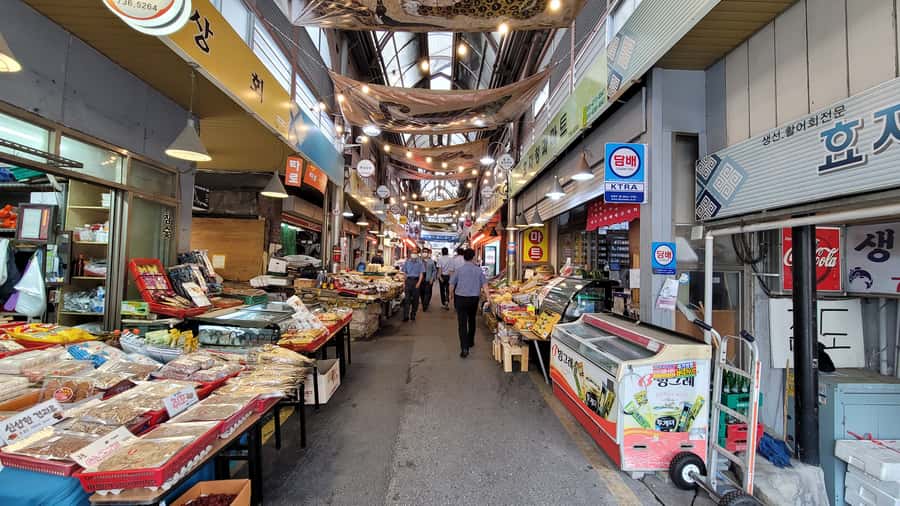
Next comes Bukchon, the traditional village area. This is the section that rewards slow steps. The architecture is the headline, and the streets give you plenty of angles for photos without needing to race anyone for a spot.
The tour’s tone here shifts a bit. At the palace you’re taking in royal structures and big historical themes. In Bukchon, you’re seeing how people lived and built neighborhoods with a different relationship to space and style. That’s where “guided” matters less for facts and more for interpretation: you’ll get more meaning out of the buildings and layout than if you just wander.
A practical reality: the walking is moderate. This isn’t described as a strenuous hike, but it’s still a neighborhood walk on uneven paths and stone-adjacent streets. So your shoes really do matter.
One thing to consider for your expectations: the pacing through Bukchon may feel a touch brief to people who want deeper history here. If you want extra background beyond architecture, think about adding time on your own after the tour to read more signs or take a second pass through key streets.
The Guide Experience: Why Lee’s Style Often Makes the Day
A big reason this tour lands a strong rating is the guide. Many groups are led by Lee, who’s repeatedly described as patient, professional, and tuned in to what the group needs in the moment. That matters more than you might think. In Seoul, even common sights can feel confusing if you’re moving fast and missing the context.
If your group includes different ages, that patience can be the difference between a “good photos” day and a genuinely enjoyable one. Reviews also mention that Lee engages in discussion and stays on schedule, which helps when you’re trying to fit Seoul classics into a limited trip window.
Language and culture learning is also part of the plan. You’ll learn Korean language and culture through the tour, which can be as simple as learning a few useful phrases and how certain traditions connect to what you see. The goal isn’t to turn you into a Korean-studies major. It’s to give you enough to recognize meaning on the street.
And yes, the day can include small unexpected extras. In one experience, a Korean board game added a fun break from sightseeing. If your personality likes light surprises, that’s a win.
Price and Value: Is $82 Worth It?
At $82 per person, the value mostly comes from what’s included versus what you’d normally pay separately. Here’s the math in plain terms:
- Gyeongbokgung Palace entrance ticket included
Palace entry fees in Seoul can add up fast. Including it saves hassle and cost.
- Traditional herbal tea included
It’s a small item, but it supports the schedule and reduces “search for coffee/tea” time.
- An English guide included
For places like Jogyesa and the palace, the guided context is what turns a list of attractions into an understandable story.
What’s not included:
- Food
- Hotel pickup and drop-off
So if you’re the kind of traveler who already plans meals tightly and you’re comfortable walking, this price can feel fair. If you need extra help getting around (and you rely on scooters), you should know there are restrictions—mobility scooters aren’t allowed on this tour.
Also remember: this is a compact route of major icons plus a traditional neighborhood. If you’d otherwise spend your time hopping between sites without context, the guide portion is doing real work.
Timing, Walking Comfort, and What to Bring
This is a walking tour, and reviews describe it as around three hours. That’s a good length for first-time visitors because you get a lot of highlights without losing an entire day.
What to bring is simple:
- Comfortable shoes
That’s it in the official list, but I’d add practical commonsense for your comfort: water, a light layer for weather, and sunscreen if needed. The tour doesn’t mention these, but Seoul walking days are real.
Restrictions are also clear:
- No pets
- No mobility scooters
- No alcohol and drugs
If you travel with any of those needs, you’ll want to look for an alternative tour style that matches your constraints.
Who This Tour Suits Best (and Who Might Want Something Else)
This walking route is strongest for:
- First-time visitors who want major Seoul landmarks in one coherent day
- People who value context as much as photos
- Families and mixed-age groups who benefit from a patient guide
- Travelers who like a quick mix of palace + temple + traditional neighborhood
You might look for a different option if:
- You’re a slow explorer who wants to spend half a day inside Gyeongbokgung alone
- You need food included in the tour price
- You rely on mobility scooters or need special accessibility support
Still, if your priority is a guided, efficient overview that doesn’t feel rushed in the wrong ways, this tour is a sensible choice.
Should You Book This Seoul Walking Tour?
If you’re visiting Seoul for the first time and want a route that connects Jogyesa, Gyeongbokgung, and Bukchon with real meaning, I’d book it. The included palace entrance, the early tea stop, and the guide-led history make the $82 feel like you’re paying for interpretation, not just entry tickets.
I’d especially book if you enjoy calm stops and small cultural moments—like tasting something traditional at the palace and learning a bit of language along the way. It’s the kind of tour that helps you understand what you’re seeing instead of just collecting stamps on your phone.
If you’re the type who loves extra time and deeper reading, treat this as the starter pack. Then add follow-up time on your own for longer palace wandering or more Bukchon street exploration.
FAQ
Where does the tour start and end?
You meet your guide at Anguk Station Exit 6. The tour ends back at the meeting point.
What’s included in the price?
The tour includes Gyeongbokgung Palace entrance ticket, traditional herbal tea, and a guide.
Is food included?
No. Food is not included.
What language is the tour offered in?
The tour is offered in English.
Do I need to bring anything?
You should bring comfortable shoes for walking.
Are pets or mobility scooters allowed?
No. Pets and mobility scooters are not allowed.
How much walking is involved?
It’s a walking tour with a moderate walk through Bukchon village, so plan for several stretches on foot.
More Temple Hours Near Seoul
- Seoul: Palace, Temple and Market Guided Foodie Tour at Night★ 4.9 · 750 reviews
- Seoul: Mt Seorak + Naksansa Temple or Nami Island Group Tour★ 4.7 · 422 reviews
- Best Things to Do – Half Day Seoul Trip (Seoul Palace & Temple)★ 5.0 · 190 reviews
- Mount Seorak and Naksansa Temple One Day Tour from Seoul★ 4.5 · 167 reviews
- Day Tour of Suwon Hwaseong Fortress Starfield Waujeongsa Temple★ 5.0 · 61 reviews
More Hanok Village Wandering
- Seoul: Gyeongbok Palace, Bukchon Village, and Gwangjang Tour★ 4.9 · 2,321 reviews
- Seoul City Sightseeing Tour Including Gyeongbokgung Palace, N Seoul Tower, and Namsangol Hanok Village★ 5.0 · 1,423 reviews
- Seoul: Gyeongbok Palace, Bukchon Village, and Gwangjang Tour★ 5.0 · 1,044 reviews
- Seoul: Gyeongbok Palace and Bukchon Hanok Walking Tour★ 4.8 · 157 reviews
- Best Walking Tour to Gyeongbok Palace Bukchon Hanok Village★ 5.0 · 138 reviews
Still More Palaces to Walk
- Seoul: Gyeongbok Palace, Bukchon Village, and Gwangjang Tour★ 4.9 · 2,321 reviews
- Best Seoul City Tour (Gyeongbokgung Palace,Insadong,Namsan Tower)★ 5.0 · 1,647 reviews
- Small-Group Royal Palace and Seoul City Tour (hotel pick-up)★ 5.0 · 1,474 reviews
- Seoul City Sightseeing Tour Including Gyeongbokgung Palace, N Seoul Tower, and Namsangol Hanok Village★ 5.0 · 1,423 reviews
- Seoul: Gyeongbok Palace, Bukchon Village, and Gwangjang Tour★ 5.0 · 1,044 reviews
Just added to Exploring Seoul
Gyeongbokgung & Palace Tours, compared.
 ★ 4.9Gyeongbok Palace, Bukchon Village, and Gwangjang TourFrom $322,321 reviews
 ★ 5.0Best Seoul City Tour (Gyeongbokgung Palace,Insadong,Namsan Tower)From $581,647 reviews
 ★ 5.0Small-Group Royal Palace and Seoul City Tour (hotel pick-up)From $561,474 reviews
 ★ 5.0Seoul City Sightseeing Tour Including Gyeongbokgung Palace, N Seoul Tower, and Namsangol Hanok VillageFrom $801,423 reviews
★ 5.0Gyeongbok Palace, Bukchon Village, and Gwangjang TourFrom $321,044 reviews
★ 5.0Seoul City Sightseeing Tour Including Gyeongbokgung Palace, N Seoul Tower, and Namsangol Hanok VillageFrom $801,423 reviews
★ 5.0Gyeongbok Palace, Bukchon Village, and Gwangjang TourFrom $321,044 reviews
 ★ 4.9Seoul Half-Day City Highlight, Palace Tour with HanbokFrom $49764 reviews
 ★ 4.9Palace, Temple and Market Guided Foodie Tour at NightFrom $60750 reviews
 ★ 4.7Seoul Highlights: Gyeongbok Palace, Insadong & N Seoul TowerFrom $26726 reviews
Browse the lists this tour appears in